
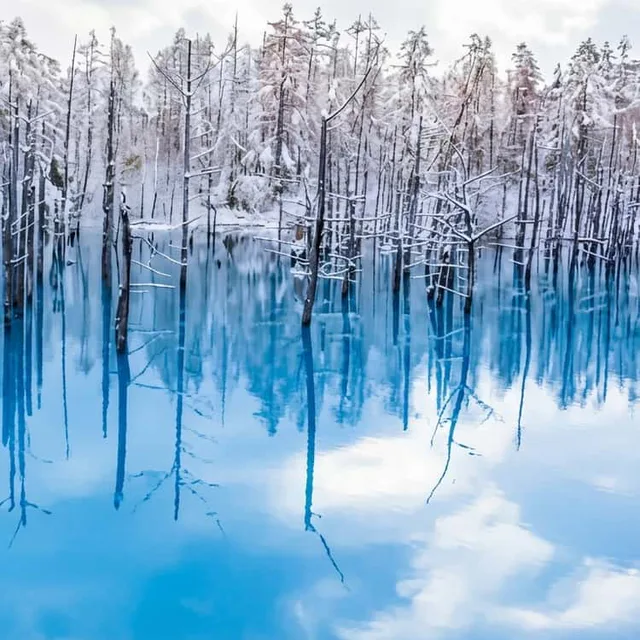
A Furano hotel usually does more work on a short central Hokkaido stay: it can anchor a ski day, a flower-area day and a visit to Biei without another checkout. Biei is a better place to sleep when the night itself changes the plan. That may mean reaching the hills before the first practical train from Furano, staying in the Shirogane onsen area after day visitors leave, or setting up an Asahikawa Airport departure. A daytime stop at Blue Pond alone does not establish the case for moving hotels. The two towns also have different last-mile journeys; a room near Biei Station and a room beside Shirogane Blue Pond are not interchangeable.
The overnight decision in one table
| Trip constraint | More useful base | What to check before booking |
|---|---|---|
| Two or three nights with skiing, meals in town and one Biei outing | Furano | Which ski zone or station-area hotel matches repeated mornings |
| An ordinary Biei sightseeing bus during its published summer season | Often Furano | The specific operating date and a rail arrival before the tour |
| Hill photography before the first convenient Furano arrival | Biei, or Shirogane if the subject is farther east | Sunrise, hotel-to-location transport and the next day's route |
| Evening and morning around Blue Pond, Shirahige Falls or an onsen | Shirogane area | Access from Biei Station, dinner cutoff and onward bus |
| Asahikawa Airport on the following day | Biei can save road time | The actual flight and Lavender Bus schedule, with a safe margin |
| Large luggage, children or a rail-only two-night stop | Usually one Furano base | Whether the second checkout buys a scarce hour or shorter departure |
| Rental car and a scenery-first summer circuit | Either town can work; use the first and last stops to decide | Parking, driving conditions and whether the extra hotel move follows the route |
The table describes the accommodation decision, not a claim that one town has better hotels for every traveller. If the trip is built around a single Biei landscape session, compare the timing with a Biei day trip and overnight separately. For a wider central Hokkaido trip, the five-day summer route choice helps show what is displaced by another stop.
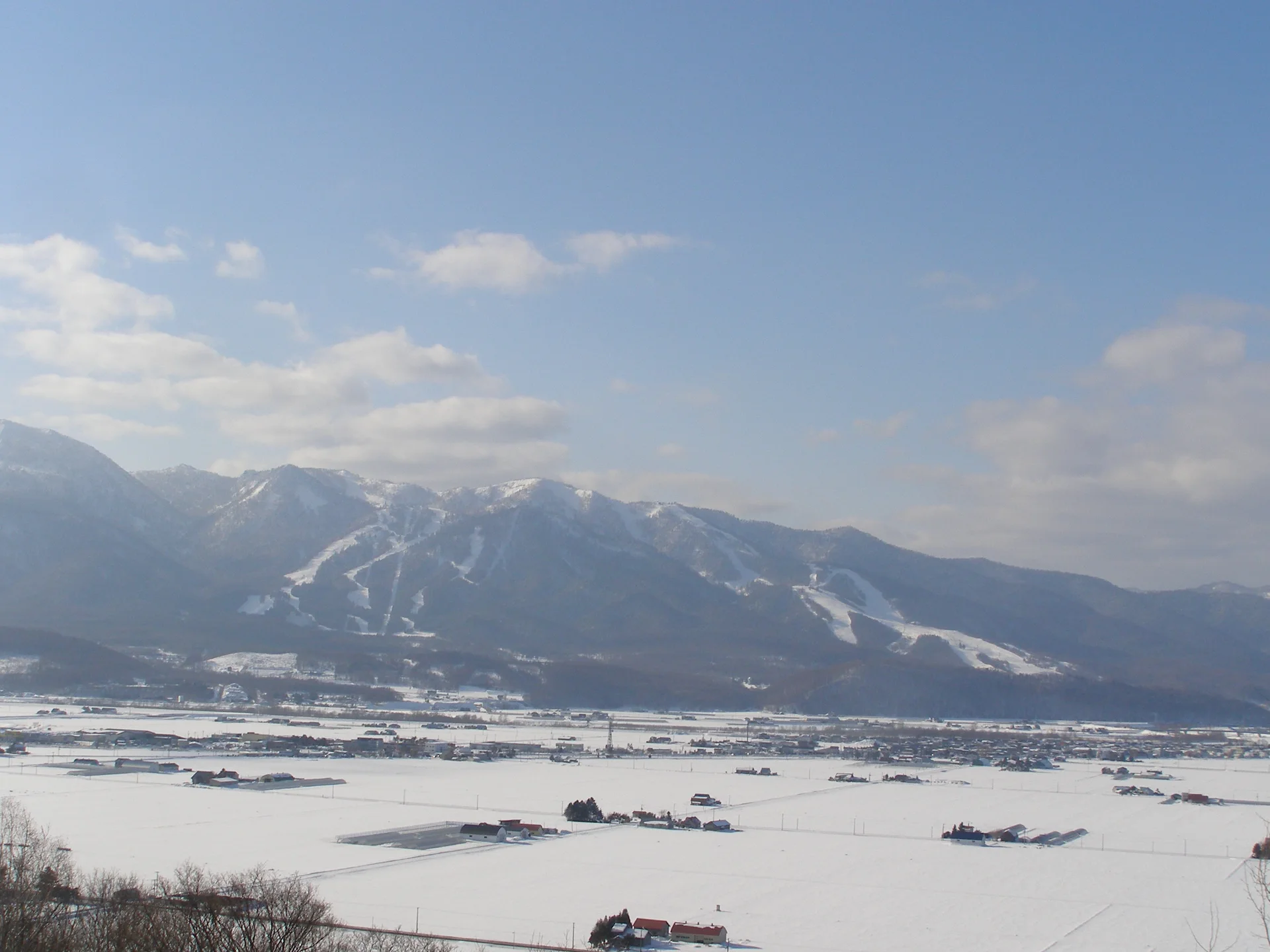
The summer sightseeing bus no longer supplies an October 2026 reason to move
The 2026 Biei View Bus is useful evidence about how a Furano day trip can work, but its listed summer and early-autumn operating dates have passed as of 24 October. Biei Tourism Association scheduled service in June, daily July through September, then 1–3 and 9–12 October. It offered a morning tour at 09:40 near JR Biei Station. The organiser's connection example showed a Furano Line train leaving Furano at 08:12 and arriving in Biei at 08:44. That created approximately 56 minutes between train and tour, enough in the organiser's own planning example to avoid a Biei hotel solely for that morning departure.
Those clock times remain a useful illustration for a future similar season; they are not a bus to book after 12 October 2026. The published afternoon example used Furano 11:42 to Biei 12:24 ahead of a 14:10 tour. A reserved-seat Norokko sightseeing train was also shown for some dates, but its operation was date-specific. Any later trip needs the new season's tour dates and JR timetable before using this connection. The car-free Furano and Biei route gives the transport trade-offs without assuming a seasonal tour runs year-round.
If the only objective is a normal daytime bus tour, the 2026 example demonstrates why packing up a Furano hotel was unnecessary. Dawn photography is a different request. Reaching a field before 08:44, fitting breakfast around an early private outing, or staying out after the last convenient return can give the Biei night a real function. Write down the desired hour and place first; “early sightseeing” by itself is too vague to justify a second booking.
Biei Station and Shirogane solve different problems
Biei Station is a useful rail and bus interchange. It is not at Blue Pond. Biei Tourism Association gives roughly 20 minutes by car or route bus between the station and Shirogane Blue Pond. Dohoku Bus serves the Biei–Blue Pond–Shirogane Onsen corridor, and there is a Biei–Shirogane area day pass for the designated route. Routes 39 and 42 had a timetable change from 1 October 2026, so an older screenshot is a poor basis for a late-autumn or winter hotel decision. Check the service for the actual day and direction, particularly the last ride back.
A station-side Biei hotel is sensible if you need the train, want town access and can use the route bus or taxi for the pond. Sleeping at Shirogane addresses a different wish: time around the falls, onsen and wooded corridor after an ordinary station-based day trip would have ended. It can remove a morning ride from Biei Station while adding a transfer to the next train or airport. Before paying for that advantage, compare the property shuttle, breakfast and dinner times with the first planned activity and onward service. Furano's own hotel geography has a similar station-versus-attraction problem; the town name alone does not settle access.
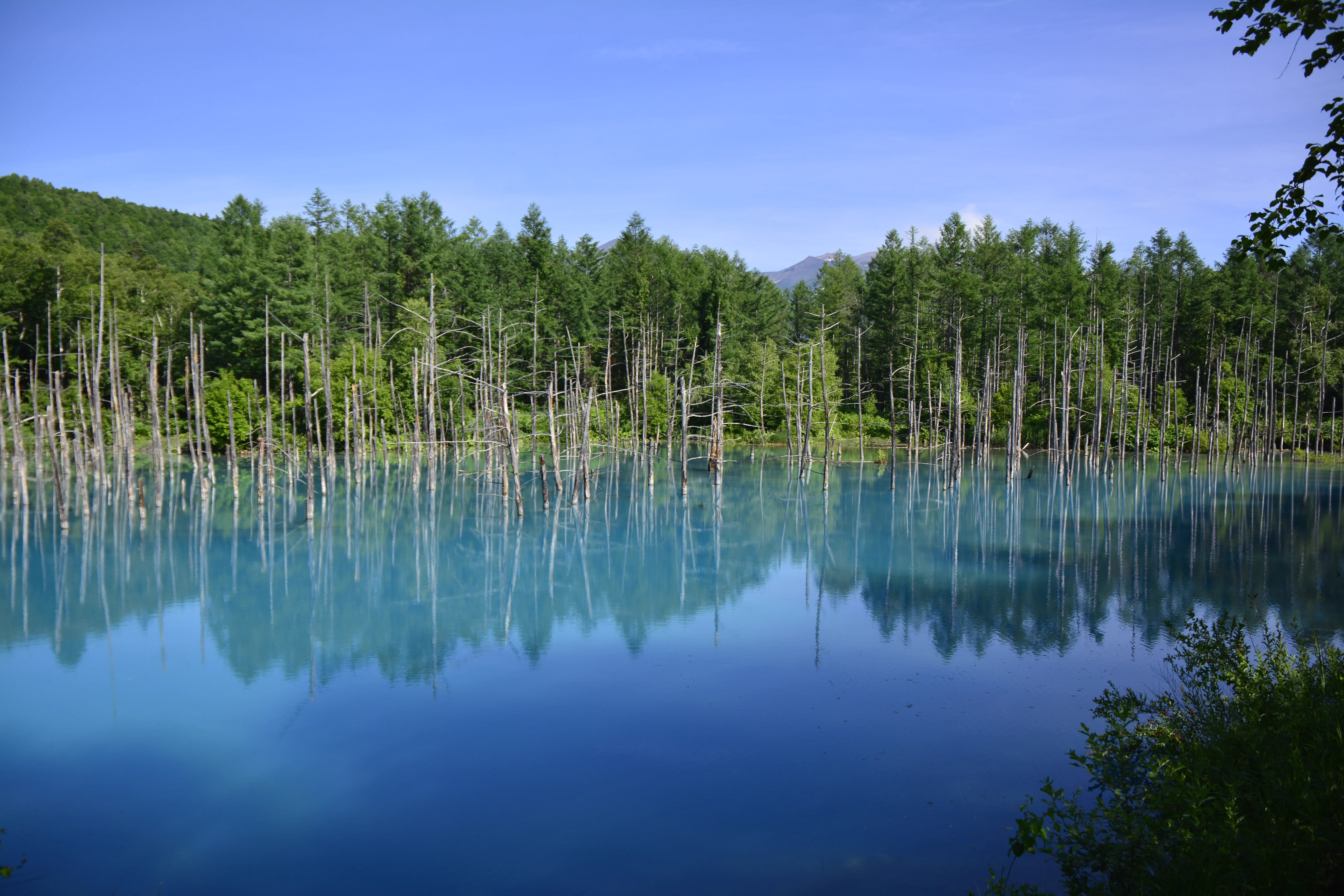
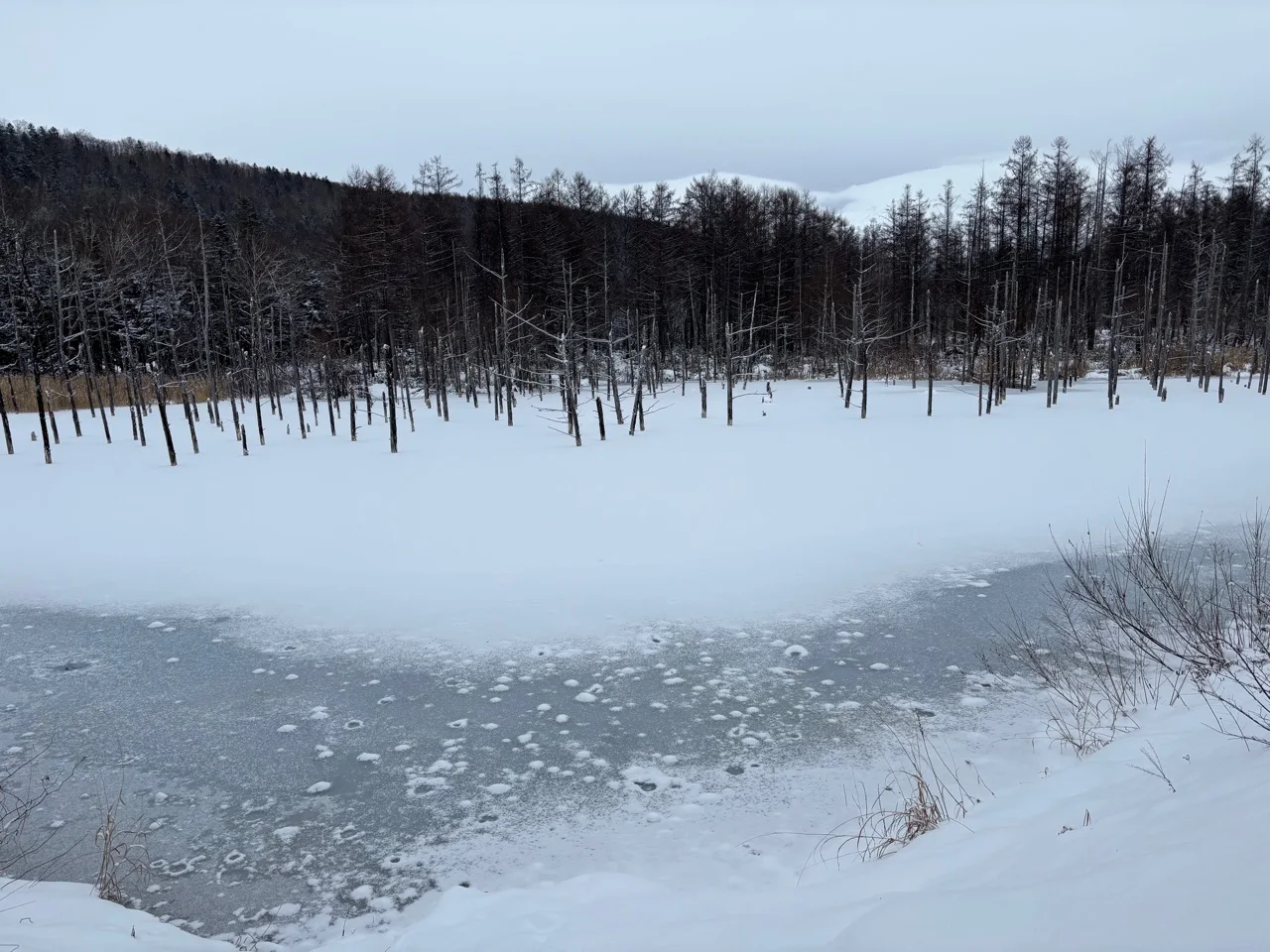
Blue Pond, Shirahige Falls and Shikisai-no-Oka appeared on the 2026 half-day bus itinerary, which is another reason a simple daytime visit did not require a Biei overnight while that service operated. A traveller who wants all three on an independent late-October day must assemble current route buses, a car or other transport; the expired tour cannot fill the gap. The pond has year-round access in the tourism listing, but the view, light, parking and bus timing change substantially with season. Winter scenery should be planned as winter scenery, not as the summer blue-water photograph.
An airport departure is the clearest geographical advantage for Biei
The Lavender Bus passes Furano and Biei on its way to Asahikawa Airport. On the first northbound service shown in the 2026 timetable, Furano Station is 06:50, Biei Station 07:34 and the airport 07:53. On that service, the ride from Furano Station takes about 63 minutes, against 19 minutes from Biei. Moving the final night north therefore removes approximately 44 minutes of time on the bus. One reverse-direction example leaves the airport at 10:37, reaches Biei at 10:52 and Furano at 11:38. These are concrete differences in the route, although the timetable may change before travel.
Do not treat the shorter ride as a guaranteed flight connection. Furano Bus says the Lavender Bus does not guarantee connections to flights or trains, and its seats are not reserved. A Biei final night helps only when a particular departure leaves enough airport margin for check-in, weather and road delay. An early flight that precedes a useful bus may require a different final-night plan entirely. Likewise, a late arrival at Asahikawa Airport can make Biei attractive only if the onward service and hotel check-in line up. Compare the last-night airport-base principle before assuming any intermediate town is automatically safe for an early departure.
If the route continues toward Asahikawa rather than a flight, Biei may also reduce backtracking. If it returns south toward Furano skiing, the same move can do the opposite. The hotel choice should be made from tomorrow's first hard obligation, not from the distance of both towns to the point you visited today.
Furano earns the longer stay when the hotel has several jobs
On a two- or three-night block, Furano can support the evening as well as the sightseeing day. It has station-area accommodation and food, summer flower-area access, and resort-side hotels for skiing. The Lavender Bus serves Furano Station and ski-area stops on the Asahikawa route, so a traveller without a car is not confined to the train between towns. The best Furano address still depends on which journey repeats: Furano Zone and Kitanomine differ for ski mornings, while Nozo versus La Vista Furano Hills illustrates the resort-versus-station trade-off.
A one-night move to Biei can consume much of a short stay: close one suitcase, check out, take the train or bus, wait for another room, then reverse the routine when leaving. That burden grows with ski bags, large cases or winter clothing. It is a reasonable price if the move also buys a Shirogane evening and shorter airport morning; it is difficult to defend for a standard daytime outing. Sending, storing or carrying luggage should be decided alongside the split, because a forwarding service depends on the receiving hotel's acceptance and delivery timing.
For a winter ski-led visit, keeping the Furano room protects repeated mountain mornings. A Biei or Shirogane night fits better after the ski block, when it creates a northbound transition or a deliberate onsen stay. The three- versus four-night Furano ski plan and Niseko versus Furano comparison answer different upstream questions; neither makes an intermediate Biei checkout necessary by itself.
A car makes Biei more tempting, but it cannot create daylight
With a rental car, the penalty for a station timetable falls. A scenery-first summer traveller can leave a Biei hotel before a tour bus arrives, reach a hill or flower field at the chosen light, and continue north without first retrieving luggage in Furano. That is a stronger overnight case than the same itinerary by rail. Yet driving does not automatically make two hotels efficient: check whether the Biei stop lies on the next day's direction, whether the hotel has usable parking, and whether the dawn subject requires an even closer Shirogane stay.
A road trip can also keep one Furano base and visit Biei when the forecast is best. This leaves the second night open for a better weather window rather than locking a sunrise to one date. The seven-day Hokkaido car-rental decision helps identify which days actually need the vehicle. A driver unfamiliar with snow and ice should not carry a summer dawn route straight into winter; the winter partial-rental choice and winter driving limits matter more than the few kilometres saved by a Biei address.
One, two or three nights in the middle of Hokkaido
One night: use it for the next morning's purpose. Skiing, a Furano dinner or a daytime Biei branch favour Furano. A specifically early Biei shoot, a Shirogane ryokan evening, or an airport-facing departure can justify Biei. Do not split one night into a notional “half visit” to each town. The Furano one-versus-two-night decision clarifies whether the central Hokkaido stop has enough room for both landscapes.
Two nights: Furano for both is the normal starting point, particularly with large luggage or public transport. A 1+1 split should do two jobs at once, such as an evening in Shirogane followed by sunrise and an onward airport bus. If it only moves the bed closer to a daytime Blue Pond visit, use the second night for continuity and weather flexibility. Flower-season timing in Furano can determine which day should remain free rather than committed to a checkout.
Three nights: a skier can retain Furano as the centre and consider Biei only as a purposeful final transition. A self-drive photography trip might spend two nights in Furano and one on the Biei side if the last night protects early or late landscape time and the route then runs north. For a rail itinerary, the third Furano night can be more valuable as a weather buffer. A winter week without a car shows why each added transfer changes more than the map distance suggests.
Families, older travellers and the last twenty minutes
Families often gain from fewer checkouts, familiar meal options and a room that accommodates equipment. An older traveller may prefer Biei before a flight if it removes a long bus morning, but a Biei property far from the station may give those minutes back in a taxi or icy walk. A Shirogane ryokan can be easiest when the bath and nearby scenery are the whole point, provided dinner and transport work. Compare the actual station-to-room and room-to-first-activity legs, not just the town on the booking page.
Ask the hotel whether there is an elevator, shuttle, early breakfast and luggage storage. Note the last bus and the dinner cutoff before choosing a station-side room over an onsen property. In winter, allow walking time on snow rather than reusing a summer map estimate. If anyone in the group needs a slower morning, that may be a better reason for one Furano base than a nominally closer Biei bed. For a ski-area hotel, Shin Furano Prince's station distance is a concrete example of why the last leg matters.
What to book now
As of 24 October 2026, the summer Biei View Bus has ended; the published 08:12 train connection explains a seasonal day-trip option but is not a remaining 2026 tour date. The Biei–Shirogane route buses and Furano–airport Lavender Bus have their own timetables, with the Shirogane routes revised on 1 October. Look up the exact travel date, first and last service, and flight or train buffer before choosing the hotel. If a sunrise or clear view is the only reason for a split, keep a fallback that still makes the second property's bath, dinner or onward route worthwhile when weather closes in.
For a multi-purpose stay, compare Furano rooms around the station and ski areas. For a landscape or airport-led final night, compare Biei and Shirogane accommodation, then verify the property's exact location and transfer arrangements. The useful question is what becomes possible because you slept on that side of the valley, and whether it outweighs the extra checkout.
Bus and location pages for a travel-date check
Biei View Bus 2026 timetable (season ended 12 October) · Blue Pond access and facilities · Biei bus routes · Furano Bus routes and timetables · Furano access routes
Other regional base comparisons
Furano Zone vs Kitanomine · Hokkaido Winter Itinerary: 5, 7 or 10 Days · Beppu vs Yufuin: Where Should You Stay? · Kyoto Station vs Gion: Where Should You Stay in Kyoto? · Happo vs Echoland: Where Should You Stay in Hakuba for Skiing? · Sapporo Snow Festival: Odori vs Susukino — Where Should You Stay? · Shinjuku vs Shibuya: Where Should You Stay in Tokyo? · Nikko vs Kinugawa Onsen: Where Should You Stay for One or Two Nights? · Ueda or Bessho Onsen: Where Should You Stay for Two Nights? · Hiroshima vs Fukuoka: Where Should You Spend the Extra 2–3 Nights? · Early Shinkansen from Osaka: Should You Stay in Shin-Osaka or Move Only for the Last Night? · Niseko vs Furano vs Rusutsu: Which Hokkaido Ski Resort Should You Choose? · Sapporo Shopping Hotels: Stay Where You Can Drop Your Bags, Not Just Where the Shops Are · Kyoto vs Osaka: Where Should First-Time Visitors Stay? · Namba vs Umeda: Which Osaka Area Should You Stay In? · Where to Stay in Osaka With Parents: Cut Transfers Before You Pay for More Luxury · Nikko vs Okunikko in Autumn: Day Trip, Overnight and Where to Stay