
A Furano hotel saves time only if it sits on the route you will actually repeat. For a car-free first visit centred on the flower fields, Furano Station is usually the useful one-night address: arrival, dinner, taxis and departure all have more alternatives there. Nakafurano earns its place when the farm landscape or a particular rural hotel is the reason for staying. Asahikawa serves a wider Biei-and-airport itinerary. A Sapporo room can work for one concentrated excursion, but it asks you to surrender the early and late hours in Furano.
The seasonal rail shortcut is the trap in this comparison. Lavender Farm Station is a temporary Norokko stop, not a normal year-round stop beside Farm Tomita. The 2026 train ran through its final scheduled date on 23 September; those dates are now past. Travellers planning a later season should build the route from the ordinary Nakafurano station, bus stop or a confirmed hotel transfer until a new service is published. The Furano flower timing and Farm Tomita guide helps identify which field, rather than which town name, needs the best morning.
The base comparison in one view
| Your actual trip | Most useful starting base | The cost to inspect before booking |
|---|---|---|
| One night without a car; Furano is the main event | Furano Station | The onward trip to Farm Tomita, but a simpler arrival and departure |
| Two nights built around Farm Tomita and rural light | Furano Station or Nakafurano | Compare hotel transfer and meal cutoff against the value of being in the countryside |
| Biei, Asahikawa Airport and Furano share the trip | Asahikawa or a Furano-area base | See which legs are repeated, and whether the airport bus leaves a safe margin |
| Asahikawa Airport arrival; Furano dominates thereafter | Furano or Nakafurano can still work | A bus through the airport does not promise a flight connection |
| A single Furano outing within a Sapporo-led stay | Sapporo | Long return travel and a fixed sightseeing window |
| Two full Furano-area days | One local room | Avoid paying for the same Sapporo or Asahikawa transfer twice |
Write the first destination of each morning and the last location of each evening beside this table. A hotel that looks central for the journey in may be badly placed for the return journey or airport day. A single Asahikawa–Furano crossing can be sensible when it also covers Biei. Repeating that crossing just to visit Farm Tomita again is harder to justify. The Furano-versus-Biei overnight comparison is helpful if the two towns compete for the same hotel nights.
Farm Tomita has two very different train walks
On its 2026 operating days, the Furano–Biei Norokko stopped at Lavender Farm Station, leaving a roughly seven-to-eight-minute walk to Farm Tomita. Farm Tomita listed 6–7 June, 13 June–11 August, weekends between 15 August and 13 September, and 19–23 September. That timetable ended. Away from the temporary stop, the ordinary Nakafurano railway station is about 25 minutes on foot from the farm. The named Furano Bus stop is also Nakafurano, followed by a similar walk or a taxi. Those are meaningful differences with a suitcase, a stroller or summer heat.
The farm lists Furano Station to Nakafurano at about 10 minutes by local train and about 12 minutes by Lavender-go bus. From Asahikawa Airport the bus journey to Nakafurano is given as about 48 minutes; from Asahikawa Station it is about an hour and 25 minutes. None of these figures includes waiting for the next departure or covering the final road to a rural property. A booking near the railway line may also be far from the hotel entrance. Use the exact arrival stop and the hotel address together.
JR Hokkaido marked 23 September 2026 as the final operating date for the Furano–Biei Norokko service. Its former Lavender Farm stop therefore cannot be assumed for a 2027 field visit. A railway map or hotel description that still shows the old stop is historical context, not a transport promise. Farm Tomita’s access map and its Lavender Farm Station notice give the walking distinction; check the dated timetable again when the next summer plan exists.
Furano Station absorbs imperfect arrival days
Furano Station is a practical default because a delayed train does not leave the whole stay dependent on one hotel pickup. The station precinct gives access to JR, regional buses, taxis and more dinner choices. You can reach a nearby hotel with your case, leave it there and make field trips with a small day bag. For a single night, that ability to recover from a late connection can matter more than living a little closer to Farm Tomita. The Japan luggage-forwarding guide is useful if a large case otherwise dictates the base.
The disadvantage is distance from the flowers. If the goal is to walk out at opening time, photograph a field before tour traffic, or return easily to a rural dinner, Furano Station will not provide the same experience. Pay for Nakafurano proximity if those hours are the core of the trip. If the stay is mostly an arrival evening and one full sightseeing day, however, do not confuse the nearest farm postcode with the easiest total itinerary.
A station-area hotel still needs an address check. “Furano” can describe a slope toward the ski area as well as the town centre. With a car, that may be a comfortable choice; without one, it changes the walk to the platform, evening restaurants and taxi dependence. A winter ski visit has a different answer from a summer flower trip: the Furano Zone and Kitanomine skier base comparison weighs lifts and snow-day movement rather than Farm Tomita access.
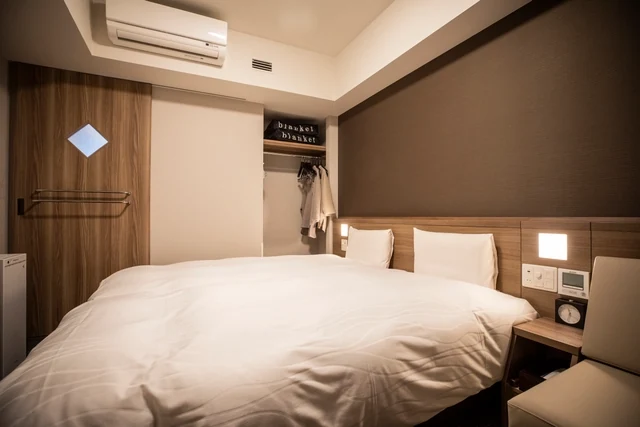
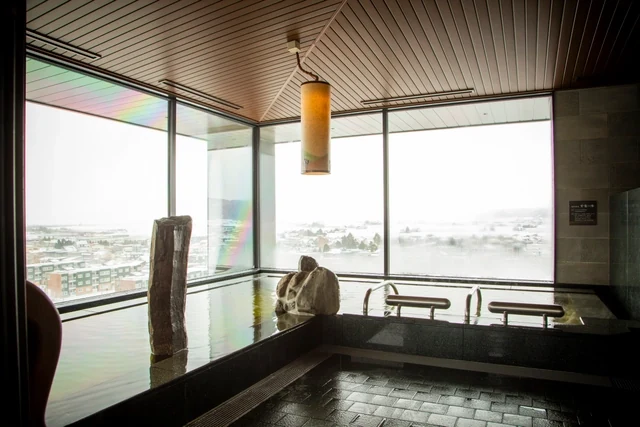
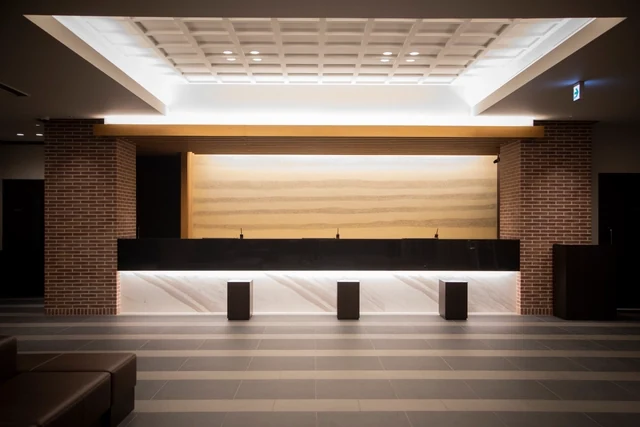
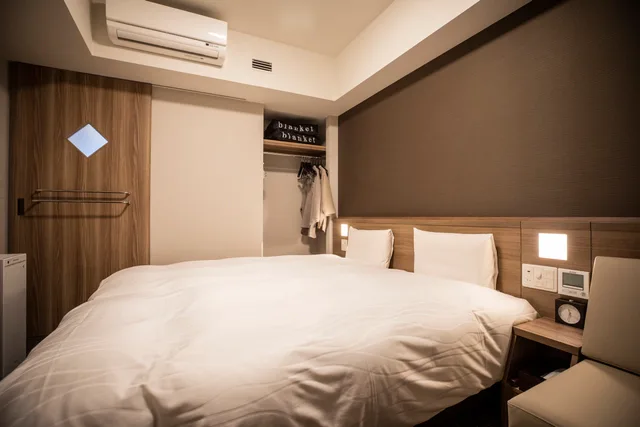
LA VISTA Furano Hills illustrates the station-area trade. Its guest room, bathing space and lobby are distinct parts of the hotel; none of the three photos proves every room has the same view or bath arrangement. Compare the booked room category, the walk from the railway platform and the actual date’s dinner options. The hotel can simplify an arrival with luggage, but it will still need a separate outing to the Nakafurano fields.
If the room itself is under consideration, the LA VISTA Furano Hills room-and-location analysis tests whether a compact room is an acceptable price for that station access. Do not transfer its room judgment to every Furano hotel: a skier seeking lift proximity or a family needing several beds may prefer a different part of town.
Nakafurano is worth choosing for the stay itself
A rural hotel can give a slower first morning, views of the surrounding fields or mountains and dinner on site. These are reasons to stay in Nakafurano that Furano Station cannot reproduce by saving a short train ride. They also create obligations: meal plans often have a final arrival time, hotel pickup may operate only by prior arrangement, and a missed bus can leave fewer alternatives. Ask the property for its expected station or bus stop, pickup reservation method, last pickup, dinner cutoff and the route from vehicle to lobby.
The Norokko shortcut once changed the calculation on its precise operating dates; it did not make every Nakafurano hotel walkable from the farm platform. On a non-operating date, the 25-minute walk from the ordinary station is the relevant farm access unless a taxi or transfer is arranged. Some travellers will gladly trade that complexity for a particular room and rural evening. Others will get more field time by sleeping at Furano Station and taking an early taxi or bus with no suitcase.
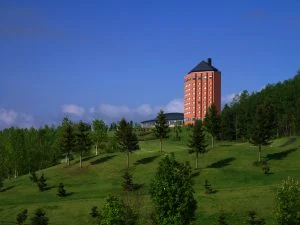
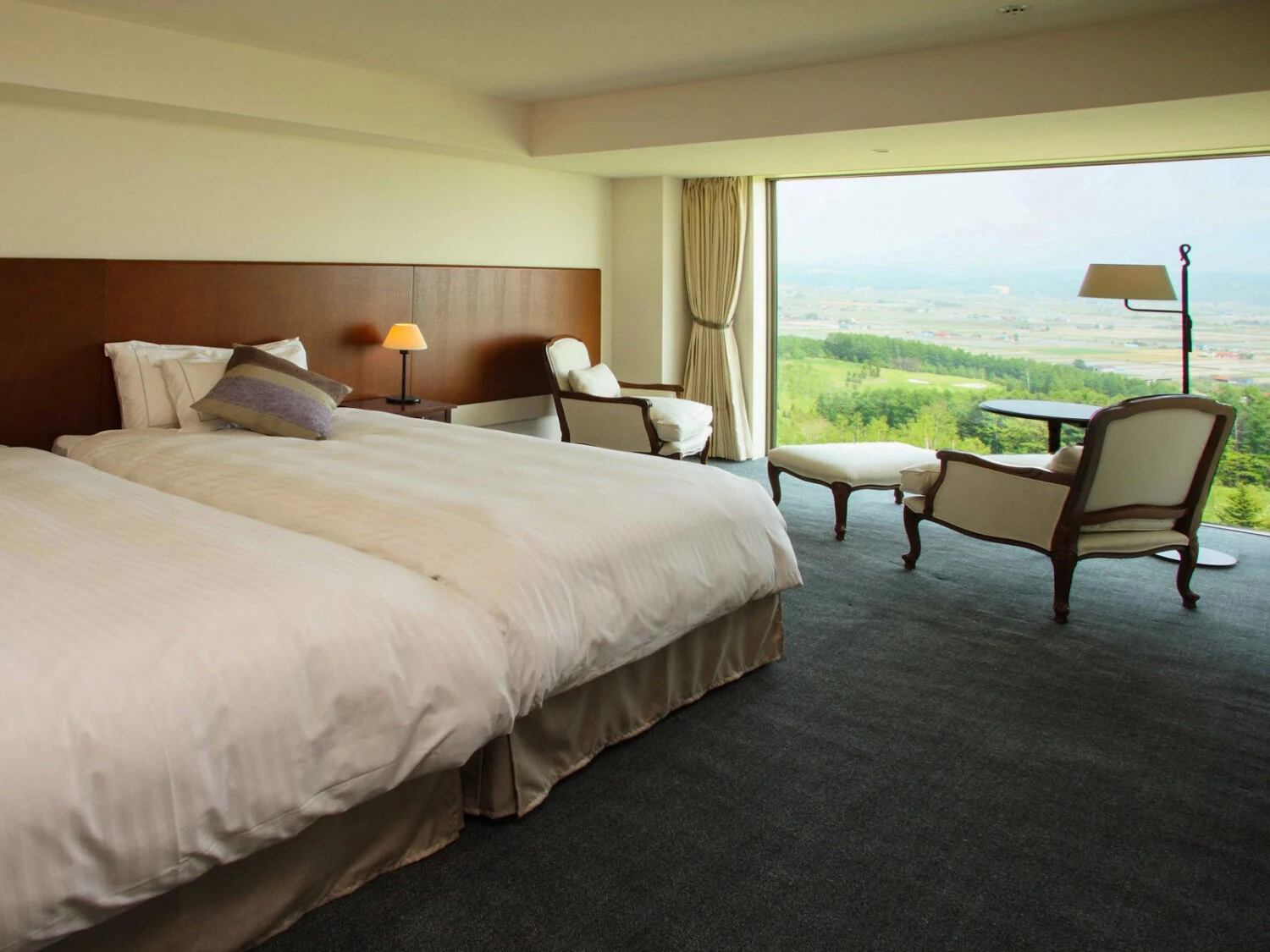
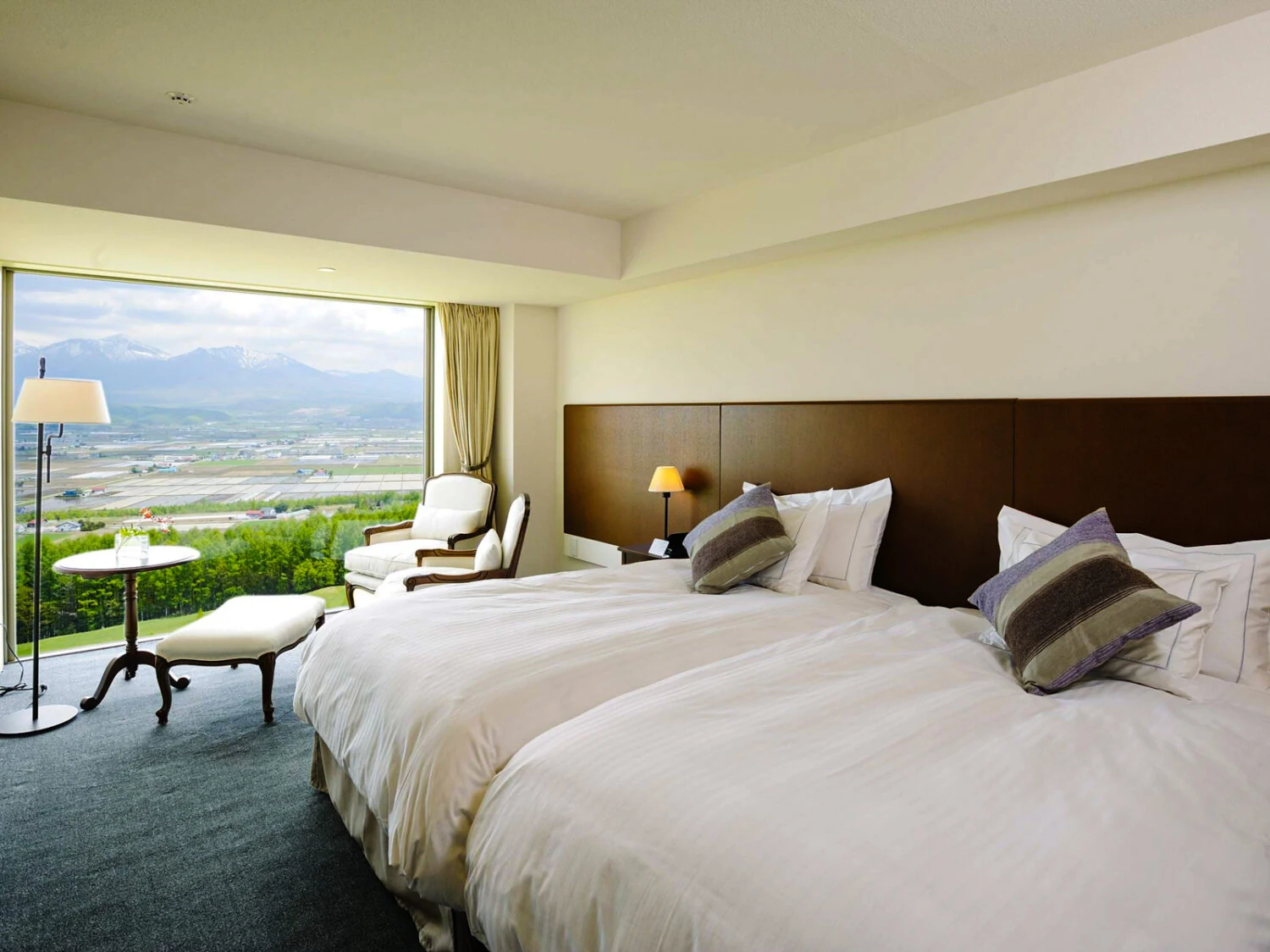
Furano Resort Orika makes sense as a chosen countryside stay rather than as a generic “nearest station” solution. The exterior photo places the building on a slope; the room photos show two different interiors and landscape views. A guest should select the actual room category and confirm hotel transfers and meal timing, especially after an airport arrival. A scenic room is valuable when there is enough time to use it, not when most of the evening is spent trying to finish the final transfer.
Two local nights rarely need two local hotels
Furano Station and Nakafurano are close enough that a routine one-night-each split often wastes more time than it saves. Moving a room means packing, checking out, carrying or storing a case, fitting the move between trains or buses and checking in again. The farm’s published Furano–Nakafurano bus ride is about 12 minutes, while the local train is roughly 10 minutes. Those short ride times make a second hotel worthwhile only when the second property changes the trip itself: a desired rural dinner, an exceptional room, or a deliberately early field visit.
For a two-night flower-focused stay, one room provides another advantage: a weather choice. Keep the clearer morning for the landscape or bloom priority, and use the other for central Furano, Biei or an indoor fallback. That flexibility is harder to use from Sapporo because the departure and return are fixed around a long transfer. The Hokkaido autumn base comparison deals with a different season, but the same principle of matching the room to repeated days applies.
Do not buy a second night just because an itinerary says “Furano needs two.” If bloom is finished, visibility is poor for both days and the alternative city has stronger indoor plans, the extra local hotel night may add little. If the first day is interrupted by rain but the second may be clear, the spare morning can be valuable. The decision turns on the activities and forecast, not a fixed rule about destination length.
The Furano one-night-versus-two-night decision puts that weather margin against the added room cost. If Biei, rather than Furano, needs the second morning, the Biei day-trip-or-overnight comparison may point to a different second base. Both choices depend on the place you intend to revisit, not a general preference for fewer hotel changes.
Asahikawa serves a corridor, not a shortcut to one field
Asahikawa becomes a strong base when Biei, the airport, the city and a later northern Hokkaido leg share the itinerary. The Lavender-go route passes Furano, Nakafurano, Biei, Asahikawa Airport and Asahikawa Station. One Asahikawa room can therefore support a Biei day and a Furano day without moving hotels. For two mornings aimed at Farm Tomita and nearby Furano, the same room adds a repeated north–south ride that a local stay avoids.
The operator’s conditions matter as much as the route map. Lavender-go seats are not reserved, and Furano Bus says it does not guarantee connections to flights or JR trains. A published 48-minute airport-to-Nakafurano journey is the ride itself, not the time from the aircraft door to a guaranteed hotel arrival. On arrival, baggage collection may consume the margin to the bus; on departure, airline check-in closes before takeoff. If a missed coach would damage the itinerary, Asahikawa can be a sensible buffer night. If the timing leaves generous slack, flying through Asahikawa does not require sleeping in Asahikawa.
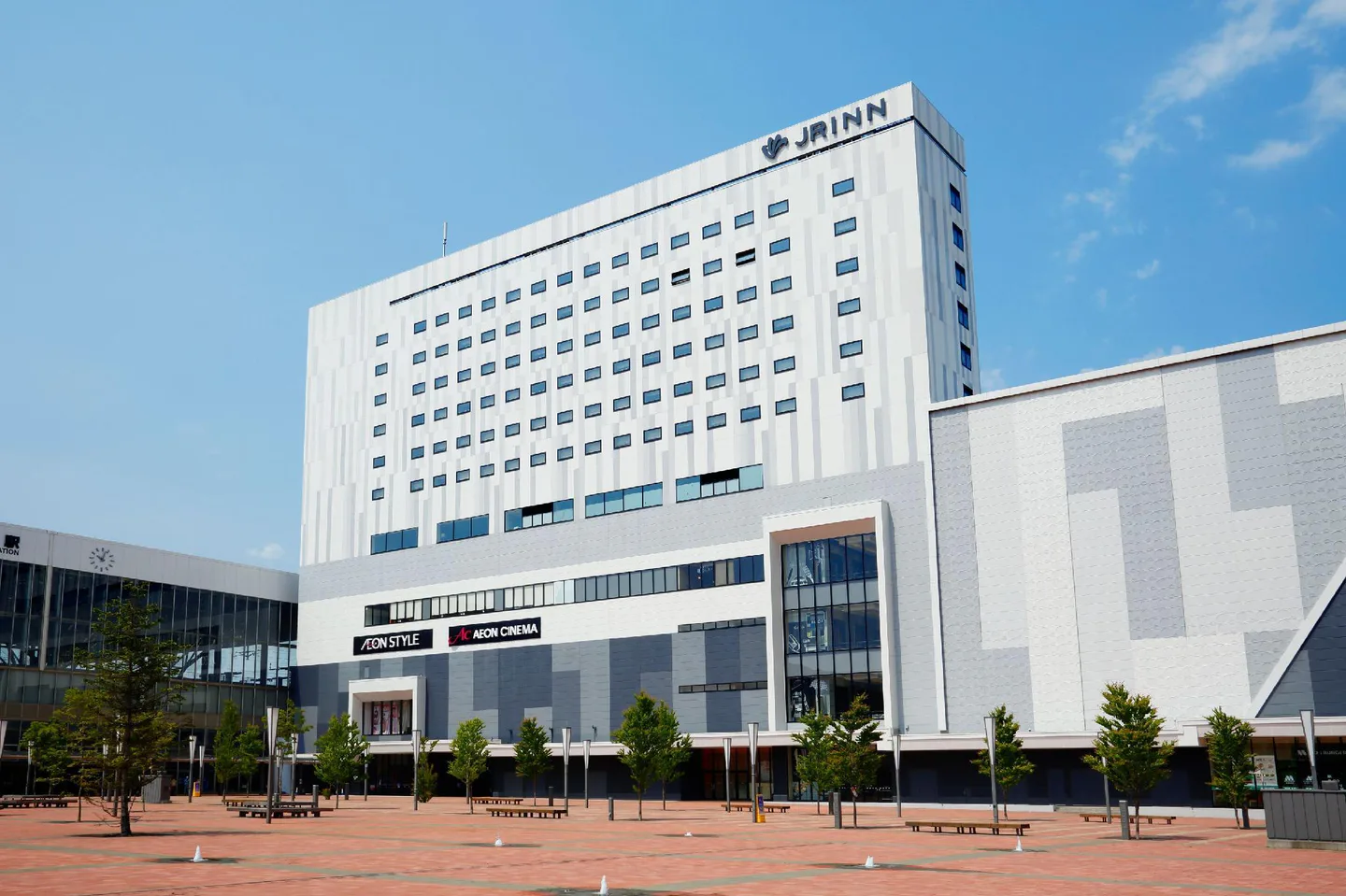
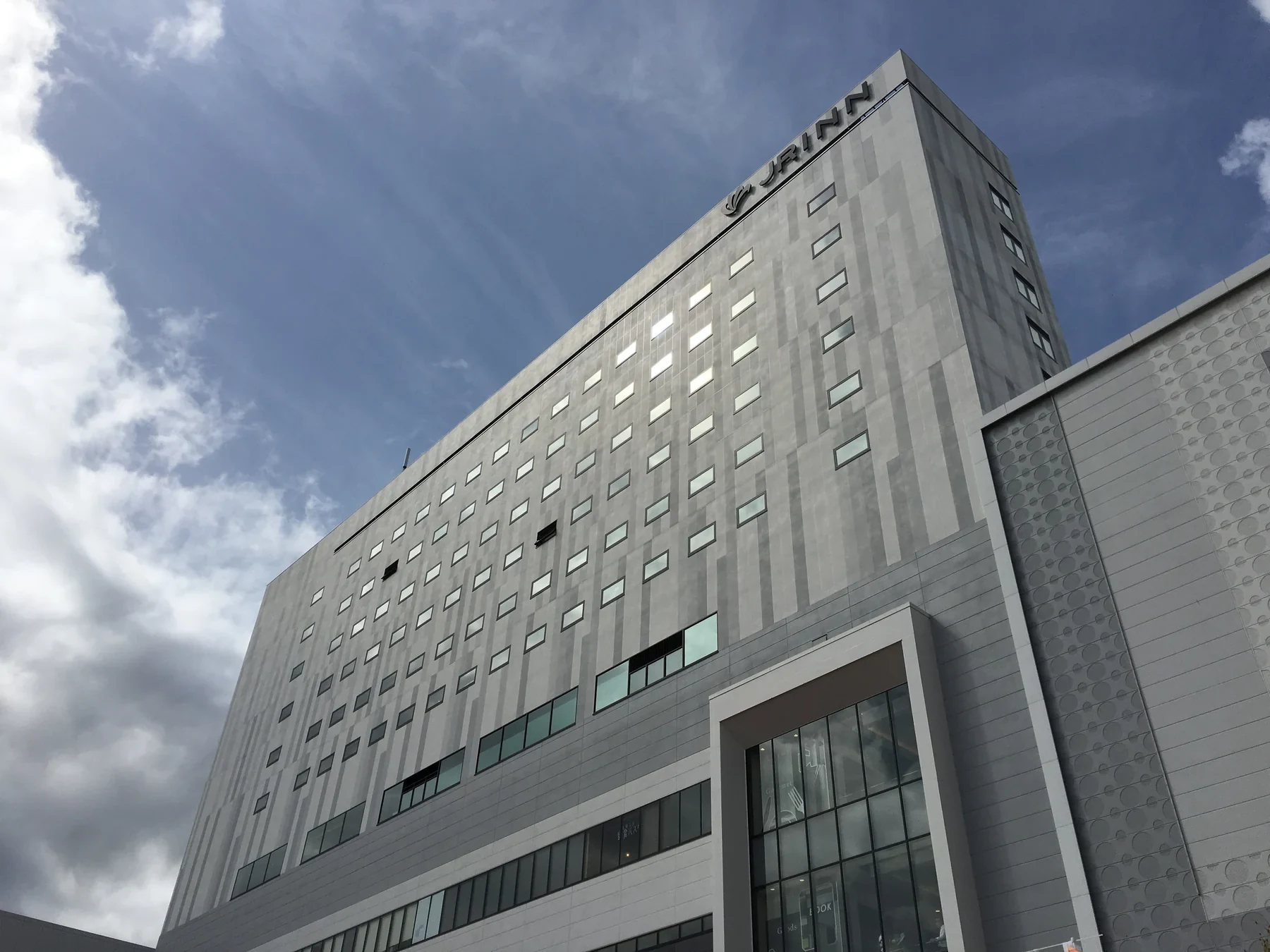

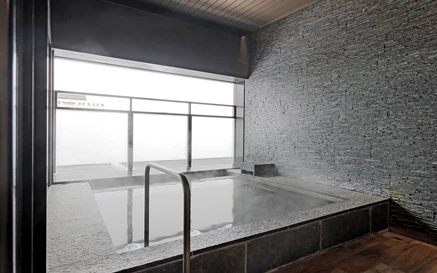
The JR Inn Asahikawa images show why a station-linked hotel can be useful for a multi-stop route: the building stands by the rail and shopping complex, and the interior photos show a twin room and a bath. They do not replace an airport timetable. If Biei is the next morning, the station location can reduce a difficult first leg. If you need Farm Tomita at the first light on two consecutive mornings, a convenient Asahikawa lobby is still too far from the principal activity.
For this particular station hotel, the JR Inn Asahikawa room-size and access analysis clarifies the trade between a compact room and easy rail interchange. A traveller arriving through Asahikawa but flying home through New Chitose should also map the whole route using the Asahikawa-in, New-Chitose-out itinerary; a good first night should not create a wasteful final crossing.
A car can change this comparison. Road travel lets a traveller choose a rural inn between Biei and Furano without matching the sparse public transport pattern, but it creates parking and winter-driving questions. The Hokkaido winter car decision belongs in a snow itinerary; for a summer flower trip, calculate the actual driving, parking and hotel access rather than importing winter assumptions.
Sapporo works when Furano has exactly one day
In summer 2026, JR Hokkaido offered the direct Furano Lavender Express on selected June–September dates. A published example left Sapporo at 07:41, arrived at Furano at 09:44, returned at 16:53 and reached Sapporo at 18:52. That gave about seven hours in the area for a little more than four hours on trains. The season is over as of October 2026; these numbers describe what made that particular day trip possible, not an upcoming timetable. The service required a limited-express ticket as well as the base fare, with seat arrangements to check for the chosen date. IC cards did not cover the Takikawa–Furano section.
Farm Tomita also lists the Sapporo–Furano highway bus at roughly two and a half hours each way. A bus day therefore spends substantial time in transit even before the last leg to the field. Sapporo can still be the right bed when the wider holiday stays in the city and Furano is a single excursion: avoiding another checkout has real value. The Sapporo Station, Odori and Susukino base guide can place that room on the correct city departure route.
For two full days around Furano and Biei, the day-trip arithmetic changes. Two early departures and two long returns consume the dawn and evening that a local hotel would protect. The alternative can be financially reasonable if local rooms are sold out or unusually costly, but count the repeated fares and hours. A Sapporo-heavy journey might still choose the city; it should do so knowing precisely which local hours it gives up. A separate Sapporo-versus-Niseko stay guide addresses the winter resort decision, which should not be mixed into the summer flower logic.
If the wider trip lasts only five days, the Sapporo-and-Otaru-versus-Furano summer route asks whether the inland detour fits at all. A no-car traveller who keeps both flower towns should also inspect the Furano-and-Biei public-transport plan before treating Sapporo as a frictionless base for either one.
The last few hundred metres can decide the hotel
Station-to-station journey planners rarely show the difficult part of a family or mobility-limited trip. A rural hotel can be twenty to thirty minutes from the relevant platform, along an uneven or exposed road, even when the Furano–Nakafurano rail ride is short. With a stroller, older traveller or two cases, that final segment can cost more effort than the intercity transfer. Ask where a pickup actually stops, whether it must be booked and whether a taxi can be called if a train is late. Compare lift access, steps and the room’s distance from reception as well.
A station hotel can protect the baggage day and leave the field visit to a separate trip with no heavy case. Forwarding the large luggage to the next city and carrying an overnight bag may make a rural stay feasible, but confirm the receiving address and delivery day. A case sent ahead cannot help with rainwear, medicines or tomorrow’s clothing, so those stay with you. For a journey ending at a flight, avoid assuming the airport bus will absorb a late pickup or extended farm visit.
Let the actual room price challenge the transport answer
Peak flower-season Furano inventory can be scarce and expensive. A theoretically efficient location is not worth any price. Compare the actual local hotel premium with rail or bus fares, possible taxis, repeated travel hours, a lost early morning and the flexibility of a second weather window. For one Furano day, a large price difference can make Asahikawa or Sapporo attractive. For two days centred on the same fields, paying more locally can buy back several hours and reduce the chance that one missed connection determines the trip.
Avoid a made-up break-even percentage. Put the specific dates and rooms side by side, then price only the movements each choice creates. A low rural room rate may require two taxis and a fixed dinner; an apparently dearer station hotel may leave you free to choose a bus and a casual meal. Conversely, a special rural room might be the very experience you are buying. The wider Sapporo shopping stay guide illustrates the same luggage cost in a city setting, though Furano has fewer fallback services.
If you later move between Hokkaido and another region, keep those distinct travel days in the hotel calculation. A flight before noon may make an Asahikawa or Chitose buffer more useful than one more distant night. The Sapporo-versus-Chitose last-night guide handles the airport end; a Furano room chosen for flower hours should not be expected to serve an unrelated early flight.
A booking choice that fits the whole route
For one car-free Furano night, begin the search near Furano Station and move outward only when a named hotel or field-hour plan gives a clear reason. For two scenery-led nights, keep one Furano or Nakafurano room; Nakafurano wins when the rural stay earns its transfer and meal constraints. Place the room in Asahikawa when Biei and the airport are equal partners in the trip. Keep the Sapporo hotel when Furano is a single day and the dated transport plan makes the return realistic. The former 2026 Norokko and direct summer express times should be treated as past services until later schedules are issued.
After choosing the area, compare Furano Station rooms, Nakafurano stays or Asahikawa Station hotels. Read the particular room category, hotel approach, meal deadline and transfer arrangement before paying.
Related journeys and transport
Related route choices: Farm Tomita and Furano Lavender Guide, Furano vs Biei: Where Should You Stay Overnight?, Hokkaido Winter Rental Car: Full Trip or Partial?, Furano Zone vs Kitanomine for Skiers, Where to Stay in Sapporo: Station, Odori or Susukino?.
Related route choices: Where to Stay in Takamatsu: Station or Kawaramachi for Ferries, Trains and Evenings?, Where to Stay for Kyoto Summer Events: Station, Kawaramachi, Otsu or Kibune, Where to Stay in Kyoto for Autumn Leaves: Kyoto Station, Kawaramachi, Gion or Osaka?, Sapporo Snow Festival: Odori vs Susukino — Where Should You Stay?, Sapporo Shopping Hotels: Stay Where You Can Drop Your Bags, Not Just Where the Shops Are.
Related route choices: Where to Stay in Hiroshima: Station or Peace Park?, Where to Stay in Hokkaido: Sapporo or Niseko?, Kyoto Station vs Gion: Where Should You Stay in Kyoto?, Where to Stay for Kochi Yosakoi: Station, Obiyamachi or Saenbacho, Sapporo vs Chitose for the Last Night: Where to Stay in Hokkaido.
Related route choices: Where to Stay in Kyoto: Kyoto Station, Kawaramachi or Higashiyama?, Where to Stay in Okutama Without a Car: Ome, Mitake Gorge or Okutama Station?, Where to Stay at Lake Kawaguchi for Autumn Leaves: Station, North Shore or Fuji-Yoshida?.
For dated rail and bus details, use Farm Tomita access, the former Norokko stop information, JR Hokkaido Furano services, JR Hokkaido’s sample excursion and Furano Bus routes. These operators publish the service calendar and boarding conditions relevant to a future date.