
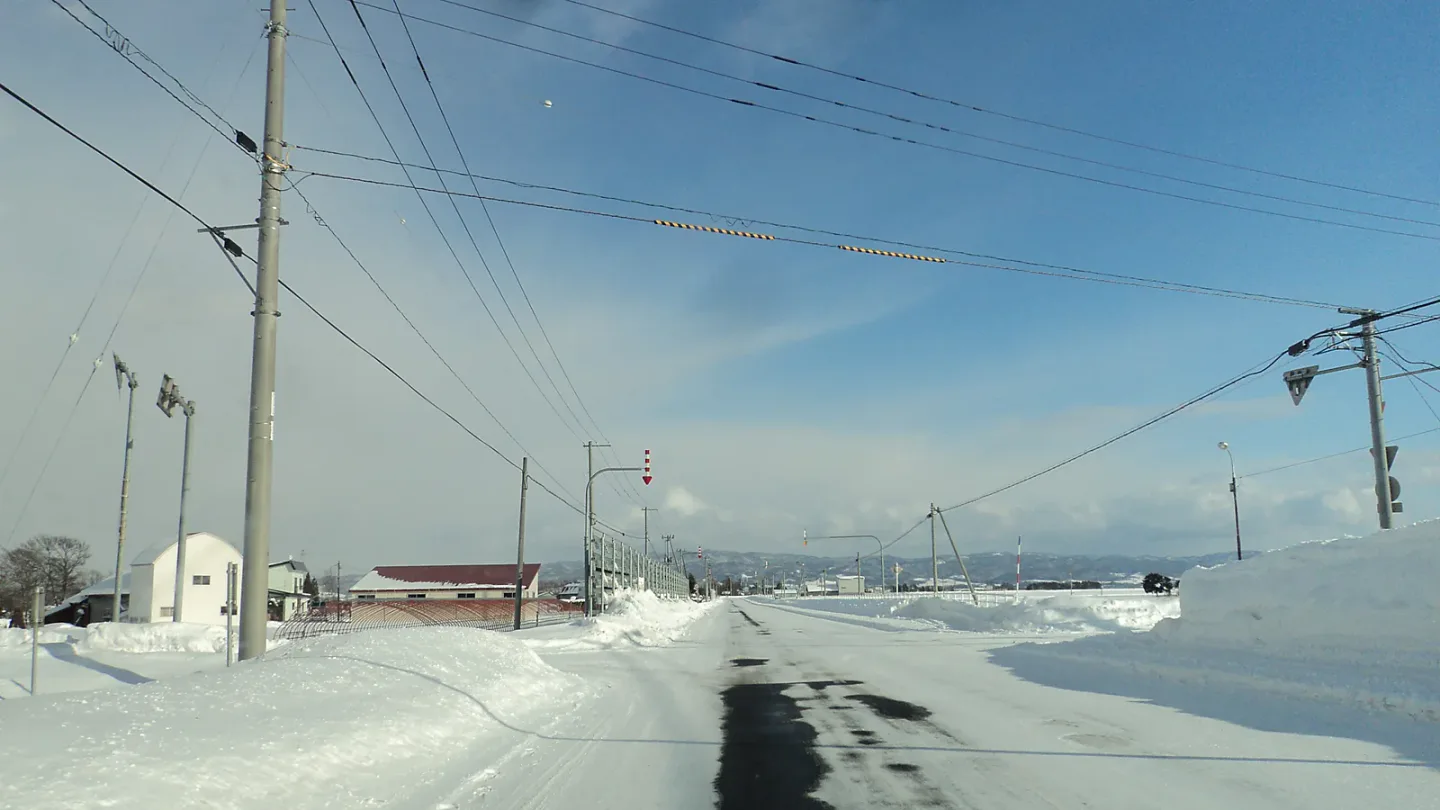
The decisive question for a Hokkaido winter rental is where the car will earn its keep each day. A week beginning with Sapporo and an Otaru outing may contain only two rural days; paying for a vehicle through the city portion adds parking, winter driving and cost without opening up much sightseeing. A loop that starts at a rural hotel and keeps moving between dispersed stops is different. First establish the driver's snow-and-ice experience, then count the days when the car changes what the group can actually do.
This is a routing question, not a contest between cars and trains. Rail already covers the airport–Sapporo–Otaru spine. For Biei, Furano and rural hotels, a car may make the sequence workable for a competent winter driver. Someone without experience of compacted snow, black ice or low visibility should not treat a shorter two-day rental as a safe compromise; those could be the hardest driving days of the trip. The winter driving guide sets out that decision before a vehicle is booked.
Count useful driving days, including the airport days honestly
A useful day is one when the vehicle joins several rural stops, carries bags between remote lodgings, or reaches a place that public transport serves too slowly for the plan. A day in central Sapporo with the car in paid parking is a rental day, but not a useful driving day. The same is true if it is picked up at New Chitose at 18:00 solely to reach a Sapporo hotel. The source's planning examples make this visible: two useful days out of seven are about 29%; five out of seven are about 71%.
The source suggested testing partial rental when fewer than half the paid days are useful, and treating a full rental as more plausible when roughly two-thirds or more earn their cost. Those fractions are planning prompts, not safety or financial thresholds issued by a transport authority. A high one-way fee, several children and many cases may alter the price comparison. A driver's lack of winter skill can rule out the rental regardless of a high useful-day percentage.
↔ Scroll table left or right
| Seven-day shape | First transport to price | What could change the answer |
|---|---|---|
| Sapporo with Otaru by day trip | Rail, no rental | A genuinely rural hotel or activity outside the corridor. |
| City start, then two or three Biei/Furano days | Rail first, then a short rural rental | One-way charge, office hours, luggage hand-offs or a driver without winter experience. |
| Rural first night and four or five useful driving days | Price a continuous rental beside a shorter one | Unsafe forecast, road closures or a route that repeatedly returns to Sapporo. |
| No snow-and-ice driving experience | Rail, bus, taxi or guided transfer | Do not use an attractive rental rate to override the driving risk. |
Rail is already strong on the Sapporo–Otaru spine
JR Hokkaido's airport service lists a fastest 33 minutes to Sapporo and 73 minutes to Otaru from New Chitose. Between 09:00 and 16:00 it advertises six airport trains per hour to Sapporo, with some continuing to Otaru. Many seats need no reservation and common IC cards work on the airport, Sapporo and Otaru corridor. Not every train continues to Otaru, so check the destination before boarding. Beyond Otaru toward Yoichi, Kutchan or Niseko, the same IC-card assumption no longer holds.
Heavy snow can still delay rail. It does not follow that a rental car is a dependable rescue in the same weather. In Sapporo a driver also has to manage parking, snow around the vehicle and unfamiliar city intersections. For an Otaru canal, meal and shopping day from a Sapporo hotel, the train normally carries the movement without those obligations. The car-free seven-day route and five-, seven- and ten-day winter shapes help establish how many rural days remain after the city plan is settled.
Arrival day deserves its own calculation. If the first hotel is in Sapporo, reaching it by airport train avoids collecting a vehicle, loading luggage and making a possible first snow drive after a flight. On departure day, returning the car before the final city or airport leg may remove a fuel stop, inspection and road uncertainty from the flight morning. The airport pickup timing comparison and Niseko airport options address two very different first nights.
If the first night's plan is only an airport arrival, dinner and sleep in Sapporo, a car collected after landing has a weak first day. It may wait outside the hotel while the group explores the centre or heads to Otaru by train. Contrast that with an arrival followed directly by a rural lodging where the car carries everyone and their equipment to a place with no practical late bus. The driver's fatigue after the flight and the possibility of darkness still matter; a rural first night is not automatically permission for a difficult first drive. The Sapporo base comparison helps test whether the supposedly necessary vehicle is really solving the hotel's location.
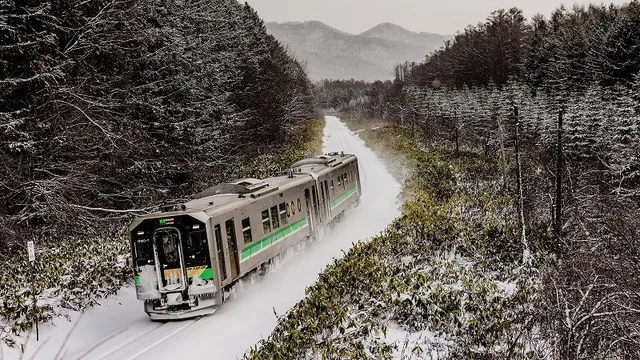
The cleanest partial rental begins when the geography changes
For a mixed trip, travel New Chitose → Sapporo → Otaru by rail, move to Asahikawa and collect a car for Biei, Furano or a rural hotel sequence. Return it when the route re-enters an effective railway corridor. This keeps the car off city days while preserving rural flexibility. It adds a station–counter–vehicle hand-off, so price and luggage must be tested together rather than assuming a shorter booking is automatically cheaper.
JR Hokkaido Rent-A-Car's Asahikawa Station office is a year-round option at the station's east side. Its published regular hours are 08:30–19:00 from 4 January through 29 December, with shorter hours around New Year; the Asahikawa Airport office also operates year-round. An Asahikawa pickup can therefore be a more predictable rail-to-car hand-off than assuming a small scenic town counter is open in winter. If the party is choosing a Biei overnight, the Biei day-trip versus overnight decision should precede the pickup location.
Furano shows why the provider's name matters. JR Hokkaido Rent-A-Car at Furano Station lists a 1 May–30 September season, so that particular office cannot provide a winter pickup. Budget's Furano Station-area store does list winter service, with studless tyres normally fitted from November to mid-April. Its published winter hours are 09:30–18:00 from 1 November 2026 to 15 April 2027; it closes Tuesdays and 31 December 2026–3 January 2027. Staff do not sit permanently at the counter: the store asks arriving rail passengers to call for its short station pickup and to allow time for the return shuttle. Availability in Furano is real but not universal or frictionless.
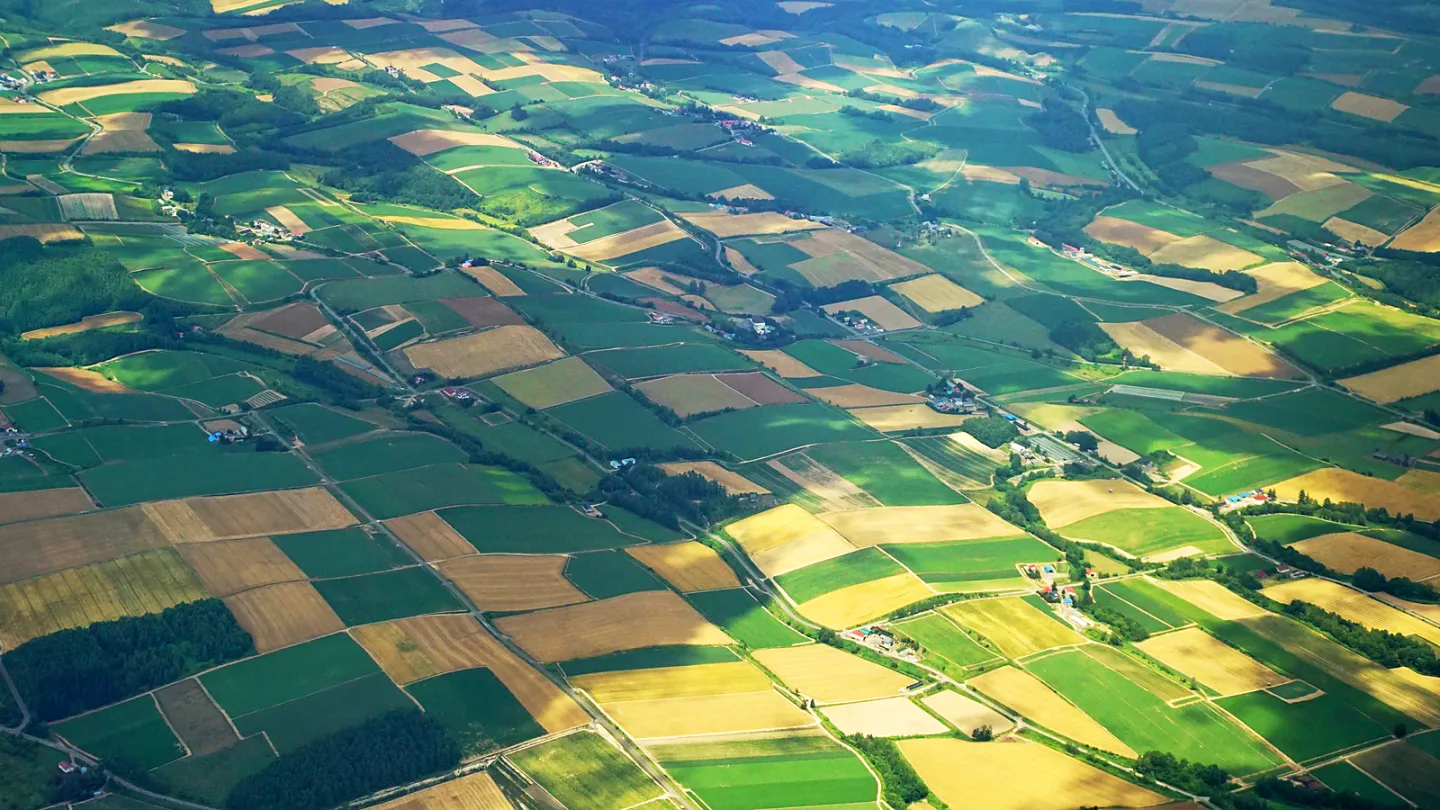
The second image shows green-season Biei fields, not a winter road. It illustrates how spread-out the stops are; it should not be used to infer winter road clearance or safe speed. The Furano and Biei car-free comparison is the alternative when the driver or weather makes that rural rental inappropriate.
One-way fees now materially affect the split
The source article used JR Hokkaido Rent-A-Car examples of ¥6,600 for an Asahikawa–Sapporo return and ¥7,700 for Asahikawa–New Chitose. The provider's current one-way block table shows ¥12,000 to Sapporo and ¥15,000 to New Chitose from Asahikawa. These are this provider's current block charges, not an island-wide fee or a price guaranteed for every vehicle. They change the comparison: dropping five paid rental days can still save money, but a one-day rural rental with a ¥15,000 return charge may be poor value.
There is a third route to price. Return the vehicle to Asahikawa, then take rail toward Sapporo or New Chitose. That adds a rail leg and another luggage transfer but may avoid the larger one-way charge. Compare the complete total: rental days, suitable vehicle class, winter equipment, parking, fuel, pickup and return hours, one-way charge, rail tickets and the time consumed by each hand-off. Sending a large suitcase ahead can change the hand-off calculation more than a slightly cheaper car class.
Make the comparison on the actual sequence of nights. A two-day rural rental with an Asahikawa collection and return might involve four hotel–station or station–counter transitions. A continuous car eliminates some transitions but adds five rental days and city parking. For a couple with small bags, the transitions may be little trouble; for a family with child seats, they can consume part of each day. A quote should include the specific vehicle's pickup and return locations, rather than treating an Asahikawa city office and the airport office as interchangeable. The seven-day car rental comparison is a useful second calculation when the winter driving decision has already been settled.
Families sometimes reach a different answer. Two children, winter coats, a stroller, ski gear and four large cases make rail-to-counter transfers harder. But the same load can exceed the usable boot space of a nominal five- or seven-seat car once every seat and child restraint is occupied. Price the vehicle that fits the whole group and gear, not the cheapest model displaying enough seats. The family car-seat and boot-space checklist covers a different climate but the sizing logic still applies.
Bad weather can take away the car's main advantage
Hokkaido's winter road guidance describes icy surfaces as roughly ten times more slippery than dry summer roads and recommends more than three times the usual following distance. Intersections, bridge decks and shaded places demand particular care. The Hokkaido Police braking demonstrations make the longer stopping distance concrete. Winter tyres are necessary equipment; they do not create the skill needed for black ice, drifting snow or poor visibility. A rental for only the Biei/Furano leg concentrates driving on rural roads, where snow experience matters most.
The Hokkaido Transport Bureau expanded foreign-rental-user winter safety work in 2026, including simulator training amid concern about rising accidents. That is a reason to decide who will drive before picking a hotel requiring a car. The MLIT road information system displays current restrictions, cameras, snow depth, wind and road temperature. It updates frequently, but its own notice says conditions can change between updates and arrival. Seasonal closures and weather closures need a route fallback. Rail and buses can also be disrupted; the key difference is who must judge whether the journey proceeds.
A sound fallback means identifying the rural stop you can cancel without stranding the next hotel reservation, checking whether the overnight has a bus or rail alternative, and leaving enough daylight to turn back. A vehicle sitting at the hotel does not create access when visibility closes the road. Do not fill a snowy day with remote photo stops solely because a car is paid for. If the weather removes a rural driving day, a Sapporo-based option from winter activities without skiing can be a more realistic use of the time, provided its own operator confirms it is running.
A full-trip rental becomes a serious candidate when a competent driver starts outside the Sapporo/Otaru corridor, four or more days connect dispersed rural stops or hotels, parking is arranged, and the same car reduces meaningful luggage moves. New Chitose → rural onsen → Furano/Biei → Asahikawa is a possible structure, not a promise that every road will be open. A city-first week with Sapporo for three nights and an Otaru day trip is a weak match. For skiing, compare the exact resort transfer: Niseko versus Rusutsu and Niseko versus Furano raise different car-use patterns.
For a group that needs a driver but should not self-drive on snow, a staffed car charter can be priced against multiple rural transfers. It is not the same cost category as a short rental, so compare the usable day, not merely the headline hours. A winter activity such as drift-ice or dog-sledding outings may already include transport; adding a car on those days could be duplicate spending.
For most first winter visits, Sapporo and Otaru should start car-free. Experienced winter drivers can add a short rural rental when Biei, Furano and the hotel sequence justify it, after checking the current one-way fee and branch hours. A continuous rental earns its place on a mostly rural loop with a safe weather fallback and a vehicle that fits the whole party. If the driver's snow experience is missing, change the transport plan rather than calling a shorter rental safe by default.
Other route reading
Hokkaido Without a Car · Hokkaido Winter Driving Guide · JR Hokkaido Rent-A-Car — 2026 office operating periods · Hokkaido Police — winter-driving safety information · Hokkaido Transport Bureau — 2026 foreign rental-car winter safety programme · Fuji Speedway Driving Experience: ¥3,300 Own-Car Laps, GR Rental or a Tokyo Tour? · Okinawa Trip Cost: 5-Day Budget for Hotels, Car and Activities · Do You Need a Car in Okinawa? Rental Car vs Public Transport · Okinawa Car Rental: OTS vs Toyota vs ORIX — Which Should You Book? · Best Place for a First Japan Autumn Trip: Tokyo, Kyoto, Hokkaido or Tohoku? · Japan in February Is Still Winter: What to Wear in Tokyo, Kyoto, Hokkaido and Okinawa
If the car is collected after a Sapporo city stay, compare Sapporo rooms before the driving segment so parking costs do not begin earlier than necessary.