
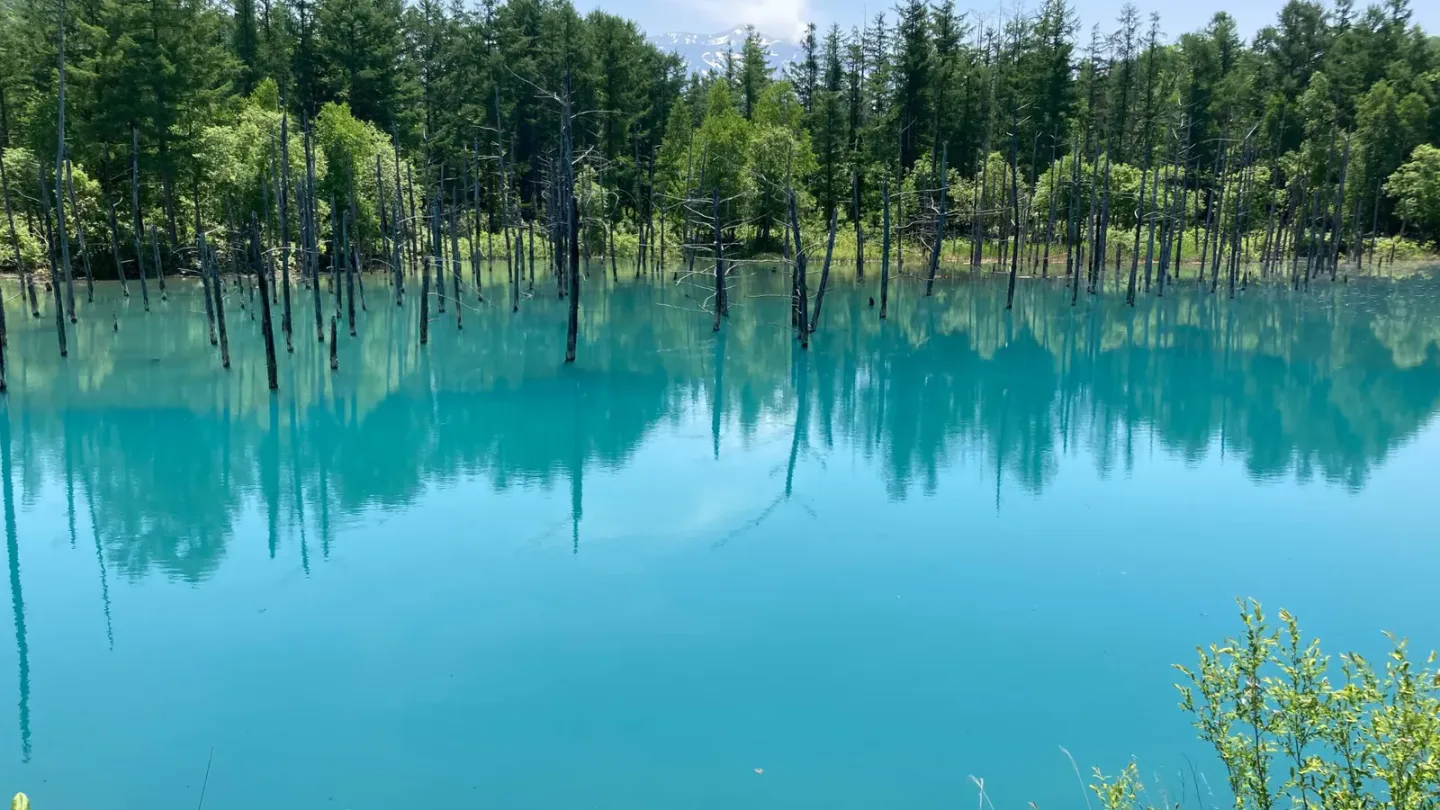
Furano and Biei can be visited without a rental car, but the useful car-free route is narrower than the familiar road-trip map. Trains bring you to Furano, Nakafurano and Biei; a reserved half-day bus can link Biei's Blue Pond, Shirahige Falls and Shikisai-no-Oka. The hills between those named stops are where independent driving changes the trip. Decide whether your priority is a handful of places or the freedom to follow the landscape.
Do not use a summer 2026 rail or bus itinerary as a promise for a later season. Biei's published View Bus ran daily July–September 2026 with selected June and October dates, ending its listed October service on the 12th. JR Hokkaido marked 2026 as the final year for the Furano–Biei Norokko train. As of 24 October 2026, plan a future trip from newly issued operating dates, not from the attractive sample connections of the season that has finished.
Two kinds of Biei visit
A first-time visitor wanting the Blue Pond, Shirahige Falls and Shikisai-no-Oka had a clear option in 2026: reach JR Biei Station, walk to Shiki-no-Johokan and take the Biei View Bus. The published morning tour left at 9:40 and returned at 12:45; the afternoon ran 14:10–17:10. Both covered the three named stops, with different order and short set visits. That route removes much of the transfer problem that older advice described, but you must reserve a seat and arrive before departure.
Those times are historical details of the 2026 service. The tourism association listed daily operation from July through September, June 6 and 15–30, and October 1–3 and 9–12. A spring, late-autumn or future summer visitor should check the new bus calendar before buying rail tickets around a tour that may not exist on their day.
The bus is suited to a set of iconic stops, not a leisurely exploration of every viewpoint. Its 2026 listing allowed about 35 minutes at the Blue Pond on the morning course, around 20 minutes at Shirahige Falls and about 45 minutes at Shikisai-no-Oka. The afternoon sequence used slightly different durations. Parking areas can still be several minutes' walk from the sight. A family using a stroller or a traveller with limited mobility should include those short walks in the decision.
Furano's rail corridor and its seasonal gap
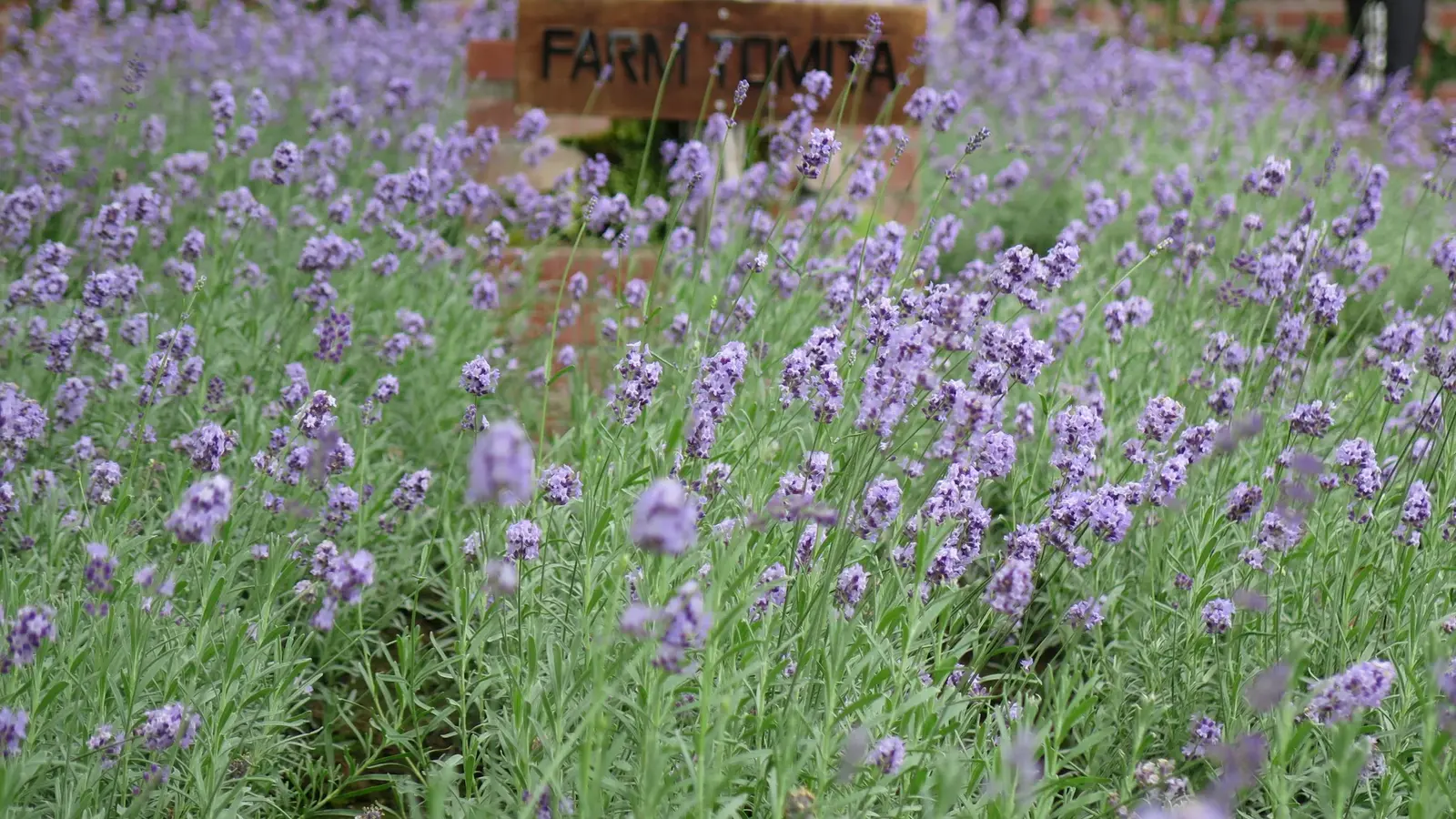
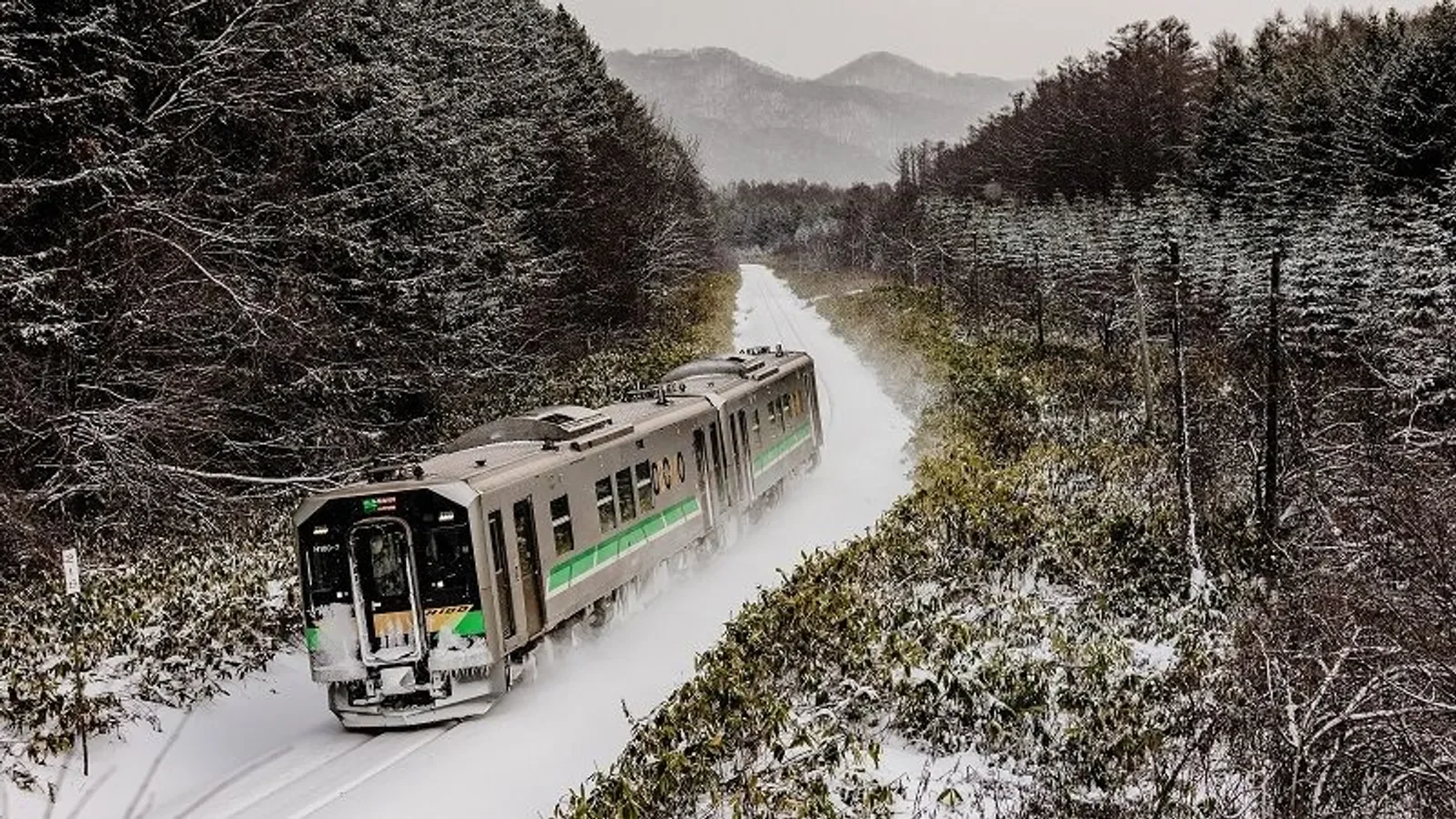
Farm Tomita and Nakafurano sit much closer to a workable rail corridor than Biei's scattered hill roads. JR's Furano Line connects the region through Asahikawa and Biei. In the 2026 flower season, selected Furano Lavender Express days also connected Sapporo and Furano in about two hours, while the Norokko provided a seasonal ride through Nakafurano and Biei. JR's sample Sapporo day trip to two lavender gardens was explicitly date-limited; it was never a year-round train pattern.
The seasonal Lavender-Farm stop near Farm Tomita appeared only on the 2026 Norokko operating days through 23 September. JR said that train would finish operating in 2026. For future lavender travel, look for the ordinary local service and any newly announced seasonal train before assuming you can step off at the farm-side platform. The Farm Tomita timing and one-day guide helps pair flowering expectations with the transport that actually runs.
One missed train can matter more here than in a large city. Before committing to a long stop at Farm Tomita, note the next departure and the last connection you need for the hotel. If the sky clears just as you planned to leave, you may be able to stay, but you should know what that choice costs. The attraction has not become inaccessible; the rest of the day's timetable has changed.
What a rental car buys on the hills
Patchwork Road and Panorama Road are not single ticketed sites with one drop-off point. The interest lies in moving through farmland and seeing how the fields, slopes and light meet. A bus that efficiently delivers three highlights cannot reproduce that kind of wandering. A car allows a change of route when visibility improves or a viewpoint is busy, and it makes small cafes and dispersed farms easier to include.
Driving does not give permission to enter crop fields, use private tracks or stop wherever a photograph looks good. Biei's tourism association explicitly asks visitors to keep out of fields and pastures because they are private working land. Use designated parking and view the landscape from public access. If landscape photography is the point of the journey, the photography timing guide is more useful than adding every map pin to a bus day.
There is a middle course: take rail to the area, then rent locally for one or two days when hill roads matter most. This avoids driving the entire Sapporo–Furano approach while retaining control of the Biei countryside segment. It only works if the pickup, return, hotel and onward train leave enough real time; a nominal one-day rental can shrink quickly around a late collection and an early return.
The overnight base changes the effort
Near Furano Station, the next morning's Biei train and a return from the flower-field area are easier to organize. Near Asahikawa Station, you gain more rail options and city dining, though you still travel south to the sights. A remote resort may be pleasant in its own right yet require a shuttle or taxi whenever you need the railway. For a car-free trip, hotel location is part of the transport plan, not simply an accommodation preference.
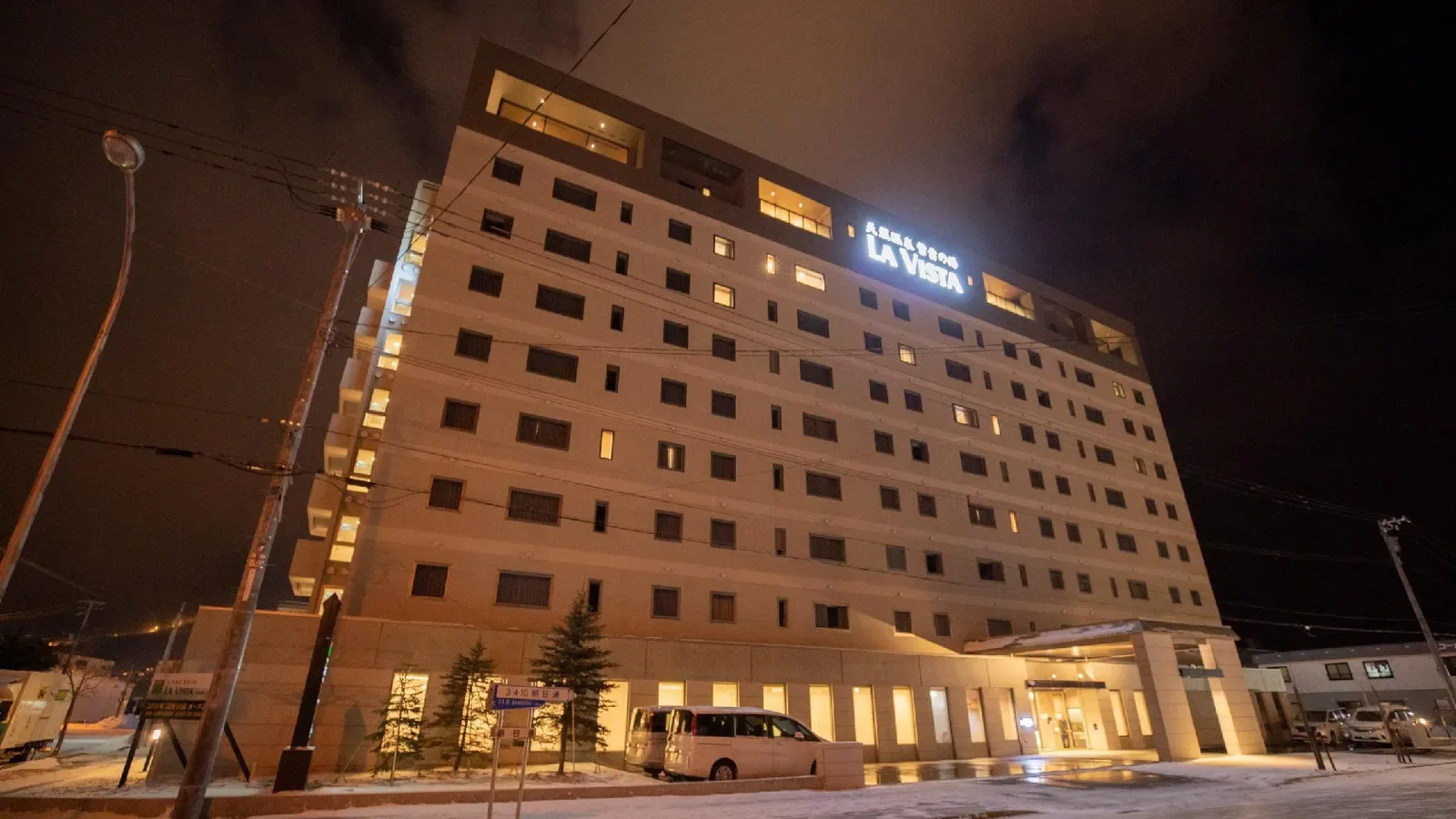
Compare the Furano, Nakafurano, Asahikawa and Sapporo bases against the first departure each morning. If both Furano flowers and the Biei bus are priorities, a second night near the area may be worth more than a more ambitious day trip. The one-night or two-night Furano decision deals with that trade-off; the Hokkaido regional itinerary places it in the wider trip.
A Sapporo return in one day is possible on operating dates with suitable trains, as JR's 2026 sample route demonstrated. It makes more sense to choose the Furano flower corridor or the Biei tour as the main event. Trying to do both turns the long approach and return into a sequence of tight connections. If your trip has only five summer days, the five-day transport comparison offers a useful illustration of how quickly moving bases consumes sightseeing time.
Groups may prefer a bus, but need the meeting times
Not driving can remove navigation, parking and unfamiliar-road work from a family trip. On the 2026 Biei tour, however, everyone had to return to the bus at the announced time; the organizer warned that weather or road conditions could shorten stops and that onward rail connections were not guaranteed. Keep a buffer before a critical train. Children who need longer breaks or older relatives who walk slowly may be more comfortable with a private vehicle, while another group may find the guided bus less tiring.
Winter is a separate decision. A summer flower-field bus cannot be assumed to operate during snow season, and inexperienced winter drivers should not rent a car merely because the region has dispersed sights. Use the actual winter transport network or pick a different cluster of attractions. The Hokkaido ski-area comparison and airport transfer options address a very different type of Hokkaido trip.
A workable way to decide
Write down the three places you would regret missing. If they are Farm Tomita plus Biei's Blue Pond, falls and flower garden, rail with a reserved bus can cover the core on dates when that service runs. If the list is mainly road viewpoints, independent cafes, farms and changing photographic light, driving or a suitable local tour better matches the aim. An overnight near the rail line can make either choice less rushed.
If you are already comparing other rural Japan regions by car or public transport, the same principle applies: a fixed route reaches named stops, while a vehicle helps with the space between them. This is also why the journey-home approach to event transport is useful here: verify your exit before committing to the final sight. For Furano and Biei after 2026, the first step is the new season's rail and bus calendar. The regional Hokkaido plan can then show where those dates fit in the wider trip. Only then can the itinerary be called practical for your dates.
One day without a car needs one dominant corridor
A rail-first day works when the main goal sits near the station and the onward journey has enough slack. Farm Tomita requires attention to the local stop actually served on the travel date; the former seasonal Lavender-Farm stop cannot be assumed after the Norokko's final 2026 operation. A Biei bus tour instead supplies its own meeting point and fixed sequence to the Blue Pond, falls or garden. Combining both in a single long Sapporo return can leave the best attractions as hurried photographs between transport obligations.
For a two-day stay, split the region by what the public network can really deliver. Let one day focus on the Furano flower corridor and a meal, then use the other for a reserved Biei excursion if its operating dates fit. Choose a station-accessible hotel so an early departure does not require a risky rural transfer before the tour has even begun. If the Biei tour is the trip's central experience, placing the night closer to its meeting point may be more valuable than sleeping near a flower field visited only once.
The car option is strongest for the landscape between named bus stops: Patchwork and Panorama roads, small farms and changing light across the hills. Rent locally only if collection and return hours still leave useful daylight. Do not treat a one-day rental as a way around private-property limits; designated parking and public viewpoints remain the appropriate way to see working fields. In winter, the summer bus and rental calculation has to be rebuilt from the seasonal services and road conditions instead of copied into snow season.
Trips to build around this route
Furano Lavender Guide: Farm Tomita, Flower Timing and a One-Day Route
Where to Stay in Furano: Furano Station, Nakafurano, Asahikawa or Sapporo?
Furano vs Biei: Where Should You Stay Overnight?
Hokkaido Itinerary by Region: Season, Trip Length, Airports and Transport
More car-free routes
Related guides: Hokkaido 7-Day Car Rental: Full Trip or Only Furano & Biei? · Shikoku Itinerary: 4 Days Without a Car for Yosakoi and Awa Odori · Hokkaido Summer 5 Days: Sapporo & Otaru or Add Furano and Biei? · Naha Without a Car: A 2-Day Yui Rail, Shuri, Tsuboya and Kokusai Route · Okinawa 5-Day Itinerary: Don’t Rent a Car on Day 1 — Naha, Onna and Churaumi Without Hotel Hopping · Saga Without a Car: Yutoku Inari, Sea Torii and Karatsu · Furano Rafting: Standard, Private or Canyoning? Start With Transport and River Type · Oirase by Car or Public Transport: Parking, Buses and One-Way Walks · Hokkaido Winter Activities Without Skiing: Ice Fishing, Dog Sledding and Drift Ice · Sapporo Self-Drive Hotels: Return-Day Timing, Car Height and Re-Entry Matter More Than Station Distance
If the bus timetable makes Biei an overnight base, compare Biei rooms for the exact dates before committing to a final departure without a car.