
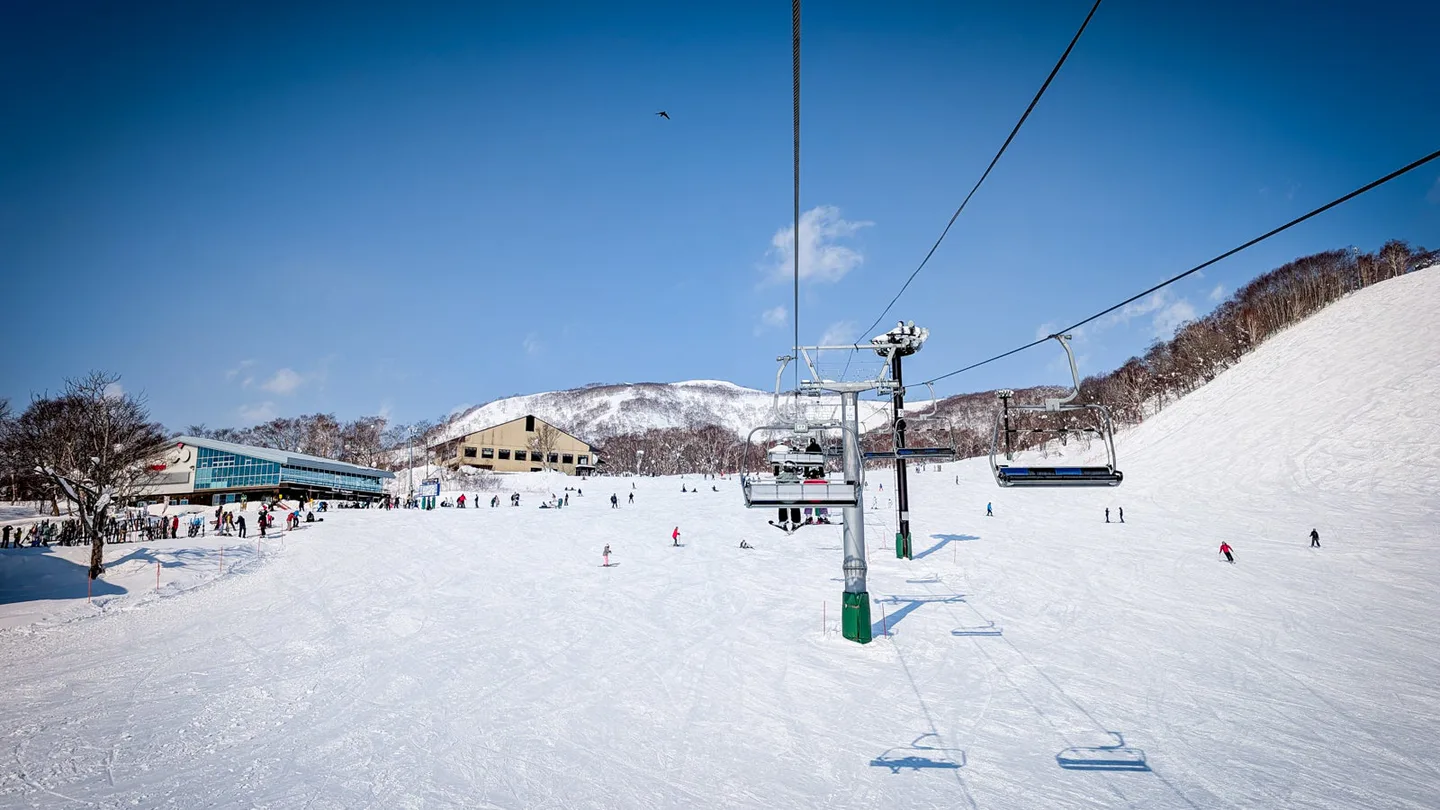
A two-day ski stop and a week based around skiing ask very different things of a Hokkaido resort. Furano gives a short, ski-first trip one mountain with two linked zones and a more direct route onward to Biei or Asahikawa. Niseko United spreads four areas—Grand Hirafu, HANAZONO, Niseko Village and Annupuri—across a larger holiday ecosystem. The additional terrain, restaurants and non-ski choice matter most when the stay is long enough to use them. For either destination, the hotel’s position relative to the lift, lesson point and evening bus can decide how good the trip feels. The village-by-village decision appears in Niseko-area lodging choices.
Airport access is no longer a simple argument for Niseko. A year-round direct New Chitose–Furano bus started in August 2026 and serves Furano Station, Kitanomine and the New Furano Prince Hotel side. Niseko’s White Liner continues to offer a direct airport–Hirafu trip in winter. Furano has released its 2026–27 day-pass and night-ski information and announced a new town-to-slope shuttle. Compare the complete flight-to-hotel chain and this season’s prices.
↔ Scroll table left or right
Trip shape | Likely first choice | Why it fits | When to reverse it |
Two ski days with skiing as the point | Furano | One linked two-zone mountain and now a direct airport coach | The party has a specific Niseko lesson/hotel plan or wants busy evenings |
Three or four days with mixed ability | Niseko can gain ground | Four areas offer more terrain and base choices | A compact lesson routine and onward Biei route favour Furano |
Four to six days as a resort holiday | Niseko | Multiple sectors and a defined night-ski season can be used | The group prefers repeating Furano runs and quieter nights |
Beginners meeting at one school | Furano may be simpler | Fewer morning handovers when room, hire and lesson meet on one side | Non-ski family members want wider dining and activity options |
Continue towards Biei or Asahikawa | Furano | The ski stay lies on the onward central-Hokkaido route | Niseko is itself the principal holiday goal |
Sapporo and Otaru on either side | Niseko | Western-Hokkaido geography avoids a cross-island ski detour | The airport coach and onward eastern route make Furano efficient |
How many ski mornings will the base actually serve?
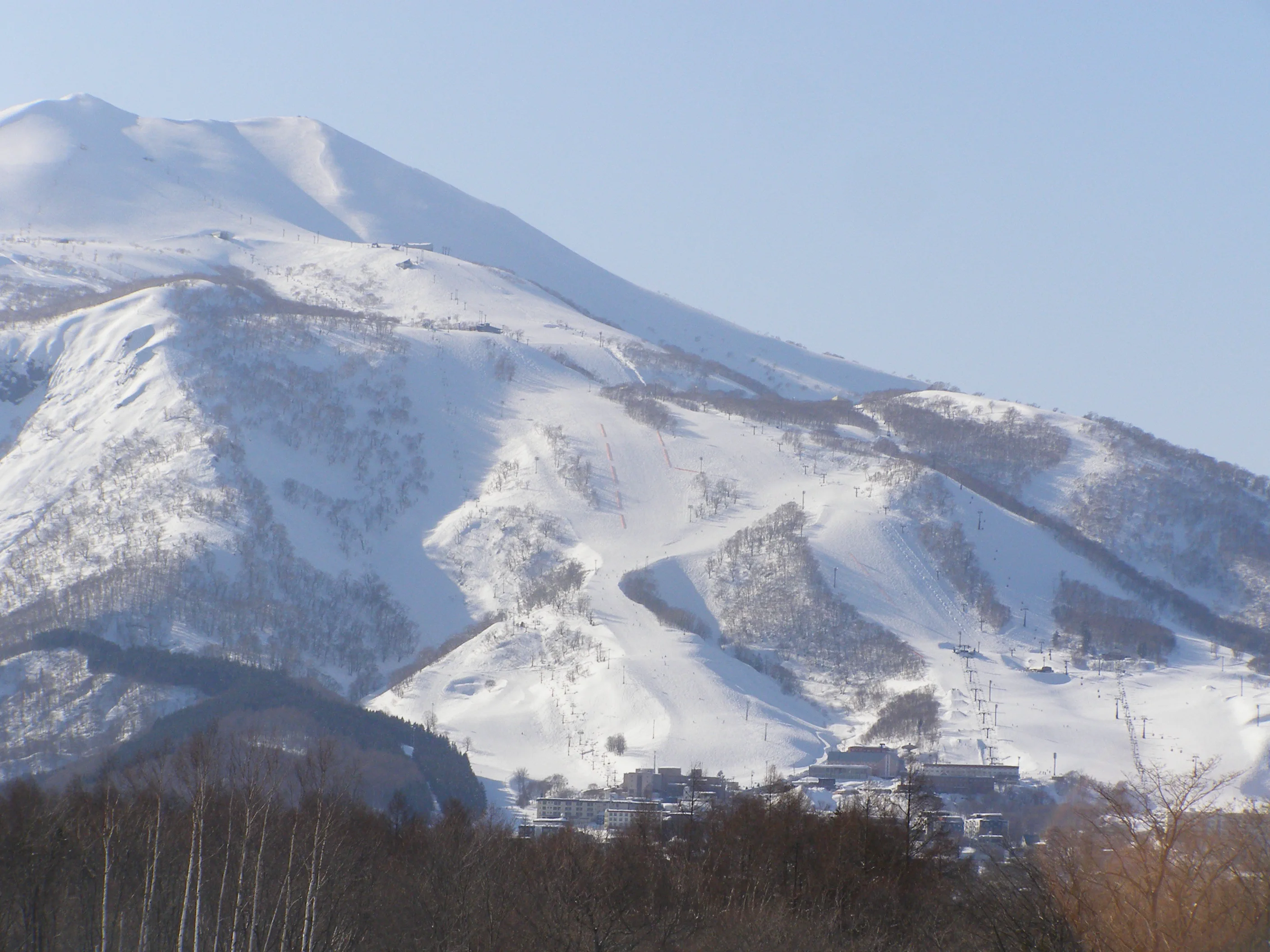
Niseko’s four named areas become an advantage once the party has spare days to change slopes, work around lift conditions or divide by ability. On a two-day stop, the same geography can create decisions about passes, meeting points and which village to sleep in. The value is not simply the number of runs on a map; it is how many of those options your group will realistically use. A smaller nearby resort comparison is Niseko versus Rusutsu.
Furano’s ski map is easier to hold in one’s head: Furano Zone and Kitanomine Zone connect high on the mountain and share a resort pass. That still leaves a meaningful lodging choice. A room near Kitanomine Gondola produces a different walk and evening from a room by New Furano Prince Hotel, while a cheaper downtown room adds a daily journey. Simpler resort boundaries do not erase the last mile. The corresponding Furano hotel question is Furano Zone versus Kitanomine.
A useful first pass is to weigh the ski block this way:
Two ski mornings: minimise travel and lesson complexity; Furano often gains.
Three or four mornings: hotel position and non-ski needs outweigh resort size alone.
Five or more mornings: the four-area Niseko network becomes easier to use fully.
These day counts are planning judgments, not access rules. A strong skier may happily repeat Furano terrain for five days; a beginner family may choose Hirafu for just two because a particular school and apartment fit. Use the number of mornings to ask how much variation the party will consume, then test the actual hotel and lesson plan.
New Chitose now has direct routes to both bases
Bus Gori Liner Furano began year-round service on 10 August 2026. Its published airport departures are 10:30, 11:45, 14:30 and 17:30, with about two hours on the road in ordinary conditions. It calls at Furano Station and ski-side stops serving Kitanomine and New Furano Prince Hotel. That last point matters more than the city name on a timetable: a bus that reaches your hotel side can remove an additional taxi or local transfer. Check the Furano airport coach stops and timetable. The other airport route is detailed in New Chitose to Niseko transport.
After an international arrival, leave enough time for immigration, bags and finding the domestic-side coach stop. A missed bus is more consequential when departures are spaced across the day, so select the usable departure after the flight rather than the fastest journey printed in a table. Furano can now be an airport-first ski stay without a compulsory detour through Sapporo.
White Liner’s 2026–27 winter service runs from 12 December to 23 March, with airport-to-Hirafu Welcome Center trips taking about two and a half hours on the timetable. The regular adult one-way fare is ¥7,000. Its Japanese booking page currently advertises a 20% web discount for reservations made in October, bringing that fare to ¥5,600; the September offer mentioned in older copy has ended. Match the selected service to your arrival and allow for winter road disruption. The operator lists the White Liner service and fare.
For either resort, the practical journey has four parts:
flight → workable coach departure → resort stop → hotel transferAn airport bus reaches a resort district, not necessarily the apartment door. Niseko can win when a White Liner arrival leaves a short walk to a Hirafu property; Furano can win when its direct coach reaches a hotel near the right zone. The published driving durations are only one component. A poor flight connection or a heavy ski-bag transfer can reverse the apparent winner.
Furano has added a town-to-slope morning option
Furano Tourism announced a new service from Furano Station through Jujigai, Ichiba-mae, Kisen and Hotel Naturwald to New Furano Prince Hotel. From 1 December through 31 March, five departures from the station are listed at 08:08, 09:00, 10:00, 11:20 and 17:00, plus a noon downhill departure. The stated fare is ¥500 without a reservation. Existing Lavender and Goryo services remain separate routes. Existing stop locations can be cross-checked against the prior Furano town-bus routes. The new service has its own new Furano ski shuttle details. A broader car-free journey appears in Furano without a rental car.
This gives downtown and lower Kitanomine lodgings another way uphill, but it does not make every address equally convenient. Check the walk from the room to the named stop, the useful departure before a lesson, and the return you need after skiing or dinner. A single new bus link cannot substitute for a room beside a lift when the party expects to come back midday.
For Furano, the current decision is no longer whether an airport bus or ski shuttle exists. It is whether their schedules fit the specific flight and each ski morning. A property may be inexpensive yet require a taxi whenever the group misses a suitable bus; a ski-side hotel may justify its premium by removing repeated gear-carrying and waiting.
The pass premium at Niseko buys four-area choice
Niseko United’s 2026–27 plan spans late November to early May at Grand Hirafu and Annupuri, with shorter scheduled seasons at Niseko Village and HANAZONO. Night skiing is planned from 12 December to 22 March. Open dates still depend on conditions and the individual area, so a very early or late stay should inspect the area schedule before assuming all four sectors are usable.
During peak season, 24 December to 28 February, an adult All Mountain day pass is ¥13,500; the published consecutive three-day and four-day prices are ¥39,500 and ¥52,500. Regular-season day pricing is lower. Those totals are a purchase of network access, not proof that a particular family needs it. If all lessons and hotel returns are in one sector, a local-area product can deserve comparison. Compare the Niseko United pass products.
With five ski days, weather and ability differences can make the wider network valuable. Two short days may end before the party ever leaves its home base. Price the pass against the likely sectors, night sessions and people who want different runs, then add the transport between them. There is little reward for paying for flexibility that the schedule never allows you to use. For the whole-trip numbers, use Niseko ski cost and booking timeline.
Furano’s 2026–27 lift price is now published
The resort lists 28 November 2026 to 5 May 2027 as its planned season. For an adult non-member, the ordinary one-day ticket is ¥9,000 from 5 December through 22 March; early and spring one-day windows are ¥7,500. A Seibu Prince Global Rewards member rate is lower, including ¥7,500 for the ordinary window. The member condition and date window belong beside the number whenever prices are compared. The two zones appear in the Furano resort layout. The date-specific fares appear in the 2026–27 Furano ticket schedule.
A peak Niseko All Mountain adult day at ¥13,500 and a regular-window Furano adult day at ¥9,000 differ by ¥4,500. This is a pass comparison, not a complete ski-holiday price: lodging, lessons, equipment, transfer and food can overwhelm it. Niseko also sells different area products, and Furano’s member rate changes the comparison. Use matching dates and access scope before naming a cost winner.
Furano accommodation can now be assessed beside this season’s lift fares. The remaining cost question is the complete checkout total on your dates, including any member qualification, gear and transport. Choose a room with cancellation terms you accept near the right ski-side zone, then make the final pass and bus choices for the exact week. The number of Furano nights is tested in Furano ski trip length.
The hotel-to-lift walk is a daily cost
A booking labelled “Niseko” might be in Hirafu, HANAZONO, Niseko Village or Annupuri. Each changes the first lift, the dinner choices and the way a mixed group reunites. Once Niseko wins at the resort level, choose the village that suits the lessons and the party’s evenings; a generic property ranking cannot settle those movements. Hotel position within Niseko is mapped in Hirafu, HANAZONO, Annupuri and Village hotel bases.
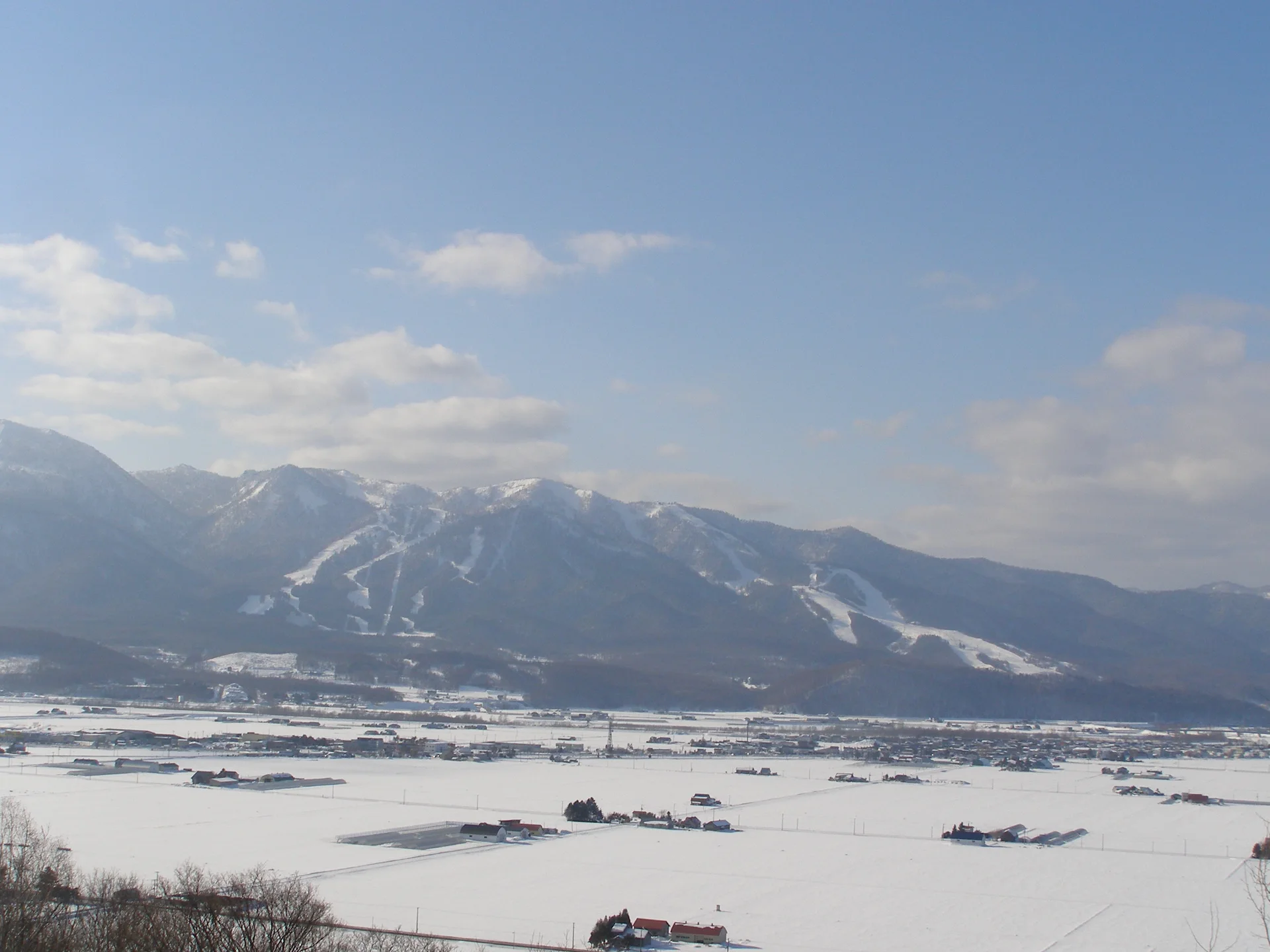
Furano has the same issue on a smaller scale. Furano Station is roughly ten minutes from Kitanomine by car or bus, while Furano Zone and New Furano Prince Hotel are about 15 minutes by car or 18 by bus in the tourism association’s route guidance. The airport coach has useful ski-side stops, and the new ¥500 morning shuttle improves downtown access. Neither makes a station-area hotel equal to a property at the lift for a family carrying gear each morning. The two Furano ski sides are compared in Furano slope-side hotel areas.
For any hotel premium, count the repeated journeys:
extra room cost ÷ (ski mornings + likely midday returns) = cost per avoided transferTwo days of buses and boot carrying might be acceptable in exchange for a substantially cheaper room. Five ski mornings, possible midday returns and evenings out multiply the inconvenience. Price the room difference against the transfers you would actually make, including waiting in the cold and whether a child or non-skier will need to return separately.
Beginners need one workable handover chain
English-language lessons exist at both destinations. The useful distinction is where the beginner collects equipment, meets the instructor and reaches a suitable first lift. A lesson reservation can be easy on paper while the hotel, rental shop and class start are inconveniently far apart.
Map a beginner morning as breakfast, rental fitting, lesson meeting point, lift access, lunch and reunion. Furano is appealing when all of that sits on one side of its two-zone resort. Niseko can work equally well when the party deliberately chooses a Hirafu, HANAZONO, Village or Annupuri base matched to a school and equipment shop. Bigger resort choice does not compensate for a scattered first hour.
For Niseko, settle the village before buying passes, gear hire and lessons. At Furano, the same check is Kitanomine versus Furano Zone, followed by the hotel-to-stop walk if you stay in town. That sequence prevents a bargain room from forcing a daily taxi to the lesson desk. Gear and instruction planning continues in Niseko passes, hire and lessons.
The non-skier’s day can decide Niseko
A mixed party does not use ski terrain in the same way. Niseko’s four base areas, larger restaurant market and wider spread of winter activities offer more ways for a non-skier or a tired skier to spend the afternoon, then meet the group for dinner. The benefit is strongest when the lodging is in the part of Niseko where those options are reachable without another long ride. A one-day or resort-stay decision is covered by skiing from Sapporo versus staying at the resort.
Furano still offers Snowland, Ningle Terrace, the town and hotel facilities. They are more dispersed, and evenings have fewer resort-village choices than Hirafu. A couple with one enthusiastic skier and one person seeking a varied holiday may find Niseko easier to balance. Another couple may prefer Furano’s quieter pattern if they are content with a specific hotel and town dinner plan.
When everyone is skiing most of the day, those extra village choices contribute little. Then Furano’s simpler mountain and lower standard day-pass price can be a stronger use of money. Decide whether the après scene will actually be used instead of paying for it as an abstract resort feature.
Evening turns have different hours and prices
Niseko United plans night skiing from 12 December 2026 through 22 March 2027. An extra session can recover slope time after a late start, long lunch or morning lesson, but only if the hotel and party make a second outing realistic. Check which lift and local-area ticket cover the evening you want.
Furano has now set out its own 2026–27 evening offer. Its ticket page lists ¥3,100 for an adult weekday night ticket with 16:00–18:00 use and ¥3,900 for the New Year and weekend/holiday category with use to 19:30. Furano Zone is planned from mid-December to 21 March and Kitanomine from late December to 21 March for this product. The date and zone matter more than a generic claim that Furano “has night skiing.”
Do not add night hours to the value of a hotel if the group normally finishes at 15:30, eats early or must collect children from a lesson. A late-opening lift helps only when it matches a real skiing plan and a practical route back to the room.
The onward Hokkaido route can settle the resort tie
Furano’s direct airport coach makes it easier to begin or end the ski block at New Chitose, but geography still matters. A Biei or Asahikawa continuation sits naturally beyond Furano. Niseko pairs more cleanly with a Sapporo or Otaru-focused western-Hokkaido journey. The best ski mountain is a poor base if it forces a large winter backtrack on both sides. Put this within a five-, seven- or ten-day Hokkaido winter route. For a single day from Sapporo, compare Sapporo Teine versus Kokusai for a single ski day.
Test the full route with the ski block placed in the middle:
New Chitose → ski → Biei/Asahikawa: Furano’s direct airport coach and central position are unusually coherent.
Sapporo/Otaru → ski → Sapporo: Niseko usually needs less cross-island travel.
Two-night ski insert in a longer tour: protect the available mornings and choose the base on the route.
Five or more ski nights as the main holiday: choose the terrain, lesson system and village first; route convenience becomes secondary.
A winter itinerary built around Sapporo, Otaru and western Hokkaido points one way; an airport-to-ski-to-Biei/Asahikawa sequence points the other. Count luggage transfers and check-in nights, not just kilometres on a map. Winter roads and bus timetables make a geographically tidy line more valuable than it may look in summer. The Biei transport section of the trip is covered in Biei in winter without a car. The onward overnight choice is Biei as a day trip or overnight.
A short ski block should stay in one place
Moving between Niseko and Furano means another check-out, hauling skis or boards, a winter intercity transfer, a new rental or lesson setup and a morning spent learning the second mountain. Across four ski nights, splitting two and two usually sacrifices too much of the time that justified the trip. For a third resort in the comparison, read Niseko versus Furano versus Rusutsu.
A split can make sense on a longer ski holiday when each base receives at least three meaningful ski days and the transfer advances the wider route. It is weaker when the move only chases a second resort name. Compare the additional terrain with the day and effort lost between bases.
Where each easy answer breaks down
Niseko is a weaker default for a ski-first group with only two or three days, little interest in village dining, and a central-Hokkaido continuation. Four-area choice cannot help much when there are too few mornings to explore it. A property in the wrong Niseko village can also add exactly the daily friction the larger resort was meant to avoid.
Furano’s simplicity becomes less persuasive when the group includes non-skiers who want broad dining and activity options, or when a long stay needs changing terrain. A downtown Furano bargain can lose its advantage if every morning requires a bus or taxi while a well-chosen Niseko property would put lessons and lifts close by. The Niseko sector choice is explained in mixed-skill Niseko base planning.
Both now have New Chitose direct-bus options. The deciding airport question is whether the actual flight connects to a departure, where that coach sets down the party and how they will cover the final distance with ski bags. Transport is not a resort-wide yes-or-no property.
Which base fits your ski block?
For two ski days in a broader central-Hokkaido trip, Furano often gives the cleaner skiing plan. With four or more days, mixed interests and a desire for multiple ski areas or richer evenings, Niseko’s larger system has more chances to pay back. At three days, choose the hotel and lesson chain first; either mountain can work when that daily routine is tight. The season-wide planning page is the Hokkaido ski transport and area overview. View lodging around Hirafu. View lodging by Furano’s ski zones.
Furano now has a year-round direct New Chitose coach, a new town-to-resort shuttle and published 2026–27 pass and night-ski terms. That makes it a more complete airport-to-slope option than it was when travellers relied on a Sapporo connection. Niseko still has the broader resort network and direct Hirafu bus. Compare the two complete stays for the dates you are booking, not just the reputation of their snow. A northern hotel-base example is Asahikawa as a northern Hokkaido base. Car rental duration is analysed in Hokkaido rental-car duration.
Related ski-base decisions
Passes, airport coaches and Furano transport
A slope-side room removes repeated morning travel only if it is beside the lift or lesson point your group will use. For a downtown Furano booking, plot the new ¥500 ski shuttle stop before deciding that a lower room rate saves money. For Niseko, ask whether the preferred sector is within a manageable walk from the Hirafu coach arrival or needs an additional transfer.
Related guides: Hakone vs Kawaguchiko: Which Is Better for Your First Japan Trip? · Sapporo Teine vs Sapporo Kokusai: Which Is Better for a Ski Day Trip? · Niseko vs Furano vs Rusutsu: Which Hokkaido Ski Resort Should You Choose? · Sapporo Station vs Susukino: Which Base Fits Your Hokkaido Trip? · Noboribetsu vs Jozankei: Which Onsen Stay Fits Your Hokkaido Trip? · OMO7 Osaka: Is Shin-Imamiya the Right Base for Your Trip? · Happo vs Goryu: Which Hakuba Base Fits Your Ski Week? · Miyako Hotel Hakata vs Solaria Nishitetsu Hotel Fukuoka: Which Base Fits Your Trip? · Niseko Ski Trip Cost and Booking Timeline: Hotels, Transfers, Passes and Lessons · Misasa Onsen vs Kurayoshi: Which Base Works Better Without a Car?