
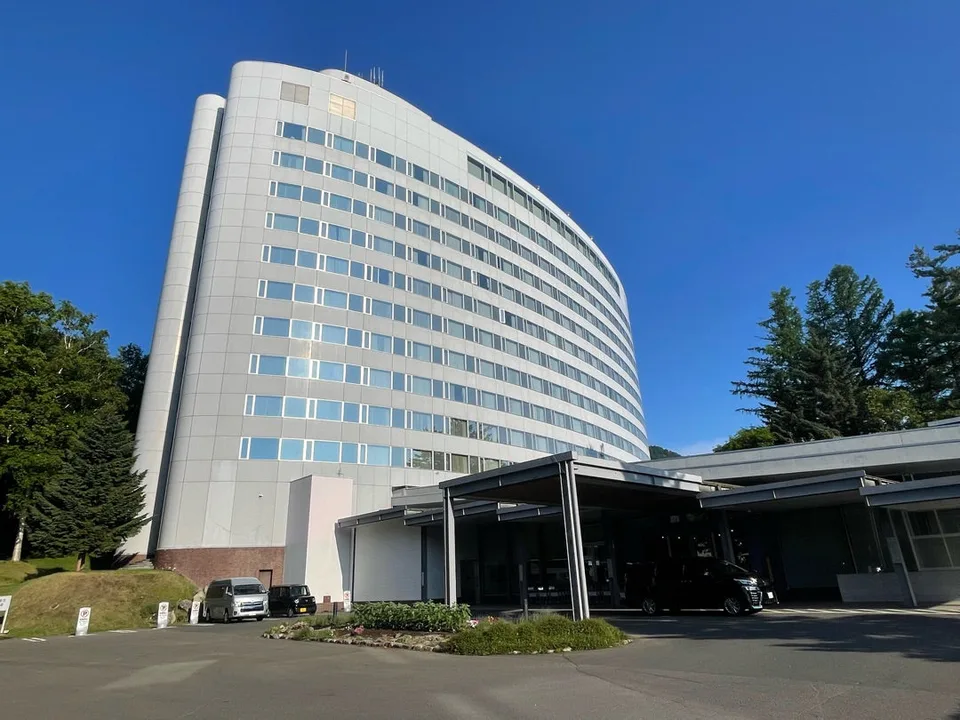
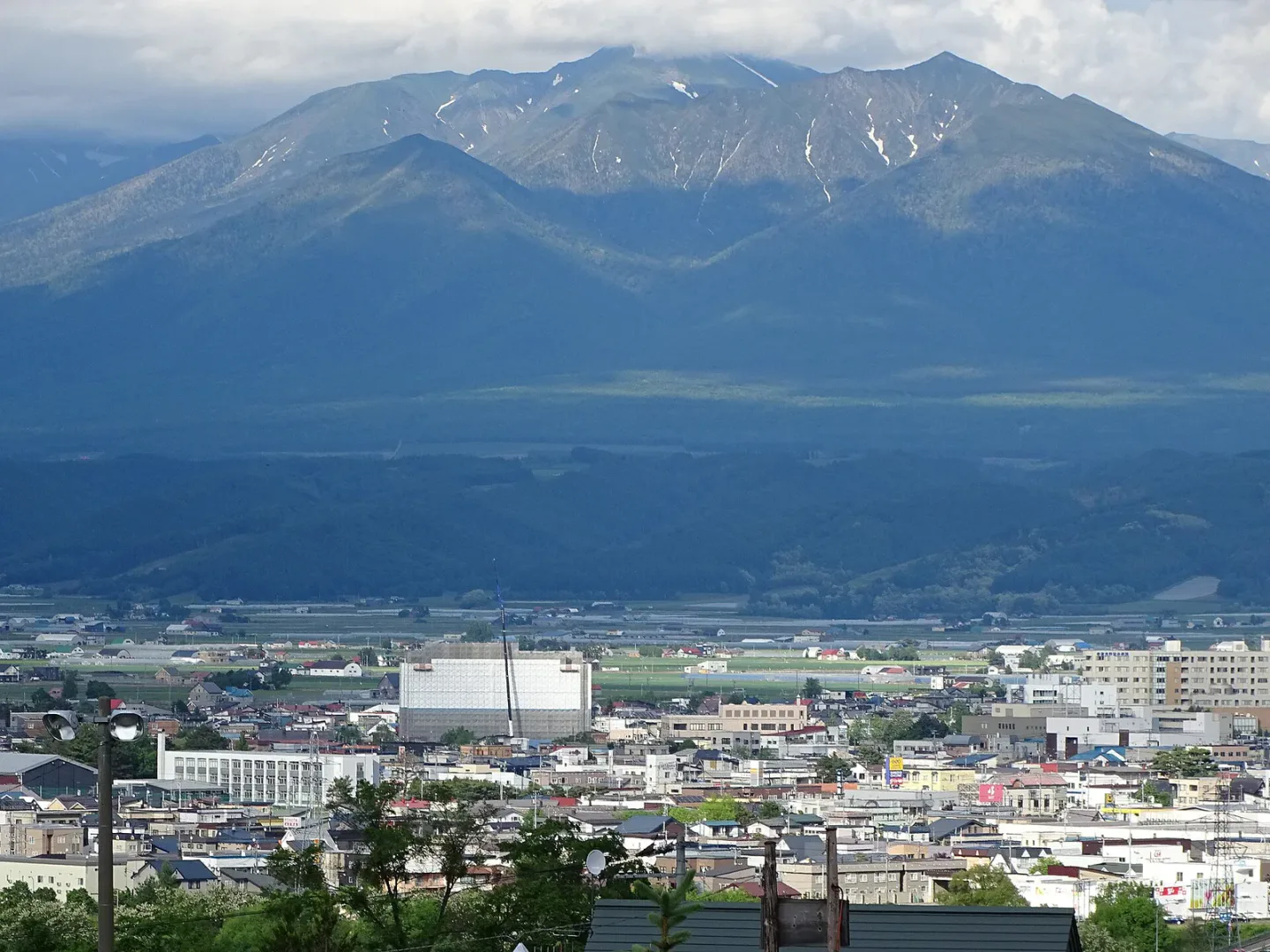
The appeal of Shin Furano Prince Hotel rests on a very specific morning: you leave the room with ski gear and reach the Furano Zone without first arranging a ride across town. Repeat that for two or three full ski days and the location saves four to six outward and return transfers. Use the mountain only once, however, and the advantage shrinks while the hotel’s roughly 6 km separation from JR Furano Station remains. A trip dominated by trains, town restaurants or excursions needs a different calculation.
The slope outside the hotel belongs to Furano Zone. Kitanomine, the resort’s other main zone, is about seven minutes away by car under the hotel’s local guidance. The ski area lists 28 November 2026 as its intended start for winter 2026–27; an opening date does not establish which lifts or runs will operate that week. Before paying for an early-season ski base, match the terrain you intend to use with the actual zone and expected operating period. Furano Zone versus Kitanomine lays out that distinction in more detail.
↔ Scroll table left or right
Trip pattern | Better starting point | Reason |
Two or three complete Furano Zone ski days | Shin Furano Prince | Repeated mountain trips with boots and gear can be removed from the schedule. |
One ski day within a wider Hokkaido route | Compare station hotels | One saved ski commute may not compensate for the arrival and departure last mile. |
Lessons or preferred skiing in Kitanomine | Compare Kitanomine too | The hotel’s direct slope access is to Furano Zone, not Kitanomine. |
Early JR train or regular town dinners | Furano Station gains ground | The approximately 12–17 minute bus or taxi journey recurs. |
Skiing planned close to 28 November | Keep the room terms flexible | The season’s planned start cannot guarantee a specific course or lift. |
The value lies in repeated Furano Zone mornings
Imagine three skiing mornings from a hotel near Furano Station. Each day has a trip to the resort and another back after skiing, often with boots or equipment to manage. That creates six transfer legs. From Shin Furano Prince, those particular town-to-Furano-Zone legs disappear. A two-day ski block removes four. They are itinerary counts, not a promised saving in minutes or a guaranteed door-to-lift travel time.
How much those legs matter depends on the group. Parents coordinating ski school, helmets and tired children may put a high value on avoiding another vehicle journey. A pair carrying little gear for a single lesson could find the hotel premium harder to recover. The three- or four-night Furano ski decision is useful here because a long booking only strengthens slope access when the added days genuinely involve skiing.
Set the movements on opposite sides of the plan:
Furano Zone ski mornings: two days replace four town–resort legs; three days replace six, provided those are the days you actually ski.
Station and town movements: each rail departure, town dinner or excursion restores a trip across the roughly 6 km separation.
The station side wins whenever rail trips and town meals repeat more often than the ski commute that the hotel eliminates. This is particularly likely on a wider Hokkaido winter route with Asahikawa or Biei days mixed into Furano. If the mountain occupies the middle of the stay and travel happens only at its edges, the slope-side position has a much clearer purpose.
Ski-in access ends at the Furano Zone boundary
A resort name can hide an important distinction. Shin Furano Prince sits by the Furano Zone slopes; Kitanomine is a separate part of the same ski resort. The hotel describes Kitanomine as approximately a seven-minute drive away. The room therefore does not erase transport for a child’s lesson, group meeting point or preferred terrain located on that side.
Locate the exact lift or ski-school meeting place before choosing the room. If several mornings start in Kitanomine, compare the Kitanomine hotel options as well as this property. Shin Furano Prince can still suit a group using its bath and evening facilities, but call the advantage what it is: immediate access to Furano Zone, with an extra movement for the other zone.
What the planned November opening does and does not promise
Furano Ski Resort currently plans to begin the 2026–27 season on 28 November 2026. Conditions at opening depend on snow and operations, so the published resort date should be read beside the live course and lift status. Earlier opening guidance warned that initial operations could cover only part of the terrain. A hotel beside a slope cannot make an unopened run available; that is the practical risk in booking the first week.
This matters most when the trip has only one ski day or a lesson on a particular course. A partial opening can leave that plan with little substitute. A longer stay provides more possible mountain mornings, but it also commits more accommodation nights. Compare the available terrain, lesson arrangements and the booking conditions of the room you actually select before treating the first advertised operating day as a complete ski holiday.
Later in winter, the emphasis shifts. Snow coverage still changes with weather, but the ordinary hotel question becomes whether you will use the adjacent Furano Zone on enough days. For an opening-week stay, flexible lodging terms may be worth more than a small saving on a rate with a harsh cancellation deadline. The Niseko versus Furano ski-base comparison can help if the destination itself remains open.
A holiday room plan can fix your risk a month ahead
One Prince Basic plan for stays from 19 December 2026 through 2 January 2027 states that cancellation becomes 100% chargeable from 30 days before check-in. That is a condition of the named plan and date band, not a rule for every room sold by the hotel. Read the policy shown immediately before paying, especially if flights, lessons or a family group are still subject to change.
A lower headline room rate is not automatically cheaper once you include the chance of changing dates. Compare the final price with the same meal plan and bath access, then compare the cancellation cut-off. This is a real choice around Christmas and New Year, when a decision about the snow may arrive after a strict plan has become non-refundable.
Keep the two early-winter uncertainties separate. The resort publishes mountain operations, while the hotel sells a room plan with its own deadline. Neither the planned opening nor the slope-side location changes the terms on a booking confirmation. Families arranging lessons should check those cancellation windows as well; a flexible room alone will not necessarily protect a separately purchased lesson.
The station leg is small once and substantial when repeated
The hotel puts JR Furano Station at roughly 12 minutes by car, or about 12–17 minutes by bus or taxi. A single transfer on arrival can be manageable. A different journey each night to eat in town, followed by a rail excursion and an early departure, makes the same separation recur. For a predominantly rail-based trip, the Furano without a car guide is a useful companion to the hotel comparison.
Allow more than the published vehicle time when a train matters. Leaving the room, checking out, loading luggage, finding a taxi or scheduled bus, travelling on winter roads and reaching the platform all happen around the quoted twelve minutes. An early train is best planned backwards from departure, with a transport option arranged ahead of time. The hotel’s road estimate is not a check-in-desk-to-platform guarantee.
If the region’s base is undecided, compare Furano Station, Nakafurano, Asahikawa and Sapporo, the Furano and Biei overnight choices, and the Asahikawa station hotel option. A change of base can be sensible when the non-ski days are concentrated elsewhere; several resort nights should not be booked merely because one ski morning needs slope access.
An evening at the resort changes the station arithmetic
Distance from Furano Station does not require a town taxi every night. Ningle Terrace sits about two minutes on foot from the hotel; its winter listing gives 12:00–20:45, free entry and a warning that individual craft shops can close or vary in number. The hotel also runs seasonal dining, although its restaurant choices and meal times can fill. A guest who wants dinner and a quiet post-ski stroll near the hotel may only need a station transfer at the beginning and end of the stay.
Soh’s BAR is another nearby evening option for adults: around seven minutes’ walk, published hours 19:00–24:00 and a ¥300 cover. It is a smoking venue that does not admit anyone under 20 or a party accompanied by children. That restriction matters for a family making the room decision together. The adults-only bar should not be counted as a shared family activity, however close it is to the hotel.
A three-night pattern of skiing, a reserved resort dinner, Ningle Terrace and the bath leaves little reason to cross the 6 km to town repeatedly. The same number of nights with two dinners in Furano, a rail day and a separate evening out creates several additional transfers. For a non-ski day, the Hokkaido winter activities beyond skiing guide can help decide whether a resort-side afternoon is enough.
The evening plan is a useful tie-breaker:
Mostly resort evenings: the station is chiefly an arrival and departure issue; confirm where you will eat and whether the desired venues are open.
Several town evenings: the repeated transfer strengthens the case for a Furano Station hotel, even with two ski days.
Children in the group: count the terrace, food and bath if suitable; Soh’s BAR cannot serve as the family’s shared evening.
Ask how many times you would deliberately travel to Furano town. If the answer is arrival and departure only, the hotel’s station distance has a limited role in a multi-day ski stay. If town is the daily dinner plan, the last mile becomes part of the holiday routine. Check seasonal dining availability before assuming every resort evening can be handled without leaving the grounds.
Airport arrivals can bypass Furano Station
A scheduled bus can change the first journey. The hotel lists the Lavender bus from Asahikawa Airport at about 78 minutes to its entrance. Its access information also describes a New Chitose Airport–Furano service reaching the hotel in roughly 125 minutes; match that figure to an actual service on the travel day. When a flight connects cleanly with a direct bus, the JR Furano transfer disappears from the arrival calculation.
Departure may be different. A direct bus on day one does not help if the final morning needs a train from Furano Station. Look at arrival and exit independently, including luggage and weather allowance. Travellers comparing airport directions with a rental car can use the partial-rental Hokkaido guide; there is little reason to retain a vehicle for several resort days solely because it helped on arrival.
What the 28 m² Twin actually buys you
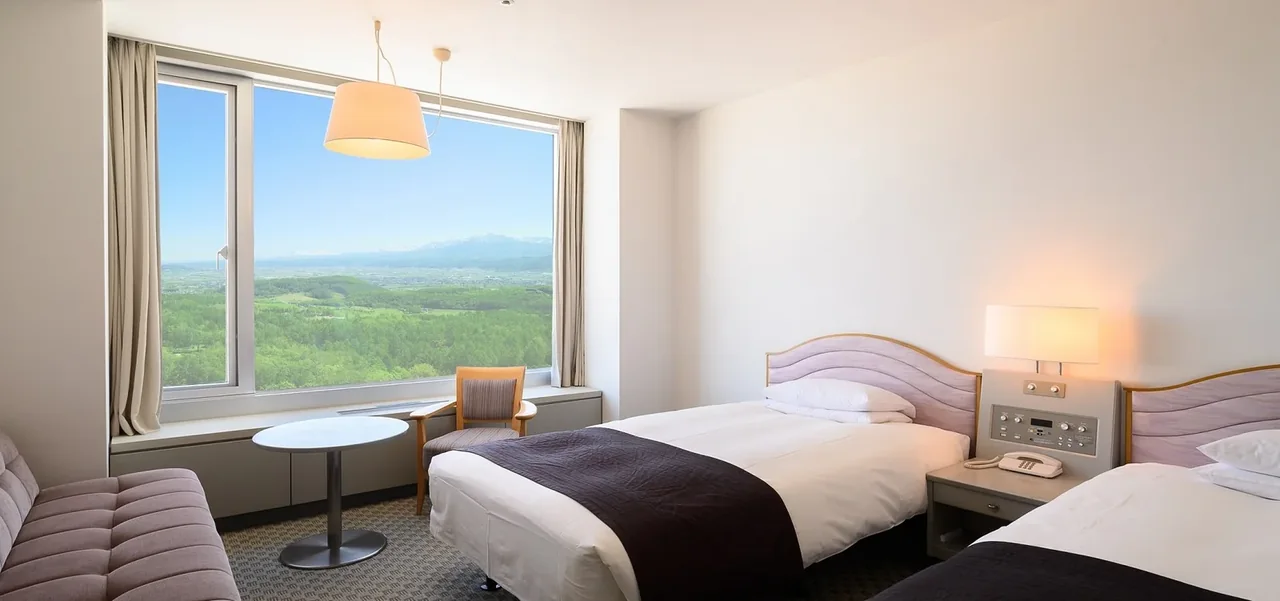
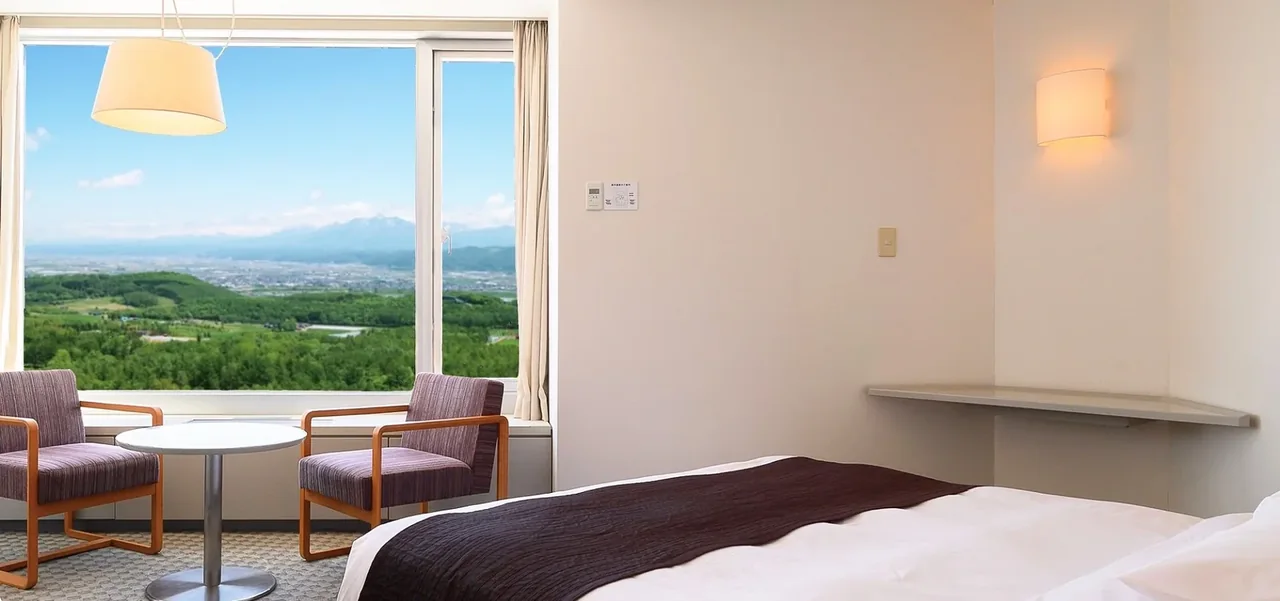
The Standard Twin is listed at 28 m² with two 110 × 195 cm beds. It can take a third person using a sofa bed. The Standard Double is 33 m², holds up to two and has one 183 × 203 cm bed. An upper-floor Twin remains 28 m²; paying for the floor does not create a larger footprint. Bed arrangement, not the room-category label alone, should decide the booking for a group carrying ski clothing and luggage.
For two adults on a short mountain stay, the Twin is the natural baseline if separate beds work. Move up only when another category solves a real issue such as sharing, sleep arrangements or planned time in the room. The square-metre figure is useful but cannot tell you whether two opened suitcases and ski bags will leave clear floor space. Do not convert it into an invented luggage-capacity claim. The NOZO versus La Vista Furano comparison offers a different room-and-location trade-off.
Shisai no Yu is a benefit only for guests who can use it
Hotel guests currently pay ¥800 per adult and ¥500 for a child aged four to twelve to use Furano Onsen Shisai no Yu, unless access is already included in their room package. Published guest sessions run 05:30–09:30 and 13:00–23:30, with those endpoints stated as last-entry times. Price the actual booking plan rather than adding the bath as though every room includes unlimited free entry.
A skier returning from the mountain may value an afternoon or evening bath; a guest spending every night in town may not use it at all. The morning session could be useful before checking out if it fits breakfast and transport. Compare the number of sessions your party is likely to take with the charge on the plan. On a short stay, one bath can be pleasant without deciding the whole hotel choice.
The hotel warns that guests with tattoos may be refused admission. That is a material limitation for anyone counting the onsen among the reasons to pay for this property. Ask the hotel about the applicable rule for your group before booking around bath access. A non-skier who cannot use the bath and has little interest in the nearby evening options may gain far less from the resort position than the skier sharing the room.
A shorter bath walk is planned for late November 2026
Prince describes a new direct passage between the guest-room wing and Shisai no Yu, scheduled for late November 2026. Its renewal notice compares an existing walk of about 240 m and three minutes thirty seconds with a proposed 120 m and one minute forty seconds. The change would make a cold-weather bath visit easier, especially with children or an older traveller, if the passage is complete and open on the stay dates.
Treat the walkway as a hotel project with its own timetable. It says nothing about how many ski runs will open when the resort season begins. A late-November arrival should confirm the passage status only if the shorter route matters to the group. The larger booking issue remains the usable combination of terrain, room terms and transport that week.
How much of the hotel will each length of stay use?
One night gives little chance to recover a slope-side premium through repeated skiing. It can still protect a specific morning, such as reaching a lesson early, but the single arrival and departure transfers remain. If the trip is mainly a passing stop, a station-side Furano stay deserves comparison.
Two nights allow an arrive–ski–depart rhythm and one complete mountain day. That is the minimum stay in which the hotel’s access clearly does work, although it only replaces one day’s pair of town transfers. Assess whether the group will also use dinner, the bath or Ningle Terrace after the ski session; those may change the balance.
Three nights can hold two full Furano Zone ski days. That means four gear-bearing town transfer legs can be avoided, with more time to use resort evenings and bath sessions. For many ski-focused groups this is where the location has a strong practical argument. It is still important to count actual ski days, rather than assuming each booked night has equal value.
At four nights or longer, examine the non-ski days individually. A day in Biei, Asahikawa or central Furano starts to draw the group away from the resort and restores the station or road movement that the hotel was chosen to avoid. The Biei day trip versus overnight decision can help if the extra night is really there for scenery rather than another mountain day.
A non-skier can reverse the room decision
Ski access may solve the skier’s day and constrain a companion’s. Someone happy with a quiet hotel day, Ningle Terrace, snow scenery and a bath can use the resort setting. Someone expecting independent rail trips, shopping in town or Biei visits faces a different transport bill and timetable. The group’s decision should reflect both daily schedules, not just the skier’s first chairlift.
Write down where each person will be from breakfast through dinner. If most of the party will remain around Furano Zone, this hotel has a coherent role. If one person skis while the others repeatedly cross town, compare a Kitanomine or station base and account for the skier’s own commute. For a car-free party, the realistic winter Hokkaido transport itinerary may expose how much independent movement is practical.
The booking decision
Shin Furano Prince fits best when at least two complete days will be spent skiing Furano Zone and the party expects to use the resort after the lifts close. The practical return comes from several avoided gear transfers and fewer trips to town. If a direct airport bus also matches arrival, the station may be needed only for departure. The Furano ski trip length guide helps decide whether a third mountain day warrants extending the stay.
A room by Furano Station is more persuasive for one ski day, early trains, repeated town dinners or several non-ski excursions. Do not describe Shin Furano Prince as a doorstep base for Kitanomine; that part of the resort still requires a separate transfer. The Furano and Biei base comparison may be the larger decision when skiing is only one component of the itinerary.
For late November, inspect the specific runs and lifts you need rather than relying on the planned 28 November opening alone. For 19 December 2026–2 January 2027, inspect the cancellation line on the chosen room plan; one Prince Basic offer becomes fully chargeable 30 days ahead. Those are distinct risks. The hotel’s slope position is valuable only when the terrain and booking conditions match the trip you can actually take.
Compare Furano stays near the slopes and station for your dates.
Shin Furano Prince across seven ski-stay dimensions
| Dimension | JapanLayer score | What matters for this booking |
|---|---|---|
| Location | Ski-in Furano Zone mornings remove repeated gear transfers; JR Furano remains about 6 km away. | |
| Room | The 28 m² Standard Twin takes two 110 cm beds, with a sofa bed reducing open space for three. | |
| Cleanliness | Upkeep is sound but the older room stock does not present like a new-build ski hotel. | |
| Service | Staff support is useful when ski equipment, transfers and restaurant bookings meet. | |
| Facilities | Slope access, Shisai no Yu and nearby resort activities support an evening without town travel. | |
| Food | Breakfast and dinner buffets provide range, while more varied town dining needs another ride. | |
| Value | The higher resort price earns its place only when several mountain mornings save transfers. |
JapanLayer score: 8.1/10 for two or more full Furano Zone ski days. The slope-side location does less for a mostly train-based Furano visit, and the 28 m² room does not have to carry the resort rate by itself.
Hotel and resort details
Furano Ski Resort — planned 2026–27 opening and live operations · Shin Furano Prince Hotel — Furano Zone ski-in/out and Kitanomine access · hotel access · Ningle Terrace — current winter hours and shop-operation caveat · Soh’s BAR — hours, age restriction and cover charge · Shin Furano Prince Hotel — current dinner reservation guidance · 2026 Shisai no Yu pathway renewal · 2026–27 holiday Prince Basic cancellation terms.
Dates and operating hours above describe published plans and may change for the stay you book. Use the linked resort and hotel pages for the particular travel date, especially for lift operation, seasonal buses, restaurant tables and the onsen passage.
Related guides: La Vista Hakodate Bay: Is a 15-Minute Walk from Hakodate Station Worth It? · JR Kyushu Hotel Blossom Naha Review: Is Kokusai-dori Access Worth Giving Up a Station-Front Stay? · karaksa hotel grande Shin-Osaka Tower: Is a 5-Minute Station Walk Worth It Before an Early Shinkansen? · Hotel Torifito Otaru Canal: Is a 7-Minute Walk from Otaru Station Worth It? · Lake Biwa Otsu Prince Hotel: Is the 36.2m² Lake View Worth the Shuttle? · Hotel Metropolitan Tokyo Marunouchi: Is Tokyo Station Access Worth It Before an Early Shinkansen? · Hotel Sosei Sapporo Review: Is a 39 m² Twin-Queen Room Worth a 15-Minute Walk from Sapporo Station? · JR Tower Hotel Nikko Sapporo Review: Is Sapporo Station Access Worth the Premium? · Zentis Osaka: Is Room 001 Worth the Walk from Osaka Station? · SAPPORO STREAM HOTEL: Is Susukino Station Access Worth Upgrading for the 18F Spa?
Early Shinkansen from Osaka: Should You Stay in Shin-Osaka or Move Only for the Last Night?
Swissotel Nankai Osaka: Is Nankai Namba Access Worth Paying More For?
Onomichi Day Trip from Hiroshima: Is It Worth Adding in 3 Days?
Miyako Hotel Hakata vs THE BLOSSOM HAKATA Premier: Direct Station Access or Public Bath?