
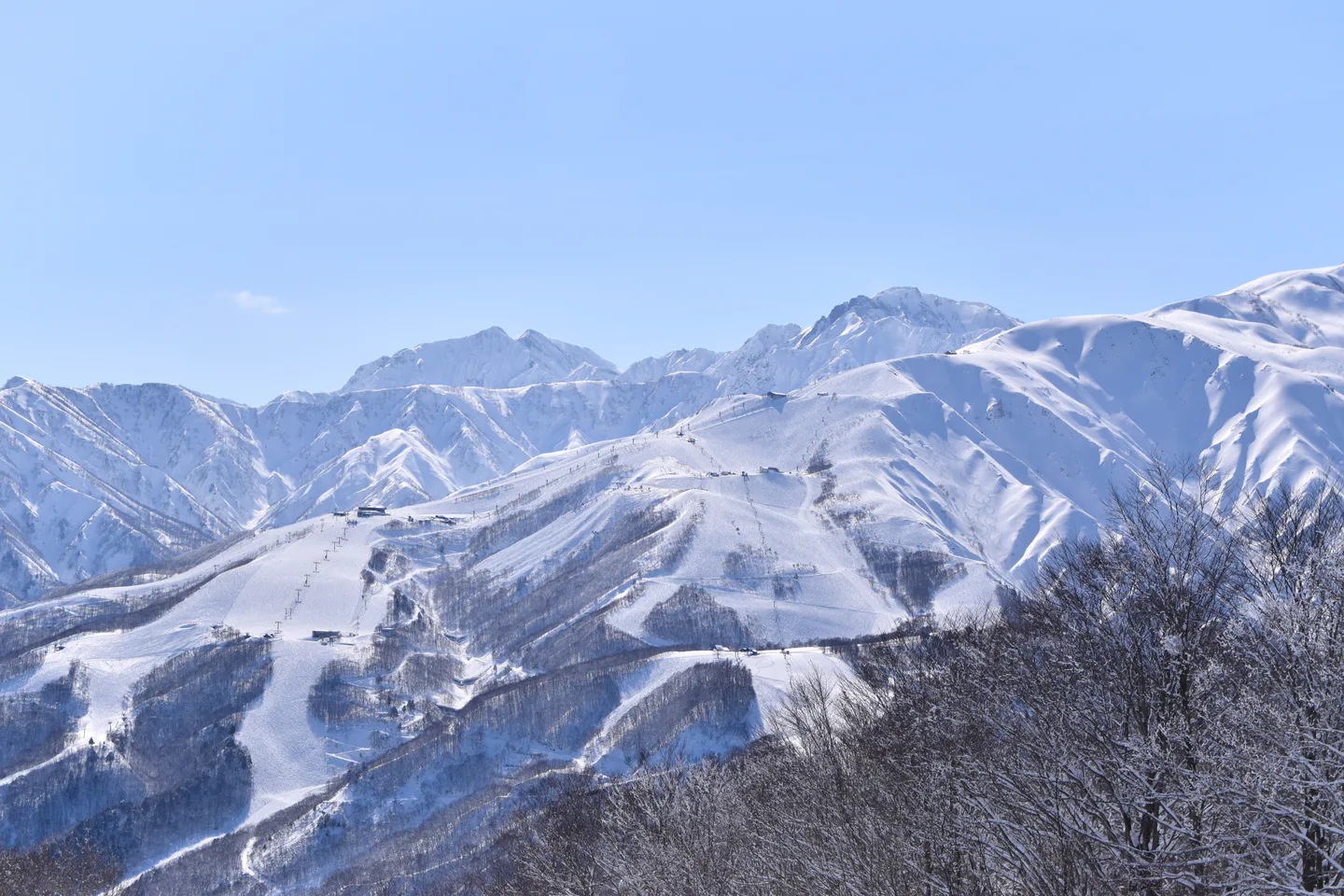
Happo is usually the easier base for a first Hakuba ski week, particularly when Happo-One will be a main mountain or the party arrives by bus with ski bags. Echoland can be a better choice for adults who expect to walk to dinner and bars on most nights. The decision turns on which repeated trip takes effort: getting from the hotel to gear, lessons and lifts each morning, or travelling to and from evening meals after skiing. A neighbourhood name alone cannot answer it; the relevant unit is the hotel's door, its named bus stop and the party's actual first run.
Happo Bus Terminal also handles intercity arrivals from Nagano and Shinjuku, so Happo can simplify the first and last day. Echoland may still be preferable if a property collects guests at the terminal and has a dependable ski shuttle. Count the number of mornings and evenings that each convenience will actually be used. One night out does not automatically outweigh six early ski starts, and one ideal first-lift morning should not decide a week built around walkable dinners.
Compare the journeys that repeat
| Trip pattern | Base to test first | Repeated gain | Check before booking |
|---|---|---|---|
| Happo-One is a main ski day | Happo | Some mornings may avoid a valley shuttle | Actual walk to the intended lift, rental and lesson desk |
| Dinner and drinks out most nights | Echoland | Shorter walk home after the evening | Hotel is inside the useful restaurant strip, not just labelled Echoland |
| Several mountains across the valley | Happo | Bus-terminal choices when the ski plan changes | Final 2026–27 route, stop and first/last service |
| Children, early lessons and several gear bags | Usually Happo | One less gear handoff can protect the first ski hour | Whether the chosen school actually meets nearer Echoland |
| Arrive by Nagano or Shinjuku bus | Happo | Less last-mile uncertainty around the terminal | Hotel transfer or safe winter luggage walk |
| Adults, one home mountain and long evenings | Echoland can win | The dinner advantage repeats while mornings stay predictable | Powder-day shuttle capacity and return time |
A Happo hotel ten minutes from the bus terminal and far from the intended lift may lose to an Echoland hotel with its own door-to-slope vehicle. Equally, a property described as Echoland may be outside the dinner strip and away from the useful shuttle stop. Ask for the exact walking route and where the vehicle will load skis. A summer map distance does not price an icy walk in ski boots. The distinction between a slope-side label and a usable ski entrance is also explored in the Niseko ski-in/ski-out hotel comparison.
Happo's bus terminal and home-mountain advantage
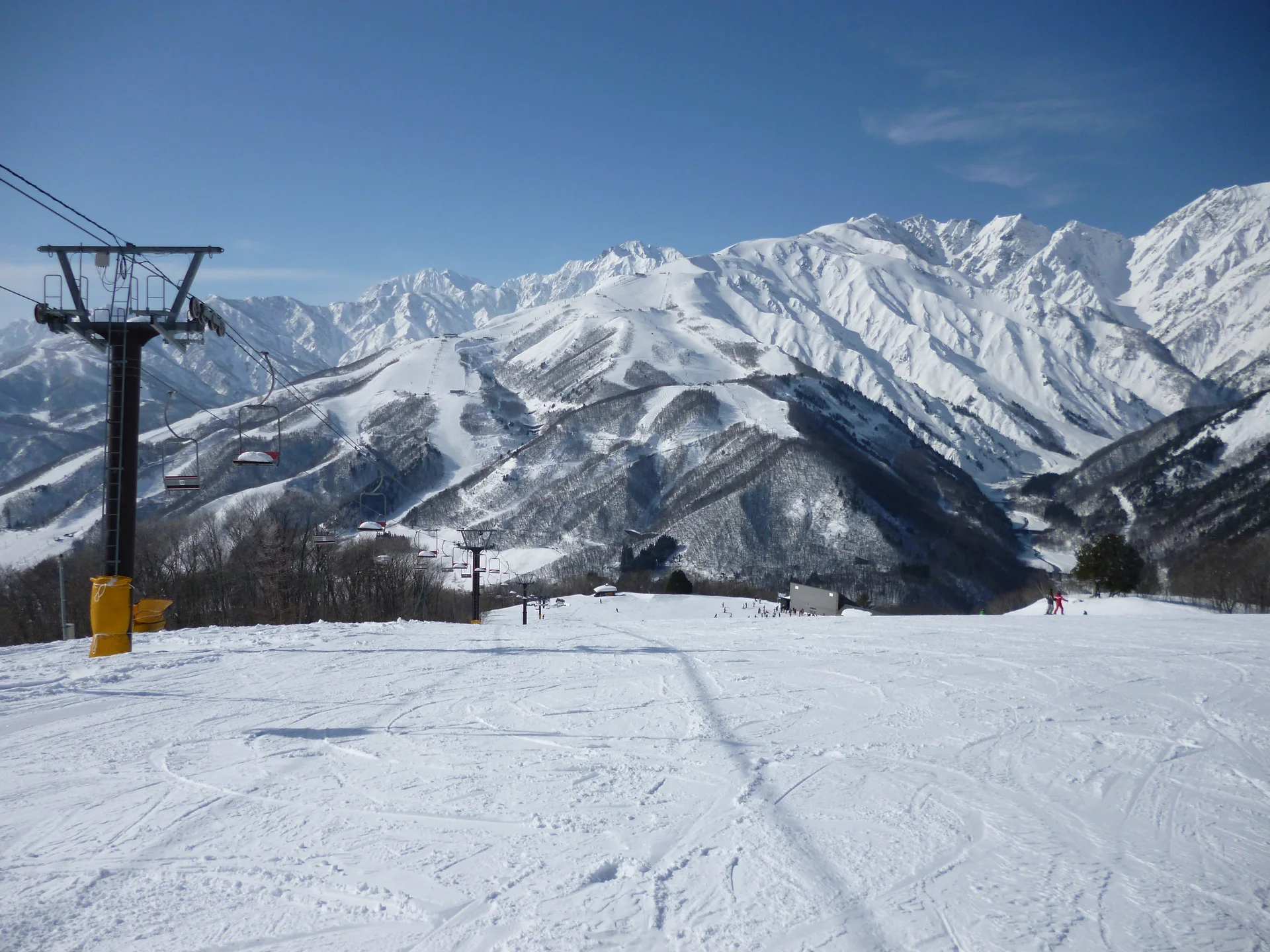
Happo-One is the home mountain most easily used from a well-positioned Happo room. That can remove a bus dependency from several days rather than from a single outing. The area also has Hakuba Happo Bus Terminal, used by the Nagano–Hakuba express service, Shinjuku–Hakuba highway service and local valley routes. When the weather or the group's energy changes, a central interchange offers more ways to switch the ski destination. Happo versus Goryu matters if most planned runs are on the Goryu and Hakuba47 side; a central hub is less valuable when the party repeatedly travels away from it.
For a six-night stay, base flexibility is more valuable than for two nights because Day 4 may not resemble the plan made at home. Strong wind, poor visibility or a tired child can lead to an easier mountain. A room near a useful terminal lets the group change direction without arranging a private vehicle each time. The detail to check is whether the hotel's door is actually near the right terminal entrance and whether a non-skier can use the same route without a lift ticket.
The terminal advantage extends to arrival. After a Nagano or Shinjuku bus, a traveller with suitcases and skis needs the final hotel connection. A Happo address may shorten it, but not every property is an easy luggage walk in snow. Ask whether pickup from Happo Bus Terminal is offered, what advance notice it requires, and what time the last pickup runs. An Echoland hotel with a committed terminal pickup can remove much of this gap. Tokyo airport to Hakuba with ski bags and Japan luggage forwarding can change what the group physically carries on that last leg.
Compare hotels around Happo Bus Terminal against the lift and lesson location, not only the terminal pin. A room close to the coach but far from the family's ski school has solved just one of two important journeys.
Echoland's advantage is measured after skiing
Echoland has a concentration of restaurants and bars that can let a party shower, go out and walk back without another evening transfer. That is worth real time to adults who will eat out four or five nights. It is less valuable to a family that eats at the hotel, a couple on half-board or skiers who are asleep soon after dinner. The room's premium should buy evenings the group intends to use, not an abstract promise of atmosphere.
Estimate the evenings before booking. How many dinners will be outside the accommodation? Will the group remain out after the ski shuttles stop? Would it otherwise pay for a taxi? Is the hotel within an easy winter walk of the particular restaurant strip? These answers determine whether Echoland removes a repeated problem. If the trip has one bar night and six early lessons, its location is doing far less work. The same expense test appears in the Niseko ski budget: compare the full transport and meal pattern with the room rate rather than booking by headline price.
Echoland normally starts a ski morning with a vehicle unless the property has a strong private service or the party has arranged another route. Its value rises when skis stay at a mountain rental shop, the group travels light and the same shuttle works every day. It falls when people carry their own boards, children need a fixed lesson check-in and a missed departure costs the first lift. Compare Echoland accommodation near the evening strip, then verify the morning pickup separately.
A listed shuttle does not guarantee a seat
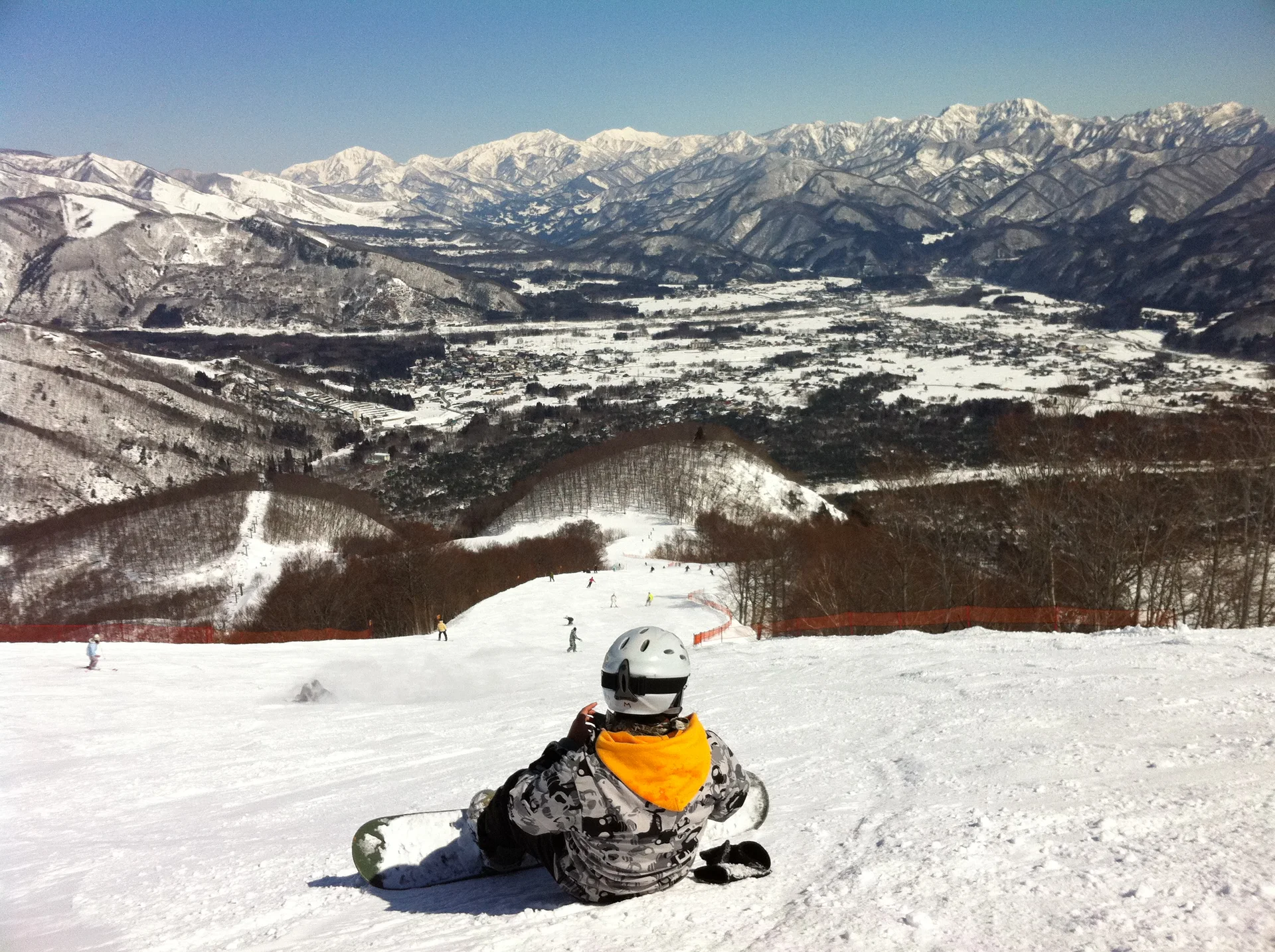
Hakuba Valley warns that morning powder services and late-afternoon buses can be heavily crowded. Once a bus reaches capacity, a waiting group cannot board it. That makes the first departure and final return part of the hotel decision. From Echoland, the effective cost of a 'free' shuttle can be an early walk to the stop, standing in snow, losing the preferred departure or cutting the last run short. Happo visitors also use buses for other resorts; Happo's distinction is that Happo-One days can avoid that dependence if the hotel is placed well.
The current Hakuba Valley shuttle page still displays 2025–26 seasonal timetables rather than a complete 2026–27 winter service. One previous-season V-line example had Happo Bus Terminal at 07:25 and Echoland (Spicy) at 07:30. Five scheduled minutes do not mean the two hotels are equivalent: the walk to the correct stop, time allowed before a full bus, rental pickup and lesson desk all sit outside that timetable. Do not book a room around either old departure. Before the free-cancellation deadline, check the new season's named stop, direction, operating dates and last service.
The 2026–27 Hakuba Valley All-Mountain Day Pass is listed at ¥11,100 for an adult one day and covers participating resorts. On a ski day it can also provide shuttle access, but it does not reserve a bus seat or extend the final bus. Its validity starts when first used at a lift or on the shuttle; riding only the bus can still consume a day. Night skiing and the night shuttle are separate from that daytime pass. A pass removes some ticket incompatibility across mountains, while hotel-to-stop travel remains. The Happo versus Goryu base comparison becomes more useful after the mountain plan is fixed.
What the first ski hour costs a family
Breakfast, children's layers, helmets, boots, rentals, lift tickets and lesson check-in can all happen before the first turn. Draw that sequence for the exact room under consideration. If a Happo stay lets the family walk to the correct lesson meeting point, it may justify a higher price by removing one cold handoff. But a ski school that collects near an Echoland hotel, or a hotel with a reliable private vehicle, can reverse the answer. The correct question is door-to-lesson friction, not whether every family should choose the same neighbourhood.
Families should also value useful evening amenities rather than counting every restaurant as a benefit. An early dinner, a short return with a sleepy child and a place to buy missing breakfast food may outweigh bars. The hotel needs storage for wet gear and enough room to dress children without a corridor pile of equipment. The Hakuba Tokyu versus Green Plaza comparison shows how a hotel's actual slope relation can matter more than its broad neighbourhood. If a child uses a short lesson, plan how to reach the room at midday, not just the first morning.
Travellers with their own equipment may feel the base decision more than renters. Rental shops sometimes hold equipment near the mountain, while an owner has to solve ski-bag arrival, hotel acceptance of forwarded luggage, storage and transfer to the first lift. Confirm that the hotel will accept a delivery before the party arrives and how bags move from the terminal. A room rate saving can disappear when every morning requires a separate gear-carrying vehicle.
On an arrival day, distinguish collecting a forwarded bag from being able to ski immediately. The courier's delivery window, the hotel's check-in and the rental shop's closing time may not align. A party reaching the bus terminal late should avoid making the first morning depend on an unconfirmed overnight transfer. The same lesson about tying a hotel to the first usable slope appears in the Furano Zone versus Kitanomine stay comparison. A hotel can be near the wider resort while still being a poor start for the lift the party has chosen.
Count home-mountain days before nightlife nights
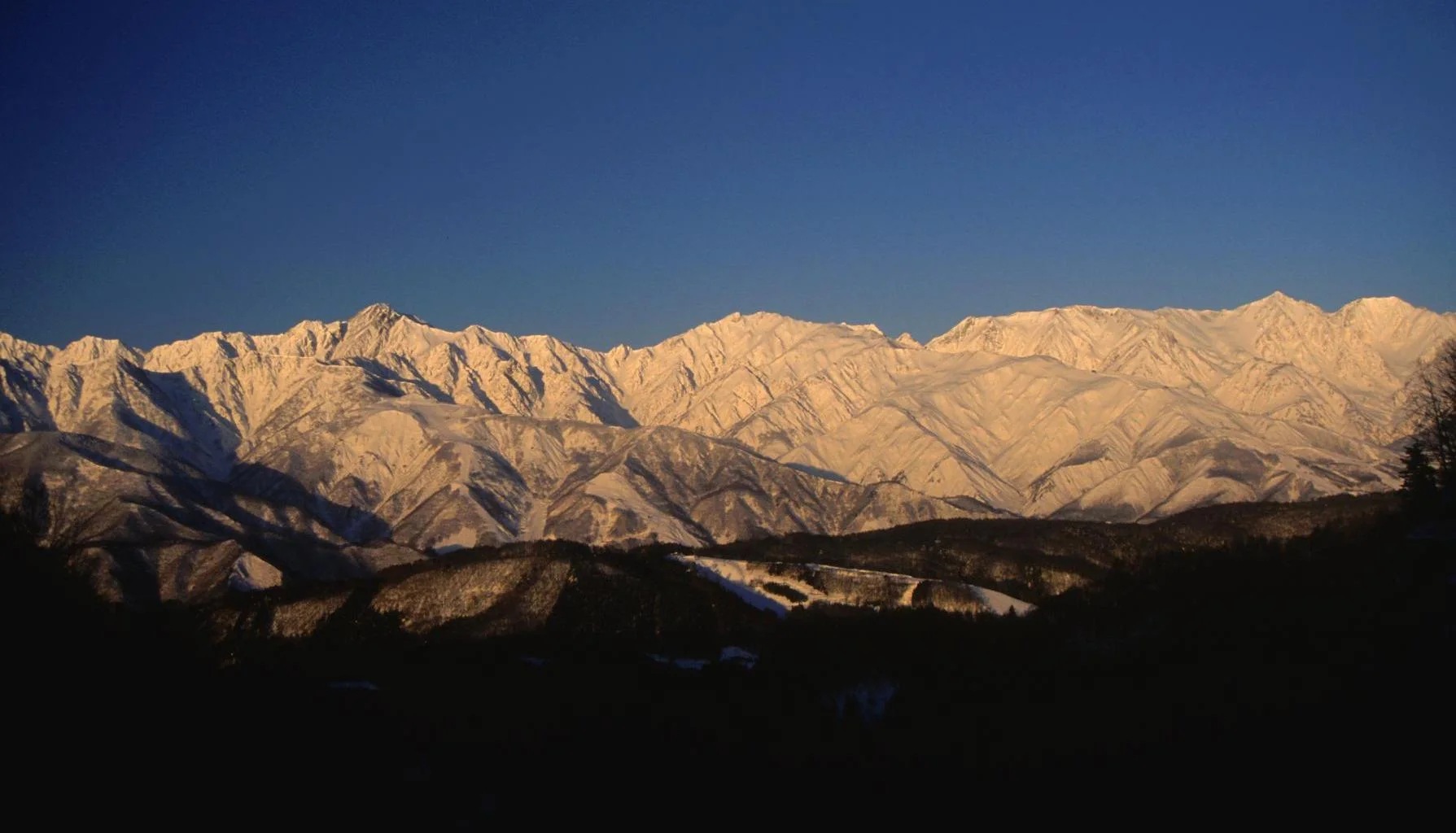
A rough mountain allocation is enough; it need not predict snowfall. Three Happo-One days with two flexible valley days point toward Happo. Four Goryu or Hakuba47 days suggest that the Happo–Echoland comparison is too narrow and a Goryu base deserves attention. A different mountain each morning increases the value of Happo's transport hub, provided the new season's route actually serves the chosen hotel stop. One main mountain and dinner out every evening strengthens Echoland if its morning shuttle is short and dependable.
Calculate repeated penalties rather than treating one ideal day as typical. Paying more for a room can be reasonable if it prevents two transfers on several ski days; the opposite can be true if a cheaper Echoland room lets the group walk home after every long dinner. Fixed lesson check-ins and last shuttles deserve more weight than a dinner that can be moved to another evening. A skier also should not assume that Green Plaza's Cortina access makes it a convenient base for dinners in Happo or Echoland; it solves a different repeated journey.
If the group has not chosen its Japanese ski resort yet, the decision is earlier than Happo versus Echoland. Niseko, Furano and Rusutsu offer a different balance of village evenings, slope access and non-ski time. The Niseko trip guide also shows how an arrival transfer can shape the first usable ski day. Do not compare accommodation prices across resorts without including the trip from the airport and the number of days actually available on snow.
A mixed trip can justify one or two nights outside Hakuba, but changing hotels every time a lift plan changes adds luggage work. If the stay starts with sightseeing in Nagano, the snow-monkey day has its own winter walking and transfer requirements; it should not silently consume a ski day. A later city stay also has a ski-bag question: Tokyo Station versus Shinjuku affects which airport and intercity links are simplest with luggage. Protect enough nights at one Hakuba address that the skiing does not become a chain of checkouts.
For a wider ski trip, compare the number of useful days before dividing nights between valleys. Three or four nights in Furano illustrates how transfer time can eat into a short booking. Lift, rental and lesson timing in Niseko is a useful parallel for checking which bookings need a firm first-day arrival; the Hakuba providers and rules must still be checked separately. If the travel party needs a full day away from the slopes, non-ski winter activities are another reason to count holiday days rather than lift days alone.
Which address survives the whole week?
Choose Happo when Happo-One is central to the plan, the party is new to Hakuba, children or gear add morning handoffs, or the Nagano/Shinjuku bus forms the trip's arrival spine. The address still needs to be close to the usable lift, terminal or stop. A poor walk can erase the neighbourhood's theoretical advantage. Choose Echoland when most evenings are walkable from the actual hotel and a verified shuttle or rental arrangement makes ski mornings predictable. Its restaurant appeal should be used repeatedly enough to justify the transport routine.
The final booking check is concrete: stand the proposed hotel against its exact lift or bus stop, lesson desk, dinner strip and terminal pickup. Then read the current winter shuttle schedule when published. Happo usually removes more early-day risk; Echoland earns its place when the group's evenings are a real part of the holiday and the morning connection has been solved.