
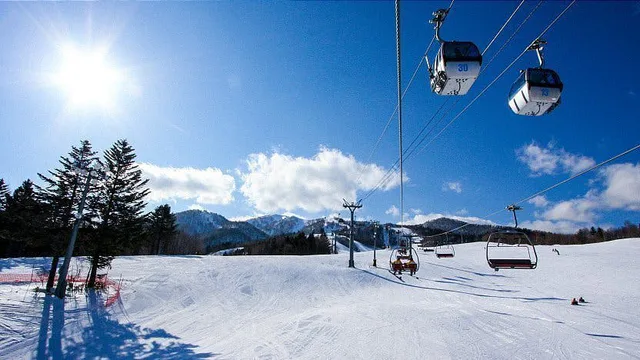
Count complete days on snow before booking Furano accommodation. Arrive on the first day, ski on the next two and leave on the fourth: that is a three-night stay with two proper ski days. Four nights normally allow a third full mountain day. The extra night is useful when skiing is a main purpose of the trip, a beginner needs more practice after lessons, or one day has a specific alternative such as Biei. It has little value when the added day will be lost to another long transfer.
First decide whether Furano is the right resort at all. The Niseko, Furano and Rusutsu comparison deals with that choice. Once Furano is fixed, this article decides the size of the stay; Furano Zone versus Kitanomine then helps locate the hotel near the mornings you intend to repeat.
How the nights translate into usable skiing
↔ Scroll table left or right
Booking | Likely complete ski days | Best fit |
Two nights | One | A taste of Furano within a wider Hokkaido route |
Three nights | Two | Skiing matters, but several other stops still matter too |
Four nights | Three | A ski-centered stay, lessons with practice time, or an intentional side day |
Four nights with two ski days | Two plus one free day | Only when the free day has its own clear purpose |
These are planning shapes, not promises about a particular flight or train. An arrival day becomes a useful ski day only if the transfer, check-in, equipment collection and lift schedule genuinely leave enough time. A departure day has the same problem in reverse, with packing and a safe onward connection. Price those partial days as bonuses, then choose the accommodation block using the full days in the middle.
Three nights: enough mountain time for a wider Hokkaido trip
With two clear ski mornings, you can start in one of Furano's two zones, adjust after learning the resort and return to the terrain you liked. There is time to recover from the first day's travel without pretending the day you arrive counts as a mountain day. Three nights also leave more room for Sapporo, an onsen stop or another region if the holiday is only a week long.
The easiest way to waste the third night is to stack a demanding arrival transfer before the two ski days and an early departure immediately afterward. Skiing then becomes the middle of a tiring transport chain. Look at the five-, seven- and ten-day winter route shapes and remove a weak stop if necessary. A Furano stay that fits the overall route is worth more than an extra resort night that forces rushed travel elsewhere.
What the fourth night actually buys
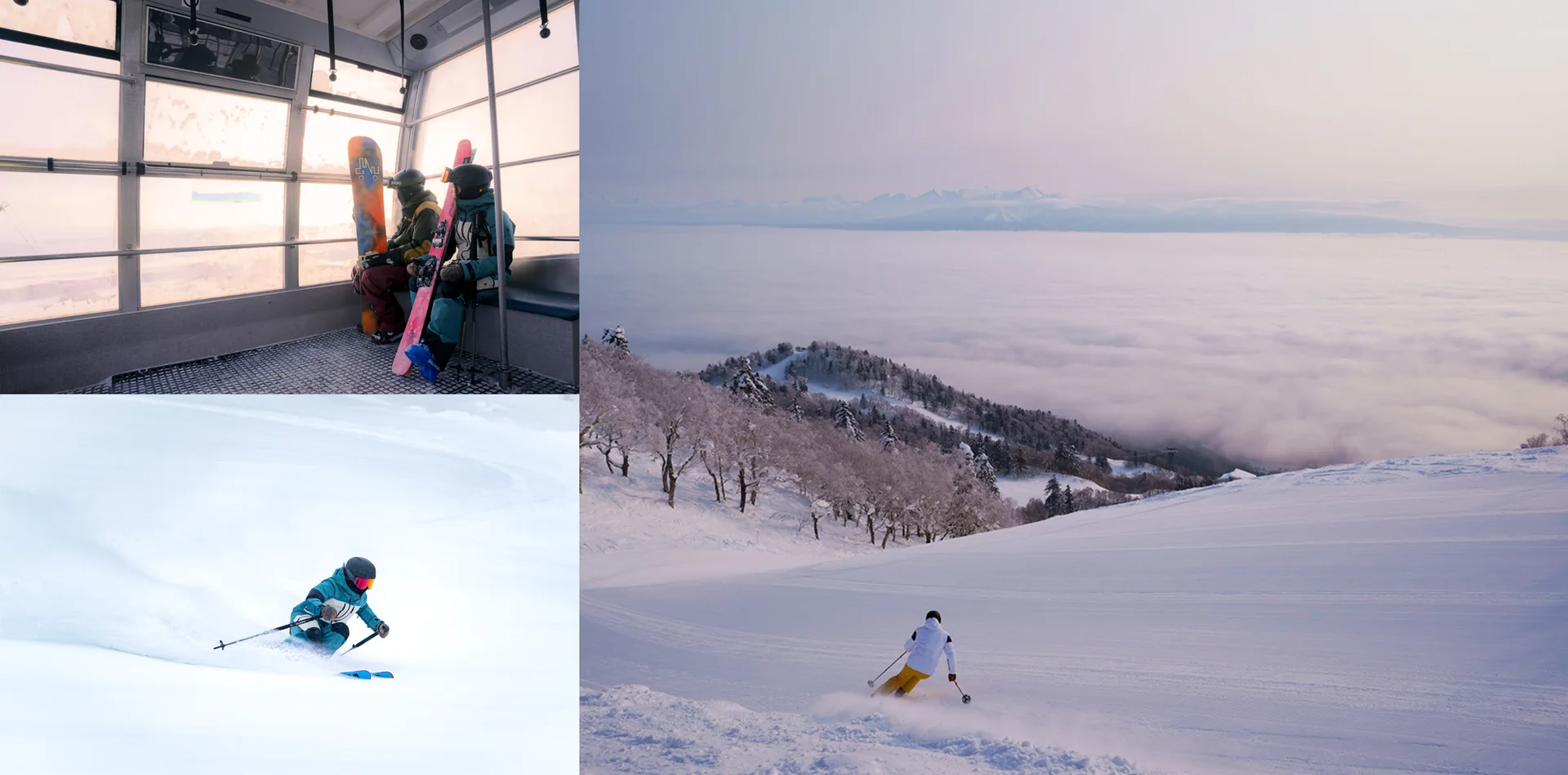
The useful product is a third complete day. It can be the day you ski the other zone properly, repeat favorite runs after a lesson, or keep skiing after one day has been shortened by poor visibility, wind or fatigue. A fourth night can also support a deliberate Biei outing while keeping the same hotel. But if a side trip is the real aim, compare the Furano and Biei overnight options; staying put is not automatically better than moving once.
Furano Ski Resort lists a tentative opening on November 28, 2026 for the 2026–27 season. That does not establish which lifts, trails or lessons will operate on a specific early-season date. The resort describes two linked zones and 28 trails, but available terrain changes with conditions and operating decisions. Near opening or spring closing, check the live operating information before paying for a fourth night on the assumption that all three days will offer the full resort.
For a beginner, the first day is largely setup
A first lesson day includes far more than time sliding downhill. Equipment fitting, finding the meeting point, adjusting boots and learning how to use lifts all take part of the day. With three nights, the sequence may be lesson, one practice day, then departure. Four nights allow a second independent practice day, when the first lesson has started to make sense and there is still time to repeat rather than merely sample.
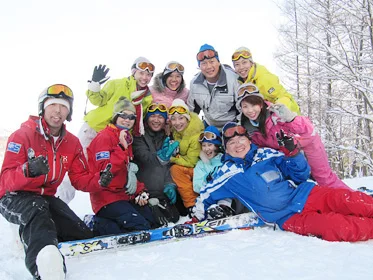
Book the lesson and rental location before choosing the hotel. The resort lists school and equipment services in both areas, including English lesson options, but the exact 2026–27 language, age rules, lesson duration and availability must match the trip date. A room on the wrong side of the mountain can make each beginner morning harder, especially when equipment must be collected. Return to the Furano Zone and Kitanomine accommodation guide after settling the lesson location.
Experienced skiers: decide what the third day is for
Someone comfortable skiing a full day can use a third day for more terrain, a slower pace or a weather buffer. They should still name the reason before extending the booking. If two full Furano days cover the runs that matter most and the rest of Hokkaido is equally important, three nights may be the stronger itinerary even for an experienced skier. A reasonable room price by itself does not make a third ski day necessary.
If the choice is between commuting from Sapporo and sleeping at a resort, use the day-trip versus resort-stay guide. If the deciding factor is another Hokkaido ski mountain, compare Niseko and Rusutsu alongside the wider three-resort comparison. The fourth Furano night should be chosen because Furano earns it, not because every ski destination seems to deserve four nights.
A mixed group needs two itineraries, not one night count
A non-skier will experience the third full day differently. Furano Zone has facilities around Shin Furano Prince Hotel, including Ningle Terrace and Snowland activities when those operate, while town and Biei offer other possible days. Those possibilities need their own operating dates, access plan and interest from the person who will use them. Four nights can work well when the non-skier wants a slower hotel stay or a planned outing; it can feel excessive when skiing is the only organized activity.
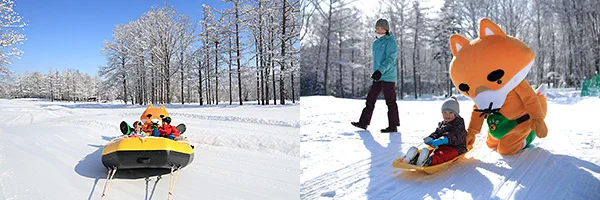
For a trip without a car, test the extra day against actual transport. The seven-day car-free Hokkaido route shows how Furano fits with other stops. The Furano and Asahikawa base comparison helps decide whether a resort room, station-area hotel or different base serves everyone. A fourth night does not solve an awkward last mile to activities outside the ski area.
Check the season before fixing the length
At the beginning and end of winter, snow coverage and operating hours can change what a full day means. The resort's tentative opening date is a planning marker. Check its current snow report, lift status, lesson booking and any night-skiing or early-morning products for the dates you will travel. Do the same for seasonal buses: a connection used during peak winter may not run on the first or last week of the season.
The booking sequence for a lesson-led trip
Begin with the lesson, because its meeting point determines more than the hotel's postcode. Find out which zone hosts the class for the skier's age and level, when equipment must be collected and whether the lesson price includes the lift access required for that session. A beginner who must be fitted in the morning should not count that first day as an uninterrupted exploration of the whole mountain. Choose accommodation only after the morning sequence is workable on foot, by a confirmed shuttle or by a deliberately budgeted taxi. A room that appears cheaper may cost more in repeated transfers if every class begins on the other side of the resort.
Next, look at the two days after the initial class. A three-night booking can supply one supervised learning day and one day to repeat new skills; that may be enough if Furano is a short segment of a broader holiday. The fourth night creates another practice opportunity while the learning is still fresh. For an experienced companion, that same extra day has a different purpose: explore the second zone, return to preferred terrain or leave flexibility for a poor-visibility day. Those are separate reasons to extend the stay, so a group should agree which one is actually driving the room bill.
Finally, place the onward transfer. Departing Furano with rented equipment to return, bags to collect and a train or bus to catch is not a reliable substitute for the third full ski day. The extra night is most useful when it protects a morning-to-afternoon mountain session before travel resumes. If all three ski days are already fixed and the fourth night would merely postpone a departure, compare the overall Hokkaido route again. A night in the next destination can sometimes give more time there without reducing the two complete Furano days a mixed trip needs.
What the non-skier needs before agreeing to a fourth night
Snowland, Ningle Terrace and town activities are different outings, with different operating seasons and last-mile transport. A non-skier should choose an activity they would still want if the skier is occupied from morning until afternoon. If the plan is Biei, check the winter bus or tour serving the specific sight and its return before calling it an independent day trip; reaching Furano Station is not the same as reaching a rural viewpoint. If the hotel itself is the attraction, compare its dining and relaxation options with the hours the skier will be away. This prevents the extra night from becoming a third day of waiting for somebody else to finish skiing.
For most mixed Hokkaido itineraries, book three nights to protect two complete ski days. Book four when you can point to the third day's job—another mountain day, a beginner's practice, a planned Biei trip, or a weather buffer important enough to displace another stop. If that job remains vague, keep the shorter Furano block and spend the time where the wider route needs it.
Once the ski zone and lesson meeting point are settled, compare Furano accommodation for those exact nights. Check the route from the room to the first morning's equipment collection before choosing a cheaper rate farther away.