
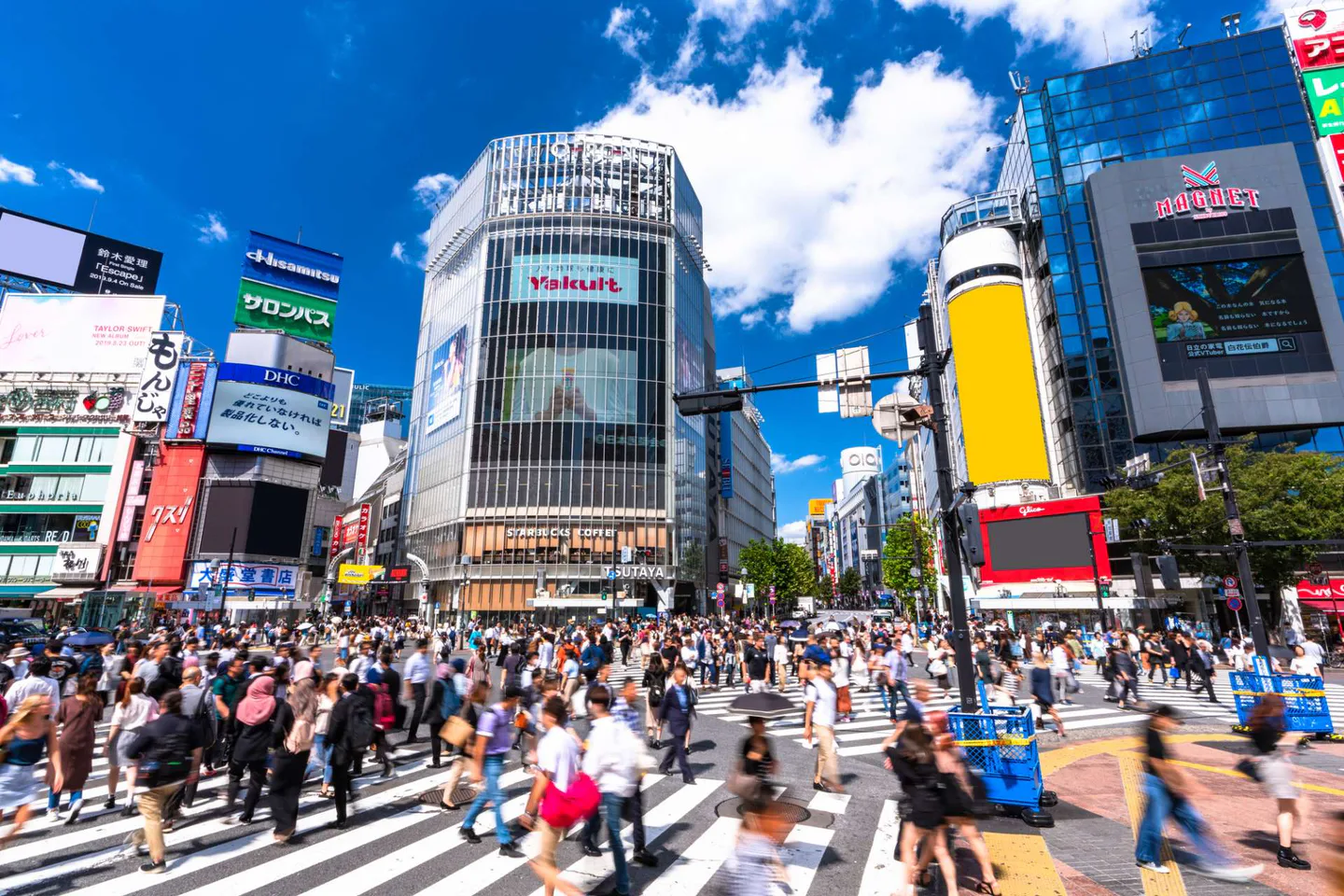
The better base depends on where your days end and how you will leave Tokyo. Shinjuku has an unusually broad set of rail and bus routes, including direct services toward Hakone and limited-express trains toward Lake Kawaguchi. Shibuya puts Harajuku, Omotesando, Daikanyama and Ebisu within a much more natural west-side cluster. If your evenings repeatedly finish there, an extra transfer to a Shinjuku room can cost more time and energy than a single cross-city departure. Look at the whole stay before choosing the district; a hotel beside an awkward station exit can cancel the apparent advantage of either one.
Instead of asking which station has the most lines, sketch your first and last stop for each day. Mark the hotel return as well as the outward ride. If your plans are mostly outside west Tokyo, the broader Where to Stay in Tokyo for First-Time Visitors guide may point to a more suitable district before you book. Shinjuku and Shibuya are both substantial hubs, but neither is a universal solution for a first visit.
Your daily journeys reveal the better Tokyo base
↔ Scroll table left or right
Plan that drives the choice | Area to inspect first | Practical reason | What could reverse it |
Next stop is Hakone or Kawaguchiko | Shinjuku | Relevant direct train or bus departures begin there | Bags sent ahead and a later departure can make another base easy |
Several days end around Harajuku and Omotesando | Shibuya | The hotel can sit close to the day's final stop | Repeated late nights in Shinjuku or Kabukicho can favour Shinjuku |
Heavy cases or limited walking capacity | Compare individual hotels | The exit, lift and final street crossing affect every journey | A bus stopping at the hotel door can avoid the awkward station walk |
Tight morning Shinkansen to western Japan | Consider the Tokyo Station side | A west-side address may add an avoidable first transfer | A later train and repeated west-Tokyo evenings can justify either western base |
Shinjuku earns its keep on a westbound departure
A move to Hakone gives Shinjuku a concrete advantage: Odakyu's Romancecar leaves from Shinjuku for Hakone-Yumoto, with some journeys advertised at about 75 minutes. JR East's Fuji Excursion also links Shinjuku and Kawaguchiko on selected services. The expressway bus terminal beside Shinjuku's south side offers another set of intercity routes. These are useful options, but check the date-specific timetable and reservation requirements before treating any one service as guaranteed.
The benefit is clearest on the morning you check out. A room with an easy path to the right platform or bus stand lets you carry luggage straight to the onward service. Travelling from Shibuya first adds a local journey and a transfer, which may be trivial with a daypack but unpleasant with several cases or young children. Compare actual walking routes to the departure point; a Shinjuku address on the far side of the station is not necessarily the shortest start.
A single Hakone or Kawaguchiko day trip does not automatically justify several nights in Shinjuku. If the rest of the stay is concentrated around Shibuya, accept one earlier start and keep the base that serves the other days. Compare the two excursions in Hakone vs Kawaguchiko before allowing an unconfirmed outing to dictate the hotel location.
Shibuya works when the surrounding neighbourhoods fill the day
Shibuya is a strong choice when the hotel is close to places you plan to visit more than once. Harajuku and Omotesando can follow a Shibuya morning on foot via Cat Street; Daikanyama and Ebisu make a different nearby afternoon or evening. The appeal is the ability to return to the room between activities or walk home after dinner. You gain little from this arrangement if the itinerary is mainly Asakusa, Ueno, Tokyo Station and Disney.
Pay particular attention to evenings. A late meal or live event around Shibuya feels different when the hotel is a short walk away than when it requires one more train and a long station passage. One morning journey to a distant attraction may be an acceptable trade for several comfortable returns. Shinjuku has its own compelling dining and entertainment areas; choose it when those are where you actually expect to finish, rather than assuming all Tokyo nightlife points to Shibuya.
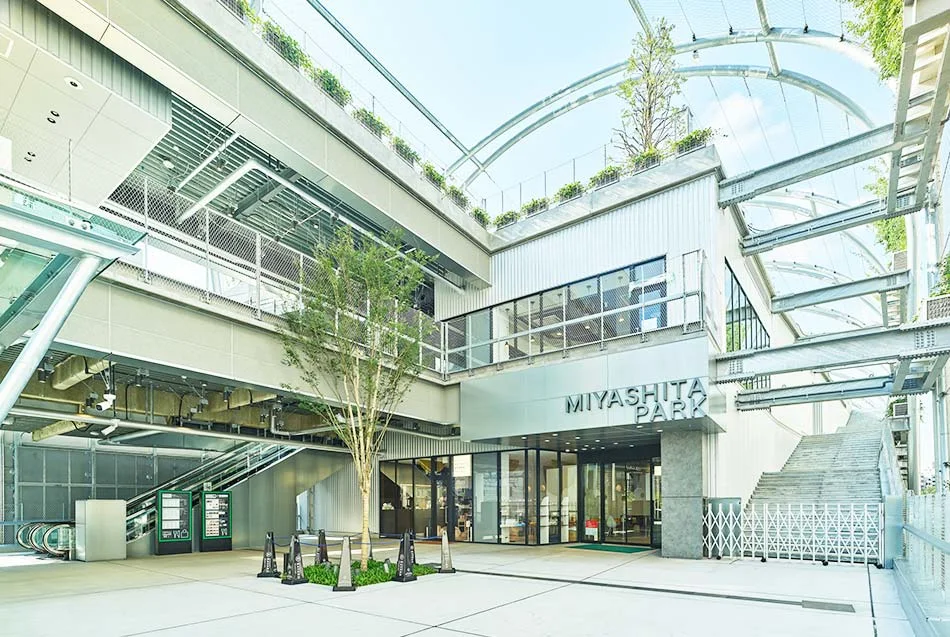
An address near either station needs a closer look
Shinjuku's south-side hotels, Kabukicho rooms and Higashi-Shinjuku properties use different entrances and may be separated by a long walk. In Shibuya, rail lines occupy several levels and continuing redevelopment can alter the easiest pedestrian path. A map distance to the station is a poor substitute for the walk to the specific line you will board. Check the entrance, lift access, street crossings and whether the route remains comfortable after dark or in rain.
The last 500 metres between the station and a hotel matter most when you repeat them tired, in rain or with cases. Check the street route as well as the train ride, especially where Shinjuku's concourses or Shibuya's changing levels are involved. If moving a case is the only objection to an otherwise better room, Japan luggage forwarding may solve the problem without moving the whole stay. For a hotel shortlist, keep the address beside the exact station exit and measure the street route rather than drawing a circle around the station name. A property on the far side of Shinjuku can add a long concourse crossing even though both listings say “near Shinjuku Station.” In Shibuya, a hotel above a rail entrance may still involve several levels before the line you need. Compare the final walk with luggage on arrival and the evening return, since those are the journeys most likely to reveal a misleading five-minute claim.
Let airport access settle a close call
Narita and Haneda can be reached from both districts by combinations of rail and airport buses. The arrival and departure journeys matter, but a hotel is also a starting point every morning and a finishing point every night. For a multi-night stay, compare those repeated local journeys before allowing a single airport run to choose the base. If neither district has a straightforward route from your terminal at your landing time, consider a different Tokyo area entirely.
A late flight or very early check-out changes the weighting. In that case, a bus that stops at the hotel, or a simple train journey with a manageable final walk, can be decisive. Confirm the stop and operating hours for the flight you have booked; the airport bus shown on a hotel page may not run when you need it. Door-to-door simplicity is especially valuable if the group will arrive tired or with heavy luggage.
With children or older relatives, inspect the last walk
Families often spend more effort on the return than on the first train of the day. If dinner and several attractions are clustered around Shibuya and Harajuku, staying nearby may allow an early child to leave with one adult while others continue. If each day points to a different part of Tokyo, Shinjuku's range of lines may be more useful. The right answer depends on the children's ages, bedtime and how much walking the group can manage after sightseeing.
For older travellers, check lift routes and the number of station levels, then walk the route on a map from the correct exit to the hotel entrance. A room five minutes farther by train can still be easier if it avoids a large junction or a lengthy underground passage. If luggage is the main obstacle on a transfer day, arrange delivery between hotels rather than paying more for a district that otherwise fits the trip poorly.
Trip length changes the balance
On a three-night first visit with plans scattered across Tokyo, Shinjuku's connections can give you flexibility when an outing changes. Over six nights, the places you revisit start to matter more. A traveller spending repeated afternoons around Omotesando and evenings in Shibuya may prefer a Shibuya room even if one long-distance departure becomes less direct. Count the journeys you expect to make, and do not give a possible day trip the same weight as a departure you have already booked.
There is no automatic first-visit rule. A compact three-night stay that crosses Tokyo every day may favour Shinjuku, while even a first visit centred on west-side neighbourhoods can favour Shibuya. Work out how much time you actually have using How Many Days in Tokyo?, then compare the journeys that will recur rather than applying a label to the traveller.
When another Tokyo district is the clearer base
If an early Tokaido Shinkansen sets the final morning, read Tokyo Station vs Shinjuku; the simpler room may be on the Tokyo Station side. If your days centre on Narita access, Asakusa and Ueno Park, Ueno vs Shinjuku is the more useful comparison. Two Disney park days may also justify a separate Maihama stay. The strongest alternative is the area that removes journeys you know you will take.
There is no benefit in narrowing the decision to two west-side neighbourhoods if neither one serves your route. Draw the days on a map first. A hotel near the Tokyo Station side can simplify a tight Shinkansen morning; Ueno may suit an east-Tokyo itinerary; a stay near Maihama can remove repeated Disney transfers. Once those alternatives are considered, Shinjuku and Shibuya become useful choices rather than default answers.
Choose the room, exit and route together
Pick Shinjuku if a westbound train or bus, several different Tokyo districts, or repeated Shinjuku evenings genuinely shape the stay. Choose Shibuya when your days repeatedly connect Shibuya with Harajuku, Omotesando, Daikanyama or Ebisu and you want to finish nearby. Then compare specific hotels: the useful station entrance, lift route, walk after dinner and room price can overturn a district-level preference. The best base is the one that makes your actual daily movements easier, not the one with the largest number of lines on a diagram.