
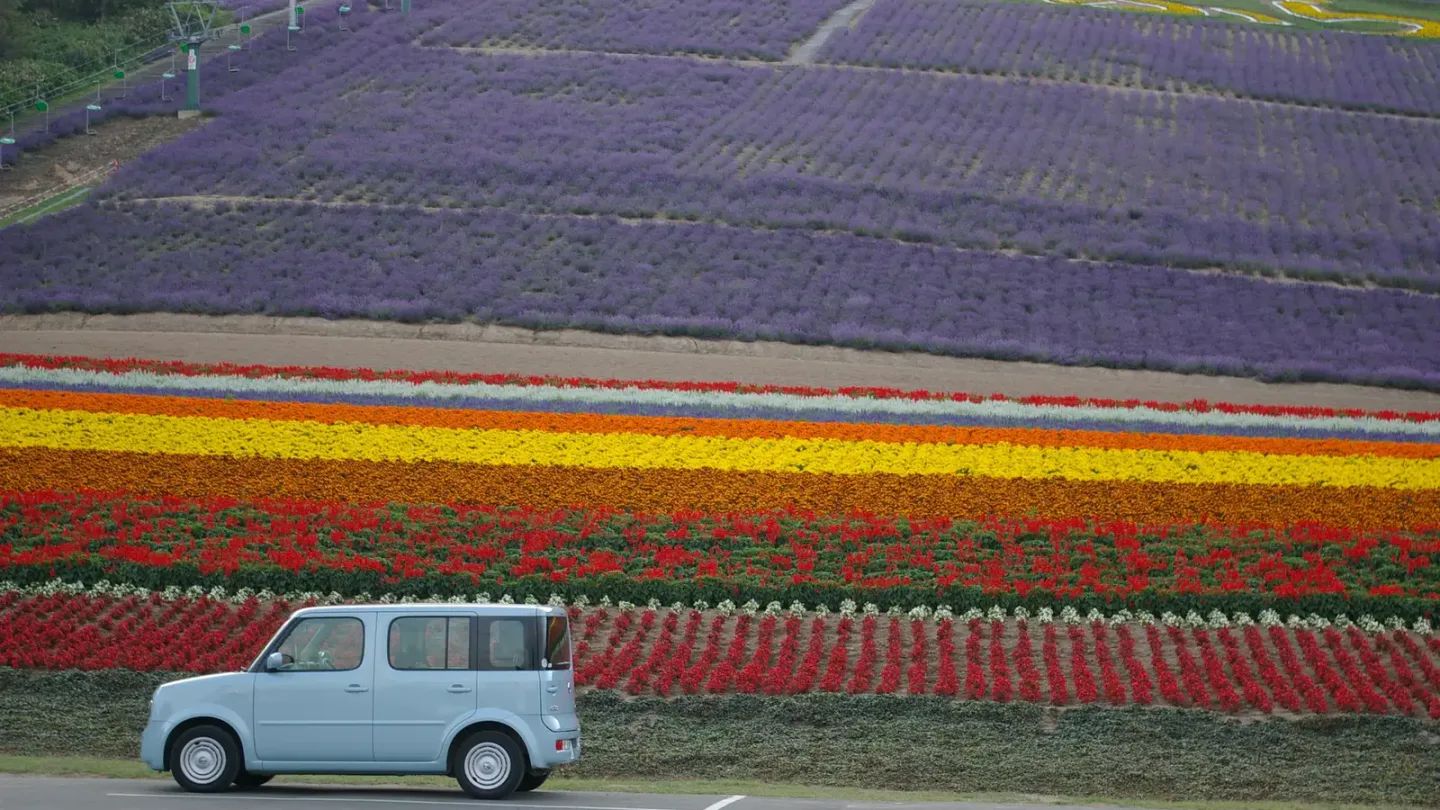
Furano does not demand two hotel nights just because it is far from Sapporo. If the trip is principally Farm Tomita, another nearby flower field and a meal, an early arrival can make one night generous. In the 2026 summer season, JR even published a Sapporo day-trip model that reached Furano at 09:44. That season has ended, but it proves the planning point: first establish how many hours you can use on the ground, then book nights.
A second night matters most when it gives Biei a full day of its own. Blue Pond, Shirahige Falls, Shikisai-no-Oka and the rolling hills are dispersed beyond Biei Station. Without a car, their connections are more demanding than the rail map implies. A second Furano night also gives a family a luggage-free day or lets a photographer change the order of outdoor stops when the forecast changes. Those are distinct jobs. An extra room night with none of them in the schedule is better spent elsewhere on the Hokkaido trip.
↔ Scroll table left or right
Trip you are actually taking | Initial night choice | What would change it |
Farm Tomita plus one or two nearby Furano/Nakafurano stops | One night | An early direct-train service might make a day trip enough in a future published season |
Only Farm Tomita, with a very early arrival and simple return | Test a day trip first | A slower hotel evening or another full destination changes the purpose |
Furano and Blue Pond, Shirahige Falls and Shikisai-no-Oka | Two nights | A driver who cuts the Biei list sharply may fit one |
Fixed rail and Biei sightseeing-bus departures | Two nights | A confirmed through-route with enough buffer may remove the pressure |
Rental car, early arrival and just two or three priorities | One night | Family pace, weather or a longer Biei list argues for a middle day |
Mid-July flowers, photography or slower family pace | Lean toward two | A narrow Farm Tomita-only plan may not use the extra day |
Late August or September without a real Biei goal | Re-test the second night | A food, hills or resort day may give it a separate reason |
The 2026 Furano Lavender Express, Furano–Biei Norokko and Biei View Bus schedules are **past-season examples** as of October 2026. Do not use their dates or fares as a timetable for a later summer. The 2026 Norokko was explicitly its final season. The route logic below still helps decide the number of nights; future transport and flower dates need a new operator schedule.
What the second night must do
One night creates an arrival day, one sleep and a departure morning. Two nights add a complete day without checkout. That middle day can be valuable even if the attraction count is identical. A guest can start earlier, move the flower-field visit to a clearer afternoon, or return from Biei without racing an onward hotel check-in.
↔ Scroll table left or right
Job for the full middle day | Value you can actually use | A weak reason to add the room |
Biei as a full destination | Visit its dispersed sights without coordinating hotel checkout and onward rail on the same day | Assuming Biei is a quick add-on because its station looks near Furano's |
Weather flexibility | Exchange an outdoor Furano half-day with a Biei half-day when visibility changes | Buying two nights while every bus and meal remains fixed |
Flower-field early start | Reach a priority field near opening and leave space for an unhurried later stop | Staying two nights but departing the room late on both mornings |
Public-transport margin | A late bus or train does not also imperil the next hotel's arrival | Filling the supposedly easy day with another tight intercity connection |
Family or older-traveller recovery | Skip a day of packing, storage and reception formalities | Using the extra time only to add more distant sights |
If none of these jobs is needed, the second night may be hotel time without useful travel time. The Furano versus Biei overnight comparison helps decide whether a middle day belongs at this base at all. The Hokkaido five-day comparison is especially relevant when two Furano nights would squeeze Sapporo or Otaru into too few days.
Arrival time is more decisive than the phrase “one night”
An arrival at 15:00 followed by a 10:00 checkout offers a short afternoon and little morning. A 09:44 arrival followed by departure the next afternoon offers a full first day and another useful block. These are both one-night stays in a booking interface, but they should produce different attraction lists.
The 2026 JR Sapporo flower-garden model showed a 07:41 departure and 09:44 arrival in Furano. JR's seasonal train timetable also listed a 16:53 Furano departure and 18:52 Sapporo arrival, giving roughly seven hours in the area without a bed there. JR published a more compressed Furano-and-Biei same-day route with a separate sightseeing bus; its existence did not make a full Biei day relaxing. These are useful historical benchmarks, not reservations for next summer. JR marked the seasonal operating dates as limited, and both 2026 train periods have now passed.
↔ Scroll table left or right
Actual time shape | What it makes possible | Night decision |
Seasonal direct-train day trip with early arrival | A focused garden or flower pair and same-day return | Test before buying a room for Farm Tomita alone |
One night with morning arrival | Much of Day 1, an evening and the next morning | Strong for a compact Furano itinerary |
One night with afternoon arrival | A short late-day block and next morning | Keep priorities few; the label “one night” overstates usable hours |
Two nights | Arrival block, an entire luggage-free middle day and a departure block | Strongest when Biei or weather flexibility has a defined job |
If the trip starts at New Chitose and ends in a different city, the Asahikawa-in, New-Chitose-out route can change which end of the Furano stay absorbs the long transfer. The full-trip versus partial car-rental comparison can also remove a needless car day before you decide on a hotel day.
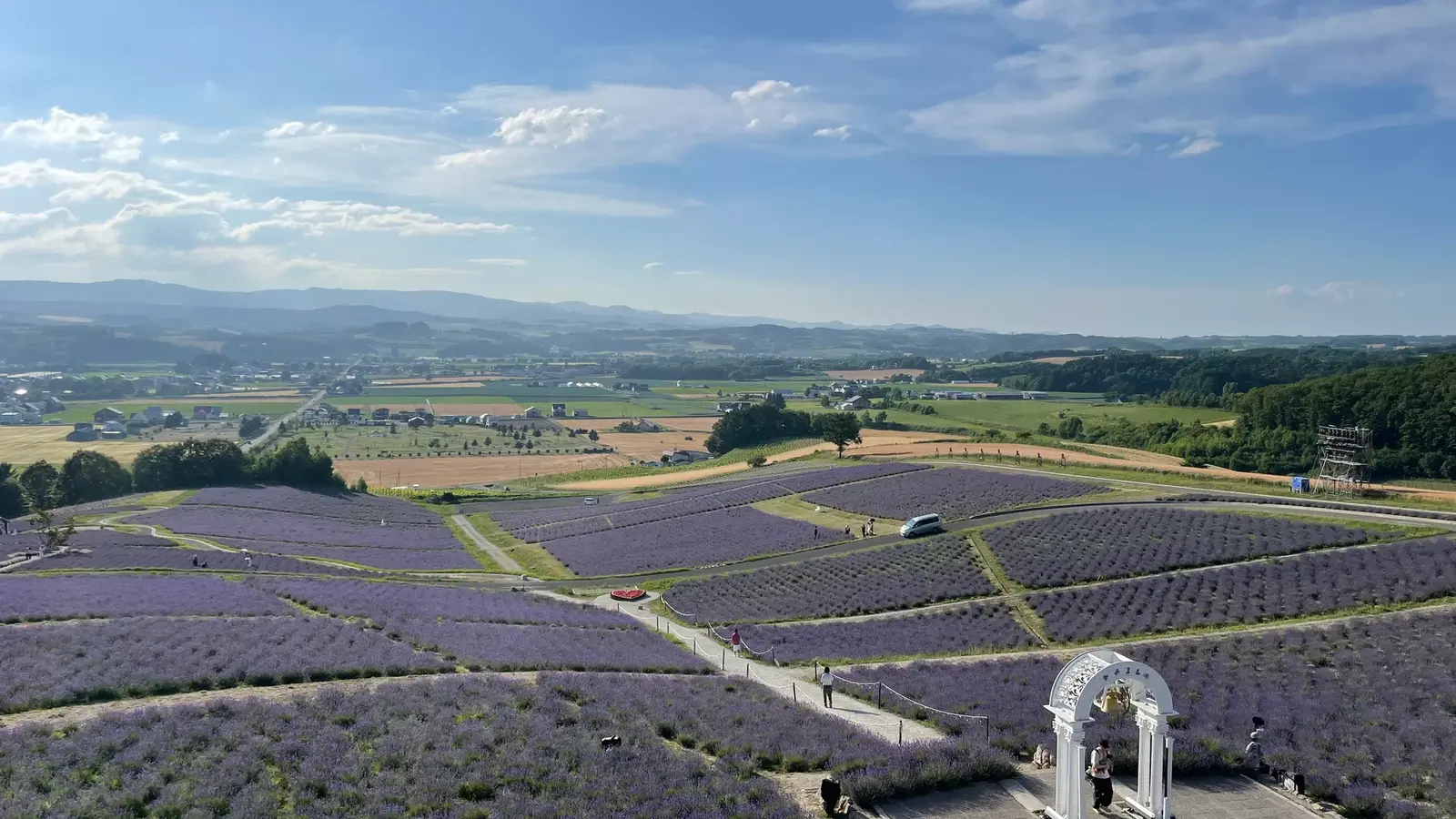
Farm Tomita on its own rarely needs a protected middle day
In summer 2026, Lavender-Farm Station was about a seven- or eight-minute walk from Farm Tomita, making the seasonal Norokko genuinely useful for the main garden. Farm Tomita's current homepage lists 09:30–16:30 as of late October; summer area and facility hours may differ when a new season is announced. A visitor arriving early could give the farm real time and still leave room for one nearby stop. The Furano lavender route is the better place to choose those stops; this page is for deciding how much accommodation to buy.
The convenience of that seasonal station did not apply to every field. Lavender East, another Farm Tomita site, is about four kilometres from the main farm. It operated June 20–July 20 in 2026, with a 09:30–16:30 daily window and best viewing broadly early to mid-July. Those dates are over. Its distance demonstrates why “the train goes to Farm Tomita” cannot be stretched into “the whole Furano flower route is walkable.” A rental car or a deliberately arranged last-mile ride can change the one-night calculation. A car-free traveller should first read the Furano and Biei transport comparison.
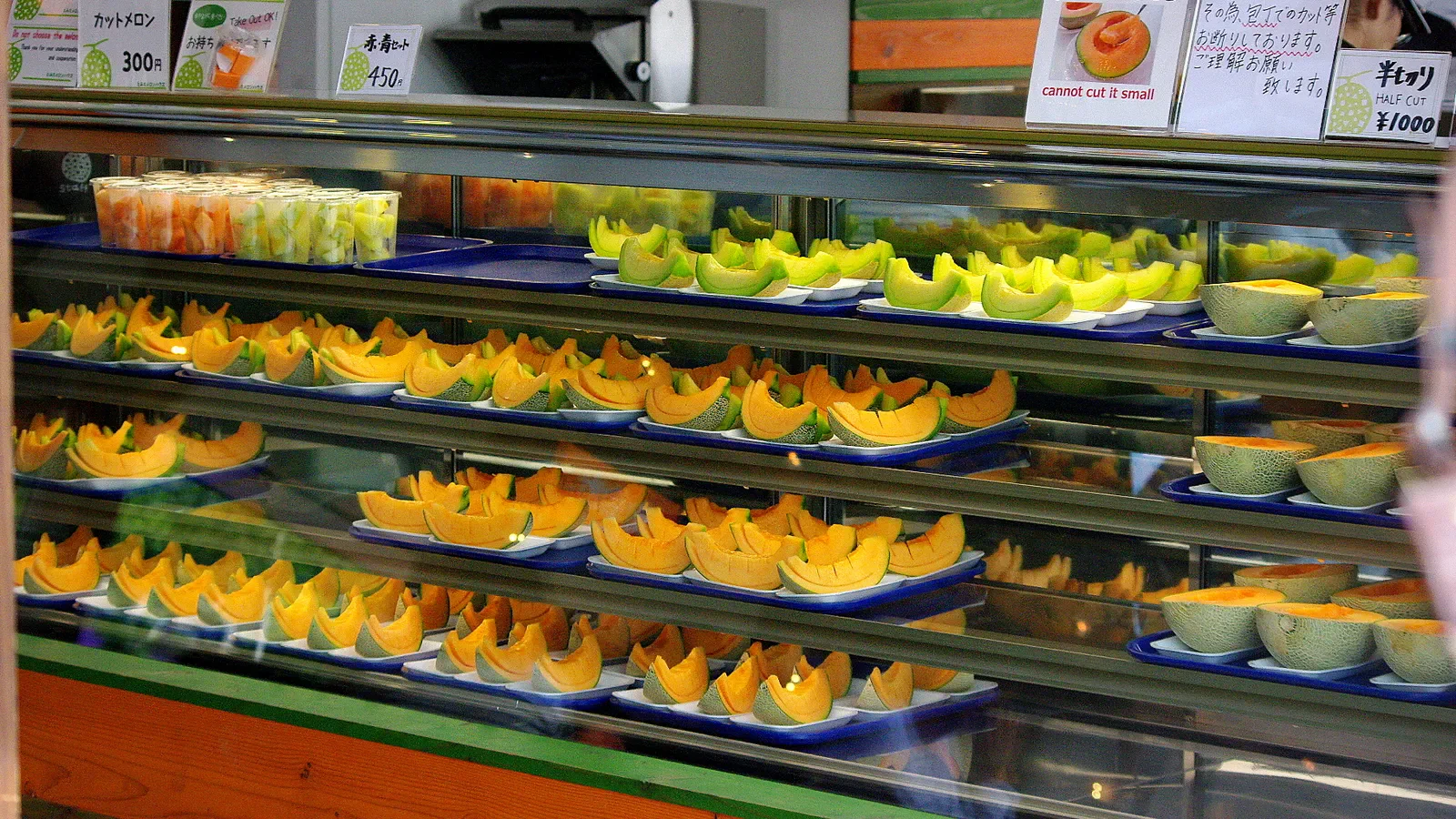
Farm Tomita is also only one kind of Furano day. A Furano melon stop can fit a transfer or late afternoon without taking the entire protected middle day. A balloon flight decision has different weather and departure requirements, so it can be a real reason to keep a more flexible morning. A rafting booking has yet another start point and weather logic; compare it with the Furano rafting transport guide before treating all activities as interchangeable extras.
July flower advice does not automatically apply in September
The primary lavender season in Furano typically extends from late June into early August, with mid-July often the most concentrated viewing window. Some lavender is cut as August begins. Lavender East's much shorter 2026 run ended July 20. A September visitor can still enjoy landscape, food or Biei's hills, but should not pay for Night 2 on the assumption that a mid-July lavender photograph describes September.
↔ Scroll table left or right
Travel period | What a second night may buy | What to avoid assuming |
Late June to mid-July | Early flower starts, a weather buffer and a full Biei day | That every separate flower field is served by rail |
Late July to early August | Summer scenery and a broader route, while some lavender windows narrow | That Lavender East is still open after its dated 2026 close |
Late August to September | Food, hills, Biei and a slower hotel stay | That peak-lavender logic alone makes two nights necessary |
Weather flexibility only exists when some reservations can move. A fixed Biei bus seat, a non-movable restaurant reservation and an onward train already booked tightly can consume the very slack that the room was meant to buy. Set one outdoor half-day loose if forecast protection is the purpose. The Biei overnight decision is useful when Biei photography, rather than Furano flowers, is the true priority.
Biei makes the hotel-night question a last-mile question
Furano and Biei Stations are transport nodes, not gates to a compact park. Blue Pond and Shirahige Falls lie toward Shirogane; Shikisai-no-Oka is in a different direction; the hill viewpoints are spread across another set of roads. The rail ride between town centres is only one part of the day. The original recommendation of two nights for a car-free Furano-plus-Biei trip rests on this geography rather than on the number of famous names in the itinerary.
The 2026 Biei View Bus provided a clear illustration. Its morning route ran 09:40–12:45 and its afternoon route 14:10–17:10, bundling Blue Pond, Shirahige Falls and Shikisai-no-Oka with short fixed visits. The 2026 Biei Tourism Association record lists a starting adult fare of ¥5,000 during July–September and ¥4,500 for June and selected October service dates. Those tours finished by October 12, 2026. Treat the amounts and clock times as an example of how the last mile was packaged, not as a future booking offer. The exact fare varied with application and travel date and fuel cost even within that season.
Its rules also explain why the extra hotel night can help. Online purchase opened 90 days ahead and closed at 17:00 four days before departure. Seats were reserved, there was no waiting list, and cancellation fees began ten days before travel. An online display of “full booked” did not completely rule out first-come tickets at the local office on the prior or same day, but a traveller could not plan on that chance. The operator warned that road or weather delays might shorten sightseeing or cause a missed onward train. If a guest must check out, collect luggage and reach the next town after that bus, several risks converge on the same afternoon.
With the second Furano night secured, a Biei bus or rental-car outing can be the main event of Day 2. The traveller still must meet the bus or drive responsibly, but a delay no longer also threatens a hotel move. A day-trip guest based in Asahikawa may reach the same sights without moving hotels at all; the JR Inn Asahikawa station-base review is relevant if avoiding moves matters more than a Furano address.
The final Norokko season illustrates why old routes need dates
JR identified 2026 as the last season for the Furano–Biei Norokko, ending September 23. The 2026 pattern was daily through August 11 after its early-summer start, then selected weekends and late-September dates. It was a reserved-seat sightseeing train, not a local service available whenever a flower field was open. JR's 2026 Norokko fares and service pattern show about ¥800 basic fare from Furano to Biei plus ¥1,000 for the reserved seat, or around ¥1,800 one way. These numbers belong to the finished Norokko season and must not be copied into a 2027 itinerary.
IC-card use was another easy mistake in a tight itinerary. JR's 2026 Furano Lavender Express information said IC cards could not be used between Takikawa and Furano and advised a paper ticket; onboard adjustments were cash only. For a future rural-rail route, identify the exact train and segment before assuming urban IC-card behaviour. The 2026 Takikawa warning should not be inflated into a blanket claim about every Hokkaido train.
The Furano and Biei without-a-car guide is the place to rebuild the rail-and-bus itinerary once the next summer service is published. Do not book a lodging night because an old route diagram shows a stop that belonged to the discontinued Norokko. A future local-train or bus alternative may still work, but it has to be checked against its own operating dates.
A car can compress the route only when the stop list shrinks
An early-arriving driver can use one night efficiently: a Furano/Nakafurano cluster on Day 1, then a short Biei or flower block on Day 2 before leaving. Driving removes waits for a particular train or tour bus. It does not remove parking, food, walking, queues or the distance between separate attractions. A list that includes Farm Tomita, Lavender East, Shikisai-no-Oka, Blue Pond, Shirahige Falls, Biei hills, a cheese factory and a winery cannot become effortless simply because the group has a car.
This is the useful one-night driving rule: name two or three priorities and cut the rest. For a larger Hokkaido route, the partial-car-rental comparison can limit car costs to the rural segment. A stay based elsewhere can also be coherent: Asahikawa station-area hotel choices and the Furano versus Biei overnight comparison help determine whether moving the suitcase to Furano solves anything.
Car-free travellers consume the timetable as part of the attraction day. Two people might want exactly the same Farm Tomita and Biei stops; the driver chooses when to leave each place, while the rail traveller must fit the train, bus check-in, three-hour tour and return connection. Night 2 cannot accelerate a train, but it can stop one missed connection from cascading into a missed hotel arrival. This is why the same sight list can justify different accommodation lengths.
A protected middle day should stay protected
The clean two-night structure is simple without being an attraction checklist. Arrive on Day 1 and keep the local plan low risk. Give Day 2 to Furano or Biei without checkout or suitcase transfer. Use Day 3's morning for a nearby theme left over, then leave. If the supposed middle day becomes a long trip into a third region, the accommodation has not delivered the stability you bought.
Families and older travellers may value that stability even more than an extra photograph. Packing, checking out, storing bags, loading a car and checking in again all consume energy. A child who is done after one field and lunch is not helped by a second night filled with more distant stops. The sensible adjustment is to cut the itinerary. The Hokkaido five-day planning comparison helps keep Furano in proportion to the total holiday. If Otaru is competing for the same extra night, its day-trip-or-overnight decision gives the comparison a concrete alternative.
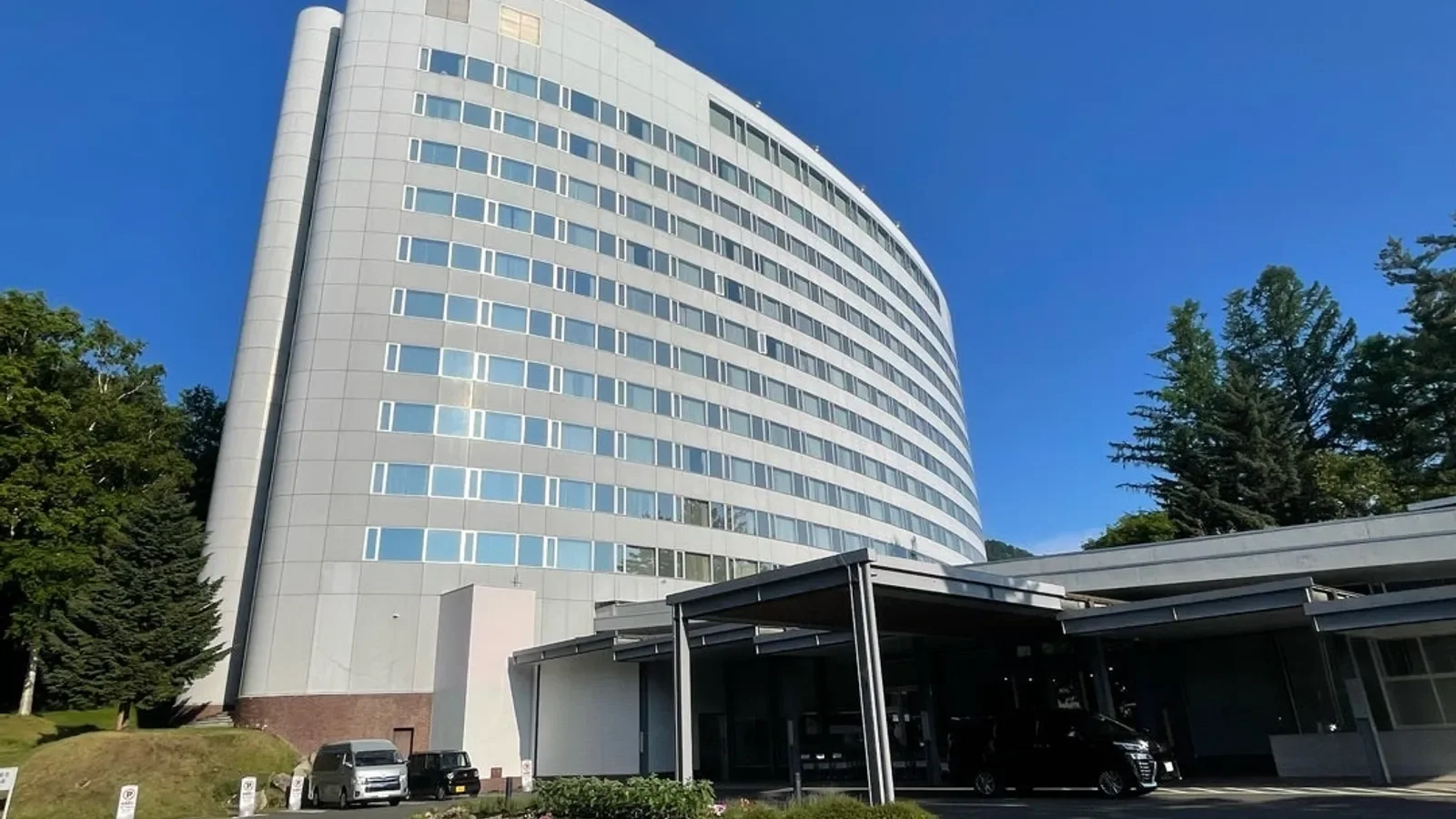
Hotel location changes the answer too. Without a car and with only one night, a room around Furano Station usually keeps arrival and departure simpler than a scenic property requiring another taxi or shuttle. With two nights and a car, a resort, onsen, view or slow breakfast can become part of the stay rather than another transfer cost. The Furano hotel-area guide sets out those bases, while the La Vista Furano Hills one-night comparison tests a specific station-area room. A driver considering a more remote property can compare the Shin Furano Prince Hotel location trade-off without assuming its winter advantage applies to a flower visit.
Cases where two nights are the wrong answer
↔ Scroll table left or right
Your condition | Why the extra Furano room night may fail |
Farm Tomita is the sole priority | A suitable early-arrival day trip or one night already covers the main visit |
Rental car arrives early and leaves after lunch next day | A disciplined stop list can use those hours well |
Four- or five-day Hokkaido holiday centred on Sapporo and Otaru | Two Furano nights can displace the destinations that matter more to the group |
Trip falls after the main lavender period without Biei plans | A July flower recommendation no longer supplies the second night's purpose |
You already hold an Asahikawa base and dislike hotel changes | Day trips from one northern base may beat adding another check-in |
Day 2 is booked as a long excursion to a third region | The full day without a move exists on paper but is not being used |
For most focused Furano visits, start by testing one night; for Farm Tomita alone, even test a day trip when the next published train service permits it. Give two nights to Furano-plus-Biei, a deliberately flexible outdoor schedule or a group that benefits from one full day without moving bags. The 2026 trains, bus tours and Lavender East window are over, and JR marked Norokko 2026 as final. Use them as evidence of route friction and seasonal limits, then confirm the transport that will actually run on your travel dates. When the room choice is ready, compare Furano and Biei accommodation areas against the arrival point and the next day's first stop.