
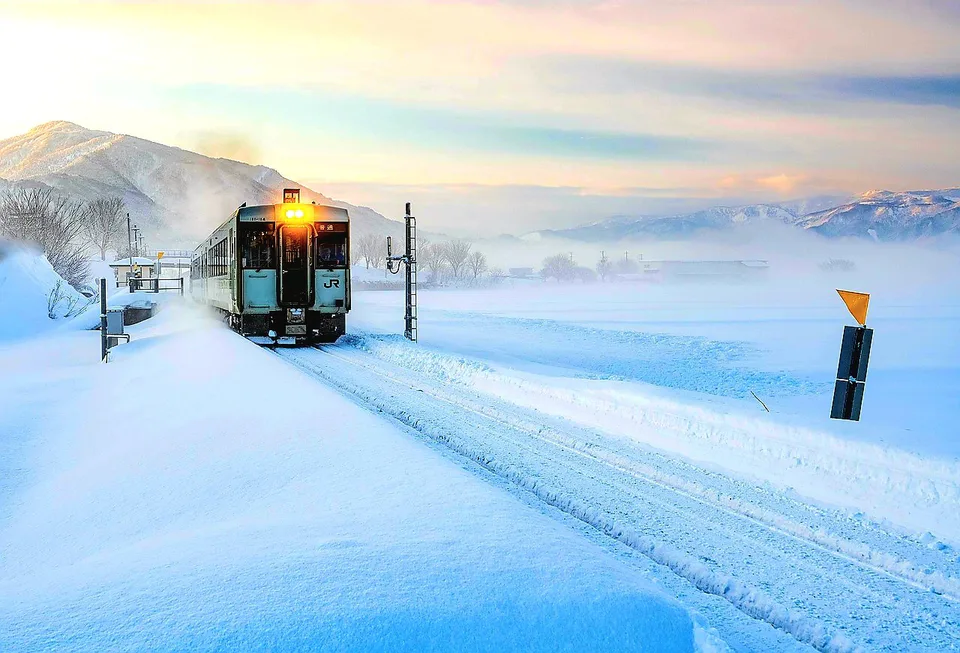
Winter travel without a rental car works best when Hokkaido's size is treated as a route constraint. A week can comfortably link New Chitose Airport, Sapporo, a day in Otaru, an onsen night at Noboribetsu and Hakodate if the journey ends in the south. It becomes much less comfortable if Day 7 must reverse all the way to New Chitose for a flight. In that case, keep the route around Sapporo and one branch instead of paying for a distant city twice in rail time.
This plan assumes seven calendar days, three Sapporo nights, one Noboribetsu Onsen night and two Hakodate nights. It uses Otaru as a Sapporo-based excursion. If the trip may be five or ten days, choose the length with the Hokkaido winter itinerary comparison first. The regional planner is more useful if the destinations themselves are still undecided.
Seven days on the rail spine
↔ Scroll table left or right
Day | Overnight | Purpose | Transport question |
1 | Sapporo | Arrive and settle in | Can the airport train still reach the hotel comfortably? |
2 | Sapporo | City day | Which district do you want after dark? |
3 | Sapporo | Otaru and back | Does the evening canal justify staying later? |
4 | Noboribetsu Onsen | Travel south for a ryokan night | How will you cover station to onsen town? |
5 | Hakodate | Continue south | Can the intercity train fit hotel check-in and an easy evening? |
6 | Hakodate | Full city day | Which tram or bus route matches the sights? |
7 | — | Leave from Hakodate or continue south | Is the onward departure protected from winter delay? |
The line through Sapporo, Noboribetsu and Hakodate appears on JR Hokkaido's current intercity ticket information. That does not make every train or bus immune to winter weather. Keep the arrival day light and leave margin before a fixed flight, ryokan dinner or onward reservation. The plan succeeds because the long moves are concentrated on one corridor; it still needs date-specific timetables.
Sapporo: one base, one short rail branch
Three nights give the first part of the trip a stable room. Use one day for Sapporo and another for Otaru without moving luggage. Otaru is close enough to work as a rail outing for a normal first visit, while an overnight makes sense when its evening canal, early market or another onward route is the main interest. The Otaru day trip versus overnight guide helps decide whether that extra checkout earns its effort.
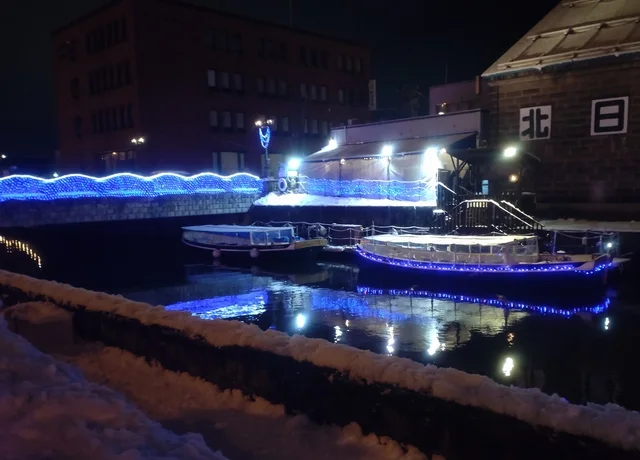
The choice of Sapporo hotel depends on repeated movement. Near the station favors early trains and large bags; Odori or Susukino may better suit evenings. Use the Sapporo district guide once the day trips are fixed. The two-, three- and four-night comparison can tell you whether this route has left enough time in the city for your interests.
On Day 1, go to Sapporo only when the airport arrival leaves a comfortable train and hotel margin. A flight landing late in a snowstorm is a different case; the New Chitose late-arrival guide weighs an airport or Chitose night against continuing into Sapporo. Do not spend a fragile first evening chasing the planned restaurant simply because the itinerary says “Sapporo Day 1.”
Noboribetsu: make the last eight kilometres worthwhile
JR Noboribetsu Station is not the onsen town. The local tourism association puts Noboribetsu Onsen roughly eight kilometres from the station, so the bus, hotel shuttle or taxi is part of the booking decision. A ryokan night is worthwhile when you will use the bath, dinner and perhaps Hell Valley the next morning. If you only want a quick soak and the luggage move is difficult, compare Noboribetsu with Jozankei; the latter may fit a Sapporo-based route more naturally.
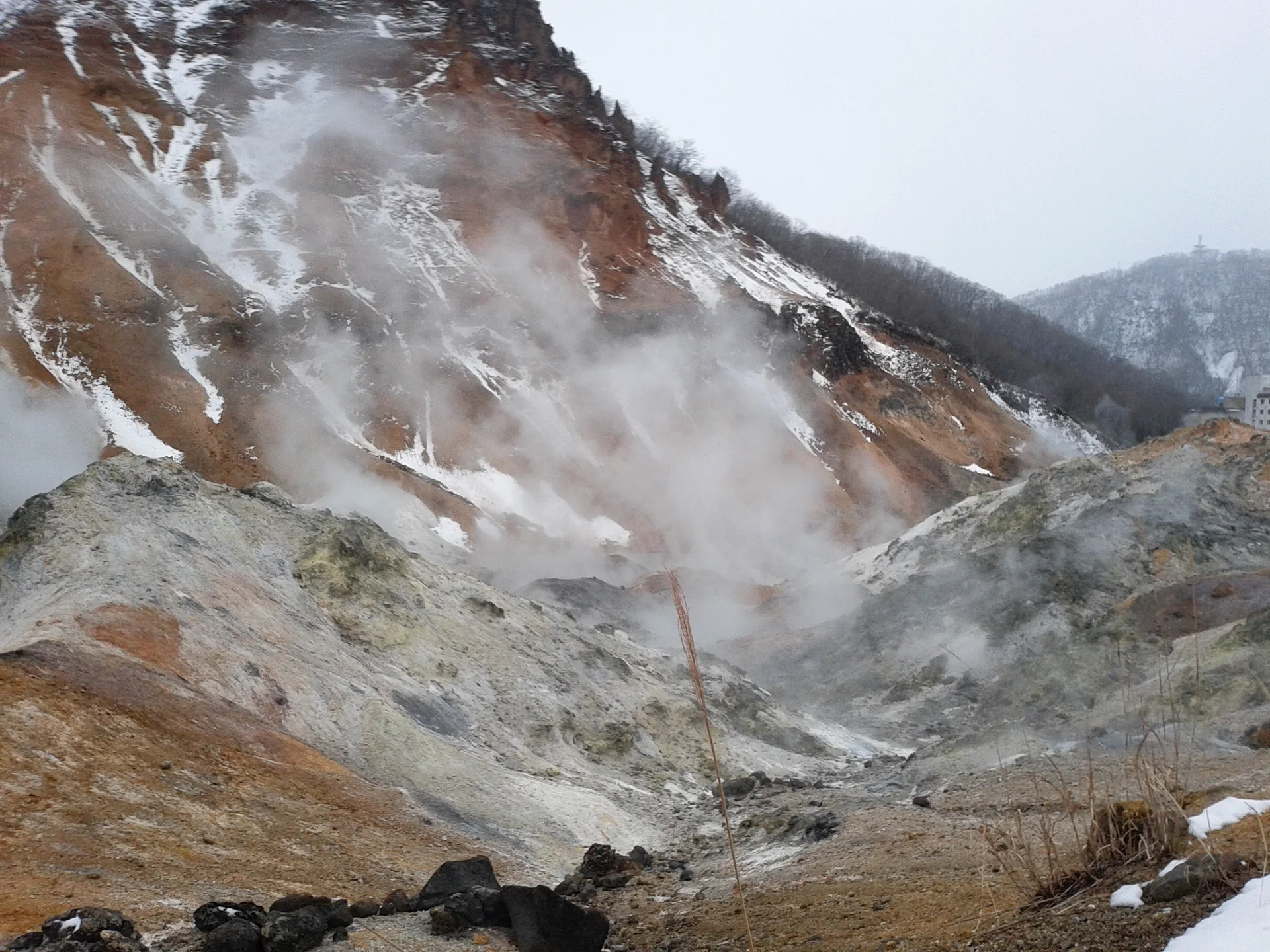
Check the accommodation's latest dinner arrival, shuttle rules and baggage acceptance before choosing a train. A same-day winter delay can matter more to a ryokan meal than to an ordinary hotel check-in. Keep a warm layer and essential medication with you if the main case travels separately. The onsen night should feel like a stay, not an expensive transfer with a rushed bath at the end.
Hakodate only works with the right exit
Once in Hakodate, trams and buses make the main sightseeing districts usable without a car. Two nights justify the long southbound movement and leave one complete city day. A station-area hotel can reduce baggage friction before a train or flight; the Hakodate Kokusai Hotel guide is one detailed option after the route is decided.
Do not add Hakodate to a New Chitose round-trip flight simply because the rail line exists. The final day then becomes a long reversal with a flight deadline attached. Remove Hakodate and give the time to Sapporo, Jozankei or skiing, unless you can depart from Hakodate or continue south by rail. A linear route is the major reason this itinerary feels manageable without a vehicle.
Skiing changes the route, not just one afternoon
A dedicated ski trip needs lodging, equipment and several mountain mornings. A three- or four-night resort block should replace the Noboribetsu–Hakodate half rather than sit between those stops. Start by deciding whether a Sapporo ski day or a resort stay fits the number of days on snow. For a city-based day, compare Sapporo Teine and Sapporo Kokusai. For a longer resort stay, Niseko versus Rusutsu answers a different question.
Niseko can be reached without a rental car, but reserve the right transfer for your flight and lodging. The New Chitose–Niseko transport guide is the starting point, followed by Niseko versus Furano if those resorts are still competing. A multi-night mountain block has enough weight to reshape the seven days.
Central Hokkaido needs a last-mile answer
Rail can reach Furano or Biei, but a station arrival is not the same as reaching Blue Pond, Shirogane, a rural viewpoint, hotel or ski lesson. Winter buses and shuttles may be sparse or seasonal. If this region is a priority, decide where to sleep with the Furano–Biei comparison and match the hotel to the route you will actually use. Skiers should also check Furano Zone versus Kitanomine so the lesson, rental and first lift are practical from the room.
Central Hokkaido is therefore an alternative seven-day itinerary, not a casual addition to a Sapporo–Hakodate line. If you choose it, remove a southern overnight and give the region enough time to absorb its local transfers. The no-car test is door to door, including the final kilometre on snow with bags.
Tickets and luggage follow the route
Compare point-to-point train prices with a current JR Hokkaido pass only after fixing the actual legs. A seven-day pass is not automatically good value on a seven-day holiday, and a pass does not justify an unnecessary excursion. Look at limited-express reservation rules for the dates you will travel; the winter departure that matters is the one that connects with your hotel or onward flight.
Likewise, bags should not decide the geography by themselves. A smaller overnight bag can make Noboribetsu easier, while the main case goes ahead if both hotels accept luggage forwarding. Keep medication, warm clothing, chargers and a change of clothes with you. Delivery is a convenience, not a promise that the suitcase will meet you on the same evening.
Test the two transitions that make or break the week
The Sapporo-to-Noboribetsu move needs an arrival plan beyond the JR platform. A ryokan may set a dinner arrival limit, while the onsen district sits around eight kilometres from the railway station. Choose the train by working back from the hotel's meal time and the bus or shuttle that completes the last stretch. If the connection would make dinner fragile, use an earlier train or select a room-only stay with an evening meal plan. Do not assume that a quick intercity train means an equally quick check-in; the final local ride is part of the day.
The next move is different. Leaving Noboribetsu Onsen for Hakodate means returning to the rail station before the longer southbound train. A morning in Hell Valley can be worthwhile, but it has to fit the local bus, luggage collection and intercity departure. A family planning a slow ryokan breakfast and a long hike should check whether the selected Hakodate arrival still leaves a useful evening. If not, shorten the Noboribetsu activity or give Hakodate a lighter first night. The itinerary protects Day 6 as its full city day; it does not require the arrival evening to carry a list of major sights.
Finally, check the exit before buying either hotel. A departure from Hakodate or a continuation south lets the route keep moving. A return flight from New Chitose adds a reversal across the long corridor, often on the day when winter disruption matters most. If the air ticket is fixed at New Chitose, a Sapporo-and-one-branch week can be more dependable than insisting on Hakodate. This is a route decision, not a judgment that Hakodate has too little to see.
Keep the flexible parts flexible
Otaru is a good candidate for a movable day while you are sleeping in Sapporo: it requires no hotel change, and the city day can trade places with it if conditions favour one over the other. A ryokan dinner, reserved ski lesson or onward flight has much less room to move. Put the fixed commitment on the calendar first, then fit the local rail outing around it. For the same reason, a weather warning should prompt a check of the actual rail and local-bus status before leaving the hotel, rather than a guess that the day will run as printed in a sample itinerary.
Keep tickets and overnight luggage separate in the plan. A rail pass may save money on the specific limited-express legs you choose, but it does not reserve an accommodation shuttle or cover every local transfer. A forwarded main case can simplify an onsen stop only if both the sending and receiving hotels accept the timing. Carry a small bag with what you need if delivery slips. These details are particularly important in winter because a missed connection can affect dinner, check-in and the next morning at once.
For a first winter week ending in southern Hokkaido, Sapporo, an Otaru day, Noboribetsu and Hakodate form a coherent car-free line. If the flight returns from New Chitose, shorten the route. If skiing or Furano is central, build a new week around that purpose. Winter public transport works best when overnight stops follow the rail corridor and there is enough time for each local transfer.
For the rail-based opening nights, compare Sapporo rooms near the departure station before locking in later Hokkaido stops.