
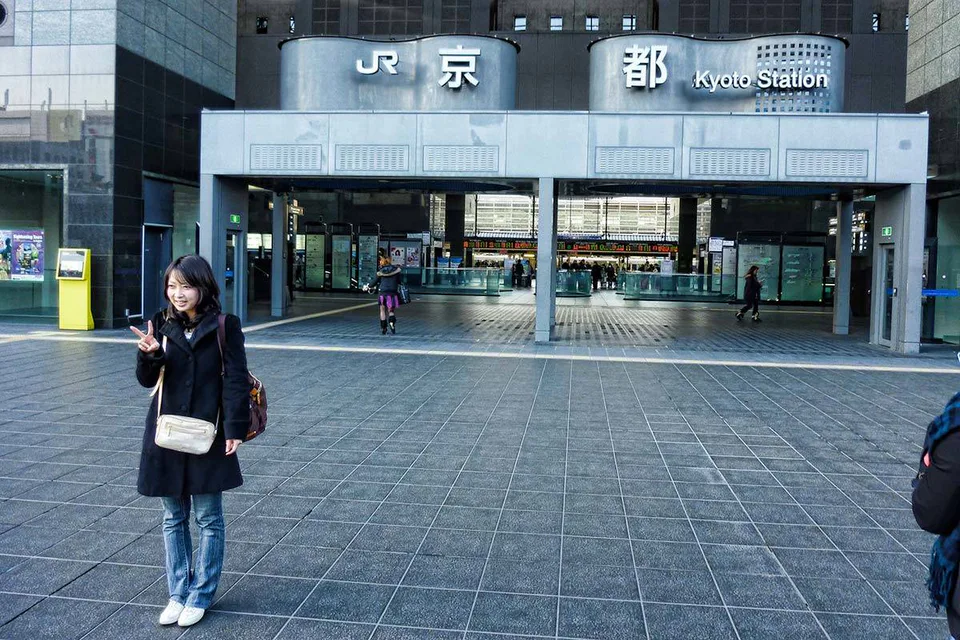
A Kyoto hotel pays off at particular hours. A room beside Kyoto Station shortens the moments when a train is late, a suitcase is heavy or a reserved departure cannot wait. A Gion room can return time every morning you head into Higashiyama and every evening you stay around Yasaka or Gion-Shijo. For a two-night rail stop, those arrival and departure moments may dominate. Over four nights with several early eastern walks, the repeated local advantage can be larger. Kyoto hotel-area guide is useful if other districts remain in contention; this comparison assumes the station and Gion are your two real candidates.
The hotel address is more revealing than the district label. Gion-Shijo beside Keihan is a different transport base from a ryokan farther east on the slope toward Kiyomizu-dera. Likewise, a station-area hotel may still involve a long station crossing and an awkward final street. Map the train platform and the hotel door before treating either name as a guarantee. A first-timer also deciding between cities can use the separate Kyoto versus Osaka base comparison.
↔ Scroll table left or right
Your stay | Initial area to compare | Reason to change the answer |
Late arrival and early onward Shinkansen across two nights | Kyoto Station | Full sightseeing hours on both mornings are in eastern Kyoto |
Three or four nights with at least two early Higashiyama mornings | Gion or east Kyoto | The actual property has stairs, slope or difficult luggage approach |
Several JR starts for Nara, Arashiyama or onward travel | Kyoto Station | Keihan from a Gion-Shijo hotel better fits the actual route |
Gion dinners and Yasaka evenings recur | Gion | You will mostly eat near the station and return only to sleep |
Large cases, stroller or older parents | Kyoto Station first | Forwarded bags and easy taxi or rail access remove the problem |
Neither side has a clear repeated advantage | Shijo-Kawaramachi or Shijo-Karasuma | The itinerary strongly favours an edge after all |
Count the hours that can go wrong and the hours you can reuse
A simple worksheet prevents one dramatic train ride from deciding an entire stay. Give Kyoto Station two points for a genuinely hard edge, such as a late arrival with cases, an early reserved Shinkansen or a Kansai Airport rail day when another local transfer would create real risk. Add one station point for each full day whose first useful transport is JR from Kyoto Station. Give Gion one point for each morning you will actually walk in Higashiyama before 09:00 and another for each evening that will end around Gion, Yasaka or Pontocho. These numbers are a planning aid, not measured travel-time savings. Their job is to make repetition visible.
For example, a 21:00 arrival from Tokyo and 07:30 onward train two days later leave little time to enjoy a distant hotel. The two rail edges matter. A four-night stay with one final Shinkansen, two early Higashiyama mornings and three Gion dinners is different: eastern location can pay back five times. Do not award Gion points for mornings when the party will sleep until 10:00, or station points for rail excursions that are not actually on the plan. The Osaka, Kyoto and USJ four-day route shows how itinerary geography changes the hotel answer.
This also avoids a false choice between “convenience” and “atmosphere.” Station proximity is insurance against a difficult transfer. Gion proximity is a way to turn quiet early and late hours into useful time. Both are concrete benefits only if your schedule uses them. When the worksheet is nearly tied, room quality and cancellation terms can decide.
Kyoto Station earns its place on rail mornings
The Shinkansen, JR local lines, subway, buses and airport rail connections meet at Kyoto Station. JR access is particularly useful for Fushimi Inari, Tofuku-ji and Arashiyama, and the area has extensive lockers and luggage check-in choices. A delayed arrival, wet evening or tired older traveller therefore leaves fewer local steps after the main train. On departure, a short walk back to the platform removes another uncertain transfer. Kyoto Station hotels with parents adds the slower-walking version of the choice.
JR West’s HARUKA links Kansai International Airport with Kyoto Station. That is a strong reason to sleep near the station if KIX is on a hard travel edge, especially with luggage or a late flight. It is still one arrival or departure, not an advantage that repeats on every Kyoto day. If you land at KIX and then spend four mornings in Higashiyama, the airport link is a tiebreaker rather than the entire decision. The KIX to Kyoto transport guide can be used to price and time that edge.
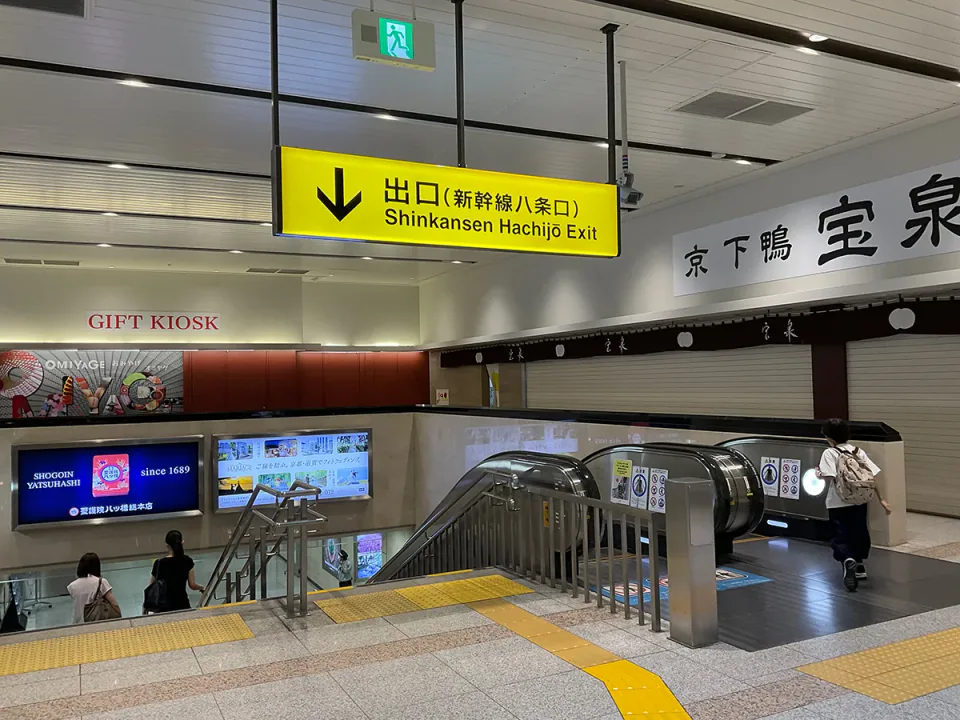
Nara and Arashiyama make station access more valuable when both recur. JR to Nara and the Sagano Line toward Arashiyama can simplify morning starts. A single Nara day during four Kyoto nights should not overrule the rest of the stay; two or three rail-led mornings are another matter. Nara from Kyoto or Osaka and the Arashiyama route and station guide let you identify which actual railway and starting hour your plan needs.
A station hotel still leaves an eastern return every evening
Kyoto Station is not beside Kiyomizu-dera, Yasaka Shrine or Gion’s smaller streets. If you finish dinner in Gion on three nights, you still have three last journeys to the hotel by bus, rail, taxi or on foot. The destination remains possible: Kyoto has evening services. The city’s bus information currently gives Gion Yoru Bus service until about 21:30, while the Kawaramachi Yoru Bus runs from 22:00 to 22:50 toward Kyoto Station. These are different services, so a 22:50 Kawaramachi departure should not be mistaken for a 22:50 Gion bus. Check the current timetable and stop on the evening you travel.
Many rail services continue later, but the exact last train depends on line, day and destination. A station base therefore does not bar a Gion dinner; it asks you to plan the return. If several evenings are intentionally slow and unstructured, that repeated final step may be the station hotel’s real cost. The Gion evening walk helps estimate whether you will actually spend those hours there.
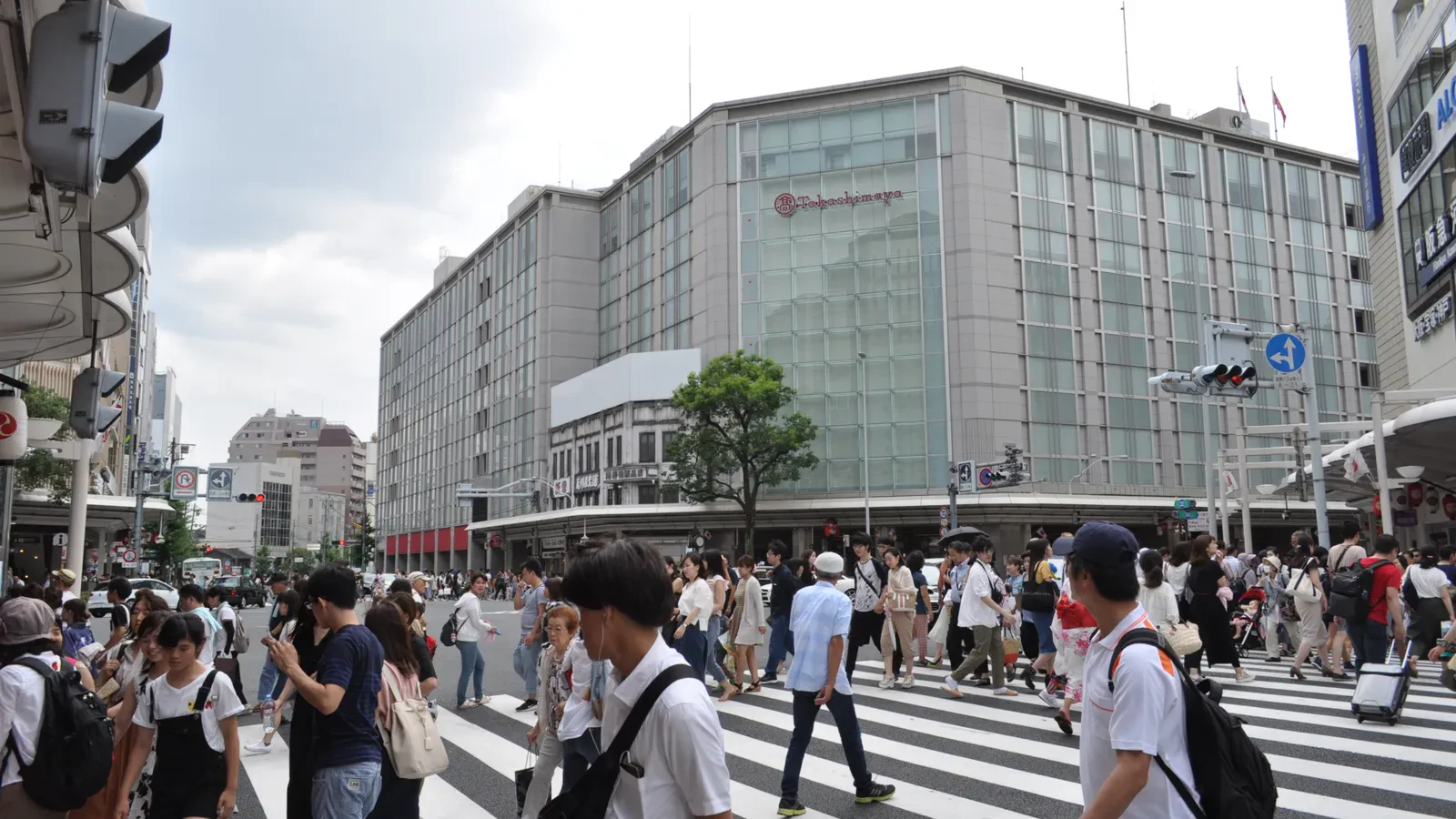
Gion rewards an early walk only if the hotel makes it easy
A hotel near Yasaka or Gion-Shijo can let you step into eastern Kyoto before the main daytime crowds, return between sightseeing and dinner, and go out again after 18:00. Kyoto tourism guidance highlights the quieter pre-09:00 and post-18:00 windows. The practical benefit is not a vague promise of atmosphere; it is removing transport from those specific hours. If you will take one early Kiyomizu walk, the gain may be small. Two or three early eastern starts plus several local dinners make it substantial. Higashiyama morning route helps test how often the neighbourhood is on the plan.
The value of a ryokan or luxury hotel may come partly from fixed dinner, bathing or lounge time inside the property. If that is what you booked, the room can justify its cost independently of daily neighbourhood walking. If the premium is mainly for the Gion address, however, make sure you use that address at hours when it makes a difference. Paying extra to sleep there and leaving the district each morning until late at night weakens the case.
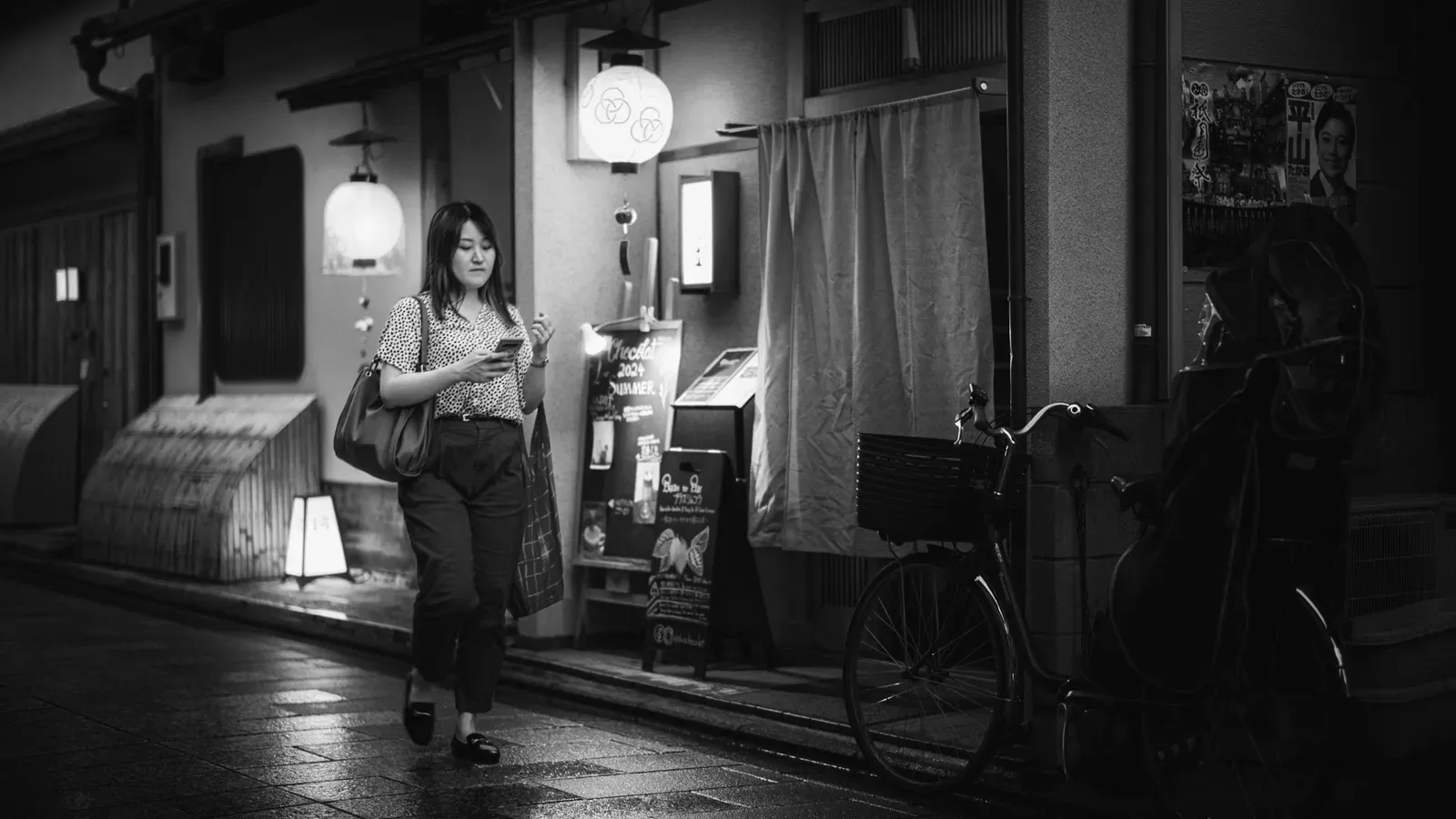
Not every Gion-labelled property provides the same access. Beside Gion-Shijo Station, Keihan is close; around Yasaka, evening walking is excellent but the nearest useful platform depends on the exact block; deep toward Kiyomizu, a historic setting may come with more slope, paving and suitcase distance. A low room rate in the eastern hills should be compared with the taxi or walking effort it imposes. The Kyoto autumn hotel area guide applies this to a season with heavy demand.
Keihan changes the Fushimi Inari calculation
Kyoto Station’s JR access to Fushimi Inari is genuine, but it is not the only sensible route. Keihan places Fushimi-inari Station about five minutes on foot from the shrine. A hotel close to Gion-Shijo can use that corridor without first going west to Kyoto Station. For Kiyomizu-dera, Keihan gives Kiyomizu-gojo Station, from which the railway estimates roughly 25 minutes on foot. A ryokan near Kiyomizu may still involve a substantial approach to the platform before that train is helpful. Fushimi Inari walking guide is useful if that morning is decisive.
The right comparison is hotel door to useful platform to destination. Counting trains at Kyoto Station without asking which line your planned day uses can exaggerate the station advantage. Conversely, a deep Higashiyama hotel is not a rail-side Gion-Shijo hotel simply because both use a Gion postal description. Inspect walking route, stairs and the likely arrival hour on the map.
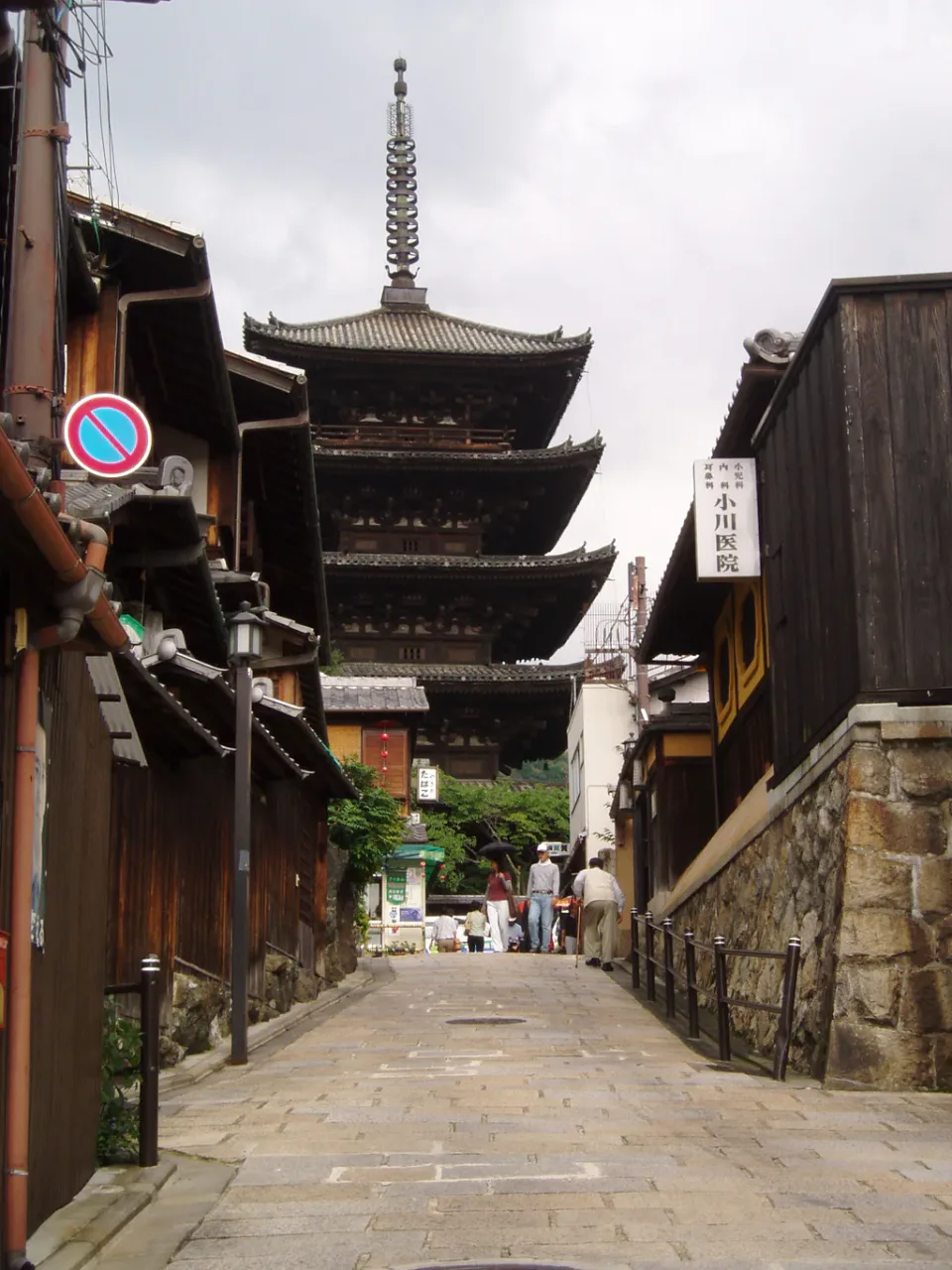
A two-night stop and a four-night stay lead to different bookings
For two nights between Tokyo and Hiroshima, imagine a 20:30 arrival with luggage, one sightseeing day, then an early reserved Shinkansen. I would start near Kyoto Station. The hotel reduces friction on two travel edges that occupy a large share of the visit; Gion may improve only one morning and evening. The answer can reverse if the “two-night” label hides two full sightseeing days, with early arrival, late departure and both mornings in Higashiyama. Count usable hours, not calendar nights. Kyoto first-day route gives a route to test against that timetable.
For four nights with two pre-09:00 temple mornings and three Gion or Pontocho dinners, Gion or the Kawaramachi edge deserves first comparison. A final Shinkansen is one edge; the eastern advantage recurs across the stay. That recommendation assumes the specific property is reachable with your luggage. A steep final approach can give away the transport benefit. A Kyoto dining-area guide can help distinguish a genuine Gion-heavy plan from a single dinner there.
For an older family with two large suitcases, one Nara day and one Arashiyama day, Kyoto Station moves back into first place. It reduces repeated transport changes and gives bag-handling choices. Reopen Gion if luggage can be forwarded and the exact hotel has easy taxi or rail access. The luggage-forwarding guide can change the answer by removing the main physical constraint.
↔ Scroll table left or right
Itinerary detail | Station benefit | Gion benefit | What to check |
Late arrival or early reserved train | Shorter vulnerable transfer | East-side evening after arrival | Actual arrival time and bag weight |
Several mornings at Fushimi Inari | JR departure convenience | Keihan from rail-side Gion | Hotel door to the useful platform |
Several mornings at Arashiyama or Nara | JR routes repeat | East-side nights remain local | How many rail-led days are real |
Repeated Higashiyama mornings and Gion dinners | Evening transport remains available | Walk-out access at quiet hours | Hotel location within Gion |
Large luggage or slower walking | Lockers, delivery and station-side hotels | Possible only with easy last segment | Lift, taxi stop, slopes and paving |
The last few hundred metres may overturn the map
The difference between a manageable hotel and an awkward one can be its final 300–800 metres. Check the station exit for lift access, stairs, slopes and stone paving; whether a taxi can stop at the entrance; whether baggage can be held before check-in and after checkout; and whether the room has floor space once cases are open. A fit pair with carry-ons may barely notice that walk. A stroller, wheelchair, older parent or two 28-inch suitcases can make it the deciding part of the journey. Kyoto base for older parents helps make the last segment explicit.
Kyoto Station has lockers and luggage services, including delivery arrangements that can send bags toward accommodation. If luggage is the sole reason you keep picking the station, check whether a delivery or forward-to-next-hotel plan removes it. It may make a Gion stay workable without asking the party to drag cases through sightseeing crowds. These services have their own cutoffs and handover conditions, so confirm the specific provider for your travel date rather than treating “hands-free” as automatic.
Do not split an ordinary three- or four-night Kyoto stay simply to sample both neighbourhoods. Packing, checkout, baggage storage, another check-in and learning a second route are fixed costs. A taxi for one uncomfortable morning may cost less time and attention. A second hotel can earn its place for a very late first arrival, an exceptionally early final train with several large cases, or a ryokan night whose dinner, bath and morning programme are themselves a central part of the trip. “Both places look pleasant” gives the move no practical job.
When the itinerary is balanced, inspect Shijo and the actual room
Shijo-Kawaramachi and Shijo-Karasuma can be a real third option. They put dining and shopping close while offering subway or private-rail routes and reasonable access toward Gion and Yasaka. They are strongest when central evenings matter but deep-Higashiyama luggage friction does not appeal. They do not magically fix four JR-heavy mornings or four Gion endings; a middle address only helps if its transport and walking pattern matches the mixed itinerary. Kyoto Station versus Shijo-Kawaramachi for older parents adds another angle on the middle ground.
When the location difference is small, compare the actual room and rate. A larger twin, separated bath and toilet, breakfast hours that fit departures, easy bag storage and flexible cancellation can outweigh one short journey. This matters during cherry blossom and autumn-leaf periods, when desirable rooms in popular districts can sell out early. A cramped non-refundable Gion room with a difficult bag route is not automatically superior to a larger flexible station-area room at a similar total. Kyoto hotel booking conditions helps structure that last comparison.
For live room availability, compare stays around Kyoto Station and compare stays near Gion-Shijo for the same nights and cancellation rules. Put each candidate’s actual doorway on a map before paying. If one area saves a few minutes but the other has a room that lets everyone sleep and unpack comfortably, the bedroom can make the final decision.
Related Kyoto and rail decisions
Where to Stay in Kyoto · Nara from Kyoto or Osaka · Arashiyama guide · Kyoto area guide · Where to Stay in Kyoto · Fushimi Inari Guide · Arashiyama Guide · Kyoto Travel — choosing accommodation · Kyoto Travel — morning and · Kyoto Travel — hands-free luggage · Keihan Railway — Fushimi Inari · Keihan Railway — traveller and · JR West — Kansai Airport · Nikko vs Kinugawa Onsen: Where · Ueda or Bessho Onsen: Where · Happo vs Echoland: Where Should · Sapporo Snow Festival: Odori vs · Shinjuku vs Shibuya: Where Should · Where to Stay for Kyoto · Beppu vs Yufuin: Where Should · Furano vs Biei: Where Should · Where to Stay in Osaka · Where to Stay in Osaka · Namba vs Umeda: Which Osaka · Early Shinkansen from Osaka: Should · Hyatt Regency Seragaki Island Okinawa: · Sapporo or Niseko? Where Should.