
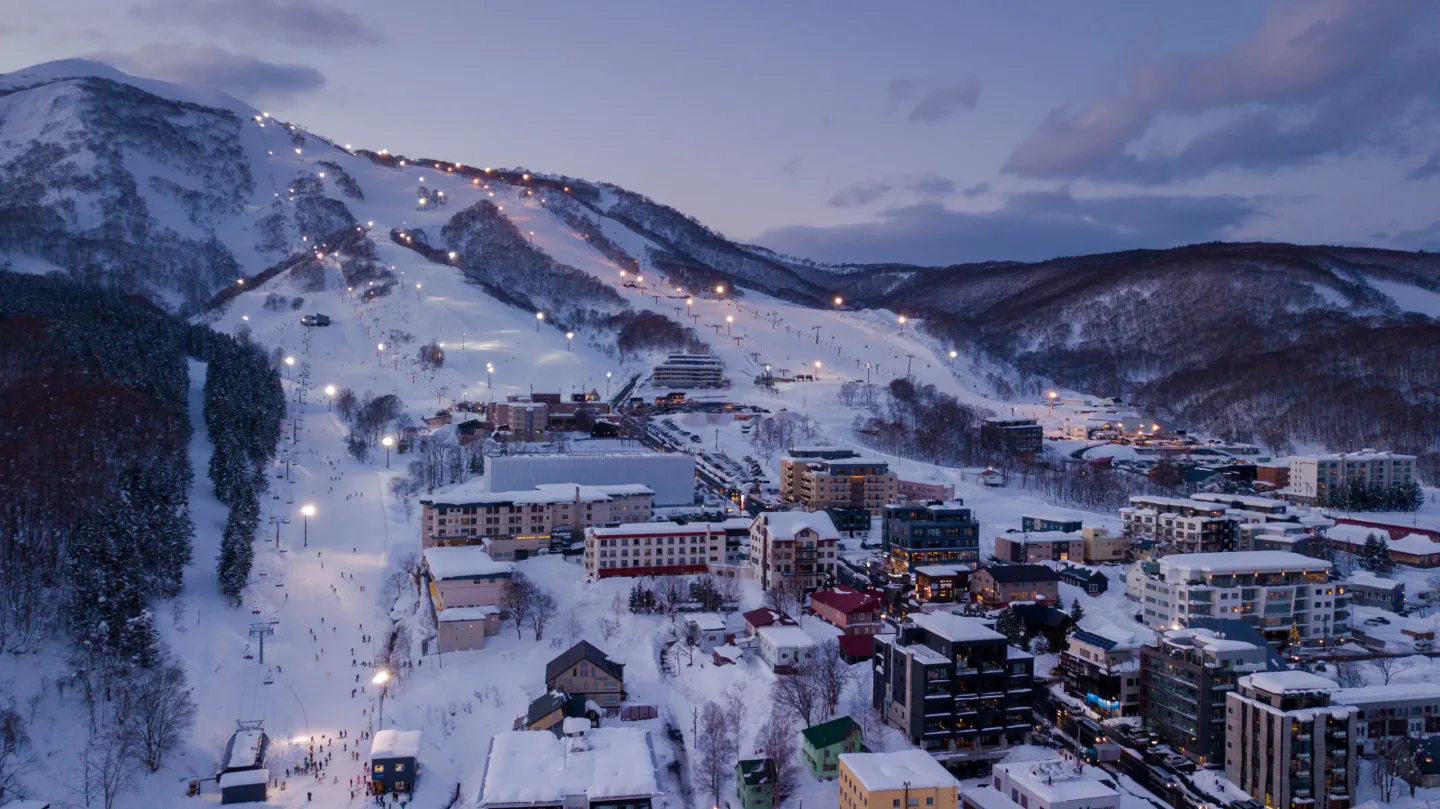
The best Hokkaido ski base depends on the parts of the holiday that repeat. Niseko gives a mixed group the widest choice of ski areas, restaurants and services, but its villages require careful hotel placement. Furano makes a central-Hokkaido route and a two-zone mountain easier to manage. Rusutsu lets a family keep skiing, childcare and indoor backup largely within one resort. Compare the first morning from breakfast to rental pickup and lesson meeting point before counting trails. A hotel in the wrong village can make a larger mountain feel smaller.
The 2026–27 ticket picture is now clearer than it was when this comparison first appeared. Niseko has published All Mountain rates, Furano has posted its new season rates in Japanese, and Rusutsu lists 2026–27 tickets. The prices still describe different products and date bands: a Niseko pass crosses four areas, Furano's standard day covers its own two-zone resort, and Rusutsu sells both full-day and hour-based options. A single price winner would hide those differences. The lodging location and actual skiing pattern remain the main decision.
Start with the group and the route
| Trip shape | First resort to test | Reason | What could reverse it |
|---|---|---|---|
| Strong skiers, beginners and non-skiers together | Niseko | Four bases and a broad village lodging, lesson and dining ecosystem | The hotel sits far from the group's actual lesson and dinner area |
| Ski-first couple continuing through Biei or Asahikawa | Furano | Two zones and a slope-side hotel option fit the central-Hokkaido route | Nightlife or a large English-language service market matters more |
| Family aiming for low daily logistics | Rusutsu | Mountain, accommodation, nursery, onsen and indoor pool work together | Independent village dining and sightseeing branches are priorities |
| Only one or two ski days during a Sapporo stay | Reconsider a destination move | Transfers and repacking can consume much of the benefit | A specific family setup or slope-side morning justifies an overnight |
| Late November or early December | Keep the booking flexible | Snow and lift openings can differ from advertised season starts | Live mountain status shortly before travel changes the plan |
This table is a shortlist, not an instruction to change hotels every two days. A full ski block usually benefits from repeating an easy morning. The five-, seven- and ten-day Hokkaido routes show where a mountain stay fits without excessive backtracking. For a short Sapporo trip, skiing from the city versus sleeping at the resort is a better first question than comparing all three resorts' room photos. Rusutsu as a day trip or overnight stay narrows that case further.
Niseko: the widest set of answers for a mixed party
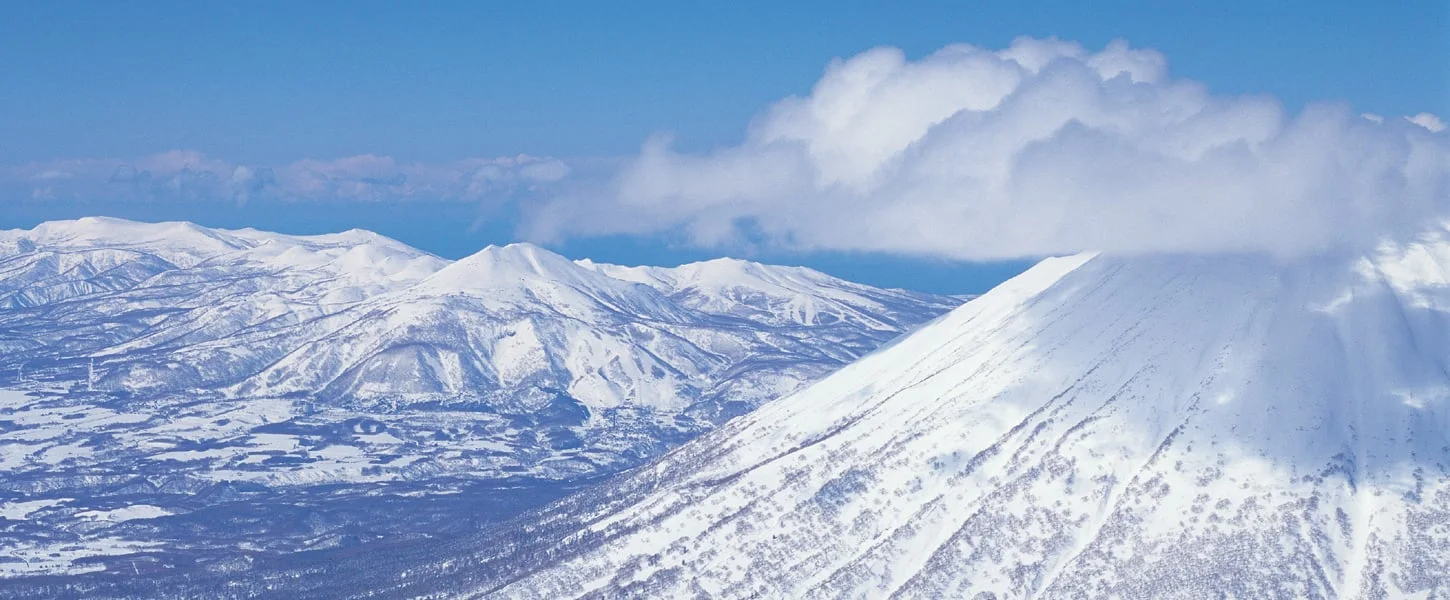
Niseko United links Annupuri, Niseko Village, Grand Hirafu and HANAZONO. All four are scheduled to begin their 2026–27 winter operations on November 28, subject to conditions, while their closing dates differ. Night skiing is planned from December 12 through March 22. This range lets an advanced skier change terrain, a beginner repeat a familiar learning area, and a non-skier spend time with cafés, hotel facilities or village activities. The advantage is choice; the cost is that the group must decide which choice it will actually use.
Before reserving a Niseko room, identify the lesson base, lift pass, equipment collection, shuttle stop and dinner area. A hotel described simply as 'Niseko' may be in a different village from the instructor's meeting point. A family based at a slope-front property in Grand Hirafu will plan differently from one at a HANAZONO hotel or an Annupuri ryokan. The four-area lodging comparison narrows that choice; the actual ski-in/ski-out hotel comparison checks whether a named room and its route deliver the ski-to-door morning the group wants.
A higher-capability skier can use the All Mountain network while a child remains on one lesson slope. That does not mean the group will meet effortlessly for lunch across four ski areas. Draw the day's route before paying for a pass that exceeds the party's reachable terrain. Niseko passes, rentals and lessons separates products that are easy to conflate. The three- versus six-hour lesson comparison helps a beginner family decide whether a room break is plausible.
Niseko also has the broadest evening choice here, particularly around Hirafu. It is still possible to choose a room that turns every dinner into an icy hill or shuttle journey. The Niseko food plan connects restaurants, lesson mornings and arrival-night backup to the accommodation district. If the group does not want to solve those village details, Niseko's variety may become a burden rather than a benefit.
Compare stays around Niseko's Hirafu base using the same ski dates and party size, then check the exact lift and lesson route from the selected hotel.
Furano: a simpler ski block on a central-Hokkaido route
Furano has Furano Zone and Kitanomine Zone, with 28 trails across the resort. The announced 2026–27 opening is November 28, tentative because snow governs the start. Shin Furano Prince connects directly to Furano Zone; a Kitanomine stay creates a different first-lift route. A skier who wants to wake, collect gear and reach a familiar zone without choosing among four villages may prefer this structure. Furano Zone versus Kitanomine is the room-location decision after choosing the resort.
The route is another reason. Biei and Asahikawa fit naturally around a Furano ski block. Moving west to Niseko purely for its better-known international name can use time that the trip needs for the central-Hokkaido stops. Three versus four Furano nights helps decide whether the mountain deserves another full day. A car-free party should also check the actual winter buses and rail changes, rather than reading a regional map as a promise of direct transport. The car-free winter route exposes that friction.
Furano's simplicity has a limit. A group that wants many English-speaking ski services, independent restaurants and nightlife every evening may find the town and resort quieter than expected. The mountain can be the better skiing choice and the weaker group-holiday choice at the same time. A small ski-first party is more likely to use its advantages than six travellers with different evening plans.
Compare Furano Zone and Kitanomine accommodation by first-lift route, not just nightly price; a slope-side room is a different product from a town-centre room requiring a daily connection.
Rusutsu: a resort day with fewer handoffs
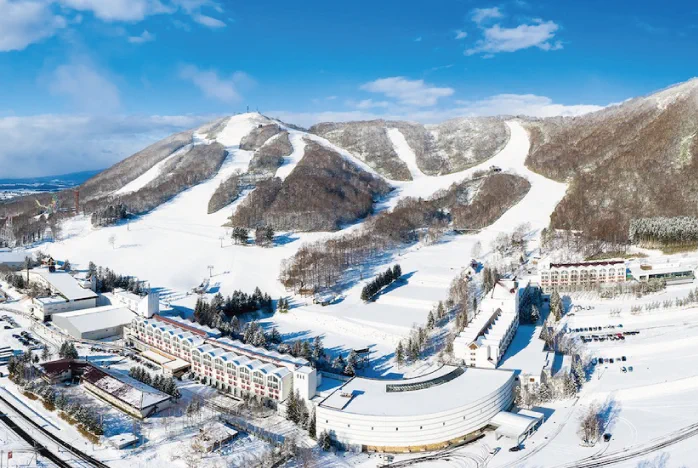
Rusutsu's skiing spans West Mt, East Mt and Mt Isola. Its family case is strongest off the piste: nursery services, onsen, indoor entertainment and a wave pool can give the non-ski hours a plan without a new village transfer. Pool access is included for eligible overnight guests, with exclusions for some property types, so the booked hotel's benefit should be checked rather than inferred from the resort name. If one parent skis while another stays with a child, that concentrated layout can be more useful than a longer restaurant list elsewhere.
A self-contained stay asks the group to enjoy resort life for several days. That suits a three- or four-night family block with lessons and indoor backup. Adults expecting independent nightlife or frequent side trips may feel confined. Niseko versus Rusutsu goes deeper into that specific trade-off. The hotel itself still matters: Westin, Resort Hotel and other room products do not have identical routes or included facilities, even though all carry the Rusutsu name. The Resort Hotel & Convention's 2026–27 winter stay window starts November 28 and runs through March 30; The Westin begins December 1 and also lists March 30 as the last stay date. A room package with a lift ticket needs to be compared with an equivalent room-only quote.
Rusutsu's 25-hour lift ticket is also unusual. Its hours can be spent in one-hour increments rather than only as a run of full days, which may suit late starts, weather breaks or parents alternating ski time. The ticket is personal and cannot be shared between guests. A five-hour ticket is a different product: it runs continuously from first gate use. Choose the product from the party's actual ski schedule. Hotel packages that include tickets should be compared with the equivalent room and pass separately, so an apparent discount is not counted twice.
Compare rooms around Rusutsu Resort with each property's pool, nursery access, meals and mountain movement checked for the dates that matter.
The 2026–27 lift prices are published, but the tickets differ
| Resort and product | 2026–27 adult price | Applicable period or condition | Decision note |
|---|---|---|---|
| Niseko United All Mountain 1 day | ¥13,500 peak; ¥12,600 regular; ¥8,800 early/spring | Separate published season bands | Use only if the party needs the four-area pass |
| Niseko United All Mountain 3 days | ¥39,500 at peak | Peak-season adult ticket | Check consecutive-use rules and the actual itinerary |
| Furano 1 day | ¥9,000 standard general adult; ¥7,500 early or spring | Standard Dec 5–Mar 22; early Nov 28–Dec 4; spring Mar 23–May 5 | Member and other ticket categories have separate prices |
| Rusutsu 1 day | ¥16,700 at counter; ¥13,200 online | Regular Dec 19–Mar 14 | Online purchase differs materially from counter price |
| Rusutsu 25 hours | ¥39,000 at counter; ¥36,000 online | Personal ticket used in one-hour units | Useful when full days will be interrupted; not shareable |
These are adult ticket examples at the checked date, not a total ski-trip budget. Niseko's online day-pass system advertises an average discount of about 5%, but its first card costs ¥500, and online purchases are non-refundable. The pass begins when it is scanned at a lift gate or for the Niseko United Shuttle; using it for the bus can start the ticket's hours or days before skiing. Furano's Japanese winter page now gives current prices even though some English pages still show last season's figures. Rusutsu's current ticket page now names 2026–27 dates and rates, replacing the previous 'last year' notice that appeared in the older article. Prices, online discounts and sales windows are capable of changing; compare the exact product and date before payment. Hotel, lessons, rental and transfer can exceed a small pass-price difference.
Which base makes the first lesson day easy?
For beginners, trail count is a weak proxy for Day 1. A novice has to collect boots, find lockers, meet an instructor and learn where to eat. Before buying a hotel room, trace breakfast to rental, rental to lesson desk and lesson finish to a safe familiar run. Ask whether gear can be collected the previous evening, whether a non-skier can reach the meeting point without buying a pass, and whether the child can repeat a gentle route after the lesson. Those practical answers can outweigh a resort's largest mountain statistic.
Niseko has the most service choices but can create the most base-area decisions. Furano can simplify the chain when the room is beside the intended zone. Rusutsu can simplify the whole family day if hotel facilities cover the non-ski hours. A child who tires after three hours makes room access more valuable than the itinerary assumed for an all-day adult skier. Non-ski winter activities give companions a separate reason to choose the region, while an indoor pool or village café can solve a smaller daily need without a long excursion.
A ski-first couple can begin by comparing Furano's slope-side rooms with Niseko's most convenient base. A family with a beginner and a non-skier should put Rusutsu's childcare and indoor facilities on the same sheet as its mountain. Four adults with different skills who want nightlife will often make better use of Niseko, provided the chosen Hirafu or other village address does not create a nightly transport problem. For an Asahikawa–Biei–ski–Sapporo week, Furano's route position deserves more weight than a small difference in lift tickets.
Put the airport journey on that same sheet. A family arriving with skis, two children and a late flight may value a direct booked transfer more than a small daily pass saving. A central-Hokkaido itinerary can reach Furano via a different rail and bus chain from the western routes to Niseko and Rusutsu. No resort name by itself tells you where a coach will leave you relative to the hotel's gear room. New Chitose to Niseko transport shows the western route choices, while winter driving in Hokkaido makes the car option a weather and skill decision, not just a map shortcut.
The total cost should include guests who do not ski. A non-skier avoids a lift pass but may still need a shuttle, paid activity, meal or warm place to spend the day. Parents alternating lessons and childcare may use only a few ski hours each. This is where Rusutsu's personal 25-hour ticket could change the arithmetic, provided the adults buy their own tickets and the facility access matches the selected hotel. Niseko's broader village can supply more independent choices, but a costly transfer between a remote room and those choices can erase that benefit. Furano's quieter evening can be a strength for a couple that expects to eat early and ski hard the next day.
Early-season snow and short-trip moves
Niseko's four areas publish November 28 starts, Furano calls that date tentative, and Rusutsu also plans a late-November opening. None can promise that every slope or connection will operate on the first morning. For a late-November or early-December trip, favour accommodation and transfer terms that tolerate a changed ski day. Use live snow and lift status close to departure, then decide whether the first day is for skiing, rental fitting or a different activity. A promotional opening date does not turn weather into a fixed service.
Moving between two of these resorts during a short trip can lose one morning to packing and transport and another to learning the new mountain. Add the second base only when it creates enough ski time or serves a different part of the group. Sapporo versus Niseko nights is the more useful comparison if a city stay is already planned; Niseko versus Furano narrows a western-versus-central-Hokkaido choice.
Choose the resort whose ordinary morning works for every member of the party. Once the base is fixed, compare the exact hotel-to-lift route, childcare or non-ski plan and the full cost of the ski days. The mountain with the most named features will rarely compensate for a repeated transfer the group dislikes.