
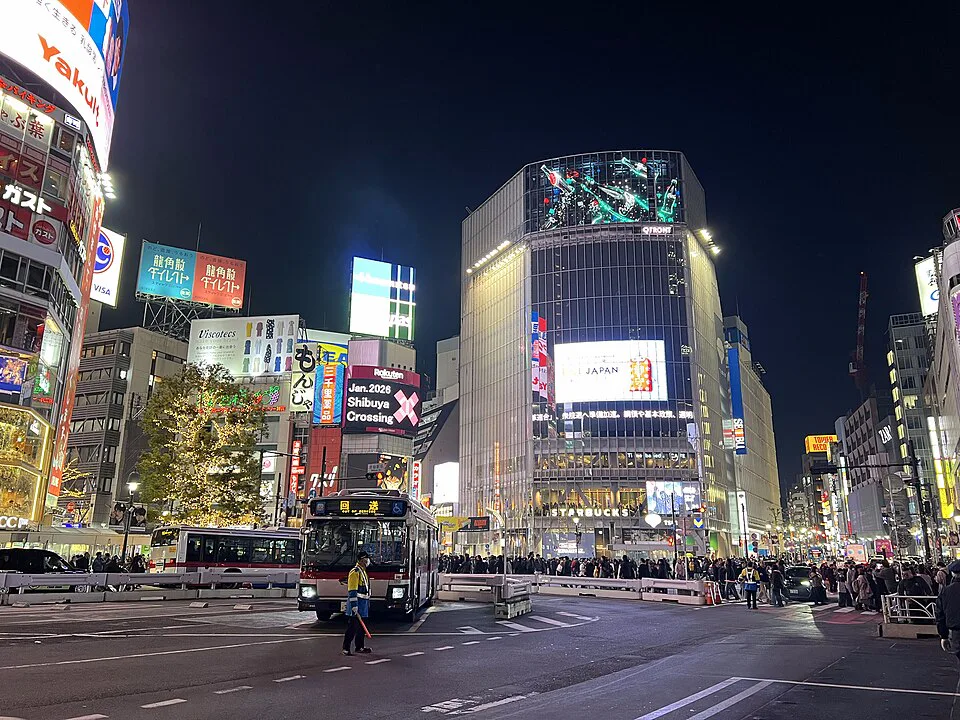
Tokyo can fill three days before a visitor buys a single attraction ticket. Asakusa, Ueno, Shibuya and Shinjuku each expand with the time given to them; a museum, theme park or timed exhibition can absorb the rest of a day. Counting 40 pins on a map is a poor way to decide what to book. I would start by giving each sightseeing day one geographic area and one experience that matters most, then add nearby stops only while they fit.
Three full days can support an East Tokyo day, a West Tokyo day and one flexible day for a personal priority. With a fourth day, a theme park or day trip becomes easier to add. Five days allow both, provided the extra stops do not simply repeat a view, a temple or an indoor attraction already covered. This is a choice about time and energy as much as ticket prices. Arrival and departure days require their own calculation because luggage and airport travel reduce the usable window.
| Time in Tokyo | Protect first | Reasonable addition | Easy cut |
|---|---|---|---|
| Three full days | East and West Tokyo, plus one personal theme | One of Disney, a Tokyo Bay block or a day trip | Second observation deck and extra excursions |
| Four full days | East, West and a flexible Central or Bay day | One complete theme day or one excursion | Disney and a long day trip on top of every city zone |
| Five full days | Core zones, a theme day and a slower block | One day trip with recovery time | Another distant trip with little Tokyo left |
| Family itinerary | One manageable area each day | Indoor Bay attractions when age and weather fit | Evening journeys across the city to catch up |
| Skyline-first trip | One deck at the light you want | A second only for a different view or weather function | Three decks chosen just because all are famous |
Give each large booking a share of the day
A ticket's headline duration leaves out the journey, admission margin, queues and the slower hour afterward. A museum described as two hours may fit beside a local park; a 90-minute exhibition across town can consume most of the afternoon if it has a fixed entry slot. My planning unit is the attraction block plus local transport, entry buffer and recovery time. If that total is roughly a third of a usable sightseeing day or more, treat the attraction as an anchor. Do not hide it inside an itinerary sentence that ends “and then.”
The table below is an editorial prioritization for a short first visit, not a claim that one person's interests should match another's. It weighs seven features: uniqueness (25%), nearby route density (20%), minimum useful time (15%), difficulty substituting the experience (15%), weather resilience (10%), booking resilience (10%) and flexibility after it (5%). The figures are intentionally conditional. Disney owns a day for a Disney fan; for a visitor indifferent to its characters and rides, its large footprint is a reason to skip it.
| Area or experience | Day ownership /10 | Why it earns room | When to reduce it |
|---|---|---|---|
| Meiji Jingu–Harajuku–Shibuya | 9.2 | Distinct settings on a compact western route with an easy evening extension | Shopping and nightlife hold little interest |
| Asakusa–Ueno | 8.9 | Traditional streets and museums can be adjusted to the available hours | Temples and collections are not trip priorities |
| Tokyo Disney Resort | 8.6 if wanted; 3.0 otherwise | The park size and date-specific ticket demand a proper theme day | It appears on the list only through fear of missing out |
| Marunouchi–Ginza | 7.6 | Flexible half-day near major transport and dining | East and West Tokyo already fill a very short trip |
| Toyosu–Odaiba | 7.2 with an anchor; 5.3 without | Good indoor density around a chosen exhibition or family activity | The only aim is a mall or bridge photograph |
| One long day trip | 6.0–8.5 by destination | Can add scenery or heritage the city cannot reproduce | Tokyo itself has only three full days |
As a second filter, delete jobs that have already been done elsewhere in the itinerary. SHIBUYA SKY, Skytree, Tokyo Tower and Tokyo City View all sell a skyline, even though each has a different setting. Borderless and Planets are different art experiences, but a short first trip rarely needs both. One deep museum per day is usually plenty; a Disney day is not an East Tokyo add-on. For old streets, choose whether Asakusa, Yanaka or a Kawagoe excursion best fits the journey rather than collecting all three labels.
| Role in the trip | Candidates | Useful constraint |
|---|---|---|
| One paid panorama | SHIBUYA SKY, Skytree, Tower, City View | Add a second only for distinct landmarks or an indoor rain option |
| Immersive digital art | teamLab Planets or Borderless | One is enough unless art is a central purpose |
| Major collection | National Museum, science museum, limited exhibition | Keep the half-day for the collection you really want |
| Theme day | Disney or a long Warner Bros. studio visit | Do not follow it with an ambitious cross-city checklist |
| Traditional streets | Asakusa, Yanaka, Kawagoe | Choose the route, not the most repeated label |
East Tokyo: decide how deep Ueno should go
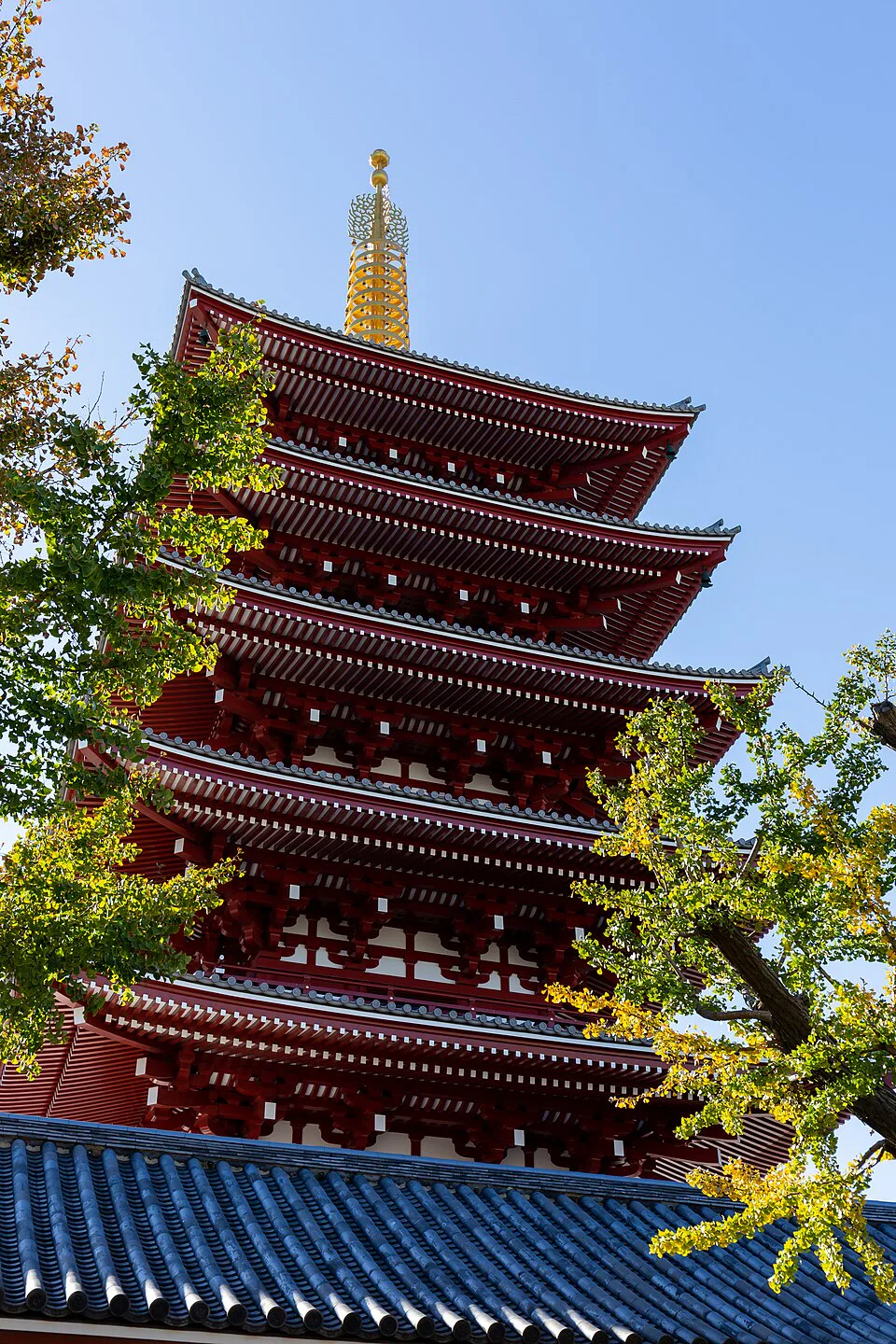
1. Senso-ji. For a first visit, the temple and its approach through Kaminarimon and Nakamise are a low-commitment introduction to older Tokyo. Admission to the main precinct is free, and the length of the visit can stretch with shopping, the Sumida River or lunch. It loses much of its usefulness when treated as a ten-minute gate photo before crossing the city. Older travelers and anyone who likes traditional streets can use it as a gentle morning. It also pairs naturally with Skytree, unlike Shibuya or Odaiba.
2. Tokyo Skytree. A paid deck here works best when Asakusa is already the day's base. The skyline then adds relatively little travel. If the plan already ends at SHIBUYA SKY near sunset, Skytree may be a second payment for the same job. Keep both only if observation decks themselves are a major interest or the eastern and western photographs are deliberate objectives. Skytree's booking priority is moderate compared with a fixed-hour sunset slot.
3. Ueno Park. The free park is less a sight to tick off than a container for the national museums, zoo, paths and nearby Ameyoko shopping. A light visit can fit after Asakusa. A serious museum visit changes the equation: allow that collection to own a half-day rather than promising to finish several in one hour each. The two Ueno museums below cater to different interests, and their cheap or moderate admission prices do not make the time free.
4. Tokyo National Museum. Japanese art and history reward two to three hours. The adult Collection Exhibitions ticket was listed at ¥1,000 in the source comparison; temporary exhibitions can require a separate decision. If this is one reason you came to Tokyo, book Ueno around it, then use the park and Ameyoko as flexible additions. If collections only mildly interest you, the museum need not sit in a rushed first-day route. The museum ticket guide separates the permanent collection from special-exhibition choices.
5. National Museum of Nature and Science. Dinosaurs, natural history and science can hold a family for three to five hours. The admission price is small relative to the hours it takes. That is good value for an engaged visitor and poor schedule design for someone entering simply because the museum is inexpensive. See the science museum time comparison before adding it to a day that already contains the National Museum.
6. Ryogoku Kokugikan and sumo. A Tokyo grand tournament is date dependent and harder to substitute than a staged visitor show. When no tournament overlaps the trip, morning practice and performance-style sumo serve different goals; the former may be closer to the sport, while the latter can be easier to schedule. Check the calendar first, then compare the three sumo formats. Buying a generic “sumo experience” without deciding what you want from it is an avoidable mistake.
7. Nezu Shrine. It fits a Yanaka–Nezu–Sendagi walk more convincingly than a stand-alone journey across Tokyo. The shrine has low booking pressure and is easy to cut if Senso-ji, Meiji Jingu and other traditional stops already occupy the trip. It becomes more useful when the neighborhood walk itself is the draw. 8. Rikugien. The garden justifies the journey for someone who wants a slower day, seasonal color or an evening illumination. With only three or four days and little garden interest, its fame alone is a weak reason to sacrifice another zone.
Central Tokyo: use the spare hours near the route you already have
9. Tokyo Station and Marunouchi. The station building, shopping streets and dining are easiest to enjoy on a Shinkansen, arrival or departure day. A visitor already staying nearby can turn a transfer into an architectural walk and dinner. Someone based in Shinjuku who crosses town only for a façade photograph has a weaker case. Compare Tokyo Station versus Shinjuku as a base if rail departures are shaping multiple days.
10. Imperial Palace Outer Gardens. This free historical and green-space stop works as an early walk or with a real interest in Edo Castle and imperial history. It is rarely a stand-alone half-day. Place it between Marunouchi and Ginza if the relevant access and opening calendar suit your date. 11. Tsukiji Outer Market. Go for seafood, tamagoyaki, dry goods or food shopping; the purpose is eating and buying, not completing a landmark. If knives and tableware are the aim, Kappabashi answers that need more directly.
12. Art Aquarium Museum GINZA. This is a designed goldfish-and-light installation, not a large marine-life aquarium. It can occupy an indoor hour or two within a Ginza shopping day. Anyone seeking tanks of sea animals should choose another venue. The Art Aquarium decision guide covers what the ticket actually buys. 13. Tokyo Tower. Its classic profile and its proximity to Zojoji and Shiba Park make a stronger area than the deck alone. If the only objective is a high view, compare it with the other observation decks before paying.
14. Zojoji. The temple is a free cultural counterpoint to Tokyo Tower and a walking link toward Shiba, Azabudai or Roppongi. It need not become another compulsory temple for a visitor who already has a full old-Tokyo day. 15. Tokyo City View. Its indoor 52nd-floor skyline and exhibition program offer a steadier weather option than an exposed roof. The exhibition matters to the value; do not assume every date offers the same package. Compare the deck views and rain trade-offs before scheduling more than one panorama.
16. teamLab Borderless. The experience has no fixed linear route; rooms change, and wandering back can reveal something new. Date-and-time tickets can sell out, so it has high booking priority once selected. A 90-minute photo sprint misses much of its design. Someone who prefers a more physical, water-based sequence may instead choose Planets. The two-venue comparison is the better first booking decision.
West Tokyo: leave room for the time spent browsing
17. SHIBUYA SKY. If a sunset panorama is the purpose, the timed admission becomes the day's immovable point. The current adult web price is ¥2,700 for entry by 14:59 and ¥3,400 from 15:00, with dates released roughly two weeks ahead. Paying for the later price band does not itself guarantee the light you want; match the slot to sunset on the actual date. Late arrival can be refused, while rooftop access depends on weather. It fits naturally after Meiji Jingu, Harajuku and Shibuya rather than after a full East Tokyo museum day. The sunset and weather ticket guide helps decide whether to prebook.
18. Meiji Jingu. The shrine grounds are free and sit beside the Harajuku–Omotesando route. They provide a change of pace from retail streets without asking for another train journey. For a traveler who already has Senso-ji, Nezu Shrine and several temple stops, it can be removed according to interest. 19. Shinjuku Gyoen. The garden is useful during cherry blossom or autumn color periods, and whenever a quiet daytime stretch would improve a busy Shinjuku day. It is a poor addition to a plan that reaches Shinjuku only for night dining.
20. Nezu Museum. Its exhibition, building and garden together justify the visit. It is a paid choice, so the current show should interest you; the building's Omotesando location alone is too little reason to enter. If the only need is shelter from rain, compare other indoor choices in the area first. 21. Warner Bros. Studio Tour Tokyo. Fans need a protected half-day. Standard adult tickets currently start at ¥6,600 and require a selected admission time. Visitors are asked to enter within 30 minutes of that slot, and missing it may mean no same-day replacement. Many visits run three to four hours before transport and shopping. The studio-ticket guide separates the fan case from a generic must-see list.
22. Chiikawa Park in Ikebukuro. Merchandise and interactive content make the timed ticket compelling to a fan. A companion without any connection to the characters may experience the same ticket and entry control as friction. Build an Ikebukuro shopping block around it rather than making the entire party cross Tokyo just for that visit; see the Chiikawa Park entry comparison. 23. Tokyo Dome City. Its strength is modularity: a baseball game, concert, Ferris wheel or family facility can be the anchor, with only the parts you want added. It need not compete as a full theme-park day with Disney or Yomiuriland.
24. ASOBono! This indoor play space is most useful when a preschool child needs to move around, particularly on a wet day. Its value is governed by age, nap timing and stamina rather than an adult attractions ranking. The Tokyo family guide by age compares choices for ages 0–3, 4–6 and 7–12. A family with a teenager or a couple without children would make a different use of the same Dome City area.
West Tokyo can look compact on a rail map, but Harajuku shops, cafés, Shibuya browsing and Shinjuku dinner each expand. I would place one timed item, such as SHIBUYA SKY or Chiikawa Park, then allow the retail streets to use the remaining time. This is why a western day can feel full even without a long museum. It also makes a late Shinjuku hotel base attractive for some itineraries, while a traveler leaving by Shinkansen the next morning may prefer Tokyo Station.
Choose a reason to cross to Toyosu and Odaiba
25. teamLab Planets. This is a bodily experience involving bare feet and wet areas. Anyone uncomfortable with that or unwilling to plan clothing around it has a real reason to choose Borderless instead, regardless of how photogenic Planets appears. For visitors who enjoy immersion, Planets should not be treated as a smaller copy of Borderless. Timed entry gives it high booking priority; the Planets visit guide covers clothing and wet-floor details. Adult admission now starts at ¥3,800 rather than the ¥3,600 shown in the earlier comparison; the date and available slot matter more than a historical starting price.
26. Tokyo Toyosu Manyo Club. The 24-hour bath facility is a deliberate slow-evening or recovery choice, not an automatic add-on to an overloaded sightseeing day. Its free Shinbashi shuttle ended after May 31, 2026. Since June 1, travelers from Shinbashi have been directed to Yurikamome or Tokyo BRT; the latter is described as about ten minutes to the area. Do not build a route around an old shuttle screenshot. The Toyosu onsen comparison can help decide whether the time in the baths is worth giving up another city block.
27. KidZania Tokyo. The role-play jobs appeal most when a child wants to participate actively. A few minutes spent watching does not capture the point, and treating the venue as a quick rain backup risks paying for a session without completing several activities. Protect a substantial block, then keep the rest of the Bay day soft. 28. SMALL WORLDS Tokyo. The miniature airport, EVA areas and changing day-to-night scenes reward patient watching. Someone indifferent to models can cut it, while an enthusiast may enjoy more than a wide photo. See the miniature-world review for the time trade-off.
29. UNKO Museum Tokyo. Plan roughly one or two hours of interactive, photo-driven entertainment rather than a conventional educational museum. Families and friends may find it an easy component of an indoor Odaiba half-day. A visitor expecting a collection with interpretation is shopping for the wrong type of attraction. 30. LEGOLAND Discovery Center Tokyo. This indoor venue becomes stronger when a child's age, the weather and a preferred time slot align. Adult-only visitors normally cannot enter without a child aged 15 or younger. Online advance booking improves the chance of the desired entry time; it is a family outing, not a generic adult sightseeing stop.
31. Tokyo Bay cruise or yakatabune. Dinner, seats and time on the water are what the product sells. For a pair who want illuminated waterfront scenery, a join-in cruise usually fits better than chartering a whole boat. A private yacht or traditional boat becomes more plausible with a larger group sharing the fixed cost. Compare meal and boarding details with the alternative of a land-based night panorama; a cruise is not merely a moving version of a rooftop photograph.
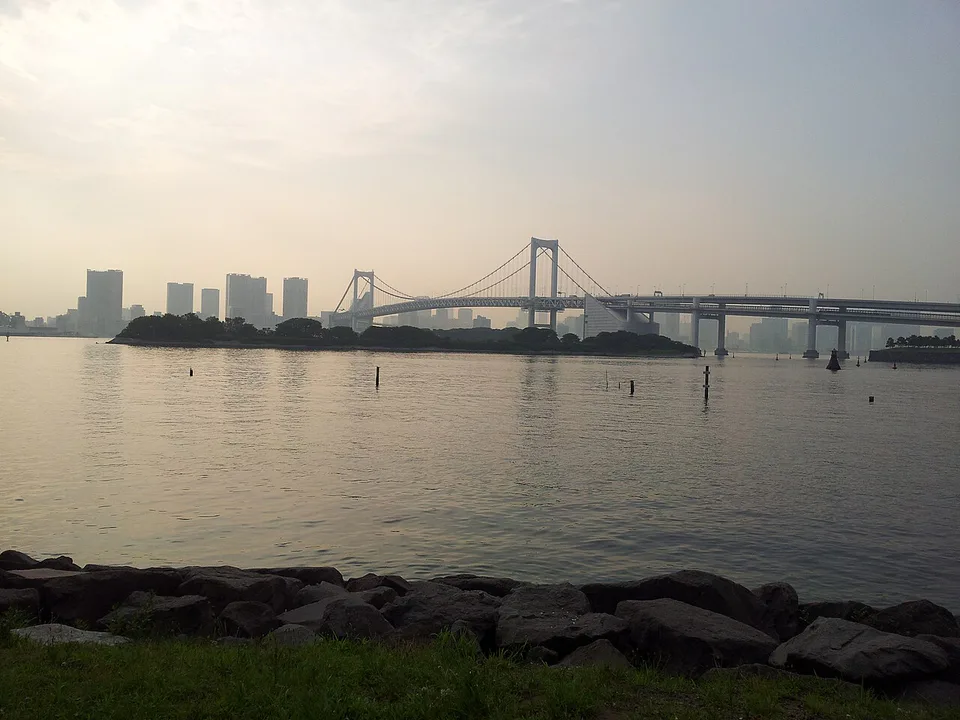
A single timed Planets visit can be followed by Odaiba food, shopping or waterfront time without another rigid booking. That is a sound Bay half-day. Crossing over because several pins appear near Rainbow Bridge is not. A useful hotel search should follow the activity and transport plan; use the Tokyo Bay and Ariake accommodation guide if a concert, family attraction or early Bay booking is dictating the base.
Theme parks and nature require a genuine whole-day choice
32. Sanrio Puroland. Characters, indoor entertainment and parades give the park a strong case for fans and families. The passport has had dynamic price changes for visits since August 1, 2026. Its Afternoon Passport begins admission at 14:00, so a lower price may cost the parade or character time that was the reason for going. Compare the actual day's program and the afternoon-ticket trade-off before calling it a bargain.
33. Yomiuriland. Rides, PokéPark Kanto, the seasonal pool or winter illuminations can justify the journey, but different family members may need different ticket coverage. The adult one-day pass has been listed at ¥5,900 for a stated 2026 season; the price can vary. Check height restrictions and the rides each person will actually use before giving everyone the same pass. A traveler interested only in evening lights may have a different ticket decision from a rider spending the whole day there.
34. Kappabashi. Two or three hours are well spent for someone shopping for knives, cookware or tableware. A traveler without a specific purchase mission can walk the street quickly and leave wondering why it displaced another part of Tokyo. If eating and food stalls are the aim, Tsukiji serves that purpose better. 35. Inokashira Park. Its paths provide the slower half of a Kichijoji visit, especially for someone staying west of central Tokyo. Crossing the city merely to collect another park has little appeal on a three-day trip.
36. Harmonica Yokocho. The compact lanes are an evening food-and-drink setting, so they work after Inokashira Park or Kichijoji shopping. A daytime visit solely to see the name on a map misses the timing. 37. Mount Takao. Hiking, autumn leaves and greenery are the reasons to make the journey. For many travelers it is a simpler nature day than organizing a chain of Mt Fuji connections. A visitor with only three urban days, unsuitable shoes or no wish to walk can leave it out without damaging the Tokyo plan. The Fuji day-trip decision explains the extra logistical commitment of that alternative.
38. Okutama. Rafting, canyoning or a chosen valley route can own a day. If the objective is only vague greenery, Takao is generally easier. An organized experience may bundle transport, and the price should be judged against doing the journey independently; see the Okutama tour comparison. It is not a spare two-hour stop after Shibuya.
39. Tokyo Disneyland. Classic Disney characters, the castle and park-specific rides make a proper full day. Tokyo Disney Resort sells date-specific park admission, typically opening sales at 14:00 two months before the visit. Inventory can close and later reopen. The adult one-day calendar has shown examples between ¥8,900 and ¥12,400 in 2026, but a visitor must price the actual date. The transport, queues and evening energy matter along with entry cost. Choose the park before deciding whether to buy two days; the Disneyland versus DisneySea guide starts with attractions rather than a default two-park plan.
40. Tokyo DisneySea. Its harbor setting, Fantasy Springs and thrill rides serve a different wish list from Disneyland's castle-led day. It is not a half-day version of its neighbor. With only one Disney day, list the non-negotiable experiences and choose the park that holds more of them. Two days make sense when both parks have several things the group would be disappointed to miss. The date and ticket comparison covers the second purchase decision; use the one-or-two-day split when both parks matter.
What to remove before adding a sixth or seventh Tokyo day
Start with duplicated views, not with a meaningful neighborhood walk. Then remove a day trip chosen only because it appears on a map, a second major museum on the same afternoon, and a theme park that no one in the group particularly wants. This may leave a quieter itinerary, but each paid booking has a clearer purpose. A Kamakura day trip, a Nikko autumn visit or a Fuji–Hakone route should add something Tokyo cannot offer, not serve as filler after every city area has been compressed. The four-, five- and seven-day route shows where the longer excursions start to fit.
For the first pass, I would choose East or West Tokyo for the arrival-adjacent day based on the hotel and airport route, reserve one full day for the group's strongest theme, and leave a Central or Bay block flexible. Only after that would I buy timed art, observation or park tickets. The Tokyo area map helps test that sequence; the three-, four- and five-day comparison shows what gets lost when another excursion is added. If the hotel base is still undecided, compare Tokyo Station and Shinjuku against the actual rail departures and late evenings. A room that shortens the busiest day may save more time than trimming one attraction from the list.
Compare hotels around Tokyo Station
Source record
Checked October 24, 2026: SHIBUYA SKY admission and weather rules; Tokyo National Museum collection admission; Warner Bros. Studio Tour ticket bands and arrival conditions; teamLab Planets admission; Manyo Club transport change; Yomiuriland ticket examples; Tokyo Disney Resort sales calendar. Prices and timed-entry availability vary by date.