
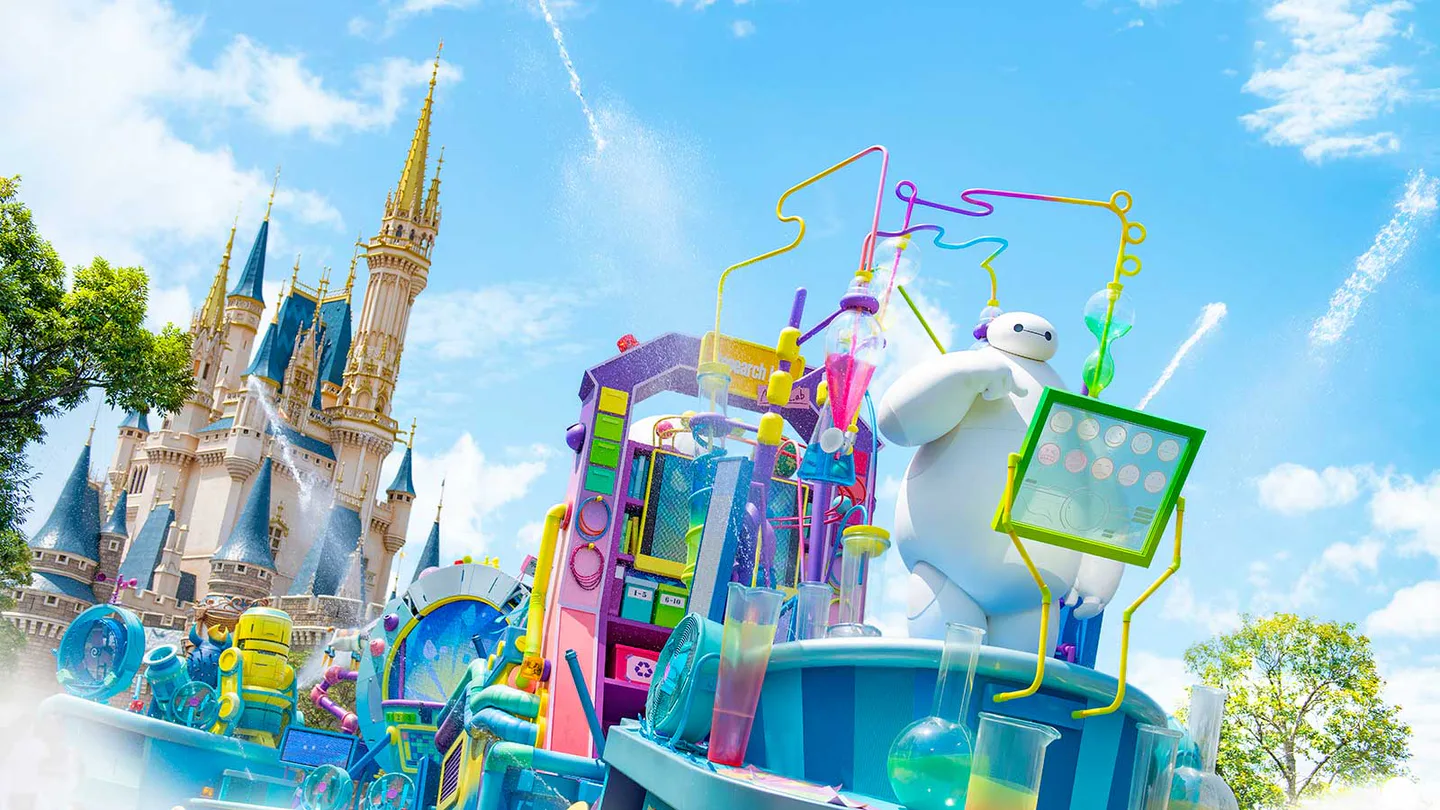
Tokyo DisneySea is my first choice for a visitor who has one park day in Japan and no fixed attachment to Cinderella Castle. The ports, waterfront setting, Mysterious Island and Fantasy Springs make the day difficult to recreate at another Disney resort. That answer changes quickly if your group came for Enchanted Tale of Beauty and the Beast, Pooh’s Hunny Hunt or the castle. Those are reasons to book Tokyo Disneyland, even when somebody else calls DisneySea the more distinctive park.
Start with the experiences your group would actually miss, then check the operating calendar and attraction closures for your date. A ride that is closed, beyond a child’s height limit or impossible to fit into your available hours should not decide where you spend a scarce Tokyo day. This comparison is about allocating that day, not ranking two parks by a universal score.
Choose by the experiences you would regret missing
| Your priority | Start with | What might change the answer |
|---|---|---|
| Cinderella Castle, Beauty and the Beast, Pooh and the familiar castle-park mood | Tokyo Disneyland | Your date removes several of those priorities from the usable day |
| Fantasy Springs, Mediterranean Harbor, Mysterious Island or a park atmosphere you cannot get elsewhere | Tokyo DisneySea | The most important attraction is closed or your group cannot ride it |
| One Disney day with no personal must-do | Tokyo DisneySea | A child or companion has a stronger Disneyland wish |
| A first Disney park for someone who expects the iconic castle | Tokyo Disneyland | The actual wish list is dominated by Frozen, Tangled or the Sea ports |
| Thrill-oriented older children or adults | Check DisneySea first | Height rules or temporary closures remove the chosen headliners |
| Several non-negotiable attractions in both parks | Two park days | Only one day is available; choose the park with the stronger personal priority |
A generic winner can still be useful as a tie-breaker. It should never override a named attraction that somebody in the group has waited years to see. If you need to decide whether the wider trip can spare a second park day, use the one-day versus two-day Tokyo Disney plan before buying admission. Two full days are easier to plan than pretending a transfer between parks has no cost.
What Tokyo Disneyland gives you that DisneySea cannot
Disneyland is the direct answer when the word “Disney” means Cinderella Castle to you. Its Fantasyland priorities include Enchanted Tale of Beauty and the Beast and Pooh’s Hunny Hunt; the park’s familiar layout and classic visual language may be exactly what a first-time Disney guest hoped to find. Familiarity does not make the visit redundant. It makes the outcome more predictable for a group that shares that expectation.
Beauty and the Beast is a particularly strong reason to avoid treating Disneyland as a consolation prize. If that single experience sits above your DisneySea choices, it can decide the park on its own. A castle photograph may carry similar value for a family trip or a once-only visit. Use the Tokyo Disney ticket decision to check the admission sequence once you have chosen the park; the ticket should follow the priority list, not create it.
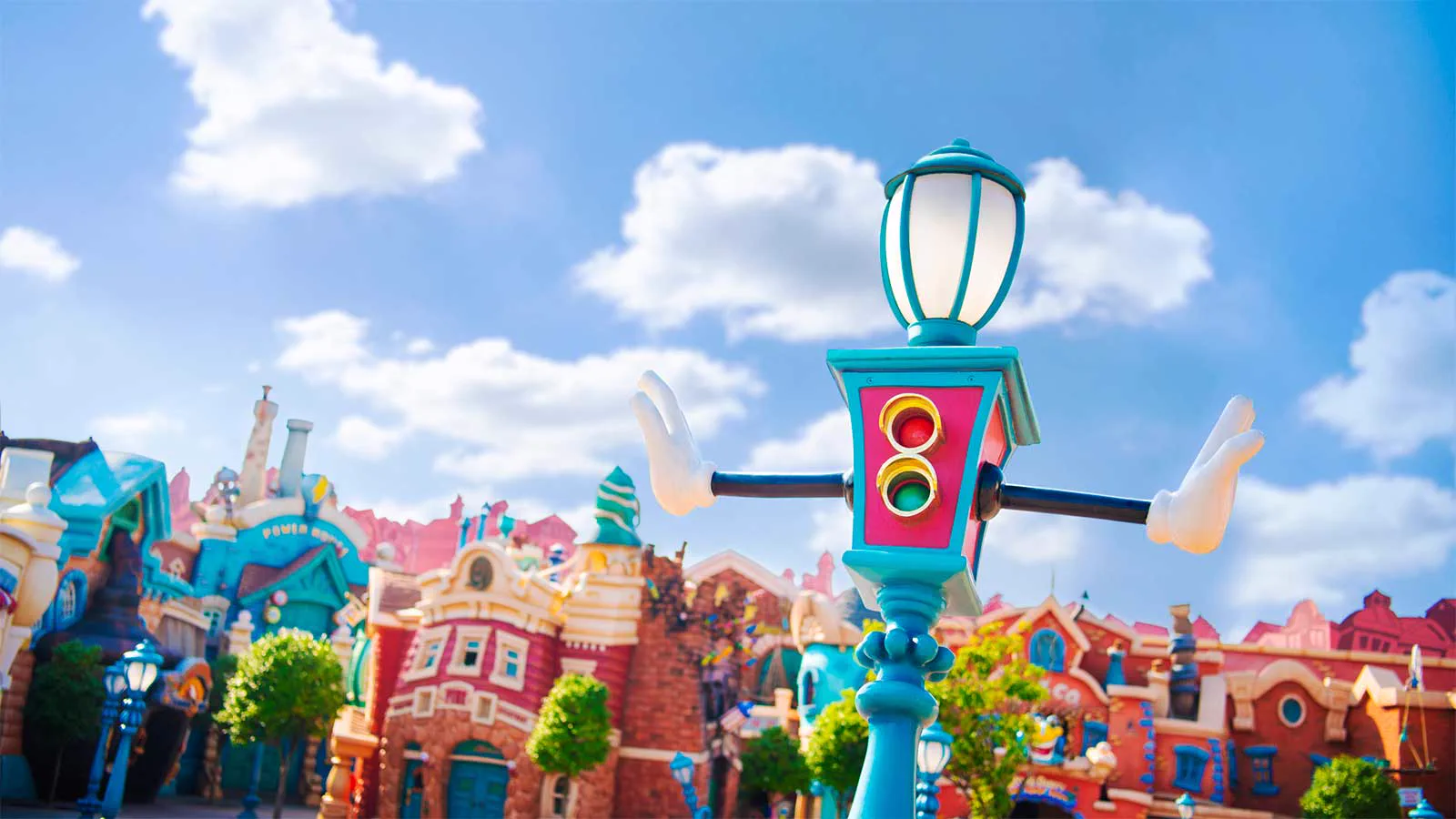
Disneyland also suits the visitor who wants recognisable Disney atmosphere throughout the day rather than a single thrill ride. You can slow down for the themed streets, photograph the castle and give children time to repeat a favourite attraction. That does not guarantee a quiet day; queue lengths and weather still govern the pace. It does mean you are spending the day in the setting that prompted the booking. If the decision includes an overnight stay, compare Disneyland Hotel and Toy Story Hotel separately from the park question. A room category should not substitute for deciding which park you want.
Why DisneySea wins my tie-breaker for one Japan day
DisneySea earns its default position through the whole environment. Mediterranean Harbor opens onto a broad waterfront, Mysterious Island builds its rides into a volcanic setting, and Fantasy Springs brings Frozen, Tangled and Peter Pan into a connected area. Even a guest who completes fewer rides than planned can spend meaningful time walking between these places. That makes the park harder to substitute with a castle-park visit in another country.
The case becomes stronger when your must-do list includes Anna and Elsa’s Frozen Journey, Rapunzel’s Lantern Festival, Peter Pan’s Never Land Adventure or Journey to the Center of the Earth. But the rides are not interchangeable. Someone who wants Frozen and Tangled for a child does not automatically want the thrill rides in Lost River Delta. Separate the atmosphere, family attractions and faster rides on your list. If you are allocating access products, read the attraction ticket versus Premier Access comparison after choosing the park.
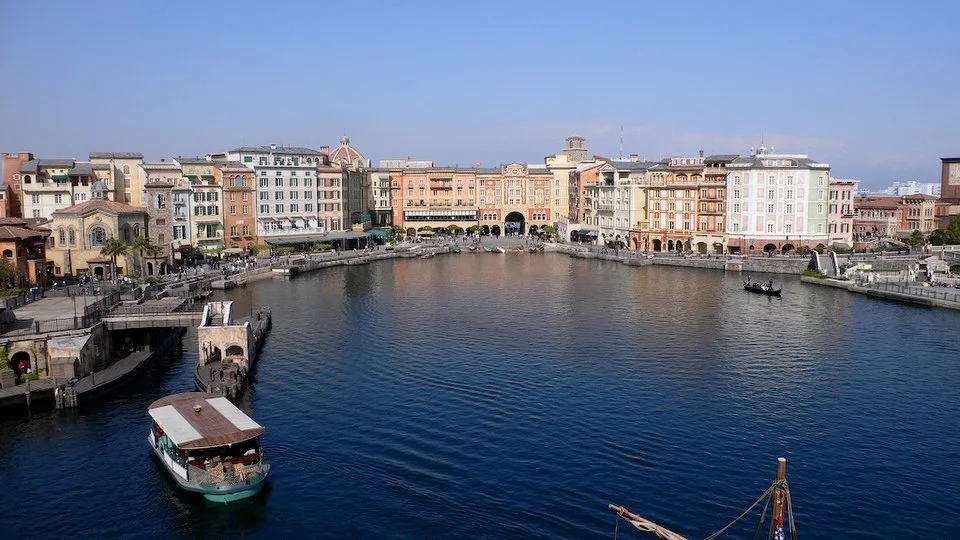
For visits through March 31, 2027, DisneySea’s 25th Sparkling Jubilee adds anniversary programming to the park. It is a relevant extra when the parks are otherwise tied; it does not rescue a day that lacks your group’s actual priorities. Program times and individual performance dates can change, so place the anniversary event around the core attractions rather than building the entire park choice on one performance.
Families need a boarding plan, not an age stereotype
“Disneyland for children, DisneySea for adults” hides the useful distinctions. A young Frozen fan can have a convincing DisneySea day, while an adult who loves Beauty and the Beast has a clear Disneyland reason. Ask each person for three experiences they would be disappointed to miss. Then check which of those experiences everyone can actually use. The resulting list is more valuable than a broad age label.
Some DisneySea thrill rides use a 117 cm minimum height; Raging Spirits and Indiana Jones Adventure are examples. Attraction pages also set other boarding conditions, and an apparently gentle attraction can still have a seating or posture requirement. Measure the child who is close to a threshold before you promise a particular ride. If one family member cannot board the attraction that supposedly justifies the park, compare the remaining attractions rather than assuming the group will happily split for hours. The family hotel guide deals with room capacity and bedtime logistics, which are a different decision.
A mixed-interest family can make either park work by ranking wishes honestly. If a child names Frozen, Tangled and the harbor while the adults have no strong preference, DisneySea has a clear mandate. If another child wants Pooh, Beauty and the Beast and the castle, one park cannot fulfil both lists. In that case, examine whether two park days fit; do not promise both lists inside a single-park ticket.
Use a three-must-do test before you compare every ride
Have each traveller name up to three things they would miss most. Those can be a ride, a land, a castle photograph or an evening atmosphere. Do not count activities added only because they are famous. Mark each item Disneyland or DisneySea, then check the strength of the wishes as well as the count. One deeply held wish can outweigh three casual suggestions. If nobody has a strong answer, use DisneySea’s distinctive environment as the tie-breaker.
Next, remove any item that fails the visit-date test. Compare the attractions with temporary closures and the daily operating hours. If a named experience is closed, revisit the choice with the remaining list. If a park closes unusually early on your only available date, decide whether the shorter day still supports its priorities. The Tokyo first and last day planner is useful when a Disney visit is squeezed between flights or hotel changes; the usable hours can be far shorter than the calendar day.
| Check before purchase | Why it changes the park decision | What to do |
|---|---|---|
| Three genuine must-dos per person | Shows where the group’s emotional value is concentrated | Choose the park holding the strongest priorities |
| Temporary attraction closures | A headline ride may be unavailable for the whole visit | Recalculate with that ride removed |
| Height and boarding restrictions | Not every family member can use every attraction | Check the individual attraction, not the park average |
| Park operating hours | The same ticket choice can provide different usable time | Compare the actual date for both parks |
| Travel from the hotel | A late arrival reduces the value of morning priorities | Plan the route and bags before the park day |
The date check is not theoretical in October 2026. DisneySea lists Indiana Jones Adventure closed through November 29 and Tower of Terror through November 5. Disneyland lists Cinderella’s Fairy Tale Hall closed from October 1 with no published return date in the current closure list. These entries can change, so they are examples of why the live closure list belongs in the booking decision. They should not be copied into a fixed itinerary for a later month.
The old 2026 Park Hopper is not a current one-day solution
The limited 1-Day Park Hopper Passport admitted guests from July 1 through September 14, 2026. During that period it required a starting park and allowed hopping from 11:00 a.m. That validity window has ended. Do not choose a starting park now on the assumption that the same product can be purchased for an autumn or winter 2026 visit. Check the ticket product actually on sale for your date before changing a one-park plan.
The expired product is still a useful reminder that a transfer consumes time. Leaving a park, taking the Resort Line, entering the other park and learning a new queue situation is not the same as obtaining a second full morning. If both parks contain several non-negotiable experiences, the two-day ticket choice and the split-stay timing guide are more relevant than searching for a past seasonal ticket.
Where you sleep changes the morning, not the park’s appeal
A park day often begins with a rail transfer and ends after tired children, shopping bags or an evening show. If you are choosing between a resort-area room and central Tokyo, compare the complete return route rather than only the inbound travel time. The Disney-area versus central Tokyo lodging decision shows when a short ride back is valuable and when one central base avoids unnecessary hotel moves. If you are already committed to a Disney hotel, hotel category differences matter more than a marketing label on a booking page.
For a family with four people and several bags, a room that accepts the group without awkward bedding is more useful than a small theoretical saving on the park commute. If DisneySea is the chosen park, MiraCosta versus Fantasy Springs Hotel makes the room and location trade-offs concrete. If you are keeping central Tokyo as a base, compare Tokyo Station and Shinjuku against the rest of the trip rather than selecting a hotel solely for the Disney day.
The park still comes first. A Tokyo hotel near a station cannot turn the wrong park into the right one, and a resort hotel does not make every attraction usable. Once the park and date are fixed, compare rooms around Tokyo Disney Resort for the number of guests, walking or shuttle route and return time you actually need.
Two examples where the default answer changes
Imagine two adults on a first Japan trip who have visited a castle-style Disney park before. Neither has a must-do ride, and they can devote one complete day to the resort. DisneySea is a sensible first choice because the ports and waterfront remain interesting even if a queue consumes the afternoon. If their visit falls before Indiana Jones reopens, they simply exclude it from the value calculation; they do not have to discard the whole park. A four-, five- or seven-day Tokyo itinerary helps confirm that the Disney day does not erase the rest of the trip.
Now imagine a parent travelling with a child who talks about Pooh and Beauty and the Beast every day. DisneySea may be more novel to the adults, but Disneyland holds the experiences that will define this family’s memory of the visit. The parent should check the ride status and boarding rules, then book Disneyland if those priorities remain available. If the child’s list instead centres on Frozen and Tangled, the same logic points to DisneySea. The choice comes from the child’s named interests, not a general rule about which park is “for kids.”
A third group may want both the castle and Fantasy Springs. The honest comparison is no longer which park is better: it is the opportunity cost of a second Disney day. The Tokyo whole-day attraction planner can show what that day replaces. A Fuji, Nikko or Kamakura day trip may matter more to this group than the second park, or it may not. Make that trade with the actual itinerary visible.
My park choice after the checks
When the wish lists are genuinely tied and there is one full park day, I choose DisneySea. Its physical setting gives an international visitor something less easily repeated. I choose Disneyland when the castle, Beauty and the Beast, Pooh or another classic-park experience is the reason the day exists. For a family, I decide only after checking the people who will actually ride and the attractions available on that date.
Before paying, verify the park calendar, closures and boarding conditions for the chosen date. If several strong wishes remain on both sides, price and schedule a second day instead of relying on the expired 2026 Park Hopper. Then decide the room and commute using the room-only versus Vacation Package timeline, the package-versus-hotel comparison and the route back to your base. Those choices support the park decision; they should not make it for you.