

A hotel near Tokyo Station makes most sense when a fixed long-distance departure or several central-Tokyo days will use it. Shinjuku earns its place when you will end several evenings in the west or leave for Hakone or Kawaguchiko from that side of the city. Neither district wins by having the grander station map. Before paying for four or five nights, mark the journeys you will make with luggage, against a booked departure, or after a tiring day. Those are the journeys a hotel address can change.
An early reserved Kyoto train and two heavy bags are a different problem from a relaxed cross-city ride after lunch. Repeated returns from Shibuya, Harajuku and Shinjuku can also outweigh one slightly cleaner airport transfer. If your days do not lean toward either side, widen the shortlist with the Tokyo neighbourhood comparison. This article is for the narrower choice between a central rail hub and a west-side base, once you know what the rest of the trip asks of you.
Match the base to the journeys you actually repeat
↔ Scroll table left or right
Your route pattern | Start your hotel search | Useful advantage | What could overturn it |
Early reserved Shinkansen with large bags | Tokyo Station | Less cross-city travel before a fixed Kyoto, Osaka or Hiroshima train | A late-morning train and several west-side days |
Several west-Tokyo evenings | Shinjuku | Shorter repeated returns when you are tired | Most nights actually end around Ginza, Nihombashi or east Tokyo |
Checkout followed by Hakone | Shinjuku | A direct Romancecar can simplify the westbound luggage day | Cases are forwarded and you continue west by another route |
Kawaguchiko overnight with your cases | Shinjuku | Convenient west-side bus and rail departure choices | It is only a small-bag day trip |
A single Disney park day | Tokyo Station has a modest edge | One Keiyo Line train to Maihama | A long hotel-to-Keiyo-platform walk or a strongly west-side stay |
Two full Disney days | Consider a Maihama-area split | Avoids repeated early and late city commutes | Only one park day is actually fixed |
Balanced east/west days with a large price gap | Choose the better hotel | Room size, breakfast, laundry or the final walk may matter more | One difficult fixed departure dominates the trip |
The train you cannot miss matters more than an average journey time
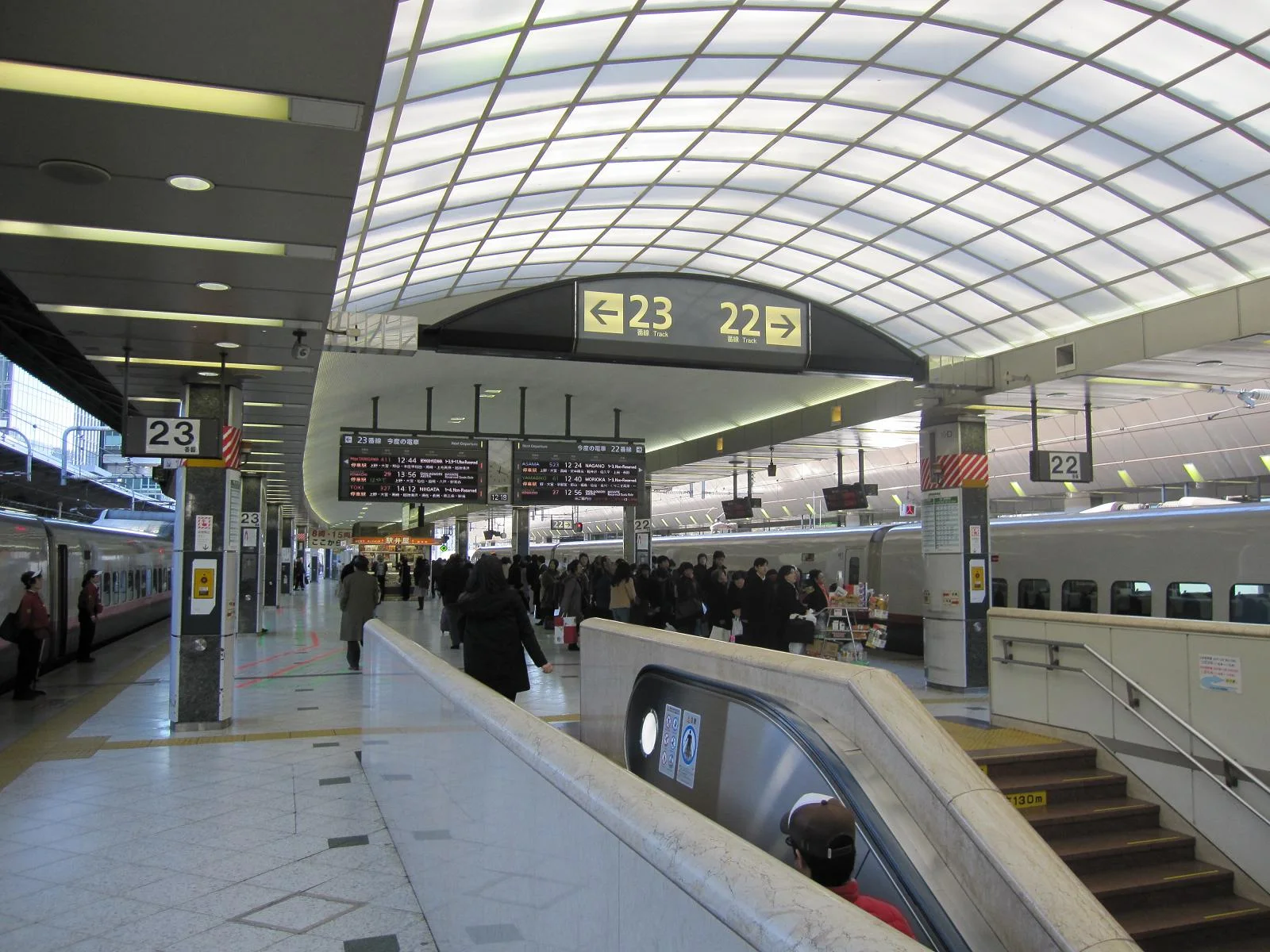
Tokyo Station removes a transfer on the morning you board a Tokaido Shinkansen for Kyoto or Osaka. From a hotel with a genuinely short route to the right gate, the luggage journey can be almost entirely on foot. Starting in Shinjuku adds a city train, station navigation and the risk of taking both steps during the morning peak. That simplification matters especially with a reserved early seat or a tight connection. If the onward route is still unsettled, map the wider Tokyo and Kyoto hotel split before buying a Tokyo address for a train you may take at a different time.
A Kyoto departure does not automatically justify several expensive nights by Tokyo Station. At midday you have room to move across the city; a single transfer may be manageable. By contrast, a five-night visit with four west-side evenings creates a small return penalty over and over. Compare the one journey with a fixed clock against the journeys you will repeat while tired. The answer changes with the actual departure time, bag count and evening map, not simply with the presence of a Shinkansen ticket.
Work out what the hotel premium buys over the entire stay
The nightly difference is easy to understate. If comparable rooms near the two stations differ by ¥3,000 a night, four nights produce a ¥12,000 gap. That is the amount to justify. It could buy a larger room, breakfast, laundry, a taxi on the difficult departure morning, or another improvement you would actually use. The comparison should use the same dates, room and cancellation conditions; a cheaper non-refundable room is not the same product as a flexible one. The Tokyo budget-hotel comparison shows why a lower room price can be cancelled by repeated transfers.
Paying the extra ¥12,000 solely to remove one ordinary train ride to Tokyo Station is hard to defend for a traveller with a small bag and a midday train. The same premium changes character if the hotel also shortens two Ginza or Nihombashi days, reduces several returns from east Tokyo and avoids moving large luggage before an early Shinkansen. Think in uses across the stay, not in minutes on a single map screenshot. The arrival and departure day plan helps separate genuinely usable hours from a transfer that only looks short on paper.
Divide the total price gap by the awkward movements the more expensive base removes. It will not give you a universal yen threshold, because a family with a stroller values the same transfer differently from a solo traveller. It does reveal when the sales pitch rests on a movement you will make once, while the hotel premium is charged every night. If the cheaper hotel has an easier final walk from the platform, even a central-location advantage can disappear.
Central and east-Tokyo days make the Tokyo Station case stronger
Marunouchi, Ginza and Nihombashi belong to the central side of this choice. Ueno and Asakusa are also easier to combine with an east-facing itinerary than a repeated west-to-east start. A Tokyo Station room therefore earns value when the sightseeing map already gathers in these districts. This is a better reason to book it than a general claim that the station connects everywhere. Use the attraction-area map to group your days before paying for a base.
Now put the evenings on the same map. If dinner, shopping or nightlife often finishes in Shibuya, Harajuku or Shinjuku, the hotel may sit on the convenient side in the morning and the inconvenient side when you want to stop travelling. A four- or five-night stay amplifies that return trip. The right question is which side you will cross more often, and at what time, rather than how many rail lines meet under the hotel district.
Narita can tilt an east-side search without making Tokyo Station the automatic answer. Ueno versus Shinjuku is a more useful comparison if airport access and east-Tokyo days drive the decision. Do not pay a Tokyo Station premium simply because it is a famous long-distance hub when another eastern base serves your real route more cleanly.
For Disney, count the walk inside Tokyo Station
The Keiyo Line reaches Maihama without a rail change, which gives Tokyo Station an advantage for one Disney day. The overlooked part is the station itself: the transfer from the conventional or Shinkansen side to the deep Keiyo platforms takes roughly 10–15 minutes on foot. The Tokyo-to-Maihama station route shows why a direct train is not the same as a short hotel-to-platform journey. Add the walk on both legs before calling a Tokyo Station hotel the easy Disney option.
Two adults carrying day bags may barely notice that extra corridor. A stroller, tired child, older relative or bags on a park transfer day make it a different calculation. A hotel advertised as five minutes from Tokyo Station may also face an entrance that does not shorten the Keiyo walk. Check the actual door, station entrance and platform route. The first train leg can be direct while the end-to-end journey remains tiring, especially after closing time.
One park day gives Tokyo Station a useful but limited bonus. Two full Disney days may be better handled by a Disney-area split stay, which can remove two long early or late commutes. Do not let a single Maihama journey overrule four days that otherwise finish in west Tokyo. Compare the whole park plan, including bags and the night you might move hotels.
Shinjuku pays off when the next leg leaves to the west
On suitable services, the reserved-seat Romancecar runs directly from Shinjuku to Hakone-Yumoto in as little as 75 minutes. The current Romancecar booking route is valuable because it can replace a transfer on a morning when you are also checking out. Shinjuku is likewise a practical starting side for rail and highway-bus departures toward Fuji and Kawaguchiko. If that westbound movement is a main leg of the holiday rather than an optional day out, the hotel base can simplify the day appreciably.
Ask whether your main suitcase travels with you. A Hakone or Kawaguchiko overnight immediately after Tokyo makes a Shinjuku checkout more valuable than a small-bag day trip. Forwarding the large case can reduce that advantage; so can a route that returns to the same Tokyo hotel. One excursion should not dictate four nights if every other day works better elsewhere. Use the Kawaguchiko–Hakone sequence to see whether these are separate day trips or a connected transfer. If the onward leg is time-sensitive, compare same-day luggage delivery with taking every case on the train.
Settle Hakone versus Kawaguchiko before buying a Tokyo hotel premium for a route that may disappear from your plan. The departure point only has value if you use it.
The last journey of the day can decide Shinjuku's value
When several nights end around Shinjuku, Shibuya, Harajuku or west-side restaurants, a Shinjuku hotel reduces the part of the day you are least eager to spend in transit. A 20–40 minute late return may sound modest once; repeated after long walking days, it becomes a real itinerary cost. Look at where you will eat and spend the evening, not only at the morning sightseeing entrance. A day-trip comparison is useful if you are balancing that evening pattern against an outside-Tokyo day. The Tokyo Dome concert-stay decision applies the same logic to a late finish elsewhere in the city.
Shinjuku's large network is not itself the benefit. The benefit comes from ending your actual days close to bed. If most nights finish in Shibuya, compare Shinjuku with Shibuya rather than assuming the bigger station must win. A base can have many routes and still require an extra ride from the place you repeatedly finish.
A station district is too broad: trace the hotel door
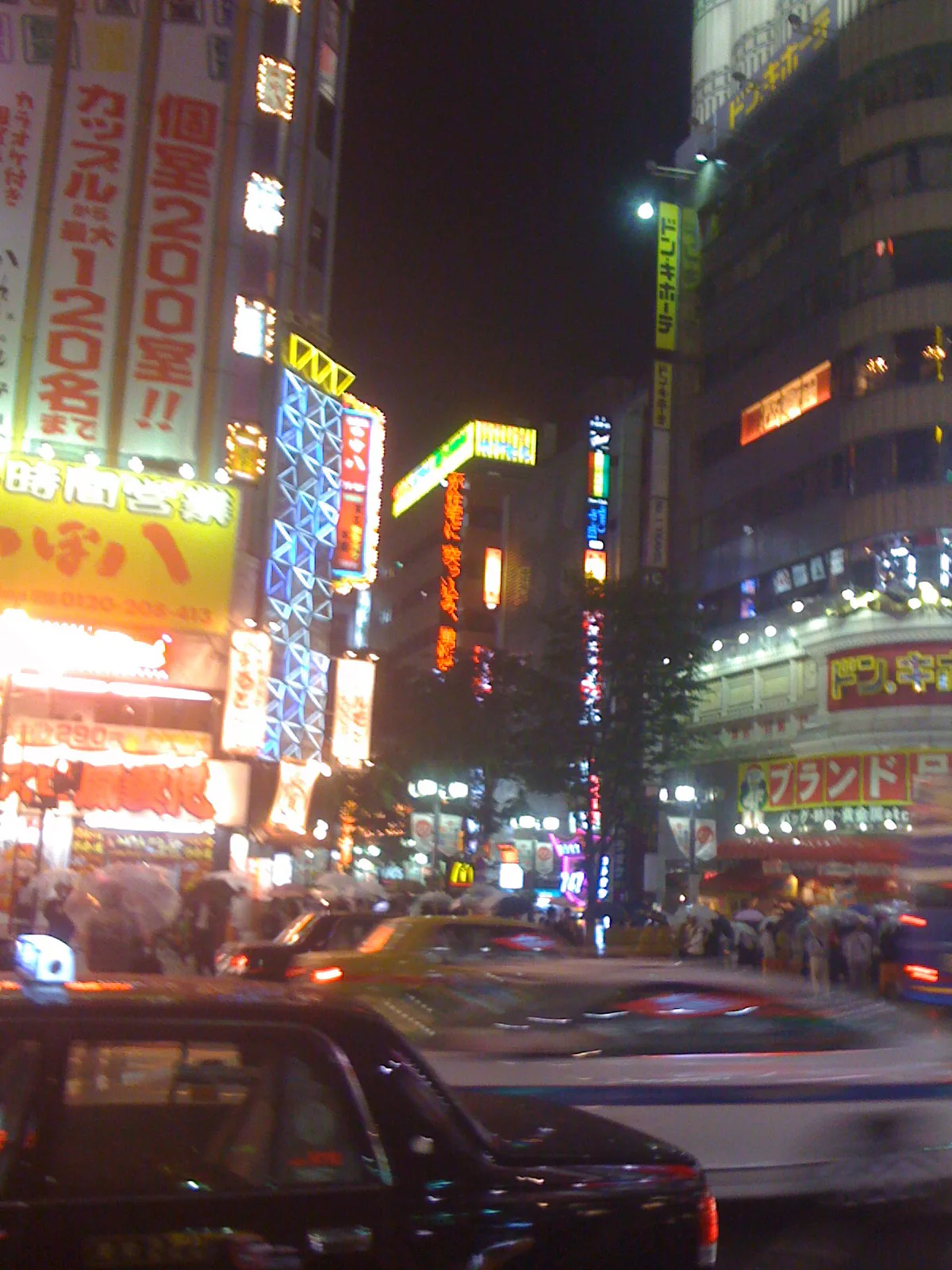
The phrase 'five minutes from Shinjuku Station' can describe different trips. A hotel beside the south exit and expressway bus terminal, one in Kabukicho and one near Higashi-Shinjuku do not present the same luggage route. Tokyo Station has a similar split among Marunouchi, Yaesu and deeper underground approaches. Compare the relevant exit for your departure platform, then check whether the final street crossing, lift or underpass changes the journey. A broad district label cannot substitute for the last 500 metres.
For older travellers, families and anyone pulling two large cases, rank that final walk above a tiny nightly difference. A lift detour or repeated underground crossing can consume the convenience a central hotel promised. If the bag is driving an otherwise poor hotel choice, look at sending or storing the suitcase before paying for several nights on the wrong side of town. The hotel should fit the sightseeing days as well as the one transfer.
Let airport access settle a close contest
Both districts offer workable routes to Narita and Haneda. The airport should decide the base when the journey happens at an awkward hour, a particular service suits your bags, or the hotel is exceptionally close to its actual departure stop. Otherwise compare the repeated city and onward-train movements first. The test is not whether the district can reach an airport; it is what your own hotel-to-terminal chain asks you to do with luggage.
A late landing or dawn flight may justify a different first or last hotel night. That is a smaller decision than making the entire Tokyo stay inconvenient to improve one airport movement. Price the separate night and the hotel change against the cost of the transfer it solves. If arrival leaves only a few usable hours, build that day around the airport and luggage realities rather than forcing a full sightseeing plan.
A simple way to count the trips your base removes
Put two marks beside each movement with a fixed time and luggage: an early reserved Shinkansen, a checkout followed by a Hakone departure with cases, or an airport trip before a normal breakfast. Put one mark beside each ordinary movement you repeat, such as a Shibuya evening, an east-Tokyo sightseeing day or a Disney commute. Count only the movements one hotel location genuinely removes. The marks are a way to make your itinerary visible, not a claim that every traveller experiences the same inconvenience.
Now total the marks for each possible base. A district that clears more of your troublesome movements deserves a closer hotel search. Do not treat the total as a final rating: a very early departure can matter far more than a routine evening ride for a particular family, and a room with a better lift or layout can reverse the choice. The exercise stops one impressive train-time claim from controlling an entire stay.
Suppose Tokyo Station removes the heavier travel burden but costs ¥12,000 more for four nights. A Shinjuku room may still be preferable if it is larger, has a shorter real walk from the platform or suits the evenings better. Check the price difference after room type and cancellation conditions match. Then make the trade-off openly, instead of assuming that a rail advantage settles the hotel product as well.
Make the reservation against your full route
Tokyo Station is the stronger starting shortlist for an early Shinkansen with luggage and a stay that already clusters in central or east Tokyo. Shinjuku grows stronger when the evenings and a westbound overnight departure use it repeatedly. Narita access, a single day trip or one direct train can influence a close call, but none should erase the other hotel nights. The Tokyo stay-length comparison can help if the number of city days is still unsettled.
Compare the total stay price on the same dates, the real walk from hotel door to the platform you need, and the number of times each advantage is used. If the answers remain close, choose the room that makes your most fragile journey easier without making every normal day harder. That fragile journey might be a reserved train, a luggage-heavy checkout or a late return with children. It is rarely the station with the longest list of rail lines.
Shortlist Tokyo Station-area rooms against Shinjuku-area rooms for the same nights and bed setup, then map each hotel door to the platform used on your fixed journey. The station label alone will not show the luggage route.