
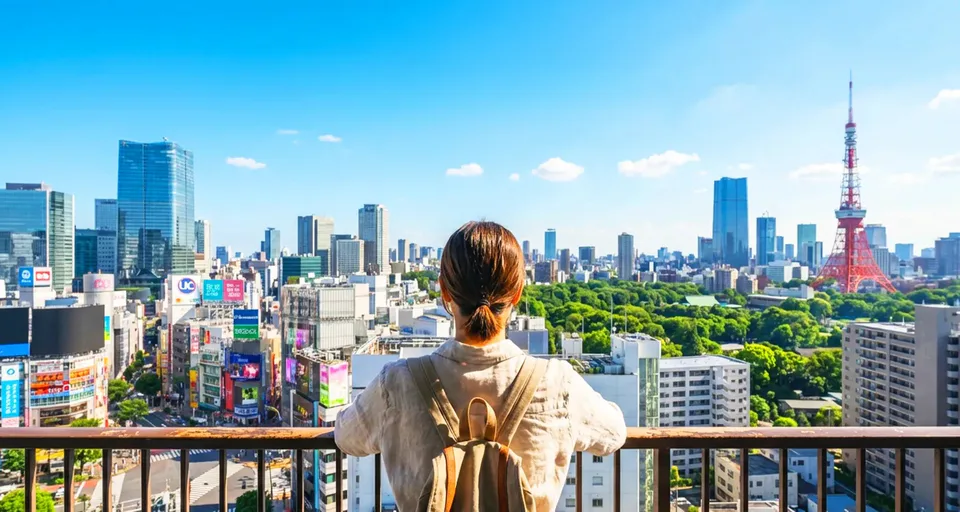
A trip out of Tokyo takes a place that could have been a Tokyo day. That matters most on a short visit. With three full days in the city, I would keep all three unless Fuji, Nikko or another destination is one of the main reasons for coming to Japan. Four days can absorb a lower-friction outing such as Kamakura, Kawagoe or Yokohama. Once you have five or more full days, it becomes easier to give one of them to a long rail journey and a less predictable mountain or heritage plan. Count complete sightseeing days, not arrival and departure fragments.
The five choices offer different payoffs. Kawaguchiko puts the mountain at the centre but relies on visibility. Nikko gives a marked change in architecture and religious sites, with more travel and local decisions. Kamakura can fill a day with temples, streets and coast. Kawagoe is a forgiving old-town break that can end early. Yokohama lets you keep a Tokyo morning and move to the waterfront for late afternoon and dinner. Decide which experience your Tokyo itinerary is missing before comparing fares.
Start with the day you can afford to give away
↔ Scroll table left or right
What you want from the day | First choice | Reason | When to rethink it |
Seeing Mt Fuji is a leading trip goal | Kawaguchiko / Fuji | Largest landscape difference from Tokyo | Poor visibility with no movable date |
World Heritage architecture and shrines | Central Nikko | Strong cultural contrast | You also want Oku-Nikko and Lake Chuzenji in one autumn day |
Temple streets plus coast | Kamakura | A connected full-day route | Temple fatigue elsewhere on the holiday |
An old-town break with low commitment | Kawagoe | Can be shortened without losing the day | You need a substitute for Kyoto rather than a small escape |
Waterfront dinner and night view | Yokohama | Works from mid-afternoon onward | You wanted mountains, rural scenery or temples |
Only three full Tokyo days | Stay in Tokyo | The city-day replacement cost is high | One outside destination is a top-three Japan priority |
How the five outings compare for a first visit
These scores compare the cost of replacing a Tokyo day with each destination. They account for how different the place feels, the door-to-door journey, exposure to bad weather or transport disruption, whether you can recover a half-day, cost and how easily a first-time visitor can build the route. A lower overall score does not rule out a trip that is one of your personal priorities.
Destination | Overall score | What lifts it | What limits it |
|---|---|---|---|
Kamakura | Coherent day with strong first-trip fit | Walking load and too many Enoden stops | |
Yokohama | Shorter access and an easy half-day | Less contrast with another large city | |
Kawagoe | Resilient transport and low failure cost | Less distinct if Kyoto already fills the route | |
Central Nikko | Heritage and a clear cultural change | Longer day; poor half-day recovery | |
Kawaguchiko / Fuji | Landscape uniqueness remains 10/10 | Visibility is the greatest gamble in this group |
Fuji's ranking illustrates the limit of any table. The mountain is the most distinctive landscape in this group, yet low cloud can erase the view you travelled for. Someone who came to Japan chiefly to see Fuji may still choose it first and keep the date flexible. Someone with one spare Tokyo day and no way to move a train booking may get a more satisfying result in Kamakura or Yokohama. The score is a trade-off, not a verdict on the scenery.
Price the Tokyo day before pricing the ticket
Start by identifying which Tokyo district or museum day disappears if you go away. Then add the round trip from your hotel, local buses or trains after arrival, and the chance that weather or congestion changes the result.
The full cost is the Tokyo day surrendered, door-to-door travel, the number of local transport decisions and the risk of a poor-weather or crowded outcome. A cheap pass covers only one part of that equation.
A ¥1,000 excursion ticket can still be a poor use of a four-day visit if it consumes the only full day reserved for Asakusa or Shibuya. Conversely, a longer rail fare can be justified when the destination supplies the experience you value most and the city itinerary has room for it. Use the number of full Tokyo days as the first filter, then compare the five trips.
↔ Scroll table left or right
Complete Tokyo days | How much space an excursion gets |
3 | Keep them in Tokyo unless an outside destination drives the trip |
4 | Choose one lower-friction Kamakura, Kawagoe or Yokohama outing |
5 | One long Fuji or Nikko day becomes easier to fit |
6 or more | Two different excursions can work when both are not high-risk days |
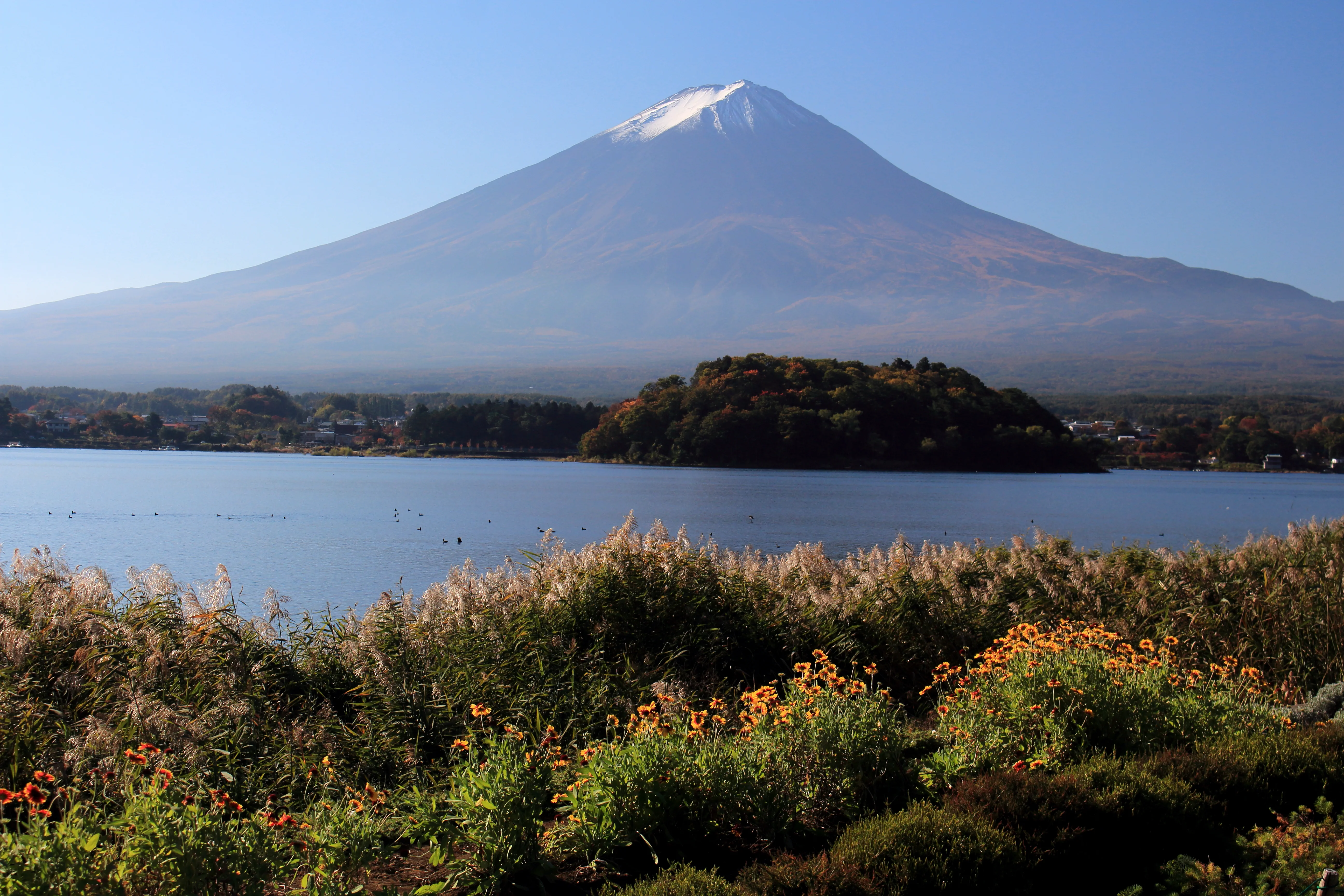
Mt Fuji asks for a movable day
The direct FUJI EXCURSION from Shinjuku to Kawaguchiko is listed at ¥4,200 one way and a fastest journey of about 1 hour 54 minutes on the 2026 timetable. A straightforward return is roughly ¥8,400 before buses, attractions or food at the lake. Check the direct-train timetable and fare for your date: the seat gets you to the area, while local stops still need their own route. Neither the train nor a tour can promise a clear mountain.
Put Kawaguchiko on a day you can swap if the view is central to the decision. When a poor forecast arrives and your booking allows a change, a Tokyo museum or shopping day is an easier substitute than a fixed sightseeing slot elsewhere. With only three full Tokyo days, a long outing and no flexibility, the weather risk is especially costly. If Fuji itself is the main trip goal, accepting that uncertainty may still be reasonable; the choice should be deliberate.
Choose this for the Fuji landscape itself. Reconsider when the forecast is poor, the date cannot move and the Tokyo schedule has only three complete days.
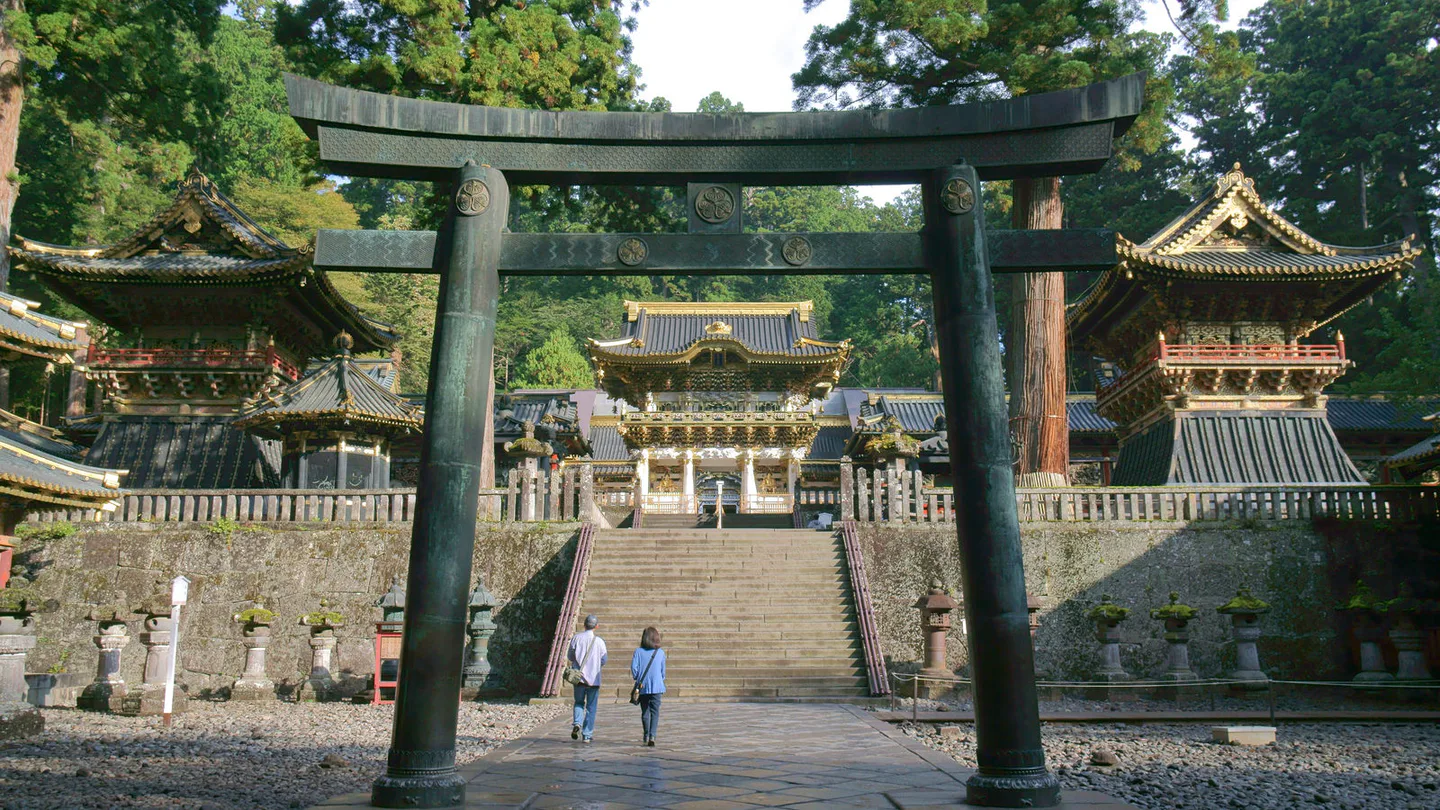
Nikko is strongest when the heritage core is the day
Tobu's direct limited express from Asakusa to Tobu-Nikko takes around 1 hour 50 minutes on suitable services. In central Nikko, Toshogu, Rinnoji, Futarasan Shrine and Shinkyo can become one connected World Heritage-focused route. It is a long day but the main sites share a coherent area. See the Asakusa–Nikko journey before attaching a second, distant nature circuit to the same timetable.
Oku-Nikko is a different proposition. Reaching Lake Chuzenji adds a road corridor that can congest badly during autumn foliage. The Akechidaira Ropeway is closed for renovation from 16 January 2026 through 31 August 2027, so it cannot be used as a 2026 viewpoint in an older route. The ropeway closure details are especially important if that stop was the reason for extending beyond the shrines. A lake-and-mountain day deserves its own plan and may justify sleeping in the region.
Choose central Nikko for temples and historic architecture. If your real aim is Lake Chuzenji and a wider Oku-Nikko nature circuit at peak foliage, consider an overnight rather than compressing it into a Tokyo return.
Kamakura gives the fullest all-round day
Temples, Komachi Street, Hase and the coast can form a continuous Kamakura day, with food and streets between the major visits. It also keeps more of its appeal under cloud than a Fuji-view trip: the horizon is not the only reason to be there. The trap is adding every Enoden stop because the railway makes them easy to name. Pick a small number of temple and coastal priorities so the afternoon does not vanish into repeated boarding and short photo stops.
The Noriorikun day ticket currently costs ¥800 for an adult and permits unlimited Enoden rides on its valid day. It can help when you genuinely plan several rides. Do not let the pass dictate the route; a simpler day with fewer stops can be more enjoyable even if individual fares are enough. The decision is whether temples and coast are missing from your wider itinerary, not whether you can maximise a ticket.
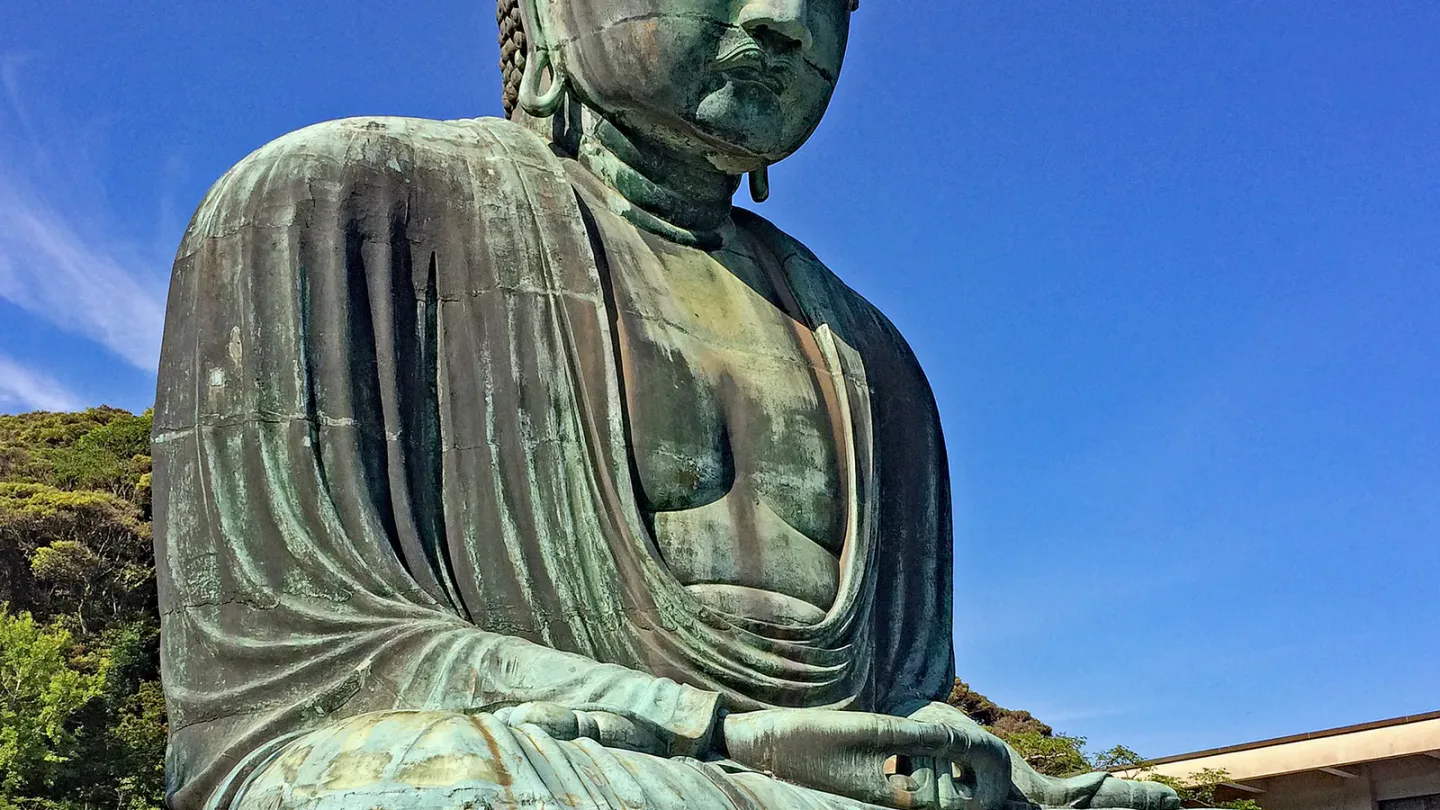
Choose Kamakura for a first excursion built around temples, lanes and a stretch of coast. Reconsider if your Japan itinerary is already dominated by temple days and you want a sharper contrast with Tokyo.
Kawagoe is a day you can shorten without losing it
The digital SEIBU KAWAGOE PASS remains ¥1,000 for an eligible adult international visitor, covering one return between designated Tokyo stations and Hon-Kawagoe. Limited express or reserved-seat charges are separate. The pass terms matter if you plan to upgrade the train. Kawagoe's larger advantage is recoverability: one disappointing stop or a late start does not ruin the outing, and you can return to Tokyo while the afternoon is still usable.
Go for the warehouse streets, Toki no Kane, Kashiya Yokocho, Hikawa Shrine and time in cafés. Calling Kawagoe a substitute for Kyoto sets up the wrong expectation: it is a smaller old-town change of pace. If Kyoto already occupies several days of the same holiday, ask whether you want another historic streetscape or a more different Tokyo excursion.
Choose Kawagoe when a four-day Tokyo trip needs one lower-risk change of scene. Reconsider when the Japan itinerary already gives you ample Kyoto time and you want mountains, coast or a major heritage complex instead.
Yokohama can start after a Tokyo morning
Yokohama Station is about 25 minutes from Tokyo Station, 16 minutes from Shinagawa and roughly 24–26 minutes from Shibuya on the routes listed in the Tokyo–Yokohama access guide. This makes it possible to keep the morning in Tokyo and shift to Minato Mirai, the Red Brick Warehouse and Osanbashi later. Dinner and harbour lights can be the finish rather than a rushed afterthought. Check the journey from your actual hotel, but the city does not have to consume a full sightseeing day.
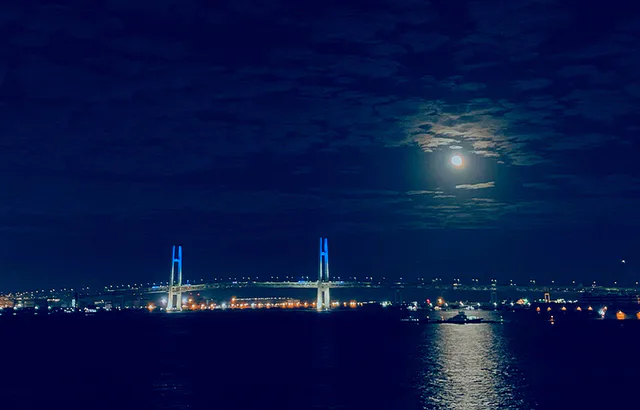
Choose Yokohama for an easy waterfront afternoon and evening. Pick another destination if leaving Tokyo is meant to deliver mountains, rural scenery or a temple-focused day.
A tour helps only when it removes difficult local connections
Kawagoe, Yokohama and a central Kamakura day are easy to adjust independently. Central Nikko can also be planned around a direct trunk journey and a connected heritage area. A Fuji tour can be useful when your wish list spreads among several stops and the public-transport version would require repeated low-frequency connections. Paying for transport alone adds little when a direct train and one local corridor already serve your priorities.
A useful threshold is three or more low-frequency local choices after leaving Tokyo: at that point compare a tour with the full cost of coordinating buses and stop times, not just the train fare. With one direct main journey and one straightforward local connection, independent travel usually preserves more freedom to cut a stop, move lunch or respond to weather.
Swap the trip when the conditions change
↔ Scroll table left or right
Condition | Trip most exposed | Better use of the day |
Low cloud or haze | Fuji views | Kamakura, Kawagoe or Yokohama |
Heavy foliage traffic | Oku-Nikko road circuit | Central Nikko heritage only |
Persistent rain | Fuji or a coast-heavy Enoshima day | Yokohama indoor stops or a Tokyo museum |
Start after 11:00 | Nikko or Fuji | Yokohama or Kawagoe |
Choose by the experience missing from Tokyo
With three full Tokyo days, keep the city unless an excursion is a core reason for the trip. On four days, Kamakura, Kawagoe or Yokohama can be added with less risk to the rest of the plan. From five days, Fuji or Nikko is easier to justify. Fuji buys a singular landscape but asks you to accept visibility risk; Nikko supplies heritage at the price of a longer journey; Kamakura is a broad cultural day; Kawagoe is easy to shorten; Yokohama can be only an afternoon and evening.
The strongest day trip is not necessarily the best-known name. It is the one that repays the Tokyo day you remove and still works under the forecast, opening hours and transport you actually have.
Related guides: Nikko autumn route · autumn day-trip alternatives · Kamakura in four days · Fuji tour trade-off · seven-day Tokyo route · Nikko overnight choice · Izu Oshima Day Trip or Overnight? Jetfoil vs Night Ferry From Tokyo · Tokyo to Kyoto or Osaka Same-Day Luggage Delivery: Is It Worth ¥13,200? · Mt Fuji Day Trip or Overnight: When an Extra Night Is Worth It · Kawaguchiko and Hakone transport
If several outings start from Tokyo, compare Tokyo hotel areas for your actual departure stations so the day-trip plan does not create a long transfer before every early train.