
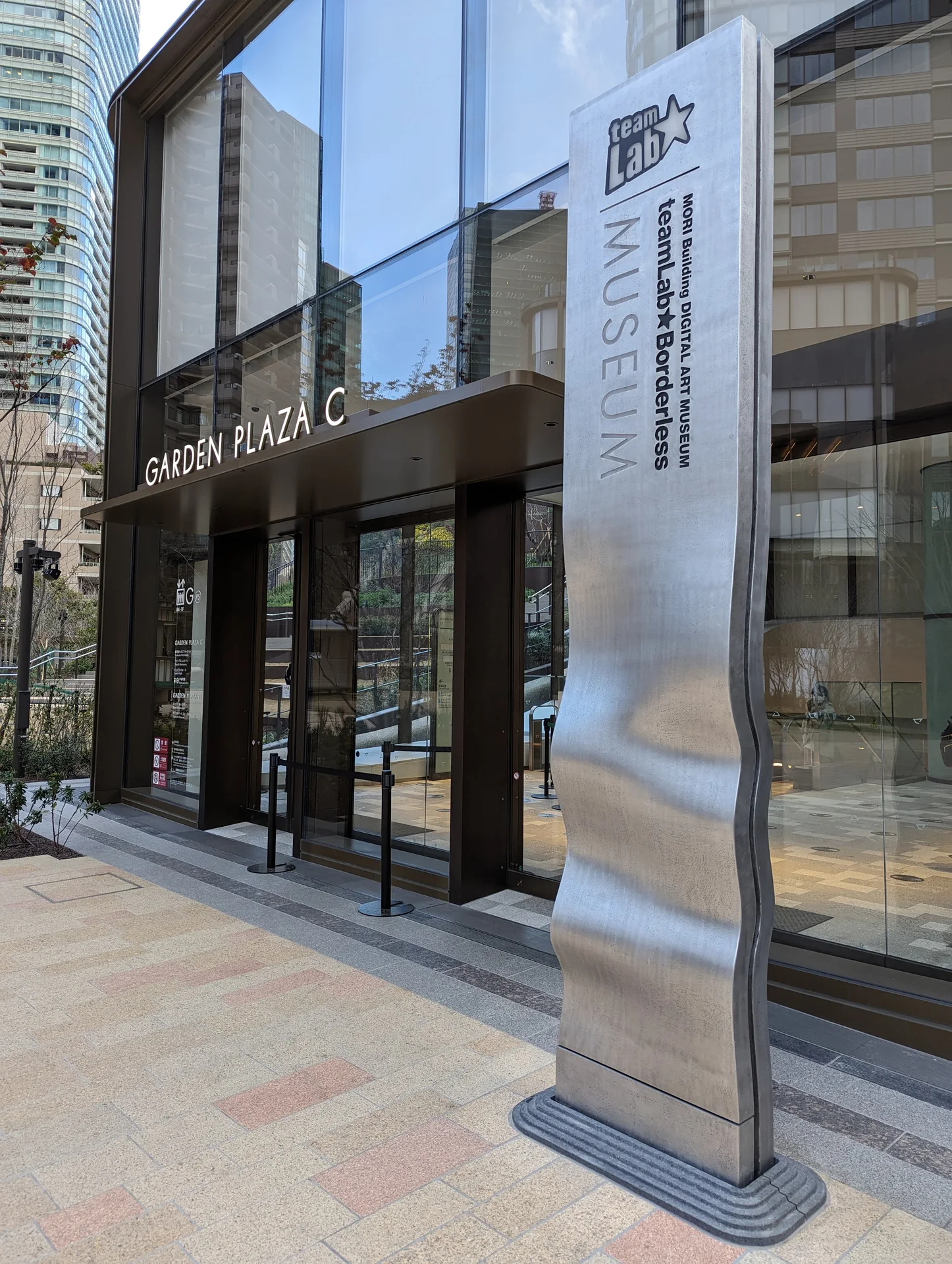
At teamLab Borderless, you do not follow a route to a final room. Images drift through dark spaces, a work may reappear somewhere else, and an unexpected doorway can be more interesting than the installation you came to photograph. That freedom is the reason to buy a ticket. It can also make a short visit frustrating for someone who wants a clear sequence. Adult admission currently starts at ¥3,400; the more important purchase question is whether you can give the Azabudai museum enough unhurried time to wander.
Set aside roughly two to three hours inside for a first visit, then add entry and the next journey. This is an itinerary allowance, not a museum time limit. A plan built around Azabudai Hills, Roppongi or Tokyo Tower absorbs the trip to the venue more naturally than a cross-city detour from an otherwise coherent day in Asakusa or Shinjuku. If only one hour is free, consider whether a selective look would satisfy you before booking.
The adult Entrance Pass uses a chosen admission time and date-dependent pricing. The ¥12,000 Flexible Pass removes the fixed arrival time for its selected date, but you still join the entry line. A standard booking with enough buffer usually makes more sense; Flexible is useful when a flight, intercity train or other commitment makes arrival genuinely unpredictable.
The visit works best for explorers, not completionists
| Visitor situation | Borderless fit | Reason | What changes the choice |
|---|---|---|---|
| You like wandering without a checklist | Strong | Art can cross rooms and reward an unplanned turn. | You need a clear start and finish to feel satisfied. |
| You have only 60–90 minutes | Usually weak | Entry and exit leave little time for discovery. | You accept a deliberately selective look. |
| Azabudai, Roppongi or Tokyo Tower is already planned | Efficient | The journey serves the whole district plan. | Another timed reservation makes the schedule too rigid. |
| You want teamLab without barefoot water | Choose Borderless | You can remain dry while exploring digital art. | The physical water sequence is your main interest. |
| A child dislikes darkness or intense light | Check the child’s comfort | Low admission cost does not solve sensory discomfort. | The child enjoys dark exploratory environments. |
| Someone needs predictable level flooring or access | Check specific works | Some spaces may have access limits or unusual surfaces. | Those works are not central to the group’s visit. |
Why this museum is different from a sequence of rooms
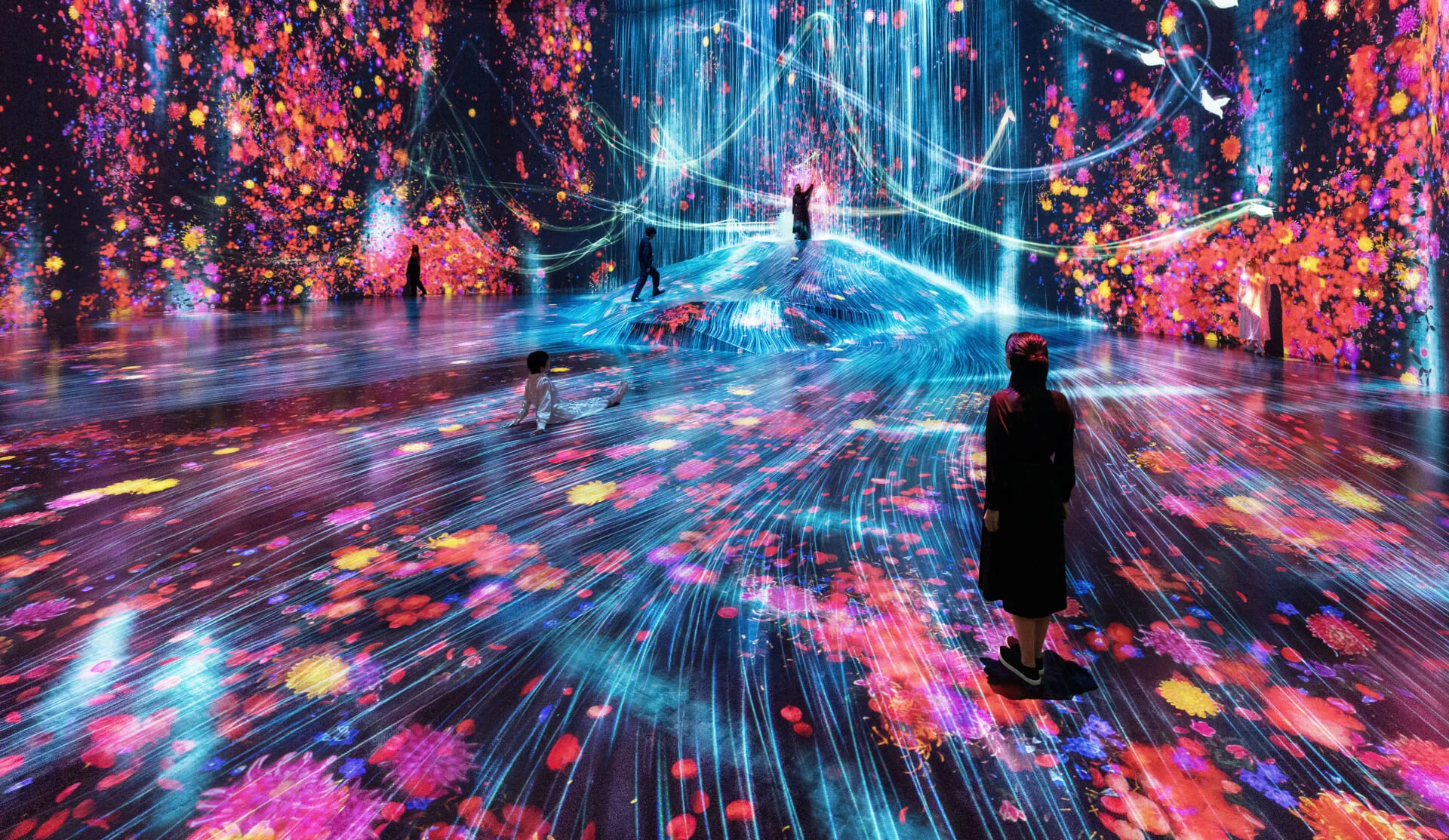
Price, travel time and crowd tolerance affect the decision, but the distinctive factor is how comfortable you are finding your own path. Borderless is indoors and well placed for a central Tokyo day; queues and changing light conditions can still alter what you see and photograph.
| Decision factor | How it helps | Constraint to weigh |
|---|---|---|
| Ticket cost | Adult standard entry begins at ¥3,400. | Flexible at ¥12,000 is expensive unless arrival risk is real. |
| Time | Central location can make a two- to three-hour visit efficient. | A one-off cross-city detour consumes more of the day. |
| Booking | Eligible ticket dates can be changed up to three times. | New slots, deadlines and seller rules still limit changes. |
| Weather | The museum offers a substantial indoor stop. | Crowded approaches and onward journeys still matter. |
| Crowds | The art remains explorable with other visitors. | Queues and shared rooms can change the flow and photos. |
| Route | Azabudai connects with Roppongi, Toranomon and Tokyo Tower. | It fits less well in an otherwise distant district day. |
| Art format | Moving works and no fixed map are unusual. | Visitors seeking a checklist may feel unsatisfied. |
A mapless museum changes what “seeing it all” means
The venue describes itself as a museum without a map. Artworks cross room boundaries and change as visitors move, so a numbered circuit would misrepresent the experience. Expect to double back, notice work appearing in a new place and leave without certainty that you found every scene pictured online.
This can be liberating if you like discovery. It is a poor fit if missing one named room would make the visit feel incomplete. Give yourself time to follow something that catches your attention; a tightly timed itinerary turns the museum’s main idea into a navigation problem.
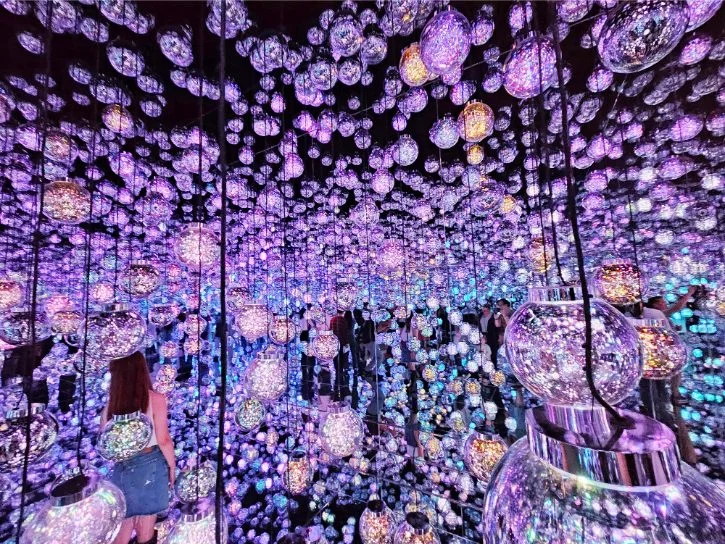
The venue app can identify nearby works and explain what you encounter. Use it for context when something interests you, rather than as turn-by-turn navigation. Phone checking also competes with the dark-room experience you paid to enter.
Budget the Azabudai outing, not only the gallery hours
| Part of the day | Useful allowance | Reason |
|---|---|---|
| Journey to Azabudai | Shorter when central Tokyo is already planned | Kamiyacho and Roppongi-Itchome connect well with nearby districts. |
| Admission and belongings | About 20–30 minutes | Timed entry, possible line and bag handling. |
| Museum exploration | Roughly 2–3 hours | Enough to wander without treating each room as a checkpoint. |
| Exit and next stop | About 20–40 minutes | Regroup and move toward dinner, Roppongi or Tokyo Tower. |
| Full itinerary block | Roughly 2.5–4 hours or more | Compare this with the other Tokyo stop the visit displaces. |
One efficient sequence is Azabudai Hills, Borderless, a walk or short onward trip toward Tokyo Tower or Roppongi, then dinner nearby. A less efficient sequence begins in Asakusa or Shinjuku, crosses town only for the museum and immediately returns. The same admission buys a different use of your day depending on where the next stop is.
The Flexible Pass buys arrival freedom at a steep premium
An adult Entrance Pass currently starts at ¥3,400 and rises on busier dates. Flexible costs ¥12,000 for adults and children. At the lowest listed adult fare, the difference is ¥8,600. Check the price for your actual date: dynamic standard pricing changes the gap, while Flexible remains a specific solution to uncertain arrival.
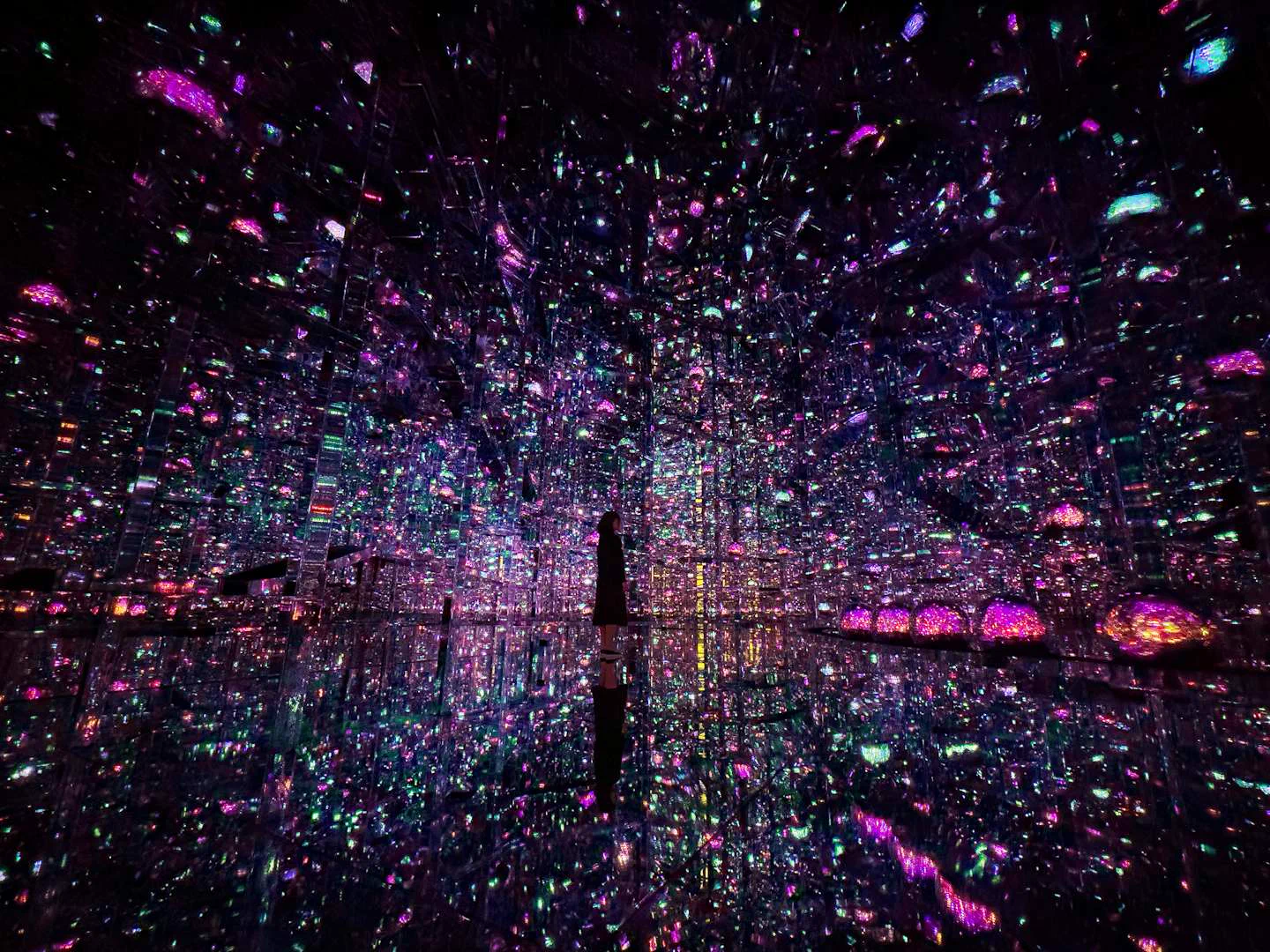
Flexible removes the booked entry hour on its chosen date, subject to the museum’s last-entry time. It does not make the visit private, let you skip the entry line or protect you from busy rooms. A visitor with a predictable morning usually gains more by choosing a comfortable standard slot than by paying for flexibility that goes unused.
The upgrade becomes easier to justify when an arriving flight, an intercity transfer, a meeting or another activity can end at an unknown time. Compare its ¥12,000 price with the real cost of missing a standard reservation or rearranging the rest of your day. General preference for “keeping options open” is a weaker reason.
For eligible tickets bought through the venue ticket system, a date or time change can be made up to three times if another slot is available. Standard changes must be requested no later than two hours before the reserved admission time. Flexible changes close two hours before the museum’s last entry. Tickets bought through another seller can have different conditions; a sold-out replacement cannot be chosen.
Azabudai makes the museum easier to combine with central Tokyo
Borderless is at Azabudai Hills Garden Plaza B, basement level one. Kamiyacho Station Exit 5 is about two minutes away on foot; Roppongi-Itchome Exit 4 is about six minutes away. Both station approaches connect through underground passages, reducing exposure to rain on that section of the journey.
This location matters most on a short Tokyo trip. Roppongi, Toranomon and Tokyo Tower can be planned around the same part of the city. If you are already going there, the museum needs less additional travel than a separate Toyosu outing would. Check the exact entrance before setting a tight meeting point, since Azabudai Hills has several levels and exits.
For families, light and movement matter more than the free child ticket
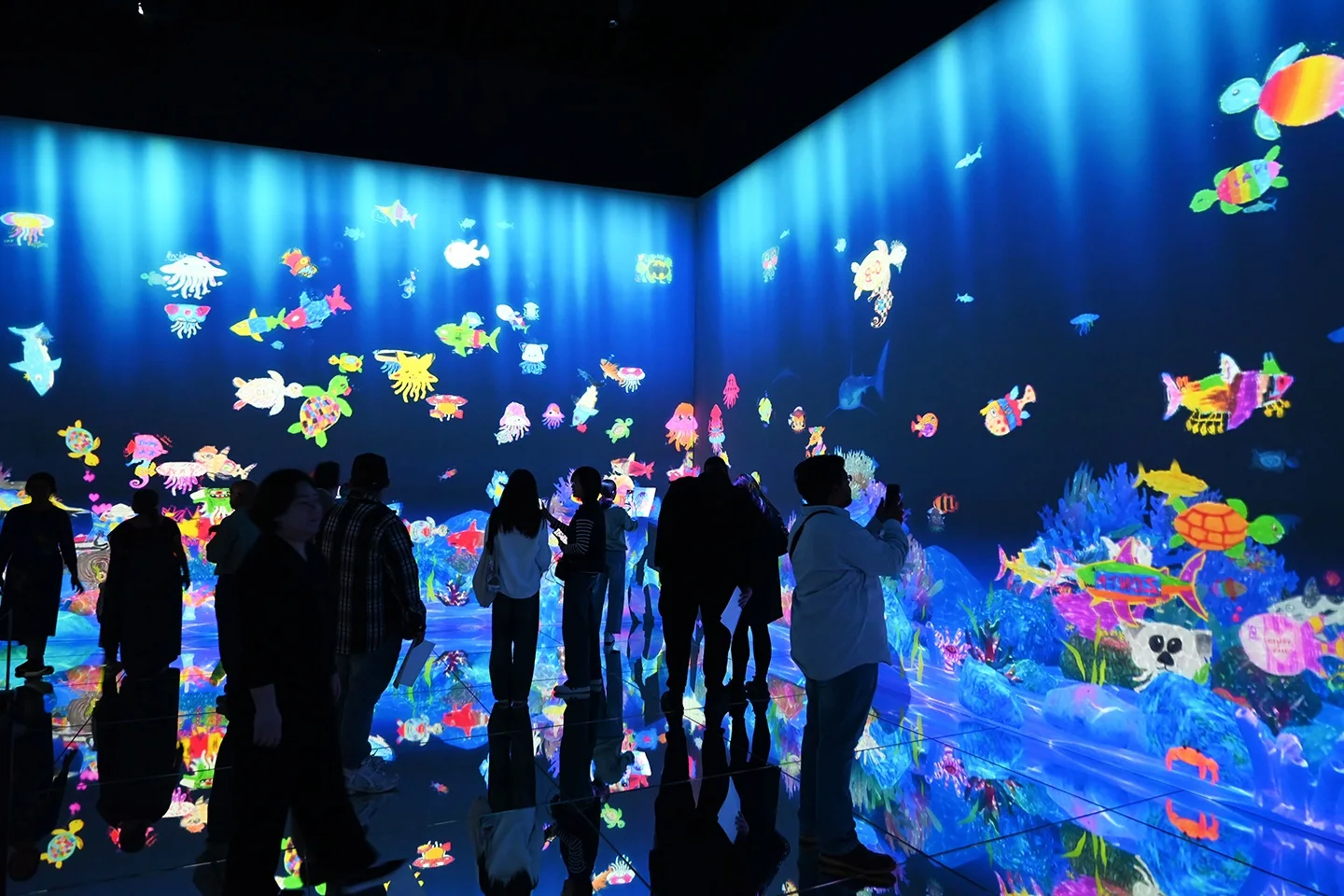
Children aged three and under currently enter free. The rooms, however, can be dark and visually intense, with mirrored surfaces, sound and areas whose physical feel changes. Strollers cannot accompany you throughout the exhibition and must be stored. A child who enjoys exploratory spaces may engage with the format; one who needs predictable light and flooring may not.
Decide for the most sensitive member of the group and consider how long that person can comfortably stay. The absence of a fixed circuit gives you freedom to leave early, but it also means the value of a two-hour family visit cannot be judged from the child fare alone. Consult the current access guidance if mobility or sensory needs affect particular works.
Borderless and Planets ask for different kinds of participation
Choose teamLab Planets when barefoot water and changing textures are the main reason for the ticket. Borderless suits a traveller who prefers to remain dry, wants a central Tokyo location and enjoys exploring without a prescribed path.
On a first Tokyo stay of four or five days, two teamLab tickets also mean giving up time for another district, museum or major sight. Choose both when immersive art is a clear priority, not because the name appears twice in a search result. Borderless can be the better single choice for a central, dry, wandering visit.
The decision on the day of your booking
| If this applies | Practical choice |
|---|---|
| It is raining | Keep nearby Azabudai and Roppongi stops together; underground links help with the approach. |
| You have only 90 minutes | Skip or accept a brief selective visit without trying to find every work. |
| You have a large suitcase | Use hotel or station storage before the museum. |
| You are running late | Check your purchase channel’s change rules and remaining slots immediately. |
| A dinner or observatory booking follows | Allow a genuine exit and transfer buffer; there is no fixed finish line. |
| You are considering Planets too | Buy both only if two immersive-art outings outrank the other Tokyo time you would remove. |
Planets is easier to justify when Toyosu already has a place in the day
Planets is near Shin-Toyosu. Its published hours are currently 08:00–22:00, with last admission one hour before closing, but dates and closures can vary. A paid dedicated shuttle links GINZA SIX and Planets. The venue cautions that the Toei bus from Tokyo Station is not a reliable timed-ticket connection when roads are congested.
Toyosu Market or a bay-area walk can turn the Planets journey into a coherent half-day. Rail or a confirmed shuttle is safer than assuming a city bus will meet a narrow admission window. The route question is separate from artistic preference: even a traveller who likes water rooms may find the Toyosu round trip too expensive in time on a short stay.
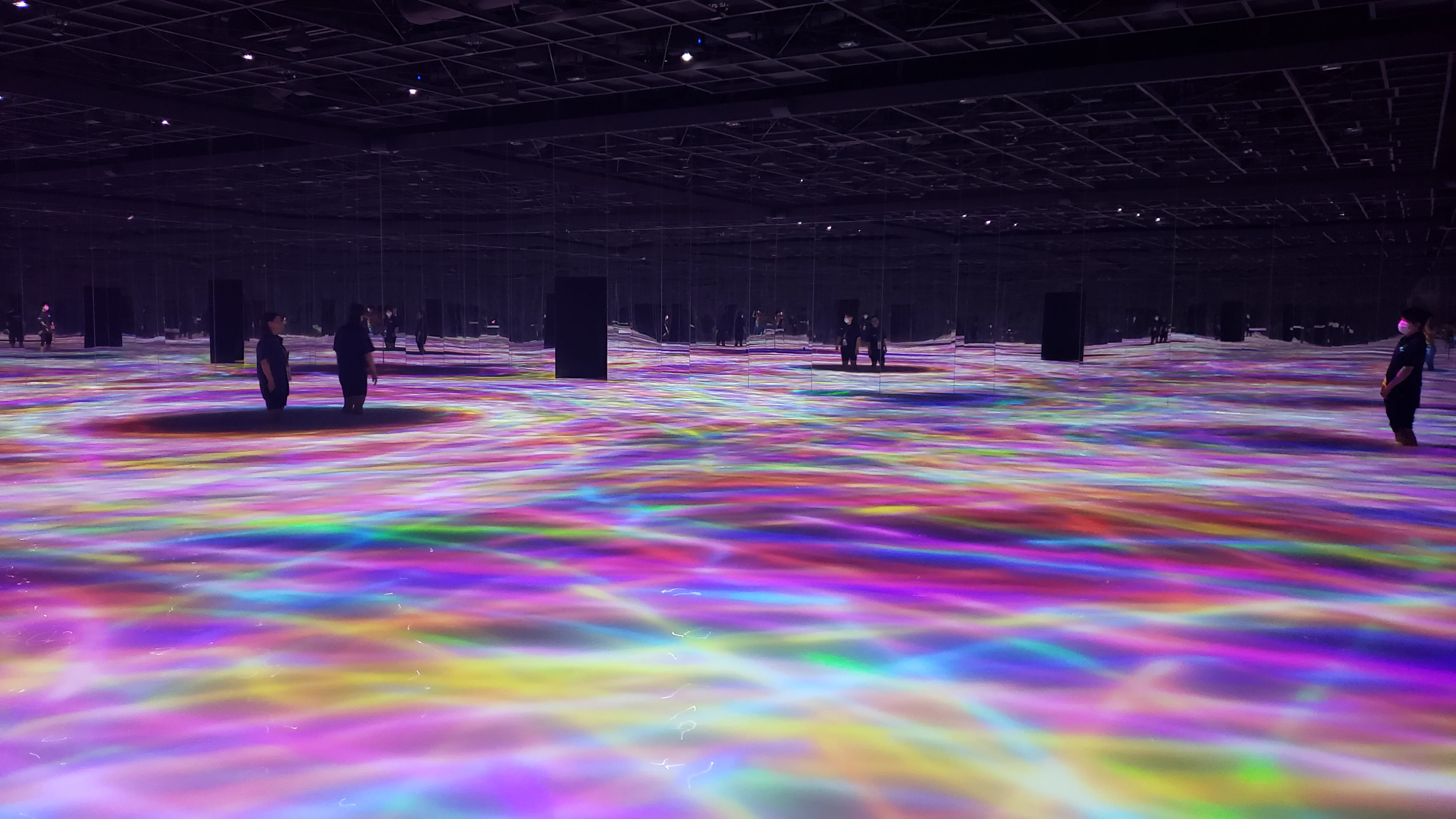
For a first Planets visit, allow roughly two to three hours inside, with more slack for children, clothing changes or an accessible route. Add Toyosu travel and the process of removing and reclaiming shoes. Its barefoot water format gives the outing a different practical shape from Borderless, even when the two museums compete for one day.
Rain changes the journeys around each ticket
Both museums keep most of the experience indoors. Borderless has underground station approaches and leaves you near other central indoor options. Planets can work well in wet weather too, especially when a market or waterfront plan already takes you to Toyosu, but reaching and leaving that district may involve more exposed travel.
Planets still involves water inside, whatever the weather outside, so a rainy day does not remove clothing or barefoot considerations. If weather forces a larger itinerary change, use the Tokyo rainy-day itinerary to decide which neighbourhood should carry the indoor hours.
Two Tokyo teamLab visits belong on separate days
An immersive-art enthusiast can find enough difference between the mapless, dry Borderless and the body-led Planets to justify both. Booking them back to back, though, adds a cross-city transfer and risks visual fatigue. Neither ticket is simply a second wing of the other venue.
With five or more Tokyo days, or on a return trip, give Borderless an Azabudai/Roppongi day and Planets a Toyosu/bay day. With three or four days, one often leaves more space for the rest of Tokyo. Change that trade-off only when immersive art is among the trip’s main purposes.
If Kyoto is also on your route, include teamLab Biovortex Kyoto in the decision. A third teamLab ticket may be appealing to a dedicated fan; on a first Japan trip, it also competes with very different Kyoto experiences.
Who should spend the two to three hours here?
Borderless is a strong fit if you enjoy discovering changing art without a route and can keep the surrounding day in central Tokyo. It needs time to reveal that appeal. A rushed stop made only for a few known photographs gives the mapless format very little room to work.
Begin with a timed Entrance Pass if your arrival can be planned. Consider the ¥12,000 Flexible Pass when a real scheduling uncertainty could cost you the visit. If you need a linear museum, have only about an hour, or know that dark and changing spaces would reduce enjoyment, spend this Tokyo block elsewhere.
If Borderless anchors one Tokyo afternoon, compare hotels around Azabudai and the Metro network against the other days of the trip.
Tickets and venue details
The current Borderless venue and ticket details lists dated ticket prices, station approaches and admission conditions. For a budget in another currency, ECB exchange rates offers a reference rate, although your card conversion can differ.
Related guides: SMALL WORLDS Tokyo Review: Is It Worth ¥3,200 and 2–3 Hours? · OMO5 Tokyo Gotanda Review: Is This South-Tokyo Base Worth It? · 35 Best Things to Do in Osaka 2026: What’s Worth Your Time by Area, Budget and Trip Style · KOKO HOTEL Residence Tokyo Oshiage Review: Is 42 m²+ Space Worth the East Tokyo Base? · 40 Best Things to Do in Tokyo in 2026 — What’s Actually Worth Your Time by Area · Tokyo Pingu Exhibition 2026: Is ¥2,200 Worth It? Tickets, Hours & Must-Sees · teamLab Biovortex Kyoto Review: Is Half a Day Worth It? · Kamakura Day Trip from Tokyo: Is It Worth Adding to 4 Days? · teamLab Borderless vs Planets: Which Tokyo Museum Should You Choose? · Tokyo Station vs Shinjuku: Which Base Fits Your Japan Itinerary?