
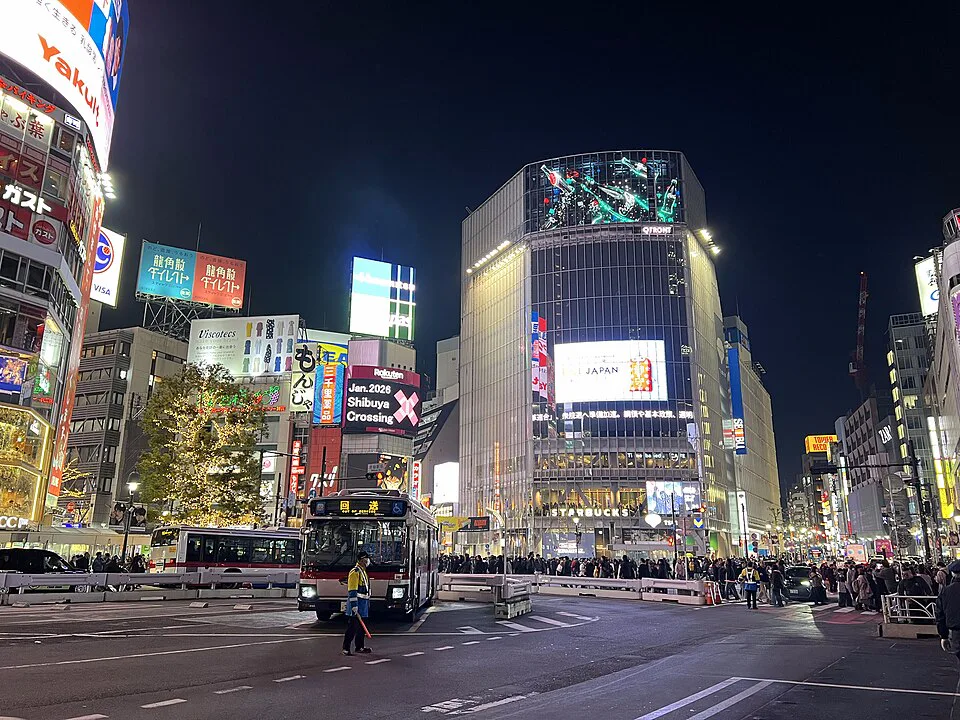
Tokyo's rail diagram can connect almost any two pins. A useful sightseeing map has a different job: it should show which places can share a day without reducing either to a rushed stop. Think in four broad areas—east, west, central and the waterfront—and ask what each move across the map costs after you count walking, tickets and time spent at the attraction. Ueno with Asakusa, Harajuku with Shibuya, Tokyo Station with Ginza, and Toyosu with Odaiba are workable pairs for different reasons. A direct Asakusa–Shibuya train is less persuasive when both ends have half a day's worth of plans.
The missed variable is how long you want to stay. A 25–35-minute rail leg may become much longer once you leave the first venue, reach a platform, locate the next exit and walk to the next entrance. If the second stop has a fixed admission time, you also have to leave the first area early enough to absorb a delay. The cost is lost time in the district you chose to see, even if the fare is small.
Pairs that hold up when the day changes
Read the scores as a ranking of whole-day routes. They favour a journey that moves in one direction, gives each place enough time and ends near the evening plan. A pair becomes less attractive when a museum visit expands or two timed admissions compete. The number is attached to the plan shown in the table, not to an attraction in isolation.
Day pairing | Route score | How it fits | Condition that changes it |
|---|---|---|---|
Asakusa with light Ueno | Easy east-side progression | A long Ueno museum visit becomes the main event | |
Harajuku into Shibuya | Natural west-side progression | Several scheduled shops or experiences remove flexibility | |
Shibuya then Shinjuku | Works with one clear evening destination | Sunset rooftop admission plus another fixed Shinjuku booking | |
Toyosu followed by Odaiba | A Bay-area day with a reason to be there | Neither area has a strong anchor or evening interest | |
Tokyo Station through Ginza | Central stops can expand or contract | A distant reserved attraction breaks the route | |
Asakusa then Shibuya | A transition with one deliberately brief side | Two long wish lists make the direct ride insufficient | |
Odaiba then Shinjuku | Possible when Odaiba ends early | Timed activities at both ends compete |
The Ueno–Asakusa row assumes Ueno Park, Ameyoko and perhaps lunch before moving east. Give the Tokyo National Museum or a special exhibition three hours and Ueno is no longer a light opening stop. The train is unchanged, but the space left for Asakusa and an evening deck has shrunk. Use the table as a starting arrangement, then test it against the visit you actually intend to make.
Count the time a cross-city move takes from the day
A route between two zones uses more than the minutes printed beside a train line. Add the extra rail leg, the walk through both stations, any earlier departure forced on the first area, and the buffer needed to reach a reserved time in the second.
A practical cross-city allowance is: extra transfer time + station and exit walking + time surrendered in the first area + margin before a fixed booking. It measures lost sightseeing time, not the price of a ticket or the distance on a map.
As a planning guide, less than about 25 minutes of extra routing with no ticket conflict is usually easy to absorb. Around 25–45 minutes or one tight admission time calls for a more selective day. Above roughly 45 minutes, or when a second zone forces an early exit from the first, give the areas separate days unless one is deliberately brief.
Easy: under about 25 extra minutes and no conflict with a fixed entry.
Caution: roughly 25–45 extra minutes or one important timed admission.
Split the areas: over about 45 minutes of lost time, or an early exit forced on the first district.
Those bands describe itinerary friction rather than a guaranteed journey time. Platform changes, the exact venue entrance and the duration of a museum or meal still decide the result. A direct train can remove one connection while leaving the rest of the day's lost time intact.
East Tokyo: decide whether Ueno is a walk or a museum day
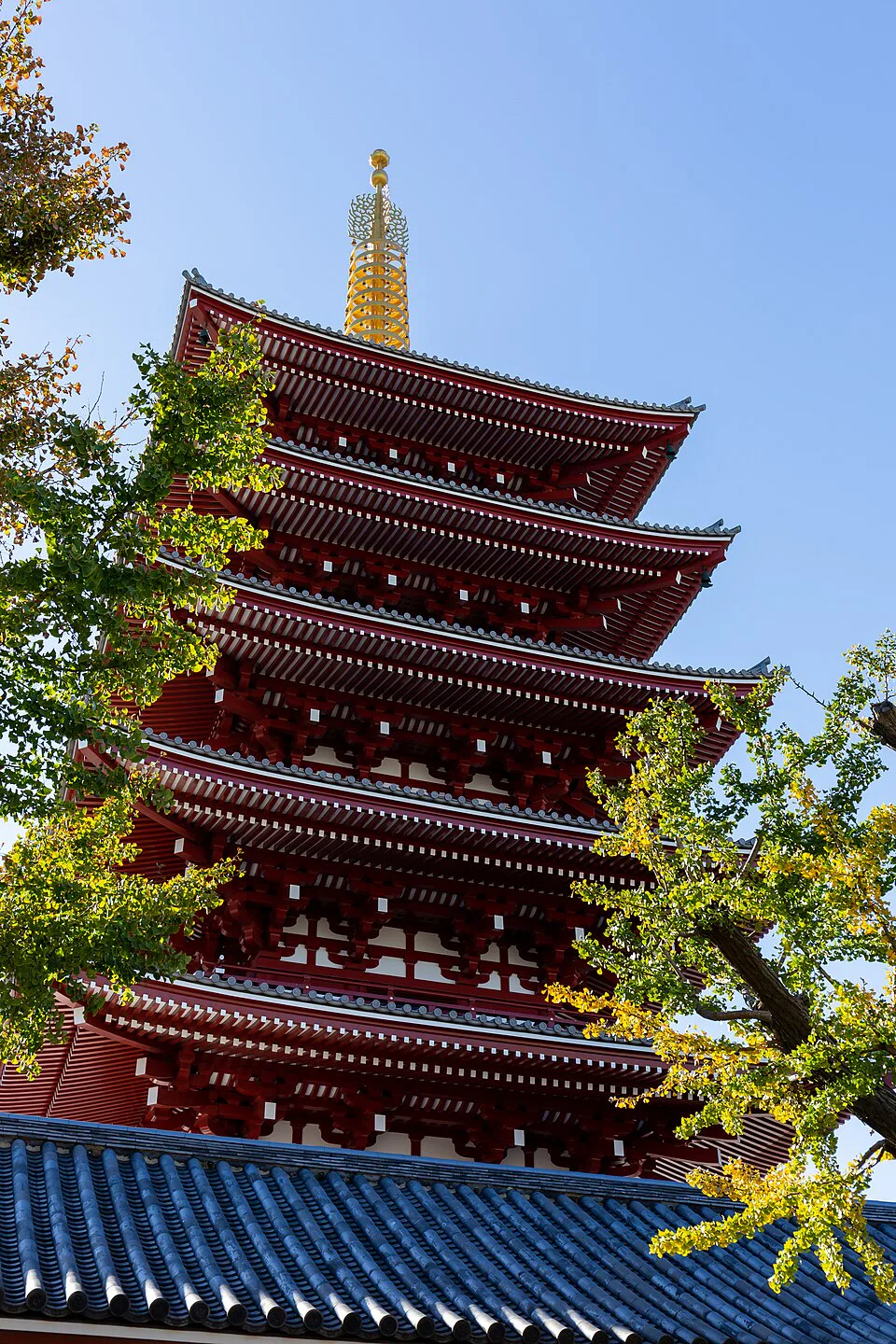
The Ginza Line links Ueno and Asakusa directly; the published major-section table puts the train portion at about five minutes. A park walk, Ameyoko lunch and an Asakusa afternoon therefore fit naturally. Senso-ji, the river and the Skytree area can form an evening extension if energy remains. A major Ueno museum needs two or three hours of its own and changes the plan even though the rail connection stays short. See the Tokyo Metro network.
A lighter east-side route starts with Ueno Park and Ameyoko, then shifts to Asakusa for Senso-ji and finishes by the Sumida River or around Skytree. Keep the evening optional. This lets a longer lunch or a slow temple visit expand without making you miss a prepaid entry.
If the Tokyo National Museum is the priority, use Asakusa as the second and simpler block. You can still walk the temple streets, but adding a Skytree reservation would make the day depend on the museum ending exactly when expected. Give the collection the time you came to spend there. See the Tokyo National Museum visit information.
A long museum visit, a fixed kimono fitting in Asakusa and a Skytree admission slot are too many clocks for this otherwise compact area. Remove one commitment or split the activities. The problem is the stack of appointments, not the Ueno–Asakusa train.
West Tokyo: keep the evening in the direction you finish
Meiji Jingu, Harajuku and Shibuya can be visited in a gradual west-side progression. You can vary the time spent in Omotesando shops or a café before ending at Shibuya. A sunset booking at SHIBUYA SKY changes that freedom; attach a reserved Shinjuku dinner or show after it and there is little space for weather, queues or a longer shopping stop. See the SHIBUYA SKY visit information.
For a shopping-and-view day, visit Meiji Jingu first, browse Harajuku and Omotesando, then move into Shibuya and finish with one evening admission there. The skyline booking should be the fixed point; the shopping block can expand or contract around it. Returning to a west-side hotel afterwards is a simpler finish than adding another destination.
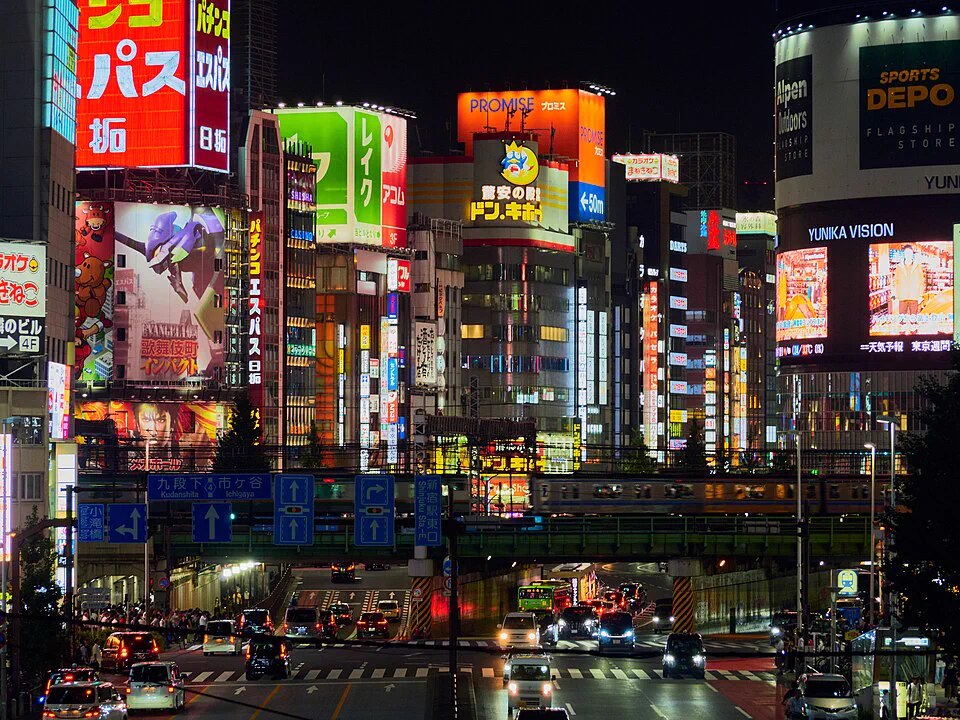
For a Shinjuku night, move there before dinner and stay. Harajuku and Shibuya can supply the daytime, while Shinjuku gets the evening rather than a rushed final stop. If the Shibuya sunset view would pin down the middle of that transition, choose between the view and the fixed Shinjuku reservation instead of buying both.
Shibuya and Shinjuku are close on a route map. That is useful only if both still receive enough uninterrupted time for what you want to do. A fast ride does not restore the hour lost leaving shops early, navigating a major station and checking in for a second timed event.
Asakusa to Shibuya is direct; the day is still long
The Ginza Line reaches Shibuya from Asakusa without a change; Tokyo Metro's major-section table gives a train time of about 33 minutes. Add the walks at both ends and the time needed to clear a booking deadline. More importantly, each area can fill a substantial part of a first Tokyo day. If a Shibuya slot pulls you away from Senso-ji, side streets and the river too soon, the transfer cost includes the Asakusa visit you sacrificed.
Use this pairing for a genuine transition. A short morning at Senso-ji followed by a planned west-side afternoon is coherent when you already intend to move. It is a poor fit for two long attraction lists that happen to be joined by one train. Decide which area is the day's main destination before buying anything timed.
Central Tokyo works when you let it own the day
Tokyo Station, Marunouchi and Ginza make a flexible central block: shops, architecture and meals can be cut short without wasting a fixed ticket. The Imperial Palace area fits when its opening calendar suits your date. Azabudai and Roppongi can extend a central day, but a museum, teamLab Borderless or an observation deck there becomes a real time commitment. Once you add that anchor, stop treating all of central Tokyo as spare space.
Central Tokyo is not a free bridge between an eastern morning and a western evening. Passing through Tokyo Station or Ginza does not give you time to experience either. If the route's only argument is that a central stop lies between two distant ones, compare the complete travel and walking legs and consider leaving that stop for a separate day.
Toyosu and Odaiba need a reason to cross the Bay
A Toyosu anchor and an Odaiba afternoon form a sensible waterfront direction. After a booked teamLab Planets visit, you can choose food, shopping, a waterfront walk or the free Tokyo Aqua Symphony without adding another fixed obligation. Yurikamome links the waterfront districts, so the second part of the day can be adjusted to weather and energy. Keep one clear reason for travelling out there rather than filling every stop on the line. See the Yurikamome network.
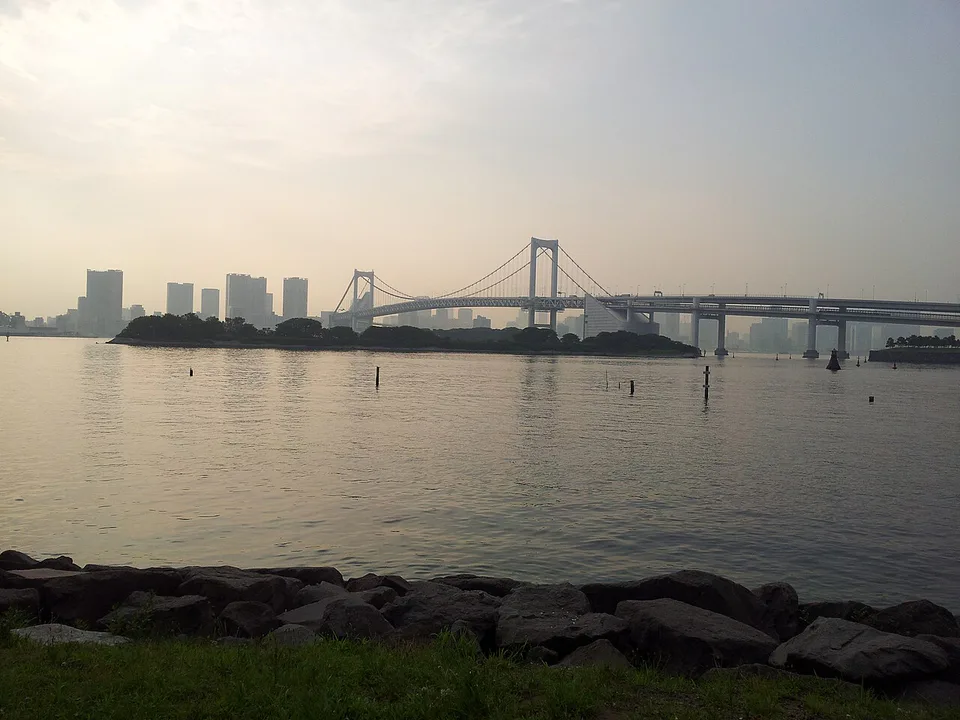
The pairing weakens when the Bay day is only an excuse for a brief mall or bridge photograph. Travelling from central or west Tokyo for a single hour and then returning can take more time than the stop itself. If neither Toyosu nor Odaiba is a priority, use an attraction near the district you already plan to visit instead.
Some attractions occupy a day despite their small map marker
Tokyo Disney Resort sits in Urayasu, Chiba, and works as a full park day rather than an add-on to a Tokyo waterfront route. Warner Bros. Studio Tour Tokyo is a multi-hour, timed experience in the Nerima direction. Do not use their apparent map positions to squeeze them beside an unrelated west-side or Bay attraction. Their admission structure and time inside matter more than the distance between pins.
Allow the visit to occupy the space it actually takes. A five-hour attraction and a five-minute viewpoint might appear as equal-sized icons, but they have very different effects on the rest of the day. Decide the principal visit first, then see whether the surrounding area can carry a relaxed meal or walk.
How many fixed appointments can one Tokyo day hold?
↔ Scroll table left or right
Bookings in one day | Pressure on the route | Best use |
One reserved attraction and a free-form district | Low | A reliable default |
One reserved attraction plus a museum with flexible entry | Moderate | Keep them geographically close |
Two reserved visits in the same area | Moderate | Leave real time between admissions |
Two reserved visits in separate zones | High | Give each a different day in most cases |
Road excursion followed by a timed Tokyo evening | Very high | Avoid unless missing the evening has little cost |
Three area routes with an easy thing to cut
For an east-side day, keep Ueno light, then go to Asakusa and leave the river or Skytree-area evening optional. If a major museum takes over the morning, drop the evening deck instead of rushing the collection. The two core areas still form a worthwhile day.
On a west-side day, start at Meiji Jingu, give Harajuku and Omotesando room to expand, then finish in Shibuya with one evening anchor. When shopping runs longer than expected, remove Shinjuku from the same day. That is easier than running to a Shibuya admission you booked too tightly.
For the waterfront, use teamLab Planets or another Toyosu activity as the anchor, have lunch and choose one Odaiba indoor stop before an optional bay evening. If the first stop or transport takes longer, remove the second indoor visit. The waterfront walk can remain flexible.
Choose a transport ticket after drawing the route
An unlimited pass does not improve a day that crosses Tokyo repeatedly merely to use it. Build a coherent east, west, central or waterfront route first, then compare its actual fares with the pass. Staying in one zone may mean fewer paid rides; that is a good itinerary result even when the pass would have offered more journeys.
If the short list itself is still too long, use the whole-day Tokyo attraction plan to choose what earns a day. For an excursion that removes a Tokyo day altogether, compare the Fuji, Nikko, Kamakura, Kawagoe and Yokohama trips before arranging the city zones.
A map is useful when it leaves room to stay
Asakusa with a light Ueno visit, Harajuku with Shibuya, Toyosu with Odaiba, and Tokyo Station with Ginza are strong starting pairs. Keep two long attractions apart even if their stations connect directly. A cross-zone move above roughly 45 minutes of lost day time, or one that makes two timed bookings compete, needs a specific reason to stay in the plan.
The aim is not to minimise the line drawn between two pins. It is to finish a day with enough time in each chosen place, a sensible evening endpoint and room for an ordinary delay. When the schedule has no space for that, remove a stop before buying tickets.
Related guides: Tokyo rooms for four · Osaka area map · Where to Stay in Tokyo: Start With the Trip, Not the Map · Disney hotel move · Fuji day-trip choice · Ryujin Bungy route · Nikko day or night · Tokyo to Kyoto or Osaka Same-Day Luggage Delivery: Is It Worth ¥13,200? · lyf Shibuya hotel
Once you know which cluster will anchor most days, compare Tokyo rooms around that base before paying for a cheaper room that adds a cross-city journey each morning.