
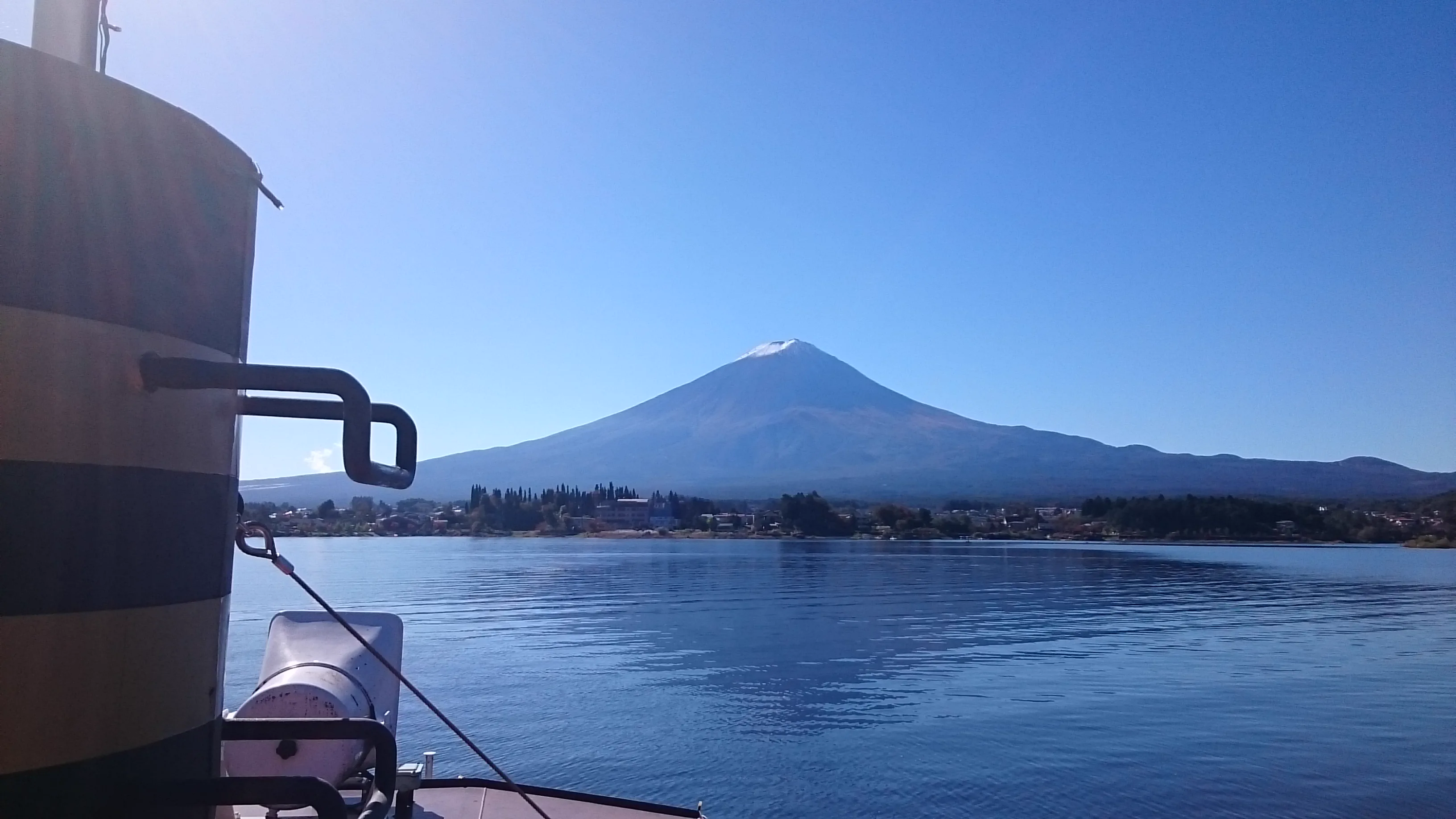
For three car-free days starting in Shinjuku, I would usually sleep in Kawaguchiko first and Hakone second. That order leaves a second morning for Mount Fuji, puts the cross-region bus journey in the middle of the trip, and ends near Odawara for Tokyo or a westbound Shinkansen. It only works comfortably when day two is treated as a transfer day. Packing the full lake circuit and the Hakone loop around the Gotemba connection turns two useful hotel nights into a race.
First settle the accommodation areas, not the list of attractions. A Kawaguchiko Station or south-shore room makes the onward transfer simpler; a north-shore hotel needs a confirmed shuttle or taxi plan. In Hakone, Yumoto, Gora and Lake Ashi create different day-three exits. The Hakone versus Kawaguchiko comparison is worth reading first if two overnight stops feel like too much movement.
The route in three days
| Day | Essential movement | Keep the sightseeing limit | Overnight |
|---|---|---|---|
| 1 | Tokyo to Kawaguchiko by Fuji Excursion, highway bus or train via Otsuki. | Choose one lake-area theme after dropping bags. | Near the station or lake; secure a north-shore transfer if applicable. |
| 2 | Fuji-view morning; collect bags; Kawaguchiko to Gotemba and onward bus to the Hakone hotel. | Do not try to complete the full Hakone loop after the transfer. | Hakone room that can be reached before any dinner deadline. |
| 3 | One Hakone zone, then descend through Yumoto or Odawara. | Leave mountain-transport slack before a fixed train. | Tokyo, Kyoto, Osaka or the next stop. |
From Shinjuku, the Fuji side is the natural first leg. The Tokyo–Kawaguchiko transport comparison separates the direct train, road route and Otsuki transfer. From Tokyo Station or Shinagawa, Hakone first can be attractive when an early Odawara arrival or fixed ryokan dinner shapes day one. That reverse order is weaker before a non-flexible westbound connection: you end in Kawaguchiko and must allow for a train reservation or highway traffic on day three.
Night one: choose one Fuji-side plan
After arriving in Kawaguchiko, store or drop luggage, then choose a compact afternoon: the ropeway and nearby lakeside, Oishi Park, Fuji-Q, or time at a hotel with an onsen. Each uses a different direction or amount of time. The Kawaguchiko activity guide helps cut the list to what still fits after transport. If Oishi Park is the choice, check the boat and Red-Line Bus connection before assuming the lake crossing is the quickest option.
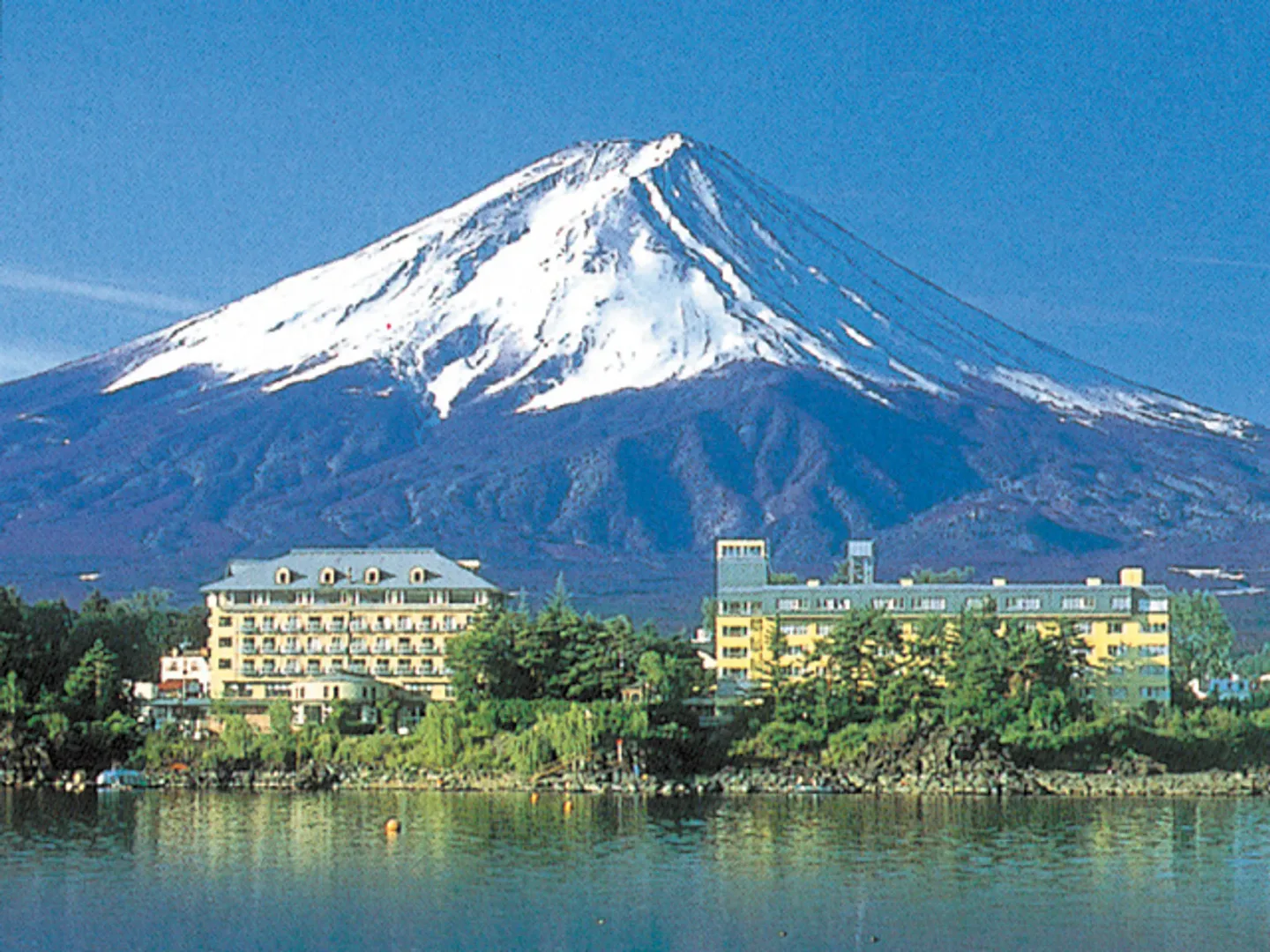
A station-area hotel simplifies early day-two departure. The south shore can work when its bus or taxi route is clear. A northern shore view may be the right reason to stay farther away, but it creates a real movement task with bags. Compare the station, north-shore and Fujiyoshida hotel areas and the view and private-bath hotels rather than assuming every room faces Fuji. A lake-view hotel photograph does not tell you whether the booked room has that view or whether the shuttle meets your arrival.
Clouds can hide Mount Fuji on the first afternoon. Sleeping here keeps the next morning available without changing hotels again. Two chances improve the plan's resilience but guarantee nothing. If both are clouded, use the lakeside, museum, onsen or Fuji-Q time already in the area; do not postpone the Gotemba journey until the Hakone dinner is endangered. Two nights in Kawaguchiko may be the better trip when photography, Fuji-Q or a north-shore resort is the main purpose. The one-versus-two-night Kawaguchiko decision explains that trade-off.
Day two: Gotemba is a connection, not a sightseeing bonus
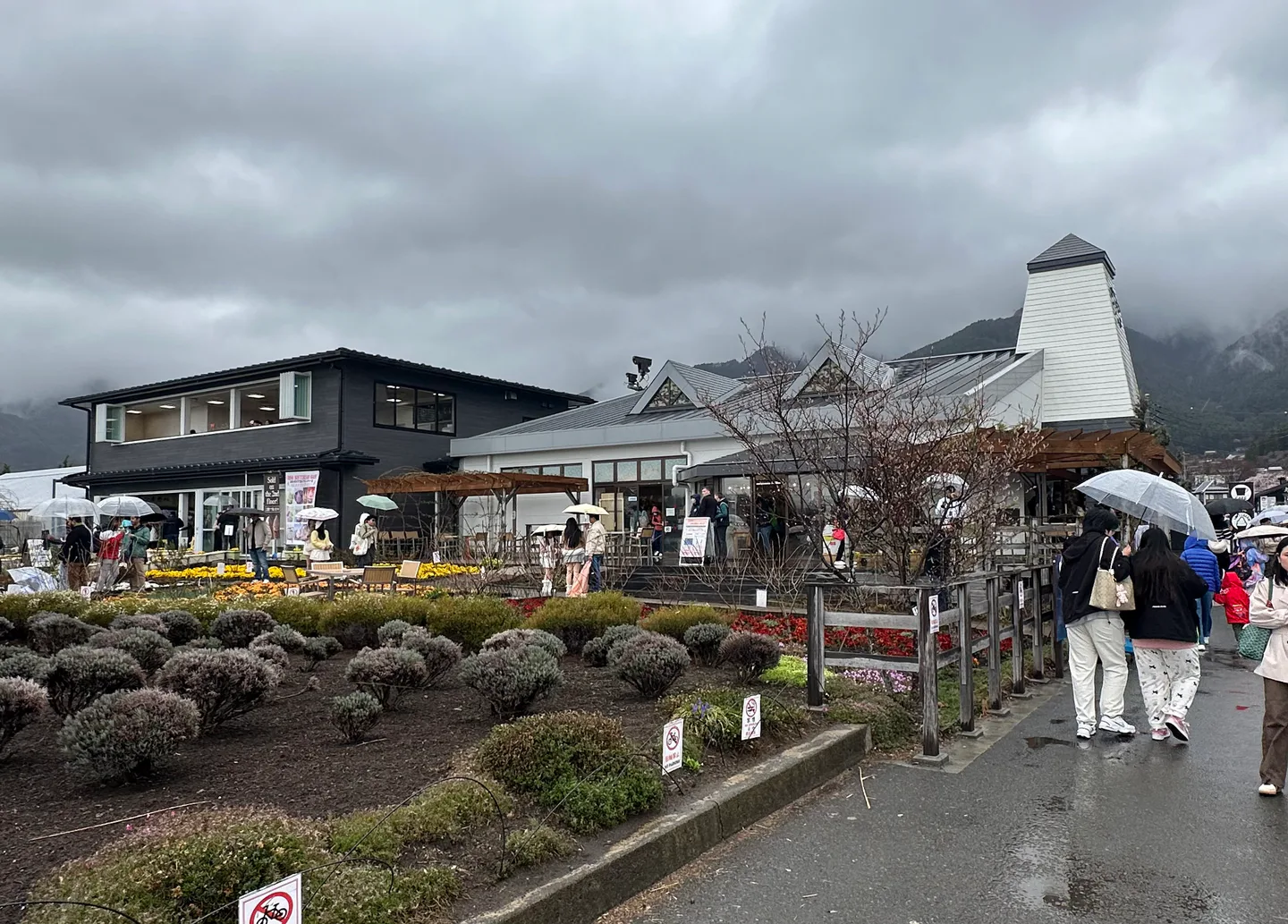
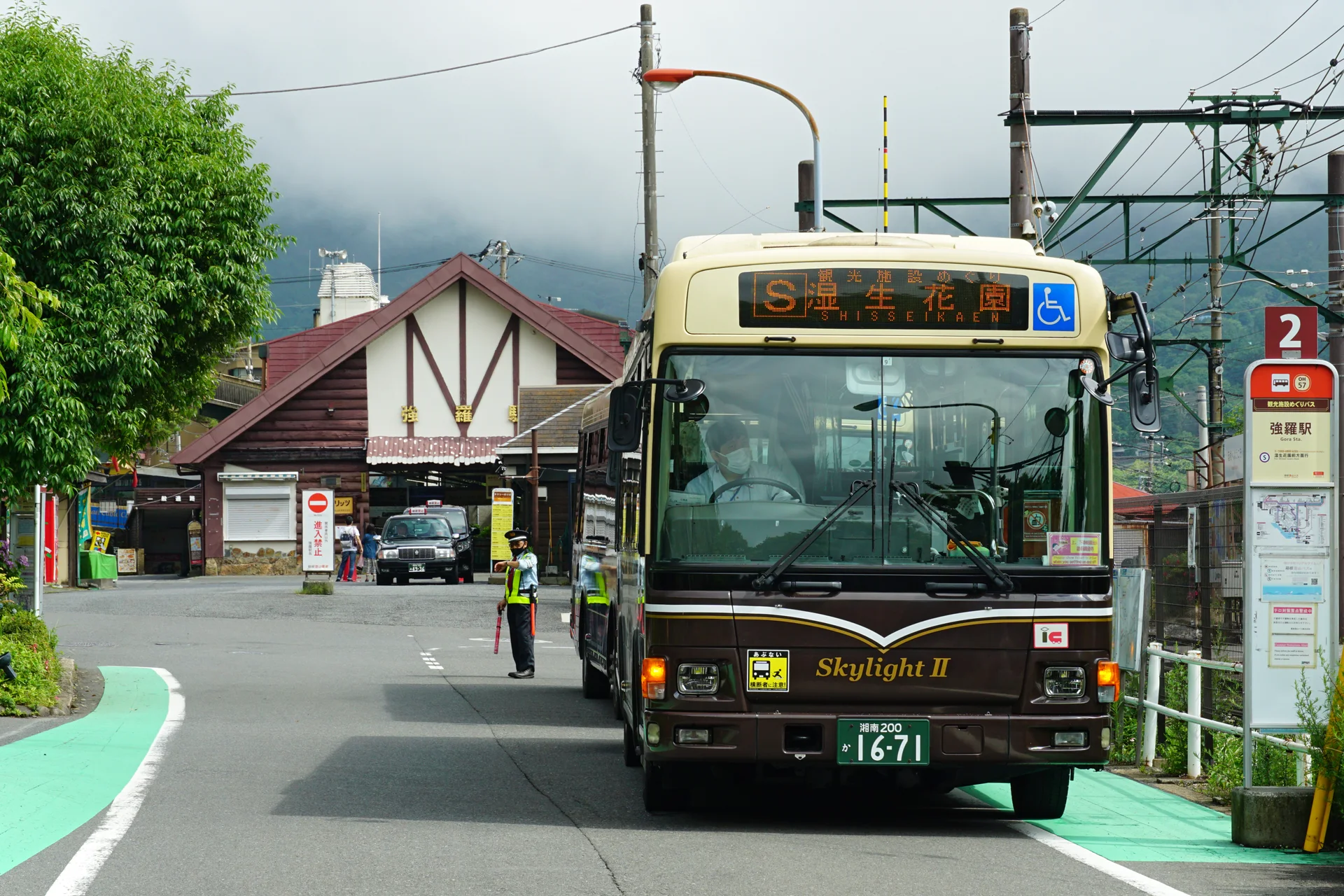
Use the early Fuji-view window, return to Kawaguchiko Station with your overnight bag, then travel toward Gotemba. From there the correct onward bus depends on the Hakone hotel: Sengokuhara, Togendai, Gora, Yumoto and Lake Ashi are not interchangeable stops. Some services accept reservations and others are ordinary local buses. Check the travel date, direction, platform and last practical connection the previous evening and again that morning. A remembered departure time is not enough for a journey with two regions and a dinner deadline.
If the connection goes wrong, return to a staffed hub such as Gotemba Station and route toward Yumoto or Odawara rather than waiting at a minor stop for an assumed late bus. Full buses and luggage capacity can change what is possible even when a timetable shows a service. The Fuji–Hakone transport comparison puts the alternatives on one page. A large suitcase can be accepted in some bus holds, but that does not remove the effort of moving it across platforms or into the mountains. Large bags are not allowed on the Hakone Ropeway.
Reach a dinner-included ryokan's area by roughly 16:00–17:00 rather than treating the final check-in time as an arrival target. Meal service can have its own deadline; the selected rate, not the hotel's front-desk hours, controls what you receive. Konansou and Ubuya on the lake side and Hakone Kowakudani Onsen Ten-yu on the Hakone side illustrate why a dinner plan must be read carefully. A late bus arrival can turn an included meal into a lost part of the booking. For a one-night Hakone stay, the loop-before-or-after-check-in guide keeps the bath and dinner from being squeezed out.
When reversing the order makes sense
Hakone first works when the first night's ryokan dinner is fixed, the departure is from Tokyo or Shinagawa toward Odawara, and day three can end flexibly back in Shinjuku from Kawaguchiko. Arrive in Hakone early, visit one area, cross via Gotemba on day two, then use the final morning for Fuji visibility. It is a poor arrangement before a flight or a tightly timed Kyoto or Osaka train because the final Fuji-to-Tokyo bus can be delayed and Fuji Excursion seats need planning.
Two nights in Hakone are also reasonable if onsen time, museums or a no-repacking stay matter most. Divide the visit by area and leave Kawaguchiko out rather than converting it into a long out-and-back day. The Hakone stay-length comparison helps decide whether an extra night buys enough useful time. Mount Fuji can sometimes be seen from Hakone viewpoints, but it is not the same lake-and-mountain composition, and weather remains unpredictable.
Pass value depends on the legs actually used
The Fuji Hakone Pass is valid for three consecutive days and currently lists ¥11,100 for adults and ¥3,600 for children aged 6–11 from Shinjuku. It covers designated Fuji and Hakone transport, including the Fujikyu Railway between Otsuki and Kawaguchiko and specified local networks. It excludes the JR Chuo Line between Shinjuku and Otsuki, the Shinjuku–Kawaguchiko highway bus sector and the Shinjuku–Tomei-Gotemba highway-bus sector. A Romancecar reserved-seat ticket is extra. The pass cannot be bought online or from an ordinary ticket machine; the current purchasing route is a sightseeing service centre.
| Your three-day route | Pass test |
|---|---|
| Shinjuku to Kawaguchiko by highway bus, then one short Hakone area day | Price point-to-point transport first; much of the long first leg is excluded. |
| JR Chuo to Otsuki, Fujikyu Railway, several Fuji buses, then several Hakone modes | List each covered segment and compare with the pass total plus excluded JR fare. |
| Romancecar or another limited express | Add its separate seat charge even if the base transport is covered. |
| Early Odawara exit toward Kansai | Do not count unused return travel when judging the pass. |
A pass is not automatically cheaper because the trip crosses two famous areas. Count the actual trains, buses, ship and ropeway you intend to use, then add excluded sectors. A short Hakone stay after a paid Fuji highway bus can lose the calculation. Current coverage and fares are listed on the Fuji Hakone Pass page; use the Tokyo-to-Hakone transport guide if the Hakone section becomes the main focus.
Move with an overnight bag when possible
The easiest luggage plan is to send the main case from Tokyo to the hotel after this two-night loop, then carry only the clothes and essentials needed here. Delivery is not guaranteed to be same-day across regions. Confirm acceptance with the destination hotel, the name and arrival date on the shipping label, and the carrier's cut-off. The Kawaguchiko–Hakone luggage guide separates this longer forwarding plan from local same-day services.
Kawaguchiko Station has lockers and storage with operating hours. Hakone-Yumoto's same-day luggage service runs between the station and participating Hakone accommodation; it is not a same-day Kawaguchiko-to-Hakone delivery product. Keeping the main case with you removes carrier timing uncertainty but makes the Gotemba bus transfer and mountain travel harder. If continuing to Kyoto or Osaka by Tokaido Shinkansen, a bag whose three sides total 161–250 cm needs a reserved oversized-baggage space; one over 250 cm cannot be brought aboard. Book the bag space with the train seat rather than discovering the rule at Odawara.
Weather and operating changes need a simpler day three
On the Hakone morning, choose one area based on where you slept. Yumoto makes an early exit easier; Gora puts the cable car and Owakudani side nearer; Lake Ashi rewards a quieter shoreline but can complicate a late onward trip. The seasonal Hakone area guide helps when autumn colours, rather than the full transport loop, are the aim.
Check live mountain operations before committing to a ropeway, ship or distant bus. If wind stops the ropeway, use buses or stay in Gora and Yumoto. If the ship is suspended, do not make a complete loop the success condition. During snow, accidents or heavy crowding, descend toward Odawara earlier. The day's fixed train and the hotel checkout are stronger constraints than visiting every attraction. Travellers starting with a sold-out Fuji Excursion can still reach Kawaguchiko by JR Chuo to Otsuki and a Fujikyu Railway connection, or by reserving a highway bus with a road-delay buffer; an unassigned limited-express option is not the same as a confirmed assigned seat.
This two-stop plan is a poor fit for several large cases, limited mobility, a stroller that must be folded repeatedly, a child with a fixed nap, or anyone whose expensive ryokan is the main purpose of the trip. For those travellers, choose one destination and use the saved transfer day there. The car-free Hakone ryokan comparison focuses on bath, meal and access constraints that matter more than a second regional tick mark.
Book the constraints before the extras
First choose where day three ends; that decides the hotel order. Reserve any dinner-included Hakone room and write down its meal arrival deadline. Book the Kawaguchiko stay with its exact room view and shuttle terms. Then reserve the Fuji-side train or bus and calculate the pass from actual legs. Recheck the Gotemba services and Hakone operations close to departure, then place Oishi Park, a museum or a ropeway into the remaining time. Attractions are movable; a missed ryokan dinner or train is not.
Compare Kawaguchiko Station-area stays for the first night and Hakone-Yumoto stays for the second if an easy Odawara exit matters. The exact room, dinner, cancellation deadline and shuttle need to match the itinerary; a “Fuji view” or “private onsen” in a hotel's headline is not proof that the selected rate includes it.