

Choose the child's anchor before buying a Tokyo day
A family day in Tokyo needs an exit that still works at 2 p.m. A toddler may sleep through the second booking; a six-year-old may leave a role-play activity unwillingly; a twelve-year-old may be bored by a venue built for preschoolers. Start with the child's age and interests, then choose one district and one paid anchor. The rest of the day can stay open until you see how the first part goes.
This changes the usual attraction shortlist. ASOBono! and Sunshine Aquarium can both work for a child under three, but they solve different problems. LEGO play makes sense for a child who wants to build and revisit exhibits. KidZania asks for patience and participation over several hours. A science-minded older child may get far more from Ueno than from another observation deck. The table is a starting point, not a ranking.
| Child and day | Best first candidate | What can undo the plan | Nearby flexible finish |
|---|---|---|---|
| Baby or toddler needing a nap | ASOBono! at Tokyo Dome City or Sunshine Aquarium in Ikebukuro | A second timed ticket after lunch | Food and a hotel break in the same area |
| Age 4–6, wants hands-on play | LEGOLAND Discovery Center in Odaiba | Moving to another district for a short extra attraction | Easy Odaiba walk or meal |
| Age 4–12, enjoys following tasks | KidZania in Toyosu | Assuming entry for a younger sibling means activity access | Unbooked Toyosu time |
| Older child keen on science | National Museum of Nature and Science in Ueno | Buying zoo admission before knowing museum stamina | Ueno Park |
| Disney is the reason for the trip | Disneyland or DisneySea as a full day | Scheduling it after a city attraction | A simple meal near the park or hotel |
The starting district affects every return trip. If your child still naps at the hotel, compare Tokyo bases by what your family will actually do. The Shinjuku and Shibuya comparison matters less for nightlife than for how often you must change trains with a stroller and bags. A hotel that saves a transfer on three days can be more useful than one that looks slightly closer to one landmark.
Under three: make the venue work around the nap

ASOBono! at Tokyo Dome City gives a mobile toddler a play space rather than a succession of things they are expected to look at quietly. It is especially useful for younger children, and its baby area is set aside for ages 0–24 months. Its entry rules matter: children from six months through elementary school can use the facility, a baby younger than six months enters free, and an accompanying adult must be at least twenty. Adults cannot visit alone. That makes it a strong indoor anchor when the child already enjoys blocks, trains, pretend play or movement. For a baby who is not yet engaged by these activities, a shorter visit or a different outing may fit better.
Do not treat every ticket as an all-day pass with unlimited exits. Re-entry depends on the ticket type; the weekday child day pass has different terms from standard admission. Busy dates can involve waiting or a numbered queue. Check ASOBono!'s current entry options before building lunch and a nap around a supposed return visit. With a very young child, a good morning at ASOBono! followed by lunch is a complete day, even if the adults could physically fit another museum into the afternoon.
Sunshine Aquarium offers a different rhythm. Sunshine City puts restaurants, toilets and indoor circulation close to the aquarium, so a family can stop without committing to another district. Children aged three and under enter free. Current aquarium pricing varies by date: adult tickets run about ¥2,600–¥3,200, school-age tickets are ¥1,300, and admission for ages four and above below school age is ¥800. Those figures are useful for budgeting, but select your date before relying on the adult price. Entry arrangements can also tighten on crowded days, and the last admission is thirty minutes before closing.
Stroller access requires a second decision. The aquarium has a baby room, a priority lift and storage near the entrance, yet a packed gallery can still make a stroller awkward, particularly near performances. Busy weekends, holidays and selected dates may call for a timed web voucher even when you already have admission. If your child can walk and you have a carrier, decide whether leaving the stroller in storage is easier. If they are likely to sleep inside it, go earlier, allow more time and avoid promising another fixed appointment afterward. The Tokyo attraction area map helps keep an Ikebukuro day in Ikebukuro instead of turning a short aquarium visit into a city crossing.
For either choice, plan the day in this order: morning venue, lunch, then a decision about going back to the room. An afternoon walk can be added when the child is still comfortable. A prepaid second venue cannot be removed so easily. Families with a longer stay can use the three-, four- and five-day Tokyo comparison to decide which outing really deserves a full day and where a spare afternoon belongs.
Ages four to six: decide between open play and a structured shift
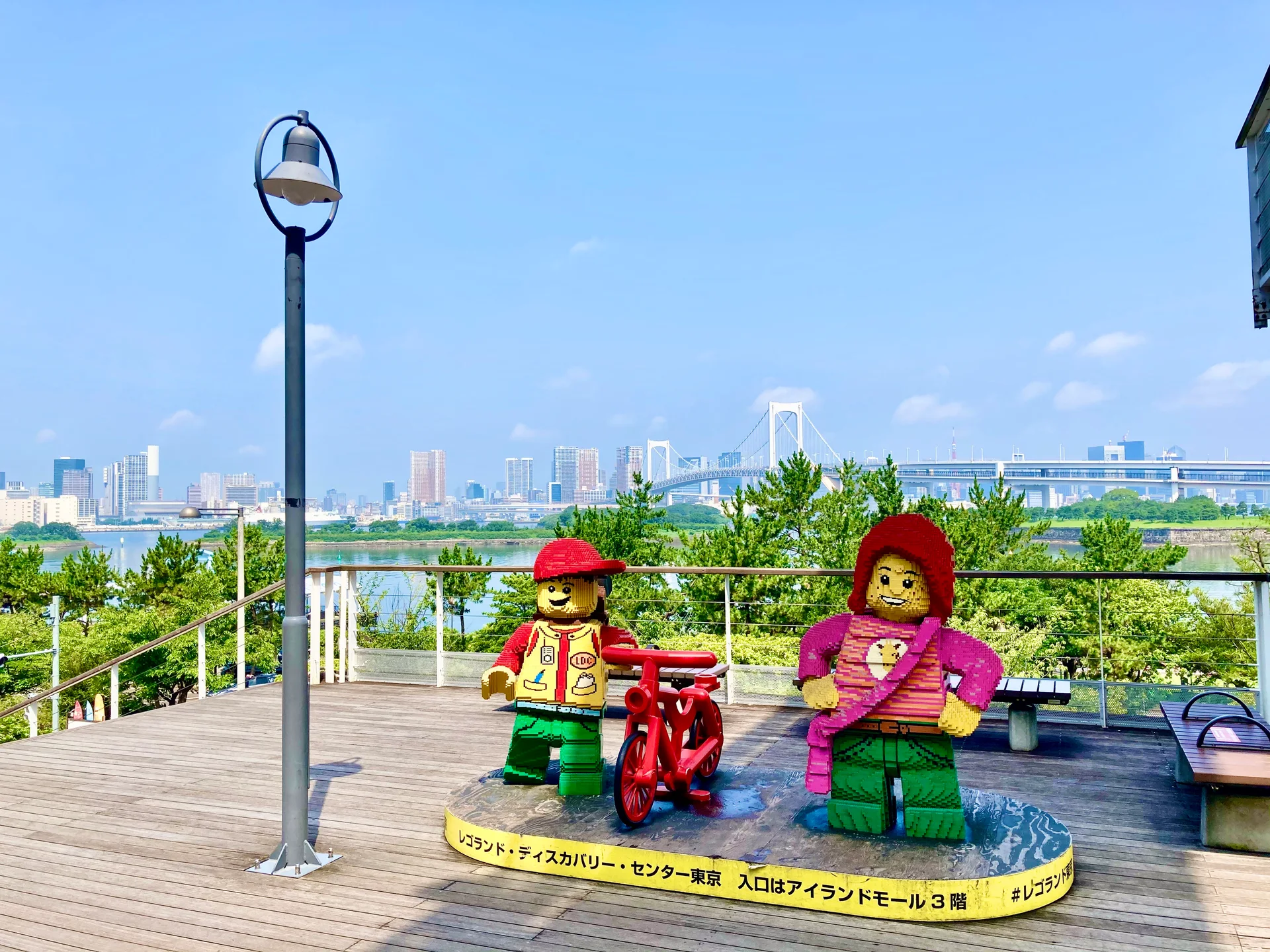
LEGOLAND Discovery Center Tokyo sits in Odaiba and is built principally for children aged three to ten; under-threes enter free. A LEGO enthusiast in the middle of that range is likely to make better use of it than a much older child brought along because it appears on a generic family list. Adults normally need to visit with a child. It is an indoor attraction with dated entry, so a rainy Odaiba day can be shaped around it without guessing whether an outdoor stop will remain pleasant.
Think of the ticket as a substantial play session rather than an item to squeeze between two unrelated sights. The building exhibits, play spaces and rides invite a child to repeat things. Busy weekends and public holidays can bring a playtime limit of about three hours, so check the ticket for your date and leave room for the actual pace. Odaiba has other attractions, including the UNKO Museum decision guide, but proximity alone does not justify buying both in advance. Let the first attraction tell you how much of the day remains.
KidZania Tokyo is more demanding. Children aged three to fifteen can take part in work activities. Under-threes may enter free with the family, but cannot join those activities; a group consisting only of adults and children under three cannot enter. The practical threshold is higher than the minimum admission age. A child should be ready to pick a task, accept a wait, listen to staff and move to the next activity without expecting the whole venue to behave like free play.
The two shifts also make KidZania a day-shaping booking: the first is 9 a.m.–3 p.m., the second 4–9 p.m. They require separate admission. The Tokyo activity reservation process changed on September 1, 2026, so check the activity and check-in flow rather than following an older visit report. First-shift check-in can begin well before opening, around 7:40 a.m. At Toyosu, stroller storage is useful because some paths are narrow and uneven. A parent pushing a stroller while also trying to track one child's next activity and another child's needs will have a harder time than the ticket description suggests.
| Question | LEGOLAND Discovery Center | KidZania Tokyo |
|---|---|---|
| Best match | Ages three to ten who actively want LEGO play | Ages three to fifteen who enjoy guided tasks and role-play |
| Time commitment | One Odaiba half-day, with room to stop when interest fades | A booked six-hour shift; allow time for check-in |
| Younger sibling | Entry and play depend on age and the child's interests | Under-three sibling can enter but cannot do the work activities |
| Stroller issue | Check the venue's access rules for your visit | Storage is preferable to pushing it through activity routes |
| Better backup | Unbooked Odaiba time | Unbooked Toyosu time, not another timed experience |
If the child is just past three, ask whether they want to follow a role for several hours. If the answer is uncertain, LEGO play may offer a softer exit. If they already enjoy choosing jobs and following instructions, KidZania can carry a large part of the day. Parents comparing an Odaiba visit with a wider route can read how to assign full days to Tokyo attractions before adding more tickets.
Seven to twelve: use the interest, not the family label
An older child does not need a venue to advertise itself as family-friendly. A dinosaur fan can spend hours at the National Museum of Nature and Science in Ueno. A child who wants a role can spend a KidZania shift on it. A committed Disney visitor can spend the entire day in one park. The meaningful question is what they would choose to do for half a day without being persuaded by the adults.
The science museum is unusually low-cost relative to the time it can absorb. Permanent exhibition admission is ¥630 for adults and university students; high-school students and younger enter that exhibition free. Standard opening is generally 9 a.m.–5 p.m., with separate terms and fees for special exhibitions. The museum's time-and-ticket guide explains why a family should not use the low price as a reason to add a second large venue automatically.
There is a special family space, ComPaSS, which reopened after renovation on March 2, 2026. It is aimed mainly at ages four to six but open to families with children from babies through elementary age. It requires a date-specific reservation for every visitor, separate from museum admission, and strollers cannot go inside the space. For a seven- to twelve-year-old drawn to the galleries, do not let a ComPaSS reservation dictate the whole visit merely because it exists. Let the science interest decide whether the main galleries are enough.
Ueno Park makes a sensible unbooked finish. The zoo appears close on the map, but a child who has already spent three or four hours with natural history may not want another admission gate. The same caution applies to Oshiage: the Skytree is easy to label a family attraction because it has lifts and shops, yet the view must be something the family actively wants. If a themed event is the draw, check the separate Skytree collaboration ticket rules before assuming an observatory ticket covers it.
Rain changes the anchor; it need not move the whole family across Tokyo
A wet morning does not call for a new itinerary assembled from every indoor venue in the city. Keep the district if possible. A family near Ikebukuro can consider Sunshine Aquarium; around Suidobashi, ASOBono!; in Toyosu, KidZania if a suitable shift is available; in Odaiba, LEGO; in Ueno, the science museum. That keeps the transport already understood and limits how often coats, bags and stroller must be handled.
Rain intensity still matters. Light rain may leave room for a short outside transfer or park break. Heavy rain makes long exposed walks with children unpleasant, even if the destination is indoors. The Tokyo rain guide gives an adult-oriented route around central Tokyo; take its weather logic without forcing a toddler through every stop. If you are planning a Toyosu day, the Toyosu Manyo Club guide may help an adult group choose a different anchor, though its bathing rules and atmosphere are a separate question from KidZania.
Stroller friction is cumulative. A crowded aquarium gallery, a KidZania lane where stroller storage is advised and ComPaSS where strollers cannot enter might each be manageable alone. Putting two of them on the same day means transferring bags, waking a sleeping child, locating storage twice and doing the reverse on the way out. Pair one stroller-intensive venue with food or free time nearby, not with another reservation.
When Disney is the child's priority, give it the day
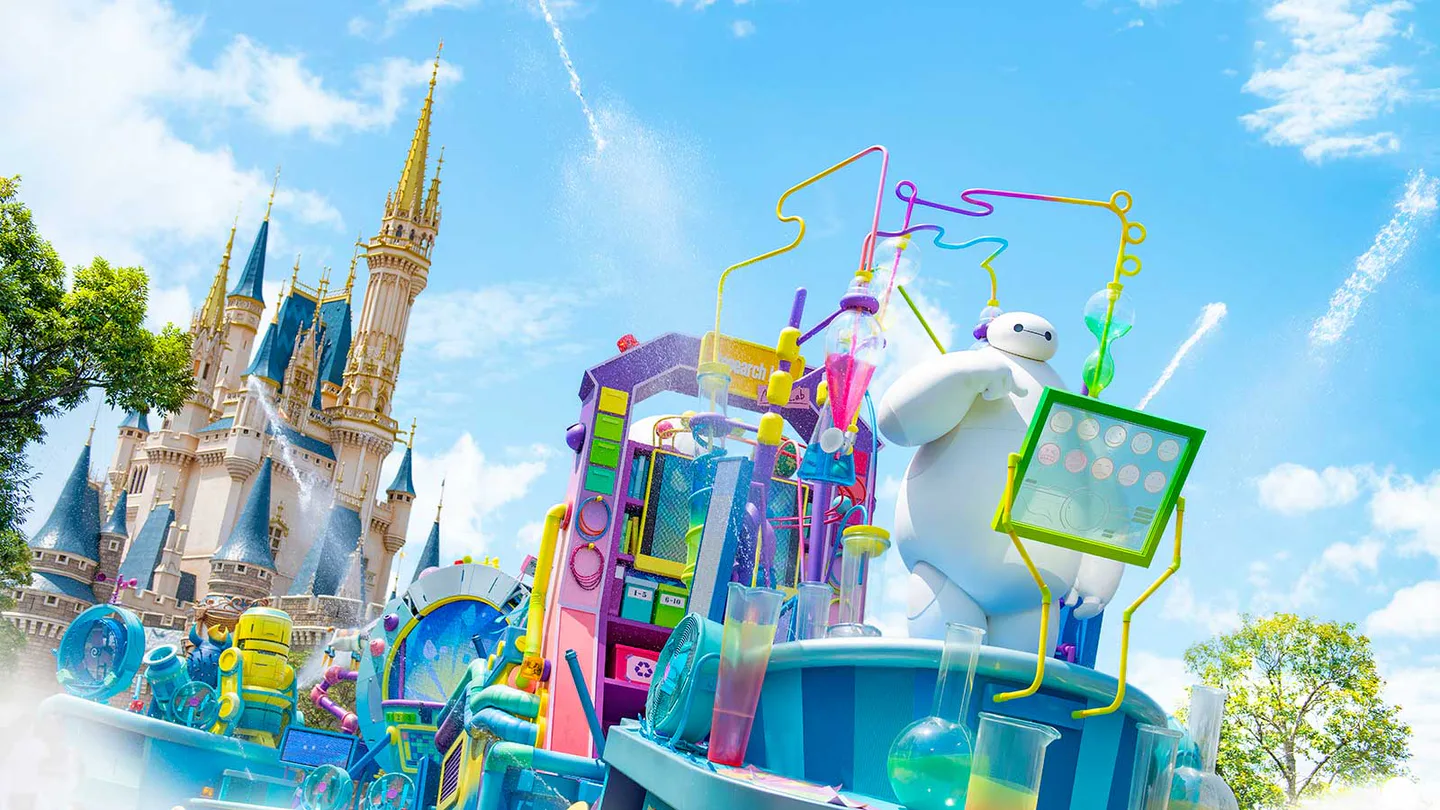
Disney is an excellent answer for a family that actually wants Disney. It is a poor late-afternoon add-on after a city attraction. Choose the park first with the Disneyland versus DisneySea comparison, then decide if your trip justifies one park day or two. A child who has talked about the park for months should not be asked to save enthusiasm for it after a museum, cross-city train trip and skipped nap.
Two park days can change the hotel decision. Read the Disney split-stay timing guide if you are considering moving hotels, and the four-person Disney hotel comparison if bed layout matters. For a city base, the Tokyo family-room guide distinguishes a room that technically sleeps four from one in which luggage, bedtime and a stroller work in practice.
One park day and two city family days can be a better match than a long checklist of short paid stops. This is not a fixed rule for every child. A family that already knows its children happily travel from morning to evening may choose a fuller route. Use that actual experience to add a stop, rather than assuming a map's short travel times guarantee usable energy.
Build a family day with an easy way to stop
Before paying, write down three things: the child's preferred anchor, the district where it sits and the point where you can return to your room. For a child under six, reserve one paid venue and keep a park, mall or meal as the optional second stop. For an older child, two attractions can work if both are nearby and only one depends on a precise entry time. A sample city route may be possible on paper while still asking too much of a real family at 4 p.m.
Families comparing a Tokyo day with other cities can use the Osaka by-age attraction comparison, while the Japan trip-planning sequence helps decide the number of city days before collecting more tickets. If a 2026 seasonal event is competing for the same day, check its actual date and admission terms; the Chiikawa Park timing guide is one example where shopping and entry need separate thought.
Need a Tokyo base that makes a midday reset possible? Compare places to stay around Ikebukuro for an aquarium-centred day, then check the route to the other family anchors you have chosen. A hotel area should earn its place across your whole stay, not because it is near one attraction.