
The first Tokyo Disney ticket decision is which park deserves your full day. A 1-Day Passport is for a specified date and either Tokyo Disneyland or Tokyo DisneySea. If this is a first visit with one Disney day, buy one park and give it the whole day. Two park days make sense when Disney is a central reason for the trip and the second ticket is worth giving up another Tokyo day. The limited summer 2026 Park Hopper finished on September 14; it is not an October or winter shortcut to doing both parks now.
Before looking at checkout prices, decide whether your priority is Disneyland's castle, classic characters and Beauty and the Beast, or DisneySea's harbour setting, Fantasy Springs and attractions that feel especially tied to Tokyo. The Land versus Sea comparison goes deeper on rides and atmosphere. This page deals with how that choice changes the ticket, length of stay, morning transport and hotel bill. If your larger trip has only three to five days in Tokyo, that second Disney day has a real opportunity cost.
| Your situation | Start here | What could go wrong |
|---|---|---|
| First visit, one available Disney day | Choose one park and stay through the evening | Trying to collect both parks without a current Hopper leaves two half-finished days |
| Classic castle and familiar characters lead the wish list | Disneyland | Choosing DisneySea solely because it is unique ignores what the group wants |
| Fantasy Springs, harbour design and a distinct park lead | DisneySea | Buying Disneyland from habit, then regretting the missing Sea day |
| Disney is a main trip purpose and Tokyo has time to spare | One date-specific ticket for each park | The second early start and any hotel move cost more than the second ticket alone |
| Adults or children need an easier pace | One park, or two days with a recovery plan | Back-to-back opening-to-close days outlast the group's energy |
One day: choose the park from your own priority list
Land is a sound choice for a party whose image of Disney is Cinderella Castle, characters and the traditional park rhythm. Beauty and the Beast can be a high priority, but one ride should not make you ignore the rest of the group's interests. Sea is more persuasive when the setting itself matters, adults want a Tokyo-specific park and Fantasy Springs sits near the top of the list. Neither park is a universal beginner park. Ask everyone for two must-do experiences, then see which park contains the list you would regret missing. A family comparing ride access can use the Tokyo activities by age before the children inherit an adult's favourite.
With one ticket, a complete day can include time for meals and a nighttime programme without paying for a transfer across the resort. If a guest has seven or eight priorities in each park, switching does not solve the shortage of hours. It doubles the things left undone. The one-versus-two-day route helps decide whether those two lists genuinely justify another park day. If they do, separate tickets make the day plans clearer than treating the second park as overflow for the first.
Ticket price changes by date; the cheapest feasible date wins
The current 1-Day Passport page lists adult admission from ¥8,900. The October 24, 2026 calendar showed ¥12,400 for that day and ¥10,900 for several following weekdays. Those are examples of date-based pricing, not a promise for a future visit or a fixed weekday discount. A cheaper date only helps if it still works with flights, other timed reservations and the park's operating calendar. For a family, multiply the actual adult, junior and child tickets before assuming the difference is minor. Children aged three or younger enter free under the current ticket rules.
| Ticket on the current menu | Adult starting price | Admission it provides | Planning limit |
|---|---|---|---|
| 1-Day Passport | ¥8,900 | One designated park from opening on one selected date | Daily price can be much higher; October 24 showed ¥12,400 |
| After 3 Passport | ¥7,900 | One designated park from 3 p.m. on eligible weekends or holidays | Not a substitute for an opening-to-close first visit |
| After 5 Passport | ¥6,000 | One designated park from 5 p.m. on qualifying weekdays | Very short for a first visit with several major rides |
Open the dated park-ticket calendar for both parks and compare only dates that your trip can use. A saving on admission can disappear if it creates an extra hotel night or forces a non-refundable booking to move. The four-, five- or seven-day Tokyo itinerary makes that trade-off visible. If you are also considering a Mount Fuji day trip, choose which full-day commitment has the stronger claim on a weather-sensitive slot.
Tickets normally open daily at 2 p.m. Japan time for admission on the same date two months later. If that date does not exist in the month when you buy, the relevant tickets open at 2 p.m. on the first day of the following month. A day's sales can pause at its limit, and tickets may reappear after a sold-out indication. None of this guarantees a seat in a specific hotel or an attraction entry. Choose a backup park date while your accommodation is still flexible; do not rebuild the whole holiday after one unavailable screen.
Why the 2026 summer Park Hopper no longer belongs in checkout advice
From July 1 through September 14, 2026, the limited 1-Day Park Hopper let a guest choose a starting park and move between Land and Sea from 11 a.m. Adult prices began at ¥13,700 for those dates. That was a useful option for a repeat visitor with a short, specific list in each park, or for someone who had one limited-time target in each. It did not turn a single day into two full park visits: the morning remained tied to the starting park, and crossing between parks cost time. The ticket's admission period has ended. Do not buy a current date on the assumption that the old product still exists or can be moved into autumn.
The same summer cutoff affected other afternoon and evening products. Current ticket types include the After 3 Passport on weekends and holidays and the After 5 Passport on qualifying weekdays, while the summer-labelled versions ended. These later-entry tickets solve a different problem from a full-day first visit. A traveller arriving in Maihama after lunch may value them; a family trying to see both headline areas may need the time afforded by a full-day passport. Compare the named ticket on your actual date rather than applying a social post from July to a December booking.
What the second Disney day replaces
Two tickets are easiest to justify when the trip has four or five full Tokyo days or more, the group genuinely wants both parks, and the morning journeys can be managed without exhausting everyone. If the city portion has only two or three days, the second park often replaces Asakusa and Ueno, a western Tokyo day, a museum visit or the only unscheduled afternoon. That may be exactly the right trade for a Disney-centred trip. Make it consciously, rather than adding Day 2 because both parks are famous.
For an independent two-day visit, buy two date-specific 1-Day Passports: one for each designated park. There is no general multi-day passport covering both days. Give each day its own priority list, meal plan and afternoon break; Day 2 need not be a vague repair session for what was missed on Day 1. If the first day follows a late flight, hotel move or long city walk, consider protecting the park you care about most for the day with the steadier morning. The two-day split guide goes through sequence choices without pretending that Land must always come first.
The extra admission is only part of the cost. Food, merchandise, optional Premier Access, the train or resort line and possibly a hotel change all belong to the same calculation. A child who needs a nap, a grandparent who would rather not stay until closing or a room that nominally sleeps four on two proper beds can make Day 2 a poor purchase. Disney-area rooms for four and Tokyo family room layouts are more useful at this stage than another park ranking.
Give the recovery time a place in the itinerary. A late finish at Sea followed by a first-train style start at Land may be theoretically possible but leaves little margin for a slow breakfast, weather or an exhausted child. If a nearby room lets the group sleep longer and take a midday break, compare that gain against its nightly rate. If it would force a hotel change in the middle of a short Tokyo stay, a single park day from the current base can be the cleaner purchase. The six Tokyo base areas frame that decision across the whole holiday.
Admission does not include every queue strategy
A valid park ticket gets your party through the entrance. Disney Premier Access, 40th Anniversary Priority Pass and any attraction-specific entry system answer separate questions after admission. Do not assume every desired ride needs a paid shortcut, or that paying for Premier Access can rescue a day with too many fixed targets. Choose two or three attractions whose absence would change the day, then check which system applies to each. The admission versus Premier Access comparison sets out the difference.
This second budget matters more for two adults or a family of four than a small change in the advertised base ticket price. A parent who buys two park days and several shortcuts may spend far more than planned even though each decision looked minor at checkout. If the group's interest is centred on shows and atmosphere, it may not need the same paid ride strategy as an attraction-heavy visit. The Vacation Package change guide is relevant when a bundled hotel-and-park product is being considered instead of separate tickets.
The Maihama morning is longer than the headline train ride
JR Tokyo Station to Maihama is shown at about 15 minutes on the Keiyo or Musashino Line. That is one train segment, not the door-to-gate time. Tokyo Disneyland is roughly a five-minute walk after Maihama. For DisneySea, add the short walk to Resort Gateway Station, the Disney Resort Line ride and the final walk to the entrance. The published route examples put Shinjuku to Disneyland at about 40 minutes and Shinjuku to DisneySea at about 50, before all the waiting and transfers a particular family may encounter. One park day from central Tokyo can work well; two early mornings make the repeated journey more consequential.
The Disney-area or central Tokyo hotel comparison should be read against the rest of the trip. A Maihama or Urayasu room can buy back energy after two park nights, but moving hotels for a single day may consume more time than it saves. Tokyo Station versus Shinjuku matters when several rail days and Disney mornings compete for the same base. If the trip begins with a late flight, the airport-night decision can be made before promising an opening-time park entry the following morning.
For a local room shortlist, compare hotels around Maihama and the resort against your actual park dates. A family should check bed arrangement and the morning shuttle or rail step, not just the property's marketing distance. The Disney Hotel, resort-affiliated and partner hotel comparison explains why similar-looking names do not confer the same entry benefit. Grand Nikko versus Hilton Tokyo Bay and Sheraton versus Grand Nikko for four are narrower room decisions once the area is settled.
Happy Entry can improve one morning without buying another park day
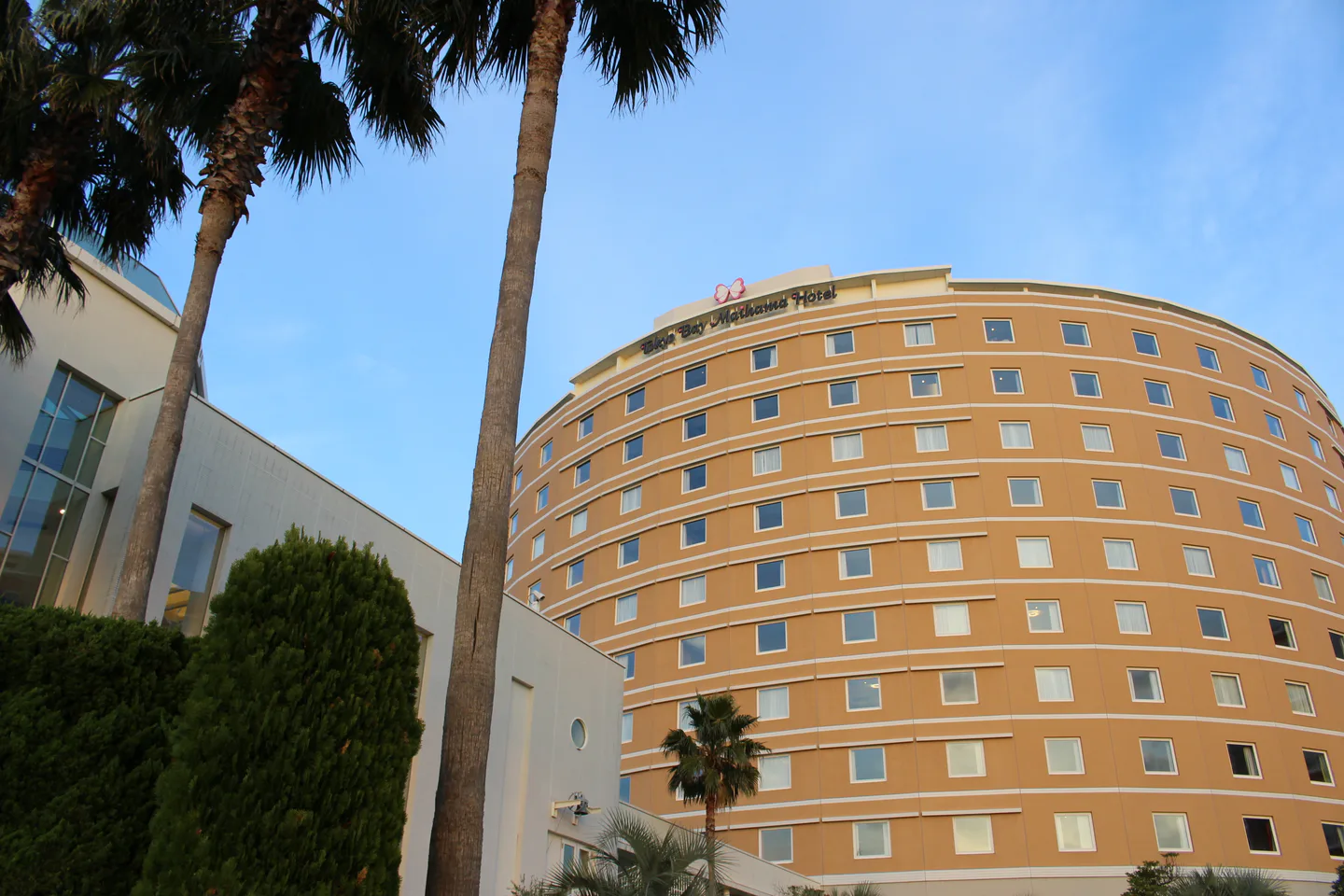
An eligible Disney Hotel can provide Happy Entry, which changes access before the general crowd. It is a hotel benefit with eligibility and park conditions, not a reason by itself to pay for two park days. If the hotel already suits your trip and the early minutes protect a high-priority attraction, the premium may have value. If it requires moving rooms, paying much more or ignoring the group's need for recovery, its apparent advantage can disappear. The Happy Entry hotel decision separates the early admission from the rest of the stay.
Children and older travellers may gain more from a workable midday break than from a theoretical first-minute queue advantage. Staying close enough to return to the room can help one child nap while others continue. But that works only if the hotel transport is straightforward and the room is ready when needed. A hotel far from the park with a convenient-sounding shuttle can still make a break too costly in travel time. Make the nap and dinner plan before deciding that another park ticket is affordable in energy as well as money.
Read four ticket fields before checkout
Confirm the admission date, designated park, ticket type and change or cancellation conditions. A date change for an eligible online ticket is not the same as changing from Land to Sea or converting to a different ticket product. A sold-out target date does not become available merely because you already hold another ticket. Sellers can set different cancellation and change terms, so the final checkout screen matters more than a general claim that “Disney tickets can be changed.” Keep the current ticket types and date calendar beside that screen.
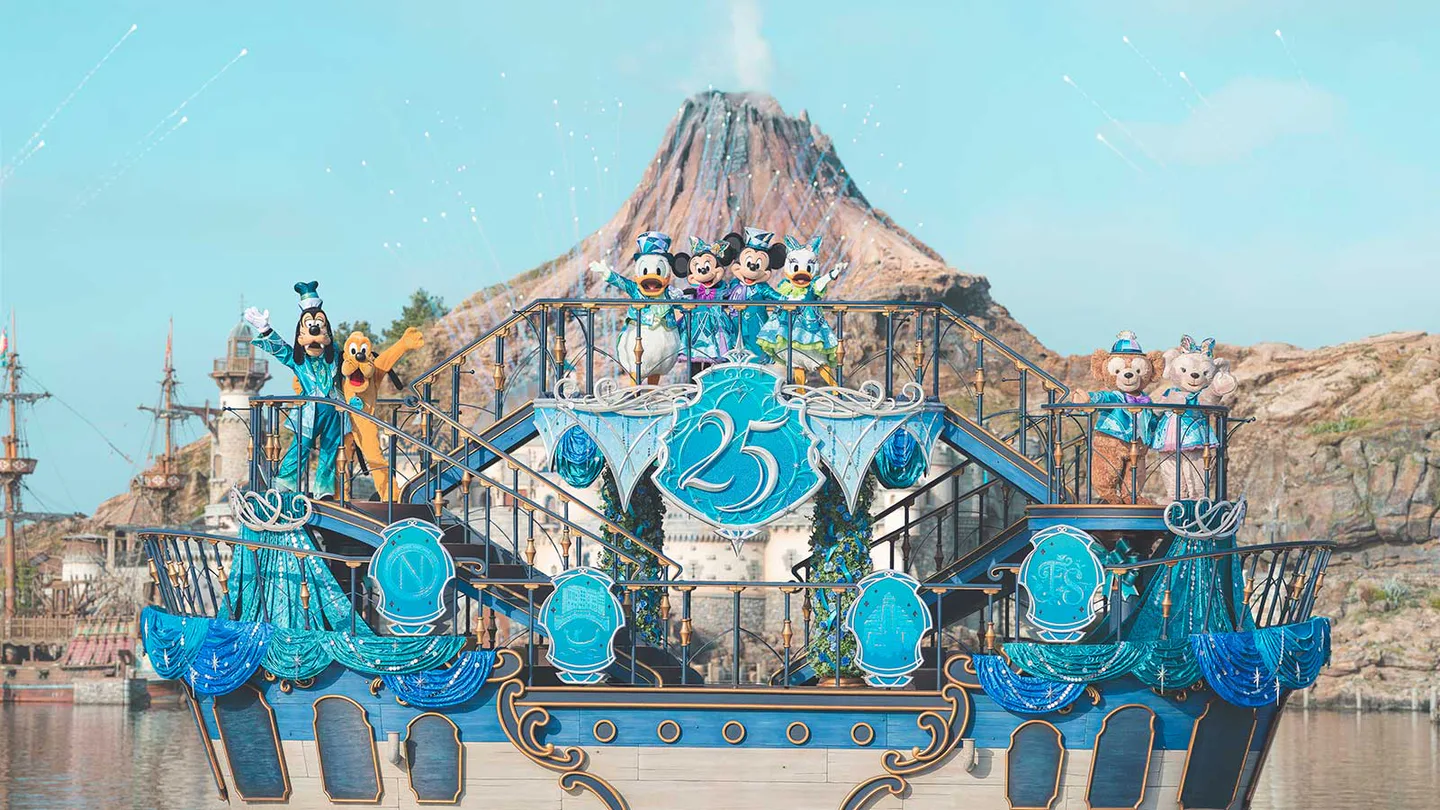
Check the operating calendar for park hours, seasonal programmes and facility closures. The October 2026 Halloween programme and DisneySea's 25th anniversary offer a different day from a quiet winter date. A price tier alone cannot tell you which one the group will prefer. If a show, parade or Fantasy Springs attraction is the main reason for choosing a date, check its actual operating status before locking a non-refundable hotel. The park comparison remains the first filter; the calendar refines the date after that choice.
A lower ticket price should also be tested against crowd-sensitive plans. If the desired programme falls on a high-price Saturday, a lower-price weekday without that programme is not an equivalent product. The reverse can be true for a group whose priorities are ordinary rides and a calmer meal rather than a seasonal show. A neighbouring attraction such as Warner Bros. Studio Tour or teamLab Borderless may be easier to place on the day when the park ticket costs more. Moving that attraction, rather than changing the Disney date, can preserve both the budget and the preferred programme.
One day is usually enough when Tokyo itself has only two or three full days, the group is visiting Disney mainly out of habit, two consecutive western-Tokyo commutes would be tiring, or the combined ticket, Premier Access, food and hotel spending already feels stretched. Two days become compelling when both park lists are independently strong and the trip can support a gentler second morning. Pay in this order: choose the park or parks, identify feasible dates and actual prices, decide whether the second day earns its place, then compare ticket conditions and the morning hotel route. The finished summer Hopper should not re-enter that purchase sequence.