
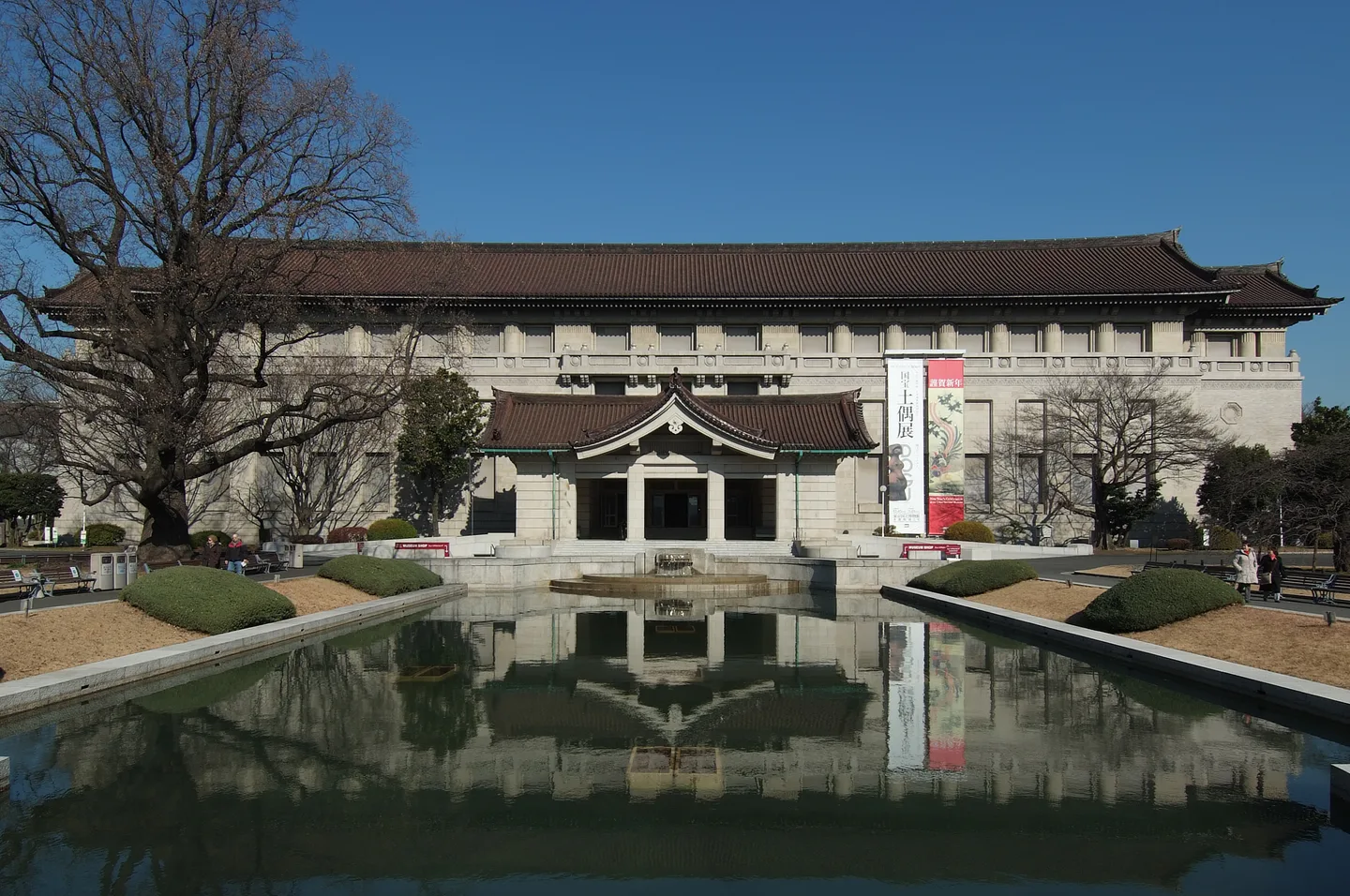
The first ticket question at Tokyo National Museum is what you intend to see. On an ordinary paid day, an adult can enter the TNM Collection for ¥1,000. A ticket for a named special exhibition is a different product and also admits its holder to the collection that day. November 3, 2026 is free for the collection, though the free day does not turn a paid special exhibition into a free one. Buying a general ticket before settling the date and the exhibition can leave you with the wrong admission layer.
Decide in this order: date, exhibition priority, any age or other free-entry eligibility, then purchase channel. A digital ticket can spare you a counter queue that sometimes exceeds 30 minutes. It cannot fix a gallery closure, an unsuitable date or a suitcase that cannot enter the grounds. If you only want a few Japanese-art rooms, start with the collection; if Hiroshige is the reason for the trip, start with that exhibition's ticket and use the included collection entry if time remains.
As of late October 2026, the November free day and the Hiroshige exhibition are the live decisions. The September Kūkai show and its ticket window have ended. Prices below are in yen, the amount charged at the museum; old currency conversions do not help with a ticket purchased months later. Match any fixed date to the open buildings as well as to the admission product.
Which admission do you need on your visit date?
↔ Scroll table left or right
Date and aim | Admission to use | What it covers | Avoid this mistake |
Paid date, collection only | TNM Collection: adult ¥1,000 | Regular collection galleries | Buying before Ueno is firmly in the itinerary |
November 3, 2026: collection only | No paid collection admission | Regular collection is free that day | Treating a free collection day as a free special exhibition |
Hiroshige is the main goal through December 20 | Hiroshige special-exhibition ticket | Named show plus collection on the same day | Buying only the collection ticket or adding it twice |
Under 18, over 70 or another eligible category | Check proof and exemption | Eligible collection entry may be free | Paying before checking the relevant age or disability condition |
September Kūkai show | No longer on sale | Its exhibition ticket once included same-day collection | Following an expired booking suggestion |
Visit after hotel checkout | Arrange suitcase storage first | Bag stays outside the museum | Arriving at the gate with a suitcase |
One visit needs one admission layer
Think of the products as alternatives with different reach, rather than separate items to put in a basket. The regular collection ticket opens the collection galleries. Free collection eligibility replaces that ticket for eligible visitors and dates. A paid special-exhibition ticket sits above regular admission because it also includes the collection on the same day.
↔ Scroll table left or right
Admission layer | What it opens | 2026 example | Another collection ticket? |
Free collection eligibility | Regular collection only | November 3 or a qualifying visitor | No |
TNM Collection ticket | Collection galleries | Adult ¥1,000 on a paid date | This is the regular admission |
Special-exhibition ticket | Named show and same-day collection | Hiroshige until December 20 | No |
If you already hold a Hiroshige special-exhibition ticket, a second ¥1,000 collection ticket adds nothing for that date. Conversely, a collection ticket does not gain entry to the paid exhibition. The distinction matters more than a small discount on either sales page. Check the exact product title before paying; a familiar museum name on two different tickets does not make them interchangeable.
Once the admission layer is settled, choose where to buy it. The museum's own online collection ticket, an eligible third-party e-ticket and the counter serve different preferences for flexibility and queuing. Keep the special-exhibition terms separate. If another Tokyo attraction is competing for that morning, the Tokyo attraction-area plan can decide whether Ueno fits before you commit money. If the alternative is a full excursion, compare the time cost of Tokyo day trips before reserving museum hours.
The regular collection ticket buys queue convenience, not a dramatic discount
Adults pay ¥1,000 for the TNM Collection and university students ¥500 on an ordinary paid day. The museum's electronic collection ticket remains valid for two months from purchase and can be used during opening hours. Busy ticket counters can take more than 30 minutes, so buying online can reduce one uncertain step at the gate. That advantage is real on a fixed museum day, but a ticket bought too early has its own cost if the itinerary changes.
For a regular collection visit, the reason to pre-book is smoother entry. The savings claim is usually weaker than the time claim. A low admission price also means there is little need to force a flexible Tokyo afternoon into a date chosen weeks before you know the weather, hotel location or other reservations.
Before paying for the collection online, check three conditions:
The date is a normal paid collection day rather than November 3.
The collection is the purpose; a special-exhibition ticket is not needed.
Ueno remains in the plan after weather, arrival time and other bookings are considered.
When the date is paid, the collection is the goal and Ueno is firmly on the route, a digital ticket is sensible. If one of those conditions is still moving, keep the decision open. The Tokyo stay-length guide is a useful upstream check when the museum is competing with a small number of sightseeing blocks.
November 3 removes the collection charge, with a crowd trade-off
The museum's 2026 collection free days are May 19, September 21 and November 3. The first two have passed. For an upcoming autumn visit, November 3 is the relevant date: do not pay ¥1,000 for regular collection admission that day. This applies to the collection, and age-based or other published free-entry conditions may remove that charge on additional dates for eligible visitors. Bring the proof required for your category.
The Hiroshige exhibition still needs its own ticket on November 3. A traveller who only wants the free collection can visit without buying that product; someone coming mainly for the woodblock prints should plan and pay for the exhibition. Free regular entry and paid special entry can coexist on the same calendar day. Check which rooms you will actually use before treating the free date as a universal ticket discount.
A free day may bring more people to the entrance and galleries. Saving ¥1,000 is attractive if your Ueno afternoon can expand or contract. It is less attractive if you have exactly two hours between fixed reservations and the queue consumes a meaningful share of them. Compare the value of the saved admission with the time you can afford to lose; the museum warns that busy-period counter waits can exceed 30 minutes.
The finished Kūkai exhibition still explains the ticket distinction
Kūkai and the Treasures of Shingon Buddhism occupied the Heiseikan from July 14 to September 6, 2026. It used a separate exhibition ticket and published 09:30–17:00 standard hours, with some Friday, Saturday and July 19 openings until 20:00. Those dates are now past, so the ticket is no longer a current purchase option. The example remains useful because it shows why a headline exhibition cannot be reached by buying only a regular collection ticket. See the Kūkai exhibition record.
A visitor whose main aim was Kūkai needed the exhibition product; that product also opened the TNM Collection for the same day. The same admission principle applies to current special exhibitions. Review the collection only after allowing enough time for the show that brought you here, rather than buying two tickets before you know which gallery you will enter.
For a named exhibition, buy that exhibition's admission first; use its included same-day collection access only if the day's schedule allows. A separate collection ticket is unnecessary.
The reverse case is equally important: a visitor interested solely in the regular collection did not need Kūkai admission just because the show was advertised at the museum. Exhibition price, subject and time should all match your interests. The present-day equivalent is choosing whether Hiroshige is part of your museum visit at all.
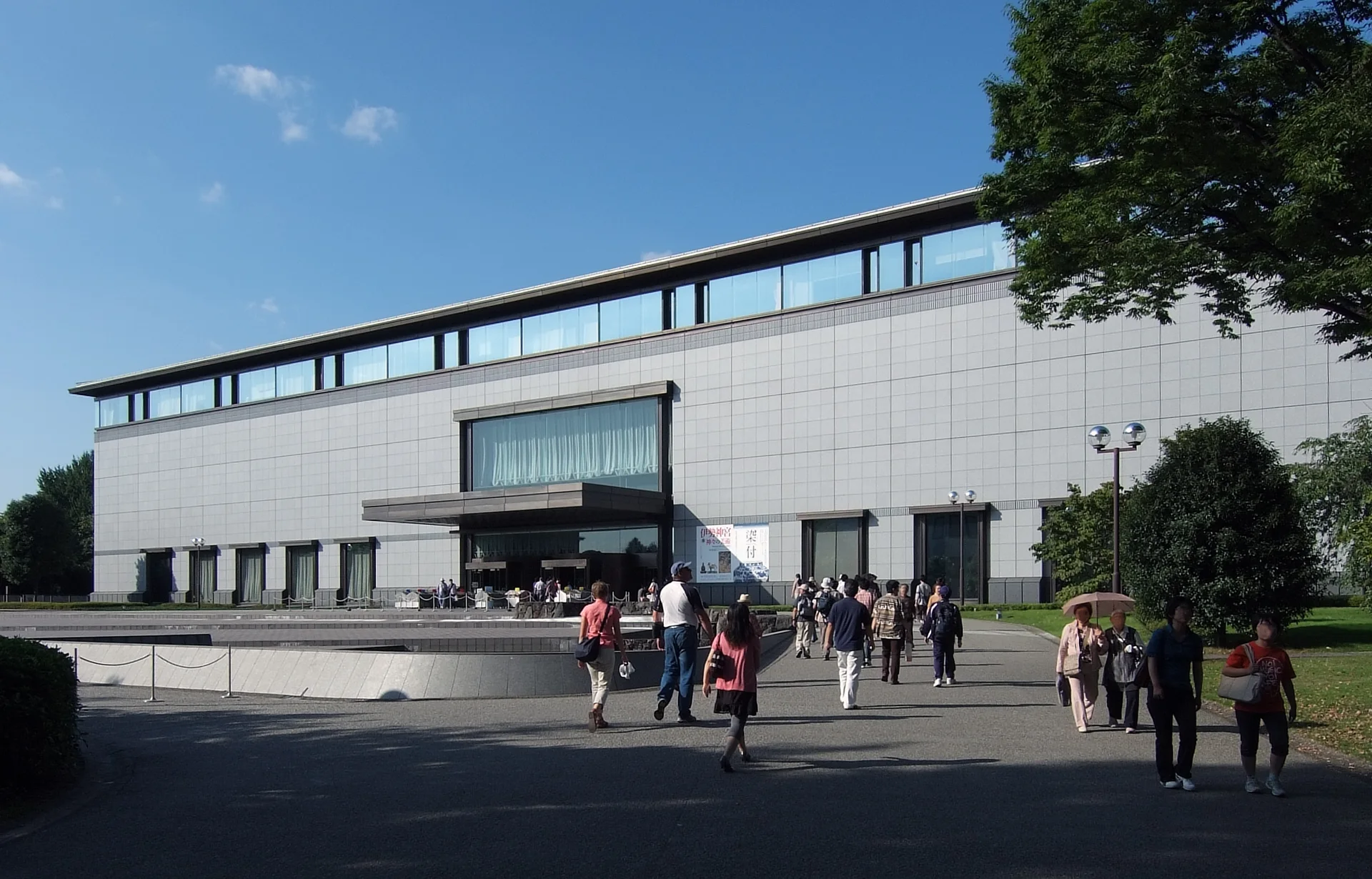
Hiroshige changes its works three times before December 20
Hiroshige: New Perspectives on Edo Japan runs in the Honkan through December 20, 2026. Adult same-day admission is ¥1,500. Under the current online offer, an adult same-day ticket receives a ¥100 discount, subject to the listed terms. The ¥1,300 advance price and ¥3,600 three-ticket bundle belonged to sales that ended September 28; neither should be presented as a new purchase choice in late October. University admission is ¥500, while published age and disability exemptions may apply with proof.
The display is not identical throughout its run. Works change in full between three periods, so the date determines which part of Hiroshige's major series you can see:
Part One: September 29–October 25 — the Tōkaidō Road series.
Part Two: October 27–November 23 — the Kiso Road series.
Part Three: November 25–December 20 — views of Edo.
One Tokyo visit normally calls for one ticket to the period that matches your date. The former three-ticket set made sense for a person intending three admissions, possibly to see each rotation, but it is no longer on sale. Do not mistake the existence of three periods for a requirement to buy three visits. If the prints are the centre of your day, allow gallery time before adding the collection; if they are not, keep to the ¥1,000 regular route.
A reservation is not compulsory for Hiroshige, although a crowded gallery can still involve a wait. An online same-day ticket currently reduces the adult price by ¥100 and removes a purchase step. It does not promise a quiet room or immediate entry. The Hiroshige ticket and rotation details matter especially around the changeover dates, when the works on view switch.
For an exhibition-led visit, the Hiroshige ticket includes same-day collection access. Do not stack an ordinary collection ticket beneath it. For a collection-led visit, do not buy the exhibition just to get inside the museum. The teamLab Borderless decision offers a useful comparison if only one museum can fit your Tokyo allocation, but the two visits solve very different interests.
Reserve a Ueno block, not only gallery minutes
The main gate is roughly a 10-minute walk from JR Ueno or Uguisudani and about 15 minutes from Tokyo Metro Ueno or Keisei Ueno. A selective first look inside can take two to three hours, but those hours start after the walk through the park and the entry process. Add a little time to leave, regroup or use the shop. A museum plan that occupies a real three- to four-hour itinerary block is more reliable than treating a two-hour gallery target as the entire trip from station to station.
↔ Scroll table left or right
Part of the visit | Allow roughly | Why it uses time |
Walk from Ueno or Uguisudani station | 10–20 minutes | Rail line, exit and park route change the approach |
Gate, security and ticket step | 5–30 minutes or more | Busy counters can exceed 30 minutes |
Two selected gallery areas | 2–3 hours | Enough for a focused route, not every building |
Exit, shop and regrouping | 15–30 minutes | A fixed train or dinner still needs margin |
Consider a 15:00 entry followed by a fixed 17:30 booking in another district. Even a focused gallery visit can be squeezed by the approach, ticket check and transfer out of Ueno. The planning allowances in the table are not a guaranteed museum duration; they are a way to protect the next reservation from a schedule that has no margin. The Tokyo first-and-last-day planner is especially relevant if this museum stop sits beside airport travel.
If Japanese art is a major reason for visiting Tokyo, leave the next slot open and let the collection expand. This campus has several buildings and changing displays. A visitor who wants to look carefully at archaeology, sculpture or ukiyo-e can use considerably more time than a compact first-visit loop, without any obligation to 'complete' every room.
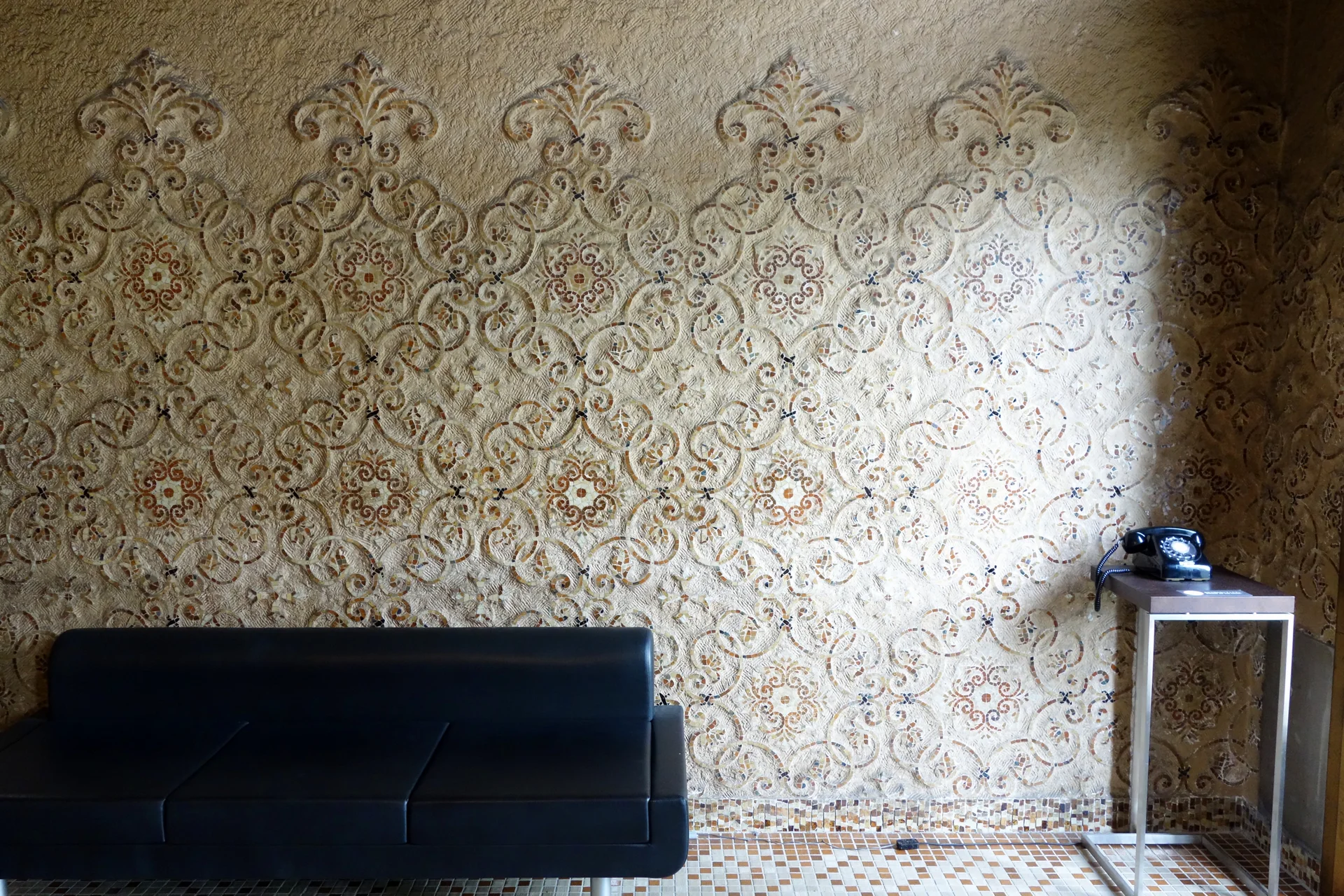
Begin with Honkan, then decide whether another building earns your time
For a first visit centred on Japanese art, Honkan is a clear anchor. It gives the route a subject rather than turning the museum into a building checklist. After that, pick one additional area based on what you want to see: Toyokan for Asian art, Heiseikan for archaeology or a current special show, or the Gallery of Horyuji Treasures for Buddhist works. Check that the chosen rooms are open on your day before setting a walking circuit.
A two- to three-hour gallery plan can be divided without trying to see every building:
Spend about 90–120 minutes in Honkan with a selective Japanese-art route.
Give roughly 45–60 minutes to Toyokan, Horyuji Treasures, Heiseikan archaeology or a special show you actually chose.
Leave the remaining time for an open garden, the shop or slower viewing rather than forcing another building.
Buddhist sculpture, archaeology, Asian art and prints are different priorities. A second building helps when it adds a subject you care about, not simply another entry on a campus map. If you are planning more than one museum, compare the Ueno science museum with this visit rather than stacking two large museums into an afternoon. A garden-and-art visit at the Nezu Museum is a separate choice in another district, so allow for the transfer if you want both.
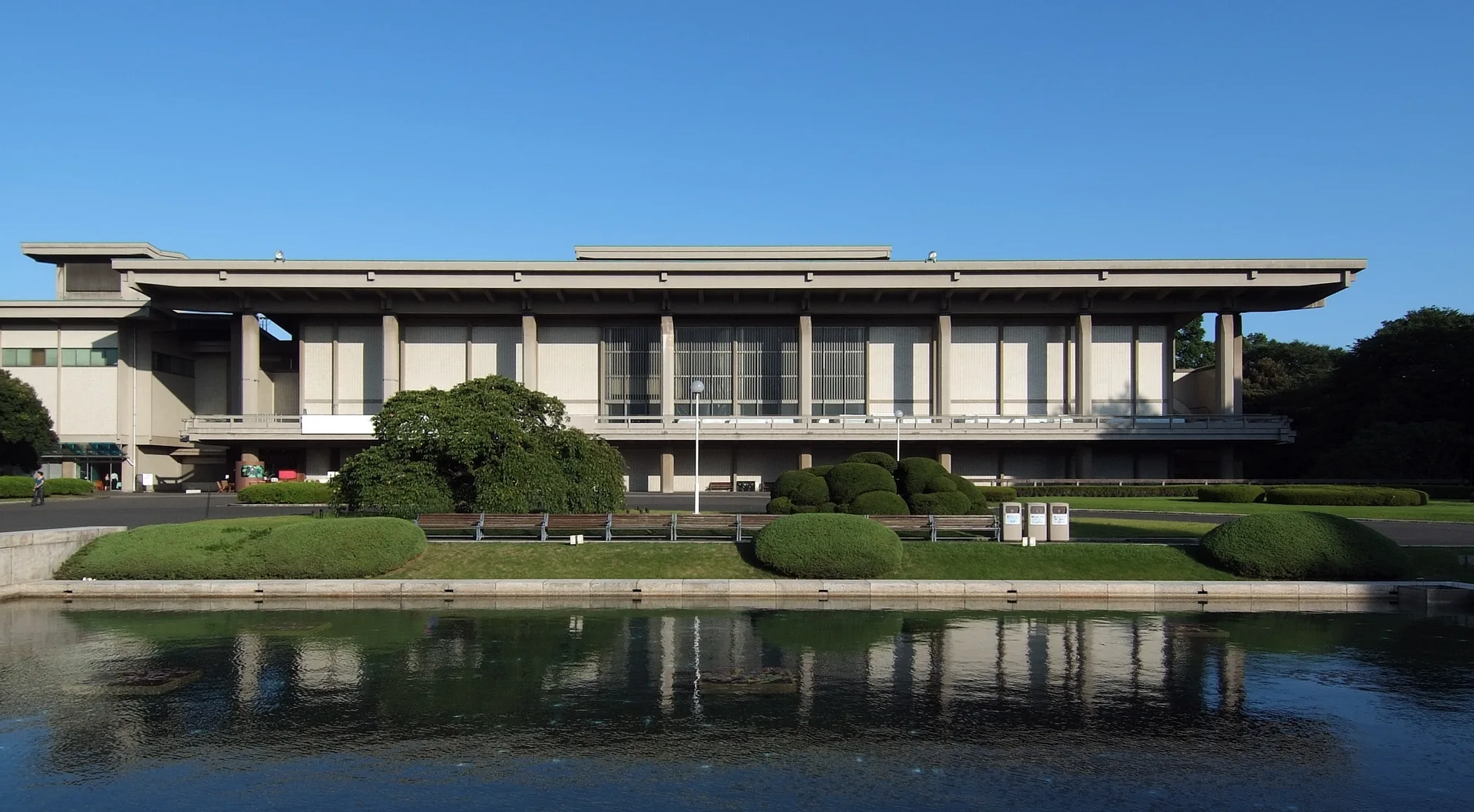
Late opening may save a scarce Tokyo daytime block
The TNM Collection normally opens at 09:30 and closes at 17:00. Fridays and Saturdays currently extend to 20:00, as do certain Sundays before a Monday holiday; admission closes 30 minutes before the day's closing time. A special exhibition can follow its own calendar and hours, so do not infer its last entry from the collection's schedule. Verify the selected date if an evening entry is the hinge of the plan.
On a short Tokyo trip, a late opening can turn the museum into the second half of a Ueno or east-side day. You keep the morning for another district and reach the galleries without giving them a whole separate daylight slot. The change is most useful if dinner and the return to your hotel also sit on the eastern side; crossing the city again immediately afterward can erase some of the time gained.
The saved daytime block may matter more than a small ticket discount. Four full Tokyo days are easier to allocate when a museum with evening hours does not compete with every daytime attraction. If you only have a single afternoon in Ueno, the cheaper date may still be the right one; base the choice on the time you can actually use.
If the larger city plan is unsettled, compare three, four or five Tokyo days before treating the museum ticket as a standalone bargain.
Pair the museum with the east side of Tokyo
Ueno Park, Ameyoko and Asakusa can share an east-Tokyo day with the museum without a cross-city reset. A specialist art interest can justify coming from the west solely for the galleries; for a casual two-hour look, that transfer increases the cost substantially. Plan the surrounding district first and keep enough room for the museum gate and one extra building. The Tokyo area map helps keep a Ueno block distinct from a Shibuya or Odaiba block.
If you are considering a Ueno hotel, use Ueno versus Shinjuku for the whole stay. The museum is easy to place when Ueno already suits airport access and other east-side days, including a rainy or low-energy afternoon. It is a poor reason by itself to move several hotel nights away from west-Tokyo plans. The Tokyo Station versus Shinjuku comparison is another way to test a central base when a train departure also matters.
Within Ueno, Mitsui Garden Hotel Ueno versus NOHGA asks whether a shorter station walk or more room space is the better repeated benefit. That is a hotel decision; it should follow, not precede, the museum-day decision.
For several people with bags, compare Asakusa family-room layouts with Ueno options. The Ueno and Shinjuku base comparison also tests whether a quieter east-side return is worth longer transfers on west-Tokyo days.
A transfer day needs a bag plan before a museum ticket
Since August 1, 2026, suitcases cannot be brought into Tokyo National Museum. That changes the apparent convenience of placing it between hotel checkout and a Shinkansen or airport departure. A sensible Ueno stop becomes impossible if the main bag has nowhere to stay while you enter the galleries. The rule applies even when the museum is otherwise on a direct route to the next station.
Store the case back at the hotel, use a suitable station locker or staffed luggage option, or forward it to the next accommodation when the wider route allows. Check collection time and the eventual return journey, not just whether storage exists. If the bag needs to accompany you through a fixed onward connection, move the museum to a different day instead of trying to carry it past the gate.
A short walk from Ueno Station solves nothing until the case is stored. The Japan luggage-forwarding guide can help decide whether to send it, store it or carry it on the onward leg. For a reserved Kyoto train, compare the same-day delivery trade-off before turning the museum into an unworkable checkout-day stop.
Late-2026 gallery closures change what an open day means
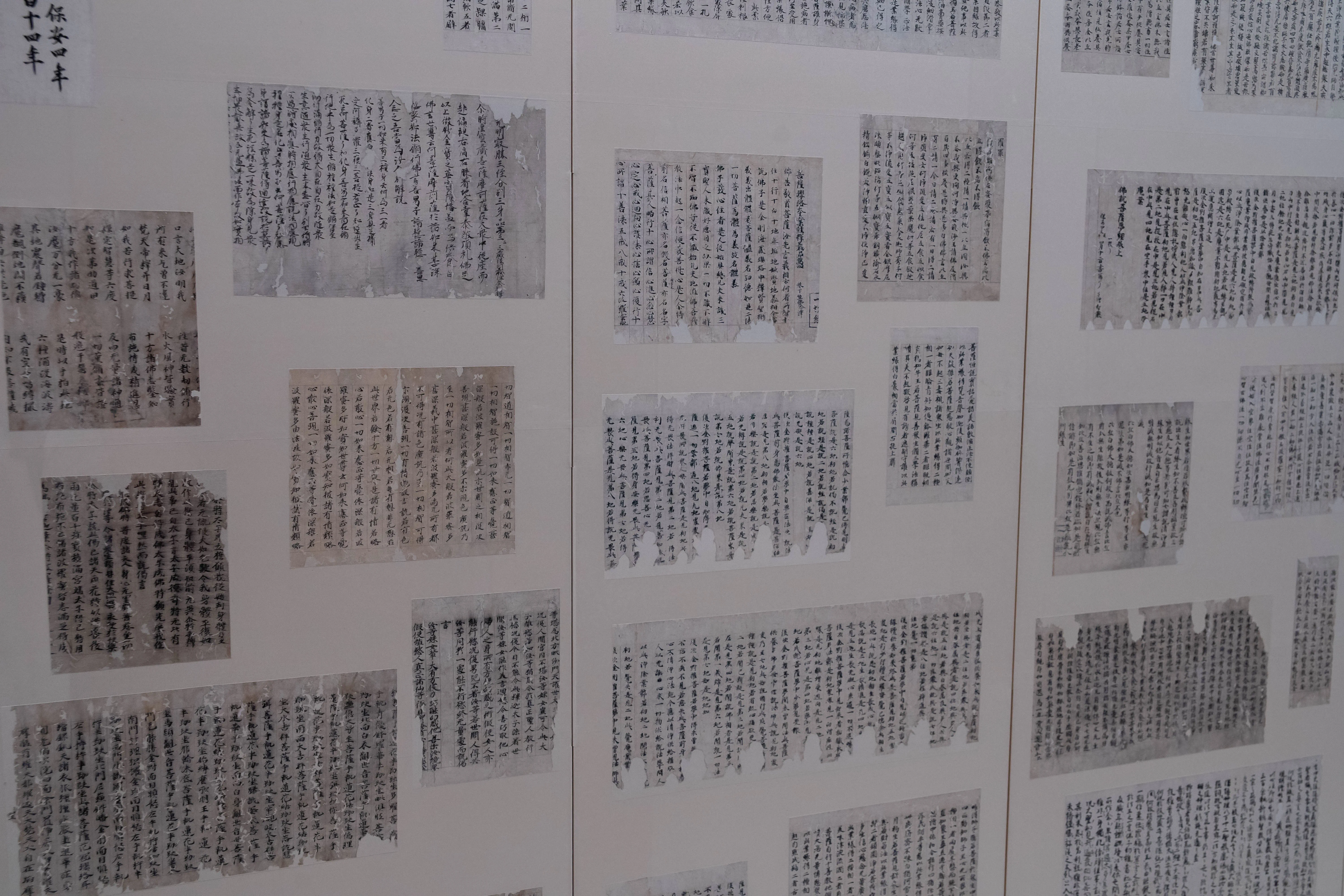
Honkan Room 4 is closed from October 26, 2026 through April 25, 2027. Honkan Rooms 17–20 and Toyokan are scheduled to close November 30 through December 31, while Honkan Rooms 2–3 close from December 14 through April 25, 2027. The whole museum closes December 15 for facilities work. These are different constraints: an admission date can be valid while the room you expected to see is unavailable. Check the named gallery against the date, especially for a focused two-building visit.
The last week of 2026 has a second boundary. The museum opens only through December 25 before the December 26–31 year-end closure. From December 22 to 25, only the Gallery of Horyuji Treasures and the Kuroda Memorial Hall are due to open. A broad collection itinerary built around Honkan will not work on those limited-opening dates. The admission and dated opening calendar is essential when your visit is near those cutoffs. See the admission and dated opening calendar.
A museum can be marked open without offering the gallery, room or object that made you choose the day. This matters most to art-focused visitors and to anyone buying a named exhibition ticket beside a separate collection plan. Before paying, check the exact date and the part of the campus you will use. A generic opening-hours summary is too blunt for late November and December.
When to purchase the collection e-ticket
Book it when your date is firm, regular collection admission is the goal, the date is a normal paid one and bypassing a potentially long counter queue matters more than keeping the ¥1,000 flexible. Confirm the two-month validity against your trip dates. An online ticket is most useful when it removes friction from a decision you have already made.
Wait when a free collection date or a special-exhibition ticket may replace it, the itinerary still moves, or transfer-day luggage is unresolved. November 3 is the upcoming free-collection example; September 21 has passed. If Hiroshige is the real reason to go, solve that exhibition admission first. Waiting is also reasonable when a hotel or airport change may remove Ueno from that day altogether.
The museum's own collection e-ticket lasts two months after purchase. A third-party booking account may be convenient if you keep other Japan tickets there, but the channel does not change what the admission covers. Compare refund and change terms before paying. The teamLab Planets ticket decision is different because its timed experience has different constraints; do not import those rules to TNM.
Compare regular collection e-ticket terms only after confirming it is the product you need.
On any sales page, inspect the ticket name, validity, changes and refund conditions. A collection product should not be read as a Hiroshige admission. A special-exhibition ticket already supplies same-day collection entry, and a free collection date needs no ordinary adult collection purchase. The final check takes less time than correcting a duplicated or mismatched order later.
Five mistakes that change the day more than a small discount
Paying for collection admission on November 3, when that collection is free.
Adding a ¥1,000 collection ticket beneath a special-exhibition ticket that already includes same-day entry.
Expecting a collection ticket to open the paid Hiroshige exhibition, or trying to book the finished Kūkai show.
Taking a suitcase from hotel checkout to the museum gate after the August 1 restriction.
Putting a hard reservation just after a two-hour gallery estimate without station, entry and exit time.
Three situations with different answers
Four full Tokyo days and a first museum visit
Place TNM beside another east-Tokyo activity or use Friday or Saturday late hours. A standalone daylight block can be justified by strong interest in Japanese art; it is harder to justify merely because ¥1,000 looks inexpensive. The Tokyo day allocation helps show what that block displaces.
A trip centred on Hiroshige prints
Buy the current special-exhibition ticket, not a collection ticket sold for a different job. If you will be in Tokyo across more than one rotation, the works change completely; decide whether the second admission is worth a separate return. The old ¥3,600 set is no longer being sold, so do not use it in today's price comparison. Keep time for the prints before assuming a full collection tour fits the same visit.
Museum visit between checkout and an onward train
Resolve the suitcase before choosing any ticket. If storage or forwarding does not fit the departure timetable, put the museum on another day. The fragile sequence is checkout, bag movement, gallery entry and a fixed train; a valid admission cannot make those steps fit if the luggage has no legal place during the visit.
The ticket follows the visit you are making
For a routine adult collection visit on a paid day, ¥1,000 is the relevant admission and online buying can reduce queue time. November 3 is free for the collection. Hiroshige requires its own special-exhibition ticket, which also admits you to the collection that day; Kūkai ended in September and is not a current option. Check age eligibility, the gallery calendar and luggage before paying. The sequence matters more than the logo on the sales platform.
The visit is easiest to get wrong when a ticket hides a wider planning problem: too little Ueno time, a suitcase after checkout or a partially closed building. Give the museum an honest three- to four-hour itinerary block if you want two or three hours of focused gallery time. Use a late opening when it saves a daytime slot, and do not buy a second collection ticket beneath a special exhibition.
If the date, admission layer and Ueno route are settled, pre-booking the regular ticket can be worthwhile queue insurance. If one is not settled, keep the low-cost collection choice flexible until it is. A carefully chosen visit will do more for the day than a minor difference between ticket channels.
If museum time is part of several east-Tokyo days, compare Ueno rooms for your travel dates against the daily journey from another district.
Image credits
Honkan / Wiiii (Wikimedia Commons, CC BY-SA)

Toyokan / Wiiii (Wikimedia Commons, CC BY-SA)

Interior / Daderot (Wikimedia Commons, CC0)

Gallery of Horyuji Treasures / Dick Thomas Johnson (Wikimedia Commons, CC BY 2.0)

Heiseikan / Wiiii (Wikimedia Commons, CC BY-SA)

Related guides: teamLab Borderless decision · Tokyo Game Show ticket decision · Disney park ticket choice · Hachinohe festival days · Aomori or Hirosaki festival · Fukushima festival days · Ueno science museum · Hakone open-air museum · Tokyo day allocation · Fujiya Hakone rooms