
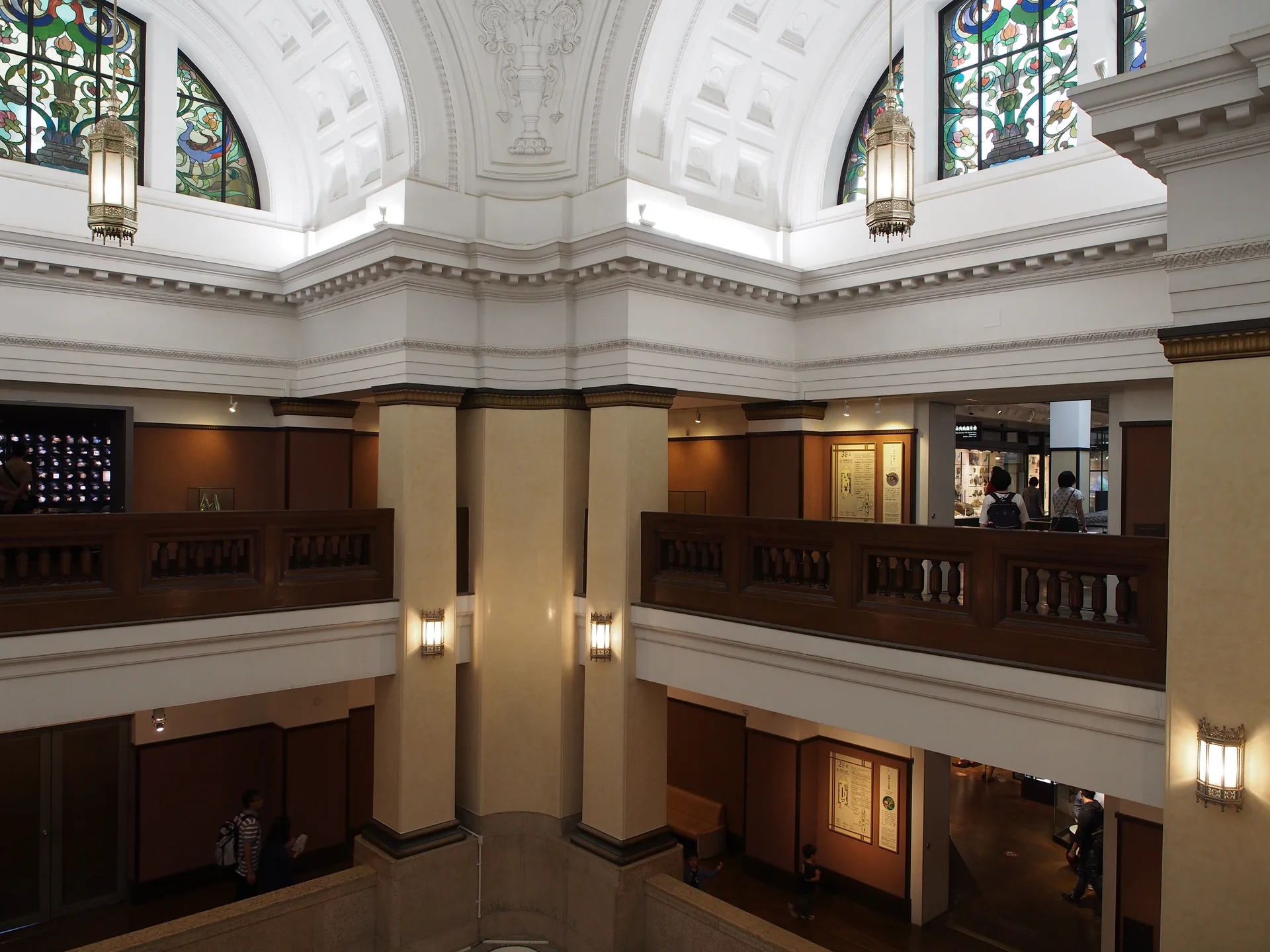
Ueno's National Museum of Nature and Science looks like an easy addition to a Tokyo day: adult permanent admission is ¥630, and the galleries are a short walk from the station. The difficult part is deciding how much of the day to give it. A visitor who wants the dinosaur and evolution displays can make a useful two-hour stop. Someone who wants to trace Japan's natural history, the science collections and the Global Gallery should keep a much larger block free. Those are different visits even though the ticket is the same.
As of October 2026, the museum opens 09:00–17:00, with last entry at 16:30. It normally closes on Mondays, with holiday exceptions and a following-day closure, and closes 28 December–1 January. The adult ticket covers the permanent galleries; high-school students and younger visitors, and adults aged 65 or above, enter the permanent exhibition free. If the museum is only a possible rainy-day substitute, there is little reason to let a nonrefundable advance ticket set the itinerary before the rest of Ueno is planned.
Choose your museum day by attention, not admission price
The Japan Gallery and Global Gallery answer different curiosities. The former follows the natural environment of the Japanese islands and the development of science in Japan. The latter ranges across life, evolution, the Earth and wider scientific questions. A family drawn to large specimens and dinosaurs will move through those rooms differently from a visitor who wants to read each display. Treat a three-to-five-hour estimate as a reasonable planning range, not a required lap time.
Before adding another museum to the same afternoon, look at the wider Tokyo attractions map. The National Museum of Nature and Science and Tokyo National Museum are neighbors in Ueno Park, but a short walk between them does not reset anyone's concentration. If both collections matter, choose one as the main visit and give the second a sharply defined exhibit or save it for another day. Our guide to assigning whole days to Tokyo attractions is more useful than counting nearby pins.
| Time inside | Best use of the visit | What you give up |
|---|---|---|
| About two hours | Select either dinosaurs and evolution, Japan's natural history, or one science theme before entering. | A complete circuit of both major galleries and slow reading at every floor. |
| Three to five hours | Make this the day's main indoor visit, with a break and room to follow unexpected exhibits. | A second substantial Ueno museum without a rushed afternoon. |
| Most of the day | Use the building as a deep study visit and keep the evening light. | Cross-city sightseeing; plan dinner or a simple neighborhood walk afterward. |
A two-hour route works best when the choice is made in advance. Entering without a priority, then trying to cover every level at speed, turns a generous collection into a corridor of labels. If the museum is an arrival-day option, compare it with the three-, five- and seven-hour Tokyo arrival plans. A flight delay or luggage stop can remove most of the expected museum window.
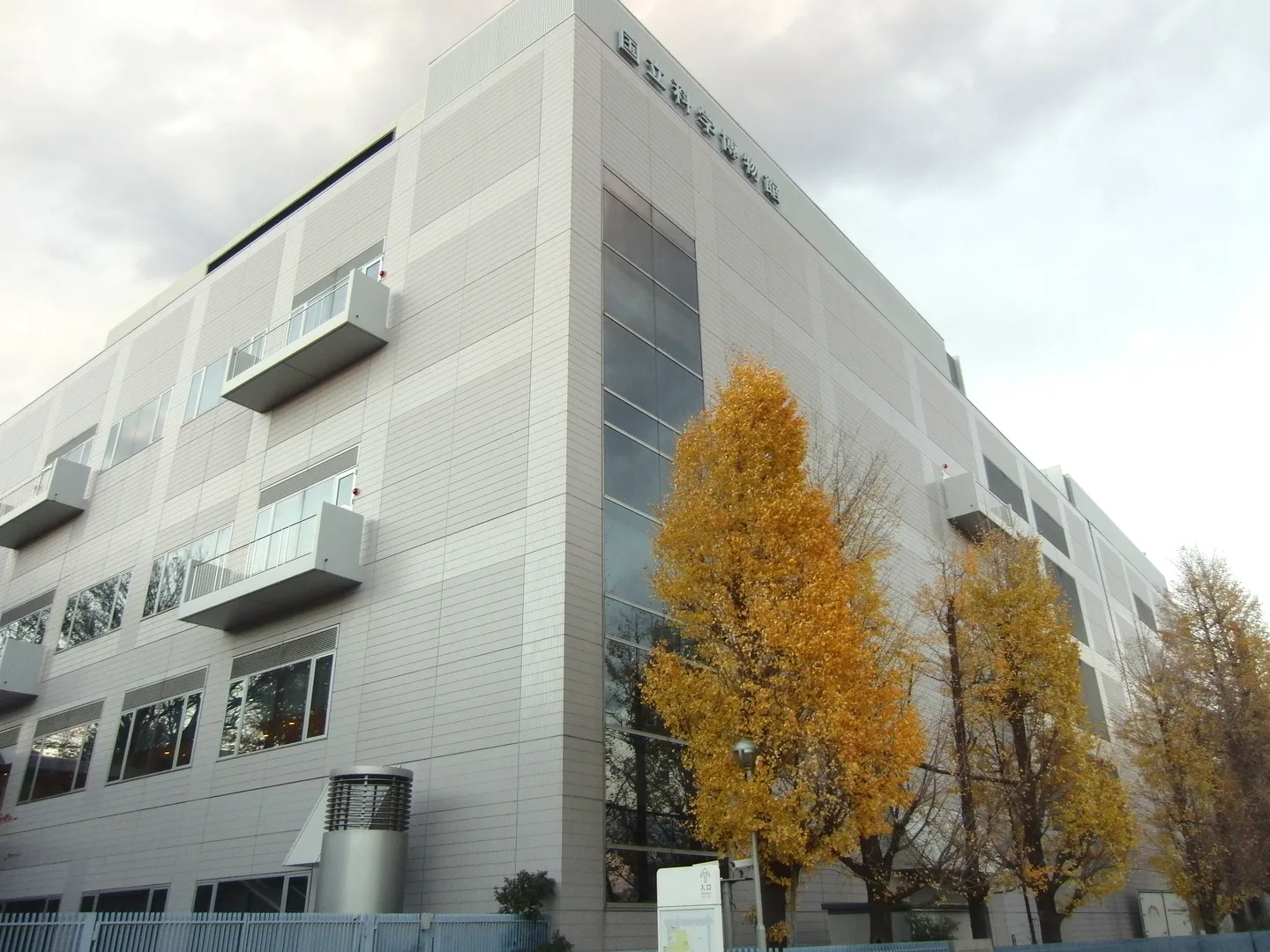
Which ticket should you buy?
The ordinary permanent exhibition costs ¥630 for an adult or university student. High-school students and younger visitors are free, as are visitors aged 65 and over. A separate special-exhibition ticket includes permanent-gallery entry on that same day. Buying a permanent ticket as well would duplicate the admission already included. Culture Day, 3 November, is a free permanent-exhibition day, so do not pay for that part of the museum if it is the date you intend to go.
Advance permanent tickets are available from the museum with a two-month validity period, subject to its terms on refunds and changes. One third-party digital ticket currently offers a 61-day validity window and instant confirmation, also without customer-requested cancellation or changes. The practical distinction is where you prefer to hold the ticket and its live checkout conditions; neither option makes the galleries shorter. Compare the payable total on the day you buy, especially if the display currency differs from your card currency.
| Your situation | Ticket decision | Why |
|---|---|---|
| Ordinary adult permanent-gallery visit | ¥630 standard admission; advance purchase is optional. | The ticket is inexpensive, while an uncertain Ueno day may be worth keeping flexible. |
| High-school age or younger, or aged 65+ | Check the free-admission conditions and carry age identification where relevant. | Do not pay for a standard adult permanent ticket unnecessarily. |
| Special exhibition already booked | Use its same-day permanent-gallery access. | The permanent collection is included with the special ticket. |
| 3 November | Permanent galleries are free; decide separately on a paid special exhibition. | The two exhibition categories have different admission rules. |
| Trip dates still moving | Buy when the Ueno day is settled. | Advance digital tickets generally do not solve a schedule change for you. |
The inexpensive ticket is a poor reason to rush two major Ueno sites into a single day. For a three- or four-day first Tokyo trip, the question is whether natural history is among your actual priorities. The seven-day Tokyo plan shows how a museum block can sit beside neighborhoods without turning every day into a transit exercise. On a wet day, compare other workable substitutions in the Japan rain-day decision guide.
October 2026: check the open floors before promising yourself a complete science tour
The Global Gallery's basement level B3 has been closed for renovation since 8 September 2026, and part of its second floor is also closed. B3 is particularly relevant to visitors expecting its displays on matter, physics, the universe and scientific work. The closure changes which floors can fill the three-to-five-hour plan; it does not close the museum or erase its dinosaur, evolution and Japan Gallery collections. Use the current floor map when choosing your priority, especially if a specific exhibit prompted the trip.
A joint exhibition held from 31 July to 23 September 2026 has finished. For trips from 27 October 2026 to 28 February 2027, the Japan Gallery is scheduled to host an exhibition marking 150 years since the birth of Hideyo Noguchi and examining infectious diseases. It is included in the normal permanent-gallery admission. This is a useful reason to allocate more time if the subject interests you, but it does not change the basic ticket choice. Someone interested chiefly in hands-on contemporary technology should instead compare Miraikan's Odaiba visit; the two places share a broad science label but offer quite different days.
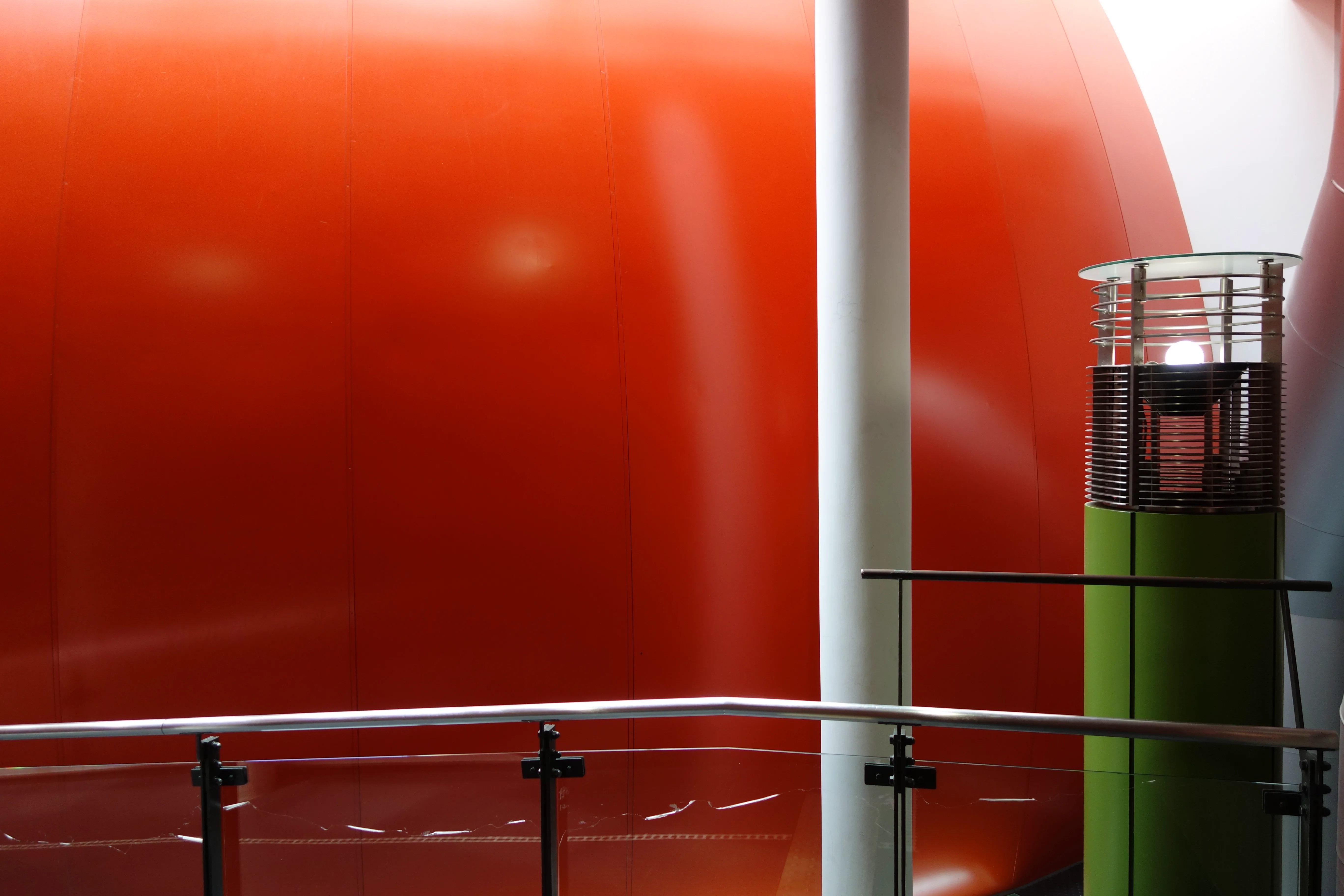
Theater 36◯ is another time variable. Its spherical screen is a short, distinctive part of the museum rather than a substitute for a gallery visit. Check the showing and queue when you arrive, then decide whether it belongs in your route. If you are working with two hours, a presentation plus a long detour to a closed floor can consume the time intended for the collections.
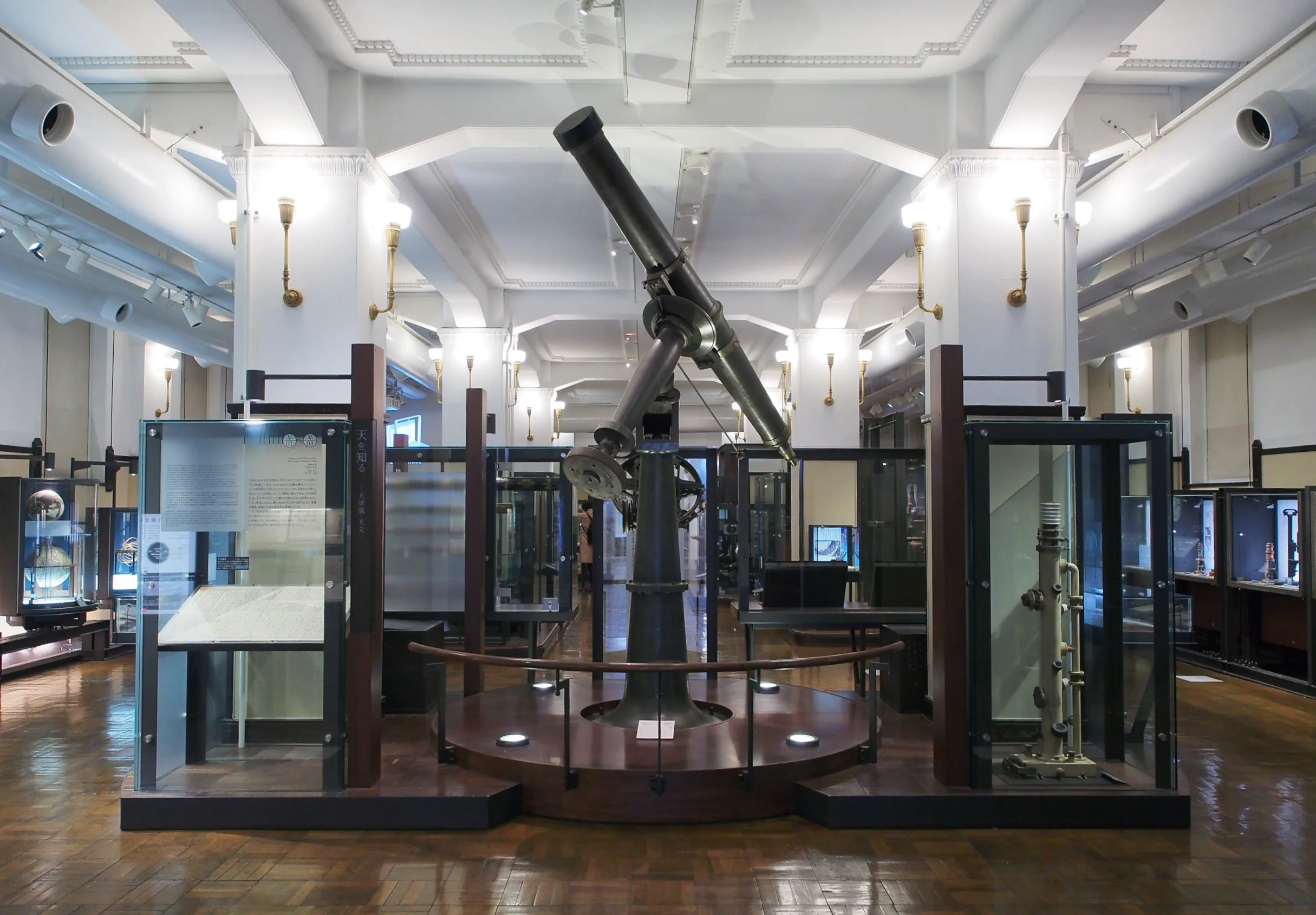
Build the rest of the Ueno day around a single long indoor block
Arriving close to 09:00 gives the widest choice between a focused visit and an unhurried one. Ueno Station serves several railway lines, and the museum sits within Ueno Park; the walk can be around five to ten minutes depending on exit and platform. Allow more when arriving with children or searching for the entrance for the first time. Last entry at 16:30 is a firm limit, so a late lunch followed by a three-hour museum plan will not fit normal hours.
After a longer visit, an outdoor walk or flexible food stop is easier to shorten than another ticketed collection. If you want to continue east, Kappabashi versus Tsukiji separates a tableware-and-knives stop from a food-focused one. If art is the actual reason you are in Ueno, compare the science museum with Nezu Museum's gallery and garden rather than squeezing both into a generic museum list. Artizon Museum is a different Tokyo art day again, closer to a central-city route than a casual add-on to Ueno Park.
For families weighing an interactive alternative, the Saitama Railway Museum rewards a different kind of attention. Do not assume that a child who loves trains will spend an equal amount of time reading natural-history displays. The museum choice should follow the person's interests, not just whichever ticket has the lower price. A manga-focused traveler could even give the equivalent half-day to the Kyoto International Manga Museum later in the trip; the point is to protect time for the collection that actually matters.
Where to sleep if this is one stop in a Tokyo itinerary
A museum visit alone is not a reason to move accommodation. Ueno can be a strong base when Narita access and east-side sightseeing are also on the itinerary. The Ueno versus Shinjuku comparison makes that broader route choice. If you have already chosen Ueno, compare the practical station access of Mitsui Garden Hotel Ueno and NOHGA; the NOHGA luggage route is particularly relevant if a museum day follows a station transfer.
Other trips pull in different directions. A Shinkansen departure can make the Tokyo Station versus Shinjuku base decision more important than saving one Ueno train ride. Nightlife or repeated west-side appointments change the calculation again; see Shinjuku versus Shibuya. If this museum is one of several east-Tokyo days, the Ueno-area hotel map lets you compare rooms against the station and park. Choose the rail base for the whole stay before paying a premium to be closest to one museum.
A workable route for a short visit and one for a longer one
For a two-hour stop, enter with one theme selected: large animal and dinosaur specimens, the natural environment of Japan, or a science-and-technology thread. Check the present floor closures immediately, walk to that collection, and leave the final half-hour for a nearby room that caught your eye. This protects the purpose of the visit. An attempt to cross both buildings and every level produces a much less memorable two hours, even if the route looks efficient on a map.
For a half-day, begin early, spend the first stretch on the collection that matters most, pause, and then use the other gallery to follow a contrasting subject. If Theater 36◯ or the Noguchi exhibition is a priority, allow time rather than treating it as a free extra. Aim to finish with enough energy for a park walk or meal. A second major museum only belongs afterward if there is a specific exhibit you can see briefly; a full visit to both needs a separate day.
The route also changes with the people in your group. A child interested in dinosaurs may be ready to leave well before an adult has finished the Japan Gallery. Agree on one shared highlight, then decide whether to divide up briefly or leave together. A visitor with limited walking stamina should choose fewer floors and use the break as part of the plan rather than treating the advertised number of galleries as an obligation. If you arrive after lunch, work backward from the 16:30 last-entry time and 17:00 closing time; buying a ticket near the cutoff does not create a full two-hour visit.
Recheck the opening calendar, floor access and any exhibition you intend to see before the date, because these are the details that can change between planning and arrival. Once the Ueno day is fixed, ticket purchase is a small final step. The more consequential choice is whether your Tokyo schedule has a genuine two-hour gap, a full half-day, or no space for this collection at all.