
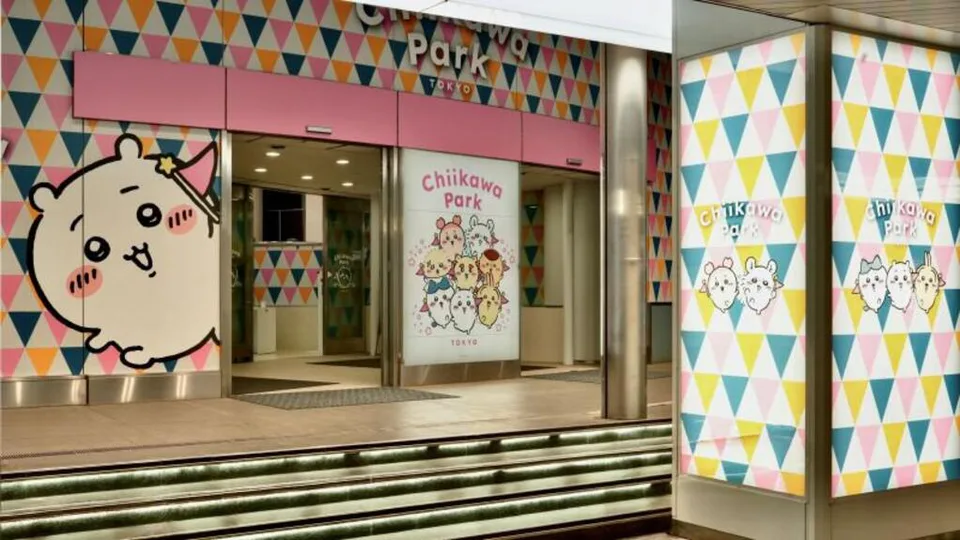
Chiikawa Park is a paid character world in Ikebukuro, and the ticket decision starts with what you want to do inside. Adult admission is ¥3,500. That can be worthwhile for a fan who wants to walk through the sets, take photographs and spend time with the games and shop. It is an expensive way to buy merchandise alone, especially now that some Park goods are sold through Chiikawa Market online.
The more consequential cost is the fixed entry slot. Tickets are sold for a date and time, with no cancellation or change for personal reasons after purchase. Put the Park into a real Ikebukuro day before choosing a slot. If the Tokyo stay is still being shaped, decide whether the city gets three, four or five days first; a rigid visit is difficult to fit into an already crowded two-day stop.
What the admission buys
This is an immersive attraction rather than a park built around large rides. The rooms and character details reward a slower look, and photo opportunities are part of the visit. Someone who knows the characters may enjoy noticing small scenes that a casual visitor walks past. Allow time for the merchandise area without assuming it is the only purpose of the ¥3,500 ticket.
Image source: Travel Watch on-site report
One to two hours is a reasonable starting block for many visitors, though your own time depends on photographs, queues and whether you play the games. Do not squeeze it between two other timed admissions. An unexpectedly long shop browse is harmless when the rest of the day is flexible and stressful when a second reservation is waiting across Tokyo.
How a slot becomes available
Chiikawa Park's ticket page says the next full month goes on sale two months ahead at noon on the 15th. When that date falls on a weekend or public holiday, sales move to the previous weekday. Places are allocated first come, first served until each time slot reaches its limit. The Park directs ticket purchases through Asoview, so check the date shown in that system before planning transport around it.
There is a maximum of five people per account on the Park's ticket guidance. A group should coordinate the purchaser and enter together under the reservation rules. Once bought, the Park says a ticket cannot be cancelled or moved to a different date or time for personal reasons. Flight arrival, hotel checkout and a cross-city journey are therefore poor things to leave unresolved before paying.
If your lodging is undecided, the Tokyo hotel-area guide helps identify the rail journey that would precede the Park. It is easier to select an Ikebukuro afternoon once the base and that day's other plans are known. For a detailed area comparison, use the same first-time Tokyo base guide before locking the admission.
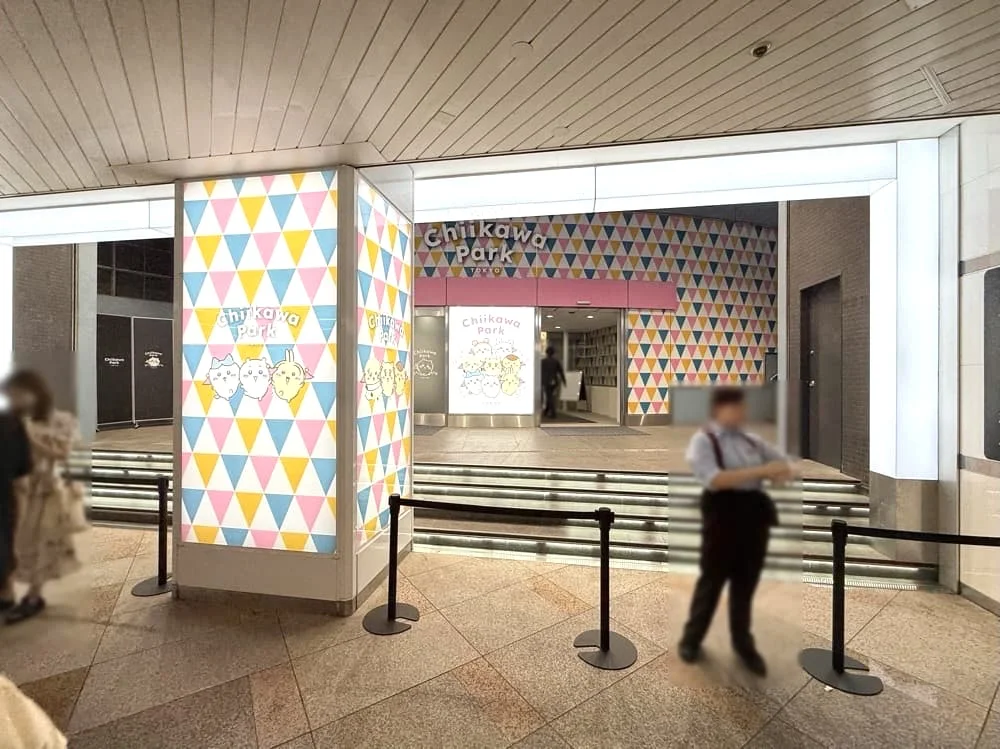
Image source: Ikebukuro Times on-site report
The games are an extra decision at the door
The Park's game notice describes Meatball Korogashi and the spider-web catcher as repeatable, but each play costs ¥700. Playing both once adds ¥1,400 to one person's visit; another attempt means paying again and joining the queue again. “Unlimited plays” describes the absence of a play-count ceiling, not an unlimited package included with admission.
For a photo-focused fan, skipping the games keeps the visit closer to the ticket price. Someone trying for prizes should set a separate game budget before entering. Prize availability and the particular rewards can change, and the Park has posted notices about game-area operation, so treat a game as optional rather than the sole reason to reserve a nonrefundable ticket.
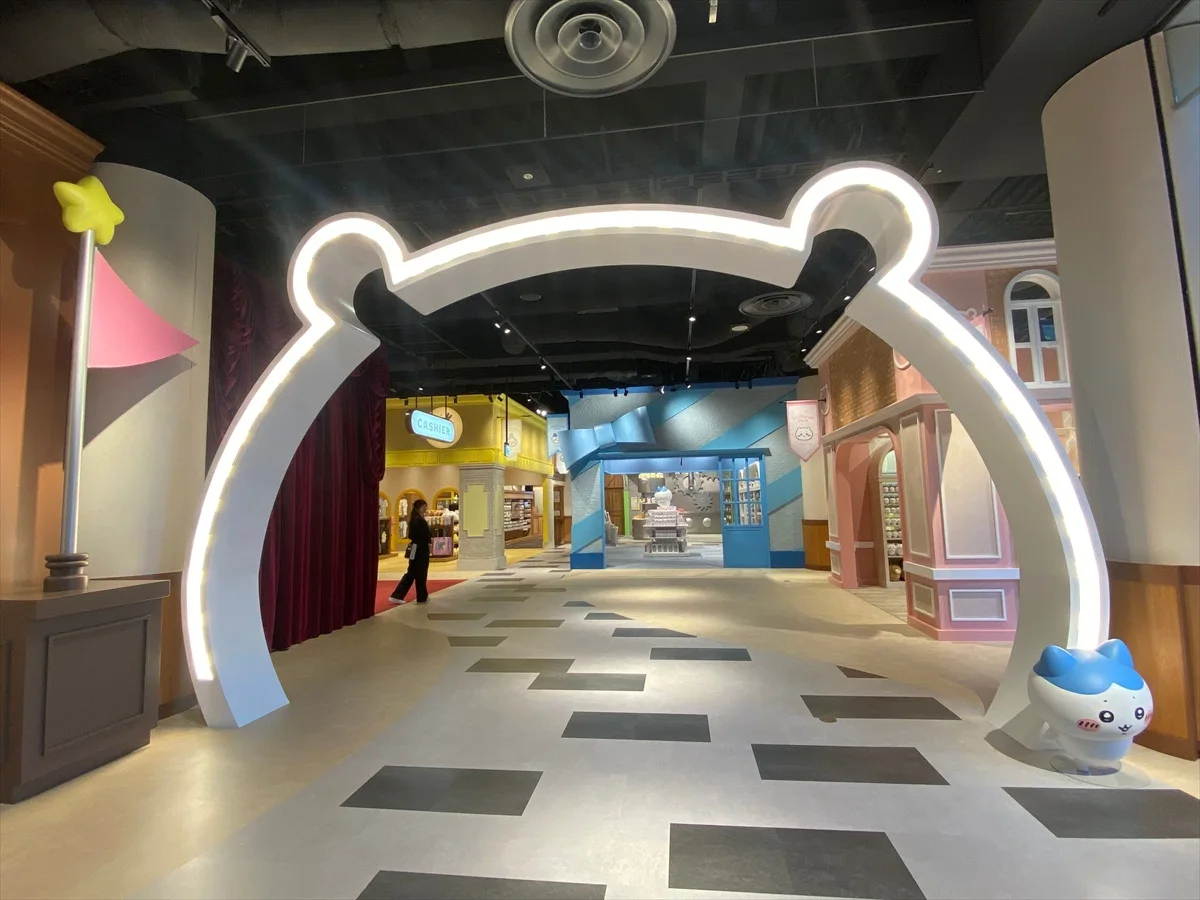
Image source: Crank-in! Chiikawa Park gallery
The distinction matters for a family or group. Two adults and two children can make several game plays add up quickly, especially if everyone wants a repeat. Discuss that cost before the queue instead of discovering it after the first attempt. The games can be a highlight for the right visitor; they simply are not a free extension of the admission.
Merchandise does not automatically require a Park visit
Chiikawa Park's goods page says some of its merchandise has moved to the Chiikawa Market online store. The Park shop may still have items or an in-person atmosphere you prefer, and stock changes by day. But if the shopping list is the whole reason for going, check online availability first. A specific item that can be ordered separately does not justify a timed attraction ticket by itself.
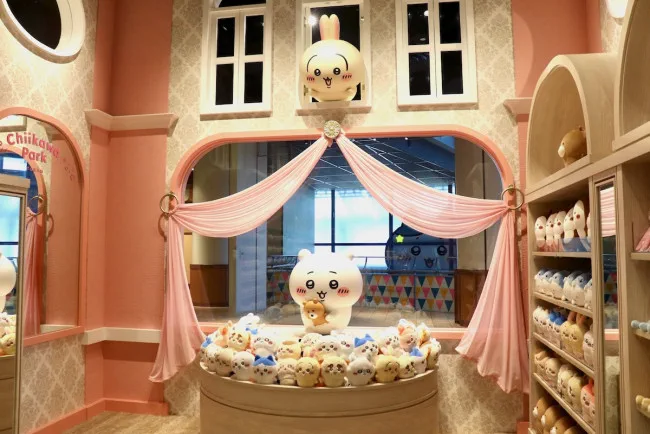
Image source: Crank-in! Chiikawa Park merchandise report
Do not assume the physical shop will hold every product shown in a past photo or article. The Park warns that quantities may be limited per person and that goods can sell out. If a particular exclusive is essential, availability is uncertain even with a paid entry ticket. Buy the visit because you want the environment as well as a chance to browse.
Hours changed in September 2026
An older listing of 10:00–21:00 and a 19:00 final entrance should not be treated as a standing schedule. The Park announced a change effective 1 September 2026, and its news page also lists a special December operating notice. For 31 December 2026, the Park lists 10:00–18:00 with last admission at 16:00. Read the operating notice attached to your exact date before selecting a late slot or buying through a reseller.
A late visit can be attractive after another Tokyo neighborhood, but do not plan it from marketplace hours copied months earlier. Crossing town from Shinjuku or Shibuya takes time beyond the rail ride, particularly when you also have dinner and an admission deadline. The Shinjuku versus Shibuya base comparison helps put the transfer into a wider lodging decision.
Compare sellers only for the same admission
Klook and KKday sell timed Chiikawa Park admission. Klook's listing says entry may be denied more than one hour after the chosen time and asks for the full voucher PDF, not a screenshot. KKday's listing marks a completed order as non-cancellable, non-changeable and non-refundable. Compare the exact date, entry time, ticket type and guest names; a reseller is not a way to make a fixed slot flexible, and standard admission is not a queue-skipping pass.
With the date and slot chosen, compare Klook's listed Chiikawa Park admission and KKday's matching timed product. Read the selected package's final voucher requirements at checkout and save the document in a form you can open at the entrance.
Do not bring a hotel transfer into the Park
The Park's visitor guidance says there are no coin lockers inside. Large luggage needs storage elsewhere. Strollers cannot be taken into the experience; temporary storage may be available but limited. A family arriving directly from an airport or checking out of a hotel should solve those two issues before reserving entry. The person who bought the group tickets must also be present under the admission conditions.
Ikebukuro can fit a hotel-based Tokyo day smoothly. It is less appealing as a hurried stop with suitcases between checkouts. If the itinerary still has a base decision, compare Ueno with Shinjuku for airport and sightseeing access, or Tokyo Station with Shinjuku for an intercity journey. The Park is an attraction, not luggage storage.
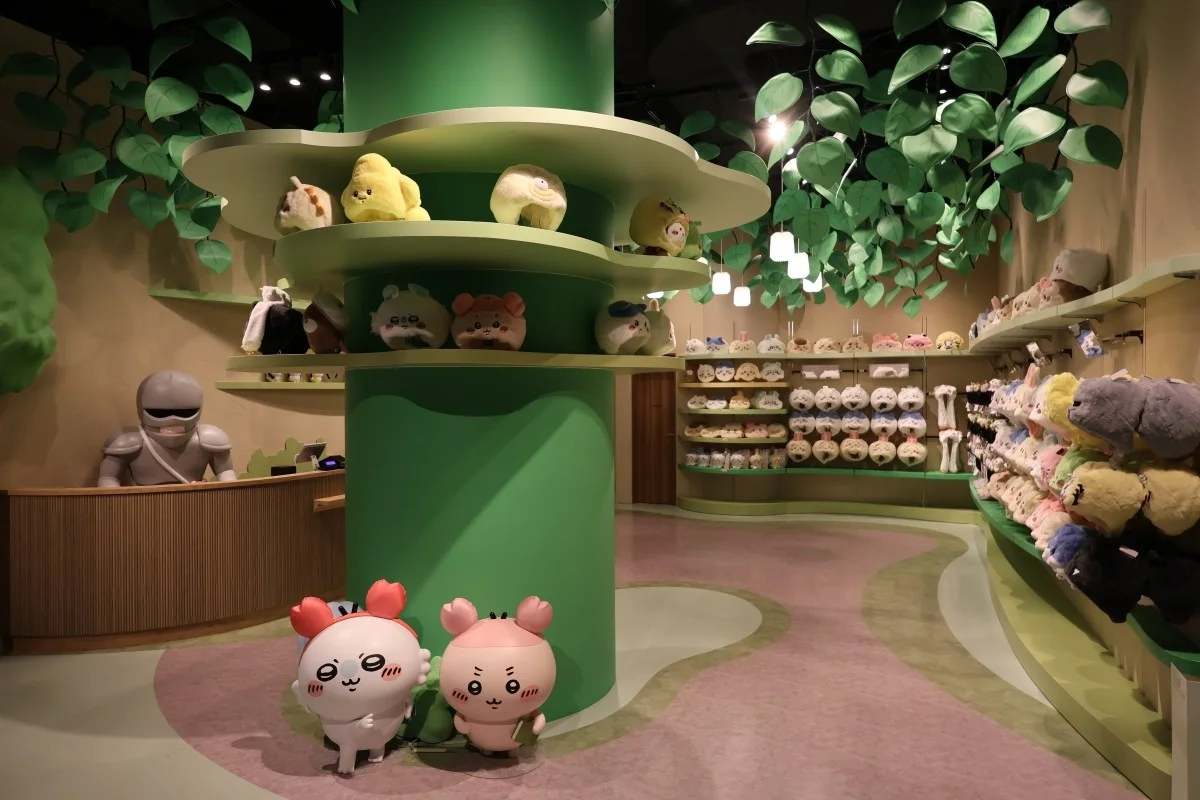
Image source: FUN! JAPAN Chiikawa Park feature
Put flexible time around the fixed booking
Make the Park the anchor of an Ikebukuro block. Shopping, cafés and a local walk can move around its slot; another ticketed attraction elsewhere may not. This also leaves room for a slower character display, a game queue or a purchase decision in the shop without watching the clock throughout the visit.
Late flight arrival is a poor day for a non-changeable booking. The Haneda late-arrival guide helps decide when to stop for the night before attempting a fixed Tokyo plan. In autumn, pair the indoor slot with a flexible neighborhood walk rather than another hard reservation; the Tokyo foliage guide can help choose a separate weather-dependent outing.
Fans who want the sets, details and photos have a clear reason to pay. A shopper who only wants a particular product should check Chiikawa Market first. Whichever case you are in, settle the Ikebukuro day before buying the ticket: the ¥3,500 price is visible, while the cost of a fixed, unusable time slot often appears only after plans change.
Give the timed slot a realistic approach
A timed admission is easiest when the visitor is already in Ikebukuro with bags settled. Plan the rail journey to the station, the walk through the surrounding complex and time to open the required voucher before the printed entry window. The Klook condition about a full PDF matters if a phone has weak signal or the traveller saved only a screenshot. Download the document while connected and check that every guest's name and ticket type match the order. A reseller's confirmation email is not necessarily the same thing as the document requested at the gate.
For a family, the approach includes stroller and luggage arrangements. The Park does not offer internal coin lockers, and any temporary stroller storage is limited. Someone changing hotels that day should leave large bags at a confirmed hotel or station facility before heading to the venue. Buying a later time slot does not remove the storage problem; it only moves it to a busier part of the day if check-in is still pending.
The shopping objective needs a separate decision. Admission can be a good purchase for a visitor who wants the themed rooms and photographs. If the sole aim is one item, compare the ordinary Chiikawa Market route and stock situation before paying to enter the Park. Once the experience is chosen, leave a flexible Ikebukuro meal or shop visit around it instead of stacking another fixed booking across Tokyo. That protects the part of the day already paid for.
If Sunshine City is part of several Ikebukuro activities, compare rooms around Ikebukuro Station for the booked day; a single Park entry rarely justifies a hotel move by itself.