
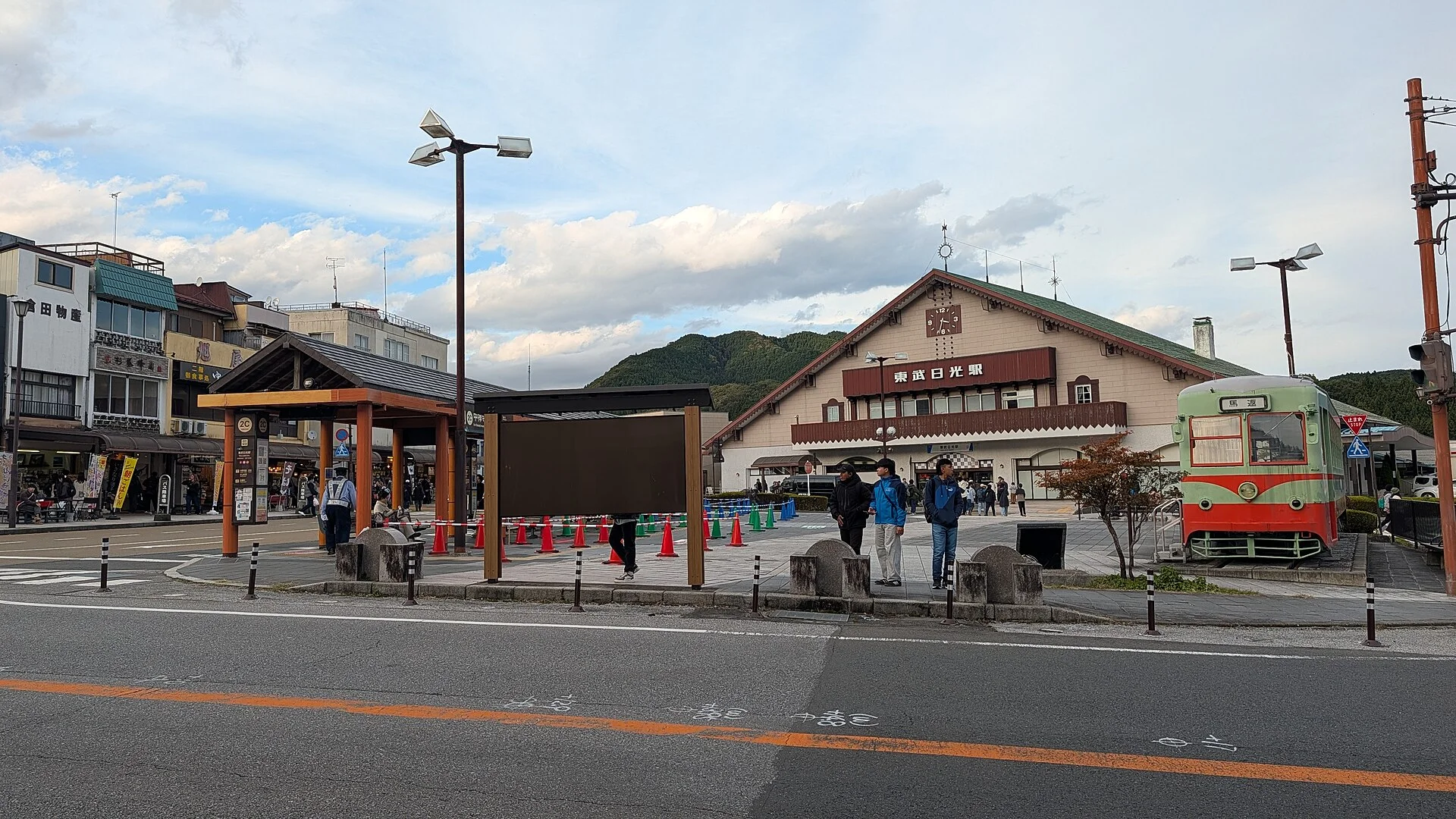
The Tokyo–Nikko train is only the first part of an autumn trip. The choice that determines the day is whether you want the shrines around central Nikko or the lake and waterfall above the Irohazaka road. Both can appear on a map as “Nikko,” yet the second needs a mountain bus and has a different foliage window. Decide on that area before buying a rail pass or reserving a return seat.
For an Asakusa hotel, Tobu's route to Tobu-Nikko usually gives the simplest start. From Shinjuku or Ikebukuro, a direct JR–Tobu service can spare a cross-city morning, provided its limited departures fit your plans. The route through Utsunomiya makes more sense when a JR pass or a larger rail itinerary already takes you that way. The central Nikko versus Oku-Nikko decision is worth making before comparing those trains.
| Tokyo starting point | Rail approach | What it solves | Check before paying |
|---|---|---|---|
| Asakusa or Tokyo's eastern side | Tobu via Tobu Asakusa | Frequent limited-express choices and access to both Nikko passes | Reserve the express seat separately from the base fare or pass |
| Shinjuku or Ikebukuro | Selected JR–Tobu through trains | No need to move across Tokyo before departure | The exact departure and return; a Nikko Pass does not cover this route |
| Tokyo Station or Ueno | JR through Utsunomiya | Fits a wider JR rail journey or an existing rail pass | Transfer time at Utsunomiya and the slower local alternative |
The part of Nikko you choose determines whether one day is enough
A central-Nikko day can concentrate on Toshogu, nearby shrines and temples, Shinkyo and a lunch stop. The heritage area still gives the journey purpose if the leaves are early or late. A Lake Chuzenji day has a different shape: join the mountain-bus queue after the train, take the winding road toward Kegon Falls, and keep enough daylight to return. The published ride to Chuzenji is about 48 minutes, but foliage congestion can substantially extend it.
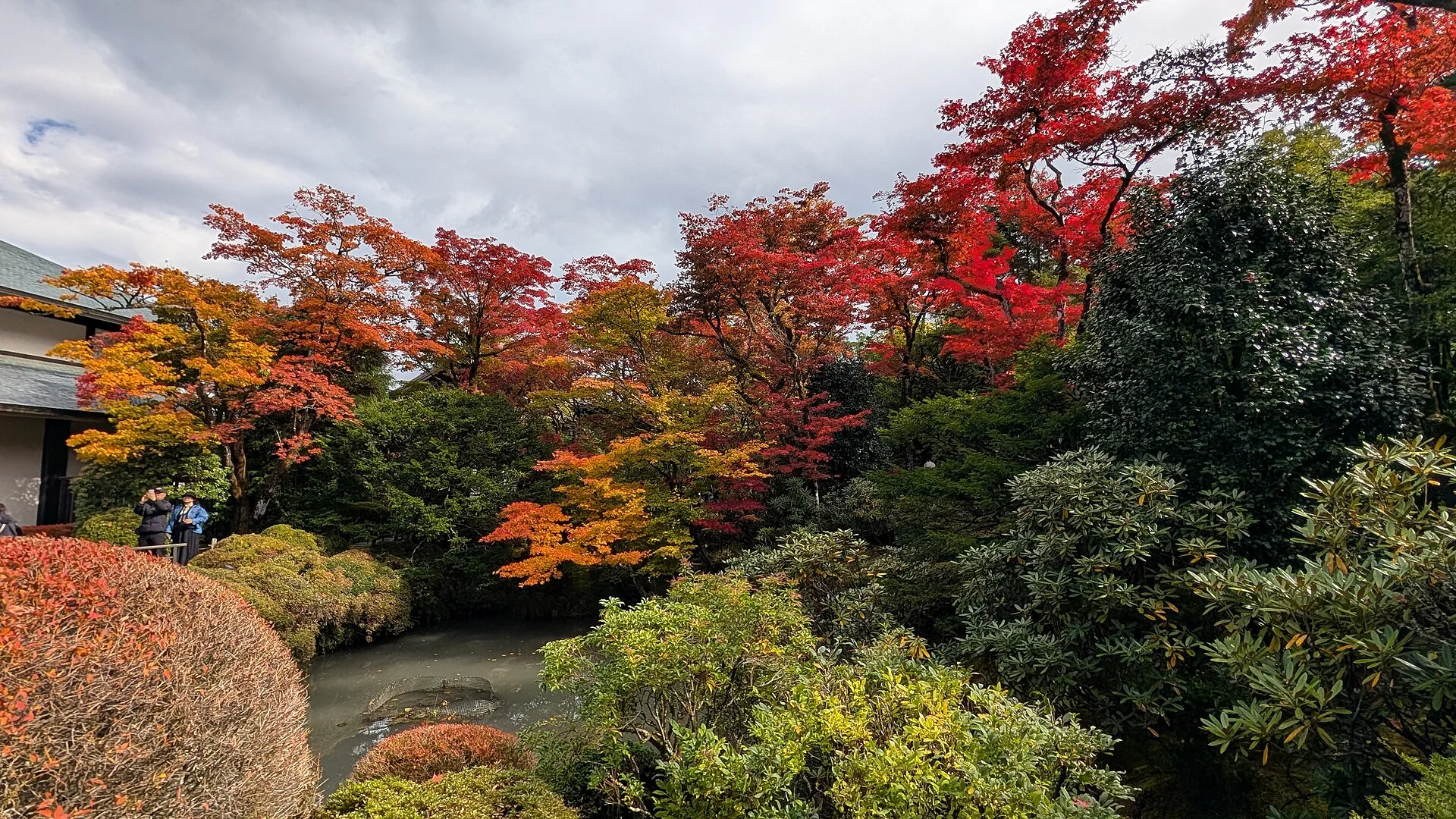
Trying to do all major shrines, Kegon Falls, a lake cruise and Yumoto on a single Tokyo day leaves almost no recovery space. A weekday arrival on an early train may let you see Kegon and one central stop; a delayed bus or an autumn weekend can remove the second area entirely. Our day-trip versus overnight comparison tests that trade-off against a short Tokyo visit. For leaf timing by altitude, use the Nikko foliage route; the lake and town do not necessarily peak together.
Stay one night if both the heritage district and Oku-Nikko matter, or if an early lakeside morning is the point of the trip. The extra night also lets you move a mountain day when visibility is poor. That does not mean any Nikko hotel works equally well. A station-area room helps with late arrival and luggage; a Shinkyo-area room puts you closer to temples; a Lake Chuzenji room protects the higher-elevation morning. Kinugawa is an onsen and room-inventory alternative, but it does not put you beside Lake Chuzenji. Nikko versus Kinugawa makes that distinction before you pay for a room.
Asakusa: treat the limited-express seat as a separate purchase
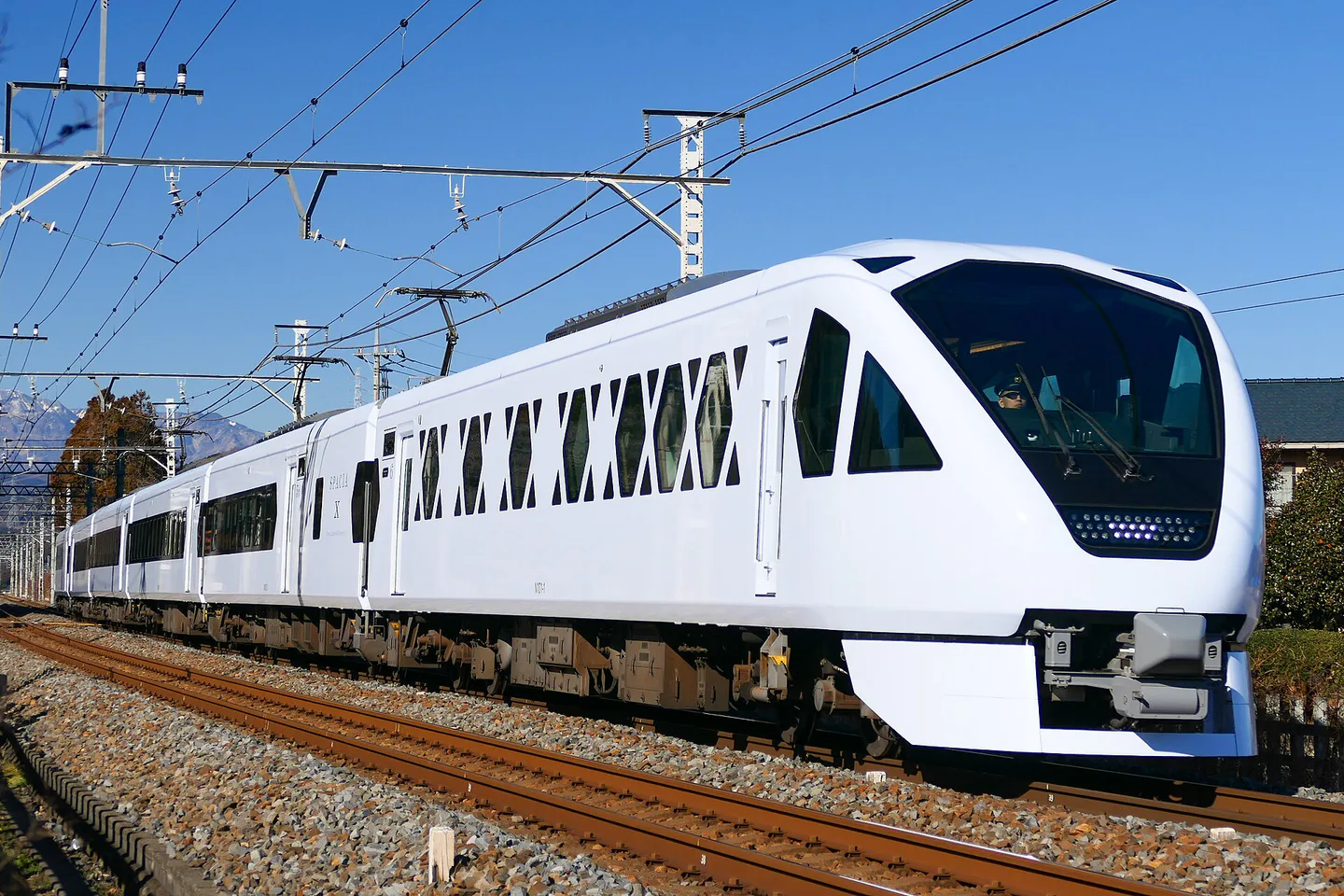
Tobu's SPACIA X, Revaty and other limited expresses link Asakusa with Tobu-Nikko. The March 2026 timetable shows an early SPACIA X service leaving Asakusa at 07:50 and reaching Tobu-Nikko at 09:39. That example describes a train, not a guarantee for every travel date; choose your actual date when reserving. On a leaf-viewing weekend, the morning outbound and late-afternoon return are the seats that protect sightseeing time. Book both directions while the useful times exist.
A limited express requires the normal rail fare and a separate reserved-seat ticket. A Nikko Pass may satisfy the eligible base-fare portion, but it does not reserve a seat. An IC card is also not a limited-express reservation. Tobu opens limited-express sales at 09:00 Japan time one month before the travel date. The purchase system does not cover the JR–Tobu through trains from Shinjuku, so buy those through a JR channel instead. If you board at Kita-senju, inspect the stops of the specific train rather than assuming every express calls there.
The return matters as much as the outbound. A sold-out return may force an earlier departure, an ordinary train with changes or a different railway. Each option takes time from the itinerary. A traveller who plans to be at Lake Chuzenji in late afternoon should not reserve a return that assumes an uncongested Irohazaka descent. If the trip includes an international flight the next day, keep that final night near the airport route instead of depending on the mountain bus. The two-day Lake Chuzenji plan shows what can move to the second morning. For a Tokyo Station departure base, two hotels beside the rail hub solve different room and early-train needs.
Shinjuku and Ikebukuro: a direct train can beat a cheaper pass
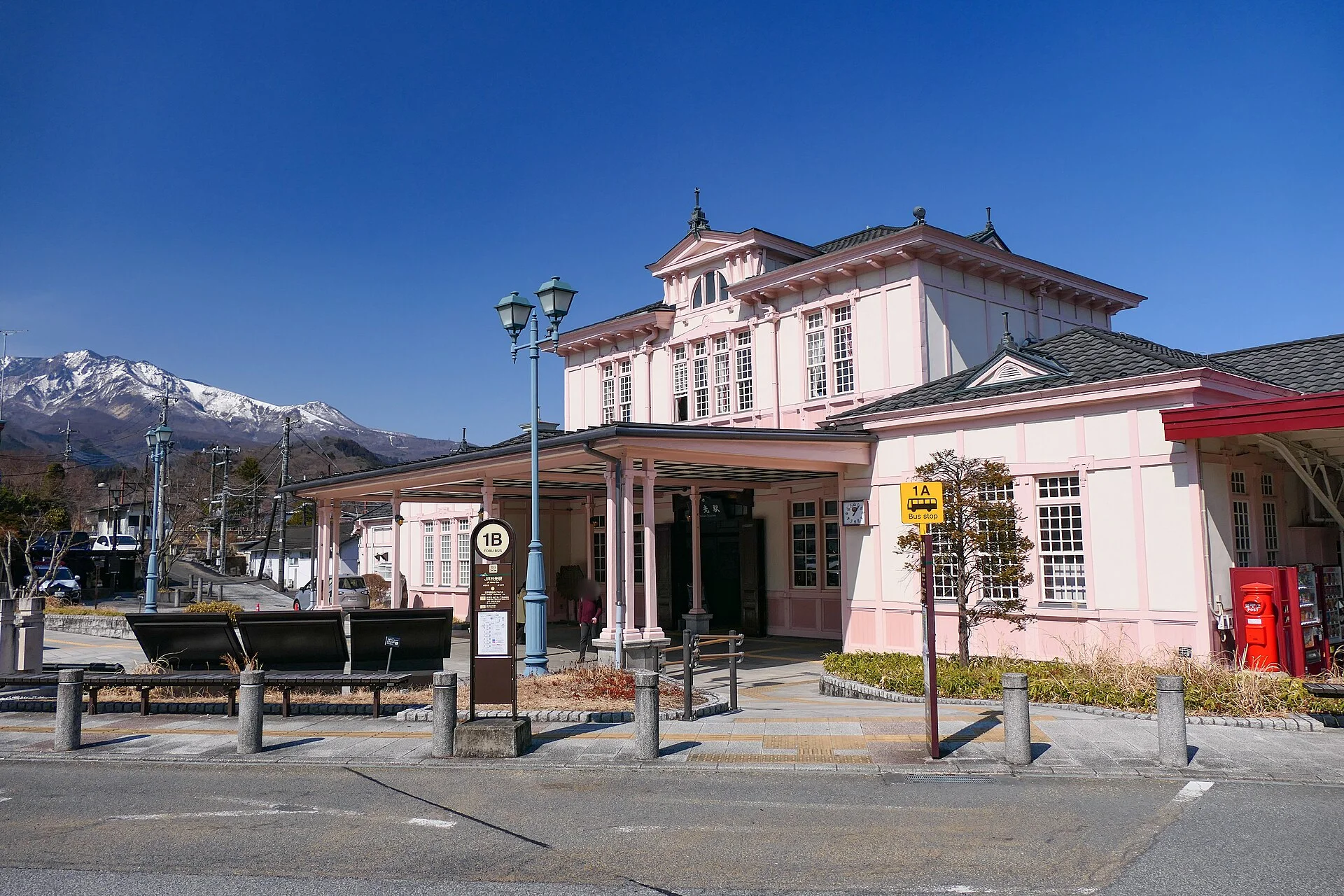
Selected Nikko and SPACIA Nikko services join the JR network around Shinjuku and Ikebukuro to the Tobu line. They can be the cleanest route when your hotel is in western Tokyo, particularly with children, older travellers or an overnight bag. The price is less flexibility: there are fewer useful through departures than trains from Asakusa. Protect the return seat early and check the date-specific schedule before choosing this route around a hotel.
The JR TOKYO Wide Pass can cover eligible through services, but it does not pay for Tobu's Asakusa limited express or Nikko's mountain buses. Tobu's Nikko passes do not cover the Shinjuku/Ikebukuro through route. Buying a Nikko Pass and then crossing Tokyo to make it valid can add a hotel-to-station transfer that costs more in time than the apparent saving. A Shinjuku hotel should compare the whole door-to-door journey, not only the face value of the pass. Our Shinjuku hotel comparison helps when the station approach itself is part of the decision.
From Tokyo Station or Ueno, a different JR route runs through Utsunomiya and changes to the JR Nikko Line. A Shinkansen segment can bring the rail journey near two hours, but costs more; local trains lower the fare and lengthen the day. This is useful when a nationwide or JR East pass is already justified by other travel. Buying a broad JR pass for Nikko alone is unlikely to be sensible. JR Nikko and Tobu-Nikko are separate stations, so tell the bus driver or hotel which one you mean. The Ueno hotel comparison is useful if your Tokyo base makes the JR route a genuine possibility.
Which Nikko pass pays for the journey you are actually making?
The NIKKO PASS World Heritage Area costs ¥3,000 per adult and lasts two days. It includes one round trip from Asakusa to Shimo-Imaichi, eligible Tobu rail travel beyond that junction and the designated World Heritage buses. The NIKKO PASS All Area costs ¥8,000 and lasts four days. It adds Nikko's wider Tobu Bus network and seasonal benefits such as the Lake Chuzenji cruise. Neither pays shrine admission or the separate limited-express seat. Both are products for eligible international visitors; check eligibility and the exact route before purchase.
The World Heritage pass often works for an Asakusa return trip focused on central Nikko. An ordinary base-fare return has recently been roughly ¥2,800, leaving little difference before local buses. Bus fares from the Nikko stations are ¥220 to Shinkyo and ¥350 to Omotesando or Nishisando. One bus ride can therefore shift a straightforward fare comparison toward the ¥3,000 pass. This arithmetic assumes you start and finish at Asakusa and would have paid that base fare anyway. A western Tokyo hotel can change the answer.
| Plan already on your itinerary | Transport combination to price first | Adult pass total | Reason to consider something else |
|---|---|---|---|
| Central heritage area from Asakusa | World Heritage pass | ¥3,000 | Mostly walking, or an inconvenient transfer to Asakusa |
| Central Nikko plus Lake Chuzenji within two days | World Heritage pass + two-day Chuzenji bus pass | ¥5,300 | Several wider mountain journeys or other All Area benefits |
| Central Nikko plus Yumoto within two days | World Heritage pass + two-day Yumoto bus pass | ¥6,500 | A longer trip with repeated buses and Kinugawa travel |
| Three or four days across Nikko and Kinugawa | All Area pass | ¥8,000 | Check whether planned routes use its full area |
The ¥8,000 All Area product is ¥5,000 above the World Heritage pass. A return bus from the stations to Chuzenji at ¥1,250 each way is about ¥2,500; Yumoto at ¥1,950 each way is about ¥3,900. Neither simple return alone fills the ¥5,000 gap. The two-day bus passes currently cost ¥2,300 to Chuzenji and ¥3,500 to Yumoto, making the combinations in the table plausible for short stays. All Area becomes more interesting with four-day validity, repeated mountain travel, the seasonal cruise or a journey involving Kinugawa. Do not add a destination solely to justify the more expensive ticket.
The Akechidaira Ropeway is suspended for renewal from January 2026, with the announced suspension extending through August 2027 and subject to change. It cannot be treated as a working 2026 autumn stop. Cruise and highland-bus operations also have seasonal dates, so the October or November itinerary must match what actually runs. Late-October regional foliage choices can help if your dates are more important than Nikko itself. If you only have one free Tokyo day, the autumn day-trip comparison puts Nikko's travel cost beside closer alternatives.
Three day-trip shapes, with a cut line for delays
Heritage first. Reach Nikko in the morning, take the bus or walk toward Shinkyo and the main shrines, eat nearby, then return to the station with enough time for the booked train. This is the most resilient first visit. Temple admission and opening hours still matter, but a slow mountain road cannot erase the entire day. The route suits families and visitors who value the site even if leaf colour is uneven.
Lake first. Join the Chuzenji-bound bus on arrival. Put Kegon Falls and a lakeshore walk ahead of any cruise, because the bus back down is the time risk. A 45-minute traffic loss should remove the optional cruise, not the train home. An overnight by Lake Chuzenji is the better solution if you want unhurried water views and morning light.
Both districts in one day. This only works with a very early start, a weekday and a willingness to leave attractions undone. Go uphill first; after descending, choose one heritage stop. A 30–45 minute disruption removes that second zone. Foliage weekends, travellers who need a slower pace and a fixed early return make this plan especially brittle. The comparison with Oku-Nikko as a separate stay may save a rushed day.
Where to sleep, and what to do with luggage
For one night, a hotel near Tobu-Nikko or JR Nikko makes a late arrival, bag drop and next morning's bus easier. Shinkyo is better for a shrine-focused stay; a Lake Chuzenji hotel is better for a lakeside dawn and avoids climbing the road twice. Yumoto needs a deliberate high-elevation plan. Kinugawa has more onsen-room choices but adds another journey to the lake. Compare those locations against the exact first stop tomorrow, not a generic “Nikko” map pin. Compare rooms around Nikko Station for a rail-and-bus stay if you expect to arrive late or leave early.
A large suitcase is a poor companion for a day trip and may not fit a station locker on a busy morning. If Tokyo is both before and after Nikko, ask the Tokyo hotel about holding the main case and travel with an overnight bag. If the next stop is another city, luggage forwarding may be cleaner than returning to Tokyo merely to collect it. Tokyo Station versus Shinjuku as a base changes how easy that collection is. Never build a departure-day plan around a locker you have not secured.
Driving gives control over stops but cannot clear Irohazaka traffic. A four-person comparison needs insurance, fuel, tolls, parking, the Tokyo pickup and return, and child seats if relevant. Rail remains simpler for a shrine day. A car can help a multi-stop Oku-Nikko itinerary with luggage, but only when the driver has the required Japanese driving documentation and is comfortable with mountain roads. Early snow, ice or darkness can invalidate an autumn driving plan; Tokyo's lower-risk leaf options are available if mountain weather deteriorates. For dates after the mountain colour has passed, late-November lower-elevation choices make more sense than driving higher in search of leaves.
When the timetable or leaves fail
| Problem on the day | Keep | Cut or change |
|---|---|---|
| Useful limited express sold out | A feasible rail route and its return | Shorten the sightseeing area before adding connections |
| Long Chuzenji bus queue | Central heritage district or one lake objective | Cruise, Yumoto extension or the second district |
| Upper leaves finished | Temples and lower-elevation scenery | Highland detour made only for colour |
| Central leaves early | Heritage value or a planned higher stop | A second stop that depends on a tight return |
| Rain or icy road | Indoor stops and safe rail travel | Unfamiliar mountain driving and exposed optional walks |
Check train, bus and pass terms for the date you travel, then book the return and the hotel location around the part of Nikko you most want. If an overnight changes the cost of this trip, compare it with a seven-day regional foliage route or the ten-day route before using a Tokyo hotel night on a long day trip. The useful outcome is a complete shrine day or an unhurried highland morning, not the greatest number of pins reached.