
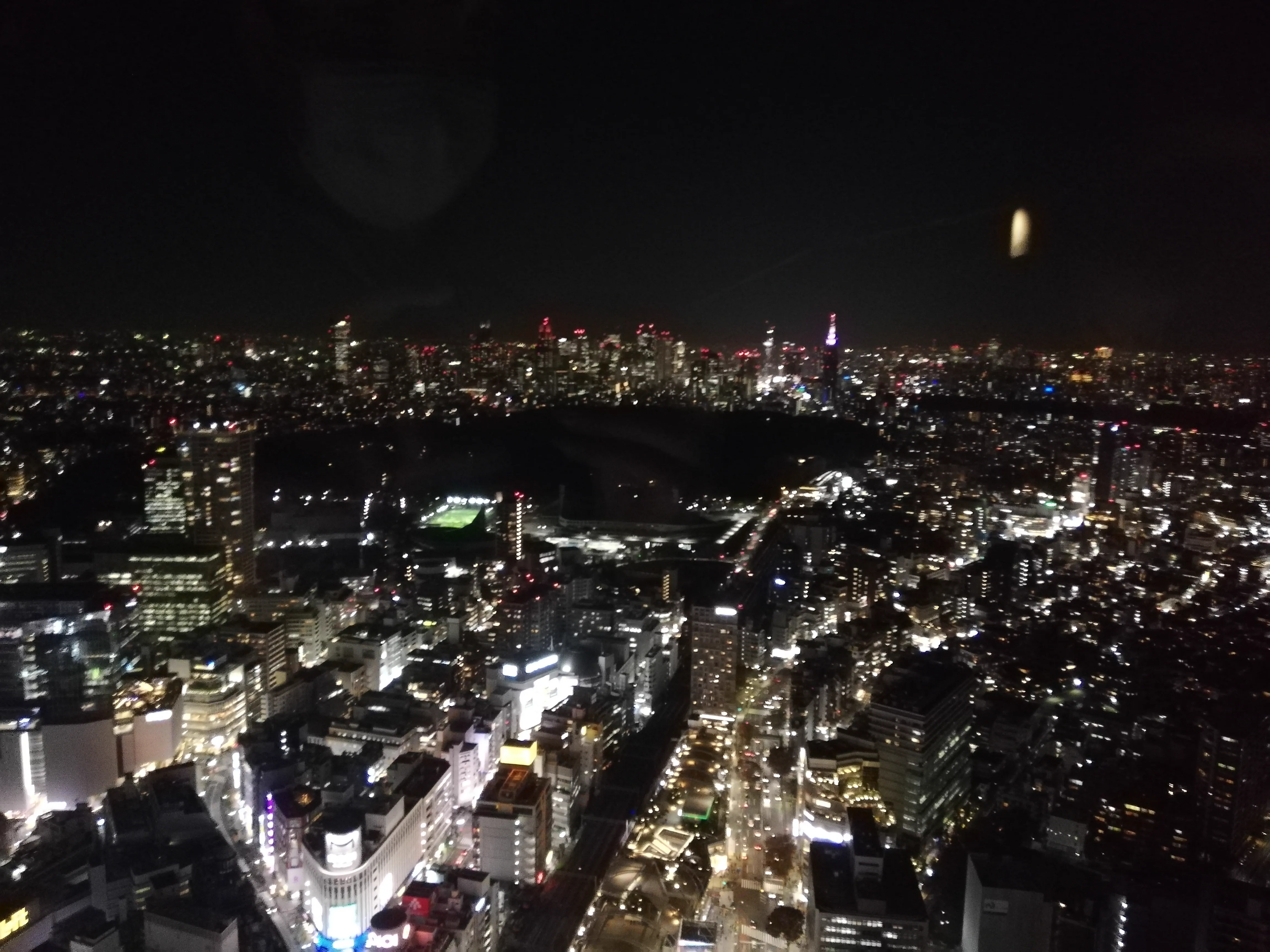
The ¥700 step in SHIBUYA SKY’s adult online price happens at 15:00, not at sunset. A summer sunset may be near 19:00, leaving four hours between that price boundary and the light you came to see. In early winter, sunset can fall before 16:30, making a 14:40 entry more useful than a more expensive 15:00 ticket if that earlier slot is available. The right ticket therefore depends on the date, the weather value of the open roof, and how much of your Tokyo day you can give to the view. A seller discount is the final comparison, after the time has been chosen.
For a Shibuya afternoon, arrange the neighbourhood first and the observatory last. Shinjuku versus Shibuya as a Tokyo base may affect whether this is near your hotel or a cross-city detour. Harajuku and Omotesando can lead naturally toward a late Shibuya entry; a day in Asakusa or Odaiba creates more travel risk. Read the actual sunset time for your date and leave space for entry, lockers and a change of light. Then compare the operator’s checkout with Klook and KKday for that same admission window.
When the ¥700 later ticket serves your actual plan
↔ Scroll table left or right
| Plan | Entry decision | What it gains | What could change it |
| Clear winter afternoon | Look for 14:40 before paying the later tier | A cheaper daylight-to-dusk window may exist | That slot may already be sold |
| Summer sunset is the purpose | Pick a later interval, not 15:00 by reflex | The sun sets hours after the price boundary | You deliberately want a very long visit |
| Only night lights matter | Choose a convenient evening entry | No need to wait through afternoon light | You decide sunset itself matters |
| Open roof supplies most value | Prioritise eligible cancellation terms | SKY STAGE can close while the gallery remains | The indoor view would satisfy you |
| Changing hotels with suitcases | Store or forward bags first | A timed slot then has fewer moving parts | Storage is already settled |
| Preferred time sold out directly | Check an authorised agent for the identical interval | Inventory may vary across channels | You can move the whole Shibuya afternoon |
The rooftop is the distinctive part of this attraction, but it is also exposed to weather. A clear evening and a west-Tokyo route make a longer visit attractive; strong wind or heavy rain can close SKY STAGE while the indoor SKY GALLERY continues. A person who primarily wants any high city view should compare the Tokyo observation decks before buying the most sought-after sunset slot. A person who specifically wants the outdoor edge and changing light should pay closer attention to cancellation eligibility and roof status than to a small coupon.
How the observation-deck trade-offs change by itinerary
↔ Scroll table left or right
| Consideration | What helps | What weakens it |
| Distinctiveness | Open-air view and changing city light | Less special when the roof closes |
| Route | Pairs with Shibuya, Harajuku and Omotesando | A cross-city detour adds travel |
| Time | Can anchor an intentional west-side afternoon | Sunset waiting displaces other plans |
| Weather | Indoor gallery may remain usable | The exposed roof may shut |
| Booking | Two-week release permits advance planning | Popular intervals can vanish before a reliable forecast |
| Crowds | Timed admission structures arrivals | Sunset photo positions remain popular |
| Money | Pays for the specific outdoor experience | Less value if only any high view is wanted |
| Overall choice | Prioritise for a clear, well-placed Shibuya day | Choose another slot or deck when route or forecast conflicts |
An invented 7.8/10 score would flatten the decision. SHIBUYA SKY is distinctive because the deck is open to the air, and it fits naturally with a Shibuya or Omotesando day. Its weakness is that the very feature people pay to use may close in poor weather. Popular sunset entry times also sell out within the two-week sales horizon. The comparison is more useful as a set of conditions: choose it for the roof and a west-side afternoon; choose a different deck or a later, simpler slot when the route or forecast undermines that plan.
The current adult online price changes at 15:00
The operator lists ¥2,700 for an adult web ticket entering by 14:59 and ¥3,400 from 15:00 onward. Adult counter prices are ¥3,000 and ¥3,700 for those same periods. Entry is tied to a date and a 20-minute time window; the site currently offers dates up to two weeks ahead. These are yen prices, so old dollar equivalents should not drive a decision after exchange rates have moved. A Tokyo itinerary of four, five or seven days helps place a timed Shibuya visit without pushing another full-day commitment into the same afternoon.
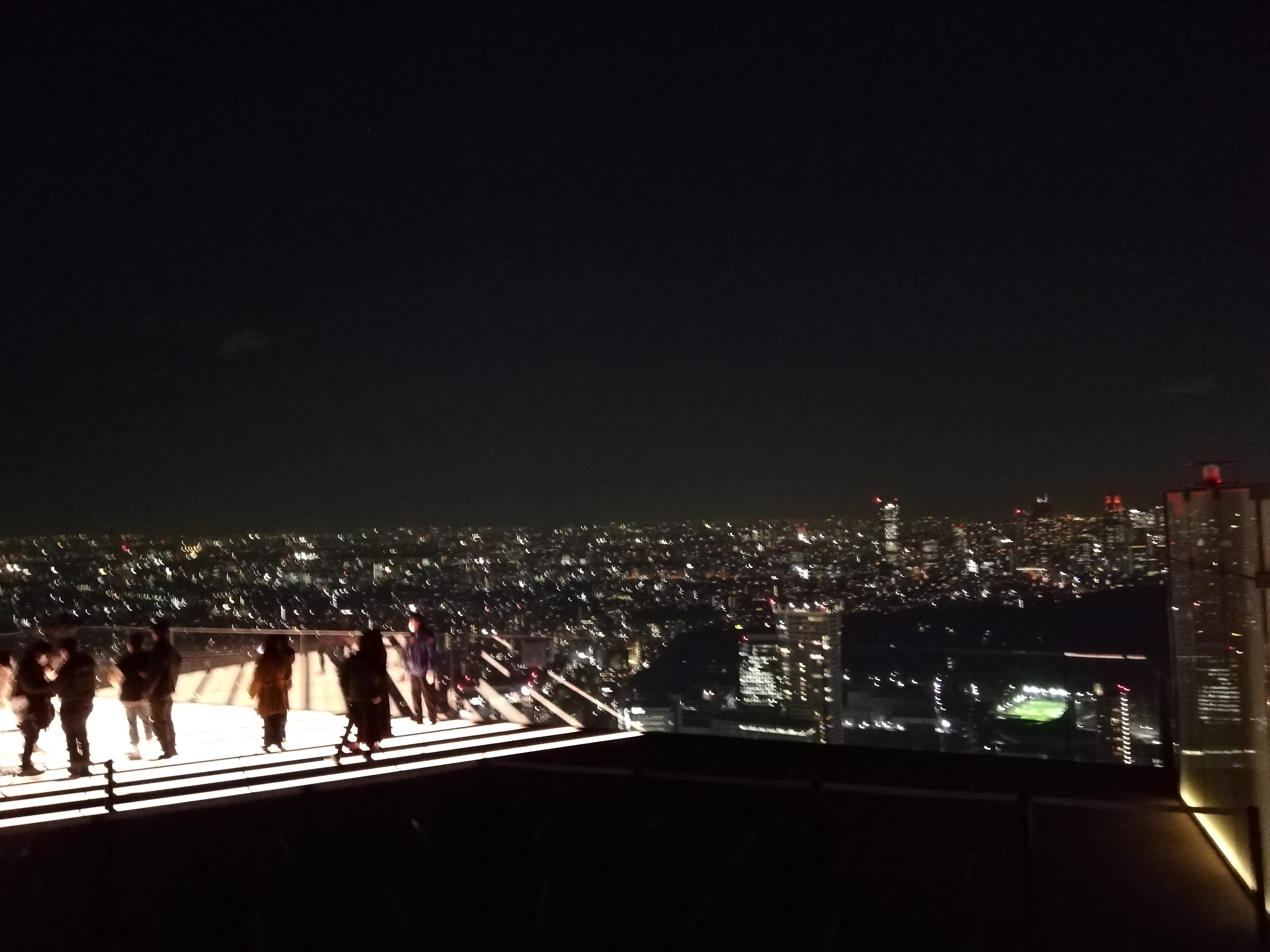
The product itself does not change when the clock passes 15:00. Both prices give entry to the observatory under the operating conditions of the day. What changes is demand for later light and evening city views. In December, an afternoon ticket can sit close to sunset; in June it may simply buy an unusually long wait. If you only want the night skyline, book a time that fits dinner rather than paying with four hours of unused itinerary. If daylight photographs matter, enter early enough to reach the roof before the light is gone.
A June 15:00 ticket and a December 15:00 ticket are different outings
↔ Scroll table left or right
| Sample date | Approximate Tokyo sunset | Gap after a 15:00 entry | What that implies |
| 20 June | 19:00 | 4 hours | 15:00 is too early for a sunset-only visit |
| 19 August | 18:26 | 3 hours 26 minutes | A later entry saves substantial waiting |
| 18 October | 17:02 | 2 hours 2 minutes | A longer afternoon-to-night visit can fit |
| 7 December | 16:28 | 1 hour 28 minutes | Compare the cheaper 14:40 slot with 15:00 |
The table uses sample dates to show why a fixed price boundary cannot answer a seasonal question. Their sunset times are planning examples, not a guarantee of clear sky or identical light on your travel date. Check the day’s sunset shortly before choosing a slot. A late-June visitor may need an entry closer to early evening, while a December visitor may find the last lower-price interval useful. Paying the higher tier only makes sense when it buys light you plan to use or a night-view time you actually prefer.
Arrive before sunset if you want more than a single photograph
A useful planning allowance is roughly an hour to an hour and a half between your ticketed entry and sunset. That is not a venue instruction; it leaves room for security, reaching the upper floors, storing restricted items, finding a position and watching the city change. A shorter gap can work on an uncrowded day, but leaves little margin if entry or lifts move slowly. Some visitors deliberately spend longer to see daytime, blue hour and night. That choice is easier when the rest of the afternoon is already in Shibuya instead of across town.
Around the June solstice, an entry near 17:30 or 18:00 can be more practical for sunset than 15:00. At the beginning of December, a 15:00 arrival may be close to the ideal lead time; a 14:40 slot could save ¥700 if still on sale. Do not copy a single “best” clock time from someone else’s trip. If your Tokyo plan includes a Hakone day excursion or a Kawaguchiko and Hakone transfer, keep the scarce sunset slot on a different, lower-risk day.
The larger cost of sunset may be two to three hours
There is no fixed viewing limit after entry, but leaving ends the visit because re-entry is not allowed. A quick daytime or night-only visit can fit in about one and a half to two hours once you are already in Shibuya. Waiting through daylight, sunset, blue hour and darkness may reasonably take two or three. Crossing Tokyo solely for that progression consumes more of the calendar again. A seven-day Tokyo route without a race can absorb a longer view; a brief first visit needs a harder choice about what it displaces.
↔ Scroll table left or right
| Visit style | Time to protect in Shibuya | What happens in that time |
| Day or night view without a light change | About 1½–2 hours | Admission, viewpoint and photographs |
| Daylight through sunset and blue hour | About 2–3 hours | Waiting for a deliberate change in the scene |
| Cross-city trip for sunset | Often 3 hours or more | Travel is added to the longer observatory visit |
That time can include photos, lockers, drinks, waiting and the trip back to your hotel. It may also take the place of a dinner or another neighbourhood rather than simply filling “empty” hours. If you mostly want the skyline after dark, a later entry saves that wait while leaving the ticket price in the same after-15:00 tier. If the rooftop is the point, allow enough time to use it without checking the clock continuously. The lyf Shibuya hotel location decision is relevant when a short walk back changes the cost of lingering.
The two-week sales horizon forces a weather choice
Tickets are presently sold for dates no more than two weeks ahead. A popular sunset interval may vanish before a reliable weather forecast exists. Booking early protects the admission time but commits you to a forecast you cannot yet know; waiting protects flexibility but may leave only a different slot. That trade-off is not solved by choosing Klook or KKday automatically. Read the exact cancellation rule for the product in the cart, then ask whether an indoor-only visit would still be worthwhile if SKY STAGE cannot open.
The attraction distinguishes its outdoor SKY STAGE from the indoor SKY GALLERY. Some eligible online tickets can be cancelled before the visit under specified deadlines, and there are separate procedures when the operator closes the roof at a ticketed admission time. Agent purchases can have their own steps and payment-level restrictions. The operator’s authorised-agent guidance covers Klook, KKday and Trip.com, but it does not make every promotion or ticket type identical. Save the booking confirmation and read the live terms before committing to a date whose value depends on the open air.
Cloud, haze and a disappointing sunset are not the same as a venue-ordered roof closure. A ticket can remain valid and the indoor level can still operate even when the sky is dull. If that would be a poor use of the day, preserve any eligible cancellation option until its stated cutoff. If the observation deck itself still appeals, keeping the booking may be sensible. The Miraikan Odaiba exhibition plan is an example of an indoor Tokyo alternative for a different day, not a last-minute substitute that should be assumed to have the same travel route.
Compare sellers only for the same entrance time
The operator’s web channel is a direct route to its inventory. Klook and KKday may provide authorised inventory, language choices, promotions or different checkout flows, but the only useful comparison is the same date and time after fees and conditions. A cheaper ticket for a time that misses your intended light is a different product for your purposes. Conversely, an agent showing the exact desired window after the operator’s page is sold out can be useful if its listing is current and the terms suit you. Do not assume either channel always has a superior cancellation rule.
Before payment, examine four lines on the listing:
- Compare the venue web checkout when it shows the entry interval you want and its cancellation terms suit your plan.
- Look at Klook, KKday or Trip.com for the identical date and interval if an agent offer is useful; read its live conditions before paying.
A small saving can be erased by a lost sunset window, but a flexible visitor need not chase the most famous slot. Check the 20-minute entrance period, not merely the date. Read whether rooftop closure changes your refund or cancellation option, and whether a full purchase must be handled together. If a partner checkout translates an operator rule poorly, consult the operator’s current ticket and agent guidance before buying. The Warner Bros. Studio Tour Tokyo slot decision is another case where a time choice matters before extras, though its weather exposure is different.
For a group, the operator’s agent-cancellation guidance has treated one payment as the unit for roof-closure cancellation: individual tickets within the same payment cannot necessarily be removed separately. That matters if some travellers would stay for the indoor view and others would cancel. A group should discuss that possibility before one person buys everyone’s tickets together. The final seller policy and product can change, so use the live wording shown at checkout. A discount code is a weak reason to ignore a condition that affects the whole party.
Sold-out web admission is not rescued at the door
The venue states that when adult web tickets are sold out, adult counter tickets are sold out too. Turning up at the 14th-floor counter is therefore a poor backup for a popular sunset. The walk-up ticket is also more expensive when it is available. If the exact time has disappeared, decide whether another day fits your Shibuya route, whether a different authorised seller truly has that time, or whether a night-only entry would still meet the purpose. The Tokyo observation-deck comparison is more useful than waiting in hope of unlisted adult inventory.
Children are handled differently. The present venue notice sells the ¥1,200 child ticket for ages six to eleven, including a twelve-year-old still in elementary school, at the counter; younger children can enter free under the school-age rule. Families should bring the details needed for the child ticket and read the current wording for their exact ages. Do not assume a child can be bundled into an adult online order merely because the adults have confirmed slots. Arrange the whole group’s entrance plan before choosing a scarce evening period.
An indoor observatory may remain open when the roof cannot
SKY STAGE is outdoors. Weather can shut that section while SKY GALLERY continues inside, so “SHIBUYA SKY open” does not necessarily mean the roof you pictured is accessible. Look for the roof’s operating status before entering, and apply the ticket’s cancellation or closure terms at the proper stage. If you enter and then decide the indoor product was not what you wanted, you should not count on reversing that choice. For visitors mainly interested in the city skyline, the indoor gallery may still justify the admission; for rooftop-focused visitors it changes the product materially.
Use your own threshold honestly. If the open deck accounts for nearly all of the value, weather flexibility belongs near the top of the booking comparison. If your party wants a high urban view, indoor photographs and a Shibuya evening, keeping the ticket can still make sense. A Tokyo Tower or Skytree alternative has a different exposure profile, but moving at the last minute brings travel and inventory limits of its own. Keep an alternate evening plan near your hotel rather than promising a second deck as a guaranteed replacement.
Do not anchor sunset after a day with an uncertain finish
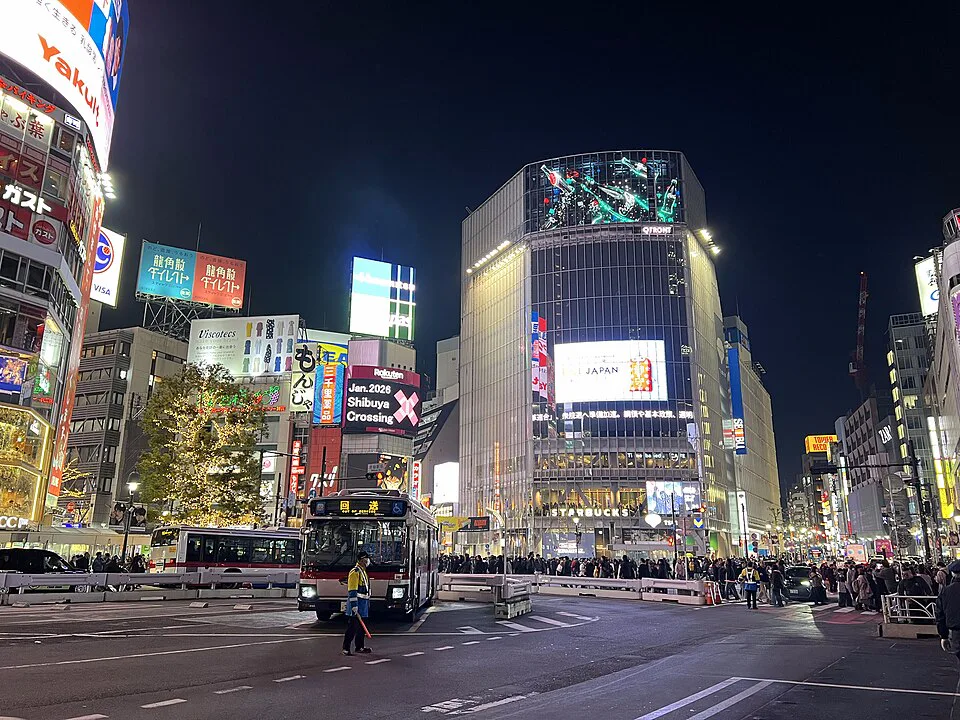
A late arrival can lead to refused entry under the venue’s rules. International arrival, a Fuji or Hakone excursion, a Tokyo Disney day and a highway-bus trip all introduce delays outside your control. Put SHIBUYA SKY after predictable activities already on the west side of Tokyo. Harajuku, Omotesando and Shibuya shops can be paced to leave a buffer; Asakusa followed by Odaiba and then a hard sunset deadline is brittle. If the arrival day is already full, use a later Tokyo afternoon rather than treating the observatory as a reward for making every connection exactly on time.
The route can be kept compact without making the day empty. A morning in a western neighbourhood, a meal, then a walk through Shibuya gives time for the 14th-floor arrival. Tokyo Station versus Shinjuku explains why an eastern base adds a cross-city leg, while Shibuya Excel or Blossom Shinjuku weighs two hotel approaches. You need not move hotels for one observation deck; allow a transport margin and choose a ticket time compatible with the base you have.
A checkout day works only after the bags have a destination
The operator does not permit luggage on the rooftop and recommends surrounding lockers for bags. A daypack can be dealt with more easily than two suitcases and a pile of purchases. Hotel-change day becomes awkward if the group reaches Shibuya still carrying everything and must search for storage while a timed slot approaches. Forward large cases, use agreed hotel storage, or make another clear baggage arrangement before the afternoon starts. The Tokyo shopping hotel-area comparison helps if the evening also includes shopping bags.
If large bags are already at the next hotel, a checkout-day visit can still work. The problem is uncertainty, not the word “checkout.” Keep enough time between luggage drop and entry, including any station transfer. On a Disney hotel split stay, that timing is especially consequential because the hotel move already consumes attention. For a simpler Shibuya day, keep the room arrangement settled and enjoy the observation window without making the lockers the centre of the plan.
When another viewpoint is the better use of the day
Skip the rooftop ticket when your group only wants a generic high view, spends the entire day in East Tokyo, cannot tolerate roof closure, or has already chosen another deck with a better route. The full Tokyo deck comparison weighs Skytree, Tokyo Tower and Roppongi as alternatives. Do not buy SHIBUYA SKY out of obligation if a rainy forecast would make you regret an indoor-only visit. Conversely, if the open-air edge is a specific priority, it can be the one deck to keep on the itinerary and other viewpoints can be removed.
What makes this place distinct is a city view without a window between you and the skyline, plus the option to watch the light change over Shibuya. That is a specific reason to spend time and money. It is weaker as an interchangeable “Tokyo view” box to tick. A four-to-seven-day Tokyo itinerary makes the opportunity cost clearer when a Disney day, a day trip and neighbourhood time are all competing for the same evenings.
A booking sequence for a real Tokyo day
First decide whether the rooftop itself is the reason to go. Place a west-Tokyo afternoon on the itinerary, then read the sunset time for that date. Compare 14:40 and the later 20-minute intervals against the light you want; in winter the cheaper boundary slot deserves special attention, while in summer a 15:00 entry can be far too early for a sunset-only plan. Give the visit enough time for admission, rooftop use and the walk afterward. The ¥700 step is justified only when the later clock time does work for your particular date.
Once the time is fixed, compare the operator, Klook and KKday for identical inventory and terms. Protect cancellation flexibility if the outdoor deck is essential, and do not schedule the ticket after unpredictable travel or unresolved luggage. If staying nearby would genuinely simplify several Tokyo days, compare Shibuya-area rooms on the same dates and cancellation terms. A room move solely for this one slot rarely repays the disruption.
Venue ticket and weather details
SHIBUYA SKY admission prices, sales period and luggage rules · agent-ticket cancellation and rooftop-closure terms. Prices are in yen and the sample seasonal sunset times are planning examples; use the live date’s sunset and checkout terms for a specific booking.
Related guides: Kyushu National Museum Tickets: When ¥700 Is Enough — and When the Special Exhibition Is Worth It · KidZania Fukuoka Tickets 2026: 4 vs 6 vs 8 Hours — and Is the English Program Worth It? · Nagashima Spa Land Tickets 2026: Do Not Buy the Same Pass for Everyone in Your Family · Sanrio Puroland Tickets 2026: Save on the 2 PM Pass Only If You Know What You’ll Skip · Warner Bros. Studio Tour Tokyo Tickets 2026: Buy the Time Slot Before the Upgrades · Yamagata Hanagasa Festival Reserved Seats 2026: Is the ¥4,000 Seat Worth It? Paid vs Free Viewing · Nijigen no Mori Tickets 2026: Free Entry Makes Three IPs the Expensive Choice · Is The HOTEL Well-hub Haneda Worth the Extra Shuttle Ride? · Tokyo Pingu Exhibition 2026: Is ¥2,200 Worth It? Tickets, Hours & Must-Sees · Toba Aquarium 2026: Is the Sea Otter and Dugong Detour Worth It?