
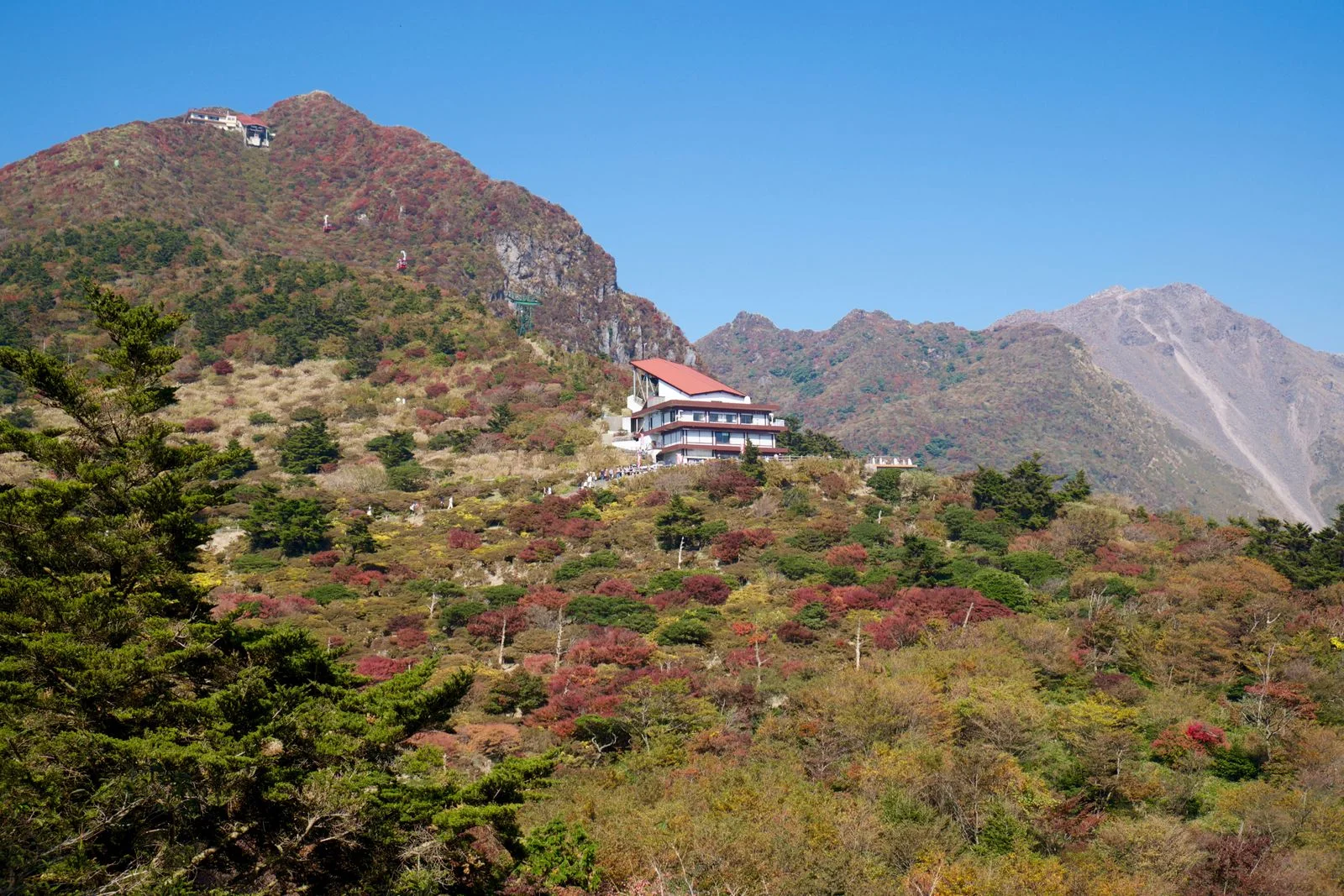
For an autumn trip through Kyushu, start by marking the days that truly need a car. Fukuoka, Dazaifu, Yufuin, Beppu, Takeo, Nagasaki and central Kumamoto connect well enough by rail or bus that collecting a vehicle at arrival can add parking and rental days without adding much scenery. Yabakei’s separate valleys, Kuju viewpoints, outer Aso and the upper Unzen approach are stronger candidates for a local one- or two-day rental. A full drive is sensible for a group of three or four with several rural days, enough luggage room and a driver comfortable with narrow roads in early darkness.
A price comparison has to include the actual travellers, bags, insurance and last services. JR Kyushu’s current pass table lists Northern Kyushu at ¥14,000 online for three days or ¥16,000 for five, each ¥1,000 more through standard counter or agency sales. The corresponding All Kyushu online prices are ¥21,000, ¥23,000 and ¥25,000 for three, five and seven days. A pass covers none of the rural bus or taxi legs that often decide the mountain day. Toyota’s published Non Operation Charge is ¥20,000 if a damaged car returns drivable to the scheduled shop and ¥50,000 if it cannot be driven back. Those are risk examples, not a daily rental quote. The five- or seven-day Kyushu itinerary helps count the days on which each mode would actually be used.
The rail pass pays only for eligible rail days
| Choice | Current adult price | Useful when | Still outside the ticket |
|---|---|---|---|
| Northern Kyushu, 3 or 5 days | Online ¥14,000 / ¥16,000; standard ¥15,000 / ¥17,000 | Several fixed JR legs among Fukuoka, Oita, Kumamoto, Takeo and Nagasaki | City subway, rural bus, taxi, rental and ropeway |
| All Kyushu, 3 / 5 / 7 days | Online ¥21,000 / ¥23,000 / ¥25,000; standard ¥22,000 / ¥24,000 / ¥26,000 | Longer fixed JR circuit or southern Kyushu | Takachiho bus and boat, mountain last miles, non-JR operators |
| Separate tickets or IC card | Pay for the trip taken | Shorter Fukuoka–Yufuin–Beppu stay or an open-jaw flight | Popular train seats and limited buses still need planning |
JR Kyushu excludes the Sanyo Shinkansen between Kokura and Hakata from these passes, as well as subways, buses and railways run by other companies. Northern Kyushu pass users also have a limit of six reserved-seat uses. A long trip on paper may therefore have fewer eligible JR legs than expected. Add the fares for trains you would book without a pass, then compare the exact product and purchase channel. The Northern Kyushu pass decision guide deals with the arithmetic in detail, while the JR Kyushu price table lists the current products.
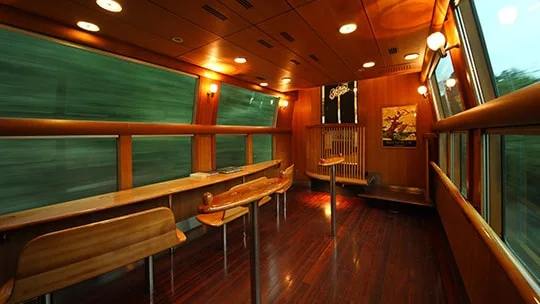
Yufuin no Mori illustrates a different constraint: every seat is reserved, and JR Kyushu warns of heavy demand. Holding a pass does not conjure an available seat. Secure the departure you actually want, or retain a regular JR or bus alternative so the Yufuin night survives a sell-out. The Yufuin no Mori booking guide covers seat timing. The Fukuoka-to-Yufuin train, bus and car comparison is useful if you have only one Oita transfer.
One, two or four travellers face different costs
| Party | First comparison | When a vehicle adds value | Cost or capacity easy to miss |
|---|---|---|---|
| Solo | Rail/bus plus one organised outing, shared charter or protective taxi | A mountain day with no workable public connection | All rental charges and driving effort fall on one person |
| Two | City rail with a one- or two-day rental for the rural block | Yabakei, Kuju, outer Aso or upper Unzen in a local round trip | Vehicle class, one-way fee, fuel, tolls and parking |
| Three or four | Targeted rental; full drive only for several dispersed rural days | Fares multiply and a suitable car can reduce final-mile friction | Passenger capacity does not equal luggage capacity; a larger car can erase savings |
A couple should not assume two rail tickets automatically cost more than a car. On city days, train stations remove parking, driving and the need for a nondrinking driver at dinner. On a Yabakei or Kuju day, the equation may reverse when several taxis or sparse bus connections would be needed. Four travellers can divide vehicle costs but must verify that every suitcase and any child seat fits. A five-seat small car is not a promise of space for five large cases. Compare a real vehicle class with real passenger and baggage needs, rather than an advertising rate for the cheapest class.
| Mode | Where it earns its place | Constraint to price or schedule |
|---|---|---|
| Rail plus bus | Solo or couple using cities, Dazaifu and onsen towns | Reserved seats, rural bus inventory, final service and luggage |
| Short local rental | Two to four travellers with one Yabakei, Kuju, Aso or Unzen block | Vehicle class, cover, NOC terms, fuel, tolls and parking |
| Full self-drive | Three or four travellers with several rural zones and equipment | Urban parking, driver fatigue, alcohol limits and an early-dark return |
The fifth question is where the group sleeps when the weather changes. Beppu can replace a fogged Kuju ridge with onsen and city time. Kumamoto can absorb an Aso access problem. Nagasaki or Takeo works when upper Unzen is closed or obscured. Hita or Nakatsu keeps a Yabakei visit close enough to shorten. If every poor-weather switch sends the group across Kyushu, neither a pass nor a car fixes the itinerary. The Kyushu foliage timing and base guide helps choose that corridor before the transport ticket.
Use the car where the final mile changes the day
Fukuoka–Yufuin–Beppu is a rail-and-bus spine. The main risk is a sold-out reserved service or an arrival that misses a ryokan’s dinner time, not a lack of roads. Renting solely to visit central Yufuin adds collection time, a place to park and a driver who cannot drink at dinner. If the trip includes Lake Kinrin at dawn, the better adjustment may be a Yufuin night rather than a rental from Fukuoka. The Lake Kinrin autumn overnight guide separates transport from the dawn experience. The Fukuoka-or-Yufuin extra-night decision is useful when moving hotels, rather than renting, is the disputed cost.
Yabakei is different. Hitome Hakkei, Ao-no-Domon, Rakanji and Keisekien occupy separate sectors. Collecting a car in Hita or Nakatsu and returning it locally can give the valley a coherent day without carrying that vehicle through Fukuoka. Nakatsu City’s 2026 notice says the Ao-no-Domon pedestrian passage uses a signed diversion while vehicles remain barred because of rockfall. A rental does not overcome that specific closure; the route must follow the permitted roads and parking. The Yabakei driving and hotel guide has the sector-level plan.
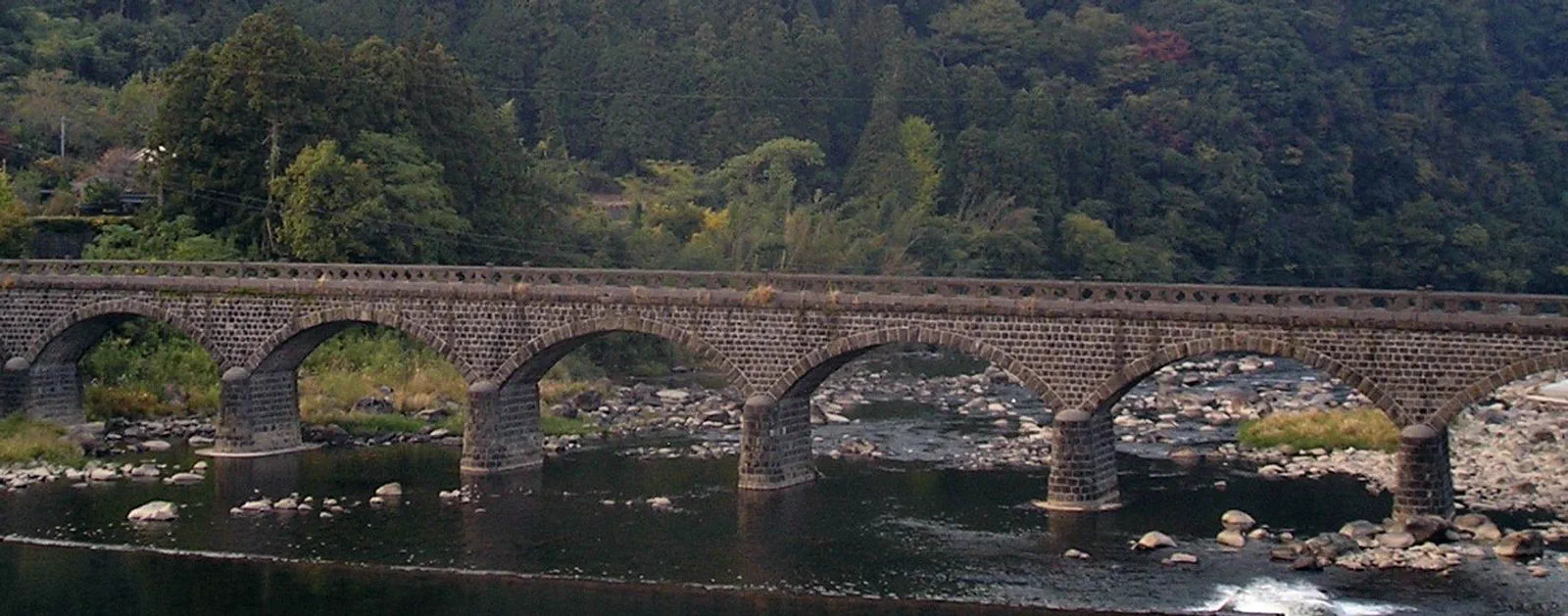
Kuju needs a sharper distinction between a viewpoint and a hike. Chojabaru, Kokonoe’s suspension bridge or a short stop may be possible with a seasonal bus, local rental or charter. A summit hike demands equipment, weather judgment and a turnaround time even if the parking lot is beside the trailhead. If Makinoto parking is full, do not wait illegally on the road to preserve a second objective. Choose one safe site and use the onsen base later. The Kokonoe bridge and Kuju access guide can place those different activities on the correct day.
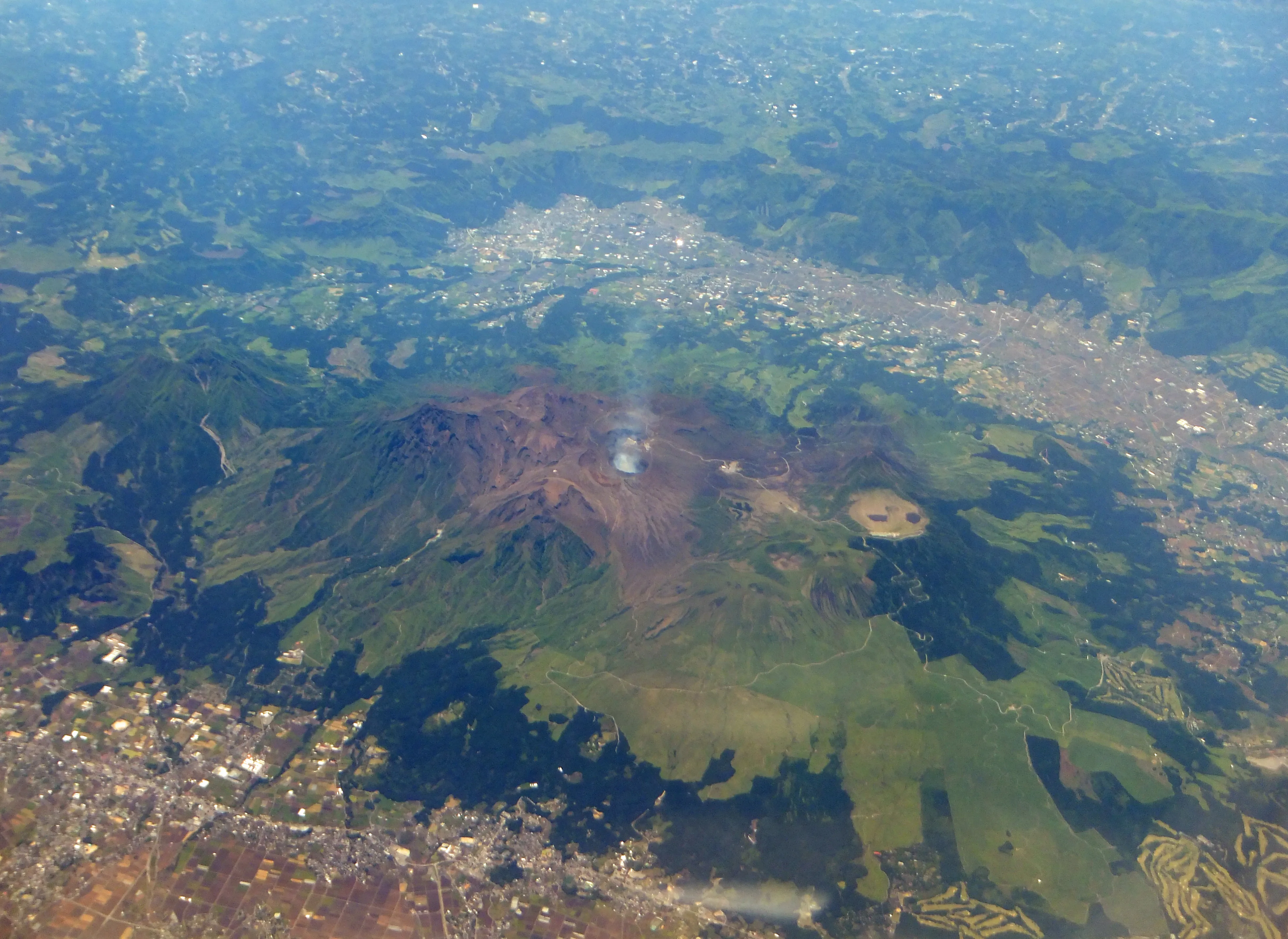
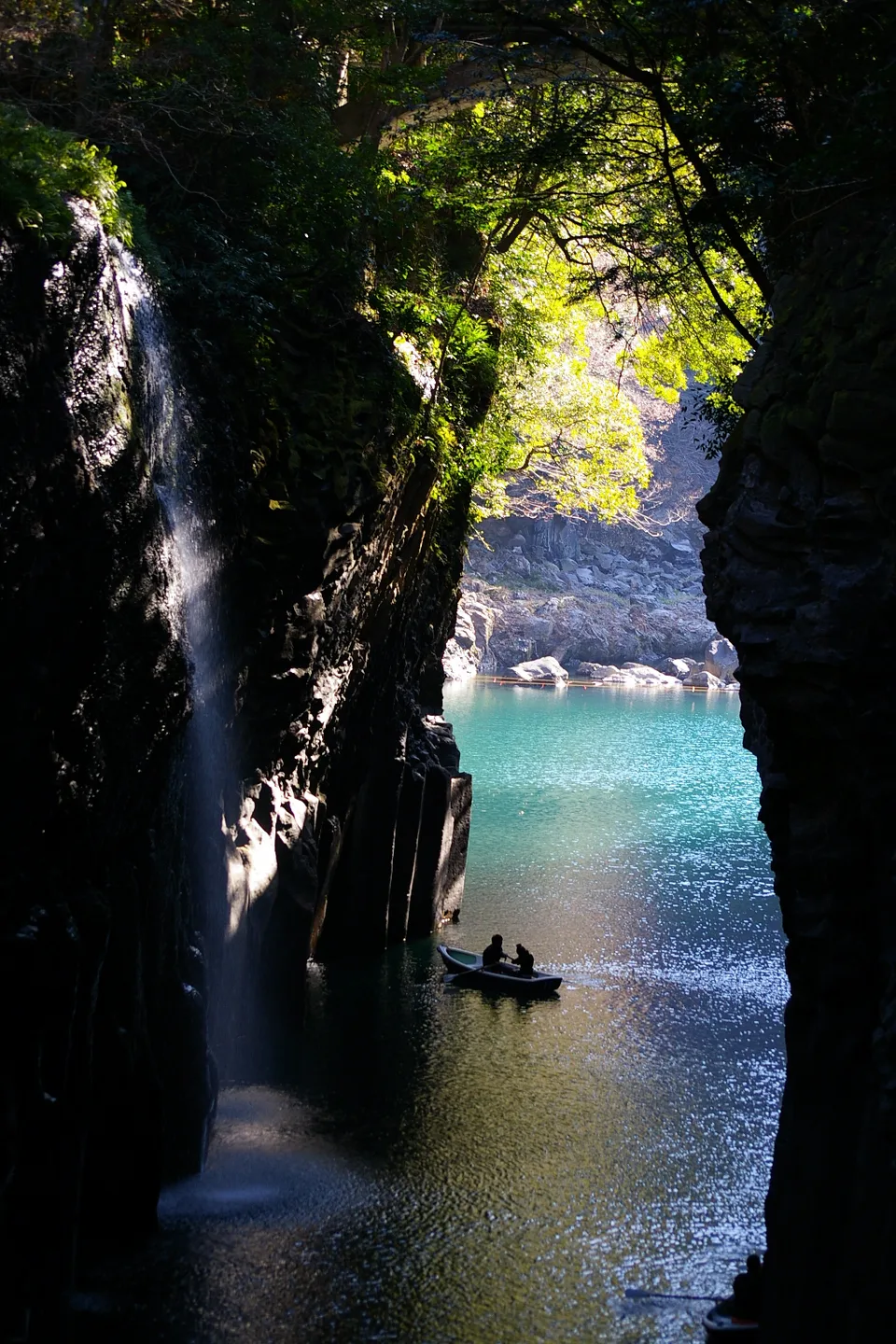
Kumamoto–Aso–Takachiho can be done with reserved buses, but a car helps when outer Aso stops or weather sequencing is central to the trip. That benefit is strongest with a Takachiho overnight. Gorge boat inventory, possible river suspension, intercity transport, ryokan dinner and evening kagura are separate clocks; an enormous Fukuoka day trip leaves little room for one delay. The Takachiho gorge and boat guide and kagura evening plan can show whether the town itself merits the night.
Upper Unzen is the western case for a final bus, taxi or local car. Takeo, Mifuneyama and Nagasaki are easier to use with rail and a shorter onward connection. A Nagasaki or Takeo base can therefore keep the city days car-free and rent only for Nita Pass or other mountain stops. After a late illumination, a Takeo or Ureshino room may be more sensible than a night drive toward Fukuoka in fog or after dinner drinks. The Nita Pass mountain and ropeway guide describes that final approach.
The full rental bill is wider than the displayed daily rate
| Cost or condition | Rail and bus side | Rental side |
|---|---|---|
| Fixed booking | Eligible JR fares, pass or separate tickets; reserved seats | Real vehicle class, rental days and insurance package |
| Final mile | Rural bus, taxi, charter or organised day tour | Fuel, tolls, ETC, parking and a possible one-way return |
| Travelling with others | Each adult fare and possible luggage storage | Child seats, approved second driver and enough baggage capacity |
| Delay or damage | Missed last bus may mean a taxi or another hotel | NOC, excess, tyres, keys, towing and a required incident report |
| Human time | Waiting, transfers and fixed departures | Traffic, weather, fatigue and no alcohol for the driver |
Toyota’s English rental terms make the insurance distinction concrete. The ordinary damage-waiver product can remove a deductible while leaving the Non Operation Charge payable. Toyota’s separate Double Protection Package can cover that charge under its conditions. The listed NOC is ¥20,000 when the vehicle is driven back to the scheduled shop and ¥50,000 otherwise; even a drivable car left elsewhere can trigger the higher amount. Flat tyres, glass, towing, keys, prohibited use or an unreported accident may follow separate rules. Read the agreement for the company and branch you will actually use; the phrase “full coverage” on a booking page does not settle the exclusions.
Public transport has hidden expense too. A late rural bus can force a taxi to protect a hotel dinner, a missed connection can add a night, and luggage storage or forwarding has its own price. A charter or an organised day can be cheaper than renting for several city days to solve one mountain stop. A sold-out bus does not require a full-trip rental if the mountain day can move or a rail-accessible alternative serves the same corridor. Compare both modes as completed days, including the return to the hotel, instead of a train fare against a car advertisement.
Driving documents need to be settled before payment
The legal route depends on the country or region issuing the licence. JAF says holders of a 1949 Geneva Convention International Driving Permit may drive within Japan’s conditions; a permit under a different convention does not qualify merely because it has “international” on the cover. Taiwan-issued licence holders use the valid original licence with an authorised Japanese translation instead. JAF’s current translation service says the original paper translation printed in Japan is valid, and online applications for this purpose are accessible only from inside Japan. Do not leave that document to the car-collection morning.
Carry the original licence, qualifying permit or translation, passport and whatever the rental desk requests; register every intended driver. Check child-seat conditions and any seasonal tyre requirements before paying. A driver who lacks the right document or was not declared can lose access to the car and complicate insurance. The JAF foreign-licence rules and translation procedure are more useful than a generic assumption that every foreign licence is treated alike.
Hotel location can remove a rental day
Use Fukuoka as the air and northern lowland gateway, Hita or Nakatsu before Yabakei, Yufuin or Beppu for Kuju and onsen, Kumamoto for Aso, Takachiho itself for the gorge, and Nagasaki or Takeo for western Kyushu. Collect a vehicle close to the rural block and return it when that block ends. Hotel Blossom Hakata Central, Hotel Blossom Oita and AMANEK Beppu YULA-RE illustrate rail-city bases; Hotel Socia Hita and Solest Takachiho illustrate rural staging. These are location examples, not claims about available rooms or current prices.
Forwarding the large bag between major cities can make a one-night mountain or ryokan stay easier. Carry an overnight bag, then confirm the next property accepts a shipment and that any hotel transfer runs at the required hour. The same check applies to dinner, late arrival and parking. A car with nominally enough seats may have too little boot space for the group’s cases; a larger class changes the cost result. The Japan luggage-forwarding guide helps decide whether paying to send the case is cheaper than carrying it through a rural connection.
Compare stays around the rail city or mountain gateway you choose. Select Fukuoka, Beppu, Hita, Kumamoto or western Kyushu after the driving days are marked. A cheap room can be expensive if it forces a late mountain return or an extra rental day.
When the road or timetable stops cooperating
Do not drive a high road through an active warning, dense fog, ice or snow without suitable equipment, severe fatigue or an unsafe return after dark. Public transport can also stop, so a real fallback is an onsen, lower garden, museum or city meal near the booked room. A full Makinoto car park, an Ao-no-Domon vehicle restriction or a suspended Takachiho boat is a signal to remove a stop, not to keep adding distance. The Japan rain-day route guide gives a way to keep the rest of the day useful.
If the fragile reservation is a bus, secure it before booking a remote hotel or arrange a changeable alternative. If rental stock disappears, price a day tour, taxi or charter for that one rural date. A sold-out Yufuin no Mori does not remove other JR services. The Kyushu Odan Bus route guide matters for a Kumamoto–Aso–Kurokawa–Yufuin connection, while the Kyushu autumn timing map can tell you which lower district still makes sense if the mountain day goes.
Current terms and route limits can be read at JR Kyushu’s pass page, Toyota’s rental protection details, JAF’s licence rules and Nakatsu City’s Ao-no-Domon vehicle notice. Rates, road access, inventory and mountain services can change before departure. The cost method still holds: price a usable journey and the day it enables, not the cheapest isolated ticket.
Related routes: 5-Day Hokkaido Autumn Leaves Itinerary: Driving,, Japan Autumn Leaves Without Changing Hotels:, Japan Autumn Leaves in Mid-November: Kyoto,, Hakodate and Onuma Autumn Leaves: Late, 10-Day Japan Autumn Leaves Itinerary: Regional.
Related routes: Oirase by Car or Public Transport:, Okutama Autumn Leaves Guide: Mitake Gorge,, Takayama Autumn Leaves: Old Town, Hida, Mt. Takao Autumn Leaves Day Trip:, Japan Autumn Leaves Late November: Kyoto,.
Related routes: Kenrokuen Autumn Leaves 2026: Early Entry,, Japan Autumn Leaves December: Tokyo, Kyoto,, Arashiyama Autumn Leaves Day Trip: Morning,, Hokkaido Autumn Leaves 2026: Daisetsuzan, Sapporo, Mt. Daisen Autumn Leaves: Driving, Buses,.