
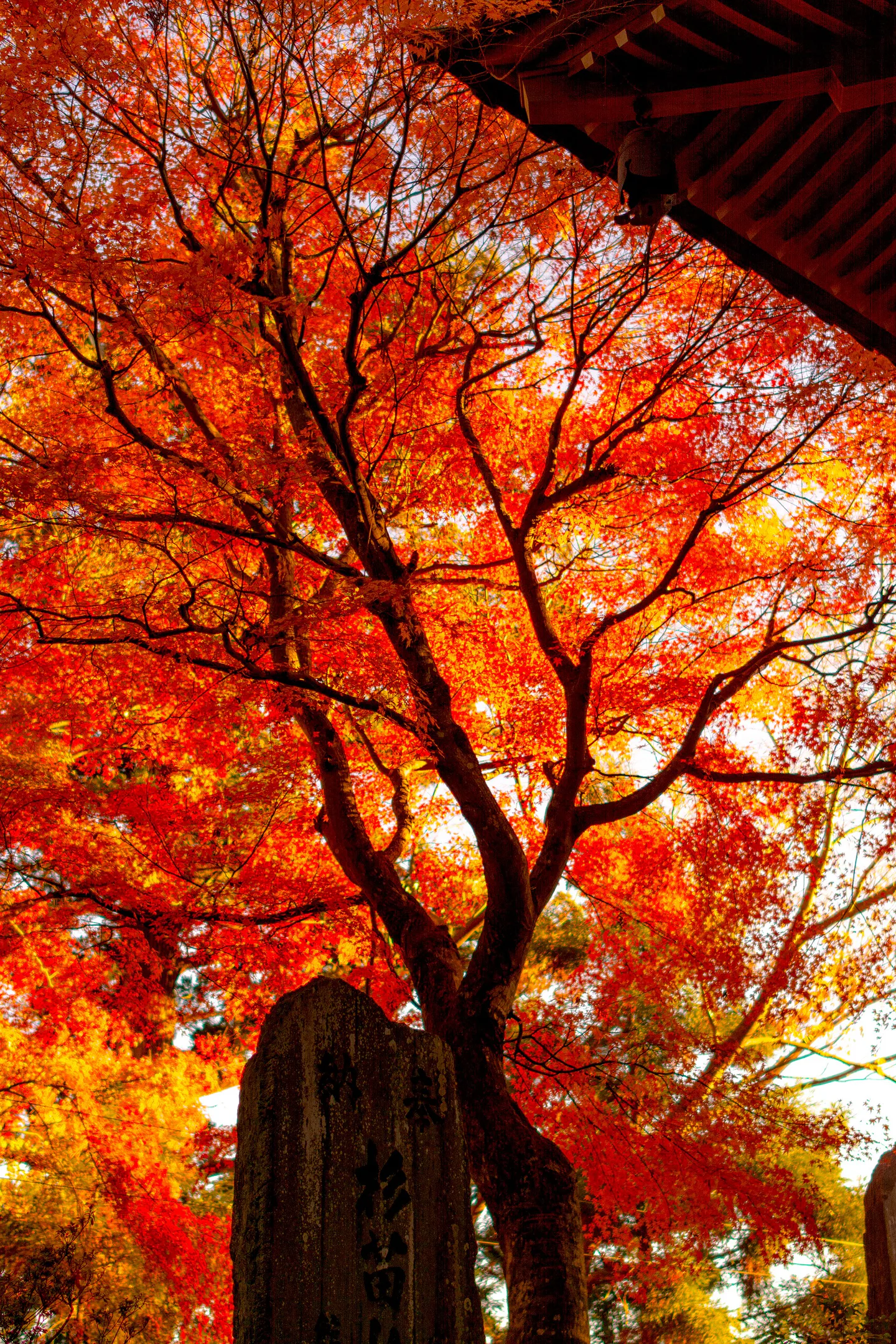
The cable car covers the steep lower slope of Mt. Takao, then leaves you with a mountain walk. From its upper station, Trail 1 still leads past Yakuoin toward the summit. In autumn, ticket queues, food stops and the slower movement around the temple can take longer than the six-minute ride. Plan the whole circuit before treating Takao as a short excursion from Tokyo.
For a first visit, ride uphill, follow Trail 1 to Yakuoin and assess the summit only after a rest. That gives children, people with sore knees and anyone starting late a satisfying stopping point. Hikers who came for the climb can choose a walking trail from the foot of the mountain. The best route depends on how much walking the group actually wants, rather than on whether a transport ticket feels like a bargain. See a broader first Japan autumn base choice.
An adult cable-car or chairlift ticket costs ¥490 one way or ¥980 return. Cable cars normally depart every 15 minutes and take roughly six minutes; the chairlift ride takes around 12 minutes. The published September–November last cable is 17:45 on weekdays and 18:00 on weekends or holidays, while the lift generally closes at 16:30 in May–November. Special events, weather and maintenance can change the last departure. Use the date-specific service notice when setting your turn-back time. See cable-car fares and operating times.
How far should your group walk?
↔ Scroll table left or right
Traveller | Route | Reason | Cost |
First Tokyo nature day | Cable up; Trail 1; summit if time allows | Temple and mountain scenery with a flexible endpoint | The main route draws the most people |
Children, older companions or knee concerns | Return cable; stop at Yakuoin | Avoid the long summit extension | No summit view |
Fit walkers on a dry day | Hike up; Trail 1 down | The climb becomes the purpose of the trip | More fatigue before the Tokyo return |
Wet natural trails | Trail 1 or foothills | Paved sections and facilities make an early finish possible | Less time on a walking trail |
Late peak-foliage arrival | Temple rather than summit | Keep space before the final ride | Shorter mountain circuit |
Strong dislike of crowds | Consider Okutama or another western Tokyo walk | Avoid concentrating the day at the cable and summit | Requires a separate route plan |
The mountain fits a Tokyo hotel base well, but popularity concentrates walkers at the transport, Yakuoin and summit. Its scenery includes coloured trees, temple buildings, elevated views and several genuine hiking routes. The useful comparison is between those rewards and the walking or queuing each route asks of your group; an arbitrary numerical rating cannot make that decision for you. See Tokyo autumn timing.
What the route gives you, and where it strains
↔ Scroll table left or right
Question | Takao advantage | Constraint |
Scenery | Maples, Yakuoin, views and several hiking routes | Crowds gather at the most familiar points |
Access | Rail reaches Takaosanguchi; transport starts nearby | The upper cable station is below the summit |
Time | Foothills or summit can fit different day lengths | Queues expand the visit unpredictably |
Weather | Trail 1 and foothill facilities offer a shorter version | Rain weakens the mountain walk |
Crowds | Early arrival creates options | Peak foliage compresses visitors onto the cable and temple approach |
First Tokyo visit | One nature day without a hotel change | A dedicated western Tokyo day still displaces city time |
Allow hours on the mountain, not minutes on the cable
A ride to the upper station does not include the ascent to Yakuoin or the summit. Add time for the ticket line, toilets, photographs, a meal, temple paths and a descent queue. Two-way foot traffic can slow even the paved approach. Someone meeting friends for dinner in Tokyo should count backward from the rail journey and the operator’s final service, rather than from the nominal ride duration. See autumn crowd planning.
The following bands are planning allowances for a relaxed autumn visit. They are not promised walking times and will expand if the cable queue is long: See the right month for foliage.
↔ Scroll table left or right
Scope | Allow on site | Where the time goes |
Foot and temple | About 3–4 hours | Tickets, queue, upper-station area, Yakuoin and return |
Summit visit | About 5–6 hours | Temple, summit, food, photographs and descent |
Summit plus onsen or museum | Most of a day | Finish the mountain first; add the second stop at the foothills |
A foothills-and-temple day can still be complete. Yakuoin provides an actual destination before the summit; turning back there preserves energy for the descent. A summit visit needs a longer window, and adding the onsen or museum at the base belongs after the mountain portion. Keeping that second activity optional makes the day easier to adjust. See shorter Tokyo garden choices.
Cable car and chairlift share a fare, but close at different times
Price does not decide between the two rides: the operator lists the same standard fare. The cable car is enclosed and takes roughly six minutes, while the open chairlift takes about twelve and usually ends service earlier in autumn. Exposure to wind, rain and height matters more than the small difference in ride length.
Families with young children, older companions or anyone uneasy on an open lift should lean toward the cable car. It also gives a later normal descent option if the walk takes longer than expected. The chairlift suits a group that actively wants the open-air ride and can reach its station before the published closing time.
Going uphill by chairlift does not guarantee a chairlift ride down. If you linger around Yakuoin into the afternoon, decide how you will descend before adding another meal or trail. Recheck the service board on the day: event extensions can affect the cable schedule, and poor conditions can shorten it.
Trail 1 or a quieter path?
Trail 1 connects the upper transport stations with Yakuoin and has the most facilities. It also carries many of the autumn visitors. Alternative natural-surface paths can reduce the press of people in places, yet roots, steps, leaves and narrower ground ask for more balance and stamina, especially when wet. See western Tokyo walks.
City shoes, a stroller or a tired companion are reasons to simplify the destination rather than improvise a rougher descent. Travellers who really want a hike should select a trail for its terrain and length in advance. A quiet path is a poor trade when the group chose Takao specifically for an easier temple walk.
Rain makes leaf-covered roots harder to read underfoot. Grippy footwear helps, though it does not turn a natural trail into pavement. In sustained bad weather, the temple and foothills may still be worthwhile; if the whole aim is autumn colour, an indoor Tokyo day can be a better use of the forecast. Okutama’s Mitake Gorge is another western Tokyo foliage route for a clearer day, with its own rail and walking plan. See rain-day decisions.
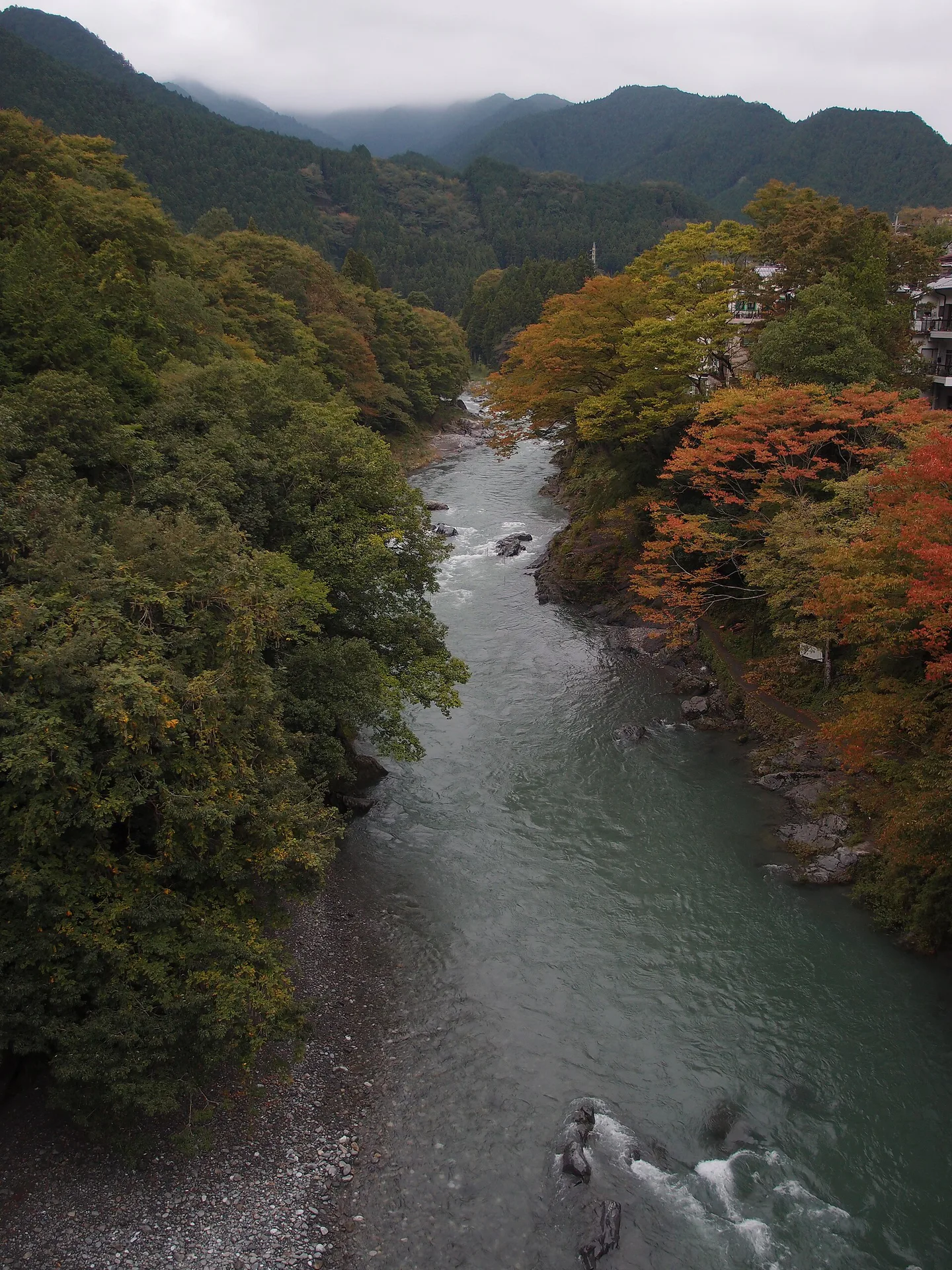
The morning determines which choices remain open
Leaving the Shinjuku side early gives time to judge the cable queue on arrival, continue beyond Yakuoin if everyone is comfortable, and consider lunch or an onsen after returning to the foot. A late start can still make a temple visit, but it should not borrow hours from the last transport departure. See Tokyo autumn day trips compared. See early Tokyo morning options.
If the cable queue is long, choose between waiting and shortening the walk. Walking uphill only saves the queue for visitors dressed and prepared for the climb. Do not keep the original summit-and-onsen schedule after a long wait has consumed its margin.
Peak foliage weekends are a poor match for a prepaid evening appointment in central Tokyo. The rail leg is predictable compared with the upper-station queue and descent. With a fixed dinner, use Yakuoin as the turnaround and leave a buffer before travelling back. See a Tokyo stay-length comparison.
A family day can end at Yakuoin
The cable removes one steep ascent; it does not produce a stroller-friendly route all the way to the summit. A family can stop at the upper area or temple and still see a distinct mountain landscape. For older walkers, rest at Yakuoin and judge the return distance before deciding whether the summit is sensible.
The train journey and ticket price can make people feel obliged to reach the top. That sunk cost is a poor guide to how knees, daylight or children will cope with the return. A comfortable descent often matters more than another viewpoint.
Rail access and the Keio combined ticket
Keio serves Takaosanguchi from the Shinjuku corridor; the lower cable station is a short walk beyond the railway terminus. Its Mt. Takao ticket combines discounted return rail travel with either one-way or return mountain transport. Compare the current bundled price with separate fares if you start elsewhere, use only one transport leg or intend to finish on another rail route. See Keio’s combined Mt. Takao ticket.
A JR Pass does not cover the Keio line and is no reason to add an awkward transfer solely to reduce the cash fare. Compare hotel-to-trailhead journeys rather than a single operator’s ticket. For a crowded autumn outing, an uncomplicated start can be more useful than a small saving.
A Tokyo hotel base for the Takao day
Shinjuku generally keeps the rail approach simple while leaving the rest of Tokyo accessible. Hachioji or Tachikawa becomes more useful when Takao is one stop in a western Tokyo sequence that also includes Okutama, Showa Kinen Park or Yamanashi. A single ordinary Takao visit rarely requires sleeping beside the mountain. See Okutama hotels without a car. See Shinjuku station hotel trade-offs.
For dawn photography or two consecutive days west of central Tokyo, a western base can remove the morning cross-city journey. Check its value against your other Tokyo plans; moving hotels for one cable-car outing can create more work than it saves.
Compare Shinjuku rooms that let you reach the Keio departure without a long morning transfer. See Shinjuku hotels.
If a western Tokyo sequence is the focus, compare Tachikawa rooms before committing to the extra hotel move. See Tachikawa hotels.
What to drop when the day runs late
↔ Scroll table left or right
When this happens | Remove first | Keep |
Long cable queue | Summit or later onsen | Yakuoin and an unhurried descent |
Wet walking surfaces | Natural trail detours | Trail 1 and foothill facilities |
Companion tires | Summit extension | Temple rest and cable return |
Afternoon slips away | Dependence on the chairlift | A descent that fits actual service hours |
Leaves disappoint | Waiting at one viewpoint | Temple, a walk, food and wider views |
Takao succeeds when the stopping point stays flexible
For a first Tokyo trip that needs one mountain day without changing hotels, Takao offers several reasonable endpoints: the foothills, upper station, Yakuoin and summit. A cable ticket reduces the lower climb, but the later walking and queues remain part of the day. Choose the endpoint that fits the people travelling with you. See Nikko foliage access. See a Tokyo-to-Fuji weather alternative.
On the busiest foliage weekends, a crowd-averse traveller may enjoy a different western Tokyo walk more. If rain has stripped the mountain views of their appeal, move the foliage outing to a better day. Takao’s easy rail access also makes it an easy choice for many other visitors at the same time. See Korankei crowd and bus trade-offs. See Hakone foliage and transport.
Before boarding at Shinjuku, decide which point would already feel like a good visit. If the queue or weather changes the plan, that answer makes it easier to stop without squeezing a summit into the last available hour. See Kyoto autumn by elevation.