
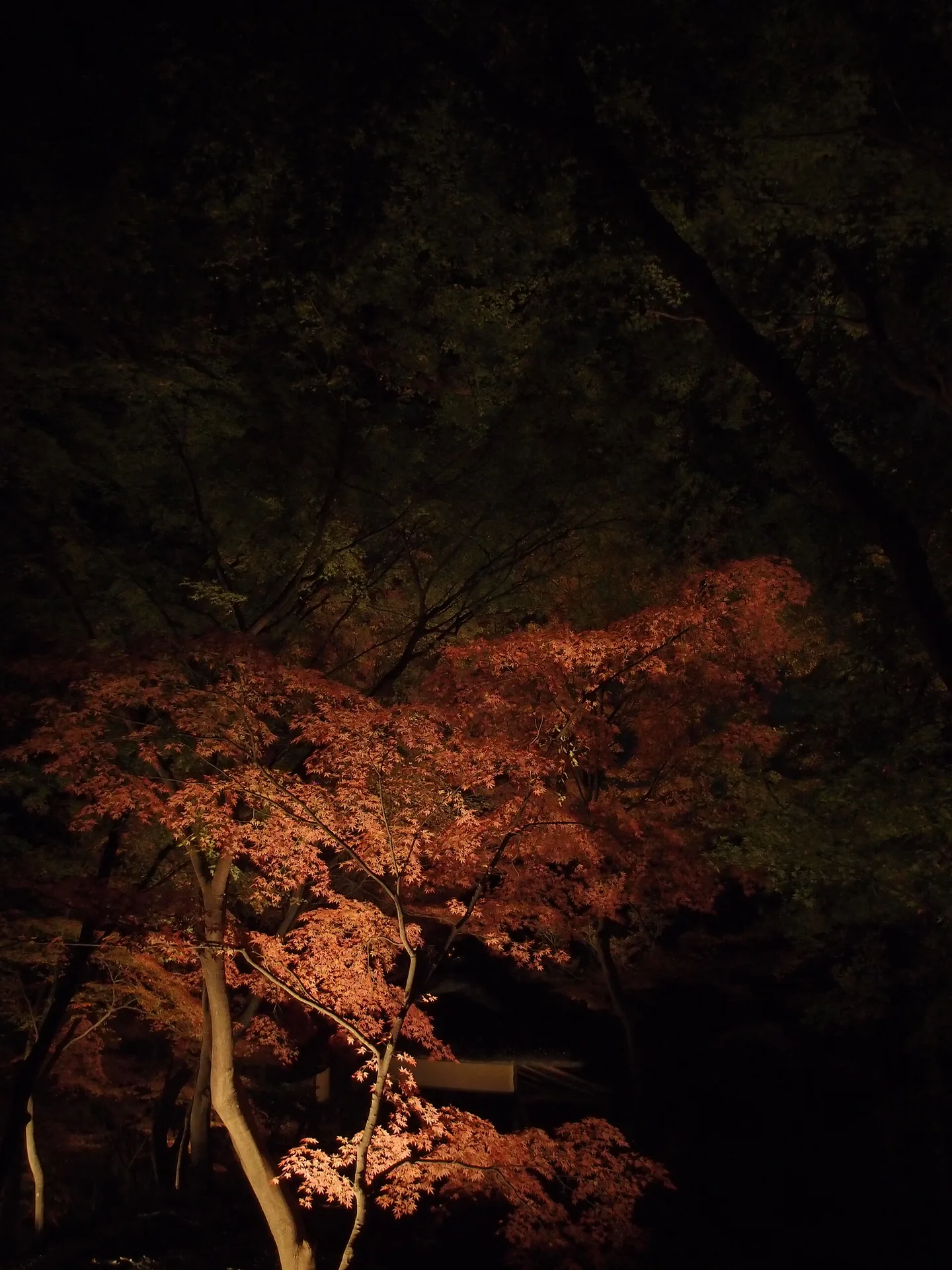
A December trip to Japan can include autumn colour, but a city worth visiting in winter has to carry the itinerary. Early in the month, a Tokyo garden, a Kyoto temple, a Nara lowland walk or one of a few southern sites may still have leaves. None gives a fixed promise for a flight or a nonrefundable hotel. The practical approach is to reserve the places and experiences that work with bare trees, then use the latest conditions to choose a foliage stop.
The calendar matters more as December advances. During the first week, a flexible route through Tokyo, Kansai, Hiroshima and Miyajima, or Fukuoka and Saga can leave room for colour. From 8 to 15 December, one supported half-day is a more realistic bet. After the 16th, plan a winter holiday and enjoy any remaining leaves you encounter. A photograph dated 5 December in a previous year tells you what happened then, not what a specific tree will look like on your visit.
What the 2026 forecast can tell you in October
The August version of this guide said a detailed forecast had not yet been issued. That is now stale. By 24 October, 2026 outlooks were available: Weathernews reported that persistent autumn warmth could delay colouring in some lowland areas, with Kyoto’s Arashiyama expected to reach its best period from late November. A forecast gives a regional trend; it cannot certify a garden in December weeks ahead. Use the Japan Weather Association foliage map for broad timing, then look at photographs or live cameras taken in the preceding three to seven days, local weather and the site’s own access notices. Rain, cold snaps and leaf fall can change a good-looking forecast.
Make a colour stop easy to remove the night before. The hotel should be useful without leaves, an indoor or cultural stop should sit on roughly the same route, and the return journey should not depend on the day’s last rural bus. Spending money on a distant Shinkansen trip because an old image shows one red tree is a fragile December decision. A refundable city base lets you make the final call close to departure; a rural overnight is worth adding only when its onsen, food or setting justify it independently.
Tokyo gives you several gardens without another hotel
For 1–7 December, Tokyo is the easiest place to keep alternatives open. Rikugien, Koishikawa Korakuen, Shinjuku Gyoen and the ginkgo avenues around Meiji Jingu Gaien have different trees and exposures. One can be past colour while another still offers a useful walk. The advantage is the rail network, not a claim that every canopy stays red. The Tokyo garden comparison helps match the day to maple, ginkgo or a formal garden.
Ueno is a sensible hotel area if you want access to Rikugien, museums and Tokyo Station; Shinjuku puts the western side, shopping and indoor choices nearer; a Tokyo Station room protects an onward rail trip or airport day. Choose on the rest of the itinerary, then assign one garden to a clear morning. In a three- or four-day stay, an afternoon museum and a separate day for ginkgo or evening lights give the foliage plan room to fail without losing the city. Short daylight makes two distant gardens, a west-side excursion and a night event an awkward single day.
When a current image shows thin branches, change the photographic subject before changing cities. Reflections, fallen leaves and winter garden structure can be more useful than a long train ride to an isolated tree. They do not replace the bright canopy some travellers hoped for, so keep the city’s exhibitions and observatories available too. The Tokyo foliage timing guide distinguishes city gardens from earlier mountain sites.
Kyoto, Osaka and Nara need one compact corridor
Kyoto temples do not turn or shed their leaves on one citywide date. If a recent report shows colour in an accessible district, spend that morning there and let architecture, tea, craft, museums and restaurants fill the rest of the day. Kyoto Station and Shijo are both workable bases; the right choice follows the planned rail journeys and evenings. Subway, JR, Keihan or Hankyu can cover a long cross-city move, leaving a bus for the last stretch when streets are congested. A late-colour report is a reason to choose a district, not to chase several historic dates across town.
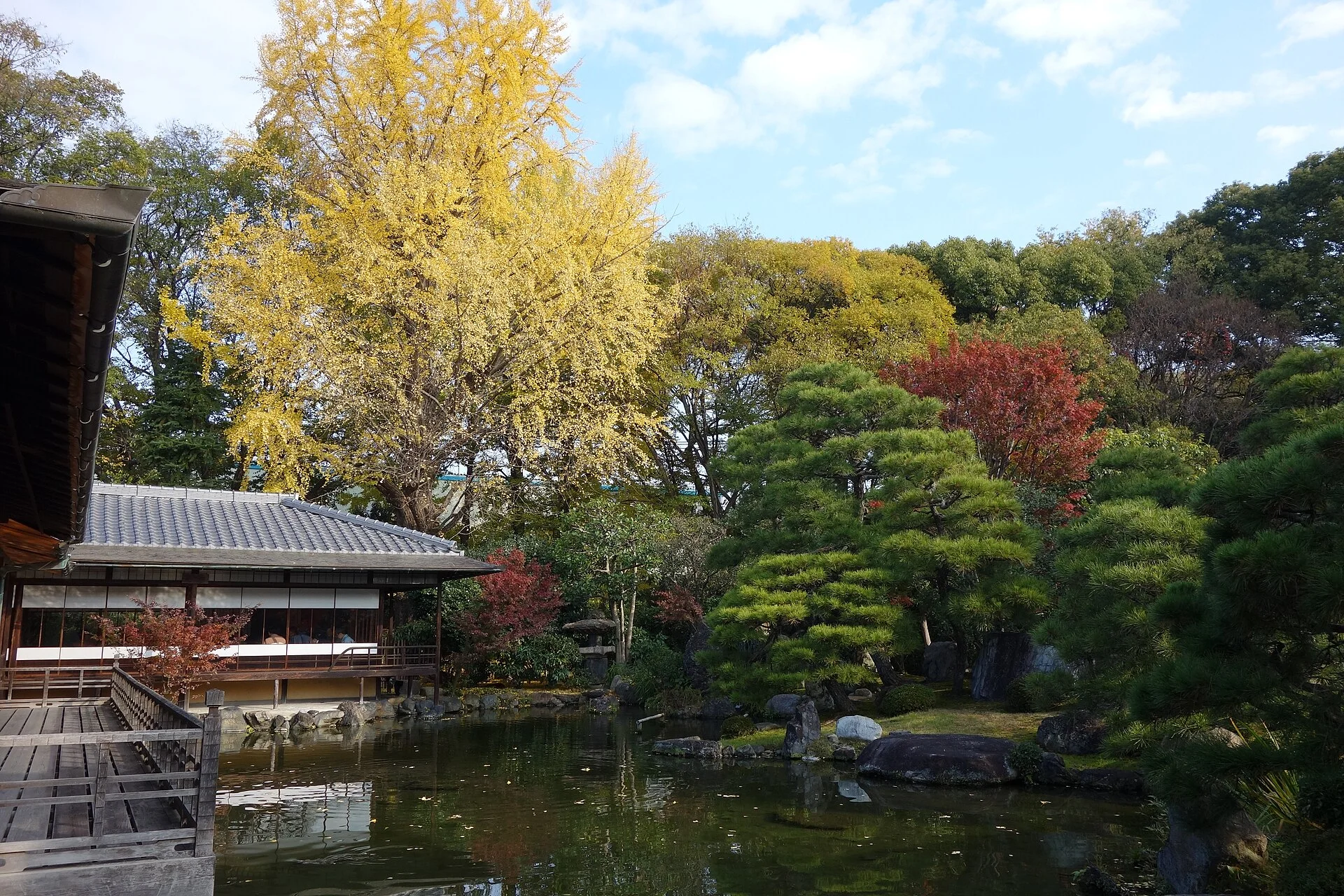
From Osaka, Minoh can occupy a nature day if the trail and return are suitable in the actual weather. The Minoh and Osaka city guide also separates that excursion from colour in Osaka Castle, Nakanoshima and Expo ’70 Park. Those urban sites remain pleasant walks without a guaranteed canopy. Umeda can simplify Kyoto and Minoh movements, while Namba is useful for Nara; do not accept a cheap room that forces repeated cross-city detours merely to look for trees.
For Nara, organise the day around temples, Naramachi, museums and Nara Park. Check lower-elevation gardens as a possible addition. Odaigahara is a mountain foliage destination from an earlier part of the season and should not be the December target. One lowland walk near the city fits a day trip far better than trying to manufacture a late-season mountain search.
Miyajima and Kyushu: keep the trip without the maples
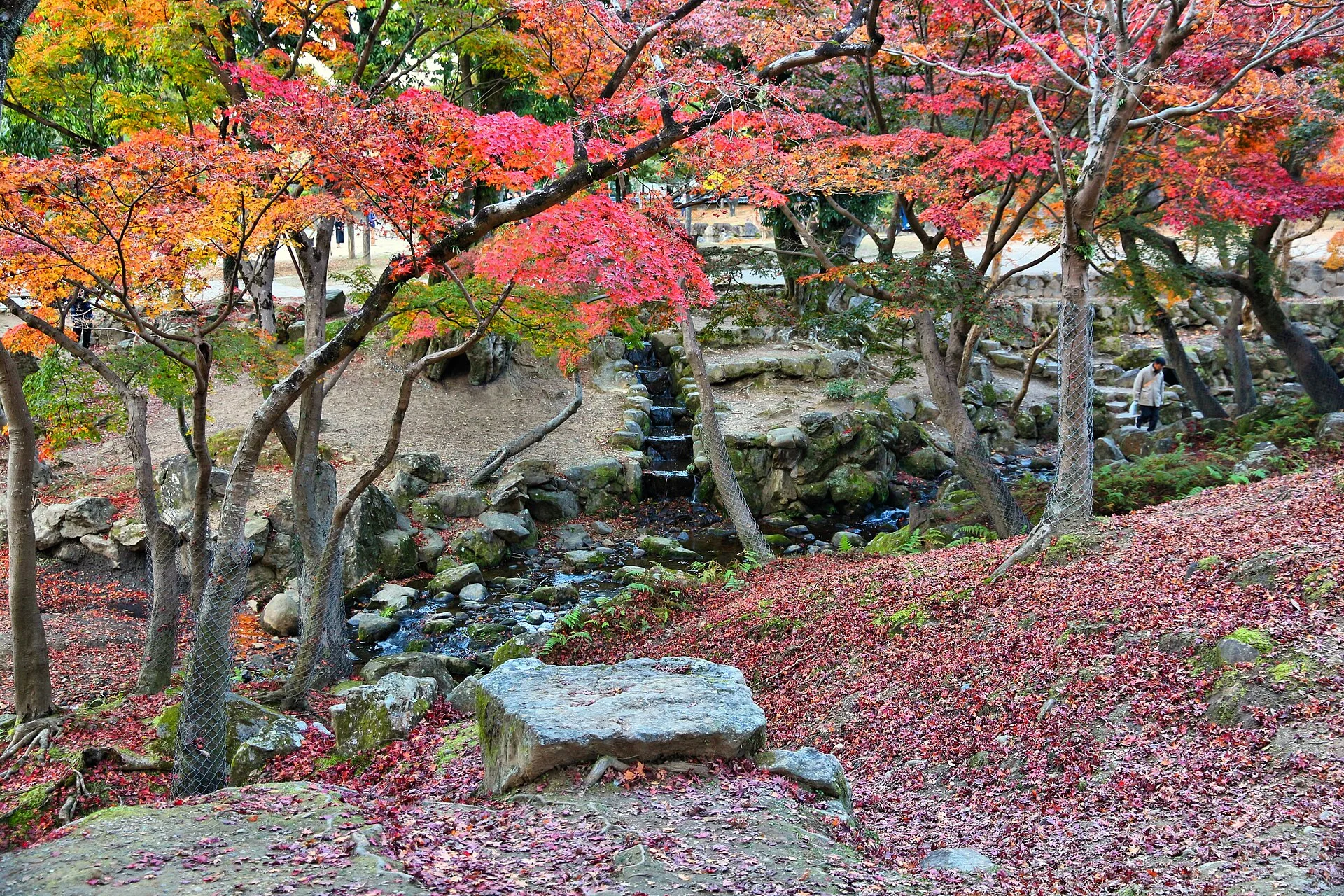
Miyajima’s Momijidani may have a final trace of colour early in December, but the island should stand on its shrine, tide-dependent views and Daishoin. A three-day Hiroshima block can also include the Peace Memorial Museum, Shukkeien and local food. Two nights in Hiroshima make luggage and wet weather easier; one Miyajima night can buy dawn and quieter hours after day visitors leave, provided dinner and ferry times are settled. Bare trees in Momijidani should alter the walk, not force a hotel change.
Further south does not automatically mean later leaves. Akizuki, Kiyomizuyama, Kawachi Reservoir, Ogi lowlands, Takeo and Ureshino have appeared in late-season planning, but each has its own elevation, access and timing. Keep three nights in Hakata or Tenjin if Fukuoka is the base; use the best-weather regional day only for a site with fresh evidence. A second day can focus on Takeo or Ureshino onsen, ceramics or Nagasaki City. Those remain meaningful when every prospective maple has fallen.
How the decision changes after the first week
Between 8 and 15 December, limit foliage to a site that recent photographs or a local condition update support, preferably a Tokyo garden or one accessible Fukuoka or Saga lowland stop. Kyoto as an entire destination is too broad a late-colour bet. Minoh, Miyajima, Kawaguchiko, upper Mount Takao and the Yufuin hills generally belong earlier in the sequence. If the report is weak the previous evening, use the winter version of the day. Ask whether you would still enjoy the place without leaves before paying for the journey.
After 16 December, choose the destination for its winter strengths: Tokyo’s museums, exhibitions and night skyline; Kyoto’s architecture and cultural visits; Osaka’s food and neighbourhoods; Hiroshima’s history; Nagasaki’s city scenery; or an onsen stay in Takeo or Ureshino. A few late trees at low elevation cannot make an entire region a reliable autumn trip. Moving between Tokyo, Kyoto and Kyushu solely to follow a remembered photograph can consume days for little gain.
Four workable route lengths
Four days based in Tokyo: arrive and spend the first evening in the city. Hold one clear morning for a garden, one day for ginkgo, shopping and a museum, then let the final day be either a second garden or an indoor route. One hotel avoids hauling luggage for uncertain colour.
Five days in Kansai: three Kyoto nights and two Osaka nights work if both cities have real plans. Four Kyoto nights with a Nara day are simpler when Osaka does not need its own evenings. Select a single Kyoto district after checking current conditions; Minoh or a Nara cultural day can change with rain. A final Osaka night earns its place for an early Kansai Airport flight or a material Kyoto room-price difference, not for one hypothetical red tree.
Three days for Hiroshima and Miyajima: sleep twice in Hiroshima, or pair one island night with one city night. Hiroshima City, the island and Shukkeien are three flexible pieces. Tide and tree conditions change the order in which you use them, while the luggage plan stays intact.
Five days around Fukuoka and Saga: spend three nights in Fukuoka, one in Takeo or Ureshino if the onsen stay appeals, and return to Fukuoka for the final flight when necessary. Reserve the best weather for a recently documented lowland site. Ceramics, baths and city visits replace a failed leaf day. Unzen highlands, Yabakei, Akizuki and Miyajima are not a sensible combined chase at this stage of the season.
Bookings and cold-weather logistics
Start with a refundable city room. Check conditions about seven days out before committing to a rural or onsen night, and keep the first and last nights secure around international flights. With early darkness, a hotel near a useful station can save more than a low nightly price beside an infrequent bus. Keep a large bag at one base, use storage or arrange forwarding for a hotel move. Gardens and waterfronts can feel colder than a central-city forecast; pack a warm middle layer, a wind-resistant outer layer, gloves and shoes with grip.
An IC card pays many urban train and subway fares, but it does not itself book a Shinkansen, reserve a limited express or sightseeing train, or guarantee a rural bus seat. Do not buy a rail pass simply to keep a speculative foliage chase alive. Open-jaw flights can reduce a genuine backtrack; they are poor justification for an otherwise unnecessary cross-country detour. Avoid a route that depends on one final rural return the day before leaving Japan.
The recovery plan is local. Bare Tokyo gardens lead to museums, observation decks, winter lights or fallen-leaf photographs. Bare Kyoto sites leave architecture, tea and craft; a wet or closed Minoh trail leaves an Osaka day. Miyajima still has its shrine, tides and Daishoin, while weak Fukuoka or Saga reports leave onsen, ceramics and Nagasaki. None calls for a same-day journey across several prefectures toward a photograph from a past December.
Hotel and route choices to keep flexible
Compare refundable Tokyo stays only for the nights your December route actually needs, and check the cancellation deadline before fixing a foliage detour.
Use the 2026 regional foliage update close to departure, compare the late-November sequence if your dates straddle the months, and look at the Tokyo garden comparison above for a city-specific choice. These tools narrow a current route; they cannot make a December canopy certain months in advance.
Osaka hotel comparisons
Centara Grand Osaka family room: Is the 40m² Family Room Worth It for Four?
Osaka Station hotel comparison: Is a 3-Minute Osaka Station Walk Worth the High-Rise Trade-Off?
Mitsui Garden Osaka Premier Review: Is Nakanoshima Worth the Trade-off?
Tokyo hotel comparisons
Ueno hotel comparison: Station Access or More Room?
Kabukicho hotel comparison: JR Walk or Airport Bus?
Tokyo Station hotel comparison: Early Shinkansen or 32.5m² Room?
Kyoto hotel decisions
Kyoto evening illuminations: Temples, Tickets, Transport and Hotels
Kyoto rail corridors in autumn in 2026: Rail Corridors, Early Starts and Hotel Bases
Kyoto backup hotel bases? Backup Bases in Otsu, Uji, Nara and Osaka
Other routes: Mid-November foliage routes · Foliage forecast and route planning · Seven-day autumn routes · Tokyo garden and ginkgo timing · Japan eSIM setup · Kyoto colour by elevation · Kyoto autumn hotel bases · Higashiyama walking route · Osaka budget route · Free Kyoto colour walks