
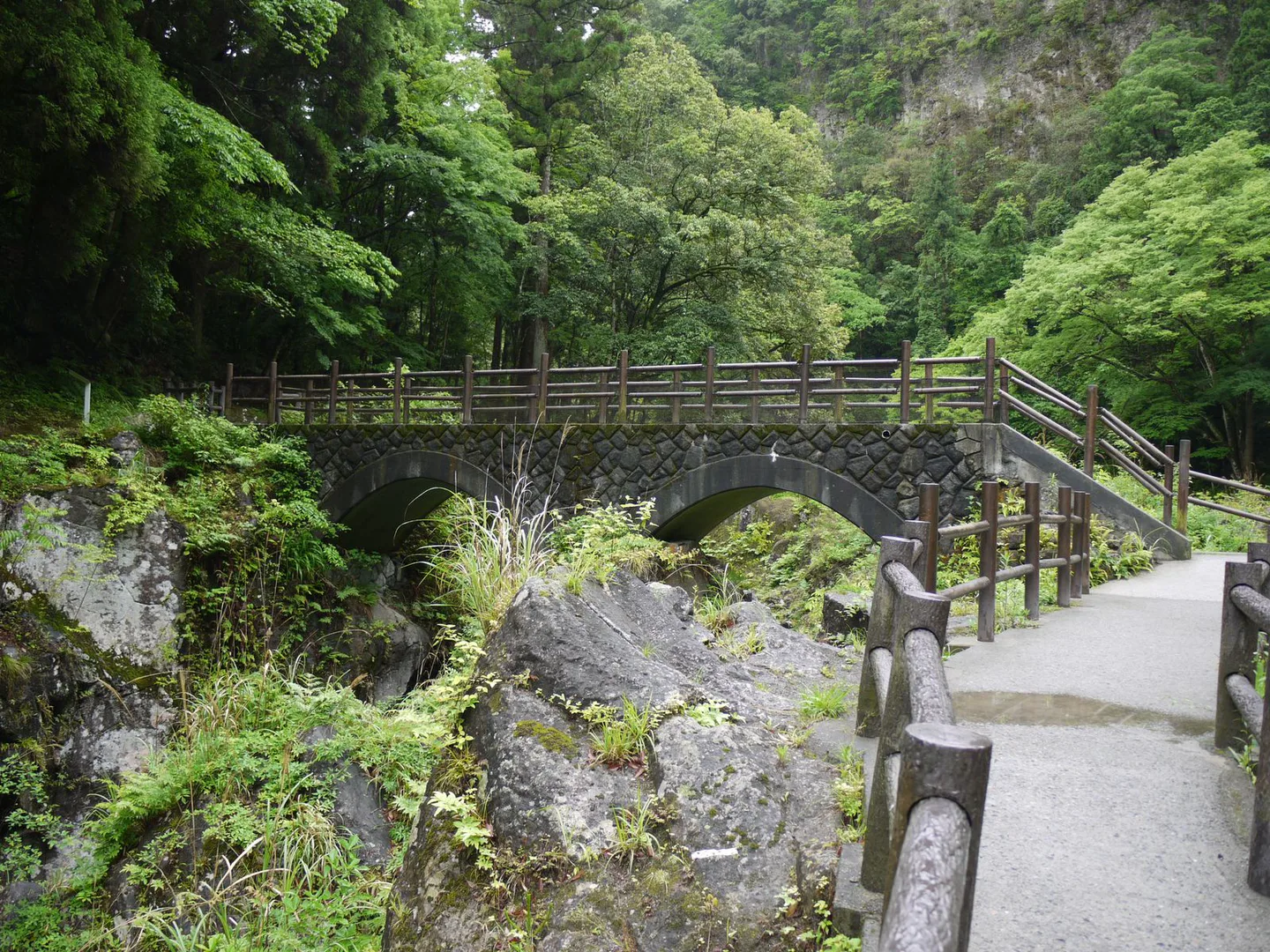
A November trip to Takachiho Gorge has two very different clocks. The rowing boat must be reserved in a narrow advance window, yet its operation is decided again against the river conditions on the morning itself. A hotel can improve the trip only if it buys something beyond the 30-minute ride: a second weather window, the gorge path in less of a rush, the 20:00 Kagura at Takachiho Shrine, or a useful step along a wider Kyushu route. The walkway, basalt walls, Manai Falls from land and Amanoiwato still give the destination substance when boating stops.
For travellers using limited Fukuoka or Kumamoto buses, one local night is often the safer shape. A self-drive day trip can work when the gorge landscape alone is the goal and a cancelled boat would be disappointing rather than trip-ending. Before reserving a room, ask what you would do on a no-boat day and whether the evening and next morning answer that question.
Which trip can survive a closed boat?
↔ Scroll table left or right
Starting condition | Trip shape to test | Reason | Failure to plan for |
Self-drive and the land-side gorge is enough | Day trip | Arrival and departure can follow the road conditions | Parking queues near a fixed boat slot. |
Reserved bus from Fukuoka | Overnight | The direct ride is about 3.5 hours each way with limited daily services | A same-day return may consume more time than the destination. |
Limited Kumamoto connection | Overnight has greater value | A local evening and next morning can carry more of the trip | Missing a reserved rural bus. |
No boat spaces left | Keep the visit only if land views, shrines or Kagura still appeal | The falls viewpoint is one part of Takachiho | Waiting for a cancellation queue that does not exist. |
Boat and evening Kagura both matter | One local night | Those timed experiences occupy different parts of the day | Compressing both around an intercity return. |
Rain or post-typhoon water levels | Boat-free fallback | The river can close after a reservation is paid | Making a short ride the only reason for travel. |
The boat booking window opens before the weather answer arrives
Takachiho’s operator releases online boat spaces at 09:00 two weeks before the intended ride and closes advance sales at 09:00 two days beforehand. It does not take reservations by phone or email and has no cancellation queue. Walk-up places can exist if inventory remains, but a day sold out online may have no same-day tickets at all. Treat the release time as a real calendar item if rowing beneath Manai Falls is essential.
This is a capacity limit, not a vague instruction to book early. The operator’s October 23 notice, for example, showed the following day sold out in advance with no walk-up allocation. That snapshot cannot predict a November date; it shows why waiting until arrival is a weak plan when the boat is the reason for the detour.
Reservation and operation are separate decisions. The association refreshes its status around 08:00, after assessing water and safety. Heavy rain, a typhoon and post-storm inspection can halt the boats; a local earthquake of seismic intensity three or higher also triggers suspension and inspection. On October 23, the site already warned of a 25–26 October typhoon closure. A paid slot therefore needs a land-based fallback.
The booking can be treated as scarce without making the whole stay dependent on it. Choose the hotel and second activity so that a closed river changes the day, not the value of travelling to Takachiho.
November’s boat fee is charged to the boat
The November 2026 fare calendar shows ¥5,100 for the scheduled boat dates. The price is per boat, generally for up to three passengers; a fourth passenger is allowed only if the group includes a preschool child. Compare that yen total with the other parts of your day, since the number of people sharing the boat changes each person’s share.
A standard ride is 30 minutes, with ¥1,000 added for each extra ten minutes. The person rowing must be at least junior-high-school age. Everyone wears a life jacket. The operating rules prohibit standing, alcohol, bulky bags and swapping rowers during the ride. Those conditions matter for a family deciding whether this is the right way to see the canyon.
A missed reserved boarding time is not a flexible ticket. The rules do not promise a later boat or a refund for arriving late. This makes a parking queue or underestimated walk more consequential than the nominal half-hour on the water.
Allow separate yen payments for the boat, a car park or seasonal shuttle, and the Kagura performance. The boat reservation covers none of those other services, so a party’s final cost depends on its transport and evening choices.
Put more than half an hour around the ride
The thirty minutes are time in the boat. A visitor driving in from another part of Kyushu must also allow for:
Finding an open space, walking or taking the seasonal shuttle to the gorge, reaching the landing, checking in for the reserved time, then leaving the busy gorge area after the ride.
A working planning allowance is roughly 60–90 minutes around the boat when approaching from elsewhere. That is a buffer for the complete visit segment, not a duration promised by the operator. Add more on a peak foliage day or if the parking choice puts the landing another 20–25 minutes away on foot.
↔ Scroll table left or right
Planning clock | Operator rule | What it means for the itinerary |
Release | 09:00, two weeks before the ride | Reserve at opening when the boat is essential. |
Advance-sale cutoff | 09:00, two days before | Any later availability is same-day inventory, if offered. |
Operating decision | Status refreshed around 08:00 | Check before committing a long approach. |
On the water | Thirty minutes | Add parking, walk and boarding margin around it. |
Normal service window | 08:30–17:00; final reception 16:30 | Late arrival has less room to recover from delay. |
The boat booking gives you no parking entitlement
Parking is charged and managed separately. The listed prices are ¥1,000 at the first and second lots, ¥800 at the third, ¥500 at the fourth and no charge at the fifth when it is usable. The first lot is explicitly not reserved for boat passengers. A sold-out parking area can force a longer walk even when your time on the river is fixed.
The operator currently gives about 15 minutes on foot from the second lot, 20 from the third and 25 from the fourth to the boat landing. Those are more useful than comparing parking fees alone. The fifth lot can also be unavailable, as shown by the live October 23 status, so do not build a fixed-time arrival around a free space that might not be open.
For a reserved ride, the real parking cost combines yen, queueing and the number of minutes left to reach check-in. A lower fee is only a saving if the extra walk still fits the arrival margin.
Arriving early and taking a known longer walk is often safer than circling near the landing for a closer spot. A prepaid 30-minute activity is a poor place to test whether a vehicle space will appear just in time.
The autumn shuttle runs on named dates only
The October 10 notice lists November 1–3, 7–8, 14–15 and 21–23 for the 2026 gorge-area shuttle. It is scheduled from 08:30 to 17:00 at roughly 20–30-minute intervals. A single ride costs ¥300 from junior-high age, ¥200 for an elementary-school child and nothing for preschool children; the notice says cash only.
Other November weekdays do not acquire a shuttle simply because the foliage is attractive. Match the date to the published operation list before choosing a remote lot. The same notice warns of a path construction detour onto a road section, which is another reason to allow extra walking time rather than copying an older gorge circuit.
Kagura gives a Takachiho night a second purpose
The tourist presentation at Takachiho Shrine is four selected dances, normally 20:00–21:00, rather than an all-night village Yokagura. Admission is ¥1,000 for an adult, with children through elementary school free. That one-hour evening fits a local hotel much more comfortably than a long return toward Fukuoka or Kumamoto.
Advance Kagura booking begins about 30 days before a performance at 10:00 and runs until 17:00 on the day while spaces remain. The association allocates 230 seats online and roughly 50–60 for same-day reception. That does not make the walk-up places a guarantee; a festival-period night should be treated as its own reservation.
A useful overnight can perform more than one task:
The gorge gets a full visit without a same-day long-distance return.
Takachiho Shrine’s tourist Kagura occupies a distinct 20:00–21:00 evening.
A second morning creates another weather or boat-operation window.
If the hotel night is added only after a boat appointment, with no interest in the shrine performance, the landscape or a second weather chance, it may not justify another checkout. The test is what the extra morning and evening actually allow, not whether the destination appears remote on a map.
The ordinary 20:00 Kagura does not run on November 22 or 23. A separate mythology-focused Takachiho Kagura Festival occupies those dates in 2026. Visitors travelling then should use that event programme instead of assuming a normal one-hour shrine performance.
Fukuoka makes the same-day bus arithmetic difficult
The tourism association puts the reserved Gokase highway bus from Fukuoka Airport at about three and a half hours, with four departures per day. Other intercity routes via Kumamoto have limited services, and Nobeoka’s local connection is roughly one and a half hours. The timetable and final local transfer are part of the trip, not minor details after the gorge.
A Fukuoka return uses roughly seven hours on the long-distance bus before the landing walk, meals or any shrine visit. Someone who only wants a land-side view may accept that trade. A first trip combining Kagura, Amanoiwato and an unhurried autumn gorge walk gets much more from staying over, particularly when the boat is not certain to operate.
To integrate Takachiho into a trip rather than make it a seven-hour-bus out-and-back, use the five- or seven-day Kyushu route and the Kyushu Odan Bus guide when public transport across the region is part of the plan.
A sold-out boat need not cancel the landscape
The fallback depends on what made Takachiho worth the journey:
↔ Scroll table left or right
Main interest | Keep if rowing stops | Remove from the plan |
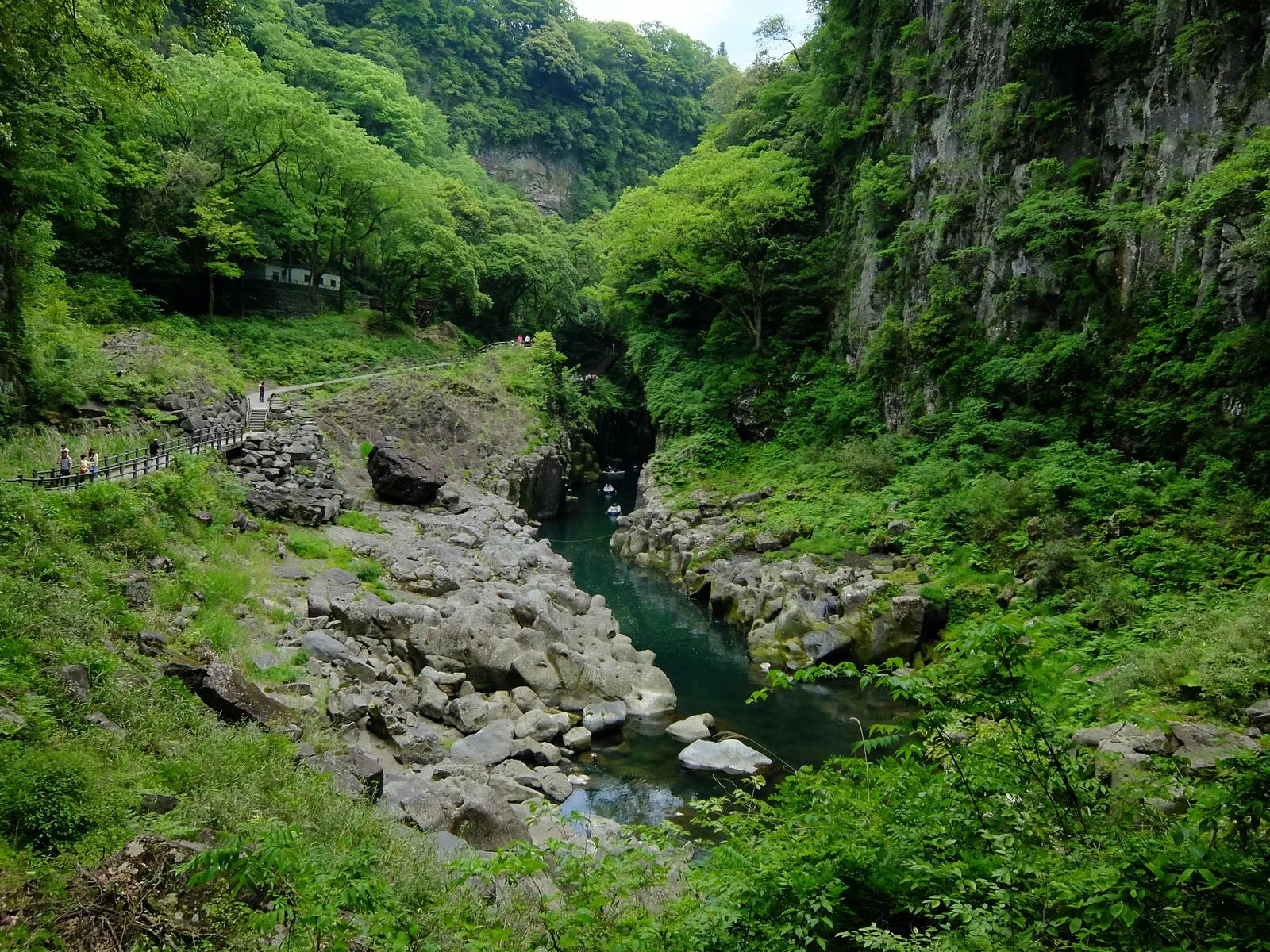
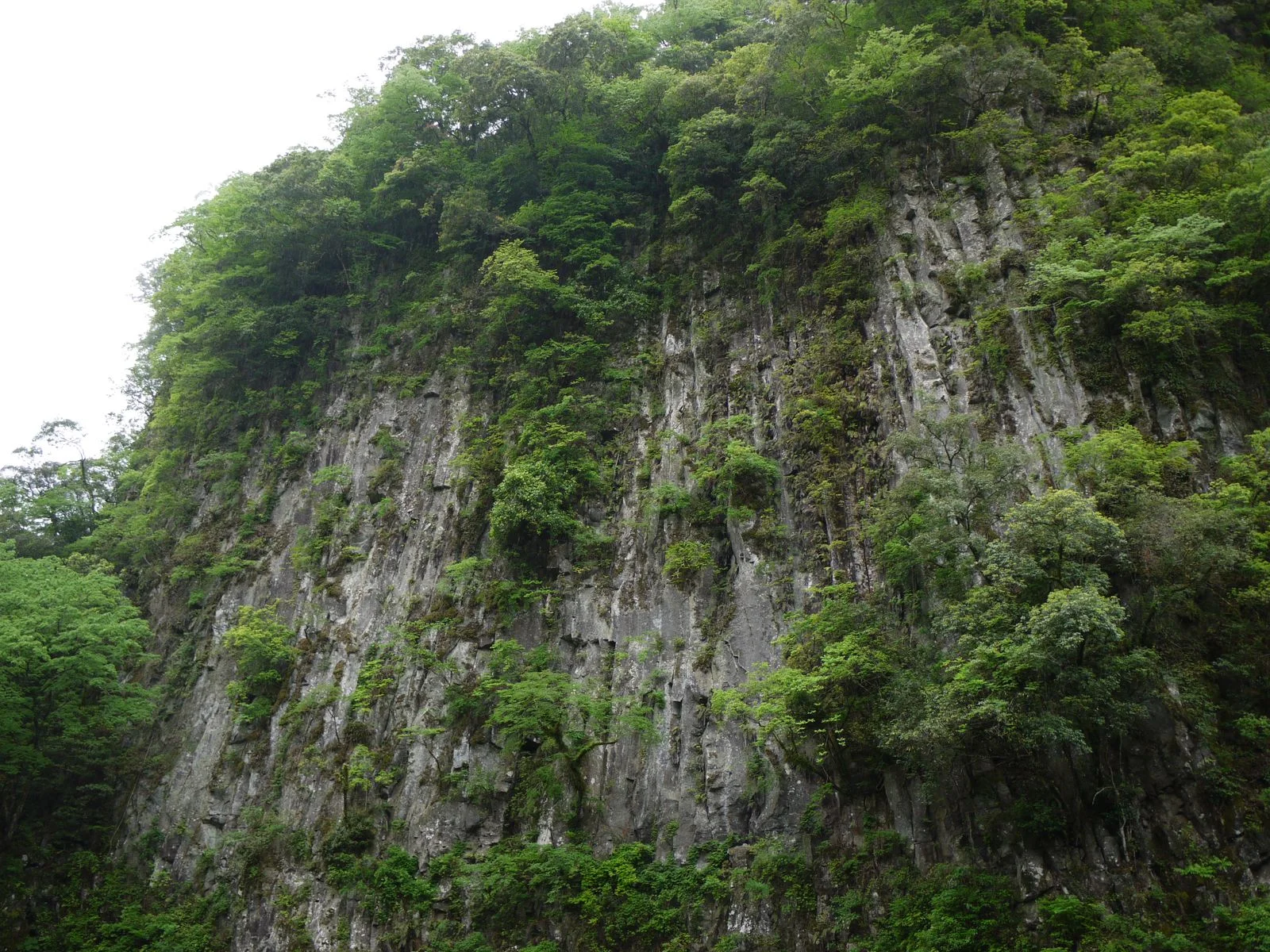
Gorge scenery | Walkway, land-side Manai Falls view and basalt walls | An invented cancellation queue. |
Autumn leaves | Gorge plus another place whose colour is actually showing | A promise that only the boat viewpoint has foliage. |
Mythology and performance | Takachiho Shrine, Amanoiwato and the available Kagura programme | An assumption that November 22–23 follows the regular show. |
Only the water-level Manai Falls photograph | Reconsider the remote detour | An overnight paid for a closed single viewpoint. |
The hard question for an overnight is whether the gorge path, shrines and Kagura still justify it if both boat windows fail. If yes, keep the stay and adjust the order. If only the Manai Falls boat photograph mattered, secure that scarce reservation before bending a larger Kyushu route around the town.
Autumn colour changes unevenly across the gorge
Reports from 2023 and 2024 show colour arriving around different parts of November; one November 14 update called the following days promising, while a November 19 report in another year still saw trees changing. The gorge floor and higher slopes are not a single synchronized display. An August forecast cannot lock the 2026 peak, and the green photographs here show the paths and cliffs rather than a documented autumn colour date.
Once lodging is fixed, move the gorge and Amanoiwato within the stay according to weather and current foliage. The Japan autumn timing guide helps distinguish reservations that need early commitment from outdoor days that can remain movable.
The local night should make the trip resilient
In November 2026, the published boat fare is ¥5,100 per boat for a 30-minute ride, and advance reservations open at 09:00 two weeks before the chosen date. On the morning, the around-08:00 status update remains decisive. Leave real time for parking, walk and check-in, and keep the gorge path or shrines as a workable alternative if the river closes.
An overnight is strongest when it includes the shrine’s evening dances, a second morning, or a useful onward leg through rural Kyushu. A controlled self-drive day visit remains reasonable if the land-side gorge is enough and the boat is a bonus. That is a more durable choice than trying to turn a weather-sensitive short ride into the only reason for the journey.
If Kagura or a second weather window justifies staying, compare Takachiho rooms before fixing the boat date.
Related Kyushu route choices
Boat, shuttle, shrine and access details
Current operational details are on the Takachiho boat calendar; the named shuttle dates and path detour are on the 2026 gorge shuttle notice; evening dance capacity is given by Takachiho Kagura schedule; intercity times are on the Takachiho access page.
Other autumn comparisons: Kankakei Gorge · Kyushu foliage timing · Okutama autumn paths · Tokyo to Nikko · autumn photography · free Kyoto foliage · Hokkaido autumn regions · Karuizawa autumn · Jozankei foliage buses · Japan autumn calendar.