
A Kyushu foliage trip succeeds when the overnight bases can survive a change of colour. Kuju and upper Unzen are early high-ground candidates, while Yufuin, Yabakei and Aso offer a second band. Takachiho, Akizuki and the western or northern lowlands become more useful later. The exact order shifts with cold, wind and rain. For five days, choose one transport corridor with an onsen or city fallback; for seven, connect two neighbouring corridors. A loop through Fukuoka, Yufuin, Takachiho and Unzen looks possible on a map but uses the daylight you wanted for the leaves.
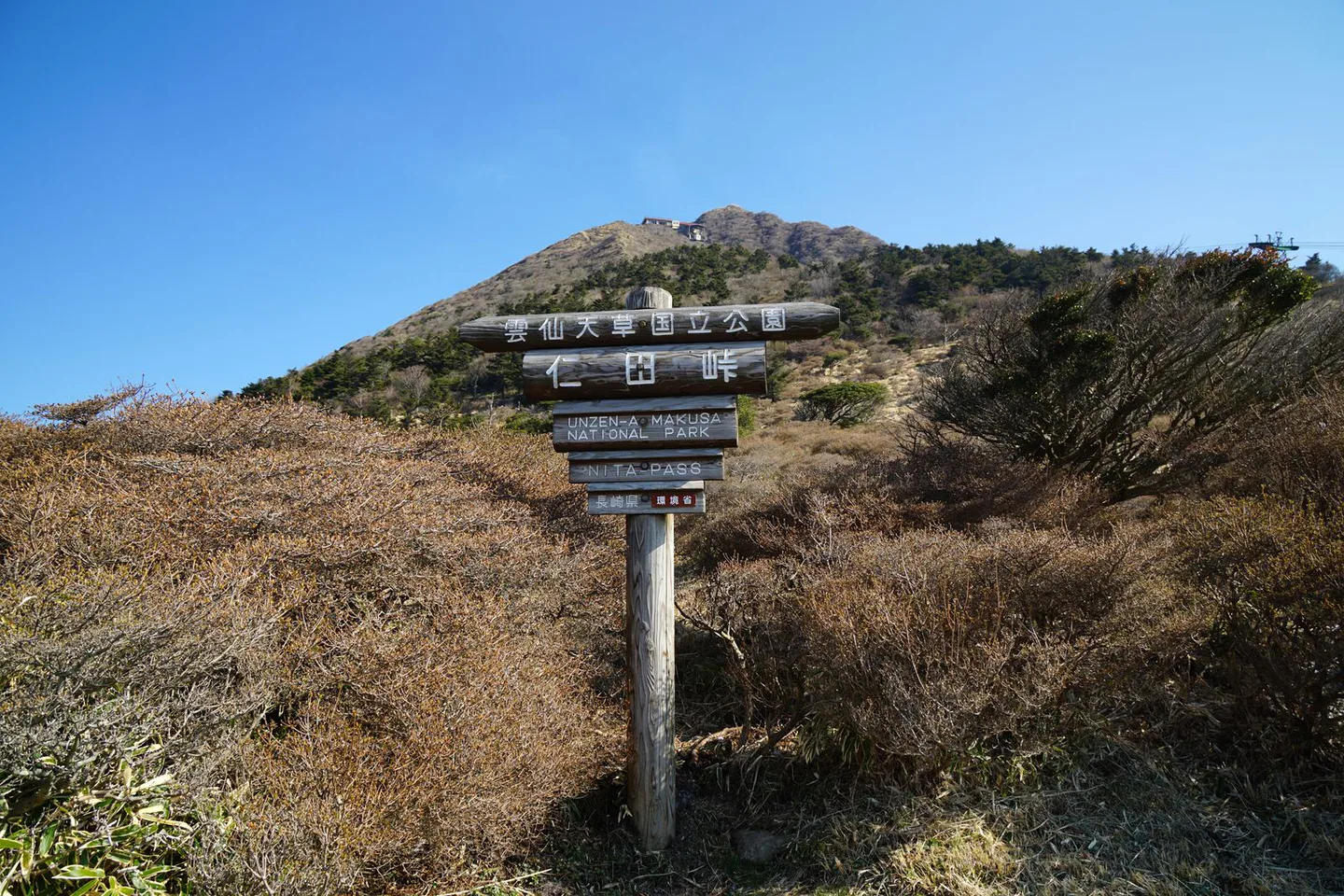
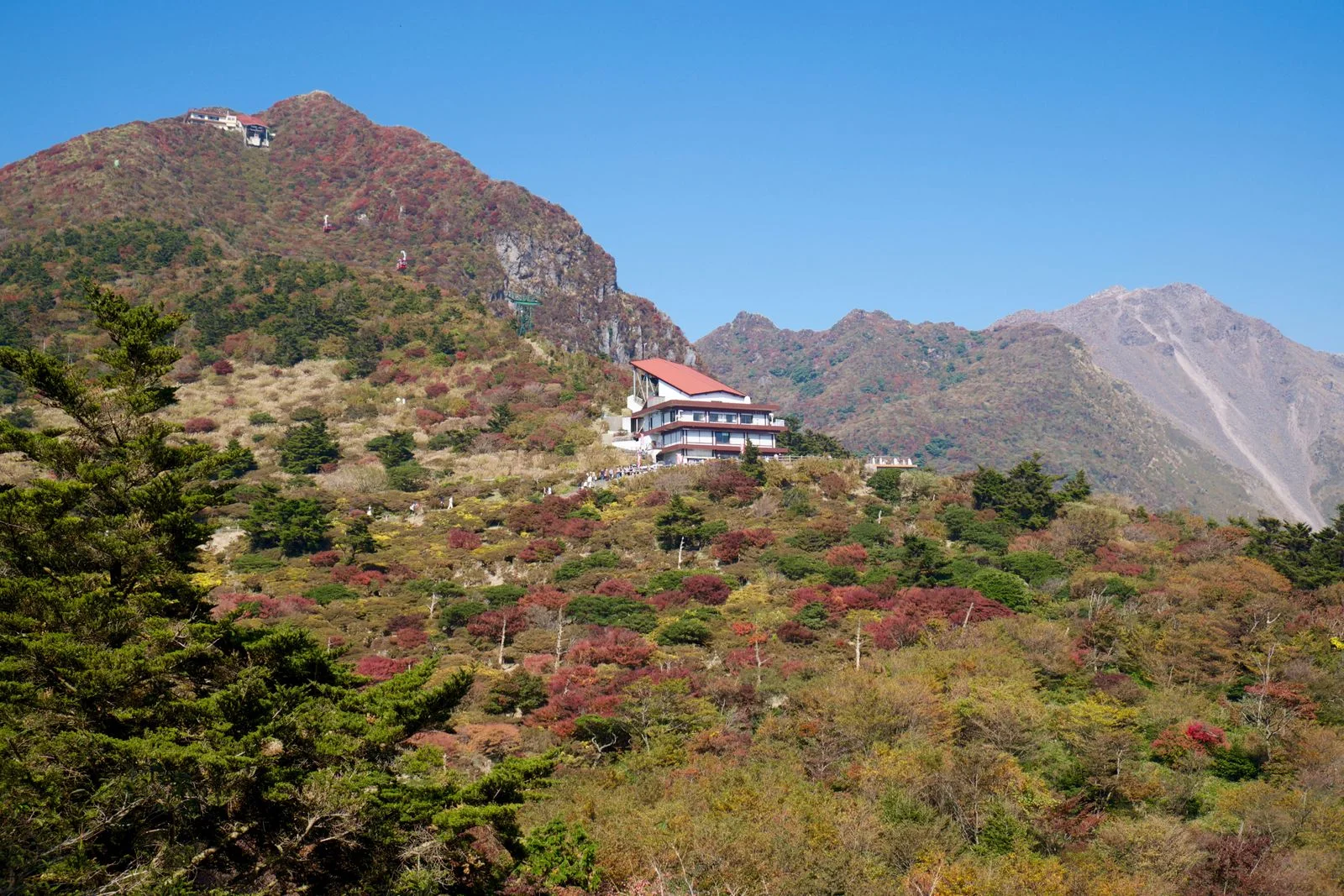
The Oita tourism board’s 2026 foliage guide gives historical viewing ranges, not a live forecast for a tree on your travel day: Makinoto Pass can begin around mid-October, Lake Kinrin is usually an early-to-mid-November candidate, and some lowland temple gardens continue later. Unzen tourism also describes its Nita Pass colour as often late October to early November, changing from upper mountain to town. Reserve a cancellable base using that sequence, then choose the mountain outing with a dated local report and the final 48-hour weather outlook. A national autumn timing plan helps place Kyushu after the earlier northern islands and mountains.
Four seasonal bands, five practical corridors
| Usual travel window | First elevation or corridor to inspect | Lower fallback without crossing the island | Common error |
|---|---|---|---|
| Late October | Kuju/Makinoto or upper Unzen | Yufuin, Beppu or Unzen Onsen | Booking a lowland red-leaf trip too early |
| Early November | Yufuin, Yabakei or lower Aso | Hita, Beppu or Kumamoto city | Driving far after a warm mountain week |
| Mid-November | Takachiho, Akizuki, Raizan or lower Unzen | Fukuoka, Kumamoto or Nagasaki lowlands | Assuming all gorges colour together |
| Late November–early December | Takeo, Mifuneyama or lower Fukuoka | Dazaifu, Nagasaki or city gardens | Returning to a mountain already past peak |
These bands remain deliberately broad. The same autumn date can show bare high slopes and green city trees, or the reverse of last year’s photographs. A corridor matters because it keeps the hotel, luggage and onward travel intact when you move up or down one elevation. The mid-November Japan foliage comparison helps decide whether Kyushu fits a wider trip; the Fukuoka day-trip comparison is better for travellers who will not change base.
Which corridor still works after a disappointing forecast?
| Corridor | Without a car | Higher/lower switch | Rain fallback | Hotel flexibility |
|---|---|---|---|---|
| Fukuoka / Dazaifu / Akizuki | Strong in the city and Dazaifu; rural connections require care | Some, but less mountain depth | City museums, dining and shopping | Many Hakata and Tenjin choices |
| Hita / Yabakei / Nakatsu | Possible for selected stops, restrictive for a valley circuit | Upper and lower gorge sectors | Hita streets, onsen or Nakatsu | Hita/Nakatsu reduce a Fukuoka commute |
| Yufuin / Beppu / Kuju | Rail connects the towns; mountain last mile is harder | The broadest mountain-to-basin change | Beppu onsen and rail-city options | Two contrasting onsen bases |
| Kumamoto / Aso / Takachiho | Reserved buses possible; long intercity legs | Mountain, city and gorge choices | Kumamoto city if ridge/boat fails | Takachiho overnight protects the gorge |
| Nagasaki / Unzen / Takeo | Rail strong between cities; Nita Pass needs a final leg | Mountain Unzen to lowland Takeo | Nagasaki and onsen towns | Several western bases |
The table replaces the old numeric ease scores with the actual limits behind them. Fukuoka remains the simplest no-car arrival base but is not a substitute for a Kuju trailhead. Yufuin, Beppu and Kuju make the strongest elevation hedge when you can solve the mountain last mile. Hita and Nakatsu improve a Yabakei day, but neither makes its separate scenic zones walkable. Takachiho needs a deliberate overnight because the gorge boat, intercity bus and weather have independent failure points. Nagasaki, Unzen and Takeo serve a western timing band rather than a convenient add-on after central Oita.
Fukuoka is the luggage anchor, not every day’s starting line
Dazaifu is the straightforward excursion from a Fukuoka base. Akizuki and Raizan have more delicate bus, taxi or local-transfer needs, so do not join all three in a single prefecture-labelled day. Hakata is useful when JR connections, airport arrival and a large suitcase matter. Tenjin works better for Nishitetsu departures and an evening in the city. If Yufuin, Beppu or Yabakei is the trip’s main autumn reason, moving closer for a night saves repeated intercity travel. The Fukuoka foliage day-trip choices separates the easy rail outing from the rural ones.
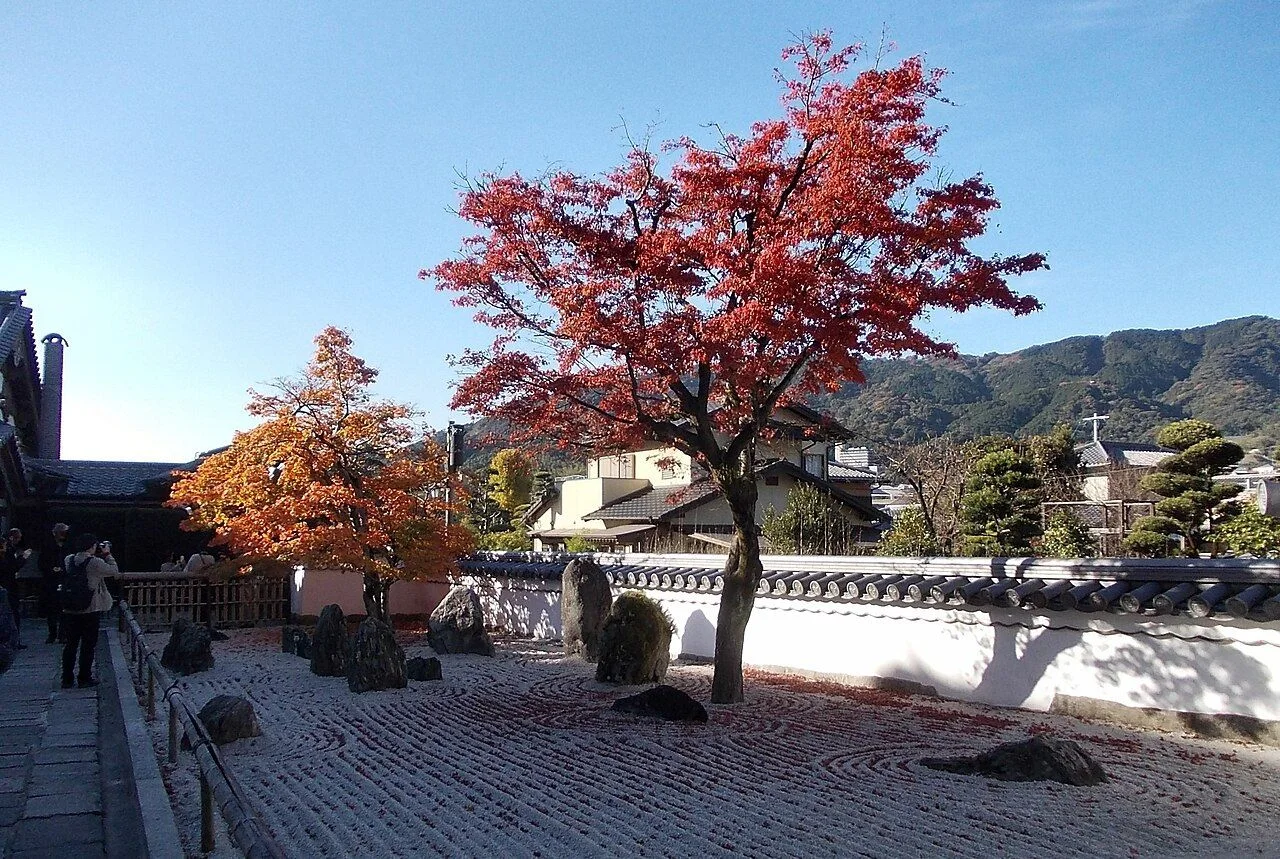
A late-November trip can use lower Fukuoka gardens when high mountains have passed, but Akizuki is not guaranteed red simply because its historic streets appear on an autumn list. Let a current local photograph decide whether to spend a full day there or choose an indoor/city plan. With only 48 hours in Fukuoka, one well-timed Dazaifu or Akizuki direction leaves time for a proper meal and a buffer for the departure train. The Hakata or Tenjin hotel-base comparison helps when transport, rather than a maple view from the room, is the real lodging decision.
Yabakei has separate scenic sectors and a live road restriction
Hitome Hakkei, Ao-no-Domon and Rakanji are not one compact pedestrian attraction. A local rental from Hita or Nakatsu can make a two-sector day practical, provided the driver is comfortable with autumn roads and the latest closure map. Nakatsu City states that pedestrians have been able to pass the Ao-no-Domon area since April 2026 by following the signed diversion, while vehicles remain restricted because of a separate rockfall risk. Do not treat a map pin at the tunnel as proof that your car can follow the old through-road. The Yabakei autumn route and closure guide covers the valley’s individual stops.
For a five-day trip, sleep in Hita or Nakatsu before the valley day rather than driving from Fukuoka and back through the same evening. Hitome Hakkei can be the visual anchor; add Ao-no-Domon or a shorter lower sector only if the road and weather make it reasonable. A bus can reach selected areas but does not create a complete gorge circuit. Renting for this day only avoids paying for city parking through the whole trip. Hita’s Mameda streets and river give the preceding or following half-day a purpose even when the canopy is late. The car-versus-rail cost guide for Kyushu autumn makes the same distinction between a targeted rental and a full-trip car.
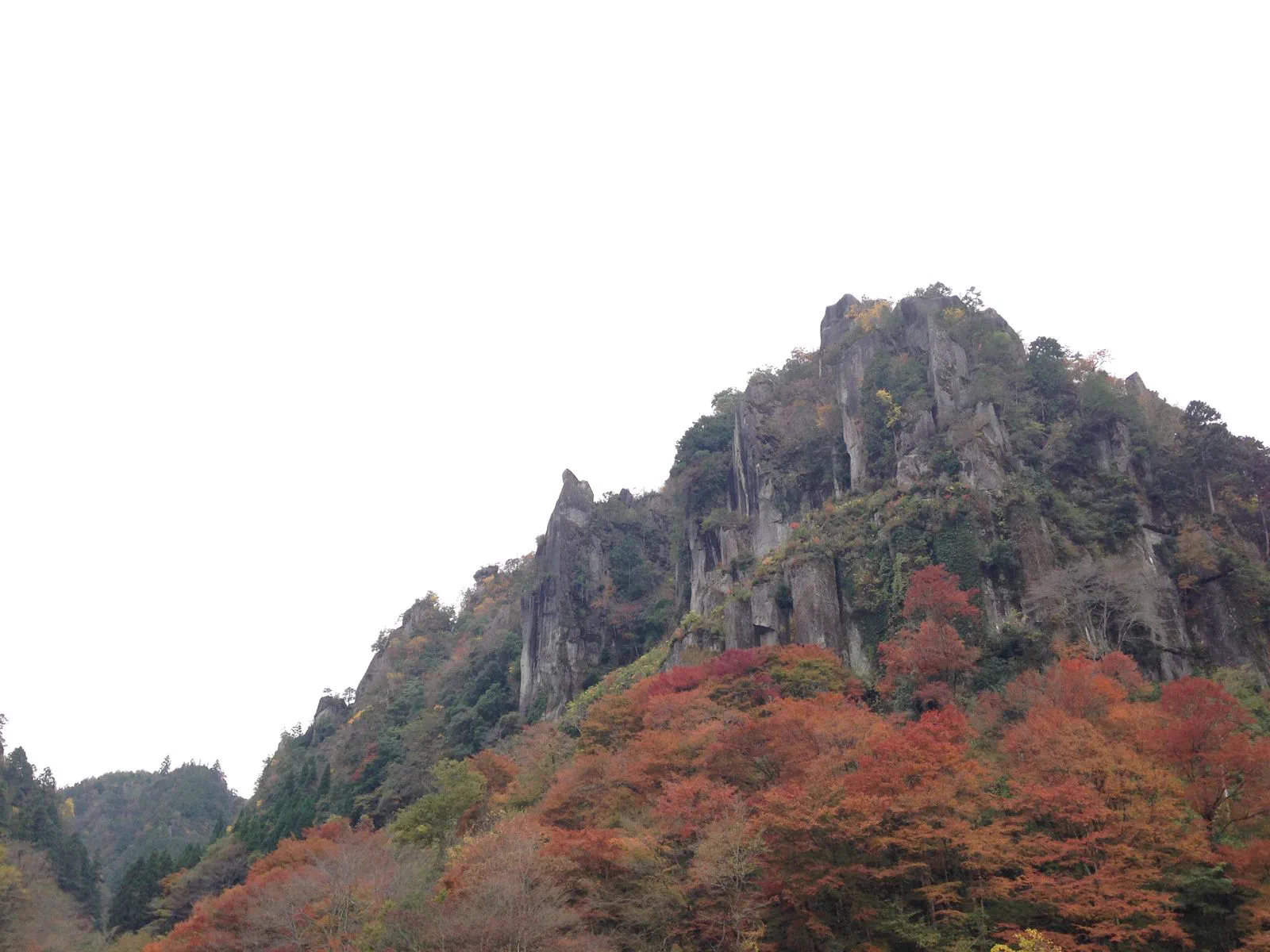
Yufuin and Beppu keep a Kuju gamble affordable
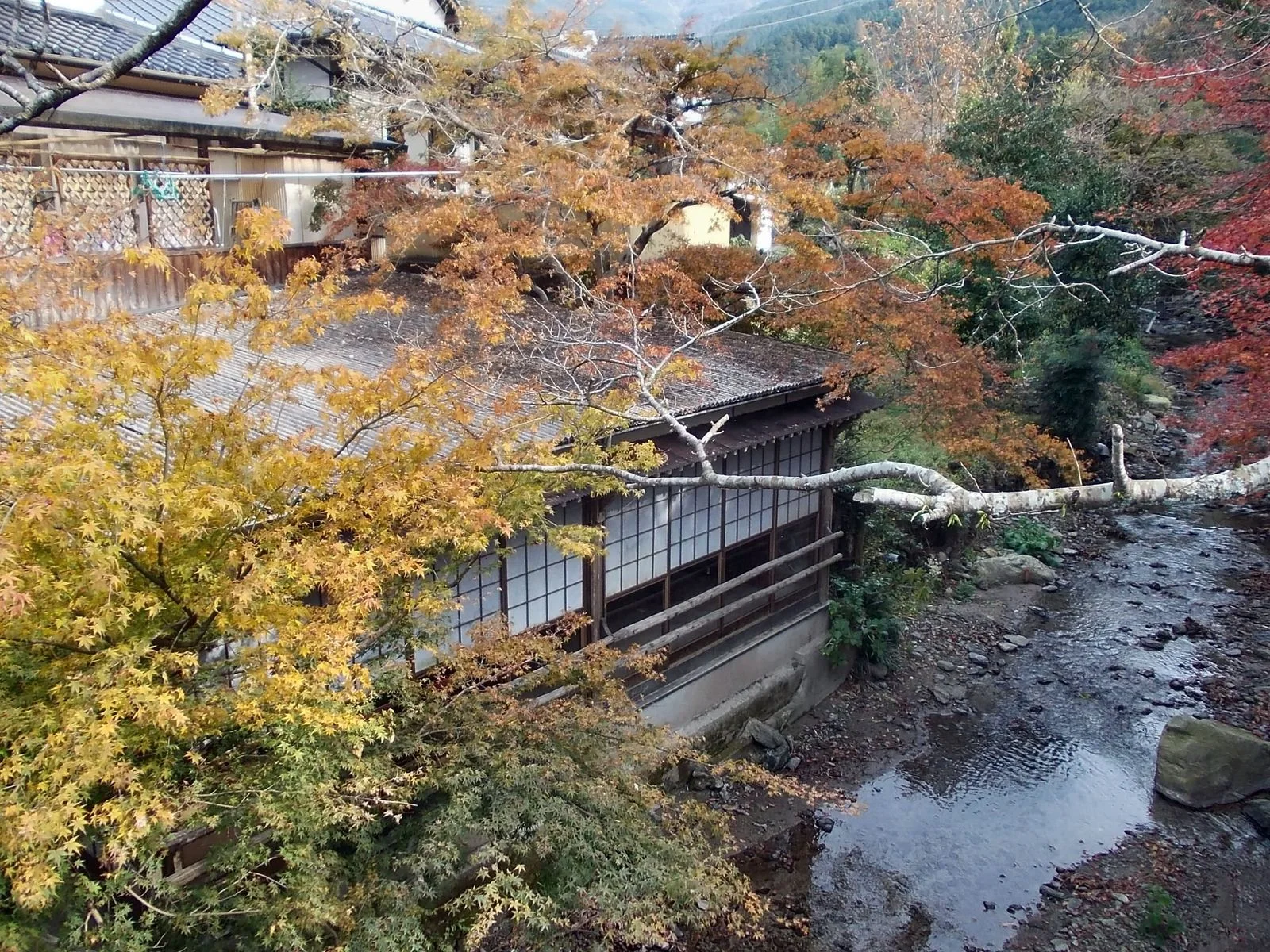
Kuju and Makinoto provide the earlier high-altitude option; Yufuin supplies basin scenery, Lake Kinrin mornings and ryokan stays; Beppu supplies an onsen city, more hotels and a useful rainy-day alternative. Those are three different trips inside one transport region. A failed mountain morning therefore does not make the hotel useless. Oita’s 2026 seasonal guide puts Makinoto earlier than Lake Kinrin, but the listing is a normal viewing range, not a report of today’s leaves. Kuju still needs a separate road or bus plan beyond a Yufuin rail arrival.
Sleep in Yufuin if dawn at Lake Kinrin or a fixed ryokan dinner is the priority. Beppu is stronger for JR movement, accommodation choice and onsen time when the sky closes over the mountains. A shopping-focused Yufuin visit can remain a day trip; an early lakeside walk does not fit as comfortably from another city. The Lake Kinrin morning and hotel guide separates the mist photograph from the lodging decision, while the private-onsen ryokan guide addresses room and meal constraints.
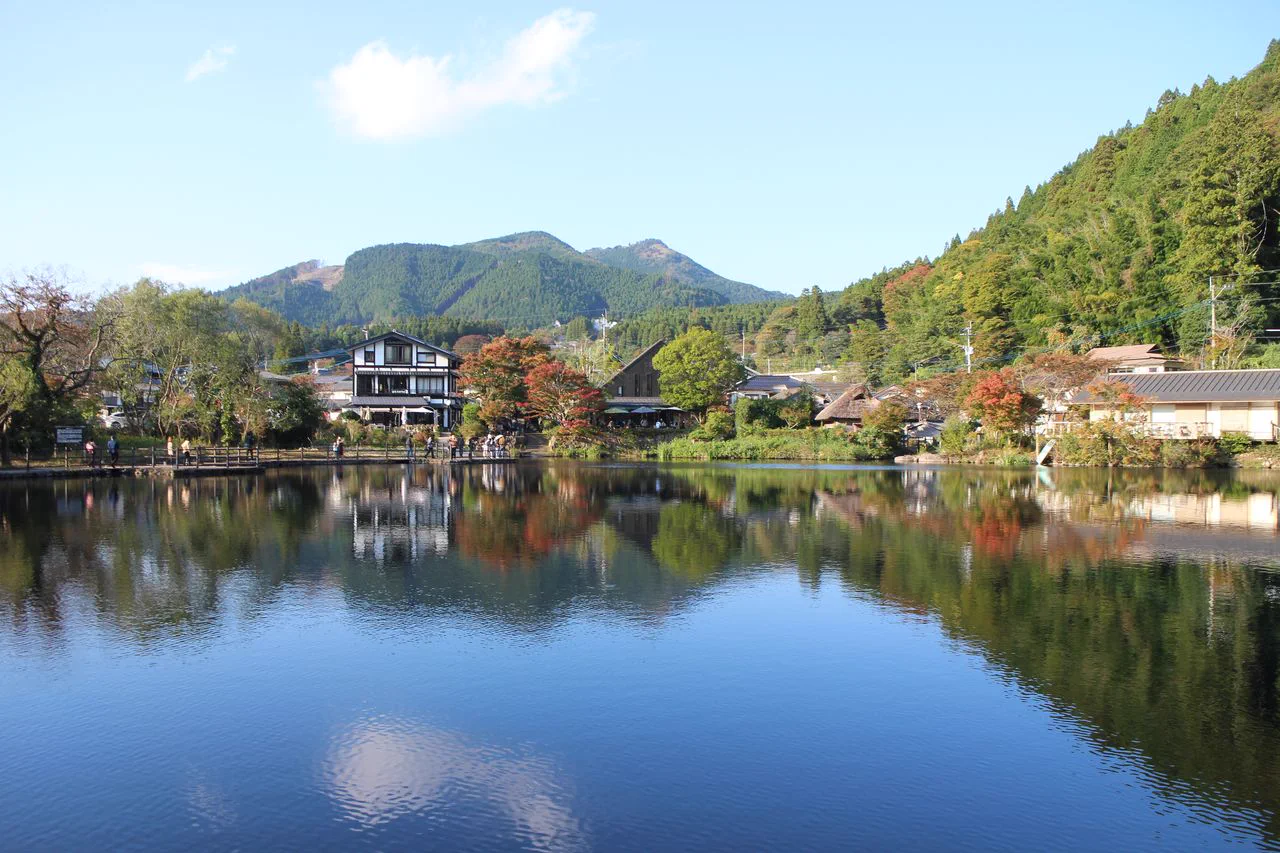
Yufuin no Mori has reserved seats throughout the train, and JR Kyushu reports sustained strong demand. A rail pass is not a reservation for a sold-out departure. If the particular scenic train matters, reserve its seat when booking opens; otherwise use a suitable regular JR service rather than rebuilding the trip around one train. The Fukuoka-to-Yufuin train, bus and car comparison helps choose the trunk journey, and the Yufuin no Mori seat guide covers the reservation itself.
Takachiho has a second calendar: the gorge boat
Foliage colour and boat availability are independent. Takachiho’s tourism association allows online boat reservations from 09:00 two weeks before the ride until 09:00 two days before, with advance card payment. Same-day boats depend on remaining stock and can be absent on busy dates. The association updates operating status around 08:00 each morning; rising water or safety checks can stop boats even after you have travelled. A 2026 August snapshot of sold-out near-term dates is evidence that inventory can disappear, not a prediction of November demand. The Takachiho Gorge autumn boat and overnight guide gives the activity its own planning space.
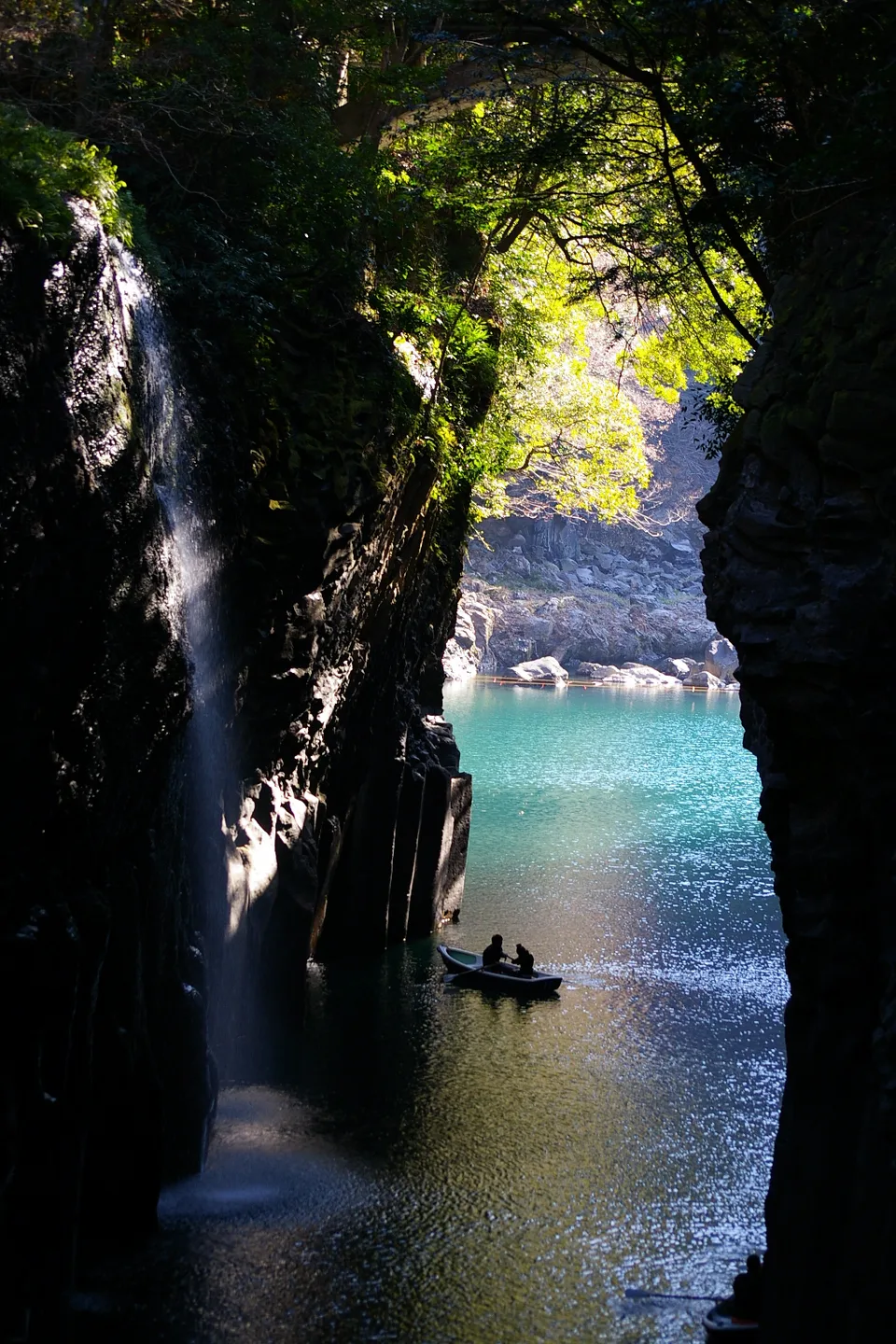
An overnight in Takachiho separates the long reserved bus or drive from the gorge morning. It also leaves room for shrines and an evening kagura performance if those have been confirmed for your date. The walking viewpoint is the dependable centre of the gorge visit; treat a boat as an additional experience with its own booking and operation risk. Check ryokan dinner and parking before departure, and protect the onward Kumamoto connection instead of using the last possible one. The Takachiho night-kagura decision guide can show whether the evening independently justifies that night.
Unzen and Takeo answer a different autumn week
Unzen’s upper slopes and Nita Pass generally colour before Takeo and western lowland gardens. The Unzen tourism bureau gives late October to early November as a usual mountain period and describes colour moving downward into mid-November. That makes a western corridor useful when your dates sit between high and low seasons: choose an Unzen Onsen night for an early mountain start, Takeo or Ureshino for rail and lower foliage, and Nagasaki for a city fallback. The Nita Pass ropeway and hotel guide distinguishes the ropeway from the onsen town.
The Nita Pass loop road and ropeway can be affected by weather, so an autumn Unzen booking is strongest when the town or Nagasaki also appeals. A past-year illumination listing is no basis for a 2026 evening; use a current event page before assigning a ticketed night. The Nagasaki, Unzen or Huis Ten Bosch hotel decision can separate the mountain night from the rail-city night. Takeo and Mifuneyama may provide a later-colour choice, but that is a different timetable from a high Nita Pass morning.
Five days require one main corridor
| Trip style | A workable five-day base pattern | What it leaves out |
|---|---|---|
| Easy without a car | Fukuoka 3 nights, Yufuin or Beppu 2 | Takachiho and western Kyushu |
| Mountain and onsen | Beppu/Yufuin 3–4 nights, Hita 1 | Nagasaki and Takachiho |
| Aso and gorge | Kumamoto 2–3 nights, Takachiho 1–2 | Fukuoka-side foliage depth |
| Western Kyushu | Nagasaki 2 nights, Takeo/Ureshino 2, transit night | Kuju and Yabakei |
The point of those bases is not to collect fewer prefectures for its own sake. One major base plus a smaller overnight makes a mountain day movable when the forecast shifts and prevents four sets of checkout and luggage work. For seven days, join Fukuoka with Yufuin/Beppu, Yufuin/Beppu with Kumamoto/Aso, or Fukuoka with Takeo/Nagasaki. Kumamoto plus Takachiho also works if the gorge is central. Joining central Oita, Takachiho and Nagasaki in a single week costs too many good daylight hours.
A useful deletion test is whether a foliage detour adds roughly two or more door-to-door hours to that day. That is a planning threshold, not a universal rule: a rare destination may justify it. But the famous view has to be genuinely more important than a same-corridor alternative, especially when its reported colour may change before arrival. The Kyushu autumn car-or-public-transport plan is relevant when a long drive is being mistaken for a free transfer.
Two five-day examples with an actual fallback
For a Fukuoka–Hita–Yabakei–Beppu trip, arrive and sleep in Fukuoka on day one. On day two go to Hita, leave the main bag and use Mameda and the river as a modest afternoon rather than racing straight to a gorge. Day three is Yabakei by a dated local bus plan or one-day rental, with Hitome Hakkei first and Ao-no-Domon or one lower stop only if road access and weather cooperate. Continue to Beppu rather than attempting an exhausted return to Fukuoka. Day four is Beppu onsen or a rail day to Yufuin; move the overnight to Yufuin only if an early Lake Kinrin walk or ryokan meal is the purpose. Day five returns toward Fukuoka for Dazaifu, Akizuki or a city garden if time remains. Keep the only mountain outing off the flight day; Oita Airport is useful only when its actual schedule prevents backtracking.
For a Takachiho-centred trip, sleep in Fukuoka first, then use a reserved highway bus or a rental to reach Takachiho on day two. Day three starts with the gorge walking viewpoint; add the boat only with its separate reservation and morning operating status. Leave enough margin for Kumamoto instead of booking the final possible transfer. Day four can be Kumamoto city or Aso according to weather, volcanic access and driving confidence. If Takachiho runs late, remove Aso rather than compressing it. Day five leaves from Kumamoto or returns north by rail. This sequence is worthwhile only when the gorge, shrines or kagura carry the trip; it has no room for an opportunistic Yabakei, Kuju and Nagasaki circuit.
The JR pass price is precise; its value is not
| JR Kyushu pass | JR online booking, adult | Ticket office / agency, adult | Seat-reservation limit |
|---|---|---|---|
| Northern Kyushu 3 days | ¥14,000 | ¥15,000 | Up to 6 |
| Northern Kyushu 5 days | ¥16,000 | ¥17,000 | Up to 6 |
| All Kyushu 3 days | ¥21,000 | ¥22,000 | Unlimited |
| All Kyushu 5 days | ¥23,000 | ¥24,000 | Unlimited |
| All Kyushu 7 days | ¥25,000 | ¥26,000 | Unlimited |
Those are JR Kyushu’s published 2026 adult prices by purchase channel. The ¥1,000 online saving is real, but it rarely decides an autumn route. The passes exclude city subways, buses and other operators, and do not cover the Sanyo Shinkansen between Kokura and Hakata. The final segment to Yabakei, Kuju, upper Unzen or Takachiho is often the hardest one, and often outside the pass. Add only the JR rides you would take anyway, compare the result with the exact product and sales channel available to you, then price rural buses, taxis or a rental separately. The JR Kyushu pass table also shows Northern Kyushu’s six seat-reservation uses; high-demand trains should be reserved early.
An IC card handles many compatible city legs without needing a regional pass. For a rail-heavy trip, reserve Yufuin no Mori and any other essential limited express seat rather than treating the pass as a seat guarantee. If a scenic train sells out, another JR service can preserve the corridor. For a rural trip, a two-day rental embedded in a seven-day rail itinerary can solve several final miles without taking a car into every city. The car should change which landscapes you can reasonably visit, not just put a second transport expense beside the train ticket.
| What the headline fare hides | Rail or bus consequence | Rental-car consequence |
|---|---|---|
| Inventory | Reserved train seats and limited rural buses sell out | Popular vehicle classes sell out on peak weekends |
| Final approach | Sparse bus, taxi or long walk | Parking, detours and one-way rules |
| Weather | Service changes and exposed walking | Fog, frost and driver workload |
| Luggage | Platform transfers and bus storage | Easy on rental day, awkward with nightly hotel changes |
| Human effort | Waiting and fixed connections | One traveller must focus on mountain driving |
A full-trip rental makes most sense for three or four travellers planning several mountain days. A city-heavy itinerary usually gains less after fuel, insurance, tolls, parking, possible one-way fees and the driver’s fatigue are included. Do not collect a car directly after a long international arrival or return it against a flight. Early darkness, wet leaves and the road limits at places such as Ao-no-Domon are real route constraints, not details to solve at the dashboard.
Book the hotel that leaves a second day worth having
Fukuoka is the airport and railway anchor; Hita or Nakatsu makes Yabakei less punishing. Yufuin gives a ryokan dinner and dawn lake walk, while Beppu gives more hotel choice and an onsen day if the mountain disappears in cloud. Kumamoto supports Aso and onward Takachiho; the gorge itself benefits from an overnight when boat, kagura or an early walk matters. Takeo/Ureshino and Nagasaki serve the western corridor with different rail and bad-weather strengths. A hotel beside a single maple spot is less valuable than one that still makes sense if the leaves are late.
Forward a large suitcase between major bases when a one-night ryokan or mountain stay sits in between, then take a small overnight bag. Confirm that the destination property accepts delivery and that dinner and check-in hours work with the train you plan to use. A technically possible late arrival may be incompatible with a half-board meal. The luggage-send-or-carry guide addresses the timing; the rain-day itinerary guide helps preserve a paid night when an outdoor day changes.
Compare stays along your Kyushu corridor. Narrow the area to Fukuoka, Beppu/Yufuin, Kumamoto/Takachiho or Nagasaki/Unzen before choosing a room. The useful booking test is whether the second, bad-weather day would still work from that address.
What changes when the season moves
| If this happens | Avoid this reaction | Keep the corridor by doing this |
|---|---|---|
| High slopes remain green | Drive across Kyushu after one promising photo | Use the onsen or city day; retest the mountain after a colder night |
| Mountain leaves are already down | Go anyway solely because the hotel is paid | Move down toward Yufuin, Takeo or a lower garden |
| Takachiho boat is full or suspended | Cancel the entire town stay | Use the gorge viewpoint, shrines and kagura if they still justify the trip |
| Rain, fog or wind affects ridges | Force ropeway, gorge or unfamiliar road | Use Beppu, Fukuoka, Kumamoto or Nagasaki indoors or in the onsen |
| A JR pass misses the rural leg | Add unnecessary JR rides to make the pass feel valuable | Price the missing taxi, bus or rental and keep the trip geographically tight |
A past-peak mountain should move the day to a lower place in the same region before it moves the entire hotel chain. Heavy rain, fog or early snow can remove Kuju ridges, outer Aso, Yabakei roads or a Takachiho boat without removing a Beppu bath, Kumamoto museum or Fukuoka meal. If Yufuin no Mori is sold out, use another service. If the mountain hotel is full, stay in the closest workable transport base. That makes the trip resilient because the alternative is a trip you would still choose, not an emergency filler.
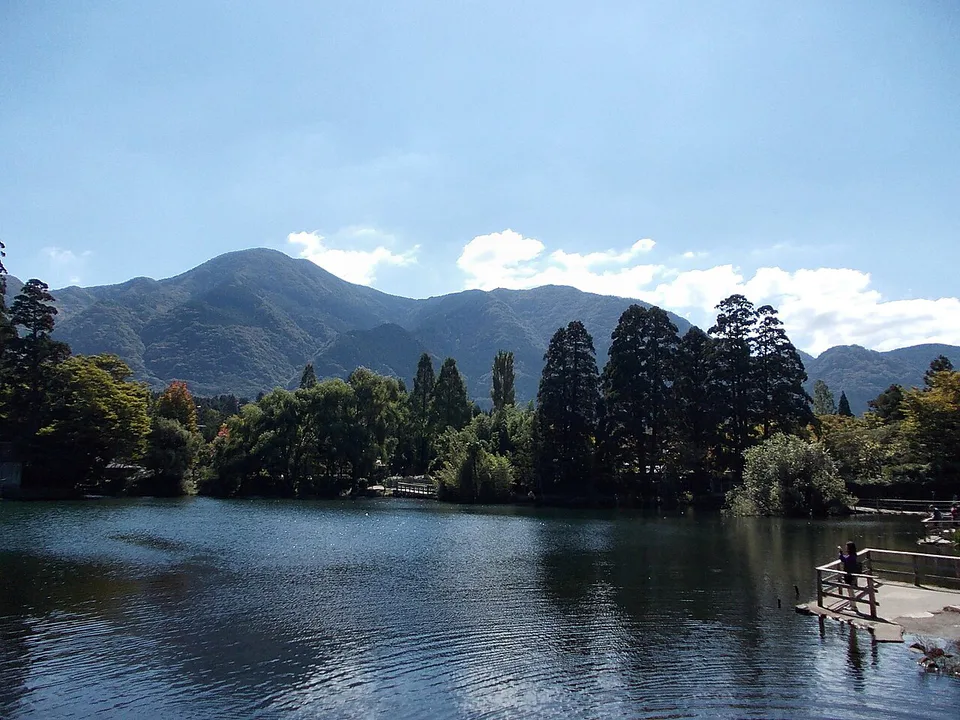
For dates, ticket coverage and access, use the Oita 2026 seasonal guide, Unzen’s mountain-season description, Nakatsu City’s Ao-no-Domon road notice, Takachiho boat rules, JR Kyushu pass prices and Yufuin no Mori seating details. These pages establish present operations and historical timing ranges; they do not turn a late-October 2026 trip into a guaranteed peak forecast. The final choice still depends on local colour and weather for the date you travel.
Other foliage routes: Kyoto Autumn Leaves Guide: Timing Map, Tohoku Autumn Leaves: Timing from Aomori, Hakone Autumn Leaves Guide: Foliage Timing, Tateyama Kurobe Autumn Leaves: Foliage Timing, Japan Autumn Leaves Late November: Kyoto,.
Other foliage routes: Japan Autumn Leaves December: Tokyo, Kyoto,, Hakodate and Onuma Autumn Leaves: Late, Koyasan Autumn Leaves Guide: Temple Lodging,, Kamikochi Autumn Leaves: Timing, Buses, Five, Nikko Autumn Leaves Guide: Foliage Timing.
Other foliage routes: Japan Autumn Leaves Photography Guide: Timing,.