
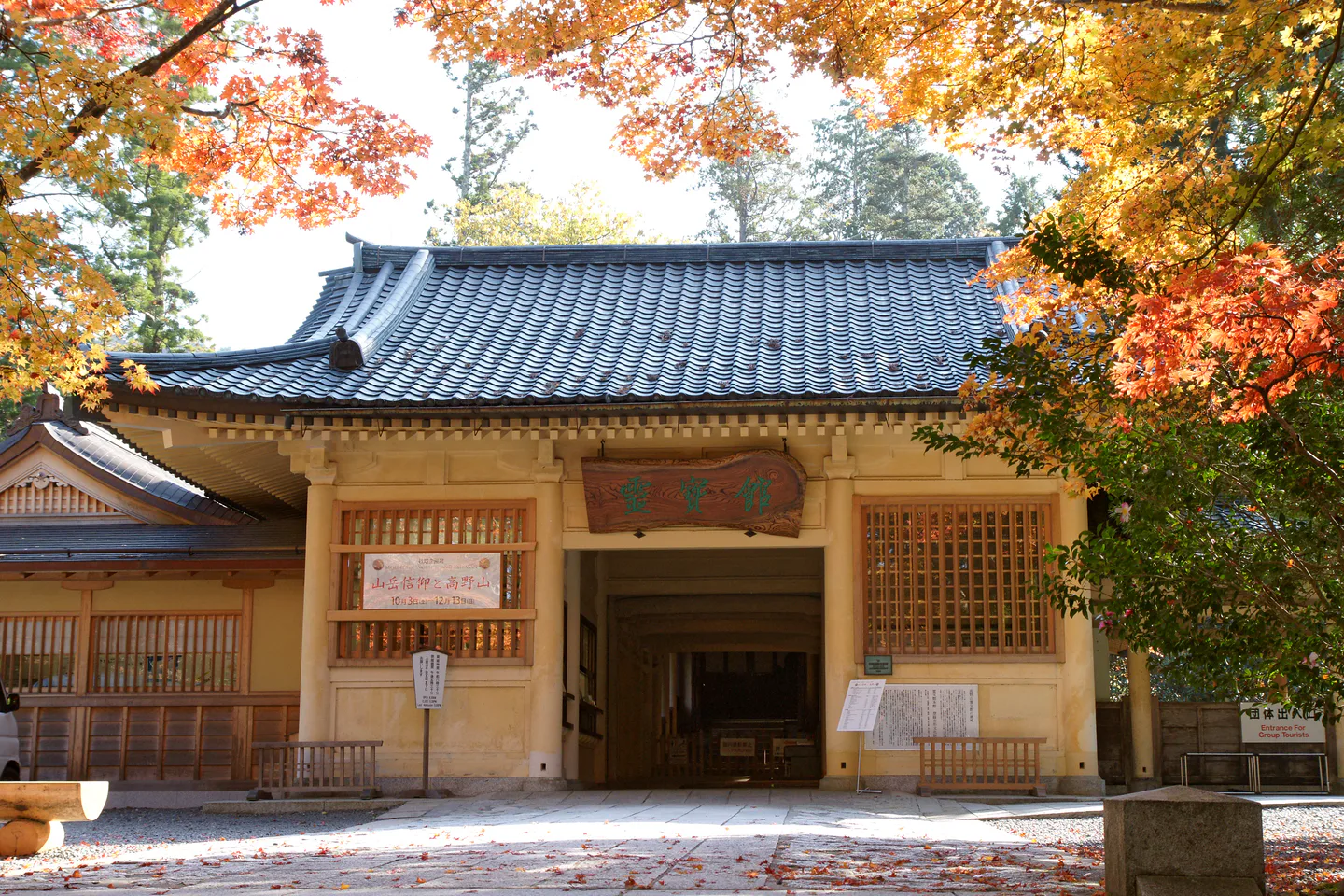
Koyasan has two different autumn trips. One is a long but focused outing from Osaka to see temple precincts and seasonal colour. The other uses the mountain after the daytime visitor stream thins: a temple dinner, a quiet evening and the first Buddhist service the next morning. Paying for a shukubo makes sense when those later hours matter to you. If the leaves are the whole objective, a well-timed day trip may deliver the stronger value with less luggage and fewer accommodation constraints. A Kansai week from one Osaka hotel shows what you give up when you add a one-night hotel move.
As of 24 October 2026, the seasonal window is opening, but a calendar date alone does not guarantee peak colour on the path you will walk. Koyasan sits high enough for leaves to change earlier than many Kyoto city sites. Wakayama describes the usual mountain period as late October into early November, with another overview extending some sites into mid-November. Treat those as a planning band and look at current conditions immediately before travel. Autumn colour by month across Japan is useful if the entire trip still has flexible dates.
↔ Scroll table left or right
Actual purpose | More natural plan | Reason |
Maples and one or two sacred areas; Osaka bed already booked | Day trip | Avoid a second check-in while keeping a full daylight visit |
Temple vegetarian dinner and dawn service both appeal | One temple night | The two scheduled experiences cannot be reproduced by a simple afternoon visit |
Only Kongobuji/Danjo Garan or only Okunoin is the aim | Day trip | A narrow route fits the transport time |
Okunoin, central precincts, evening atmosphere and prayer all matter | One temple night | Two sightseeing blocks create room for unhurried visits |
Children, older travellers or a strict dietary need | Decide after checking an actual temple room | Bath, bed, steps and meal rules can outweigh the cultural appeal |
Large case between Osaka and Kyoto | Carry only an overnight bag | One large suitcase turns each bus and temple entrance into work |
The leaf window is a guide, not a reservation
The regional Koyasan foliage calendar describes late October to early November as the main colour period. Its longer seasonal overview notes that different gardens and trees can carry colour into mid-November. There is no conflict if you read these as landscape ranges rather than one mountain-wide peak date. A cool week can move colour forward; rain or wind can strip a favourite grove sooner. When the decision is a costly temple stay, choose the date for the ritual and route first, then treat the foliage as a welcome seasonal layer.
The leaf question becomes simpler if you imagine the trees still green or already bare. Would you still be happy with vegetarian temple food, a morning service and a slower visit to Okunoin? If yes, the overnight has a reason independent of foliage. If no, keep the night in Osaka and choose the clearest promising day for the mountain. Kyoto foliage by elevation and a wider regional autumn itinerary can absorb a date shift better than a temple booking tied to a single colour prediction.
The dated 2026 temple event fits daylight hours
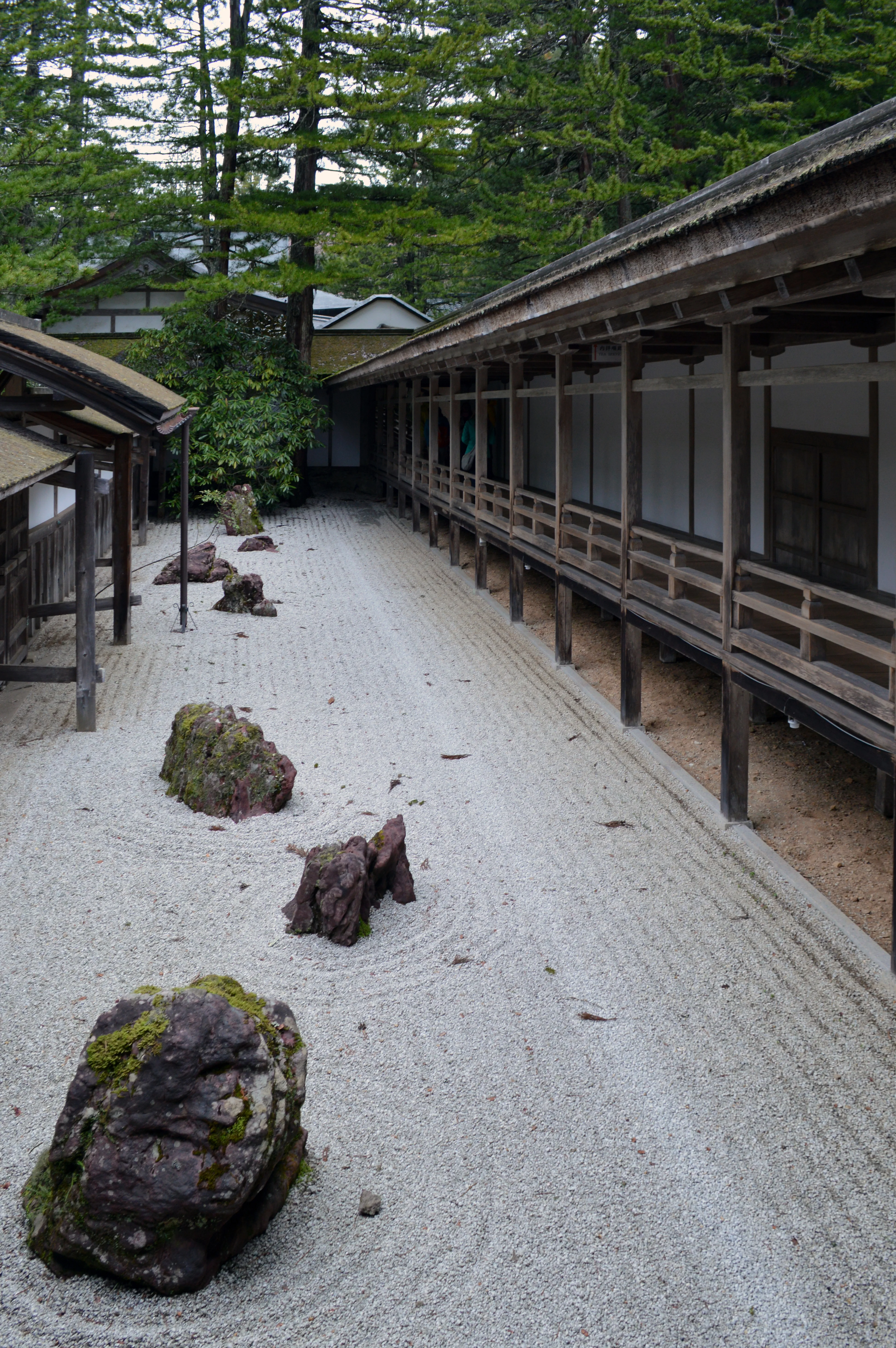
Kongobuji announced an Autumn Special Viewing for 24 October through 10 November 2026, with access listed from 09:00 to 16:30 and last admission at 16:00. The extra ticket is ¥500 on top of normal Kongobuji admission. It opens the normally closed Oku-den and gives a different perspective on the Banryutei rock garden. Since the period begins today, a visitor planning the coming weeks should distinguish an announced schedule from what is actually available on the travel day. The Kongobuji event notice is the place to confirm any operational change. The viewing can improve a day trip by adding a cultural stop even if the leaves are patchy; its daytime hours do not, by themselves, justify a hotel night.
If you have only a few hours on the mountain, put this visit beside the nearby Danjo Garan and Jabara-michi rather than trying to add a full Okunoin walk and a distant lunch stop. In rain, Kongobuji can be a stronger anchor than photographing every outdoor precinct. The attraction opens during ordinary sightseeing time, so booking accommodation solely for the dated event adds cost without creating more hours of access.
The train, cable car and bus consume real daylight
The standard Osaka approach begins on Nankai Railway at Namba and reaches Gokurakubashi before a roughly five-minute cable-car ride to Koyasan Station; the last link to most temple areas is a local bus. Nankai’s GRAN TENKU model route suggests about 90 minutes for the Namba–Gokurakubashi rail segment, but that is not the hotel-door time. Add station access in Osaka, waiting, the cable car, and the bus to the chosen temple or sightseeing stop. Where to base in Osaka for train day trips helps if the mountain is one of several rail-heavy days. Osaka base by the last train stop explains why the Nankai departure point may matter more than a central-looking map pin.
A day trip is still reasonable when it is selective. For a colour-focused route, use the central cluster: Kongobuji, the maple-lined Jabara-michi approach and Danjo Garan, with Daimon only if time and energy allow. For a more contemplative trip, make Okunoin the primary destination and choose one compact central stop. Moving between every sacred site because the rail fare is already paid often leaves more time on buses than among the places that motivated the outing. Autumn photography timing is a better way to plan light than simply expanding the attraction list.
The same travel cost explains why one temple night can work. Arrive early enough for a meaningful afternoon rather than reaching the shukubo at the dinner deadline. The next morning then belongs to a ceremony and the area not covered the day before. The two blocks are valuable because they fall at different times of day, not because the overnight doubles the number of monuments. If an onward Kyoto transfer is fixed the next morning, check the mountain exit before committing; Kyoto or Osaka as a first base frames that wider choice.
A shukubo runs on a timetable
The Koyasan temple lodging reservation form asks guests to expect check-in between 15:00 and 17:00 and to estimate arrival by 17:00. Individual temples set their own meal and ceremony times, so a late departure from Osaka can cost the dinner that made the stay worthwhile. The reservation system commonly pairs a one-night stay with dinner and breakfast. That does not mean every temple has identical food, a private bathroom or the same morning practice.
Count the windows you would actually use: an afternoon on the mountain before check-in, shojin ryori dinner, the quieter streets after day visitors leave, a morning Buddhist service, and an early return to Okunoin or a central precinct. A guest who only sleeps between a late arrival and early departure buys surprisingly little of the temple experience. A guest who can use three or four of those windows gains something a return train cannot deliver. How to judge a Japanese ryokan meal plan covers a related but different accommodation decision.
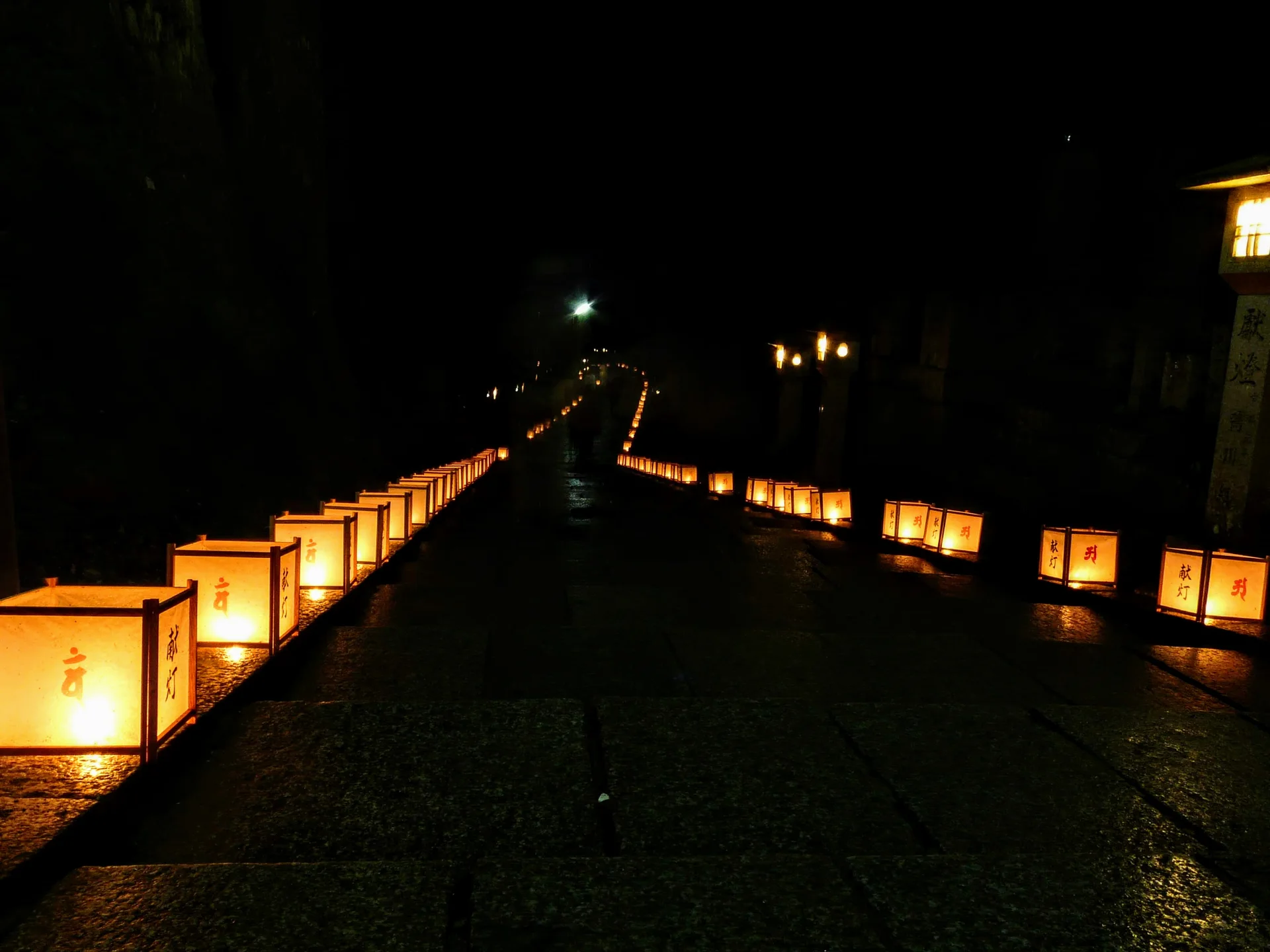
Evening access deserves restraint. Okunoin is sacred ground, not an obligatory nocturnal photo stop. If a night visit is part of the plan, use a suitable guided option or an appropriate familiar route, observe any local restrictions and avoid making a long independent walk in darkness solely to justify the room. The lantern-lit path pictured below conveys atmosphere, but it is not a promise that every segment is lit or safe for a first-time visitor at any hour. The morning can be a more forgiving time to walk.
The room rules can veto an otherwise attractive stay
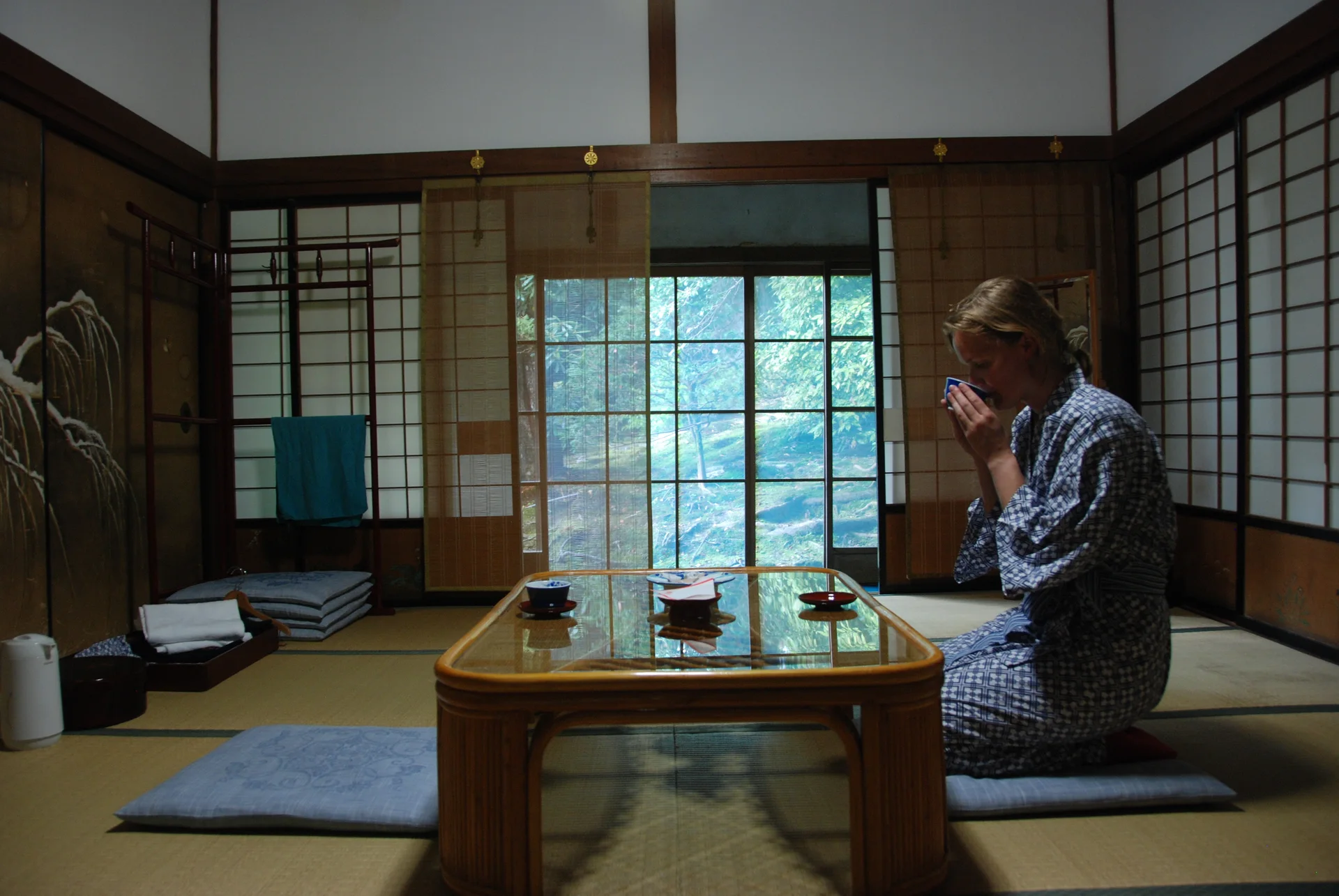
A shukubo is not one standard product. Some rooms are simple tatami spaces with futons and shared facilities; other categories have a private toilet or bath. Rates are commonly presented per person, usually with dinner and breakfast, so compare the full party cost with the precise meal plan. A temple may serve its morning ceremony very early, and access to different precincts varies by address. Before ranking photos, filter the booking by check-in cutoff, meal time, ceremony time, bathroom configuration, steps, bedding, heating and any curfew. Shukubo listings show the range of accommodation, but the exact room description and booking terms determine what your party receives.
↔ Scroll table left or right
Room or schedule check | Why it can change the answer |
Last arrival and meal time | Missing a fixed dinner can remove the point of staying |
Morning service | If the group will sleep through it, value falls |
Private versus shared bathroom | Important for some children, older guests and anyone needing privacy |
Address within Koyasan | Okunoin-side and central-temple locations alter the walking order |
Allergy, vegan, child-meal policy | Temple vegetarian cuisine does not automatically cover every restriction |
Futon, stairs and heating | A cultural night can be exhausting when the sleeping setup is wrong |
A family with a child who cannot sit through a dawn ceremony may still enjoy the mountain, but the paid overnight has fewer unique benefits. An older guest who needs a raised bed or has difficulty with stairs should verify the booked category rather than infer comfort from a temple name. Likewise, shojin ryori is Buddhist vegetarian food; it is not an automatic guarantee for every allergy or for every traveller’s definition of vegan. Ask the property about the actual meal and room. Autumn travel with older people and children helps with the wider route pace.
Specific temples illustrate the variation without supplying a universal ranking. Eko-in publishes an afternoon arrival period ending around 17:00 and ceremony around 06:30 in summer or 07:00 in winter. Ryusen-in lists 15:00–17:00 check-in, a 21:00 curfew and a service around 06:00–06:30. A more spacious room with private facilities can be worth a higher quote when it prevents a difficult night. If the suitable category is sold out or too expensive, a day trip from Osaka is a coherent choice. There is no cultural obligation to accept a shared bath, floor bedding or an inconvenient meal time.
Keep the large suitcase off the mountain when possible
A 28- or 29-inch suitcase changes the transfer from Namba to rail, cable car, bus and temple entrance. The case is especially burdensome if the night is inserted between Osaka and Kyoto, where it must then leave the mountain on the second day. If you return to the same Osaka hotel, ask about storing the main case and take an overnight bag. If you continue to another city, forwarding a suitcase in Japan may keep the temple night light, subject to the receiving hotel and delivery timing.
This is a threshold, not a ban on luggage. A carry-on traveller can manage the transfers. A party with multiple large cases, limited mobility or a child may find that the marginal effort overwhelms the quiet-night benefit. Confirm storage and delivery arrangements before buying a fixed temple booking. Luggage forwarding between two sightseeing bases describes the broader handoff logic, though its routes are different from Koyasan.
The transport ticket helps after the route is decided
Nankai’s 2026 World Heritage Digital Ticket price sheet lists ¥3,980 for an adult and ¥2,000 for a child starting at Namba, Shin-Imamiya, Tengachaya or Sumiyoshitaisha. The outward limited-express version is ¥4,910 adult and ¥2,460 child. The ticket includes the return Nankai journey and cable car, a two-day local bus pass with stated exclusions, plus selected admission and shop discounts. Its product conditions say the ticket is valid for two days from the selected date. That fits either a day trip or a one-night return, so it should not be the reason to add accommodation.
The route is principally Nankai, cable car and local bus. A national JR Pass does not make those legs a free mountain trip, and engineering extra rail transfers solely to use a pass usually distorts the day. Rail pass value for a foliage itinerary belongs to the wider budget calculation. Do not treat a discount fare as an answer to whether you want temple dinner, prayer or a second sightseeing block.
A workable one-night order
On day one, leave or forward the main luggage and depart Osaka early enough to reach Koyasan with a real afternoon. Give that period to the central cluster around Kongobuji and Danjo Garan or one different compact zone, then reach the shukubo within its check-in window. Eat at the booked temple if dinner is included. Spend the evening quietly rather than squeezing in a distant extra walk. This sequence protects the two elements that are hardest to recover after a delayed arrival: meal time and rest.
On day two, attend the morning service if it is part of why you booked, eat breakfast, then use the early hours for Okunoin or the major area you left for that day. Do not turn Okunoin into a five-minute checklist between train and bus departures. Its cemetery paths and religious setting reward unhurried attention. Depart with enough margin for the cable-car and Nankai connections and any onward Kyoto or airport journey. A two-base Kansai itinerary shows how the overnight affects other planned days.
Poor weather does not automatically cancel the mountain. Kongobuji provides an indoor cultural stop; Danjo Garan can be shortened; a wet Okunoin approach need not be walked in full. The lodging dinner and morning service remain meaningful if the specific temple runs them. Heavy rain or wind can make the foliage photograph less rewarding, particularly for a day trip built around one outdoor view; severe conditions can also make the mountain transfer a poor choice even with a prepaid room, so check current rail, cable-car and weather information. When colour has passed, shift a leaves-only day elsewhere; if the stay is primarily for the temple rhythm, the trip can still make sense. Kyoto autumn routes by week and a November regional foliage plan offer alternate foliage timing.
Where the decision lands
Choose the day trip when autumn colour and one or two sacred areas are the goal, you can travel on a promising day, and Osaka remains the practical sleeping base. Choose one temple night when dinner, a quiet evening and the next morning’s ceremony or walk are experiences you will use, and a real room meets your group’s comfort and diet requirements. Skip the overnight if arrival is likely to miss the meal, the next morning has a hard onward departure, or the large suitcase has no reasonable plan. The shukubo’s timetable is the product; its address alone is not.
For a temple stay that passes those checks, compare Koyasan rooms for the exact date and read the booked room’s meal, bath and check-in rules before paying. If the mountain will be a day trip, keep an Osaka base and use the Kansai airport-to-Osaka arrival guide to avoid putting the first night somewhere that complicates the Nankai start.
Other regional routes
Osaka, Kobe and · Japan Autumn Leaves · How to Avoid · Nankai — Koyasan · Koyasan Shukubo Association · Lake Kinrin Autumn · Hakone Autumn Leaves · Japan Autumn Leaves · Arashiyama Autumn Leaves · Tohoku Autumn Leaves: · Lake Kawaguchi vs · Unzen Nita Pass · Kokonoe Dream Suspension · Japan Autumn Leaves · Japan Autumn Leaves · Ginsendai Autumn Leaves · Kyushu Autumn Leaves: · Korankei Autumn Leaves · Osaka Autumn Leaves · Hakkoda Autumn Leaves.