
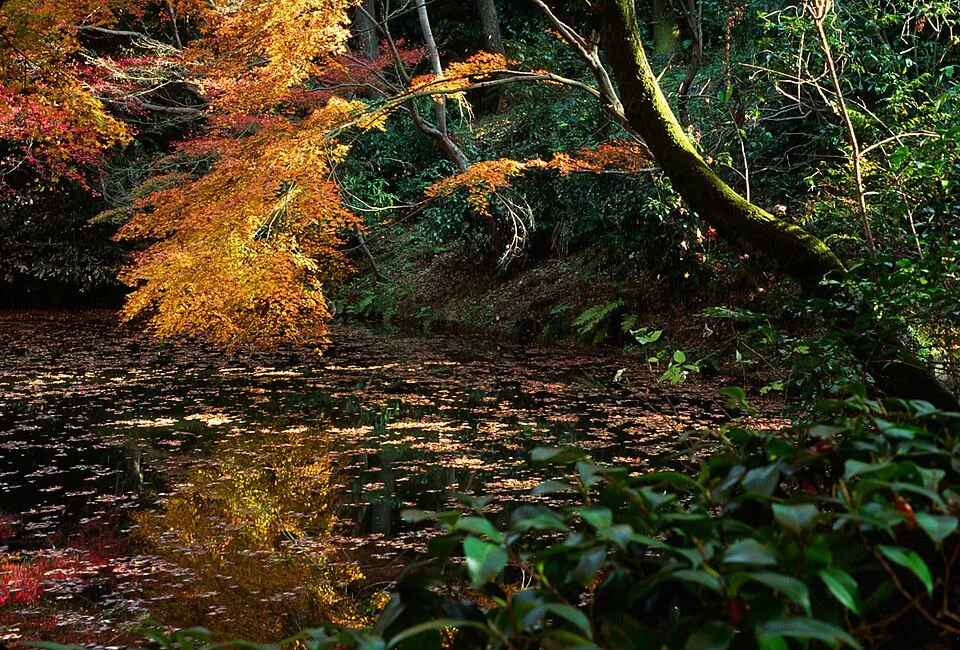
For a first autumn trip that combines cities and rail, November is still the most forgiving month. You can keep Tokyo or Kyoto as a base and change a day trip when the colour runs early, late or a little higher up the mountain. October offers more mountain routes, but the same variety puts more weight on seasonal buses, ropeways and weather. September is a high-altitude trip; early December is a city trip that may catch late foliage. The useful choice is the month whose route still works when one famous grove misses its predicted date.
There is now a current 2026 forecast to use. Japan Meteorological Corporation released a second autumn outlook on 1 October, with expected red-leaf dates of 4 November for its Sapporo sample, 28 November for Tokyo and 11 December for Kyoto. Its city-tree estimates are not a promise that every garden or mountain nearby peaks on those days. They do show why the old statement that only a 2025 forecast was available has expired. Keep a broad regional route, then use live colour and transport status for the specific outing.
↔ Scroll table left or right
| Travel month | Where it has a defensible autumn role | What can derail it |
|---|---|---|
| September | Daisetsuzan and other high-elevation hiking or photography | Lowland city trees remain green; exposed routes depend on wind and mountain transport |
| October | Hokkaido, Tohoku, upper Nikko and Japanese Alps corridors at different elevations | Shorter daylight and seasonal services leave less room for missed connections |
| November | First rail trip through Tokyo, Kyoto, Fuji or western Japan, with several day-trip alternatives | Popular Kyoto, Kawaguchiko, Nikko and Miyajima dates bring room demand and crowds |
| Early December | Lowland Tokyo, Kyoto, Osaka, Nara or Kyushu when the city itinerary is enough by itself | Wind and leaf fall can remove the colour; many mountain routes have closed |
Why a single nationwide peak week does not exist
Colour generally arrives earlier in cooler northern and higher places, then reaches lower and more southerly settings later. During one week, the high alpine zone may be past its best while a valley still has colour and a city park has barely changed. The 2026 JMC release compares each city with its longer-term average: Sapporo red leaves 4 November versus a 28 October average, Tokyo 28 November against the same average, and Kyoto 11 December versus 5 December. These dates describe sample-tree observations under a specific definition of red leaves; they cannot time all of Okunikko, Kyoto's hills or every maple at Lake Kawaguchi.
If your flights are fixed, look for a latitude and elevation corridor that suits those dates. If a region is non-negotiable, time the journey around that area's broad history and watch the current report. The regional forecast calendar and live regional status serve different purposes: one frames the trip, the other helps pick a day. Airport choice should follow the corridor, rather than force a cross-country chase after flights are bought.
September requires an alpine reason to travel
Daisetsuzan and selected high mountains can start changing while Tokyo, Osaka and Kyoto still feel like late summer. September is therefore strongest for someone who wants the mountain itself: hiking, alpine grass, volcanic scenery, a cool onsen stay and photographs that would remain rewarding without a precise peak. It is a poor bet for a brief first visit whose success means red maples around city temples.
Cold, wet weather and exposed transport can remove an alpine day even when the colour is excellent. A group with heavy luggage, limited mobility or only three or four days has little room to shift the route. Keep a lower-elevation fallback and a 24–48 hour window around the main mountain objective. The Hokkaido base comparison is useful when Daisetsuzan is the reason for the flight; mountain and city layers should be planned as two different exposure levels.
October works best as one mountain corridor
October offers a choice of elevations, not permission to cross Japan every time a new red-tree photo appears. A Hokkaido route might connect Asahikawa and Daisetsuzan with Biei, then Sapporo or Otaru. Tohoku can be organized around Sendai, Naruko, Hachimantai, Oirase or Aomori as the season develops. From Tokyo, Okunikko, lower Nikko and Kawaguchiko provide different altitude options. In the Alps, a Toyama–Matsumoto–Takayama corridor is more coherent than a single remote mountain day grafted onto an unrelated city trip.
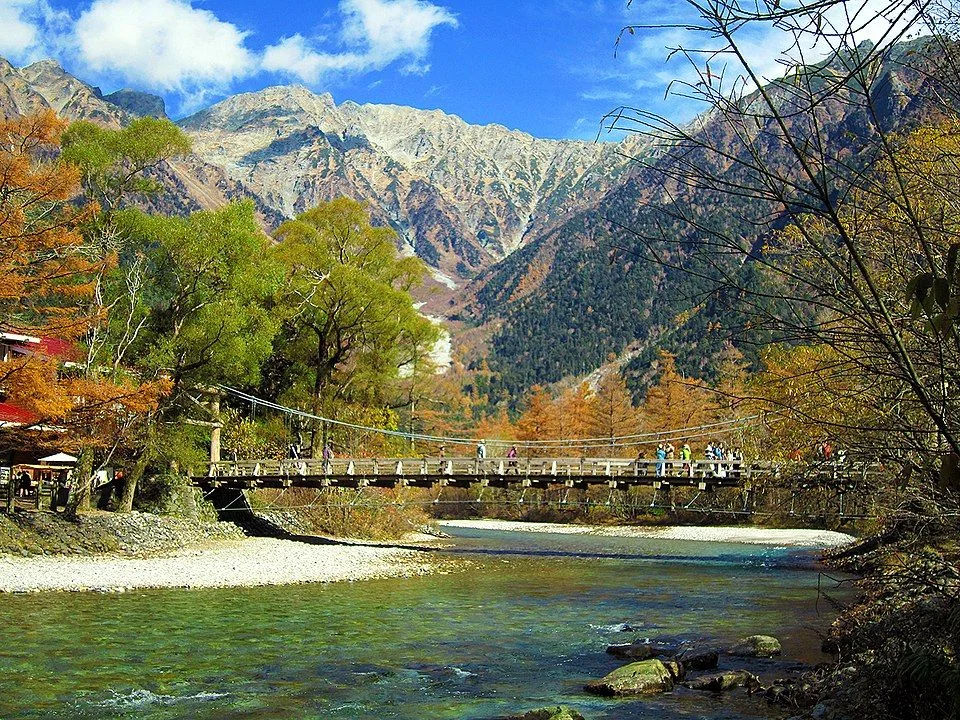
Kappa Bridge and the Hotaka range illustrate the mountain character of a Kamikochi outing; the photograph does not establish this year's colour or bus operation. The Tateyama elevation guide shows how dramatically one route can change by altitude. A missed 15:30 seasonal bus is more consequential than a missed Tokyo subway, and a one-hour delay uses a larger share of October daylight. Book one region with several elevations, then let the forecast decide whether to go higher, lower or use a city/onsen day.
For a short October trip, choose one objective. Longer 5–7 day journeys can afford a regional hub and a movable mountain day. Even with 10–14 days, a national leaf chase produces repeated hotel and luggage moves. The first autumn-region comparison helps choose between city flexibility and mountain priority before the route grows.
November gives a first-time visitor ways to recover
A Tokyo base can substitute a cooler or higher day trip earlier in the month and stay with parks or lower gardens later. In Kansai, Kyoto hills, city temples, Nara and Osaka operate on overlapping but non-identical timing. Hiroshima and Miyajima can be part of a western rail itinerary. These choices let a visitor swap an outing without rebuilding every hotel. That is the main reason November is the first-trip default; it is not a month when all of Japan turns red at once.
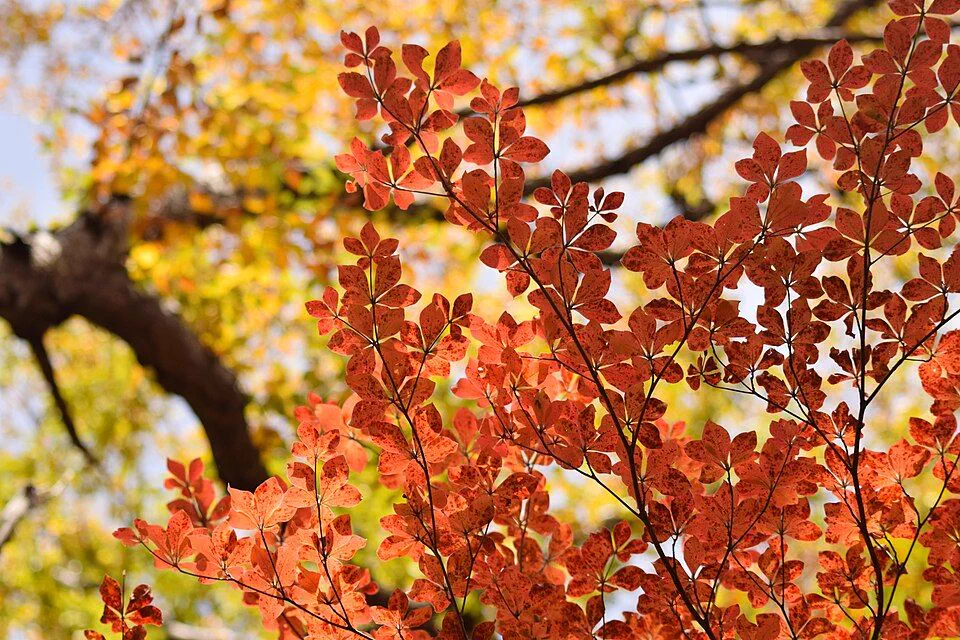
The close-up foliage photograph shows coloured leaves without proving a specific lake or date. For a Kyoto stay, use the early, mid and late November routes rather than one fixed temple list. A mid-November cross-region comparison and late-November options show why moving within an existing corridor is often better than buying a new long-distance ticket.
The flexibility has a price: Kyoto weekends, Kawaguchiko, Nikko, Miyajima and popular onsen towns may be crowded and harder to book. Leave room to change a day trip, not every hotel night. Cancellation and backup-area planning matters more than pretending the first forecast is a room-rate guarantee. If Fuji views and foliage are both priorities, Kawaguchiko's three lodging areas solve different transport and view problems. The two-lake comparison helps decide whether an overnight move earns its cost.
Lake Kawaguchiko's 2026 Autumn Leaves Festival is scheduled from 7 to 29 November, with the Maple Corridor lit from sunset to 21:00. That is a real reason to hold an evening in the area, while neither the event's opening date nor a JMC city-tree estimate guarantees peak foliage beside the lake. A local overnight is stronger when it buys both the evening and a second chance to see Mount Fuji the next morning. If the trip has only one usable November day, keep the decision between the lake and a Tokyo or Kyoto garden open until recent colour and cloud reports can distinguish them.
A November weekend also changes the return calculation. Festival traffic and queues can use the margin that a traveller expected to spend on the final bus or train. Anyone keeping Tokyo as the sleeping base should identify the actual last comfortable departure before deciding to stay for the full illumination period. An overnight removes that particular exit pressure, but only if the room's location still suits the next morning's plan.
December needs an itinerary that survives bare trees
The 1 October forecast puts Kyoto's red-leaf sample date at 11 December, Osaka at 4 December and Fukuoka at 7 December. That makes early December a live possibility for lowland colour in 2026, but it is still a forecast for sample trees. Wind, rain and individual site conditions can end the display quickly. Build Tokyo, Kyoto, Osaka, Nara or Kyushu around food, museums, onsen, temple districts and winter activities first; add a foliage half-day only where live reports justify it.
The seasonal network also changes. The Tateyama Kurobe Alpine Route's 2026 operating period ends on 30 November, so a December trip cannot use it as an elevation escape. The December city-by-city choices explain the remaining lowland possibilities. Someone flying long-haul solely for a peak red-leaf photograph should prefer an earlier, more flexible date rather than treating December's late forecast as a guarantee.
What a missed peak asks you to change
↔ Scroll table left or right
| Problem | October mountain response | November city-base response |
|---|---|---|
| Colour is later than expected | Try a higher or more northerly part of the same corridor, subject to transport | Use a cooler day trip without moving the hotel |
| Colour has passed | Go lower or south, if the regional route allows it | Use lower gardens, city streets or another scheduled attraction |
| Weather removes the main outing | Use the planned onsen or city fallback rather than force an exposed mountain | Switch to museum or covered city activity and preserve the hotel base |
| A service is missed | Seasonal bus or ropeway may end the day | Frequent rail and urban transport usually provide more recovery choices |
For a three- or four-day visit, one city or one mountain corridor is enough. A five- to seven-day trip can pair one region with a fallback hub. On a first 10–14 day journey, November allows Tokyo, Fuji, Kyoto and western Japan without making every transfer depend on a mountain timetable; an October fortnight still benefits from regional blocks. Extra days create room to wait within a corridor, not an obligation to change hotels more often.
Book in two stages. Fix the month, gateway and broad corridor first, using rooms with cancellation flexibility where the budget permits. Next, use the latest forecast to select altitude and day order; JMC expects a further release in early November 2026. In the final week, site colour reports, current weather and transport notices decide whether the mountain or garden is worth the trip. A 300–800 metre elevation change is an example of a local adjustment, not a promised shortcut to peak colour.
November remains the safest single answer for a first rail-and-city autumn trip. Choose October if Daisetsuzan, Oirase, Nikko or the Alps are the reason to go and you can manage weather-dependent travel. Use September for high mountains, and early December only when the city trip stands without leaves. The rail-pass comparison can price the route you actually chose; it should not be used to invent extra cities. Compare Kyoto stays for the dates you plan to use as a base if November or December puts Kansai at the centre of your trip.
Other foliage routes
Tokyo Autumn Day Trips Compared · Japan Meteorological Corporation — autumn foliage forecast and long-term average city dates · Tateyama Kurobe Alpine Route — 2026 operating period and live information · Sapporo Autumn Fest 2026: The One-Kilometre Food Route That Leaves Room for Dessert · Takayama Autumn Festival 2026: Save October 9 Night for the Lantern Floats · Where to Stay in Kyoto for Autumn Leaves: Kyoto Station, Kawaramachi, Gion or Osaka?