
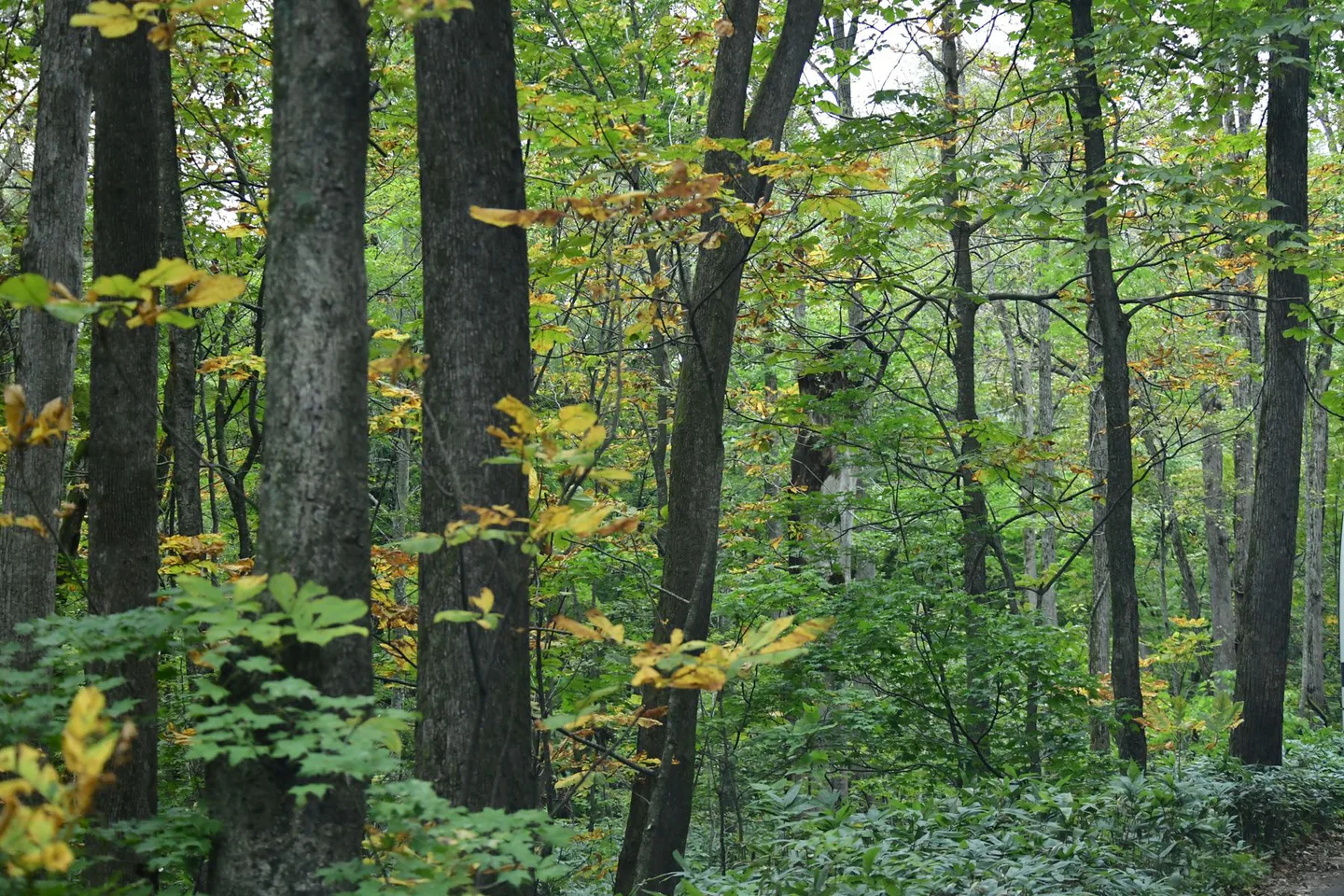
The useful autumn map of Tohoku runs downhill as well as south. Hakkoda, Hachimantai and Kurikoma can colour while Oirase’s trees are still green; later, Naruko Gorge, Yamadera and southern city parks may have a better canopy than the northern summits. A five-day journey has room for one connected corridor. With seven days, two neighbouring bases can work, but crossing the whole region to chase a photograph usually spends the daylight you came for. Choose the elevation that suits your dates, then build a same-area fallback for weather or an early leaf fall.
Historical colour windows help with the hotel map; they do not establish a 2026 peak. During the final week, compare dated foliage scenes, road notices, ropeway operation and the actual seasonal-bus reservation. The current JR EAST PASS costs ¥35,000 for five consecutive days or ¥50,000 for ten, and replaced the older Tohoku-area product for new sales.
Four foliage windows, from exposed summits to southern valleys
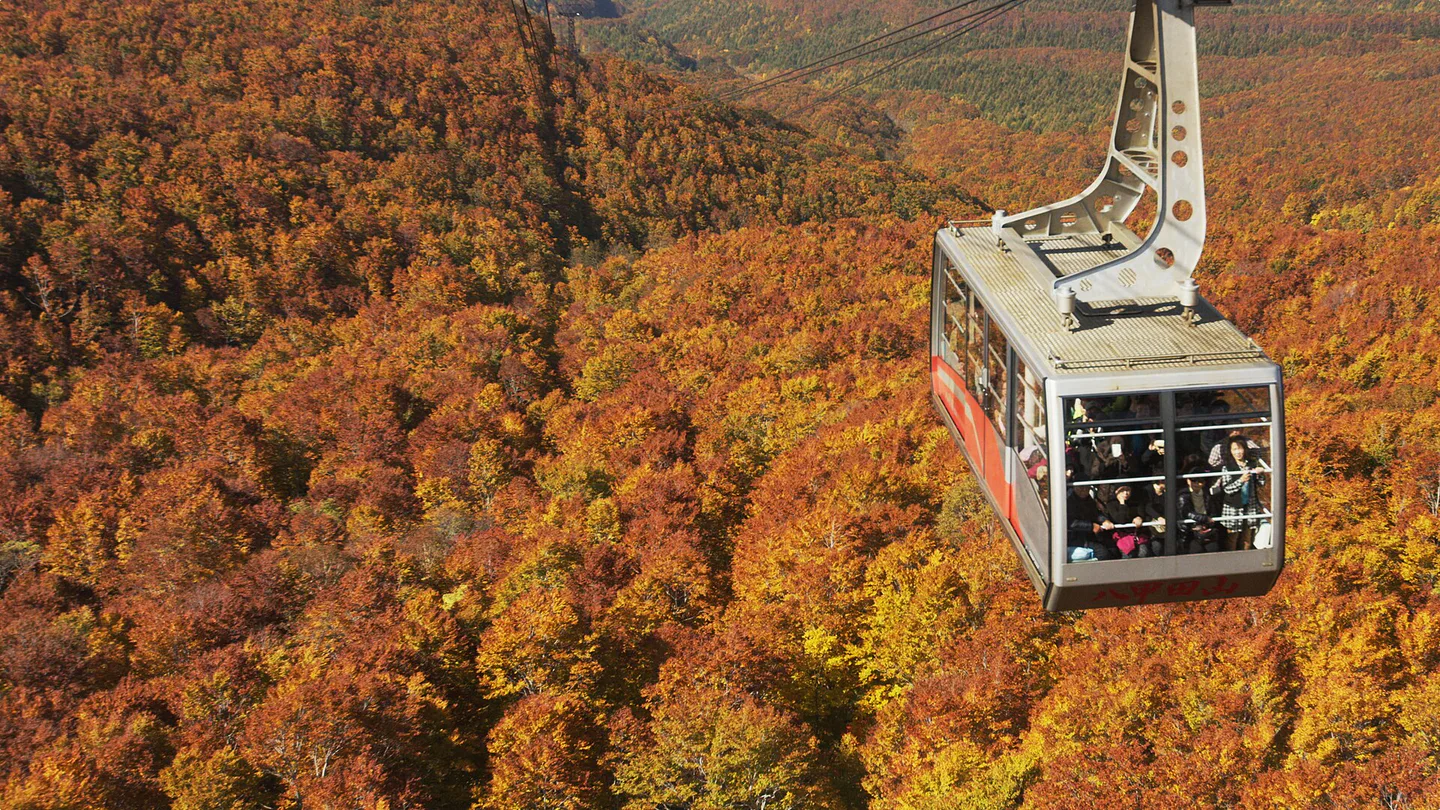
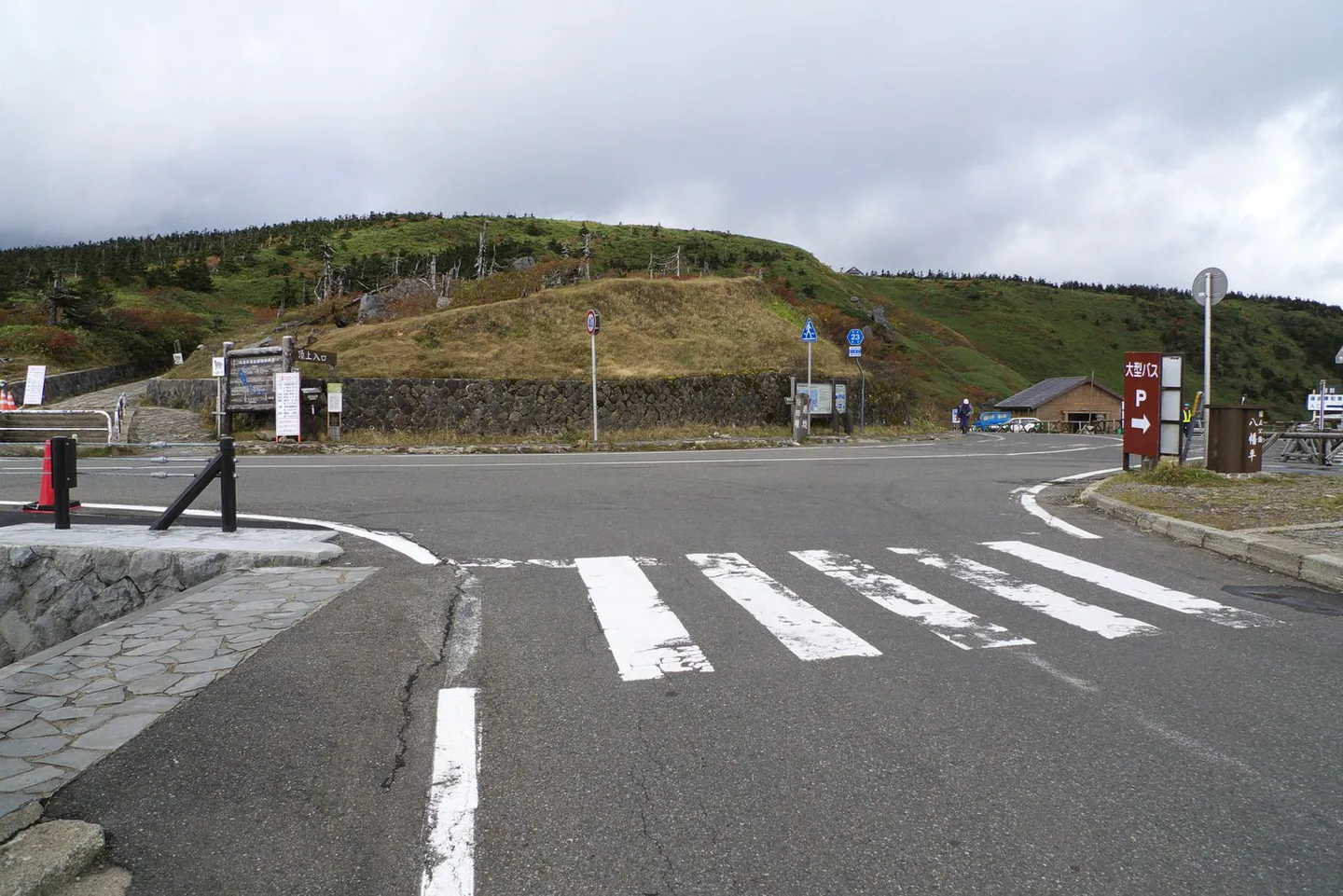
Exposed Hakkoda, the Hachimantai summit and Kurikoma usually come first, from late September into early October. The Hakkoda ropeway can close for strong wind even when lower trees look inviting, while the Hachimantai route needs a safe road and walking surface. Frost, low cloud and first snow make a nearby city or onsen fallback part of the mountain plan.
Early to mid-October can shift the useful colour to Hakkoda’s Sukayu and Jogakura side or to Hachimantai’s Onuma, Goshogake, Matsukawa and Appi. A car makes those substitutions possible, but it also exposes the driver to fog, ice, slow parking and a road that may close. Set a midday decision point: if the upper road is yielding neither safe access nor a good view, descend to the lower stop instead of losing the second half of the day.
By mid to late October, the Oirase stream becomes a stronger historical bet than the highest northern summits, with Lake Towada and lower hills in the same broad period. The bus seat, hotel meal time and return departure can then matter more than finding another viewpoint. Reserve a way out before beginning a long one-way stream walk.
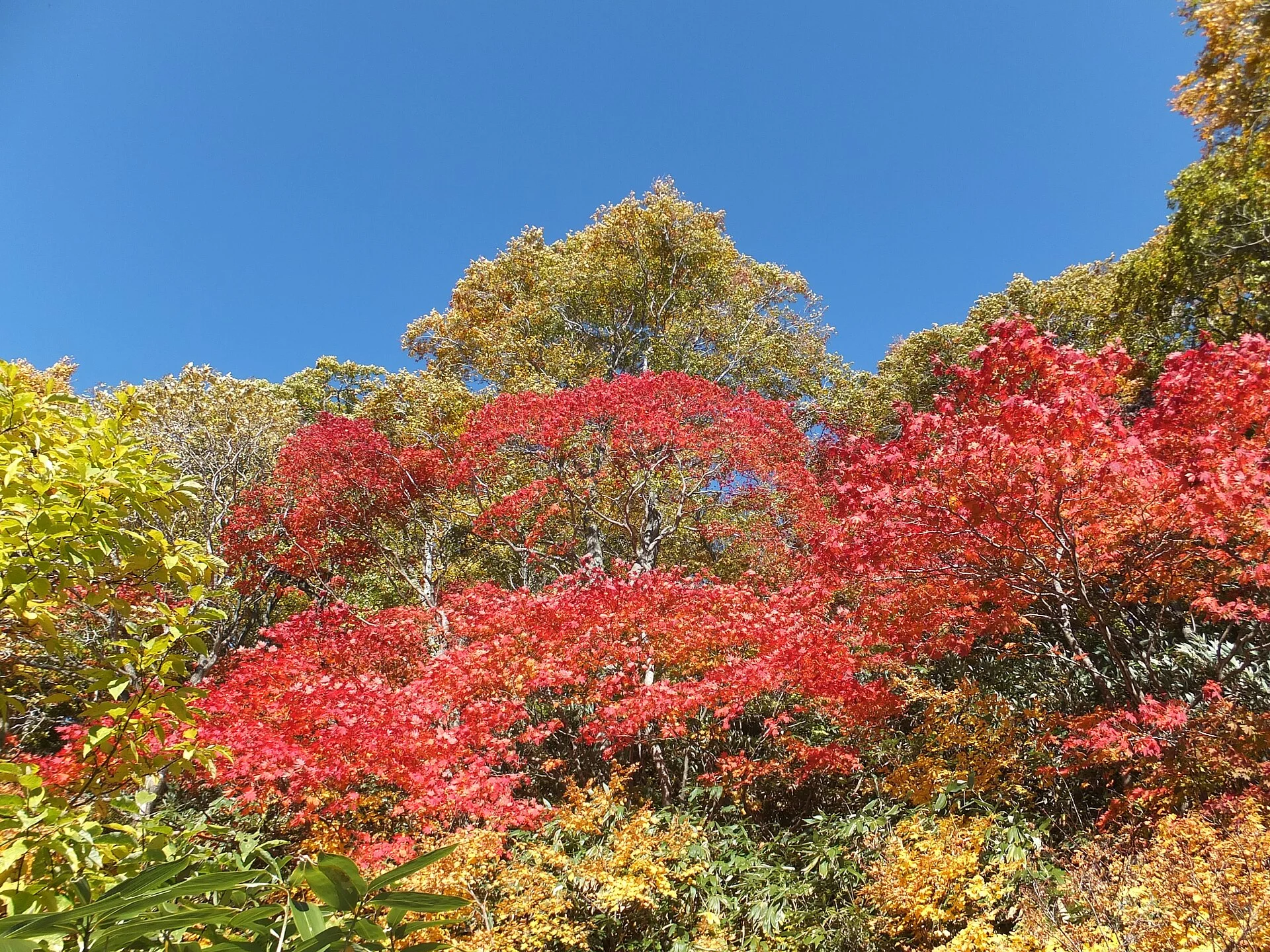
Late October into early November generally favours Naruko Gorge and lower southern sites such as Yamadera, Hiraizumi and city parks. The tourism region gives Naruko that historical window, while upper Hakkoda or Kurikoma may already have lost their canopy. Stay with the lower-elevation corridor instead of returning north for an October label found in an old itinerary.
↔ Scroll table left or right
Approximate window | Likely elevation and places | Nearby lower-risk substitute | Constraint to solve |
Late September–early October | Upper Hakkoda, Hachimantai and Kurikoma | Sukayu, Matsukawa, Aomori or Morioka | Wind, frost and first snow. |
Early to mid-October | Hakkoda middle slopes, Onuma and Tazawako | Jogakura, Appi or Kakunodate | Bus operating dates and exposed roads. |
Mid to late October | Oirase, Lake Towada and early Naruko | Hirosaki, Hiraizumi or onsen towns | Full buses, traffic and hotel dinner time. |
Late October–early November | Naruko, Yamadera and lower southern sites | Sendai, Yamagata, Matsushima or city parks | Northern leaf fall and shorter light. |
These ranges are a way to select a base, not a promise that one day will peak. Close to departure, use dated wide views from local operators and compare how much canopy remains. A brilliant close-up can hide a mostly green valley; a few branches still attached can hide an area already stripped by wind. One clear photograph is not proof that a seasonal bus, road or ropeway will also be running.
Six connected routes with different failure points
Aomori or Hachinohe can link Hakkoda, Oirase and Lake Towada, but the Hakkoda timing generally leads the gorge in autumn colour. Without a car, give the mountain and stream separate days and work backward from the last bus. Even with a car, the ropeway, a long stream walk and a lake cruise demand more time than one compressed sightseeing block allows.
Morioka, Hachimantai and Appi work especially well in early to mid-October. A confident mountain driver can compare summit, Onuma, Goshogake and Matsukawa, while a non-driver should make the Hachimantai bus and road guide the spine of the day. If the summit is closed or already bare, Appi, Matsukawa or Morioka protects the same base; a distant prefecture does not.
Morioka, Lake Tazawa and Kakunodate make a less exposed rail-led route. The rail spine helps visitors avoiding a mountain drive, and Kakunodate offers samurai houses, museums, streets and nearby onsen when a summit is lost to cloud. Check the local bus you actually need, but this route can still make a full day out of culture if the leaves are between elevations.
Sendai, Naruko Gorge and Naruko Onsen belong to a later southern trip. Yamadera points in another direction and needs its own sightseeing block. Two or three Sendai nights with a Naruko or Yamagata night can protect a gorge morning and avoid squeezing the train, bath, dinner and autumn walk into one day.
Sendai through Yamagata to Yamadera is a later, more city-protected option. Yamadera’s stone steps and early dusk make it a meaningful half-day or longer, especially after rain; it is not a quick stop before an unplanned Zao mountain excursion. Zao needs its own transport and weather decision. A traveller limiting stairs can keep Yamagata city, Kajo Park, an onsen or Sendai in the plan instead.
Kurikoma fits with Ichinoseki and Hiraizumi when the high slopes still have colour. Its mountain access, shuttle and traffic arrangements can change by season, so give it a day of its own rather than inserting it between distant trains. If the access system fills or the upper canopy is gone, Hiraizumi supplies a cultural day in the same broad corridor without pretending it replaces a mountain panorama.
Gateway cities solve different transport problems
Aomori is the practical base for Hakkoda, Sukayu, Hirosaki and the airport. A full early Oirase walk is harder from there because the inbound journey uses so much of the morning. Hachinohe has stronger access to Oirase, Lake Towada and Shinkansen links, especially for a booked bus. Hachinohe Station and the Hon-Hachinohe city centre are separate hotel areas; choosing the wrong one can erase the early-bus advantage.
Morioka connects Hachimantai, Appi, Iwate, Tazawako, Kakunodate and Hiraizumi and can carry two to four nights without a daily hotel switch. Sendai is the southern rail hub for Naruko and Matsushima, while Yamagata is often the tidier base for Yamadera or a planned Zao excursion. Using Sendai as a daily shuttle to Hachimantai or Oirase creates a long commute on the days when mountain daylight is shortest.
An onsen or mountain night earns its cost by moving the first usable hour forward. Sleeping at Oirase can remove a city approach before the walk; a Hachimantai or Appi room can put the party near an early mountain departure; Naruko can separate gorge time from the bath and dinner. Change hotels when the move solves that morning, the confirmed return bus or a fixed meal, not merely because the map shows another prefecture.
Examples should be judged by the actual departure point. JR-East Hotel Mets Hachinohe sits by the station for an early Oirase bus; Hotel Metropolitan Morioka reduces a Morioka rail transfer; Hotel Metropolitan Sendai East suits a train-heavy southern section. ReLabo or another central Aomori hotel can serve an airport and Hakkoda leg. Check the exact bus stop, room terms and dinner time for your dates rather than treating any of these names as a current price recommendation.
Short days change the walking calculation
In October the reliable walking hours tighten, and a high mountain can lose visibility before the urban base looks wintry. Put the main outdoor route first. The full Oirase stream walk is commonly described as about four hours, before photographs, meals, the bus wait or peak-season traffic. Hakkoda and Hachimantai can already require cold-weather judgment on a day that feels mild in Sendai.
Choose one principal walk and a short exit for a group with children, older family members or heavy camera gear. Yamadera’s steps, a wet gorge path and a mountain boardwalk are different demands. A ropeway avoids the climb to its station, but the summit terrain may still be uneven; a hotel shuttle can reach a trailhead without making the trail accessible.
When trains help, and when buses or a car still decide the day
The JR EAST PASS sold from March 2026 costs ¥35,000 for five consecutive days or ¥50,000 for ten, for travellers holding a non-Japanese passport. It becomes plausible when several covered long rail sectors—Tokyo, Sendai, Morioka, Hachinohe or Shin-Aomori, for example—fall inside the validity period. For a route concentrated around Sendai, Yamagata or one prefecture, price point-to-point tickets first.
A seven-day holiday does not require a ten-day pass. A rental-car day, mountain bus day or arrival day may use little covered rail. Compare the exact trains and seat reservations with the pass price before buying. Some JR bus routes are included, but do not assume a highway coach, seasonal shuttle, ropeway, lake cruise, taxi, rental car or luggage delivery is covered.
The scarce pieces should shape the order of reservations. A mountain or onsen room with fixed dinner and the required inbound bus are the first pair to solve. Then arrange reserved long-distance trains and any rental car or hotel shuttle; ordinary rail rides have more flexibility. A non-refundable mountain room is a weak commitment while the only workable access service is still unconfirmed.
Move the main suitcase between city hotels when a single night at Oirase, Hachimantai or Naruko sits between them. The Japan luggage-forwarding guide explains how to confirm the receiving hotel, booking name and lead time. Carry a smaller bag with passport, medication, warm layers, spare battery and the next day’s essentials; a light mountain overnight works only if the larger bag has a reliable destination.
A rental car can join dispersed sites and make photography stops possible for a group, but add insurance, non-operation charge protection, fuel, tolls, parking, a possible second driver and late-return risk to the hire quote. Someone without cold-weather mountain-driving experience should not take a car onto an exposed road merely to rescue a speculative foliage report.
When the upper leaves or the transport plan fail
When colour is late, look higher within the chosen base only if access is safe. If wind has stripped the upper canopy, descend toward a gorge, onsen, temple or park rather than spending a day crossing Tohoku. The Hachimantai road conditions gives examples of how an exposed road can change the plan even in autumn.
Snow, ice, dense fog or strong wind are reasons to cancel an exposed summit, a long hike or a night mountain road. Aomori can fall back to Hirosaki or the city; Morioka to Kakunodate, Hiraizumi, museums or onsen; Sendai to Matsushima, Yamagata city or indoor culture. A paid hotel does not make a slippery road or a closed ropeway more usable.
A full or suspended seasonal bus calls for a rail-accessible day from the gateway; do not leave on a rural one-way leg without a confirmed return. If the mountain and onsen hotel comparison has no suitable room, an Aomori, Morioka or Sendai base usually preserves more of the corridor than a last-minute region switch.
Answers that change the route
What month gives the best chance of Tohoku colour?
October covers the broadest set of mountain, gorge and city elevations. Upper slopes may begin in late September, while Naruko and other lower southern areas can extend into early November. Pick a corridor within that long season rather than expecting one region-wide peak.
Can you plan Tohoku leaves without a car?
Yes, if the final bus and its operating dates are known before choosing a mountain objective. Rail hubs make the wider trip possible; one substantial mountain or gorge outing per day keeps missed connections from becoming the whole itinerary.
Does every multi-city trip need the JR EAST PASS?
Only when the covered sectors inside five or ten consecutive days cost enough to justify it. Add the point-to-point rail fares for the actual dates, then account separately for seasonal buses and other transport the pass will not buy.
Routes for a deeper regional trip
For the Naruko and Yamagata branch, compare Sendai Station hotels; northern Hakkoda and Oirase days need a northern base instead.
Foliage, gorge and rail details
Seasonal colour and mountain access vary by week. The Hakkoda ropeway posted an October 21, 2026 foliage update and a separate October 22 wind suspension, illustrating why a good autumn date does not secure a gondola ride. Match any dated image to its elevation and check the operating service for your travel morning.
For a different region or shorter date window, see Kyushu colour calendar · Hakone elevation route · Nikko colour timing · late October destinations · Kyoto colour by district · Tokyo autumn parks · Tateyama Kurobe by elevation · autumn photography conditions · Kamikochi autumn walks · Mount Takao day trip.