
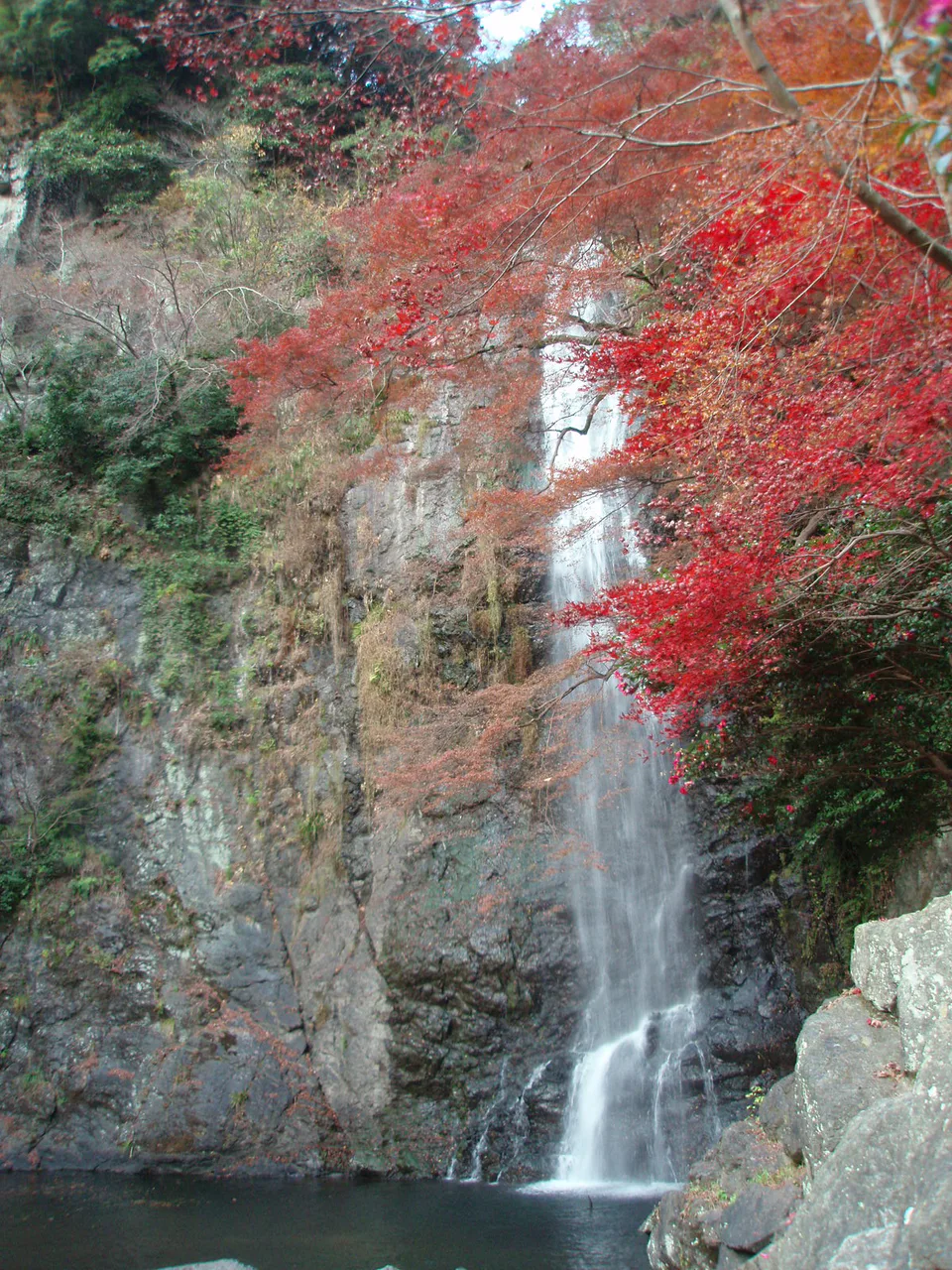
Osaka's autumn colour is spread across places that make very different days. Minoh is a walk into the northern hills, Osaka Castle fits a city itinerary, and Expo ’70 Park gives you space to roam with museums close at hand. Daisen Park belongs to a Sakai day; Midosuji is an evening stroll beneath ginkgo trees. Pick the setting you most want before drawing a route. Trying to collect all five will mean spending the best light in transit.
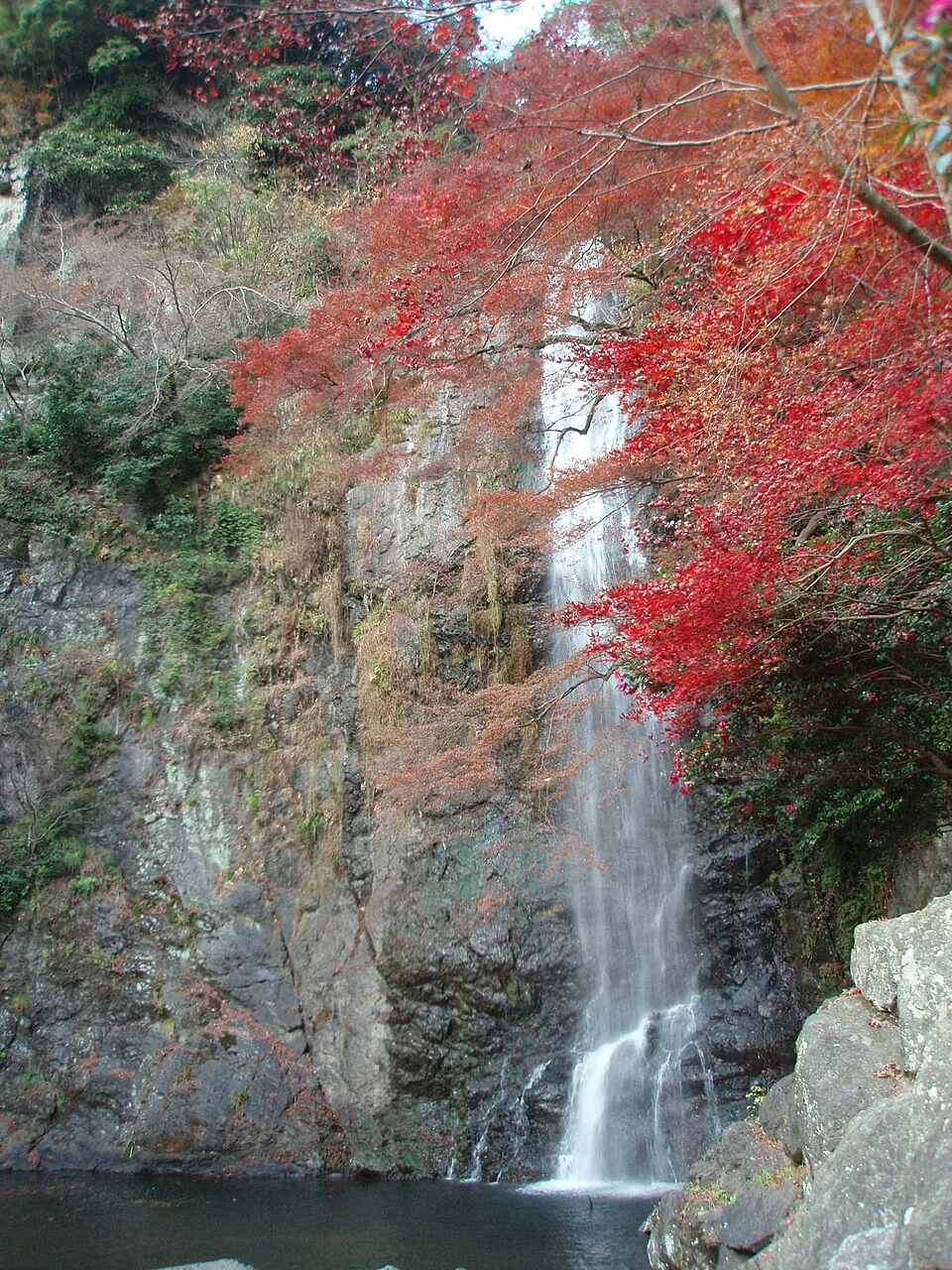
For a first visit, allow a full morning or more for Minoh, a city day for the castle and Midosuji, or at least half a day at Expo. The foliage season usually moves from cooler northern areas toward the city through November, with some urban colour lasting into early December. Weather can shift the timing, and the trees at a single site may change at different rates. At Minoh, the walk from Hankyu Minoh Station to the 33-metre waterfall is roughly 40 minutes each way before stops, crowds or photographs. Set out while there is ample daylight: the path is not a night walk.
Which part of Osaka makes sense for your dates?
Early November is a better time to look toward higher or cooler northern Osaka than to expect every city street to be coloured. Around mid-November, Expo's Japanese Garden and parts of the Minoh route may offer more than central avenues. Late November often gives you the widest choice of parks, castle scenery and ginkgo. By early December, focus on Midosuji and later city gardens, and keep museums or architecture in the plan if the leaves have already fallen. These are planning patterns, not promised peak dates; look at recent photographs of the particular place you intend to visit.
The colours also depend on the trees. Midosuji's show is yellow ginkgo, while Osaka Castle Park mixes cherry trees, ginkgo and other planting around its broad grounds and moats. Even along the Minoh river, the station end and the waterfall can look different on the same afternoon. Decide whether you want a forest path, a garden or an urban streetscape, then check current conditions for that exact stop shortly before you go. A citywide 'peak' forecast is too blunt for an itinerary.
Minoh: make room for the walk itself
From Umeda, take Hankyu toward Minoh and treat the station as the start of the outing, not the destination. The direct walk to the falls is about 40 minutes each way, but a visit with Ryuanji, food stalls, rest stops and time beside the water can easily fill 3.5 to 5 hours. An arrival around 09:00 leaves room to reach the waterfall before lunch and return to the station in the afternoon. Dinner back in Umeda is an easy finish; trying to fit Expo Park into that same afternoon leaves very little time for either place.
The riverside route is a manageable walk for many visitors, though gradients, damp leaves and autumn crowds make sturdy shoes useful. You needn't reach the waterfall to enjoy the forest: Ryuanji, the insectarium and the shops along the route give families and slower walkers natural turning points. After heavy rain or if access notices restrict the path, choose a garden and museum day at Expo or remain in central Osaka around the castle. Minoh Onsen Spa Garden reopened on 1 October 2026 after renovation, so a bath near the station is again possible; check its current day-use hours and admission before planning one. A Minoh morning works better when the waterfall is treated as the turnaround point, not the whole visit. Allow time to enter the valley, walk beside the stream, pause where the foliage is actually good and retrace the path without racing a lunch booking. If a companion is not comfortable on wet paving, shorten the walk rather than using the waterfall photograph as a requirement. You can still enjoy the wooded route and return to Osaka with enough daylight for an unhurried meal.
Osaka Castle to Midosuji: colour without leaving the city
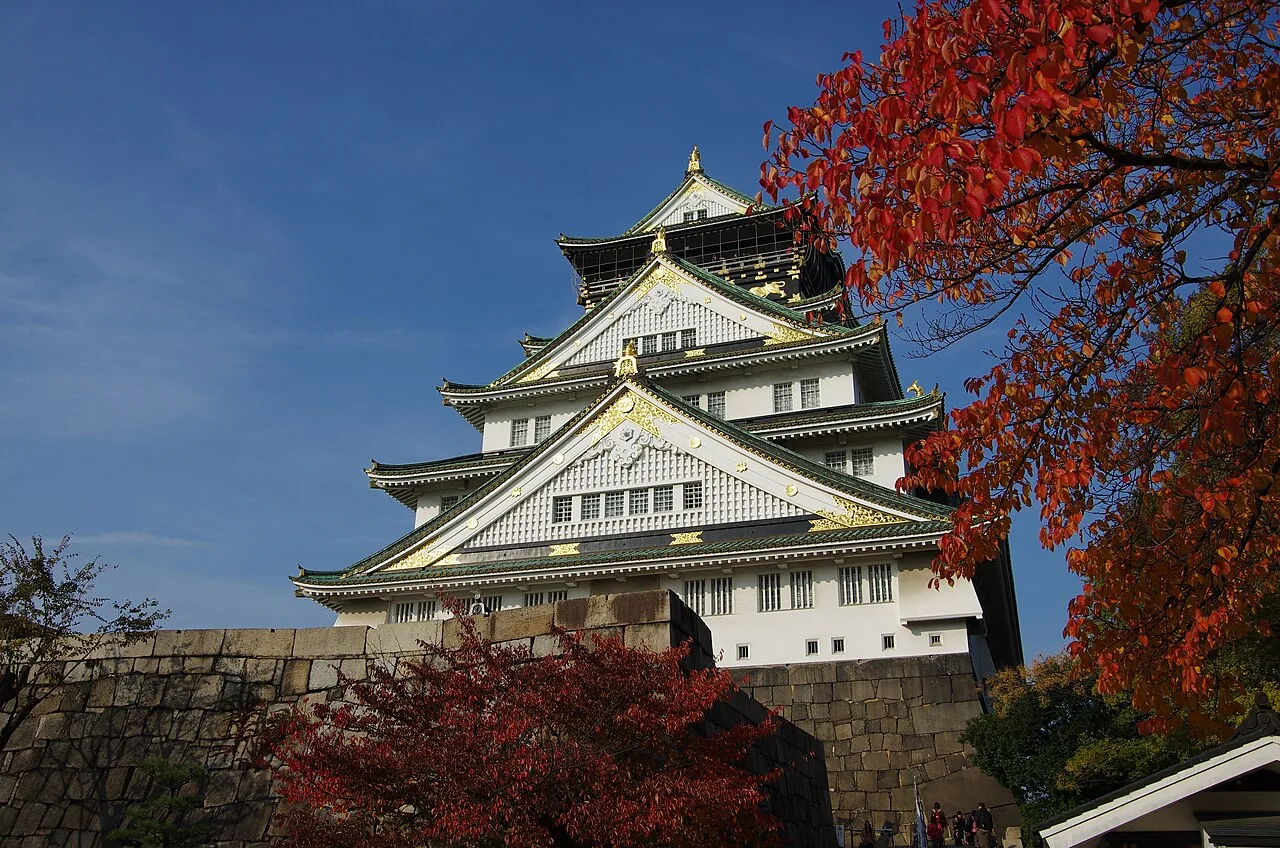
Start near Morinomiya or Osaka-jo-koen and choose what you want from the castle area: the tower interior, Nishinomaru Garden, the moat views or the nearby Museum of History. After lunch, move toward Temmabashi or Nakanoshima for the river and an indoor stop. Save Midosuji for later, walking only the stretch that appeals between Yodoyabashi, Hommachi and Shinsaibashi. The route still works on a poor foliage day because the museum, streets and dinner are substantial parts of it.
Osaka Castle Park covers more ground than it first appears, and a queue at the tower can change your afternoon. If you enter, make that the main paid stop; if you prefer to stay outside, follow the park and moat instead of paying for an interior you will rush through. By 14:00, decide whether Nakanoshima still fits comfortably. A one- or two-kilometre Midosuji walk is enough to see the ginkgo avenue; completing its full length adds distance without improving the view in proportion. The castle-area decision also changes with your interest in the tower. A visitor who wants its museum exhibits must allow for an admission queue and time indoors; someone seeking foliage can keep the route outside, move through the park and continue toward Midosuji later. Decide this before the station exit, because the park is broad and backtracking can consume the afternoon. A cloudier day may make the ginkgo boulevard a better city finish than an extra circuit of castle paths.
Expo ’70 Park: gardens with places to retreat indoors
Expo ’70 Park is a more flexible choice when a group has mixed walking speeds or the weather could change. Its Natural and Cultural Gardens and Japanese Garden sit alongside the Tower of the Sun, Expo ’70 Pavilion and National Museum of Ethnology, with EXPOCITY nearby. That is far more than a quick stop. Give the park half a day at minimum, and check reservations if the Tower of the Sun is part of your plan. With only three hours, choose the Japanese Garden and one indoor attraction rather than tracing the entire park perimeter.
Minoh and Expo both lie north of central Osaka, but that does not make them neighbouring attractions. Combining them means a shortened waterfall walk followed by another journey and more walking in the park. Separate days are more pleasant if you have the time. In unsettled weather, begin at a museum or EXPOCITY and take the garden walk when the rain eases. If conditions stay poor, the indoor visit can stand on its own without forcing a long outdoor circuit.
Daisen Park belongs with Sakai, not northern Osaka
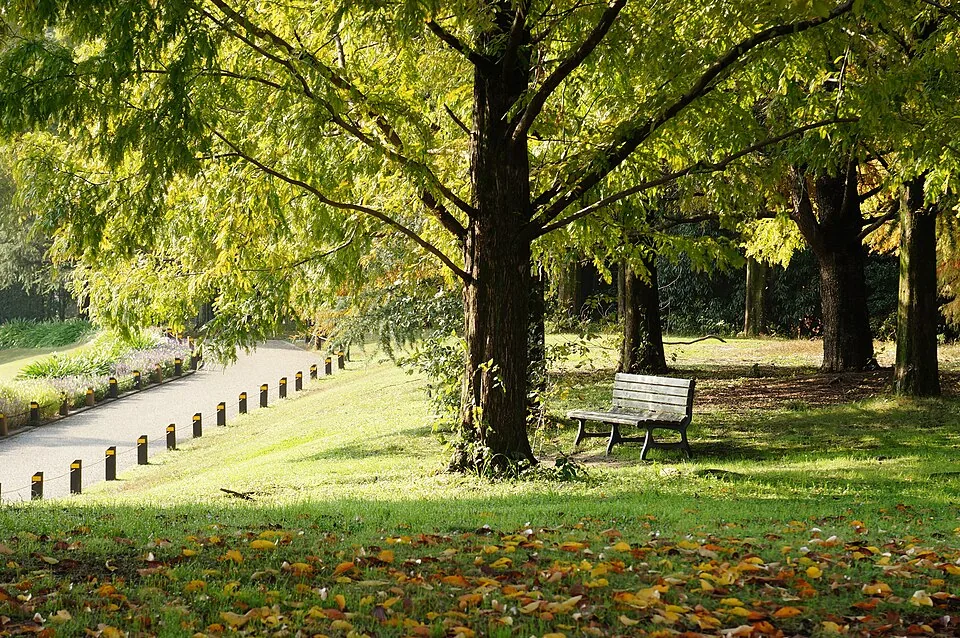
For Daisen Park Japanese Garden, build a southern outing around Sakai and the Mozu tomb area, perhaps adding Sakai City Museum or Tennoji. Namba and Tennoji are practical starting areas. A trip to Minoh or Expo points the other way, so pairing them with Daisen merely because they share a prefecture produces a tiring day. When northern foliage is past its best, a southern route through Daisen, Tennoji or Nagai Botanical Garden can make better use of the season without retracing the city.
Midosuji is the simplest late-autumn addition. Choose a manageable section between Yodoyabashi and Shinsaibashi, then stop for food or explore the surrounding streets. The avenue's ginkgo is yellow rather than maple red; it makes sense beside central Osaka plans, particularly toward the end of the day. If the colour is weak, you still have the architecture and city atmosphere. There is little benefit in cutting a Minoh walk short just to reach this avenue.
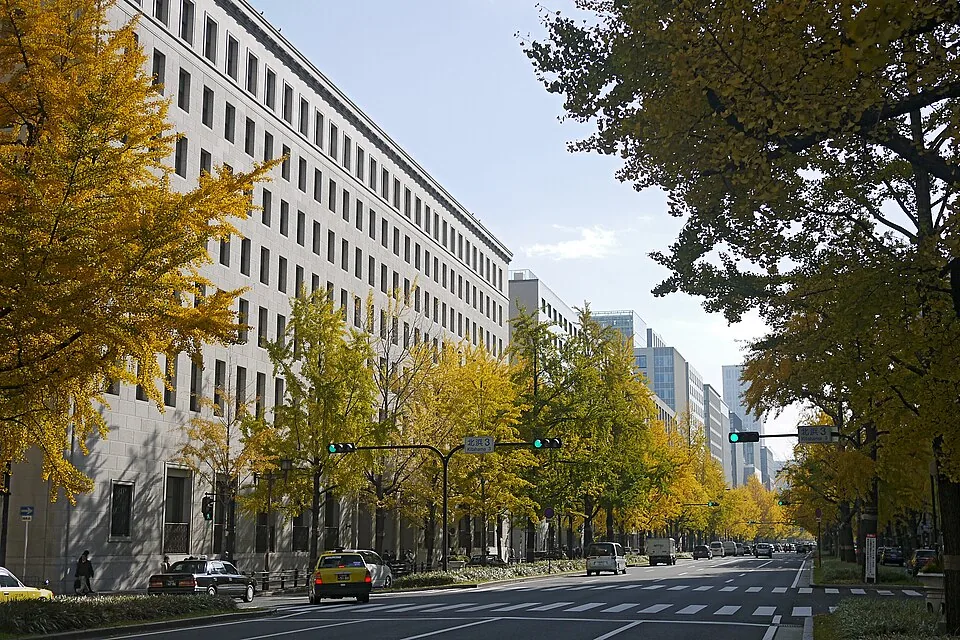
Getting between the routes
These outings use different rail networks. Hankyu serves Minoh, Osaka Metro is useful across the centre, and the Osaka Monorail reaches Expo. A nationwide JR Pass will not cover most of those journeys, so price the specific fares or use an IC card. On a hotel-change day, the central castle and Midosuji route is easier to manage than an early trip into the hills. Leave a large suitcase at your accommodation or a suitable station locker before setting out; it will be a burden on the Minoh path.
Choose a hotel base for the route you will actually take
Umeda works well for Minoh and northern connections, including onward travel toward Kyoto. Namba gives you straightforward access to Midosuji, Sakai and Kansai Airport services; Tennoji suits a southern Osaka or Nara day. Shin-Osaka is useful when the Shinkansen shapes the wider trip, while Kyobashi places the castle and Keihan line within reach. The hotels below illustrate those bases. Check the room and rate for your own dates, particularly if you are travelling during a busy foliage weekend. The best hotel is the one that makes the chosen outing easy twice: departure and the tired return. For Minoh, inspect the actual Hankyu approach from an Umeda room; for Daisen Park, favour a southbound route that does not require crossing town first. A hotel beside a major station is less useful when the relevant operator leaves from another building. Keep a base that also serves the non-foliage days instead of moving rooms for one park.
Hotel Granvia Osaka
Compare Hotel Granvia Osaka rooms for the foliage dates.
Swissôtel Nankai Osaka
Check Swissôtel Nankai Osaka rooms for the Namba-based route.
Osaka Marriott Miyako Hotel
See Osaka Marriott Miyako Hotel rooms before choosing Tennoji as the base.
karaksa hotel grande Shin-Osaka Tower
Compare karaksa Shin-Osaka rooms for the rail-heavy trip.
Hotel Keihan Kyobashi Grande
See Hotel Keihan Kyobashi Grande rooms for the Kyobashi route.
If the Minoh route becomes unsuitable
A wet or closed Minoh path can become an Expo Japanese Garden and museum day, or a castle and Museum of History day. If leaves are still green, concentrate on the cooler northern sites rather than crossing Osaka repeatedly. After a late peak, Midosuji ginkgo and central gardens fit better with architecture and indoor stops. This route change also helps anyone who finds the forest path physically unsuitable, without making a waterfall visit the measure of a successful day.
If several autumn outings start from Osaka Station, compare rooms around that rail hub for the dates you will use it.
Where to Stay
Centara Grand Hotel Osaka: Is the 40m² Family Room Worth It for Four?
Hotel Hankyu RESPIRE OSAKA: Is a 3-Minute Osaka Station Walk Worth the High-Rise Trade-Off?
Mitsui Garden Hotel Osaka Premier Review: Is Nakanoshima Worth the Trade-off?
Related: Nara Autumn Leaves Day Trip: Nara Park, Tanzan Shrine or Hasedera?.
Related: Koyasan Autumn Leaves Guide: Temple Lodging, Morning Prayers and Access from Osaka.
Related guides: Tokyo to Nikko Autumn Leaves: Trains, Passes, Day Trips and Overnight · Osaka Hotels for Kyoto and Kobe Day Trips: When 3–5 Minutes to the Station Matter Twice a Day · Arashiyama Autumn Leaves Day Trip: Morning, Train and Temples · Korankei Autumn Leaves Day Trip: Buses from Nagoya, Illumination and Traffic · Japan Autumn Leaves December: Tokyo, Kyoto, Osaka, Nara and Kyushu · Japan Autumn Leaves Early or Late: 30-, 14- and 7-Day Adjustment Plan · 10-Day Japan Autumn Leaves Itinerary: Regional Routes, Transport and Where to Stay · Mt. Takao Autumn Leaves Day Trip: Cable Car, Trails and Timing · Tokyo Autumn Day Trips Compared: Spider Lilies, Kochia, Oze, Susuki and Onsen · Japan Autumn Leaves Without Changing Hotels: Tokyo, Sendai, Osaka and Fukuoka Bases
Kyoto Autumn Leaves by Elevation: Takao, Kibune and City Sequence
Autumn Leaves Day Trips from Fukuoka: Dazaifu, Akizuki, Raizan or Yabakei?
Tokyo Autumn Leaves Day Trip by Train: Gardens, Ginkgo and Evening Foliage
Yamadera Autumn Leaves Day Trip: Sendai Trains, 1,015 Steps and Hotels
5-Day Hokkaido Autumn Leaves Itinerary: Driving, Public Transport and Where to Stay