
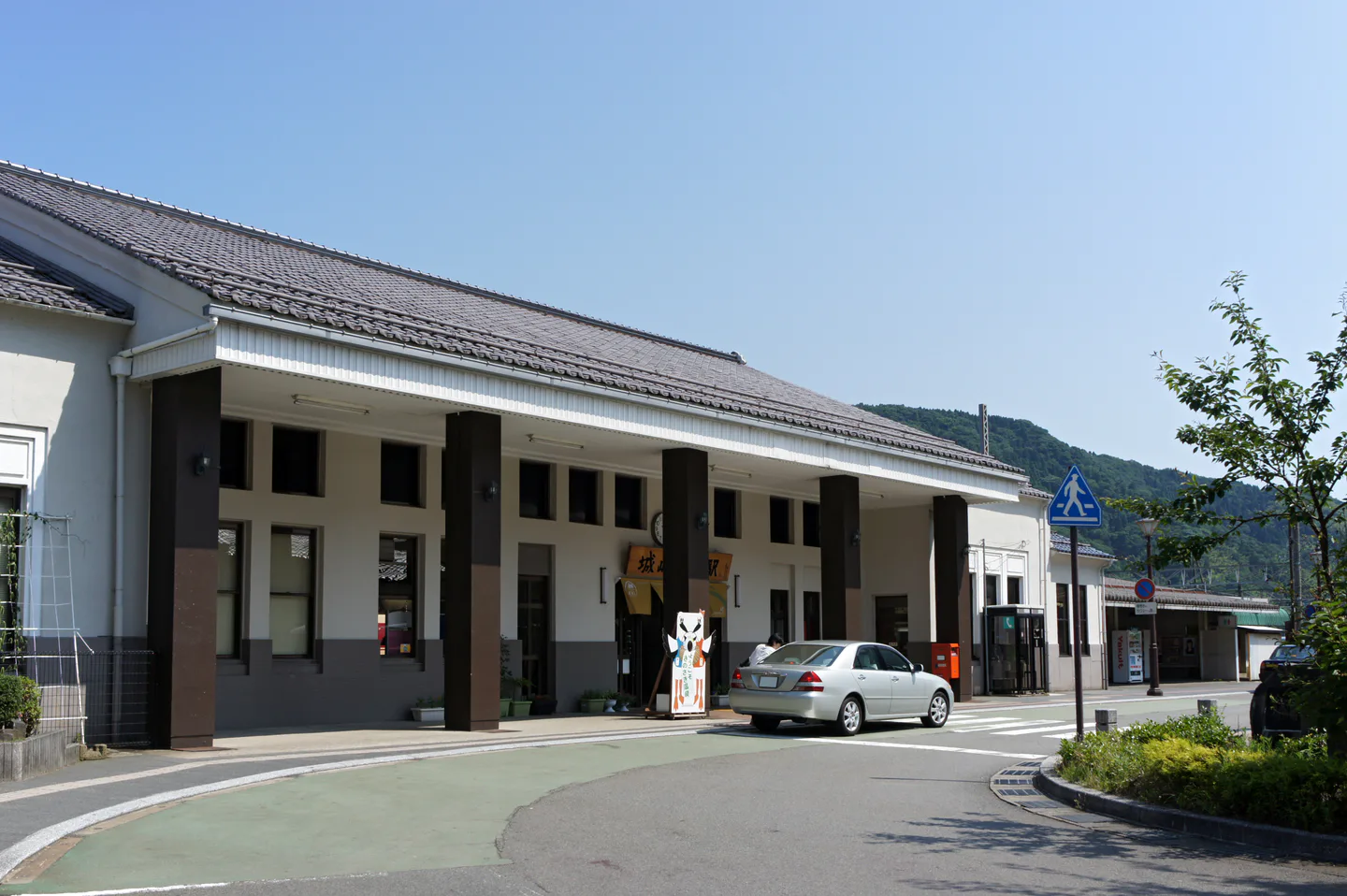
A suitcase can make a one-night Kinosaki stop feel longer than it is. If the hotel after Kinosaki is booked and willing to receive baggage, send the large case there from Kyoto and take a compact overnight bag on the train. When that destination is uncertain, keep the suitcase with you and use the baggage service opposite Kinosaki Onsen Station. The choice depends on where the case can reliably meet you again.
Length of stay changes the answer. A single ryokan night rarely calls for everything in the suitcase; two nights, winter layers or specialist equipment can make access to it worthwhile. Families should weigh how many cases, child bags and strollers they would otherwise handle together. The wider shipping decision is explained in Japan luggage forwarding.
↔ Scroll table left or right
Itinerary | Luggage route | Reason to choose it |
Kyoto, one night in Kinosaki, then a booked hotel in Osaka, Tokyo or Fukuoka | Send the main suitcase to the later hotel | Avoid moving a large case into and out of town for less than a day of use |
Two nights in Kinosaki | Take the case on the train or ship it to the ryokan | Clothing and personal items have more value over a longer stay |
Next hotel still undecided or unable to accept baggage | Keep the case until Kinosaki Station | A clear handover matters more than a tidy shipping plan |
Family with several large pieces and a single ryokan night | Ship bulk; carry the items needed immediately | Fewer cases to handle alongside children and a stroller |
Critical medicine, gear or clothing inside the main bag | Carry those items or repack before shipping | Do not separate the group from something it cannot do without |
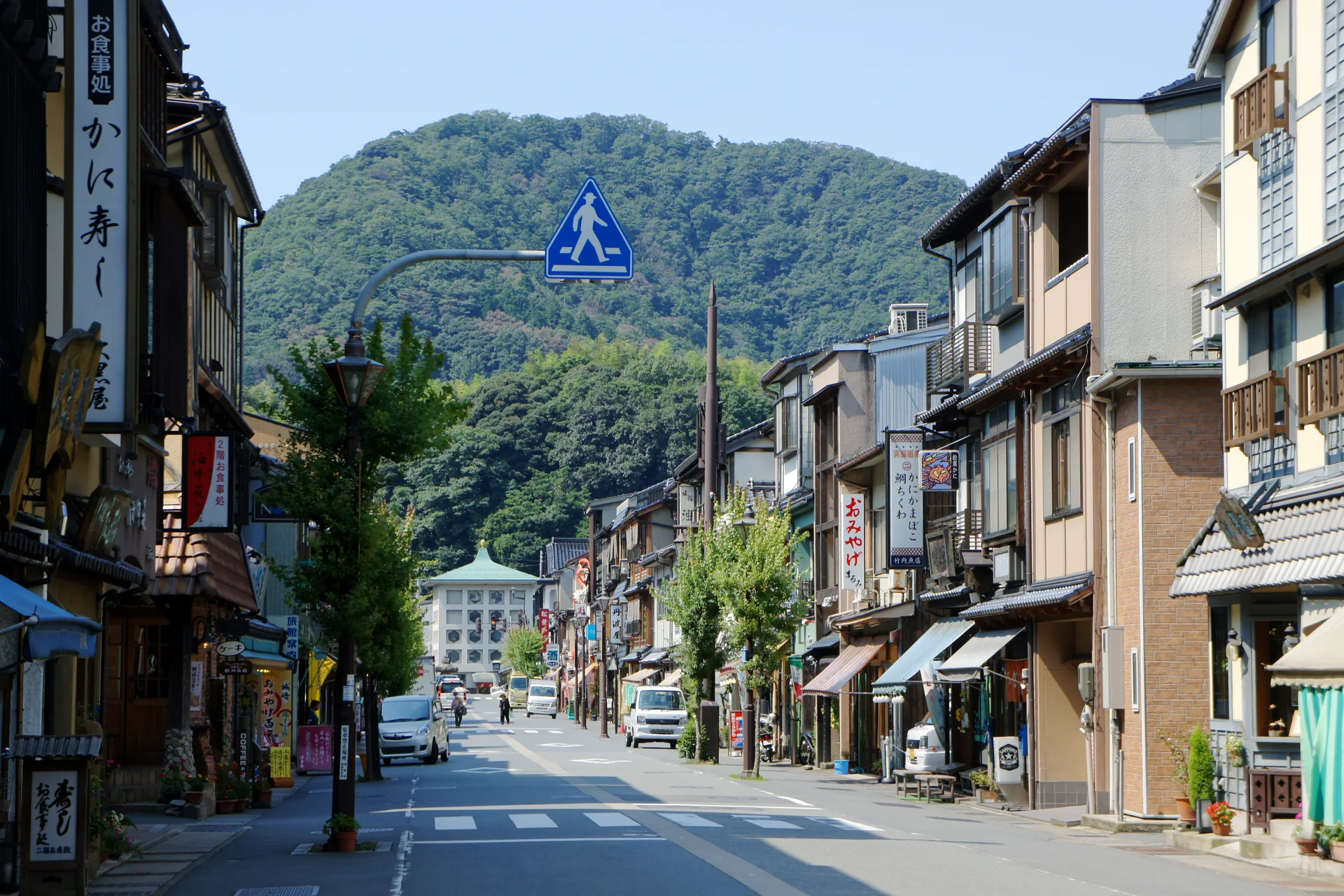
The suitcase has three possible destinations
You can send it beyond Kinosaki, bring it to the station and hand it over locally, or arrange delivery to the ryokan itself. Each puts the weight on a different part of the trip.
Send ahead when Kinosaki is a brief stop
For one night, the most useful shipping destination is often the confirmed hotel after the onsen town. The travellers keep a bag for the ryokan stay while the main case follows the longer itinerary. A Kyoto Station final night before the train is examined in Hotel Granvia Kyoto and a Shinkansen move.
This removes a case from both station transfers, ryokan check-in and checkout. The benefit is greatest when an early evening meal leaves little spare arrival time. Clothing for one night and a bath visit normally takes less space than a full trip wardrobe, provided essentials are packed separately. Compare the meal reservation with Kinosaki ryokan dinner plans.
Keep the case on the train and use the station-area service
Across from Kinosaki Onsen Station, the Ryokan Service Center can hold baggage. It can also take a bag to a participating accommodation when possible, usually for a small fee. Most local lodgings participate, but check your own property. SOZORO offers paid storage without ryokan delivery, and there are station-area coin lockers.
This middle route works when the next hotel has not confirmed receipt, your plans may change, or you want the case available in town. You still carry it on the intercity train, but need not pull it along the onsen streets before your room is ready. Local bath planning is covered in Kinosaki public and private baths.
Deliver to the ryokan when you need the contents
A longer stay, extra cold-weather clothing, medical or work equipment, or a small bag that has grown almost as large as the suitcase may justify sending the case to Kinosaki. For one night, shipping it to the ryokan can mean paying to collect a bag you barely open before moving it again. Use Kinosaki one or two nights.
Confirm with the property that it accepts deliveries, which reservation name belongs on the label and when the shipment may arrive. A carrier’s general delivery service cannot establish an individual inn’s receiving policy.
Kyoto’s same-day service does not cover Kinosaki
Yamato lists next-day delivery from its branches to most of Japan, with several distant regions taking about two days. Its Kyoto same-day baggage service has a narrower map: selected accommodation in Kyoto, Osaka and Kobe city areas. Kinosaki is outside that published same-day area.
A morning handover in Kyoto therefore should not be planned as an afternoon suitcase arrival at a Kinosaki ryokan. Sending the bag beyond a one-night stop gives the delivery more room, while you carry what the stop needs. For a truly same-day route elsewhere, compare Tokyo to Kyoto luggage delivery.
If the onsen night depends on a particular outfit, medicine or device, keep it with you regardless of the shipping destination.
Delivery estimates still need a personal buffer
Yamato gives ¥3,160 as an example for a size-160 item travelling from Kyoto to Tokyo or Fukuoka. That illustrates the scale of a forwarding fee; it is not a Kinosaki quote or a price for every bag size.
Destination, dimensions, service and collection conditions affect the actual charge. Weather, road conditions and heavy parcel volume can also postpone arrival. Ask for the rate and likely arrival date for your own route before handing over the case. Another destination-specific example is Hakata to Yufuin luggage.
Pack the smaller bag for the possibility that the main case reaches the following hotel later than hoped. It should support the onsen stay and the next travel day without requiring immediate reunion with the shipment. The same rule about where a bag rejoins you appears in Tokyo luggage storage.
Check the receiving hotel before filling in the label
A confirmed booking is only the beginning. Ask the next property to clarify these details:
Can it receive baggage before you check in?
What name and booking reference should appear on the shipping label?
Should the label show the delivery date, the guest arrival date or both?
Are there size, timing or payment limits?
Will staff hold the case if it arrives before the guests?
If the hotel cannot give a clear answer, keep the suitcase for the Kyoto–Kinosaki journey. Storage opposite the arrival station is a workable alternative while the onward plan settles. The same destination check matters for Kawaguchiko and Hakone luggage.
Arrival at Kinosaki has its own baggage options
Taking a suitcase onto the train does not mean hauling it to a distant ryokan. The service counter across the station square can hold it or arrange local delivery where available.
Ryokan guests can also use the station-to-accommodation shuttle. It generally runs around 12:30–18:00 in step with limited-express train arrivals, rather than to a simple fixed timetable. Give the ryokan your expected arrival time and ask station staff which shuttle serves it. For Kyoto lodging before departure, see Kyoto versus Osaka as a base.
These routes leave different amounts of handling on arrival:
Sending beyond town avoids carrying the large case on either Kinosaki transfer.
Using the Ryokan Service Center keeps you in control on the train and reduces the walk to the inn.
Taking the bag directly to the room avoids another counter, though wet, snowy or crowded streets can make a long walk tiring.
The station counter makes carrying a sensible fallback when sending the case to the next city would introduce more uncertainty than it removes.
Dinner time is a constraint on the arrival plan
Many Kinosaki ryokans serve dinner around 18:00. The local ryokan guidance recommends reaching town before check-in when possible and telling the property when to expect you. A particular meal plan may set a stricter last-arrival time.
A late-afternoon train leaves little room for queues, a baggage form and a long walk. Confirm the dinner deadline first, then decide whether to send, store or carry the suitcase. The value of an early bath depends on the remaining time too.
If dinner is included, use the train arrival and luggage arrangement together when assessing whether that meal plan works.
The meal-plan comparison in ryokan dinner guide
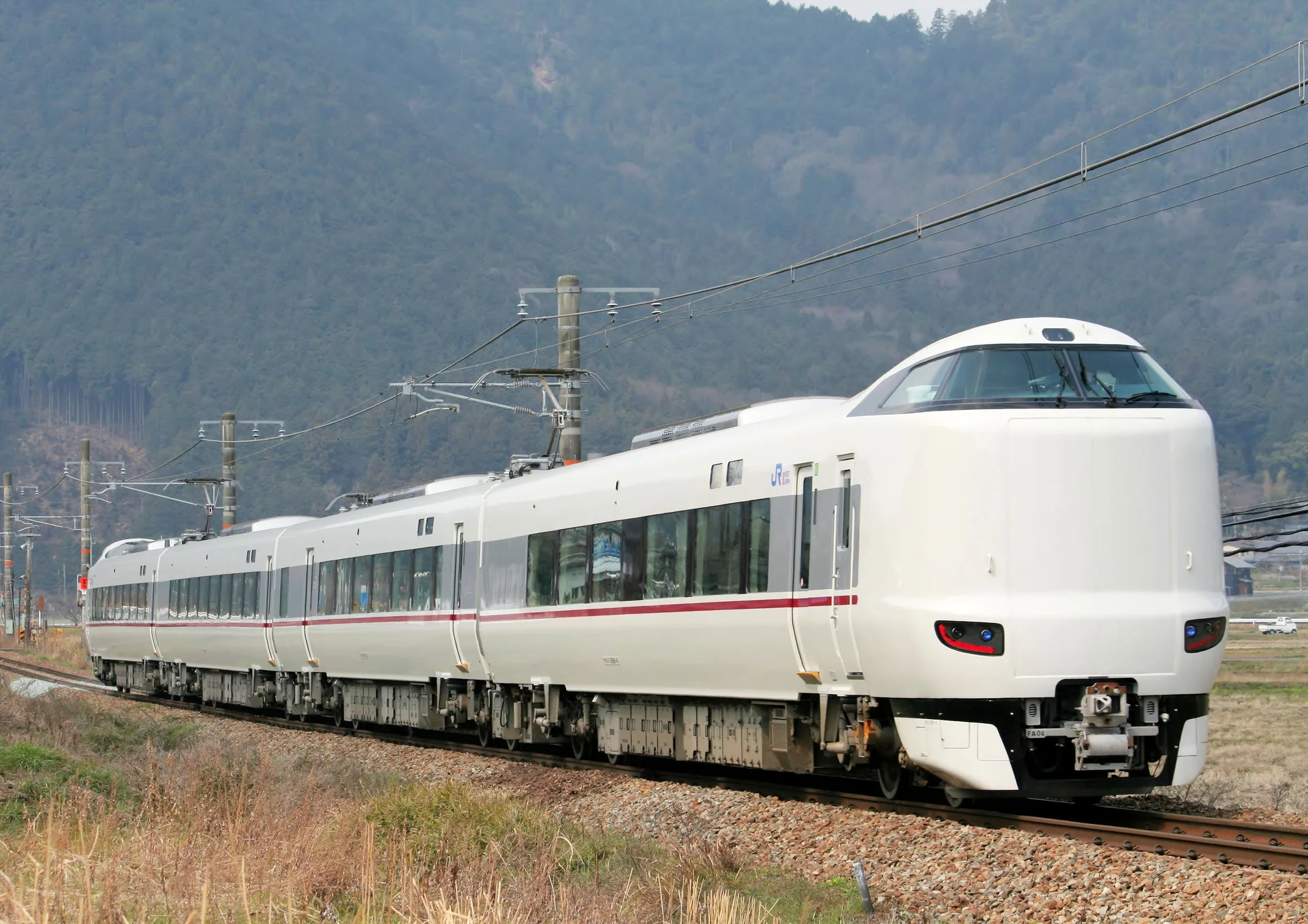
Why a second night changes the calculation
For one night, sending the case onward usually removes more handling than it creates. You would otherwise take a full suitcase into and out of town for a short period of access.
Over two nights, the contents matter more. Children’s spare clothes, additional medication, work items and seasonal layers can turn a nominal overnight bag into a second bulky case. At that point, carrying or shipping the original suitcase to Kinosaki may be simpler.
The useful test is the size of the bag you would still take on the train:
If the bag left after sending the suitcase is still awkward to manage through a large station, bring the full case to Kinosaki or arrange delivery to the ryokan. The smaller bag should actually make the transfer easier.
That is a comfort judgement, not a railway baggage limit. A plan that leaves you carrying nearly as much as before has lost the point of forwarding.
Decide the stay length with one-night versus two-night stay
Families should separate bulk from essentials
One adult with one case may manage the station transfer easily. Two cases, a stroller, children’s bags and tired children change the equation. Sending the large pieces ahead can leave the adults free to handle the people and the smaller bags.
Keep medicines, travel documents, chargers, a weather layer, comfort items and a clean change of clothes for each child with the group. A delayed case should not remove every backup outfit or the items needed overnight.
Ship the weight that can wait. Anything needed to reach the next accommodation safely and comfortably stays in the travelling bag.
Packing for an onsen night and the next morning
Passport, wallet and anything valuable
Medication and medical devices
Phone charger and power bank
A complete change of clothing, underwear and sleep essentials
A suitable outer layer for the season
Glasses, contact lenses and hard-to-replace toiletries
Anything required for a reserved train or activity the next morning
Many inns provide a yukata and bathing supplies, but amenities vary by property. Check what your booking includes and read the onsen bathing guide before adding duplicate gear to the small bag. onsen bathing guide
Checkout may require another handover
Ask the ryokan about after-checkout storage and help with onward shipping. Some properties may return a guest’s luggage toward the station area, but that is an individual service, not a promise for every Kinosaki accommodation. A similar checkout problem appears on Hakone and Kawaguchiko luggage. Longer transit-heavy routes bring a similar choice in the Tateyama traverse baggage plan.
A short message to the ryokan can settle whether it will:
Store the suitcase after checkout
Return it toward the station area
Arrange delivery to the following hotel
Set a collection deadline that could overlap with your morning bath or sightseeing
A late checkout-day train may make storage more valuable than delivery on the arrival day. Confirm the morning arrangement before deciding that forwarding from Kyoto is necessary. Check the next city stay with Kyoto or Osaka hotel base.
When the suitcase should stay with you
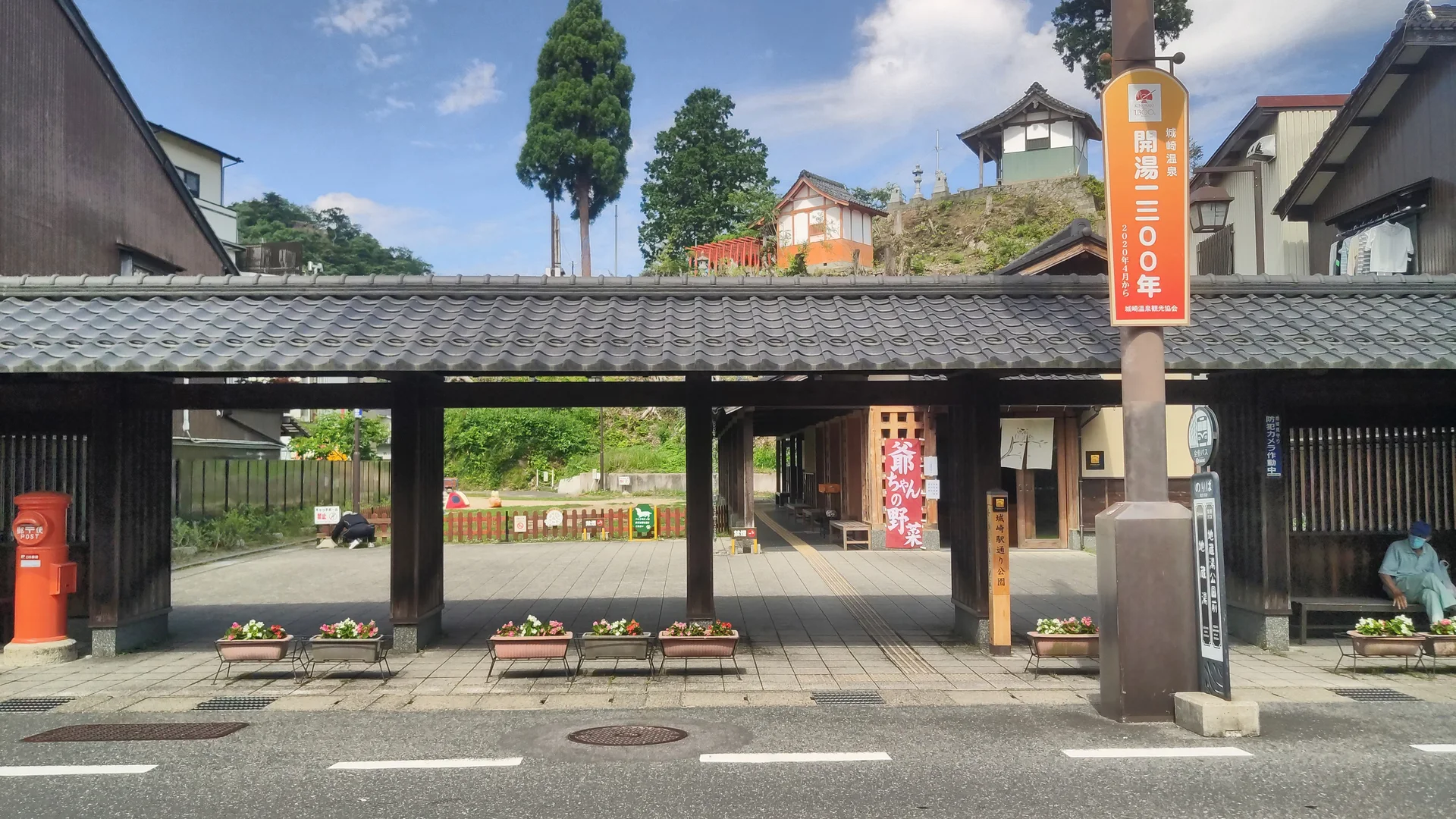
Carrying is reasonable under any of these conditions:
The next property has not agreed to receive a parcel
The itinerary after Kinosaki may change
You need medicine, equipment or clothes from the case
A two-night stay would make the smaller bag bulky
The promised delivery timing leaves too little margin
Your luggage is light enough that the train transfer is easy
Control over the contents is useful when a delivery destination, timing or essential item is unresolved. In that situation, the station-area counter reduces the local burden without depending on an uncertain onward shipment.
When sending the case beyond town pays off
Forwarding has the clearest benefit when these conditions line up:
Kinosaki is a one-night stop
The following hotel is booked and accepts deliveries
The group can manage from a compact bag for an extra night if necessary
Several large pieces, children or limited mobility make transfers difficult
The ryokan dinner fixes an early arrival target
The next hotel can hold the case until you arrive
The shipment should have a settled place to wait. It should not have to chase a changing hotel plan. The general decision is in Japan luggage forwarding.
A booking order that prevents luggage mistakes
Choose one or two nights in Kinosaki and settle any ryokan dinner deadline.
Book the next hotel before addressing a shipment to it.
Ask that hotel to confirm the label details and its receiving policy.
Pack the bag you will keep for a possible delivery delay.
If forwarding still works, send the case beyond Kinosaki; otherwise carry it to the station and use local storage.
Set the human route first: length of Kinosaki stay, dinner arrival and the following hotel. Only then decide where to address the suitcase. If Kyoto is only the start of a longer route, see Osaka three-to-five-day itinerary. The number of hotel changes is central to the seven-day Japan one-base comparison.
A workable choice for each itinerary
For a one-night stop with a confirmed receiving hotel, send the large case beyond Kinosaki and carry enough for the ryokan night plus a delay. This leaves the afternoon free for check-in and bathing before dinner.
If that hotel cannot receive baggage or the onward route is unsettled, take the case to Kinosaki Onsen Station. The Ryokan Service Center, SOZORO and lockers give you ways to explore before check-in. For two nights, weigh those options against direct delivery to your ryokan.
The decision is complete only when the bag has both a realistic handover point and a reliable place to rejoin you. A Kansai trip that avoids another hotel move is set out in the one-hotel seven-day route.
Kinosaki decisions tied to this journey
Kinosaki Onsen: 1 Night or 2 Nights? · Kinosaki Private Bath vs Public Baths · Kinosaki Ryokan Dinner Included vs Room Only
Planning the next hotel and train
Japan Luggage Forwarding Guide · Kyoto vs Osaka
Service details for this route
The station luggage counter and shuttle arrangements are described in the Kinosaki ryokan guidance; the separate Kinosaki baggage information covers SOZORO and lockers. Yamato’s Kyoto baggage page lists the same-day area and a sample next-day fee. Ask the carrier and both hotels about your own dates and bag size. Kinosaki ryokan guidance Kinosaki baggage information Yamato Kyoto baggage page
Related guides: Tokyo to Kyoto or Osaka Same-Day Luggage Delivery: Is It Worth ¥13,200? · Luggage Forwarding for Kawaguchiko and Hakone: What Actually Works · Hakata to Yufuin Luggage Forwarding: Hita and Beppu Options · Best Place for a First Japan Autumn Trip: Tokyo, Kyoto, Hokkaido or Tohoku? · Japan’s 100 Famous Castles No.7: Taga Castle — The South Gate Is Open, but Old Stamp Guides Can Still Send You Wrong · Kyoto Autumn Illumination 2026: Temples, Tickets, Transport and Hotels · Best Japan eSIM for Tokyo, Osaka and Kyoto: Data and Hotspots · Japan April Weather Is Not One Spring: Kyoto Warms Fast, Sapporo Stays Cold, Okinawa Runs Warm · Hotel Emion Sapporo vs Keio Prelia Hotel Sapporo: Which Works Better with Snow and Large Luggage? · Osaka Itinerary: 3, 4 or 5 Days — When to Add USJ, Kyoto or Kobe
Other Japan journeys and stays
Kyoto Autumn Leaves Guide: Timing Map from Mountains to City
Sapporo Concert Hotels: PREMIST DOME, Makomanai and Zepp Send You Home on Different Routes
Hotel Gracery Sapporo vs Hotel Emion Sapporo: Winter Luggage, Bath or Shorter Walk?
Osaka Budget Itinerary: 7 Days With USJ, Kyoto, Nara and Kobe — Without Buying Every Pass
Japan Autumn Leaves Late November: Kyoto, Tokyo, Nara, Miyajima and Kyushu
A ryokan near Kinosaki Onsen Station or the canal changes how far you need to carry a bag after the train. Compare Kinosaki accommodation by location and confirm its luggage acceptance window before sending anything ahead.