
The best Kansai Airport transfer ends near your Osaka hotel, not at the station with the shortest advertised ride. A Nankai Namba address points to Nankai; Tennoji, JR Osaka Station and Shin-Osaka usually point to JR. Around Umeda, a limousine bus may spare a difficult suitcase walk if its actual stop is close to the room. Start with the hotel entrance and the terminal you use, then compare the complete chains.
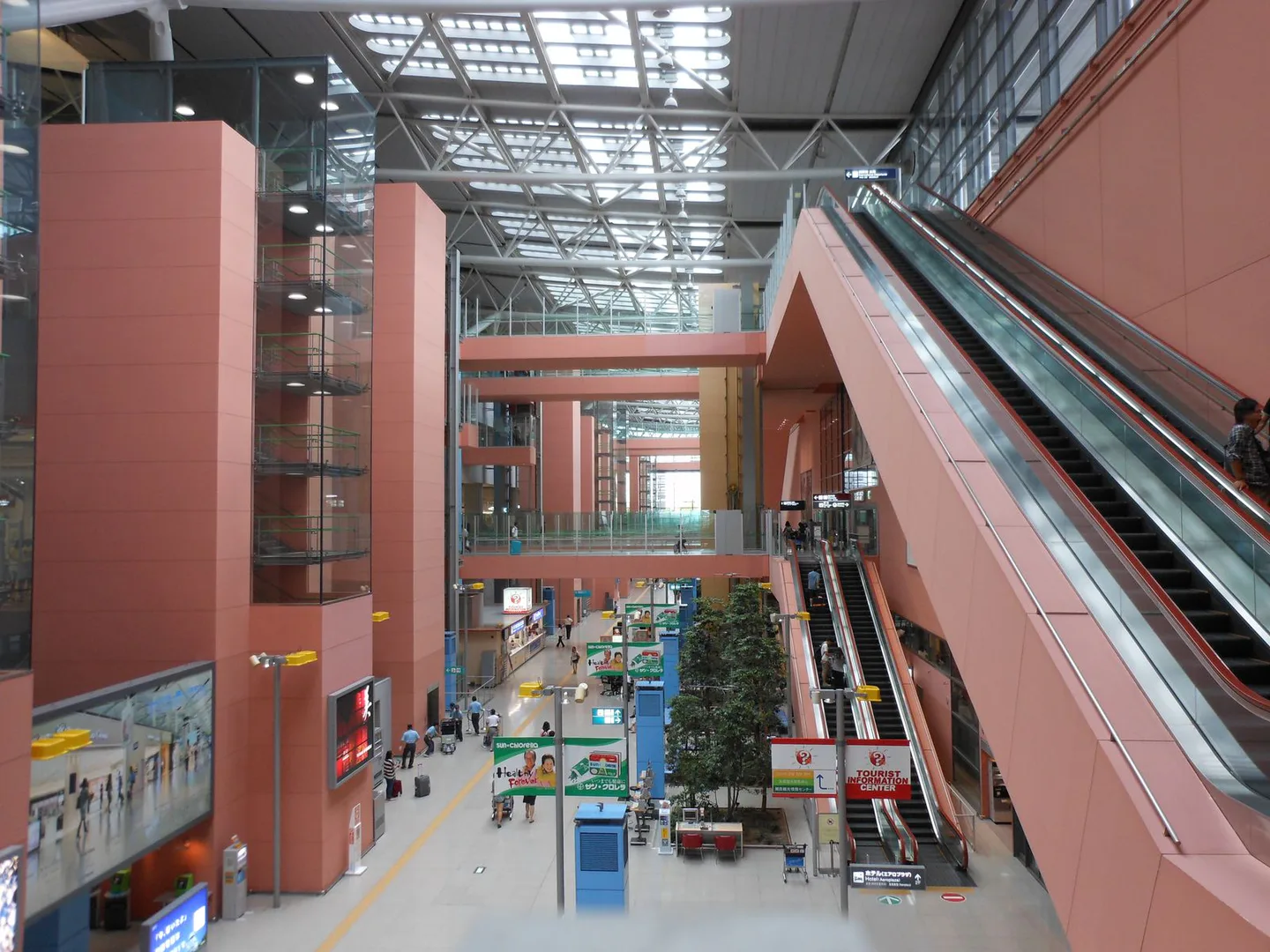
Rapi:t can cover KIX–Nankai Namba in 34 minutes, but that figure says nothing about a hotel near JR Namba or OCAT. A Terminal 2 arrival must reach the Terminal 1/Aeroplaza station side before boarding rail. The useful clock also begins after immigration, luggage and customs rather than at touchdown. See late-flight hotel planning.
↔ Scroll table left or right
Osaka hotel location | Start by checking | Why | What could reverse it |
Nankai or south-east Namba | Rapi:t and Airport Express | Nankai ends on the hotel side | The room is closer to OCAT or JR Namba |
JR Namba / OCAT | OCAT bus against Nankai | A direct road arrival can remove the suitcase crossing | Traffic risk matters more than that walk |
Tennoji | HARUKA or another direct JR service | No useful Namba detour | The exact hotel entrance favours another stop |
At JR Osaka Station | HARUKA | Rail arrives at the station used for the hotel | A bus stop is markedly closer to the room |
Elsewhere in Umeda | HARUKA against the relevant bus departure | The stop and hotel door decide | A fixed appointment makes road delay costly |
Shin-Osaka | HARUKA | Direct arrival supports a next-day Shinkansen | The room is not really near Shin-Osaka |
Terminal 2, late | Complete rail and bus chains | Shuttle and last departures change the calculation | A T2 bus serves the right hotel stop directly |
Measure the whole arrival, including the last walk
A route-and-hotel comparison can weigh last-service slack at 30%, the arrival stop’s fit with the hotel door at 25%, luggage transfers at 20%, the next morning’s departure at 15%, and the number of fallback options at 10%. These are planning weights, not published railway performance ratings; alter them if your trip has a hard appointment or little luggage.
↔ Scroll table left or right
KIX route plus hotel | Planning score | Main advantage | Weakness |
Nankai-side Namba with direct Nankai train | 9.2/10 | Few changes and strong door fit | A JR Namba/OCAT-side room |
JR Osaka Station room by HARUKA | 9.4/10 | Direct, predictable rail and onward positioning | A much easier bus-stop approach to the room |
JR Namba/OCAT room by OCAT bus | 8.8/10 | No cross-Namba suitcase walk | Road delay at a fixed arrival deadline |
Umeda room beside a daytime bus stop | 8.8/10 | The bus can finish nearer the hotel | The departure may skip that stop |
00:15 T1 bus toward Hankyu Sanbangai | 7.2/10 | Umeda remains reachable after midnight | One narrow cashless option and no Herbis stop |
Same rail route, arriving at Terminal 2 | −0.8 point adjustment | The rail line itself is unchanged | Shuttle adds 7–9 minutes and another hand-off |
A more useful time calculation is: landside-ready time + Terminal 2 access when needed + wait for the next usable departure + vehicle ride + the final transfer or walk. A train that is fast between named stations can still deliver a slower hotel arrival.
The comparison assigns an otherwise identical Terminal 2 rail itinerary a 0.8-point disadvantage for the extra shuttle and vehicle hand-off. It does not say that rail is wrong from T2; the hotel-side bus stop and actual departure time still decide.
The two Namba arrivals are far enough apart to change the answer
Nankai lists a 34-minute minimum for Limited Express Rapi:t to Namba and roughly 45 minutes for Airport Express. Rapi:t needs its limited-express ticket and gives a reserved seat; Airport Express uses the regular fare. Compare the departure you can actually catch, not just those headline running times.
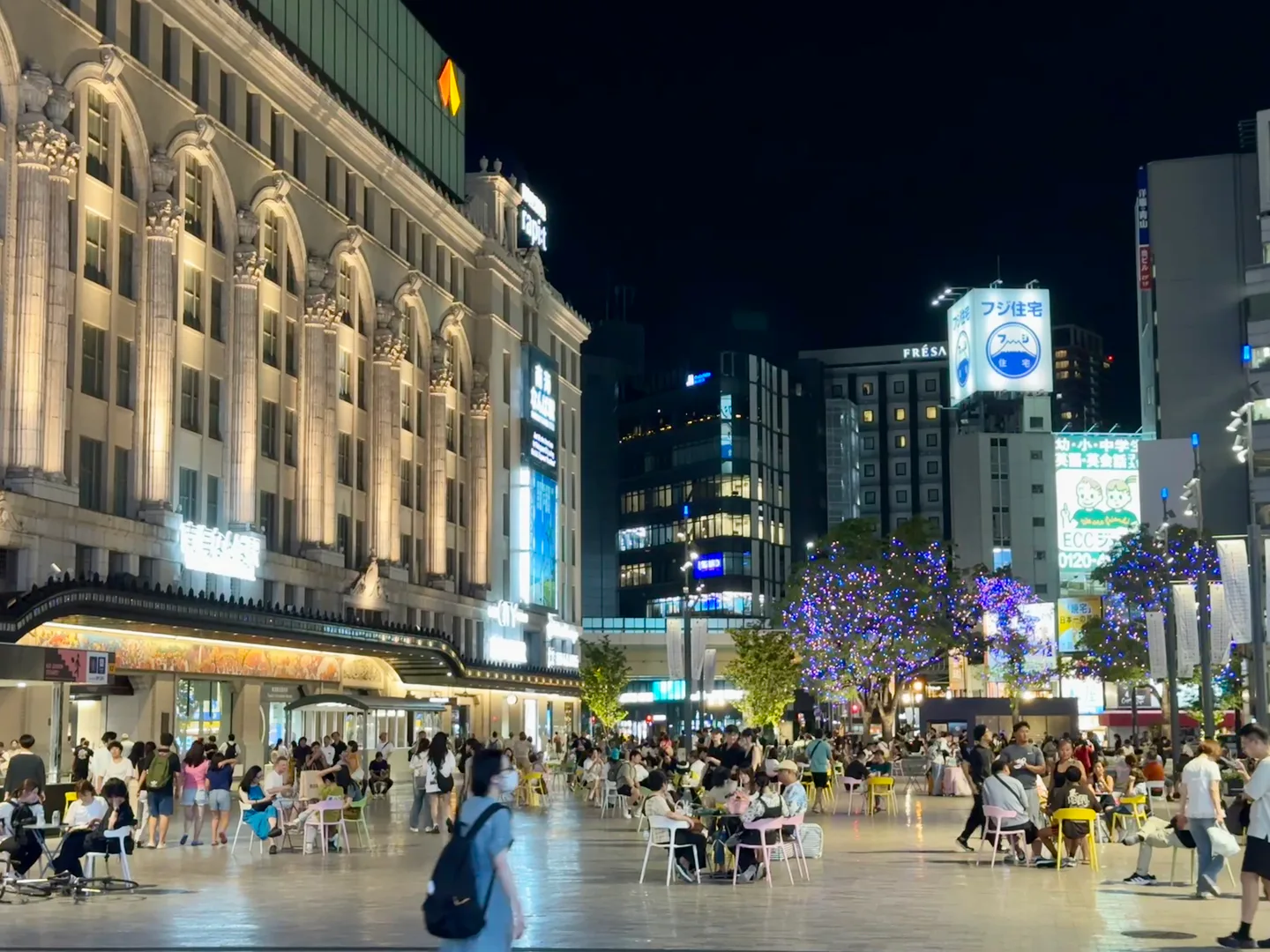
A room at or immediately beside Nankai Namba makes the direct train particularly clean. Swissôtel Nankai Osaka is the clearest example: the station connection removes a separate cross-district arrival leg. See Swissôtel Nankai Osaka. See the Swissôtel Nankai location review.
For a hotel toward JR Namba and OCAT, the limousine bus deserves a look. The Terminal 1–OCAT run is around 50 minutes and the current adult fare is ¥1,400. It may save a walk with heavy cases even though the road leg takes longer than Rapi:t’s shortest run. See Namba hotels for families.
Pin three exact points on the map: your hotel door, Nankai Namba and OCAT. “Namba” on the booking screen does not tell you which airport arrival is easier. Road delay matters, so a tightly timed commitment can favour rail despite a longer final walk.
The district decision comes before the airport ticket. A cheap transfer should not choose the neighbourhood for four hotel nights; compare Namba and Umeda against the activities and later departures first. See Namba vs Umeda. See Namba versus Umeda.
For a Nankai-side stay, check the Rapi:t timetable and the Airport Express departure that follows it before paying the reserved-seat supplement. See Nankai rail access and train types.
Rapi:t and Airport Express are different waits as well as different rides
The fastest stated runs differ by about eleven minutes, but Rapi:t also buys a reserved seat and a more predictable place for a case. That can matter at a busy arrival time or with a family carrying several bags. Airport Express is more attractive in daylight with light luggage and a preference for the simpler, lower fare. See Swissôtel versus Royal Classic.
If an Airport Express is about to leave and the next Rapi:t is some way off, the cheaper train may reach the hotel first. Conversely, a near-immediate Rapi:t departure can make the supplement more persuasive. Compare the station departure board after clearing the terminal.
There is no single Rapi:t score for every Namba booking. The exact side of Namba, the party’s bags and the next train all affect whether the premium helps.
Umeda: compare JR Osaka Station with the bus stop by your hotel
HARUKA serves Osaka and Shin-Osaka directly. The WEST QR HARUKA one-way fare for eligible visitors is ¥1,800 to either station through October 31, 2026, and ¥1,900 from November 1; the QR product’s conditions matter. A station-connected hotel can turn that direct rail arrival into a short final walk. See WEST QR HARUKA fare conditions.
The ordinary airport limousine bus to the Osaka Station area costs ¥1,800 for an adult. Terminal 1 to the Hankyu Sanbangai stop is roughly an hour, but Umeda routes have several stopping patterns, including Herbis Osaka and some hotel-area stops. Check whether the departure you can catch actually stops by your hotel.
Hotel Granvia Osaka strongly favours the JR side because it sits at Osaka Station. A room whose simplest suitcase approach begins at a bus stop can favour the road route instead, especially with children, older relatives or two large cases. Compare the particular hotel entrance rather than treating “Umeda” as one arrival point. See Hotel Granvia Osaka. See Hotel Granvia Osaka.
Traffic is the bus’s drawback. A fixed booking soon after landing makes JR’s more predictable line-haul attractive; for an unhurried hotel check-in with heavy luggage, a direct bus stop may be easier. See three Osaka Station hotels.
For a Tennoji, Osaka or Shin-Osaka hotel, compare the current HARUKA product and its eligibility before buying; the QR fare changes on November 1, 2026. See WEST QR HARUKA conditions and fares.
Tennoji and Shin-Osaka have direct JR reasons to skip Namba
For the WEST QR HARUKA one-way ticket, the eligible-visitor fare to Tennoji is ¥1,300 through October 31, 2026, then ¥1,600 from November 1. Osaka and Shin-Osaka move from ¥1,800 to ¥1,900 on the same date. Other HARUKA ticket products can have different terms, so confirm which fare the purchase screen quotes.
A Tennoji hotel gains nothing from detouring through Nankai Namba merely because Rapi:t is prominent in airport advertising. Shin-Osaka is an especially logical rail arrival when a Shinkansen leaves the following morning. See an early Shin-Osaka departure.
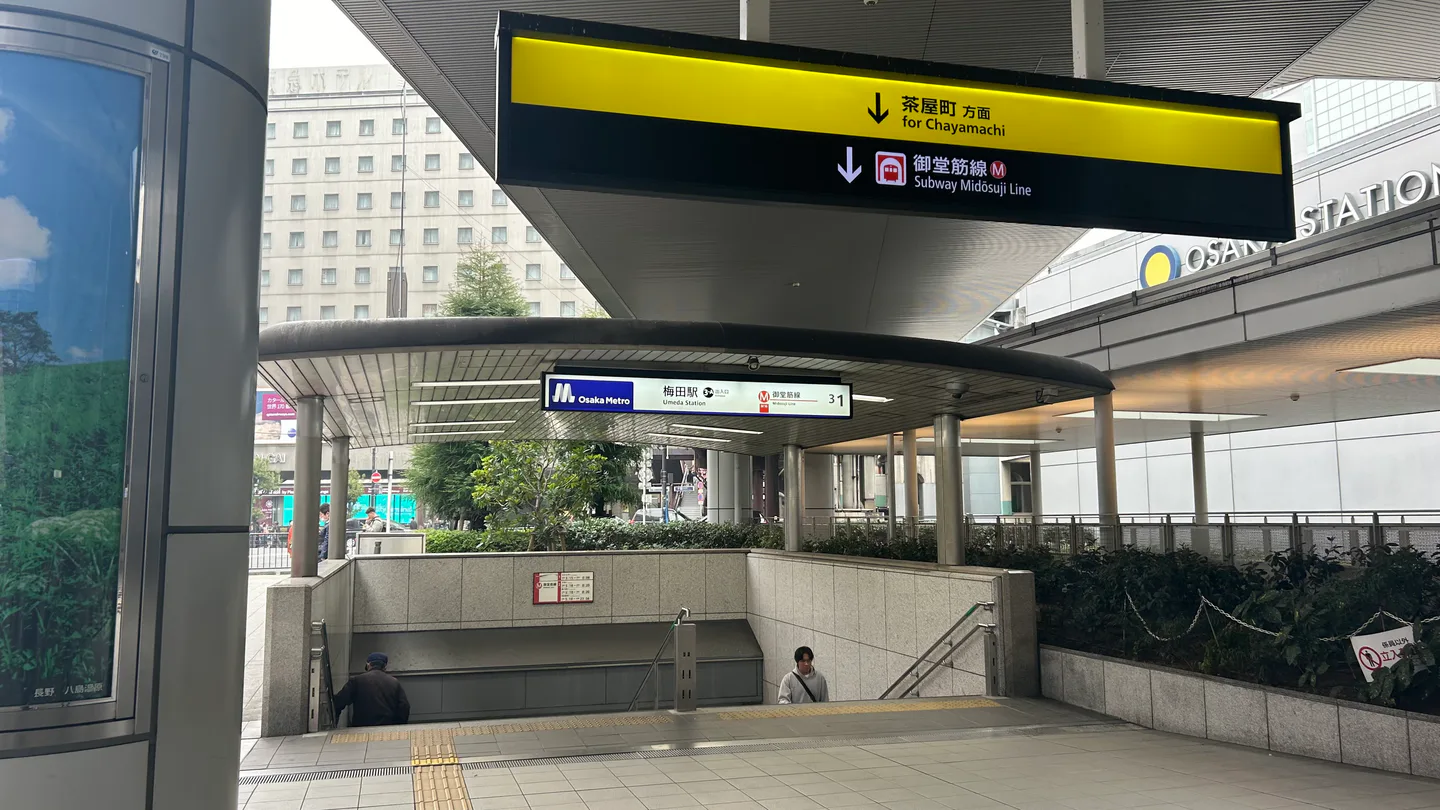
The hotel may still be on an inconvenient side of a large station. Locate its door and the railway exit, then decide whether a direct service truly avoids a further transfer. See a Shin-Osaka station walk.
Terminal 2 changes the rail starting point
Kansai Airport Station is on the Terminal 1/Aeroplaza side. The free Terminal 2–Aeroplaza shuttle takes about 7–9 minutes of vehicle time; waiting, walking and finding the platform add more. Include this stage before evaluating a last train. See Terminal 2 access.
A Terminal 2 rail arrival contains these separate steps:
↔ Scroll table left or right
Stage | Why it affects hotel arrival |
Immigration, bags and customs | The useful departure clock starts after these variable steps |
Free T2–Aeroplaza shuttle | A separate vehicle with about 7–9 minutes on board |
Walk to Kansai Airport Station | The rail platform is beyond the shuttle stop |
Wait for usable train | Missing one departure can outweigh a faster line-haul |
Final Osaka stop to hotel | This walk or transfer can decide the best route |
A direct bus from Terminal 2 can sometimes remove that initial shuttle, but its departure and final Osaka stop must match the trip. Compare both full routes rather than assuming the advertised train time begins at the aircraft door.
After midnight, the Umeda bus has a narrow use case
The late Osaka Station-area service currently departs Terminal 2 at 00:02 and Terminal 1 at 00:15, then takes about 60 minutes toward Hankyu Sanbangai. It does not stop at Herbis Osaka. Adult fare is ¥2,700, child fare ¥1,350, and payment is cashless; an ordinary ¥1,800 ticket is insufficient unless the difference is paid. See the late-service notice.
That stop pattern matters to a late Umeda booking. A hotel convenient to Herbis can still be awkward from Hankyu Sanbangai with luggage. Check the remaining walk and how to reach the hotel after midnight before treating the bus as a rescue route. See a late-flight Namba hotel comparison.
Namba has a different late-night limit: the dedicated Nankai Namba midnight bus remains suspended. The ordinary OCAT service has a finite last departure; its published Terminal 1 trip at 21:25 reaches OCAT about 22:15. Do not infer a Namba overnight bus from the Umeda timetable. See the suspended Namba night-bus notice.
For an arrival near the end of service, identify the last two usable departures and a fallback. If a missed connection leaves no public transport, consider a different first-night hotel, another transfer mode or a larger buffer instead of optimising only the fare. A Terminal 2 shuttle and baggage delay can consume the last-service margin.
Bags turn a station transfer into more than a fare difference
A solo traveller with a small case can move between trains more easily than a family with a stroller and several large bags. Every interchange adds a vehicle hand-off, a search for lifts or escalators, and a route through a large station. See Osaka hotel areas for children.
Count handling events, the lift route through a large interchange and the walk from the final stop. If one option removes two of those three burdens, a modest fare premium may be justified. On a late arrival, also decide how you would recover from a missed departure.
Hotel Royal Classic Osaka and other Namba family hotels can sit on a different side of the district from Swissôtel. A comparison with OMO7 Osaka or Centara Grand makes the same point: the room’s exact position changes the best airport stop. See Hotel Royal Classic Osaka. See Hotel Royal Classic access.
Five map errors that waste arrival time
Buying Rapi:t to reach an Umeda hotel because its 34-minute airport run sounds fastest: that clock stops at Nankai Namba, leaving an Osaka transfer.
Using a tempting JR fare for a room beside Nankai Namba: it can send you past the easiest arrival point and back with your luggage.
Assuming every Namba hotel is close to Nankai Namba: JR Namba and OCAT can make a bus arrival much shorter on foot.
Omitting the Terminal 2 shuttle: rail begins only after the Aeroplaza transfer and the walk to the platform.
Using aircraft landing time for the last-service check: immigration, baggage and customs decide when you can reach a train or bus.
The return trip needs more margin See airport-night hotel timing.
On arrival, a 15-minute miscalculation may only delay check-in; on departure, it can consume flight margin. Work back from the time you need inside the correct terminal, adding the hotel-to-station walk, vehicle wait, rail or road ride and airport procedures.
A Terminal 2 flight adds the Aeroplaza shuttle after the train. Its 7–9 minute vehicle run is only one part of the transfer, so allow for the wait and terminal walk as well.
If the trip also uses Kyoto, choose the overnight city by the whole itinerary. A convenient KIX arrival is one factor, not a reason by itself to commute between Osaka and Kyoto every day. See Kyoto vs Osaka. See Kyoto versus Osaka for a first trip.
The airport route to book See Osaka base by final stop.
Nankai-side Namba: take the useful Nankai departure, paying for Rapi:t when its seat or immediate timing helps. OCAT-side Namba: compare the direct bus with Nankai and the final walk. Tennoji, JR Osaka Station and Shin-Osaka: start with JR. Umeda away from JR: test the bus stop beside the hotel. Terminal 2 and very late arrivals need the complete terminal and last-service calculation.
Where total fares are similar, the option that avoids the difficult final transfer often brings you to the room first. Check the actual day’s timetable again before buying a restricted ticket. See an Osaka five-day route.
Osaka airport and hotel planning
Namba and Umeda offer different airport arrival points and different sightseeing bases.
A station-connected Nankai Namba room can remove the suitcase transfer.
Kyoto and Osaka should be compared as whole-trip bases.
Transfer and hotel booking links See rooms around Nankai Namba. See rooms around JR Osaka Station.
For current rail running times, use the Nankai access and timetable page. The train you can board after clearing arrivals matters more than a minimum run.
The WEST QR HARUKA ticket page distinguishes the October and November 2026 prices and product conditions. See JR-West: HARUKA One-way Ticket destinations, eligibility and current prices.
The OCAT route timetable gives the adult fare, stops and last ordinary bus to the Namba side. See Kansai Airport Transportation: Namba OCAT timetable, travel time and fares.
The Umeda route timetable shows which daytime departures serve each Osaka Station-area stop. See Kansai Airport Transportation: Osaka Station / Umeda timetable and fares.
The special late-night Umeda notice lists its 00:02/00:15 departures, cashless payment and different fare. See Kansai Airport Transportation: current late-night Osaka Station bus conditions.
The airport Terminal 2 access page explains the shuttle connection to Aeroplaza and rail. See Kansai International Airport: Terminal 2 shuttle information.
Fares and departures in this guide describe the October 2026 timetable. Recheck them for the actual travel day, especially around the November HARUKA QR fare change.
Related guides: Kanayama Castle: The Stamp Is on the Summit — Choose Your Route from Ota Before You Start Walking · Japan’s 100 Famous Castles No.7: Taga Castle — The South Gate Is Open, but Old Stamp Guides Can Still Send You Wrong · A Mount Fuji Day Trip from Tokyo Can Buy You Transport — Not the View · Early Shinkansen from Osaka: Should You Stay in Shin-Osaka or Move Only for the Last Night? · Sapporo Shopping Hotels: Stay Where You Can Drop Your Bags, Not Just Where the Shops Are · Zentis Osaka: Is Room 001 Worth the Walk from Osaka Station? · OMO7 Osaka: Is Shin-Imamiya the Right Base for Your Trip? · Narita or Haneda to Tokyo: Don’t Pick the Fastest Train — Pick the Last Easy Transfer · Early Flight or Late Arrival at KIX: Should You Move Hotels for the Last Night in Osaka? See the Namba family-hotel comparison. See OMO7 Osaka vs Centara Grand Osaka.
More Osaka arrival and hotel comparisons
Osaka Shopping Hotels: Why the Last 10 Minutes Back from Dotonbori Matter More Than the Metro Map
Okinawa Guys’ Trip Hotels: The Best Base Is Where You Can Stop Driving at Night
Osaka Kuromon Market Food Tour 2026: You’re Paying for a Guide, Not the Food
Ryujin Bungy from Tokyo: The 100m Jump Is ¥19,000 — Day Tours Mostly Buy You Transport