
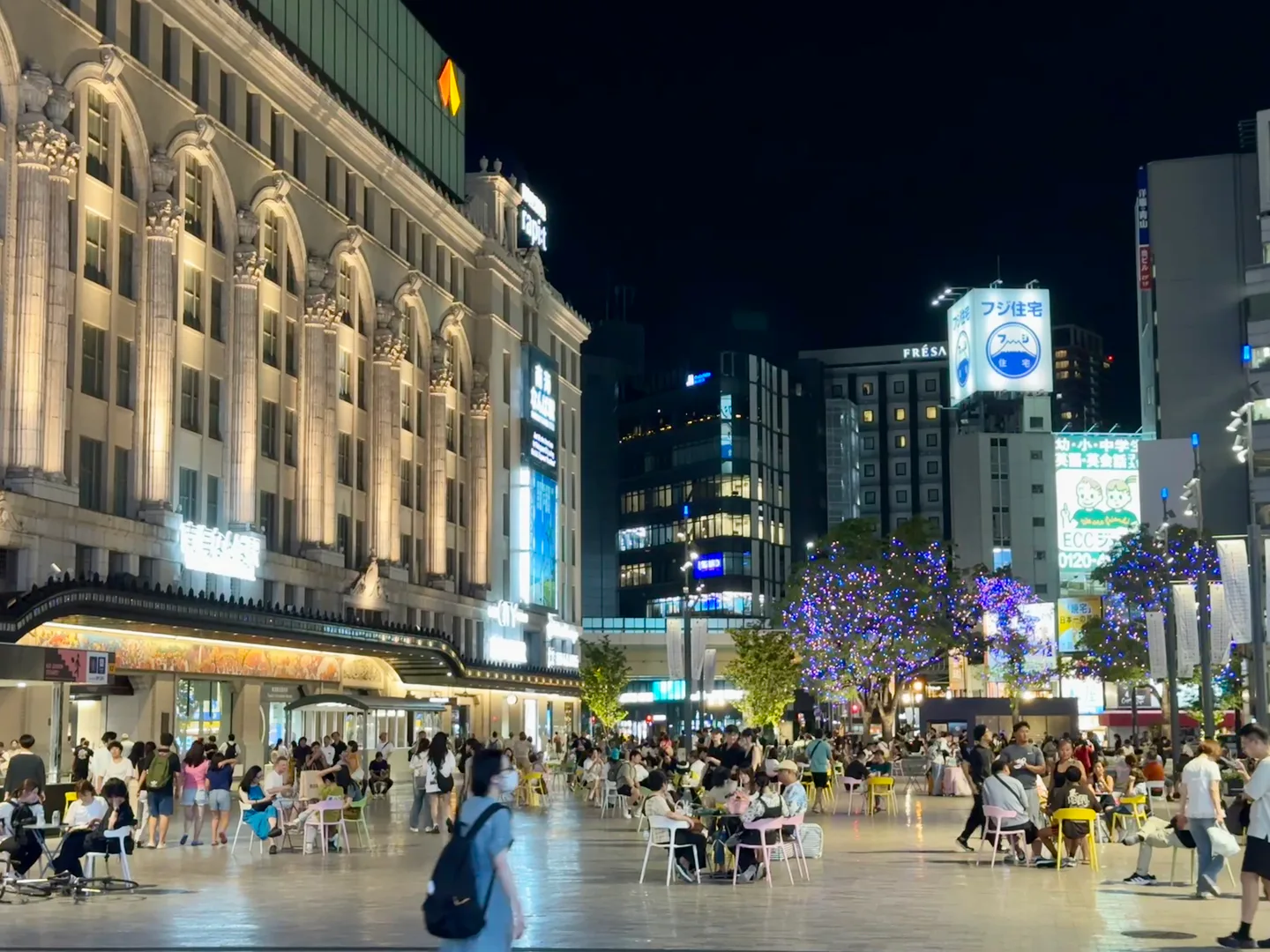
Osaka's best hotel area depends less on the first sightseeing stop than on where you finish when tired. Namba gives an easy finish to Minami dinners and a useful Nankai route to Kansai Airport. Osaka Station and Umeda repay you when Kyoto, Kobe or Himeji trips occur more than once. Universal City can protect an early park entry and a late finish; Shin-Osaka can simplify a difficult departure morning. Pick the journey that repeats, then see whether a second hotel would remove enough work to justify moving.
Give the tiring journeys more weight than ordinary sightseeing
A daytime ride that adds ten minutes is usually recoverable. A missed park opening, the final train after an event, a departure with several cases or a third consecutive long day trip has a larger cost. Write down those moments before opening a hotel map. Then count how often each area removes one. This avoids booking five nights at Universal City for a single park day or moving to Shin-Osaka for a mid-morning train you could reach comfortably from elsewhere.
| Your repeated constraint | Area to compare first | Why it may earn a higher room rate | When to look elsewhere |
|---|---|---|---|
| Several late Dotonbori, Shinsaibashi or Minami evenings | Namba | Shorter last walk and Nankai airport access | Most mornings and returns use Osaka Station |
| Two or more Kyoto, Kobe or Himeji days | Umeda / Osaka Station | Rail-hub convenience repeats in both directions | Only one regional day and most nights end in Minami |
| Two USJ days or a demanding opening and late event | Universal City | Less park-day transport at both ends | One ordinary park visit in a longer Osaka holiday |
| Very early Shinkansen with luggage | Shin-Osaka for the final night | Departure-morning certainty | A later train leaves a comfortable margin from the main base |
| Five to seven nights with mixed destinations | One Namba or Umeda base first | Avoid packing and second check-in while preserving flexibility | The itinerary changes centre for several demanding days |
A hotel change has its own journey: repack, check out, handle luggage, travel, wait for the next room and unpack. Treat that as a real entry in the comparison. My threshold is two meaningful journeys removed before I seriously price a second base. One avoided train ride rarely pays for the move. Three avoided early starts or late returns usually do.
Namba: pay for the walk after the third Minami evening
Dotonbori, Hozenji, Shinsaibashi and the Namba dining area can easily fill several Osaka nights. If you expect that pattern, the benefit of sleeping nearby comes on the way back, not while you are fresh in the morning. Add shopping bags and the last station-to-room leg matters even more. The Namba versus Umeda comparison is useful when the two areas are close on your itinerary.
Kansai Airport strengthens Namba's case, but should not dictate a whole week. The airport currently lists Nankai's fastest Rapi:t α at about 34 minutes to Namba, Rapi:t β at about 39 and Airport Express at about 43. These are airport-to-station rail estimates, not door-to-door times for your hotel. The Nankai advantage is especially valuable with an early flight or a final Minami evening. If nearly every other movement points north, two airport legs should not outweigh the rest of the stay.
“Namba” also names several different stations. Nankai Namba, Osaka-Namba, Metro Namba and JR Namba do not deliver you to the same exit. A hotel described as “Namba area” can still leave a long underground walk with a suitcase. Check the actual arrival railway, elevator exit and last street crossing. A room near a station that you rarely use may be less convenient than one five minutes farther from the correct platform. For a couple whose nights are the main event, the Osaka couples' base guide examines that evening choice.
Umeda: count both ends of every Kyoto, Kobe or Himeji day
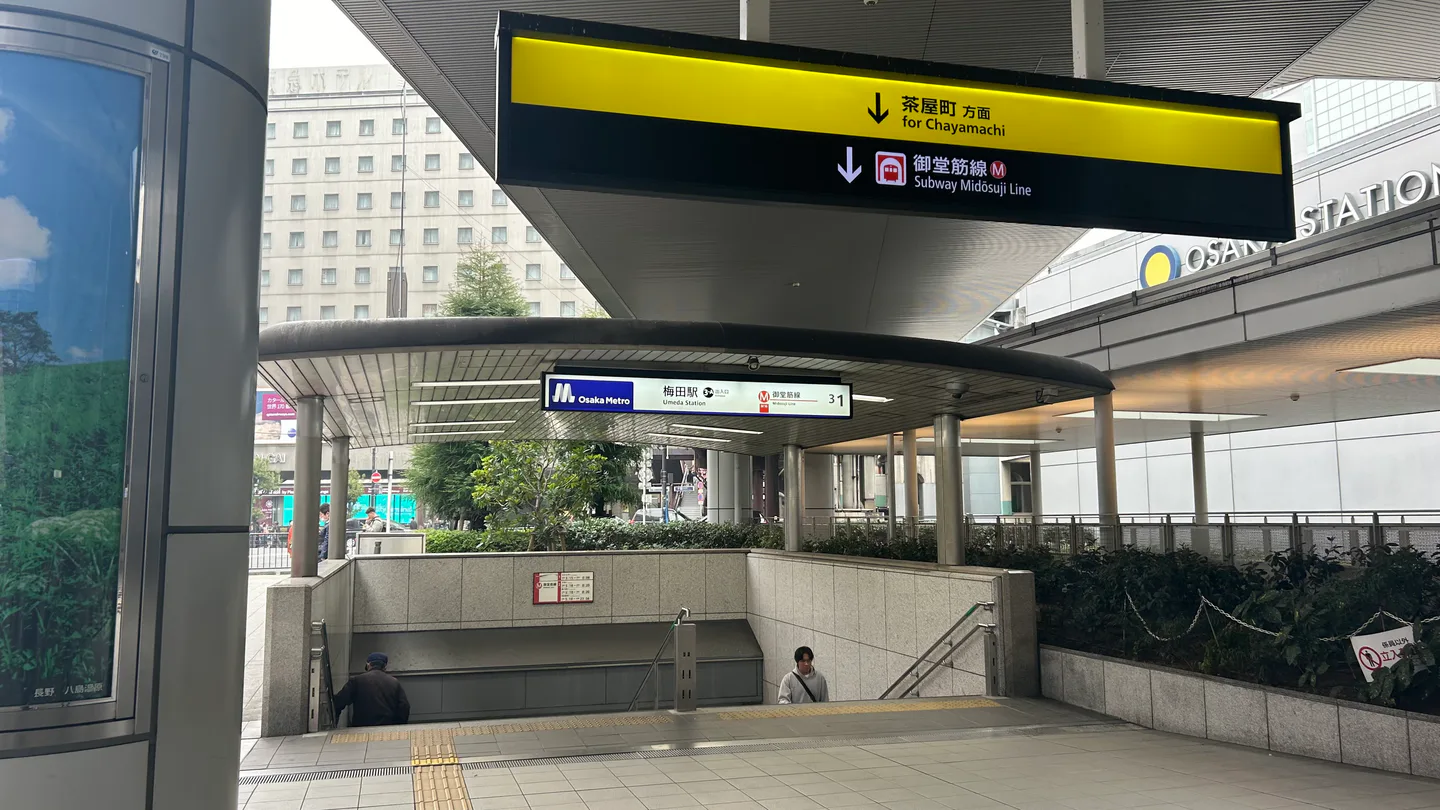
Three regional day trips create at least six meaningful hotel-to-hub legs: departure and a tired return each time. That is when Osaka Station and Umeda start to repay a room premium. The right railway still depends on the destination within the city. JR may suit one Kyoto plan; Hankyu Osaka-Umeda can suit Kyoto-Kawaramachi or Kobe-Sannomiya better. A Kyoto Station day and a Gion or Shijo day are not identical transport problems.
Buying an Umeda room because Kyoto appears once on an otherwise Minami-based trip can add more work than it removes. Conversely, repeated Kyoto, Kobe and Himeji mornings make a northern base hard to beat. The Osaka hotel comparison for Kyoto and Kobe trips tests how a direct station connection compares with a short walk. If autumn sightseeing is pulling you between cities, the Kyoto-versus-Osaka autumn base gives the wider overnight decision.
Umeda itself has several stations and large underground passages. A direct connection to JR Osaka Station is different from a listing that uses “Umeda” but places the room beyond the platform and several exits. With luggage or older parents, count lifts, outdoor crossings and the final walk. The Osaka with parents guide puts those transfers ahead of a hotel star rating.
Universal City: let the park earn a specialist stay
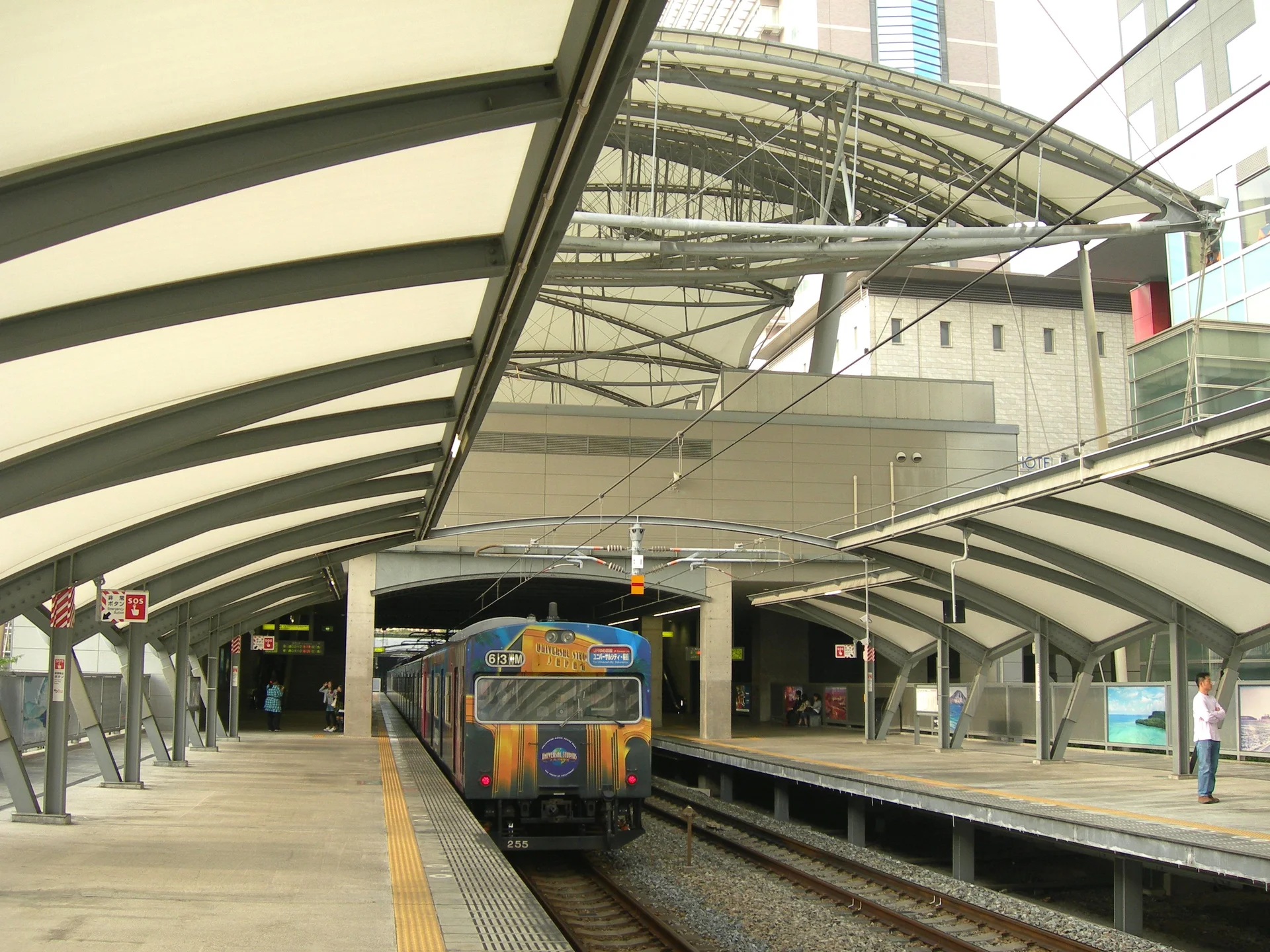
USJ is served by JR Universal City Station, and admission times can move earlier than a published opening. A nearby room helps if a family wants to arrive early with children and return exhausted late. Yet one normal USJ visit in five Osaka nights does not automatically justify a hotel change. It replaces one round-trip commute with checkout and luggage handling. Read the one-day versus two-day USJ hotel decision before shifting the entire stay.
Two consecutive park days make Universal City much stronger. So can an aggressive entry morning paired with an unusually late event. The USJ Halloween area comparison and Horror Night last-train plan separate those cases. One unusual exception is the 25 September 2026 all-night event, listed from 22:00 to 05:00. A park-side hotel on that date might be used more for showering, luggage and sleep after 05:00 than for an ordinary overnight rest. Price those actual hours rather than assuming “late park finish” always makes the room more valuable.
Families should test their hardest day, not an average day. One fewer transfer after twelve hours in the park may matter more than a modest room-size difference. On a longer stay, however, a washer-dryer and enough floor space for children's things can overturn a small station advantage. The Osaka with kids comparison adds room layout and child logistics; the family attraction guide helps identify whether USJ is truly the hardest day.
Shin-Osaka: a departure tool, usually for the final night
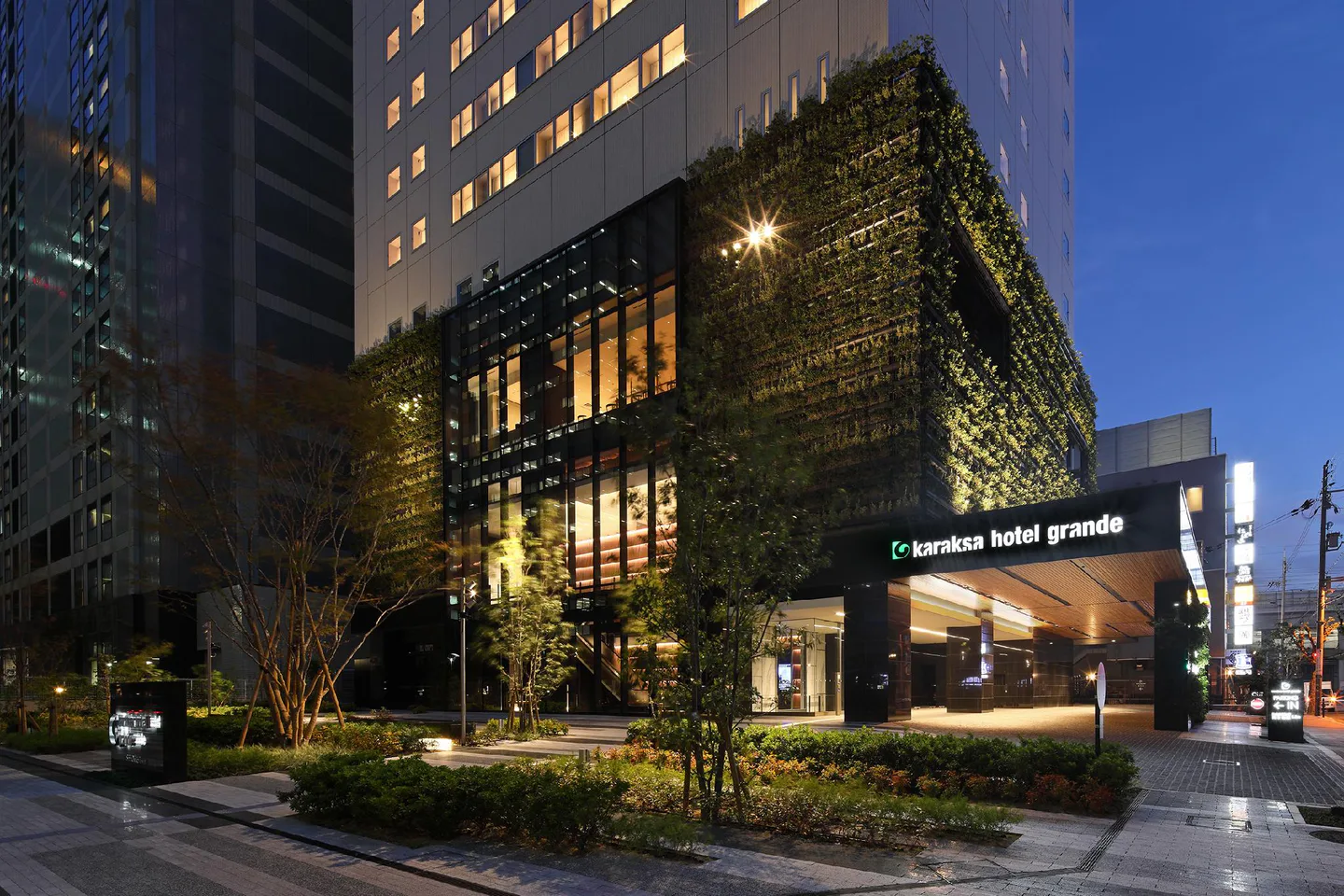
Shin-Osaka reduces the uncertainty before an unusually early Tokaido or Sanyo Shinkansen. It can be particularly useful with several large cases, children or an older group. For a general five-night holiday, it is less persuasive: most first-time visitors do not repeatedly finish dinner and shopping there. A room that helps one departure morning may add a ride to many evenings.
A final-night move earns its cost when it does another job. Suppose a Kyoto or Kobe day ends at Osaka Station, luggage is already forwarded or stored, and the next morning has a very early train. Moving north fits both sides of the day. If the Shinkansen leaves mid-morning and the main hotel has a straightforward connection, keep the existing room. The early-Shinkansen hotel decision works backward from the actual departure time.
Compare the station exit as carefully as the neighbourhood. A Shin-Osaka listing can be close in straight-line distance but on the wrong side of a difficult luggage approach. A direct walk with elevators is more valuable on a 06:00 departure than a lower room rate that adds a platform transfer.
Let the airport influence the boundary days
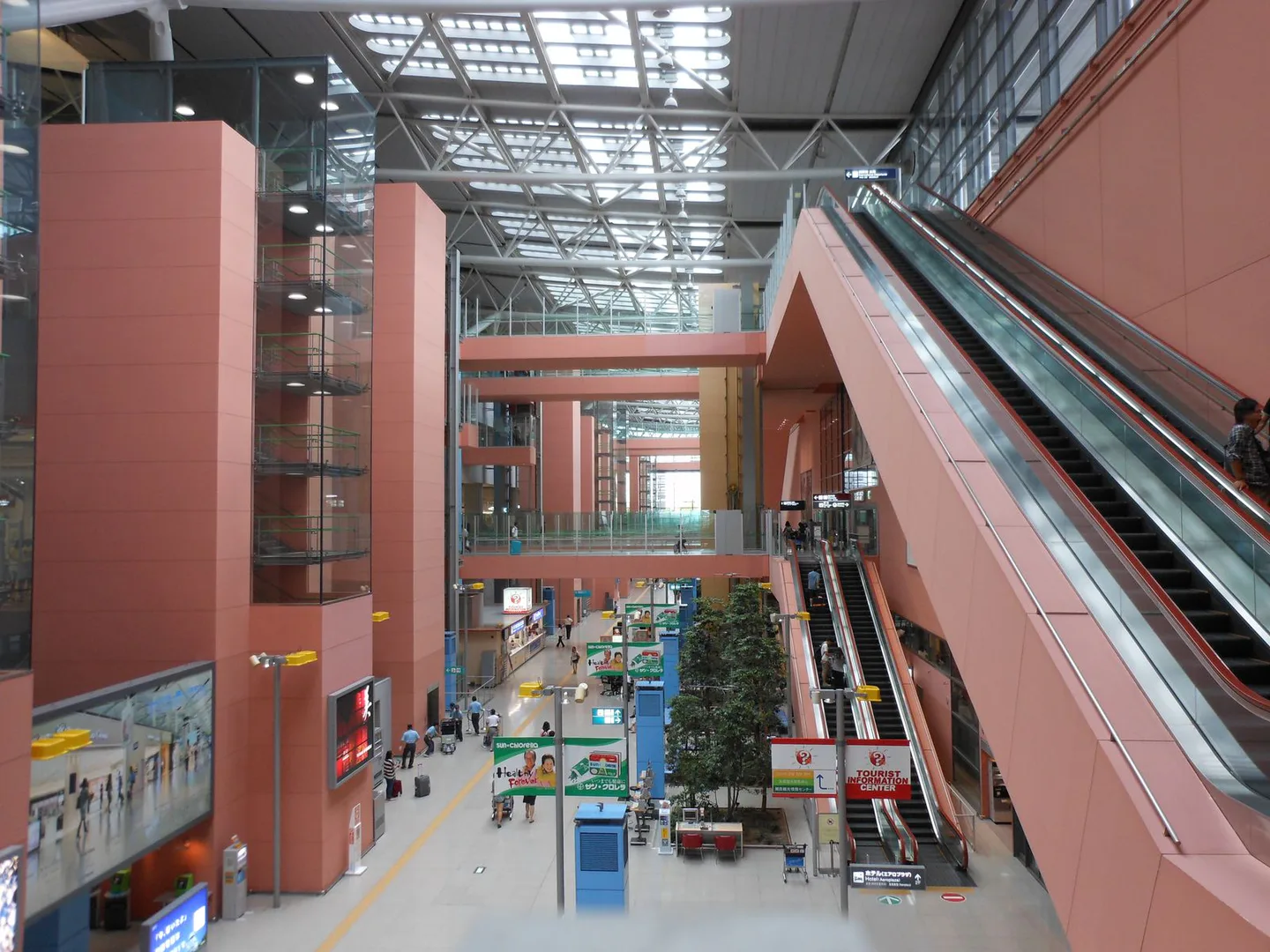
Kansai Airport offers more than the Nankai route to Namba. Its rail guide lists HARUKA to Tennoji at about 30 minutes and to Shin-Osaka at about 50, alongside JR options toward Osaka Station. These figures are useful for arrival and departure planning, but the flight usually affects only two days. A 15:00 departure rarely justifies moving out of a well-placed Umeda room for the last night purely to trim part of the airport ride.
A late arrival, early flight, several large cases or young children can change that calculation. A last night in Namba is persuasive when it also gives you the final Dotonbori dinner. If the previous day ends at a different hub and the airport advantage is slight, remaining put may still be easier. The five-day Osaka route shows how airport, park and city days can fit without unnecessary hotel changes.
How the answer changes with trip length
For three Osaka nights, one base usually wins. Choose Namba for repeated food and nightlife plus a useful KIX route, Umeda for a regional-day-trip-heavy stay, or Universal City only if the park dominates most of the visit. Shin-Osaka remains a special departure solution. Losing a substantial part of a three-night trip to a routine hotel move makes little sense.
At five to seven nights, start with one stable base and split only if the trip changes phase. Three Namba nights followed by two USJ days can justify Universal City. Four Umeda nights for regional trips followed by one Shin-Osaka night can work when the rail departure is genuinely early. A final Namba night can serve both Minami dinner and KIX. Switching famous neighbourhoods solely for variety does not perform a transport job; luggage and check-in time remain real costs.
For a budget-conscious longer trip, check the seven-day Osaka budget route. A four-day plan that adds Kobe and Koyasan has a different centre; use the Osaka, Kobe and Koyasan itinerary to see whether the Koyasan overnight replaces a second city hotel.
Tennoji and Hommachi need their own reasons
Tennoji should not be treated as a cheaper version of Namba. It connects JR and Osaka Metro, suits Tennoji, Abeno and Shinsekai, and has a strong KIX approach: the airport lists HARUKA at about 30 minutes and the Kansai Airport Rapid Service at about 45. It can be easier for a family or older travellers seeking a calmer evening. But a visitor whose actual trip repeatedly ends at Dotonbori will still make the return from Namba. Choose Tennoji for its route and evening atmosphere. OMO7 Osaka and Shin-Imamiya is another southern-area decision with its own access trade-offs.
Hommachi occupies the Midosuji corridor between the northern and southern hubs. It is a reasonable compromise when Umeda and Namba are nearly tied, especially if a particular room is substantially larger, better priced or has laundry. It is weaker when four evenings end in Namba or four mornings depart from Osaka Station; then the Metro becomes a compulsory extra step. Tokyu Stay Osaka Hommachi shows how an in-room washer can make the compromise worthwhile for a five-night guest.
After the area, inspect the last 300–800 metres and the room
A five-minute train advantage can disappear in an underground corridor or across an exit without an elevator. Ask which railway your airport or day-trip train actually uses, where you surface with luggage, and whether the hotel entrance is connected indoors. Think about the same walk after dinner, not just at noon. The wrong side of a large station can spoil the reason you chose that neighbourhood.
Room utility grows with stay length. Two separate beds, a useful bath, luggage floor space, a desk or laundry can matter more over seven nights than a marginal rail saving. A 17 m² room beside the perfect platform can be less workable than a 28–35 m² room five minutes farther away. For a party of four, assess real beds and bathrooms; for a solo traveller with one carry-on, the tolerance for a small room and hotel move is greater. A couple may deliberately favour a lively evening area. Each group should use the same route count but place different weight on the last walk and the room.
Older travellers should count transfers, stairs, elevator dependence and places to sit instead of comparing kilometres. A line that appears five minutes faster but adds a platform change can be the harder route. Solo travellers can accept more imperfect geography, yet the repeated-night test still holds: four Namba dinners outweigh one Kyoto morning.
Compare hotels only after the route is settled
Start with Namba rooms if Minami evenings dominate, Umeda hotels for repeated regional trips, Universal City stays for a park-led block, or Shin-Osaka rooms for the early-train final night. Then compare the same dates, guest count, room layout, taxes, cancellation terms and exact station exit. A more expensive property should solve a journey or room problem the cheaper one leaves open.
If the itinerary still ties Namba and Umeda, choose the better room and cancellation terms. That is a real tie-breaker once the repeated routes are equally workable. If one district clearly saves several demanding journeys, a slightly better room elsewhere needs to compensate for all of them, not just look better in a photo.
Two bookings that look efficient but often are not
The first is “three nights Namba, one Universal City, then back to Namba” for a single ordinary USJ day. It creates two checkout events and asks the group to handle luggage on both sides of the park. A direct train from the original hotel may be much easier. Keep the park-side room only if it protects something specific: an especially early arrival, a very late event, mobility limits, or a second park day. Even then, check whether you can leave bags at the property before admission and retrieve them without retracing a difficult route.
The second is moving to Shin-Osaka because an itinerary says “Shinkansen tomorrow”. That description alone has no time pressure. A train late in the morning leaves room for a normal Metro or JR transfer from Namba or Umeda. A train before the rest of the city is fully moving, several heavy cases, or a previous day that already finishes in northern Osaka makes the last-night move more persuasive. Compare the actual first available connection and the station's elevator route. If the margin is comfortable, enjoy the last Osaka evening where you already are.
A third close call appears when KIX is the only reason to change hotels. Price the airport saving against a second check-in and the lost final evening near your current base. It is easier to defend the move when the new area also serves dinner, shopping or the departure after a regional day. That is the point of the two-journey threshold: it forces a second hotel to earn its place in the itinerary rather than appear as an automatic travel tip.