
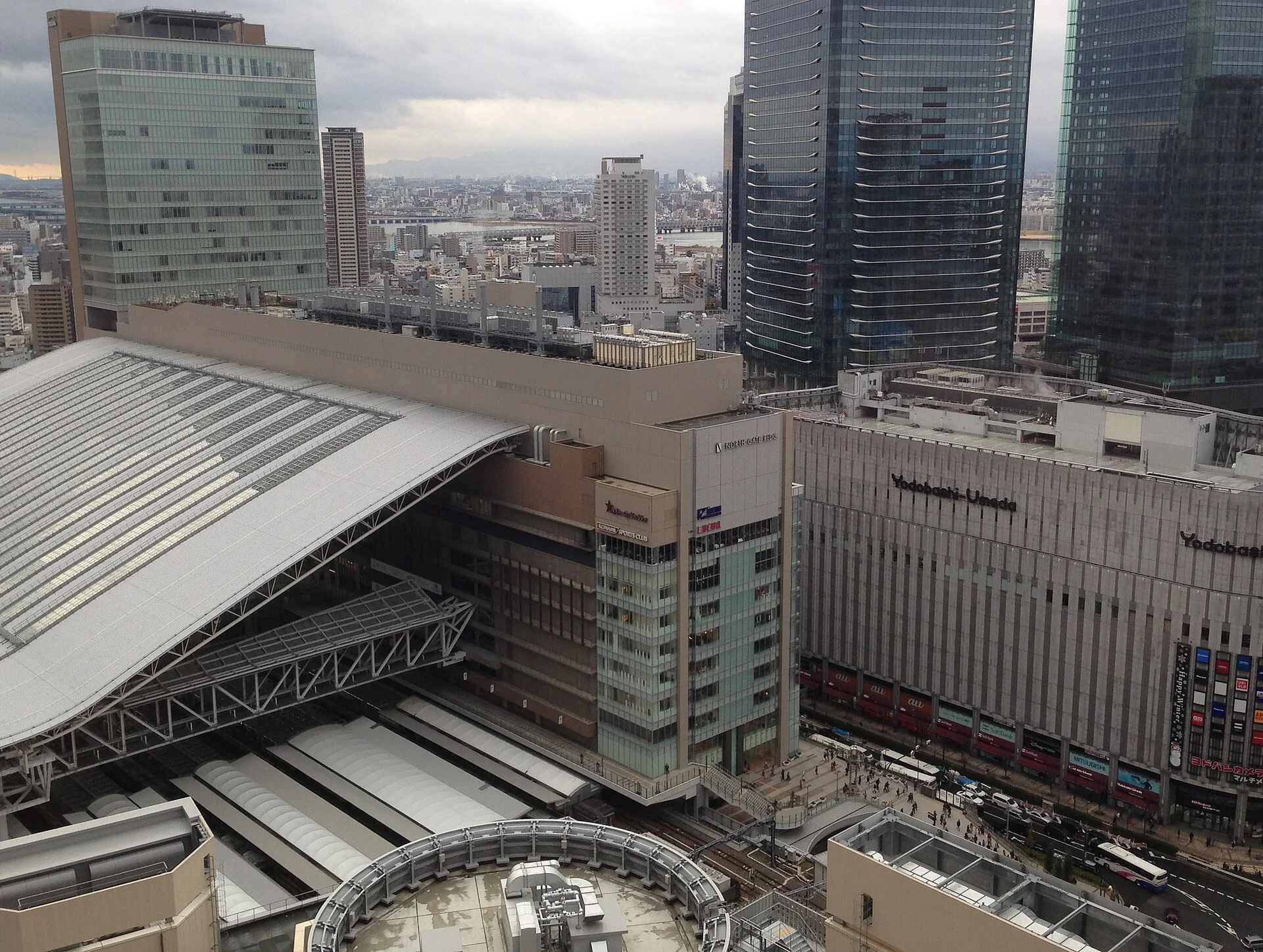
A December 3 arrival in Tokyo and a December 30 departure do not feel like the same city-winter trip. The Japan Meteorological Agency's daily normals put Tokyo around 14.1°C high and 6.2°C low on 1 December, falling to roughly 10.6°C and 1.9°C on the 31st. Add Sapporo or Naha and even the same calendar week asks for different shoes, outerwear and weather backups. Decide which outdoor hours are fixed before choosing the largest coat in your suitcase.
Tokyo, Kyoto, Osaka and Fukuoka can usually share one removable-layer system. Hokkaido adds grip and moisture protection at ground level. Okinawa calls for a light wind layer and a plan for marine conditions, while the mainland coat becomes luggage. If you are deciding between months, November's transition and January's deeper winter are more useful comparisons than a single national December average.
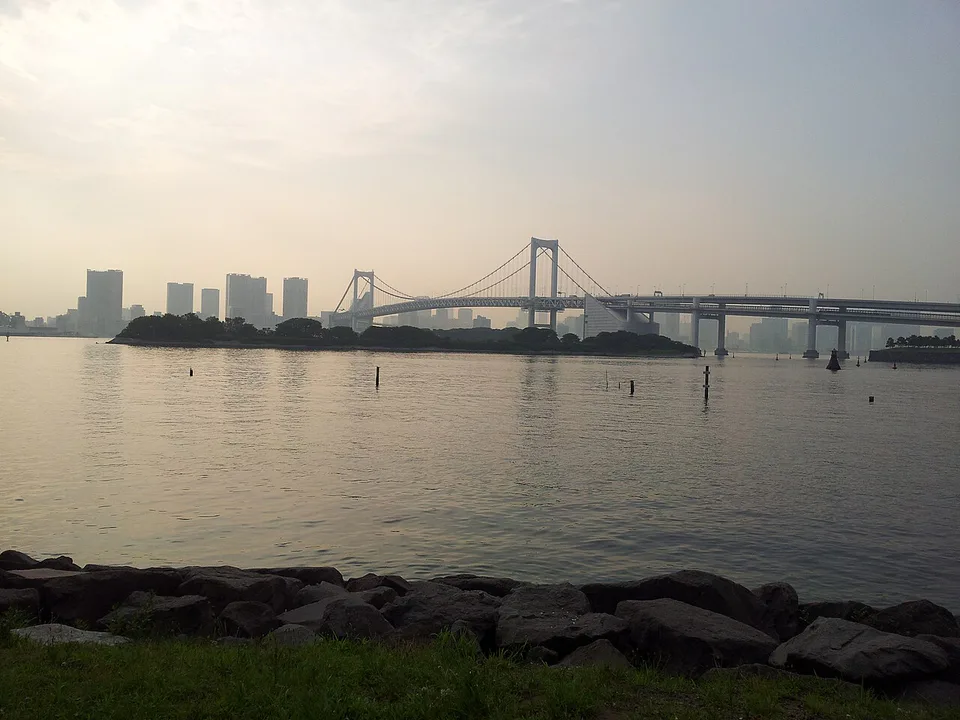
Tokyo: the date inside December changes the jacket
The 1991–2020 Tokyo monthly normal is 7.7°C, with a 12.0°C high and 3.8°C low. That monthly value hides the steady cooling across the four weeks. Early in the month, a sunny walking afternoon can make a huge down coat cumbersome; near year-end, an early departure or long outdoor evening can justify more insulation. Pack a long-sleeve base, a removable warm mid-layer and a wind-resistant outer jacket that opens easily on heated trains and in shops. A scarf or small rain option can be added after looking at the actual forecast.
Time outdoors is part of the clothing decision. Assigning one Tokyo area per day reduces evening station changes with coats and shopping bags. The Tokyo area map helps group nearby stops; whole-day sightseeing choices prevent a string of exposed cross-city transfers. If changing hotels is under consideration, the five-to-seven-night split-stay test can keep baggage moves out of the coldest travel days.
The month-long normals are a packing range
These figures come from JMA's 1991–2020 climate normals. They establish the broad equipment problem, not the weather on your booking date. Precipitation is a monthly total, and Sapporo's snow number below is snowfall accumulated through the month; neither describes the depth underfoot on one day.
↔ Scroll table left or right
| Place | Normal monthly precipitation | Mean temperature | Daily high and low normals | Practical consequence |
|---|---|---|---|---|
| Tokyo | 57.9 mm precipitation | 7.7°C | High 12.0°C; low 3.8°C | Removable winter layers for heated interiors and cold starts. |
| Kyoto | 57.3 mm precipitation | 7.2°C | High 11.6°C; low 3.5°C | Carry a warmer mid-layer for still, outdoor temple time. |
| Osaka | 55.5 mm precipitation | 8.7°C | High 12.3°C; low 5.3°C | Protect a late evening without dressing for Hokkaido. |
| Fukuoka | 67.5 mm precipitation | 9.1°C | High 12.6°C; low 5.8°C | Account for bay wind and an occasional wet walk. |
| Sapporo | 114.5 mm precipitation | −0.9°C | High 2.0°C; low −4.0°C | Plan for snow, slush and ice as well as cold air. |
| Naha | 110.0 mm precipitation | 19.0°C | High 21.5°C; low 16.8°C | Light layers and wind protection outweigh insulation. |
Use those ranges to pack before leaving home. About a week ahead, inspect the forecasts for each region rather than the first Tokyo weather tile you see. During the final 48–72 hours before a day outdoors, check the low, wind and precipitation along with the high. For Hokkaido add snow, visibility and transport notices; for Okinawa add waves and operator decisions. The February weather guide is useful if this is the beginning of a longer winter route.
↔ Scroll table left or right
| Your route | Share across the trip | Where luggage space should go |
|---|---|---|
| Tokyo, Kyoto, Osaka and Fukuoka | Long-sleeve base, warm removable mid-layer, wind-resistant outer | Light rain option and the layer needed for late dinners or dawn sightseeing. |
| Mainland plus Hokkaido | Base layers and most mid-layers | Grippy water-resistant shoes, gloves, hat and a stronger weather shell. |
| Mainland plus Okinawa | Thin long sleeves and lighter tops | Pack the mainland coat away in Naha; carry a light wind layer instead. |
| Hokkaido only | Warm base, insulation and wind/water protection | Feet and hands, not a third bulky sweater. |
Kyoto can feel colder than a moving city walk
Kyoto's monthly mean is 7.2°C, but a morning spent waiting on temple grounds or standing still for garden photographs can feel colder than continuously walking through an Osaka shopping district. The normal low is 3.5°C. A warmer but removable mid-layer is useful for a dawn outing; you can carry it indoors later. Do not use a photograph with red leaves as a promise that a particular December visit will catch foliage.
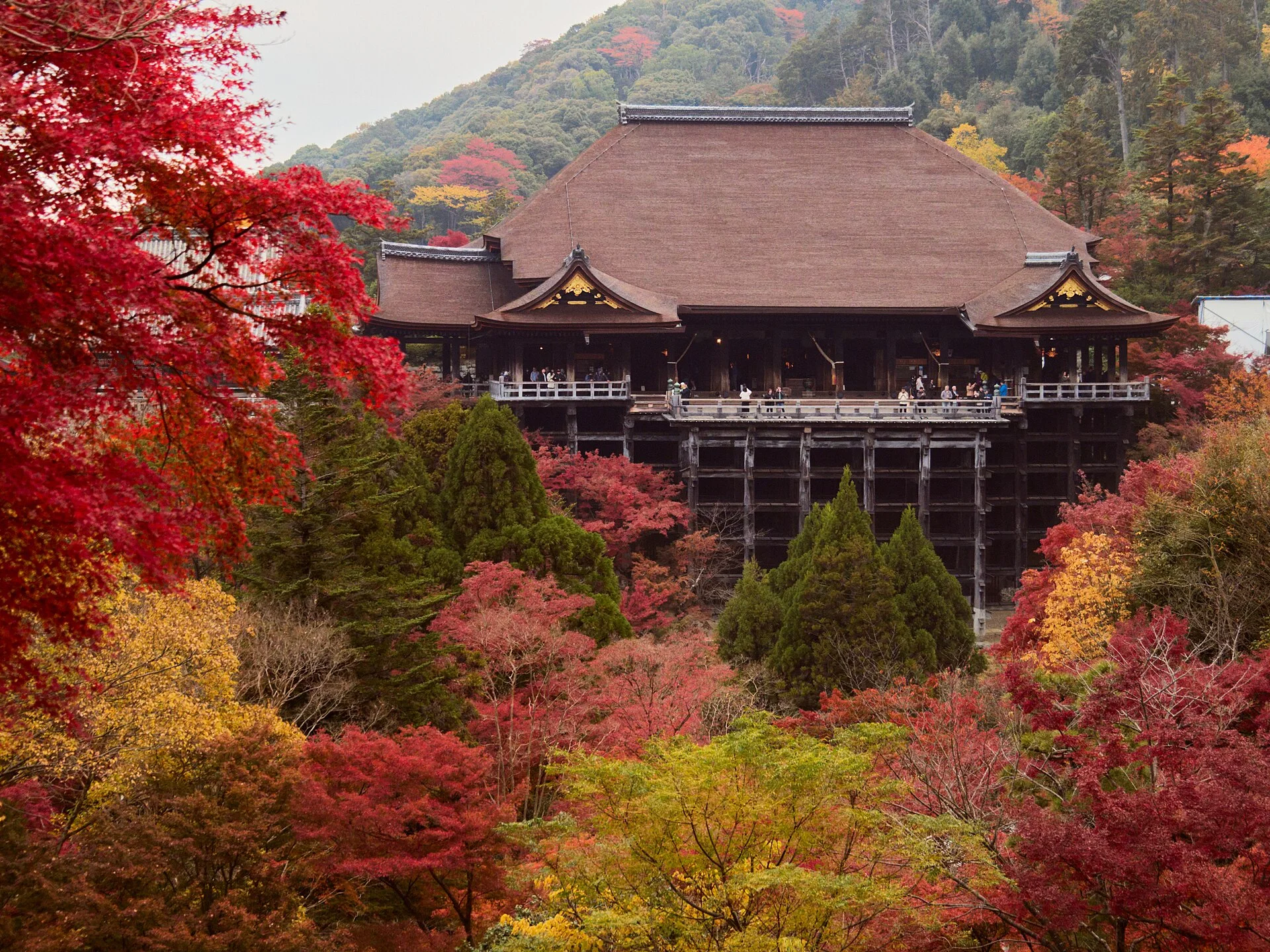
Some low-elevation Kyoto colour can extend into early December in some years. The December foliage options and Kyoto's elevation sequence can suggest a flexible area, but current colour reports should decide whether an outing is still worthwhile. An early-morning Kyoto plan is also easier to judge after comparing staying in both cities with one Osaka hotel for Kansai.
Osaka and Fukuoka are mild only by comparison
Osaka's 8.7°C mean, 12.3°C normal high and 5.3°C low leave room for comfortable midday walking and a colder trip home after dinner. A long riverfront or observation-deck stop can expose you to wind. The same city-winter pieces used in Tokyo usually work here; Hokkaido snow gear is unnecessary for a normal Osaka city day. To cut winter backtracking, group Namba, Umeda and Tennoji with the Osaka neighborhood map.
Fukuoka averages 9.1°C, with a 12.6°C high and 5.8°C low. Bay wind and a late meal can still make a medium jacket useful. The normal monthly precipitation is 67.5 mm, which calls for a compact rain option rather than a claim that any particular day will be wet. The final walk to a Fukuoka hotel in rain may matter more than packing a snow-specific piece. An outdoor yatai evening makes the after-dark layer relevant.
Sapporo is a footwear and movement problem
Sapporo's December mean is −0.9°C, with a 2.0°C high and −4.0°C low. The JMA normal monthly total of snowfall is 113 cm; that is accumulated new snow over the month, not a 113 cm blanket lying on every street. Snow, packed surfaces, slush and ice are common enough to plan traction and water resistance before adding a third thick sweater. A warm or moisture-managing base, insulation, wind/water-resistant outerwear, gloves and head coverage complete the core city system.
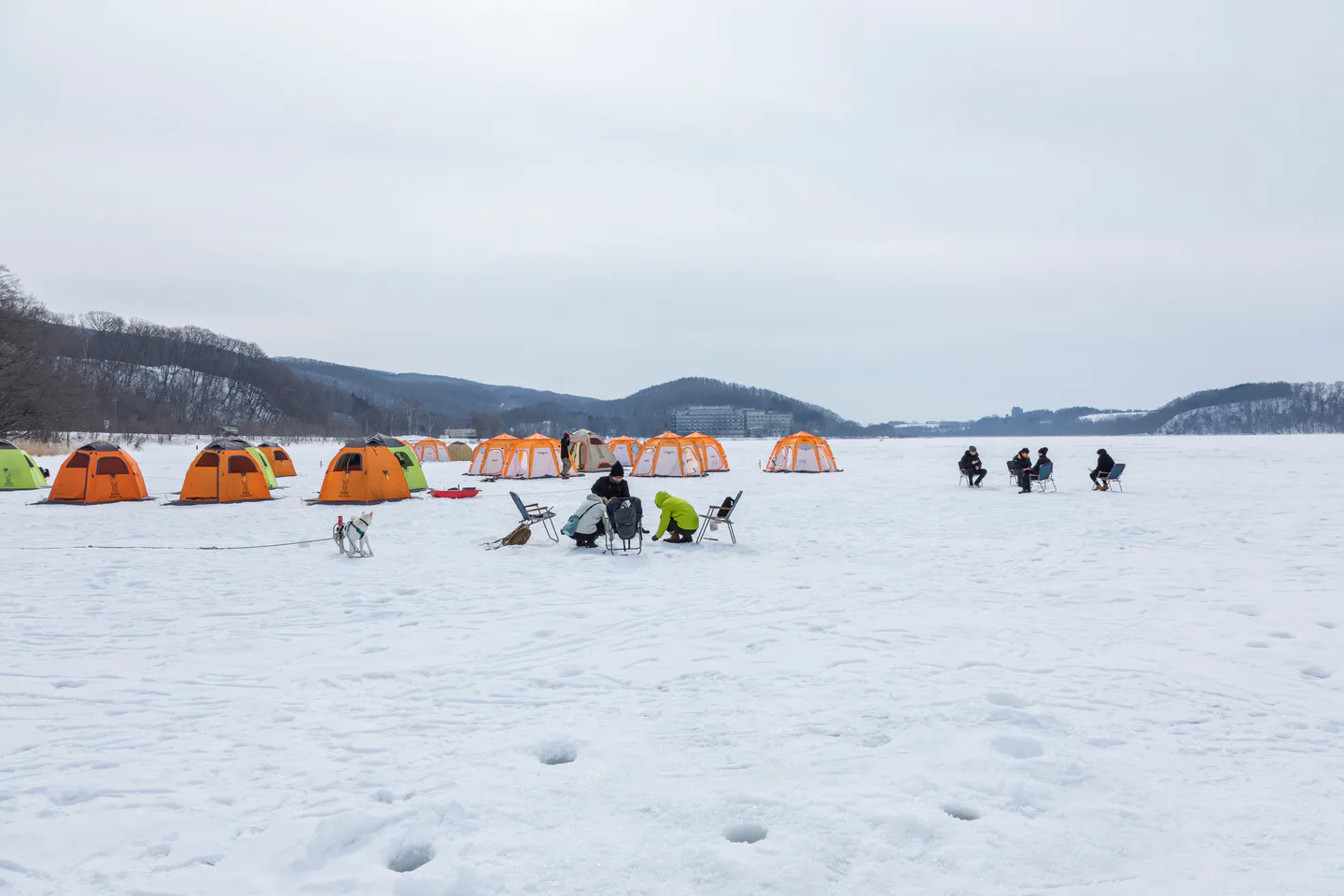
The photograph shows people on a frozen snowy surface. It illustrates why surface condition matters, but it cannot stand in for your exact date or for a city pavement. An itinerary linking Sapporo, Otaru, Asahikawa, Furano and Biei exposes more transport uncertainty than a single-city trip. Compare five, seven or ten Hokkaido winter days before committing to long travel legs. If driving is part of the plan, read winter road, whiteout and parking constraints; a warm jacket cannot make a closed road or poor-visibility drive safe. A late New Chitose arrival may also call for a different first night than a summer arrival.
Naha's 19°C mean calls for less insulation, not less weather attention
Naha's normal December mean is 19.0°C; its high and low average 21.5 and 16.8°C. On a mild sunny day a thin long sleeve or even short sleeves can feel adequate. A light wind layer remains useful on an exposed coast, while the Tokyo jacket can stay packed. The normal monthly precipitation is 110.0 mm, but that figure says nothing about your ferry or snorkeling day. Wind, waves and operator notices decide whether a marine activity runs.
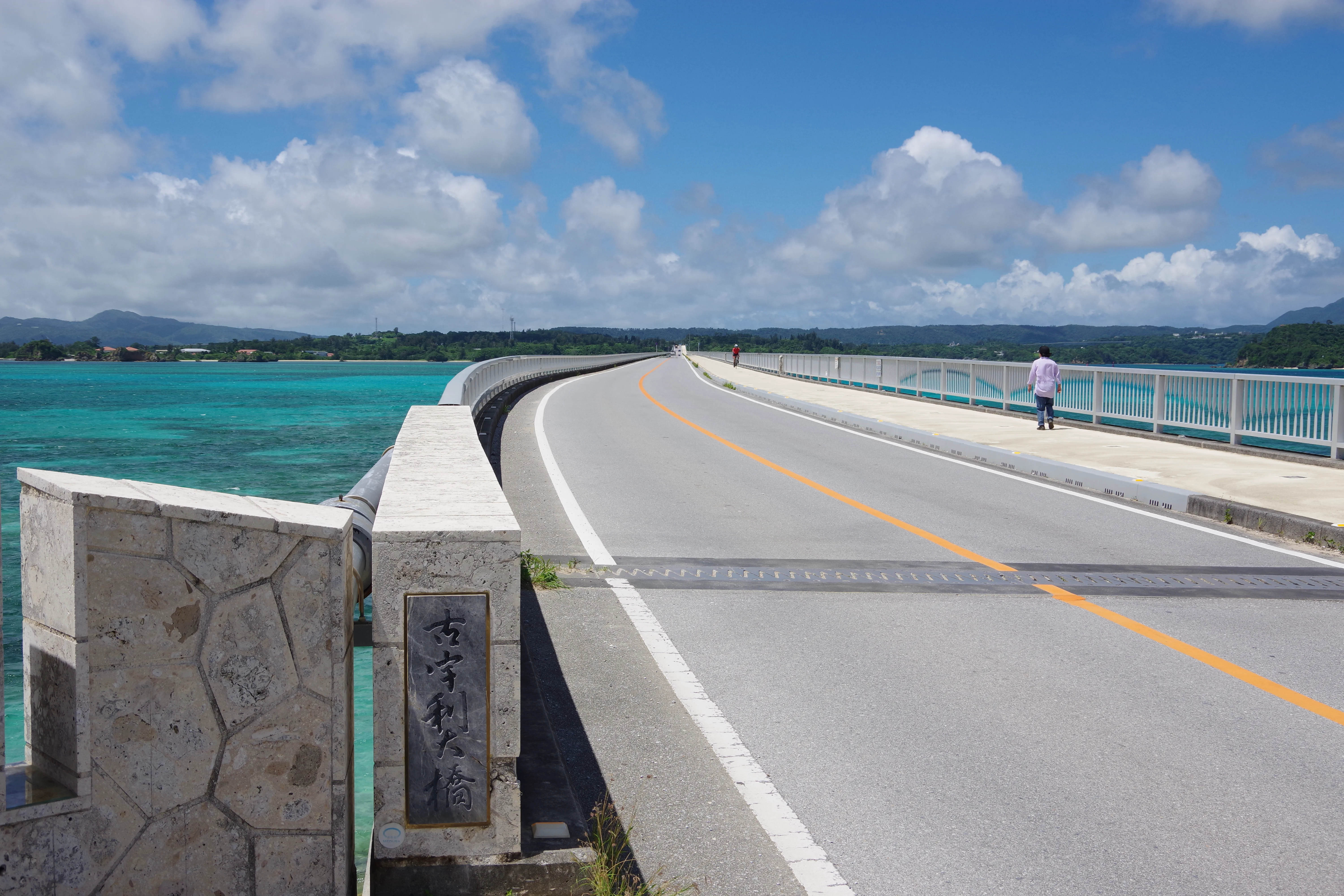
The road bridge in the picture crosses turquoise water; the image does not show December sea conditions. The Okinawa weather-backup guide can hold an alternative day when a boat does not run. If you are considering two bases, split the Okinawa stay only when it removes substantial backtracking; the second hotel move should not be a reflex response to an uncertain forecast.
Turn the packed clothes into tomorrow's route
Check the forecast again when each outdoor-heavy day is close enough to make a useful decision. Tokyo, Kyoto, Osaka and Fukuoka may need a stronger mid-layer, a rain shell or an indoor-balanced evening. Hokkaido needs a look at snow, ice, visibility and service status before the route itself is fixed. Okinawa needs marine conditions before an exposed coast or boat leg becomes the day's anchor. If an outing is fragile, move it inside the stay while keeping a nearby alternative; a different jacket cannot solve every disruption.
The avoidable packing mistakes are concrete. One enormous down coat is awkward on heated trains and in Naha. Treating the Tokyo monthly mean as a temperature for every December date underestimates the year-end cold. Warming the torso without traction leaves a Hokkaido walking day exposed at ground level. Packing for sea air by temperature alone ignores wind and waves. Separate those problems, then let the route and the near-term forecast choose which layer to wear.
Pack for the transfers between climates
A Tokyo-to-Sapporo itinerary has a different luggage problem from a week spent entirely in Tokyo. The heavy winter items can stay in the bag for the urban start, but gloves and shoes with dependable grip should be accessible before the first snowy station walk. On the return, heated trains, airport terminals and a milder city make a single immovable coat uncomfortable. A removable inner layer and an outer layer that blocks wind let the same traveller change clothing without repacking at every stop.
Tokyo and Kyoto require their own distinction. Similar daytime sightseeing clothes may work in both, yet a stationary early temple visit or night photography session exposes the visitor to more cold than a midday shopping walk. Carry the warm layer for the time and activity that need it; the monthly mean alone cannot tell you how long you will stand outside. The same logic applies to Fukuoka's yatai dinner: a relatively mild daily high is irrelevant after sunset near the water.
Okinawa introduces the opposite error. A December average near 19°C is an air-temperature guide, not a sea-state forecast. Keep a light wind layer for the coast and a separate indoor option if a boat trip is cancelled. The decision to sail belongs to the operator's conditions, not to a packing chart. Across all three climates, check each destination shortly before its outdoor day and change the order of fragile activities when the local forecast gives a usable alternative.
Other seasons and route choices
Tokyo itinerary that assigns whole days by area · Kyoto autumn leaves timing map · Osaka attractions-by-neighborhood guide · Hokkaido winter itinerary for 5, 7 or 10 days · full-trip versus partial Hokkaido winter rental · Japan Meteorological Agency — 1991–2020 climatological normals · Japan Meteorological Agency — Tokyo daily December normals · Japan October Weather: Tokyo Turns Cool, Sapporo Drops to 8°C Nights, Okinawa Still Feels Like Summer · Japan June Weather: Rainy Season Doesn’t Mean Cool — Tokyo Gets Humid, Hokkaido Stays Mild · Japan September Weather: Tokyo Starts Near 30°C, Sapporo Is Already in Early Fall · Japan April Weather Is Not One Spring: Kyoto Warms Fast, Sapporo Stays Cold, Okinawa Runs Warm · Japan May Weather: Tokyo Warms Up, Kyoto Nears Summer, and Okinawa Turns Rainy · Japan July Weather: Kyoto Hits 32°C, Fukuoka Stays Rainy, and Hokkaido Is the Exception · Stay Near Tokyo Disney or in Tokyo? · Japan in February Is Still Winter: What to Wear in Tokyo, Kyoto, Hokkaido and Okinawa · Late Arrival or Early Flight in Okinawa: Hotels Near Naha Airport
For the snowier December option, check Sapporo rooms near the winter transport you will use rather than applying Tokyo clothing assumptions to the stay.