
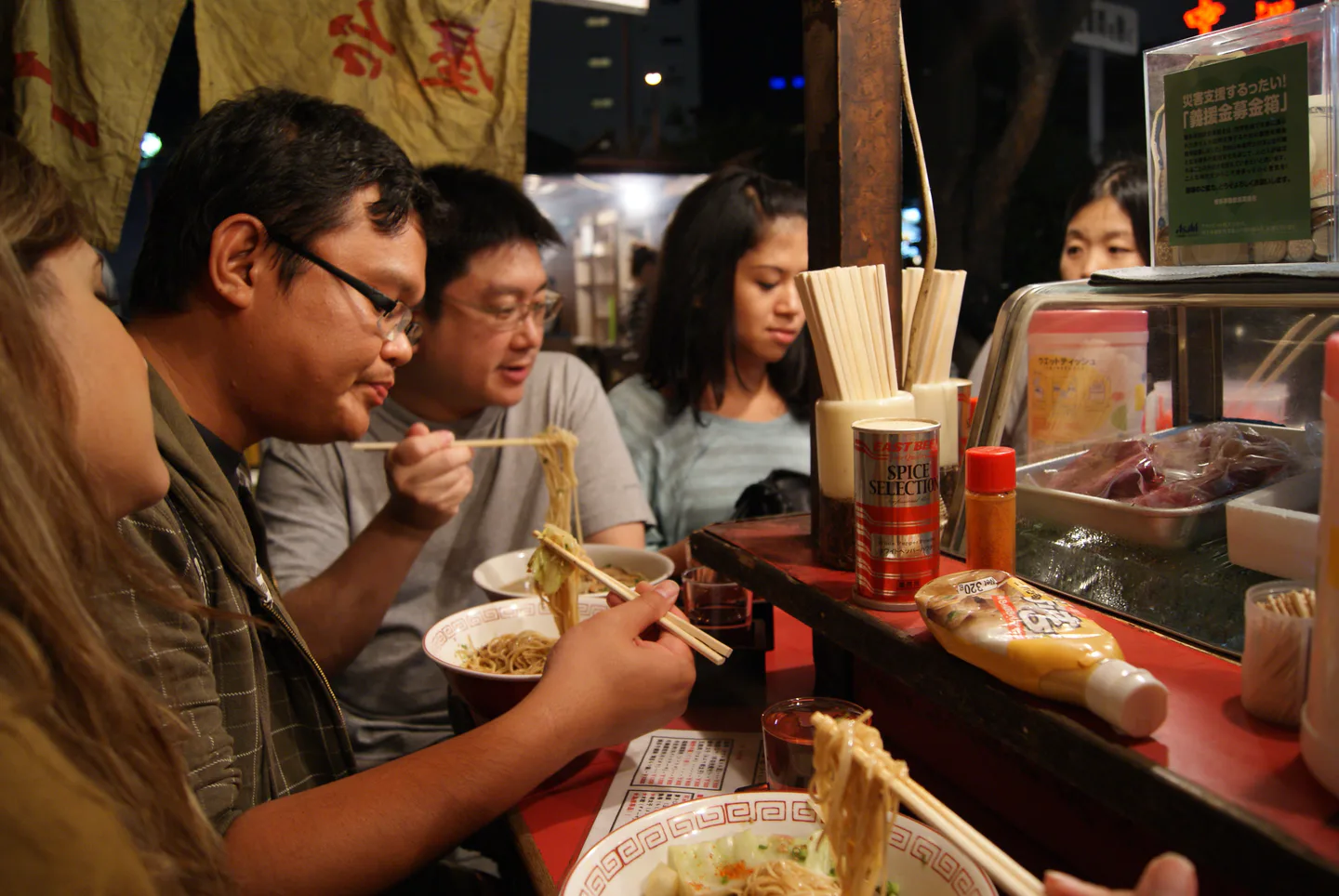
Pick a Fukuoka yatai neighborhood that fits the rest of your evening, then choose a stall. Nakasu puts the meal against the riverfront lights. Tenjin is easier to fold into a shopping or hotel night and gives you more nearby alternatives if a cart is full. Nagahama is a purposeful detour for its ramen connection or a particular stall. None of the three districts guarantees that a saved cart will be open or have seats when you arrive.
Fukuoka's yatai directory is useful after the neighborhood decision. It lets you search by area, operating day and food, then narrow stalls by card or cashless payment, child and wheelchair access, receipts, reservations, language and other conditions. Check the individual listing on the evening itself, and bring some cash even if the chosen cart lists electronic payment. Conditions are attached to stalls, not to yatai as a whole.
The area decision in one view
↔ Scroll table left or right
Evening plan | Start here | What might change your mind |
First visit and riverfront night scene | Nakasu | Long queues or a group that needs several seats together |
Shopping, dinner and hotel around central Tenjin | Tenjin | A specific chef or dish is in another district |
Nagahama ramen history or a named cart | Nagahama | The desired stall is closed and the smaller local cluster has no suitable fallback |
Four or more people who must sit together | Indoor meal, then a yatai visit | A stall confirms that it can seat the whole group |
Heavy rain or wind | Keep dinner indoors nearby | A suitable yatai is visibly operating and the wait is reasonable |
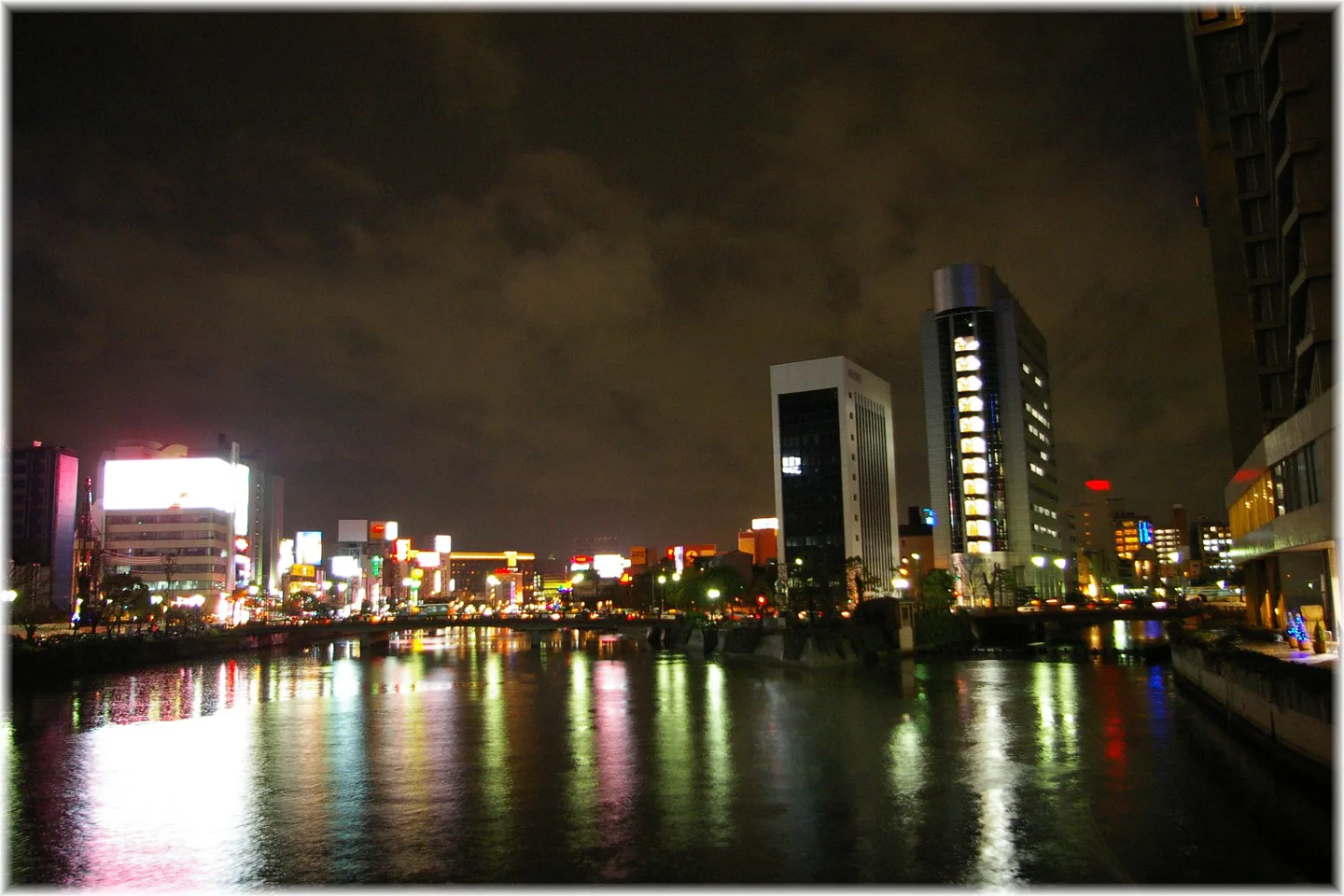
Nakasu is about the setting as much as the food
The riverfront and lights make Nakasu the obvious district when the classic Fukuoka night image is the point. A cart here can be a full dinner, but it does not have to be. If the scene matters more than a particular chef, eat indoors first and walk past the stalls afterward; take a seat for one dish or drink if the right opening appears. This avoids turning a tired arrival night into a long queue on an empty stomach.
A saved stall is worth waiting for when its food or cook is the reason for going. If the goal is simply to sit at a yatai, compare the menus and visible waits along the same stretch. Do not trade most of the evening for one famous counter when another open one offers the experience you wanted. A line can also change quickly when a small party leaves, so make the decision on the street rather than from an old list.
Tenjin makes a change of plan easier
Tenjin has a large concentration of listed yatai and a great deal of indoor dining nearby. On the city's August 2026 directory check, 51 of 98 listed stalls appeared under its Tenjin filter; that was a dated snapshot, not a fixed capacity. It is well suited to a night that starts with shopping, a concert or a hotel return in that part of town. If the first stall is closed, occupied or unappealing, you can try another without making the whole evening a cross-city search. A restaurant or bar remains a realistic fallback when the weather deteriorates.
That convenience does not require a Tenjin hotel for the whole trip. Choose the accommodation base around rail arrivals, day trips and the nights you expect to spend in each area. The Hakata versus Tenjin hotel guide handles the wider stay. One yatai visit is too small a reason to move luggage or accept a worse base for the other days.
Nagahama works best with a named reason
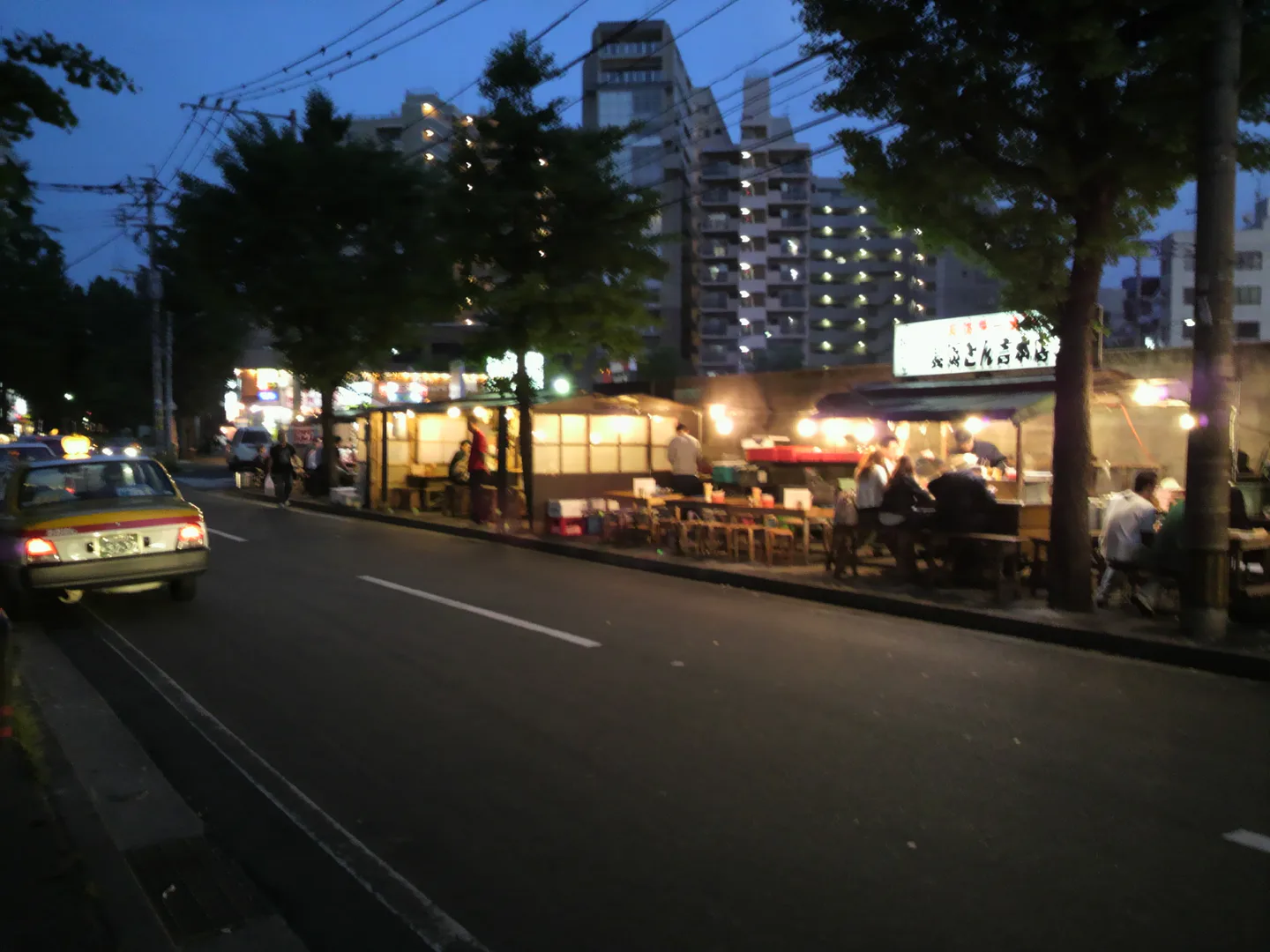
Nagahama carries a different food association, particularly ramen, and can reward someone seeking a particular stall or already spending the evening around that area. The August 2026 directory snapshot showed six Nagahama stalls, far fewer than Tenjin. It is not automatically a better meal because fewer visitors head there than to Nakasu. The trip to the district costs time, and its smaller set of stalls means a closure or full counter matters more.
Look up the chosen stall's operating days and payment options before leaving, then decide whether an alternative nearby would still make the visit worthwhile. If the answer is no, stay in the area where your hotel or other evening plans already put you. A Nagahama visit is strongest when it has a dish, operator or local route attached to it, rather than a vague hope for a more authentic scene.
Use the stall listing for the constraint that actually matters
The current city directory includes filters for multilingual menus, foreign-language service, card acceptance, cashless payments, receipts, children, wheelchairs, reservations and no cover charge. It also offers a currently-open view. These features help with practical questions that a generic ranking cannot answer. For example, a family can narrow the search before walking with children; someone needing an accessible counter can identify candidates and confirm details with the operator.
Start with the district, apply the one or two filters your group truly needs, then compare menus. The live page is still a planning aid rather than a seat reservation or guarantee against weather changes. If an accessibility requirement or booking is essential, contact the stall directly where possible. Bring cash as a backup: the city's English yatai etiquette guide advises it, while the individual directory entries show that some stalls now take other payments.
At the counter, look at the displayed menu and ask about any charge that is unclear before ordering. The directory has a no-cover-charge filter, which is useful if a fixed charge would affect your choice, and a receipt filter for travelers who need one. These details are easier to settle before the first dish than during payment at the end of a crowded sitting. They also make it possible to choose a cart for the group's actual needs rather than its position in a photo.
When the listing and the street disagree
A directory entry establishes what a stall generally offers; it cannot promise that the operator will open in rain or have a free seat when a group arrives. Treat its filters as a shortlist. If a payment method or multilingual menu is essential, identify more than one plausible stall in the chosen district and check the details with the operator before ordering. The backup does not have to be another cart: a nearby indoor restaurant may be the better choice after a long travel day, particularly when children need to eat promptly.
Timing affects the feel of the evening as much as district choice. A yatai can be a short first stop, a complete dinner or a post-dinner drink, depending on the menu and queue. Arriving hungry with no alternative can make a popular Nakasu counter a poor fit even if its food is good. In Tenjin, the broader set of stalls and indoor meals makes a change of plan easier. At Nagahama, a named stall and its opening day matter more because there are fewer substitutes nearby. These are route decisions a visitor can make before crossing town.
Small counters change the group plan
One to three diners can often treat a yatai as dinner. A party of four to six with children, backpacks or a demand to sit together has a harder problem. Check any reservation option on the stall's page, or eat at an indoor restaurant and treat a yatai as an optional second stop. If friends are comfortable splitting across nearby carts, agree where to regroup rather than occupying seats while waiting for the whole party to fit.
The experience also works better without full-sized luggage. Check in, use station storage or return shopping bags to the hotel before heading to the counter. The seats and passage are tight, and leaving space for the next guest is part of what makes a small outdoor kitchen function. Fukuoka's etiquette advice asks visitors to travel light for precisely this kind of setting.
One cart is enough for many evenings
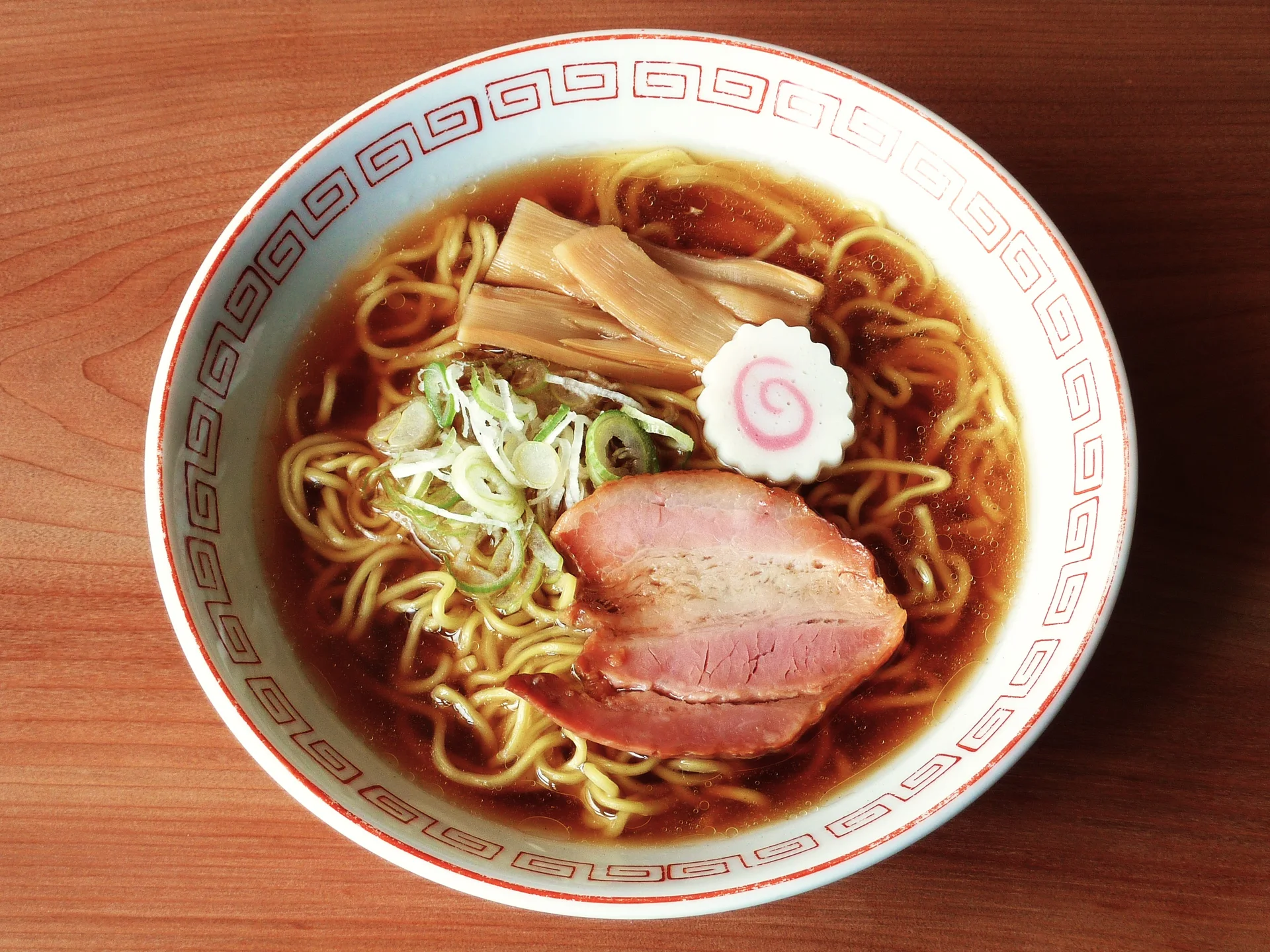
There is no need to visit every neighborhood in one night. One stall lets you slow down over the food and conversation. Two can offer a contrast in dishes or atmosphere if seats appear naturally. A third is worthwhile only when hopping between yatai is the evening's main activity. Repeatedly relocating between Nakasu, Tenjin and Nagahama spends the time in transit instead of at a counter.
Have an indoor dinner option saved within walking distance of the chosen district. Weather, individual days off and queues can all change the plan. If the live listings show poor options and the street looks uncomfortable, use the backup without treating the night as a failure. You can still walk the river or Tenjin streets and keep yatai for another evening if the trip allows it.
If the group splits across counters, agree on a meeting place away from the cooking area so nobody holds scarce seats for companions who have not arrived. Keep the order proportional to the stop: someone hoping to try a second cart needs to leave room for another dish, while a family using the first cart as dinner should confirm that the menu works for everyone. The small format rewards a specific plan more than a target number of stalls. It also explains why large bags, uncertain payment and an unresolved dinner choice cause more friction here than they would in a conventional restaurant.
Choose the neighborhood, then the actual seat
For a first look at the riverfront yatai scene, go to Nakasu. For a flexible night around shopping, hotels and many nearby food options, start in Tenjin. Make the trip to Nagahama when its food history or a particular cart is what interests you. The last choice happens in person: a stall whose menu, wait and seats fit the group is more useful than a highly ranked name that cannot take you in.
For a longer stay, combine the evening with the three-day Fukuoka route and the Hakata–Tenjin base comparison. The city directory remains the place to check which individual yatai is operating when dinner arrives.
If the food stalls will end the evening, see rooms around your chosen Fukuoka yatai area so the return does not require a late cross-city transfer.