
A November suitcase for Japan depends on where it will be opened and when. Tokyo’s normal afternoon high falls from 19.4°C on November 1 to 14.2°C on November 30; its overnight low moves from 11.6°C to 6.4°C. During the same month Sapporo averages 5.2°C overall, while Naha averages 22.5°C. Those are three very different reasons to carry a layer, choose shoes or leave a coat in the hotel room.
For the main Tokyo–Kyoto–Osaka–Fukuoka circuit, begin with long sleeves and an outer layer that can be removed inside heated trains and shops. A late date or a long evening outside may call for an extra insulating piece. Hokkaido needs a separate cold-weather and footwear plan because wet snow and freezing conditions are plausible. Okinawa still allows short sleeves on warm days; there a thin cover for wind or strong indoor cooling is more useful than a mainland coat. Kyoto foliage outings add time standing still after dark, which can feel colder than the daytime walking forecast suggests.
The November temperature split
↔ Scroll table left or right
City | November normal (1991–2020) | Useful clothes | Detail that changes the plan |
Tokyo | Rain 96.3 mm; mean 12.5°C; high 16.7°C and low 8.8°C | Long sleeve plus removable jacket | The last week has colder mornings than the monthly mean suggests |
Kyoto | Rain 73.9 mm; mean 12.5°C; high 17.3°C and low 8.4°C | Long sleeve, medium jacket, evening layer | Foliage viewing after dark is colder than uphill daytime walking |
Osaka | Rain 72.5 mm; mean 13.8°C; high 17.8°C and low 10.2°C | Long sleeve with light or medium outer | A mild afternoon does not decide the return-from-dinner layer |
Fukuoka | Rain 91.4 mm; mean 14.2°C; high 18.2°C and low 10.6°C | Long sleeve and compact jacket | Early departures and a windy waterfront still feel cool |
Sapporo | Rain/snow equivalent 113.8 mm; mean 5.2°C; high 8.7°C and low 1.6°C | Insulation and wind protection | Snow or ice can make shoes more important than another top |
Naha | Rain 119.1 mm; mean 22.5°C; high 25.0°C and low 20.4°C | Short sleeve or thin long sleeve, light cover | Mainland winter clothes take space without much use |
The city figures are JMA 1991–2020 climate normals. They provide a sensible starting set of clothes, not a prediction for the exact dates on an airline booking. November changes quickly in several regions, and weather at a mountain, coast or late-night garden can differ from a city station. Use the averages to build a layered bag, then let the dated forecast settle which layer and shoes leave the room each morning.
Tokyo loses five degrees across the month
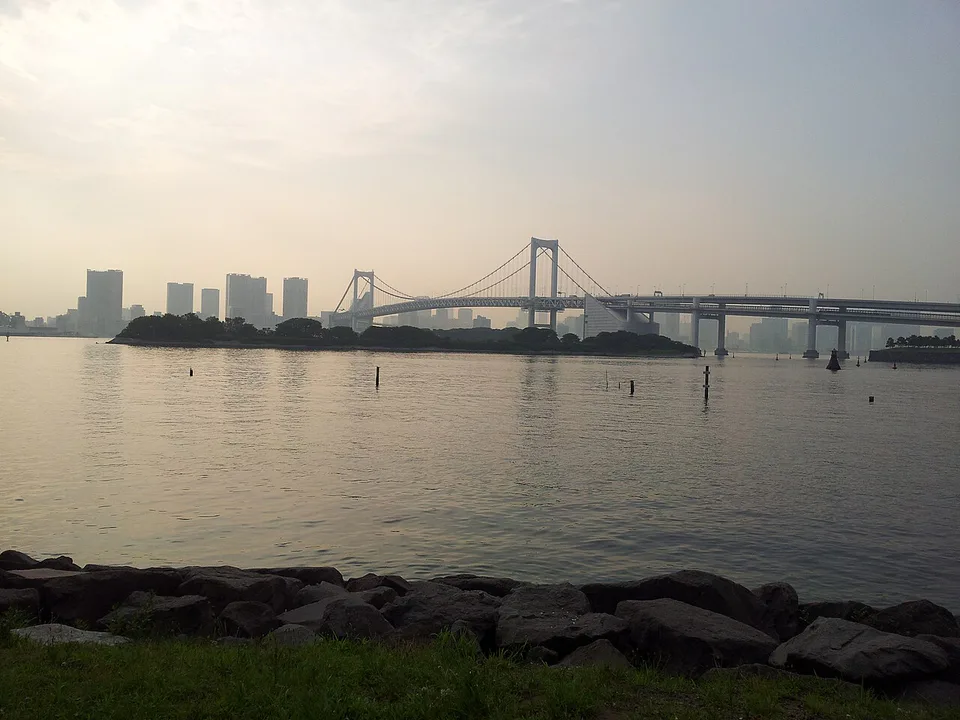
Tokyo’s November mean is 12.5°C, with a normal high of 16.7°C, low of 8.8°C and 96.3 mm of precipitation. The daily numbers tell the packing story more clearly: the start of the month normally reaches 19.4°C and falls to 11.6°C, whereas November 30 is around 14.2°C by day and 6.4°C overnight. That lower end changes a station walk at dawn or a long evening outside, even when the monthly average looks mild.
The cooler season can make sightseeing walks easier, yet daylight and warmth fade earlier. Group Tokyo days by area rather than using the comfortable midday weather as an excuse for another cross-city stop after dinner. The Tokyo itinerary and attractions-by-area guides help plan those clusters; the last station-to-hotel walk still belongs in the day’s clothing decision. Tokyo days by district Tokyo sights by area
The Tokyo coat question depends on time outdoors
A heavy down coat is not the automatic answer to a 6°C late-month low. Heated interiors and mid-teen afternoons can turn it into a cumbersome item. A long-sleeve base, light insulation and a wind-resistant jacket give more control. Increase warmth if the actual forecast drops further, if you will remain outside for a night view, or if personal cold tolerance makes the normal range uncomfortable.
Kyoto foliage days and evenings ask for different layers
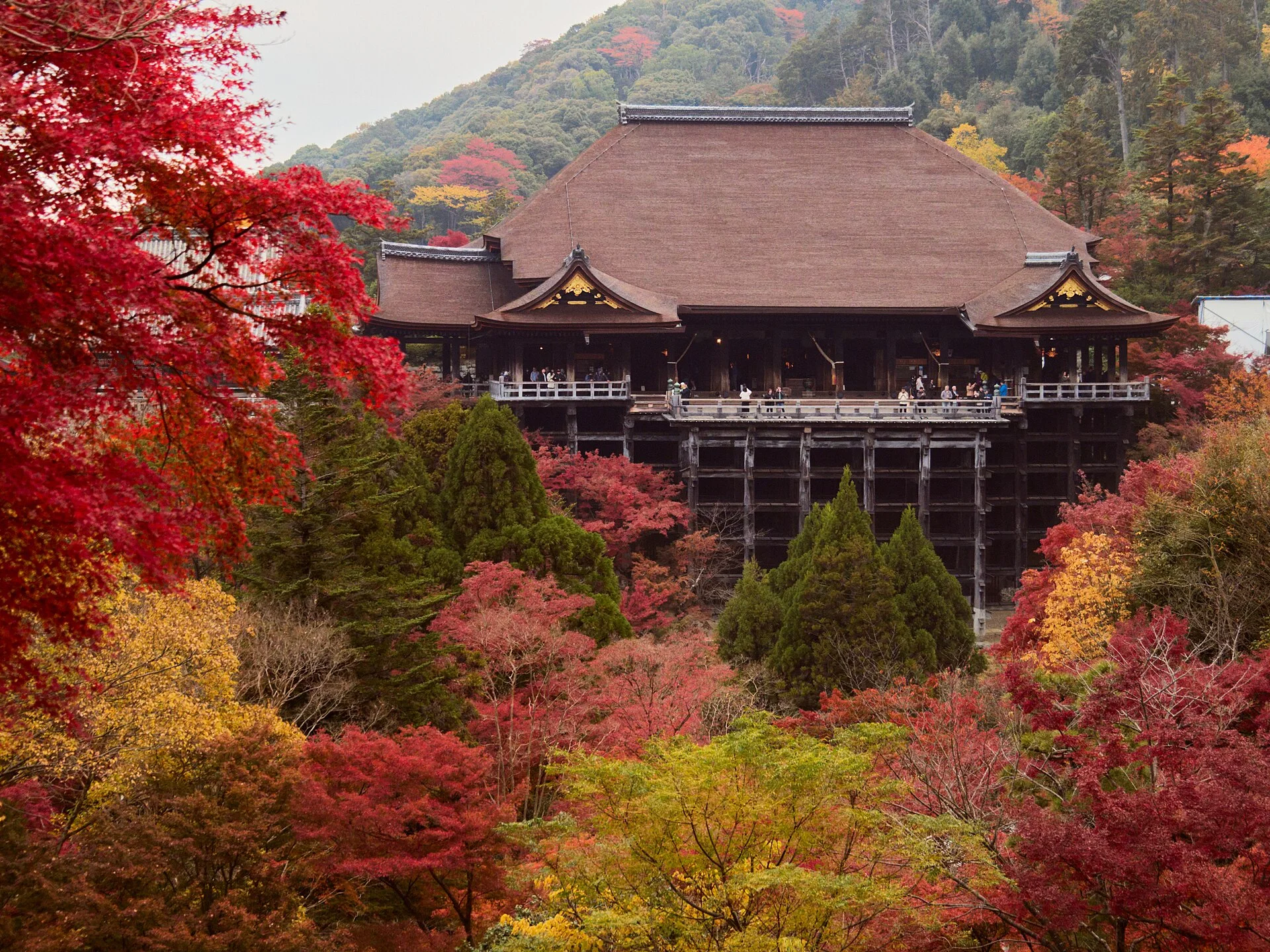
Kyoto’s November mean is 12.5°C; normal high and low are 17.3°C and 8.4°C, with 73.9 mm of precipitation. Colour often begins appearing in late October, is broadly strong around mid-November and passes peak toward month-end. Takao, Ohara and the Mount Hiei area can shift earlier because they are higher or cooler. Those are planning patterns, not a promise that any one garden will peak on your booking date.
Choose the foliage district first. The Kyoto timing guide compares areas, while the early-, middle- and late-November route guide places them against your actual week. A hillside site and a lower city garden may be at different stages on the same date; one photograph labelled “Kyoto in November” cannot settle the route. For a light-up, check whether the opening fits the day’s route rather than chaining several distant evening temples together. Travel between them consumes the very hours when the temperature is falling. Kyoto foliage districts November route by week Evening leaf viewing
A climb at 17°C may feel easy in a thin top; an hour waiting or standing in a garden near 8–10°C can feel quite different. Carry a scarf or compact insulating layer and a shell that blocks wind. Take them in the day bag even if the first half of the outing is comfortable, especially when the return train follows a late illumination.
Foliage timing moves within Kyoto
One label, “November foliage,” covers multiple neighbourhoods and elevations. Use the usual late-October-to-late-November sequence to choose flexible bookings, then inspect Kyoto’s current colour updates near departure. A forecast for leaves is not a fixed showtime; an early or late year can change which part of the city is worth the longer journey.
Osaka is mild in the afternoon, cooler after dinner
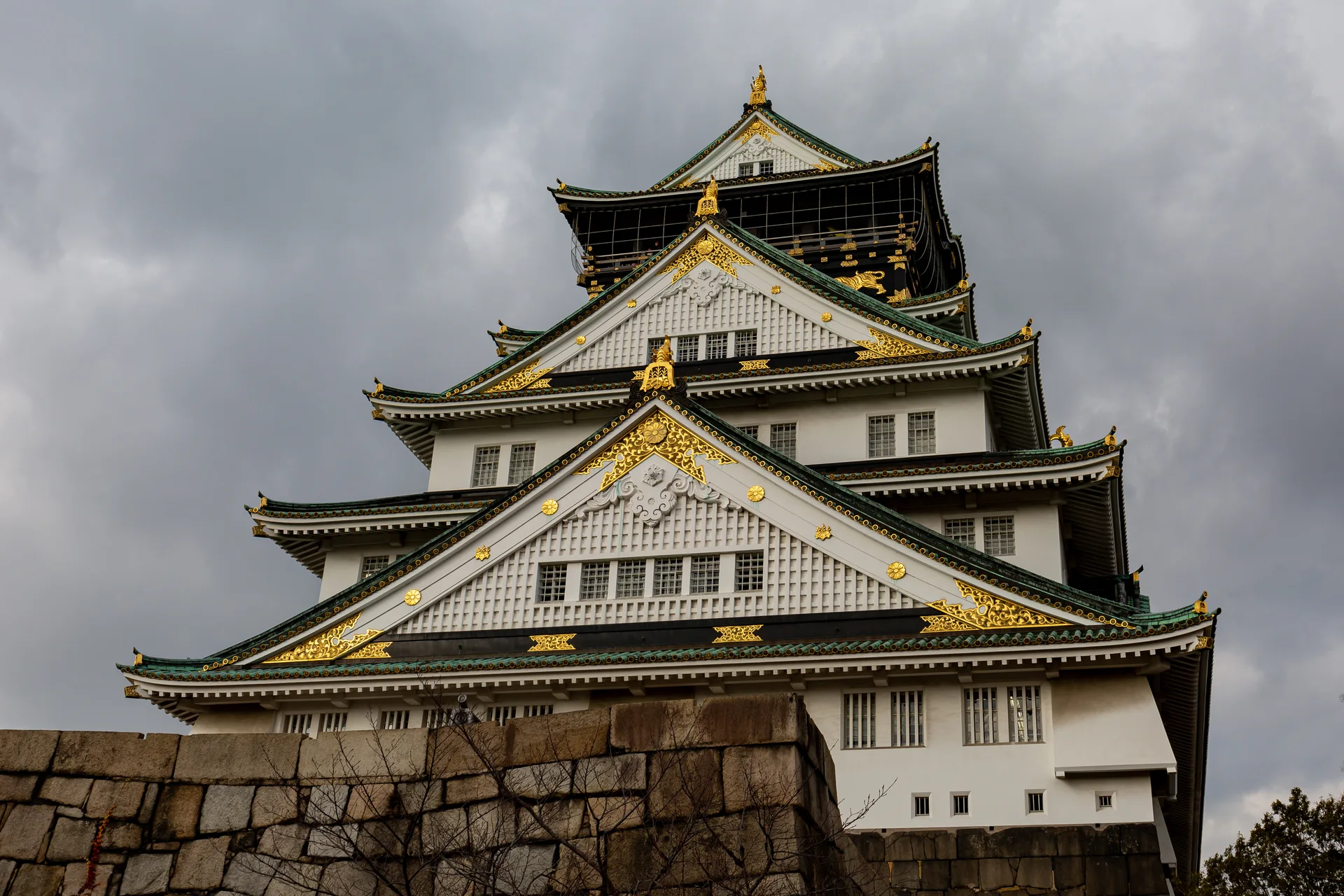
The Osaka normal is 13.8°C in November, with 17.8°C afternoon highs, 10.2°C lows and 72.5 mm of rain. Those figures suit a long city walk, but a pleasant afternoon can lead people to leave the jacket at the hotel. Long sleeves with a light-to-medium outer layer work better across the return from dinner than one bulky garment that is too warm for the middle of the day.
Cooler weather does not shorten the journey between Namba, Umeda, Tennoji and Osaka Castle. Group them into sensible districts rather than spending the extra energy gained from comfortable walking on repeated transfers. The Osaka neighbourhood guide covers which attractions sit together; a late train platform may be the coldest part of an otherwise mild day. Osaka sightseeing areas
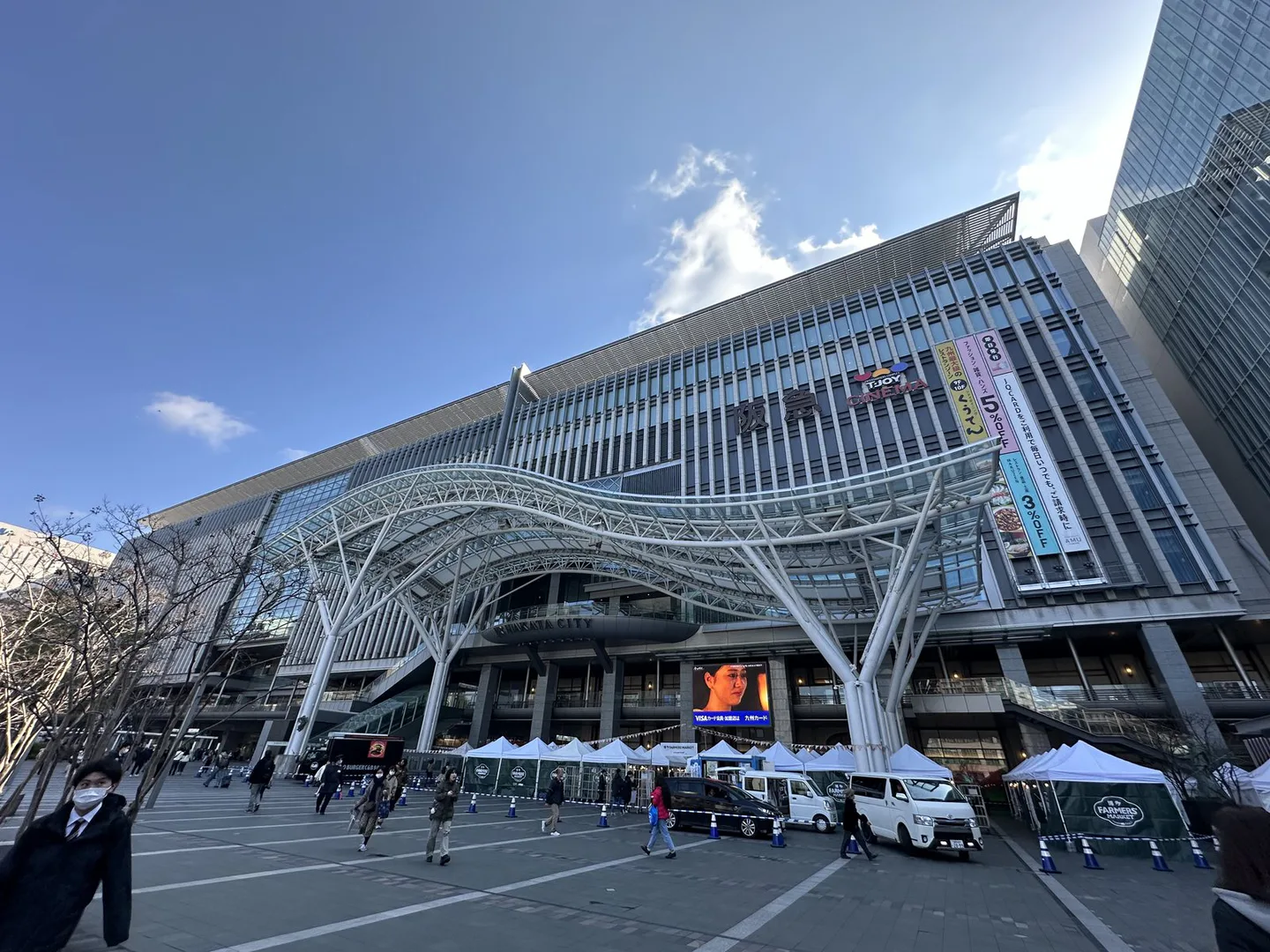
Fukuoka is milder, though waterfront wind still counts
Fukuoka’s normal mean is 14.2°C, high 18.2°C, low 10.6°C and precipitation 91.4 mm. A long sleeve and light jacket cover many urban hours. An early train, exposed waterfront or a late yatai meal can still make a single thin top inadequate. A few degrees warmer than Kyoto is a relative comparison, not a reason to pack as if summer has returned.
The three-day Fukuoka route can reveal how many evenings you expect to spend outdoors and whether a coastal excursion is part of the trip. Bring a compact rain option as well; lower rainfall than the rainy season does not mean every November day will be dry. Fukuoka three-day route
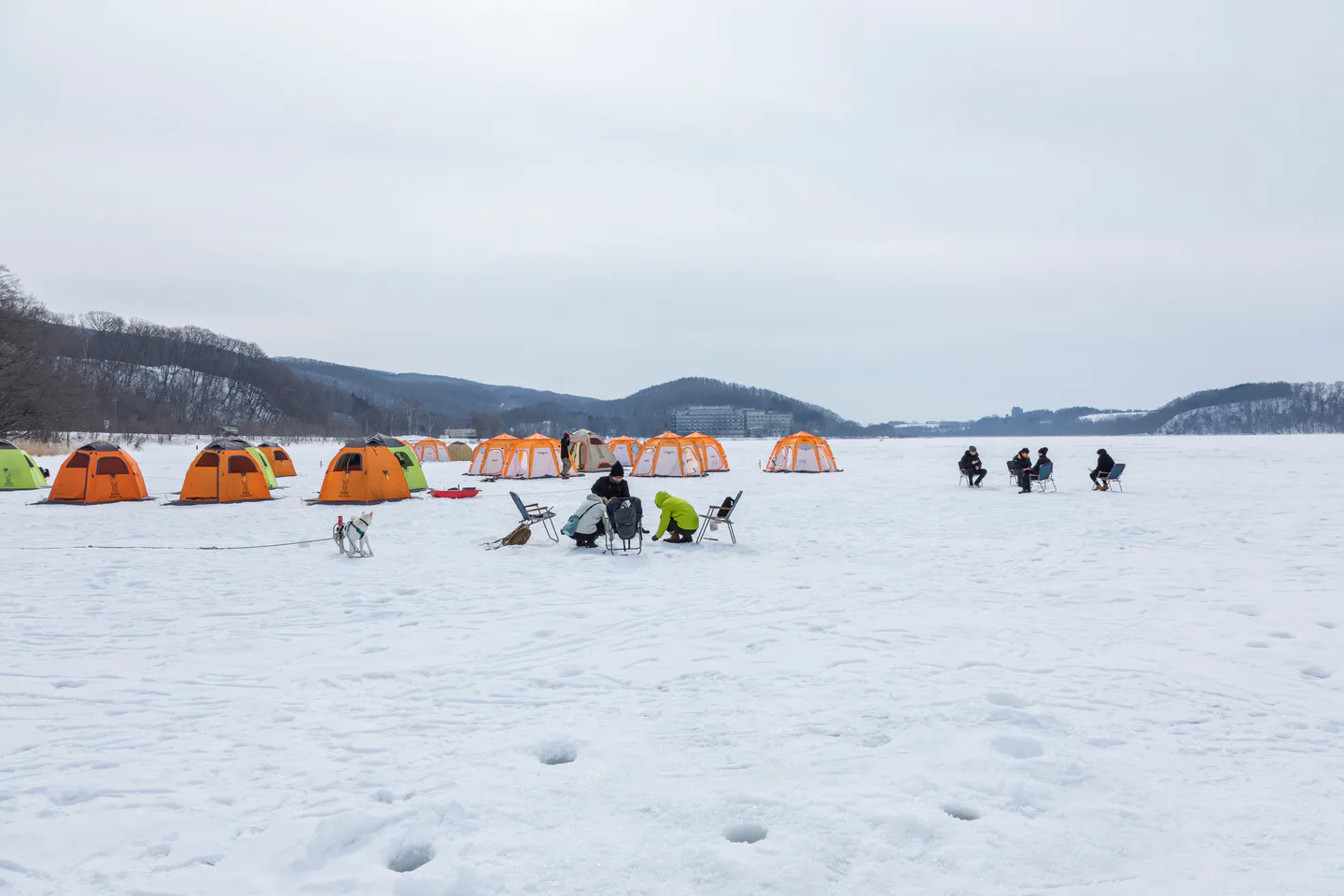
Sapporo has an early-winter problem
Sapporo averages 5.2°C in November. The normal maximum is 8.7°C, minimum 1.6°C and precipitation 113.8 mm. JMA gives 30 cm as the monthly normal for total snowfall depth, a sum across the month rather than snow lying thirty centimetres deep every day. Snowfall, slush and ice are common enough possibilities that footwear and weather margin belong in the basic plan.
Start with a warm base, add insulation and cover it with a wind-resistant outer layer. Shoes need grip on wet or cold surfaces; if the forecast shows snow or freezing conditions, water resistance and warmth rise in priority. Gloves and a hat are practical for strong wind or a long evening outdoors. A fashionable second sweater does less for someone slipping on an icy approach.
A wider Hokkaido route may behave like a winter trip even if a Tokyo-only itinerary still feels autumnal. Check the Hokkaido winter route guide for the distances and outdoor periods. Some places retain late autumn colour early in November, but do not infer Sapporo shoe conditions from an autumn photograph or from weather elsewhere on Honshu. Hokkaido winter route
A monthly 5°C average does not require maximum insulation every hour
A sunny daytime, heated station and snowy evening demand different combinations. Separate a base layer, insulating piece and weatherproof outer so each can come off indoors. The November upgrade is readiness for cold wet ground and wind, not wearing the thickest possible coat from breakfast to dinner.
Naha remains warm while the mainland cools
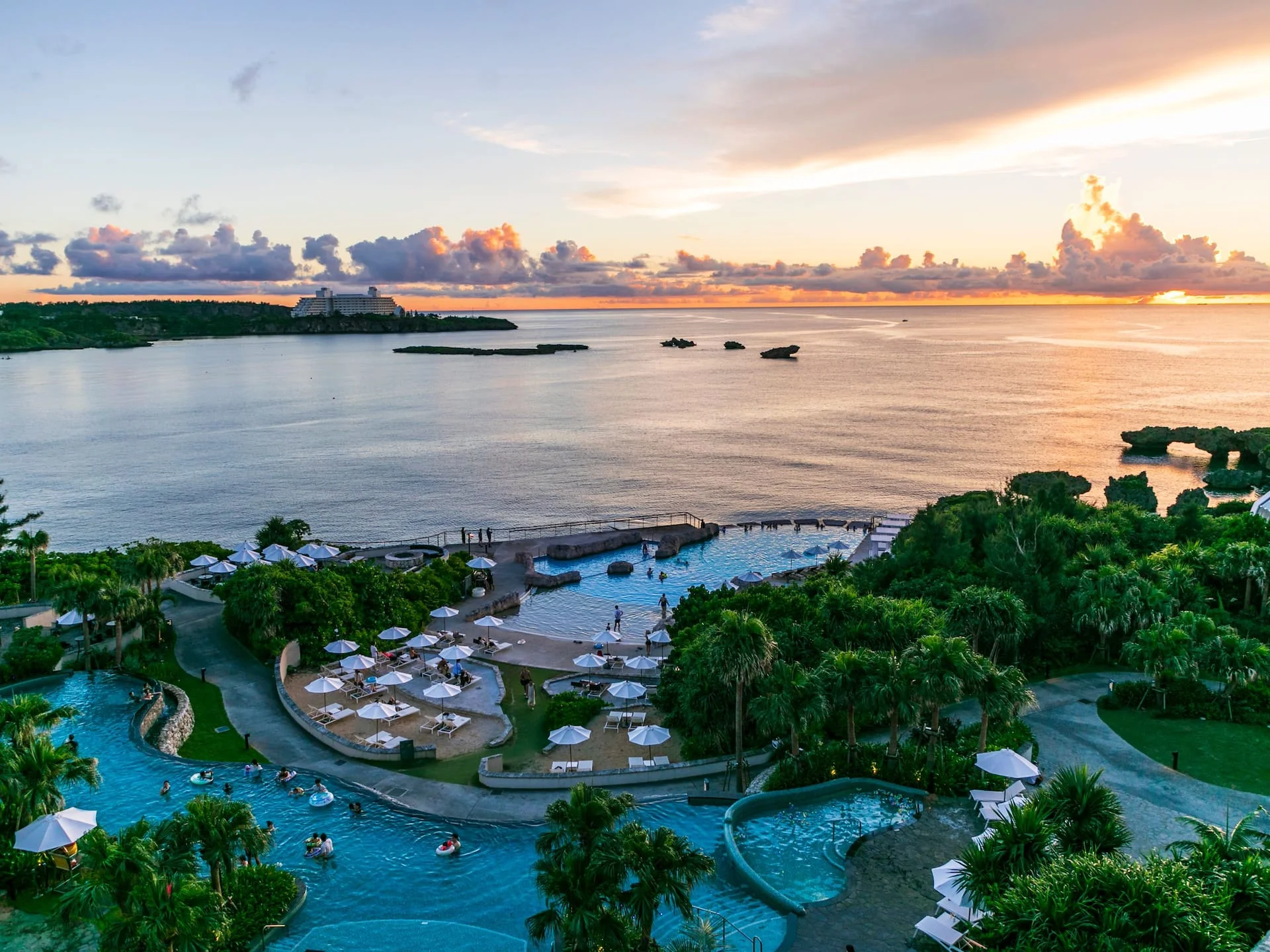
Naha’s November normal is 22.5°C overall, with 25.0°C highs, 20.4°C lows and 119.1 mm of rain. Short sleeves may feel right on a sunny afternoon. A thin long sleeve or light wind layer is useful at a breezy shore, in the evening or under strong air conditioning. Heavy knitwear chosen only because the calendar says November takes room from clothing you are more likely to use.
Ferries and water activities remain subject to wind, waves, rain and the operator’s safety call. The Okinawa weather-backup guide can help you keep a movable island day, even though tropical-cyclone risk is lower than in peak summer. Warm air does not guarantee a boat will sail or a snorkelling trip will proceed. Okinawa weather alternatives
Footwear separates Hokkaido from the rest
Tokyo, Kyoto, Osaka and Fukuoka usually call for comfortable walking shoes that cope with some rain. A November date alone does not require snow boots there. Sapporo can be different when snow, thaw or freezing ground is forecast: look for grip, water resistance and enough warmth for the actual outing. A smooth-soled city shoe may feel acceptable on a dry platform yet be unreliable on a wet station approach or a shaded pavement that has refrozen. Check the forecast for the places where you will walk, not only the city-wide temperature. If the Hokkaido leg is short, footwear that works in both conditions can save carrying a second heavy pair. A folding umbrella helps with mainland rain, while a hooded wind-resistant layer may serve better than an umbrella in Hokkaido’s wet snow or gusts.
For two climates, keep the shared pieces small
Tokyo and Hokkaido can share the base layer
Tokyo’s 12.5°C monthly mean and Sapporo’s 5.2°C mean are too far apart for one outerwear solution. Long sleeves can travel to both; add insulation, wind protection, gloves or a hat as needed, and footwear that can handle a cold wet surface for the Hokkaido leg. This packs more efficiently than carrying one oversized coat that is uncomfortable in heated Tokyo shops and still leaves shoes unsuitable for Sapporo.
Tokyo and Okinawa are farther apart than a flight time suggests
The normal low in Naha is still 20.4°C, while a Tokyo morning at the end of November is close to 6°C. Let the Tokyo jacket stay in the case on warm Okinawa days. For a multi-region trip, set up mobile access to weather, rail, ferry and activity notices before departure; the Japan eSIM guide covers a connection that does not rely on public Wi-Fi when plans change. Japan mobile data setup
The mistakes come from treating a month as one forecast
Tokyo’s 12.5°C monthly mean hides its colder last week. Kyoto’s afternoon foliage walk does not describe an evening spent waiting for illumination. A Tokyo jacket without shoes suitable for Sapporo snow misses the ground conditions. Mainland knitwear uses space that a Naha stay may need for lighter clothes. And “Japan in late autumn” is not a useful packing category when the route crosses several of these places.
Use the forecast in two passes
About seven to ten days before departure, inspect the trend in highs and especially overnight lows; that is when to decide whether the extra mid-layer belongs in the suitcase. At forty-eight to seventy-two hours before an outdoor day, check hourly rain and wind, Sapporo freeze-thaw or snow, and the time of a Kyoto night opening. If a Naha boat trip is booked, check the operator’s sailing notice as well as the air temperature. Long-term normals shape the bag; the dated forecast decides what you wear and whether an evening or footwear plan needs to change.
Four decisions for November travellers
How heavy should the mainland jacket be?
For an urban Tokyo, Osaka, Kyoto or Fukuoka itinerary, a medium jacket over removable layers often covers more situations than heavy down. Sapporo may warrant a light down or equivalent insulation, depending on date, wind, snow and cold tolerance. Naha generally has no use for it outside a traveller’s onward journey.
The first and last Tokyo weeks differ
JMA’s daily normal starts November at 19.4°C by day and 11.6°C overnight. At month-end it is 14.2°C and 6.4°C. The change is large enough to affect early departures and late walks; pack for the dates on the ticket rather than the 12.5°C mean printed for the whole month.
Kyoto leaves are a moving target
November is a major window, with colour usually beginning in late October, broadly strong around mid-month and fading toward its end. Higher districts often lead the sequence, and the year’s weather can move it. Check current colour updates before fixing the final route instead of assuming every temple is at peak on the same weekend.
Sapporo snow needs a plan, not a promise
A monthly total snowfall normal of 30 cm and a 1.6°C normal low make snow and slush plausible, but neither figure guarantees snow on an individual visit. Keep footwear with appropriate grip in consideration until the forecast resolves the dates. If it stays dry, a removable layer remains useful in heated buildings.
The suitcase follows the route
On a Tokyo–Kansai–Fukuoka trip, begin with long sleeves, a removable warm middle layer and a medium outer. Add proper wind protection and shoes chosen for cold wet ground in Hokkaido. Switch to short sleeves or thin long sleeves and a light cover in Okinawa. The exact mixture depends on early versus late November, time after dark and the latest weather; a single “autumn in Japan” outfit does not cover those differences.
The temperatures, precipitation and Sapporo snowfall figures come from JMA’s 1991–2020 normals. Kyoto’s foliage sequence describes a usual pattern across different areas, not a date guarantee. Before setting out, use current forecasts, colour updates, transport notices and sea conditions for the specific journey. JMA monthly normals Kyoto foliage timing Kyoto colour updates
For a November Hokkaido leg, where you sleep affects how much time you spend outside with luggage in colder weather. Check rooms near Sapporo Station against your airport and onward rail connections.