
I would keep one Tokyo hotel for most five- to seven-night trips. A move is worth examining when the second half of the itinerary changes shape: several west-Tokyo days followed by Hakone, a genuinely early long-distance departure after an evening near Tokyo Station, or two consecutive days at an outer destination such as Disney. Merely wanting to sample another neighbourhood does not create a transport saving. It creates another check-out, luggage decision and check-in.
Before choosing two hotels, mark every evening return, early departure and midday room visit on the itinerary. A proposed move should improve several of those journeys, not a single attraction. If you are still choosing your first base, compare Ueno and Shinjuku or Tokyo Station and Shinjuku first. Splitting a stay before the trip geography is clear usually manufactures a second booking without solving a clear problem.
The roomless hours are part of the price
A hotel move is often drawn as a short line on a rail map. The real sequence starts the night before, when bags are packed again, and ends when the second room is ready. Between check-out and check-in, the group may be able to leave cases at a hotel, yet still lack a place to nap, shower, change for dinner or bring a child for a quiet hour. Those lost options matter most on hot days, with older relatives, with young children or during a trip that already has an exhausting pace.
One station transfer can also multiply into smaller chores: finding the lift from the platform, carrying separate day bags, walking from the station with cases, checking the luggage-storage desk and returning to collect keys. If both hotels are beside their respective stations and the group travels light, the move may be easy. If one of them is a long walk or the party has two large cases, allow far more than the timetable's train journey. Do not treat a train map estimate as door-to-door moving time.
| Claimed benefit | What to count | Reason to keep one base |
|---|---|---|
| Closer to one sight | One morning or evening journey | A single cross-city train ride is usually cheaper than moving rooms |
| Closer to several later days | Each morning start and late return | Move only if the pattern genuinely repeats |
| Closer to a long-distance train | Previous evening and departure morning | A normal daytime train seldom justifies an extra checkout |
| Airport arrival or departure | Terminal, arrival hour and the days around it | The airport leg is only one part of the stay |
| Two days at an outer destination | Both early starts and both late returns | A central base remains viable for a single day |
I would treat the move as a purchase of better mornings and evenings. If it saves only a few minutes on one day, it fails. If it removes a stressful transfer on several consecutive days and lets everyone use the new base in the evening, it can pass. This is a trip-specific judgement, not a rule that every visitor needs exactly one or exactly two Tokyo hotels. For a first visit, the six-area Tokyo base guide narrows the candidate districts before any move is planned.
Narita arrival: Ueno can start the trip, but it need not trap the rest of it
Keisei's Skyliner runs between Narita Airport, Nippori and Keisei-Ueno. That makes Ueno an appealing first stop when the first part of the holiday already belongs to east Tokyo: Ueno Park and its museums, Asakusa, Akihabara and perhaps Skytree. In that version, the airport arrival and the first sightseeing days point to the same side of the city. A Ueno hotel can make sense without any later move if the other days are also easy to reach by rail.
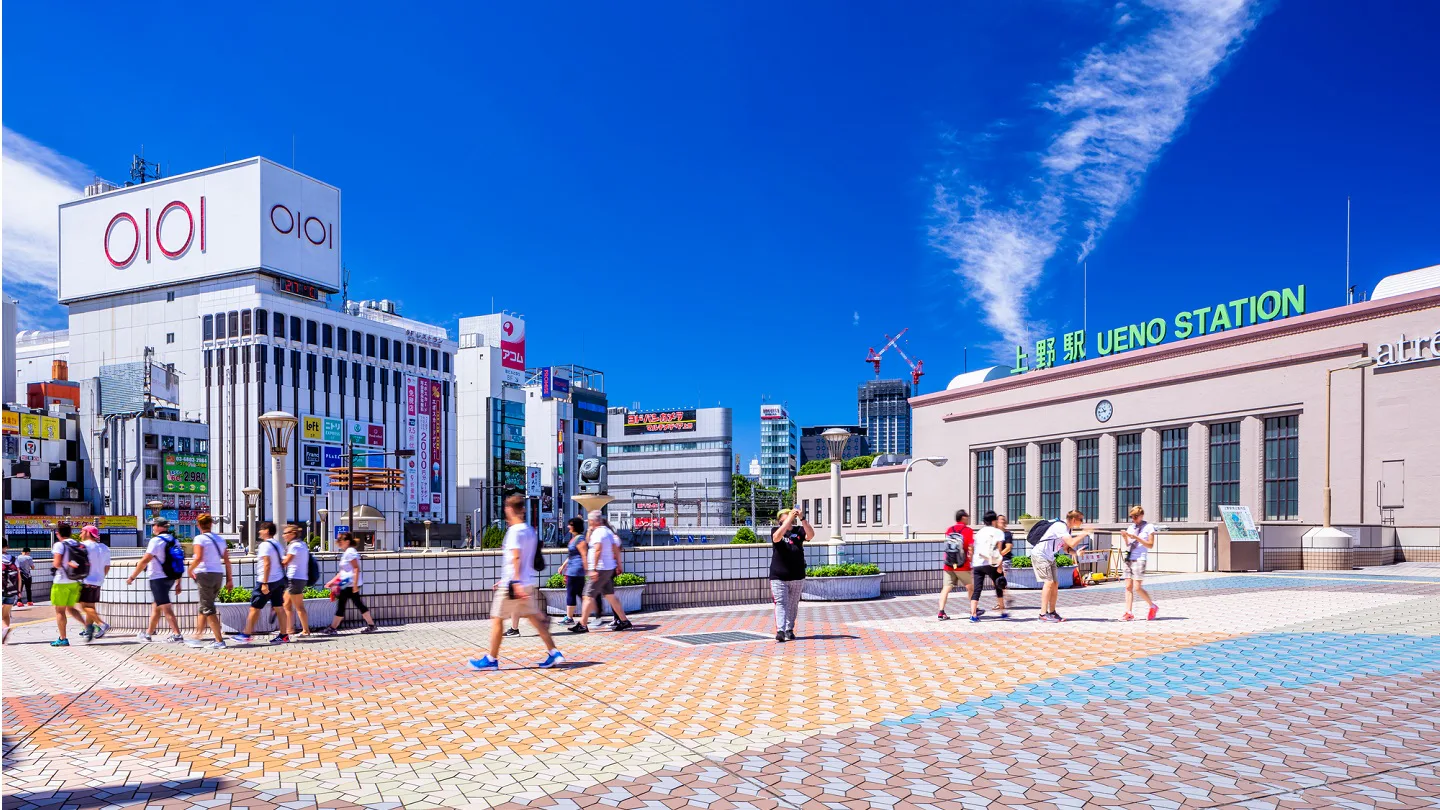
But Narita also connects directly to Tokyo, Shibuya and Shinjuku on selected Narita Express services. A party spending most of the week around Shinjuku, Shibuya, Harajuku and west Tokyo should not automatically book two Ueno nights simply because the Skyliner looks neat. That can exchange one arrival transfer for a hotel move that would otherwise never happen. The airport-to-hotel transfer guide helps identify the last awkward connection rather than comparing headline train speeds. A late landing has its own decision in the Narita late-arrival hotel comparison.
Within Ueno, “near the station” can still mean a different walk from Keisei-Ueno than from a JR platform. A rain-soaked arrival with children and cases makes that distinction tangible. Check the Mitsui Garden Hotel Ueno access decision or the Mitsui versus NOHGA room trade before booking by area label alone. The arrival hotel must actually serve the arrival route.
The Ueno-to-Shinjuku move needs a real second half
The plausible six-night split is east Tokyo first, west Tokyo second. Three nights around Ueno or Asakusa can suit museums, Asakusa and Akihabara; three around Shinjuku can suit Shibuya, Harajuku, later dinners and a Hakone departure. The direct Romancecar service between Shinjuku and Hakone-Yumoto is one reason the west-Tokyo half may be more useful than a new hotel merely for nightlife. The move changes several evening returns and the onward journey.
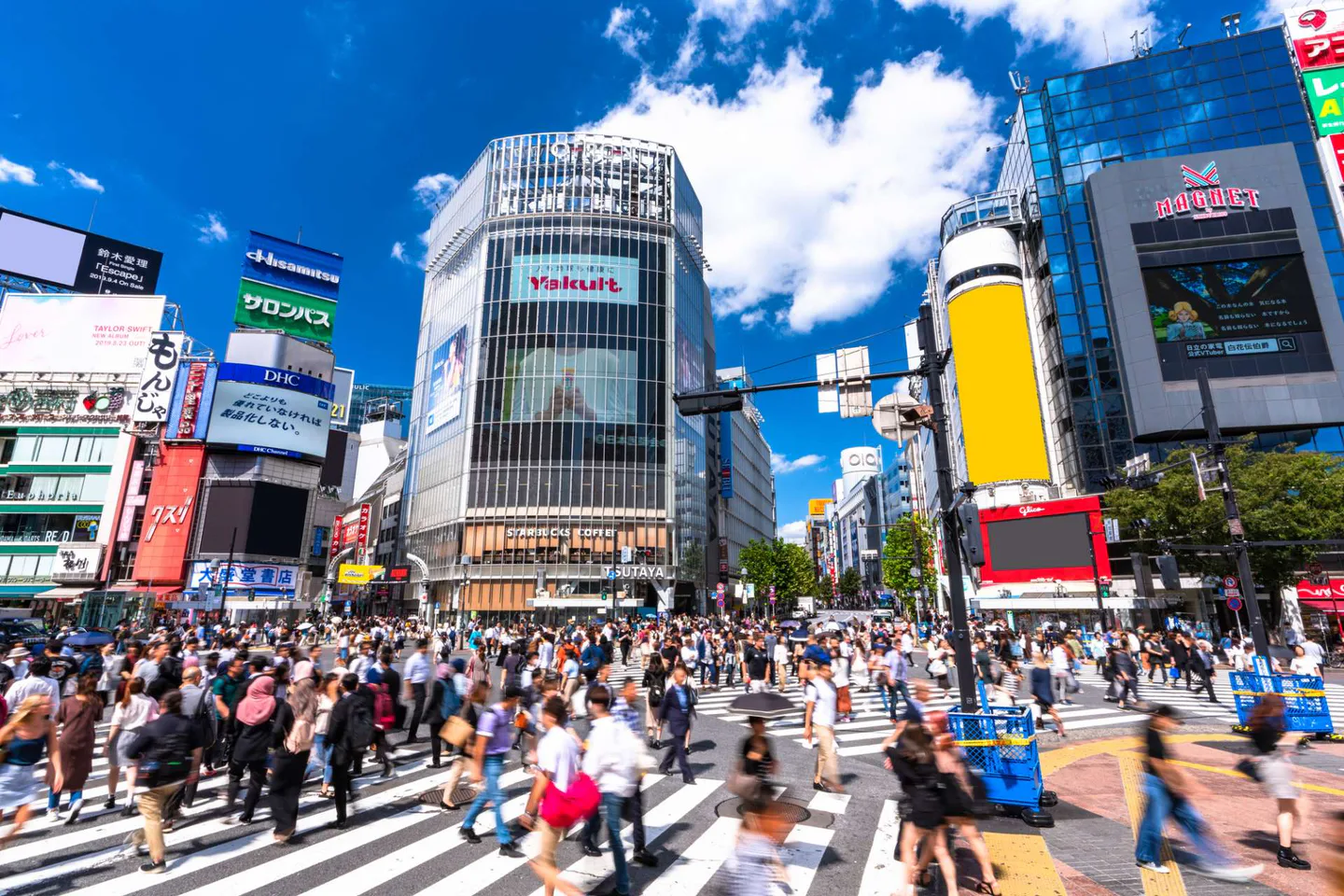
That logic fails when the alleged west-Tokyo section consists of one Shibuya afternoon and one Shinjuku dinner while other days return to Ginza, Tokyo Station or Asakusa. Tokyo trains already connect those areas. A move would save little repeated travel and consume part of the middle day. Before committing, compare Shinjuku with Shibuya: a Kabukicho late-night base and a South Exit transport base are different purchases. A hotel such as JR Kyushu Hotel Blossom Shinjuku is relevant if its south-side location and bed setup fit the later days, not because every Shinjuku hotel saves the same journey.
The west-side move works best when the first hotel has completed its job. Finish the east-Tokyo mornings before checking out, and do not plan an urgent midday room visit on moving day. If luggage can be left at the first hotel but must be collected from the east side at night, that can erase much of the geographical gain. Ask each hotel about pre-check-in and post-check-out storage under the exact rate and dates; the answer can differ between properties.
Tokyo Station for the last night: two uses or none
Tokyo Station is useful for the Tokaido Shinkansen and several JR East long-distance departures. Yet a hotel change on the final Tokyo night is rarely justified by the phrase “we have a Shinkansen tomorrow”. If the train is at a normal daytime hour, you can usually leave Ueno or Shinjuku from the existing hotel with enough time. The final-night move becomes more credible when the train is genuinely early and the previous evening will already be in Marunouchi, Nihonbashi or Ginza. Then one new base improves both the evening and the morning.
Price that final night as a complete night rather than a train-connection fee. It creates another booking, packing cycle and check-in. If the hotel is in a tower across an underground passage, inspect the actual route to the Shinkansen gate with bags. Hotel Metropolitan Tokyo Marunouchi tests the station-side trade; the Metropolitan versus Ryumeikan comparison tests whether proximity or room area should lead. Compare the Tokyo Station hotel shortlist only after the final-night move itself passes the test.
Disney and other outer-area blocks are the stronger exception
Two consecutive Tokyo Disney days change the arithmetic because both mornings and both late returns can improve when the hotel moves toward Maihama. The second park night also gives a clear reason to enjoy the hotel, rather than using it as a one-night transit stop. One Disney day inside a wider Tokyo itinerary often works from a central base; the benefit of a resort move depends on park hours, children, room breaks and where the next leg begins. The Disney hotel-move guide deals with the timing, Tokyo versus Maihama compares the two bases, and Disney versus resort-area hotels decides which room system fits once the move itself is justified.
The same pattern can apply to two nights of Tokyo Dome events, consecutive Makuhari days or another outer destination with early starts and late finishes. It does not apply equally to every museum or attraction. If the destination is visited once, use the rail network. If it defines a two-day segment, price a local hotel and count the commutes removed at both ends. The four-, five- and seven-day Tokyo itinerary comparison helps decide whether a second base even fits the available nights.
A move to an outer destination also needs a luggage answer. With two large cases, it may be easier to leave the main bags at a hotel you will return to, or forward them to the next city while carrying a small overnight bag. Do not assume a hotel accepts stored luggage across separated bookings or that another property will receive a forwarded bag without notice. If Hakone or Kawaguchiko follows Tokyo, the mountain-route luggage plan can matter more than the exact Tokyo district. Keep passports, medicines, batteries and other essentials with the party throughout the transfer.
Two reservations change the cancellation and room risks
Three cheap nights in Ueno and three cheap nights in Shinjuku are not necessarily cheaper than six comparable nights in one room. Bed types, breakfast, occupancy rules, taxes and cancellation terms can vary between the two bookings. A change in concert dates, weather or family availability may force you to alter one half while the other half remains payable. Before splitting, write each booking's free-cancellation deadline and the room type beside the total cost. If either half is a room you would not otherwise accept, the apparent area advantage is overstated.
This matters especially for families. “Sleeps four” can mean beds of different sizes or a sofa arrangement that works poorly after a long day. The Tokyo four-person room guide is a more important filter than the desire to stay in two districts. Travelling with older parents raises another set of lift, station-exit and room-access checks, covered in the Tokyo-with-parents hotel decision. Longer stays also make laundry and floor space relevant; a single larger room may outperform two attractive but cramped short bookings. The long-stay laundry comparison helps decide whether a washer actually changes the booking.
Check the cancellation windows in calendar order, not just by hotel. If the first booking becomes non-refundable before a concert or onward train is confirmed, the later refundable room does not make the combined plan flexible. The reverse can happen if the second hotel has a stricter deal: a change to the Hakone or Disney portion may leave you paying for a Tokyo room you no longer need. I would record the last free-cancellation time, the number of guests and the exact room name for each half in the same note. That also prevents an attractive rate for two guests from being compared with a four-person room elsewhere. If either booking requires full advance payment, include that cash timing in the comparison.
| If the plan looks like this | My first booking choice | Reason |
|---|---|---|
| Three or four Tokyo nights with scattered sights | One hotel | The moving day consumes too much of a short visit |
| Six nights: east-Tokyo days followed by west-Tokyo days and Hakone | Quote Ueno then Shinjuku | The second base improves repeated returns and departure |
| Six nights with one Shibuya afternoon | One hotel | Cross-city rail is simpler than a second booking |
| Very early train after an evening near Tokyo Station | Consider a final-night station hotel | The new location serves both sides of the night |
| Two complete Disney days | Quote a Maihama segment | Both park mornings and nights may become easier |
The move day should work without access to a guest room. Put sightseeing or a light transfer on that day, not a required nap, formal clothes change, medical rest or fixed event soon after check-in time. On a short visit, compare how many full Tokyo days you have before spending one on hotel logistics. Confirm the second hotel's luggage-storage arrangement before booking the first. Once that is settled, compare the complete stay rather than separate teaser rates. To inspect rooms for the same five- to seven-night dates across Ueno, Shinjuku and Tokyo Station, compare the Tokyo hotel map and check the chosen property's luggage rules before final payment.