
September is two packing problems within a single month. Tokyo’s 1991–2020 normal high falls from 30.0°C on September 1 to 24.7°C on September 30, while its normal low drops from 22.5°C to 17.6°C. Early arrivals in Tokyo, Kyoto, Osaka and Fukuoka still need summer clothes. A late-month trip can use a light layer much more often. Sapporo already calls for cool-morning clothing, and Okinawa remains warm enough that wind and sea conditions matter more than insulation.
Build the bag around the actual dates and regions. Breathable tops remain useful on the main Honshu and Kyushu city route; add one thin long sleeve for air-conditioned interiors and later September evenings. Pack a more reliable light jacket for Sapporo from the start. For Naha, keep quick-drying summer clothes and leave space for wet gear. A Tokyo-only itinerary in the first week and a Tokyo–Hokkaido itinerary in the last week do not need the same number of cool-weather pieces, even though both can be described as September travel in Japan. None of these regional choices predicts the week you will travel, so use current weather information before deciding the final mix.
September temperatures by city
↔ Scroll table left or right
City | 1991–2020 September normal | Packing base | Detail to plan around |
Tokyo | Rainfall 224.9 mm; mean 23.3°C; typical maximum 27.5°C and minimum 20.3°C | Light summer clothes with one thin outer layer | The early-month heat differs markedly from late-month nights |
Kyoto | Rainfall 178.5 mm; mean 24.4°C; typical maximum 29.2°C and minimum 20.7°C | Breathable clothes and a layer for later hours | A September calendar date does not cool long temple walks by itself |
Osaka | Rainfall 152.8 mm; mean 25.2°C; typical maximum 29.5°C and minimum 21.9°C | Short sleeves and something light for indoor cooling | Many days still reach 30°C; keep arrival day manageable |
Fukuoka | Rainfall 175.1 mm; mean 24.7°C; typical maximum 28.6°C and minimum 21.6°C | Quick-drying clothes with rain protection | Rain can interrupt travel even after the summer heat eases |
Sapporo | Rainfall 142.2 mm; mean 18.6°C; typical maximum 22.8°C and minimum 14.8°C | T-shirt plus long sleeve or compact jacket | Mornings and evenings need more than a Tokyo summer bag |
Naha | Rainfall 275.2 mm; mean 27.9°C; typical maximum 30.6°C and minimum 25.8°C | Summer quick-dry kit with sun protection | Sea conditions and storm risk matter more than warmth |
The numbers in the table are Japan Meteorological Agency normals for 1991–2020: long-term September averages rather than a forecast for this year. A monthly mean can conceal a substantial change between the first and last week. Rain totals likewise describe a typical month, not how many hours of sightseeing your particular day will lose. Use the figures for a first packing decision, then adjust against a dated forecast and any wind or transport notices.
Tokyo: early heat gives way to cooler nights
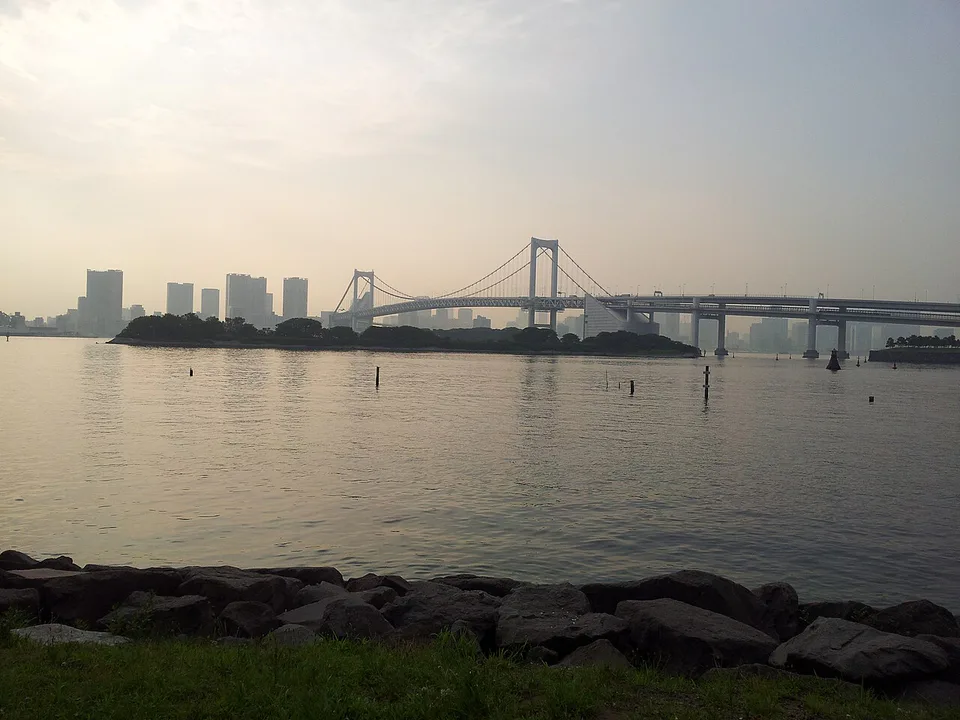
Tokyo’s September mean is 23.3°C; the normal high is 27.5°C, the low 20.3°C and monthly rain 224.9 mm. The daily normal explains why the average can mislead: around the beginning of the month the high is 30.0°C, and mid-month days remain in the upper 20s. At the end, the normal is 24.7°C by day and 17.6°C at night. Someone arriving on the 3rd should not pack as if travelling on the 28th.
For an early stay, cluster sights by neighbourhood and leave the most exposed crossings out of the hottest part of the day. The four-, five- or seven-day Tokyo itinerary gives a city-scale route, while the attractions by area guide reduces repeated journeys across town. Toward October, longer outdoor walks may feel easier, but the 224.9 mm monthly rain normal still argues for a plan that can move an indoor stop when needed. Tokyo routes by trip length Tokyo neighbourhoods
A Tokyo coat is usually extra baggage
Central Tokyo rarely calls for a heavy autumn coat during September city sightseeing. A thin knit, cardigan or packable shell can be put on after sunset and removed when daytime temperatures rise. The important feature is that it travels easily in a day bag; a bulky layer can become something you carry all afternoon during a return to the mid-20s.
Kyoto: temple walks can still feel like summer
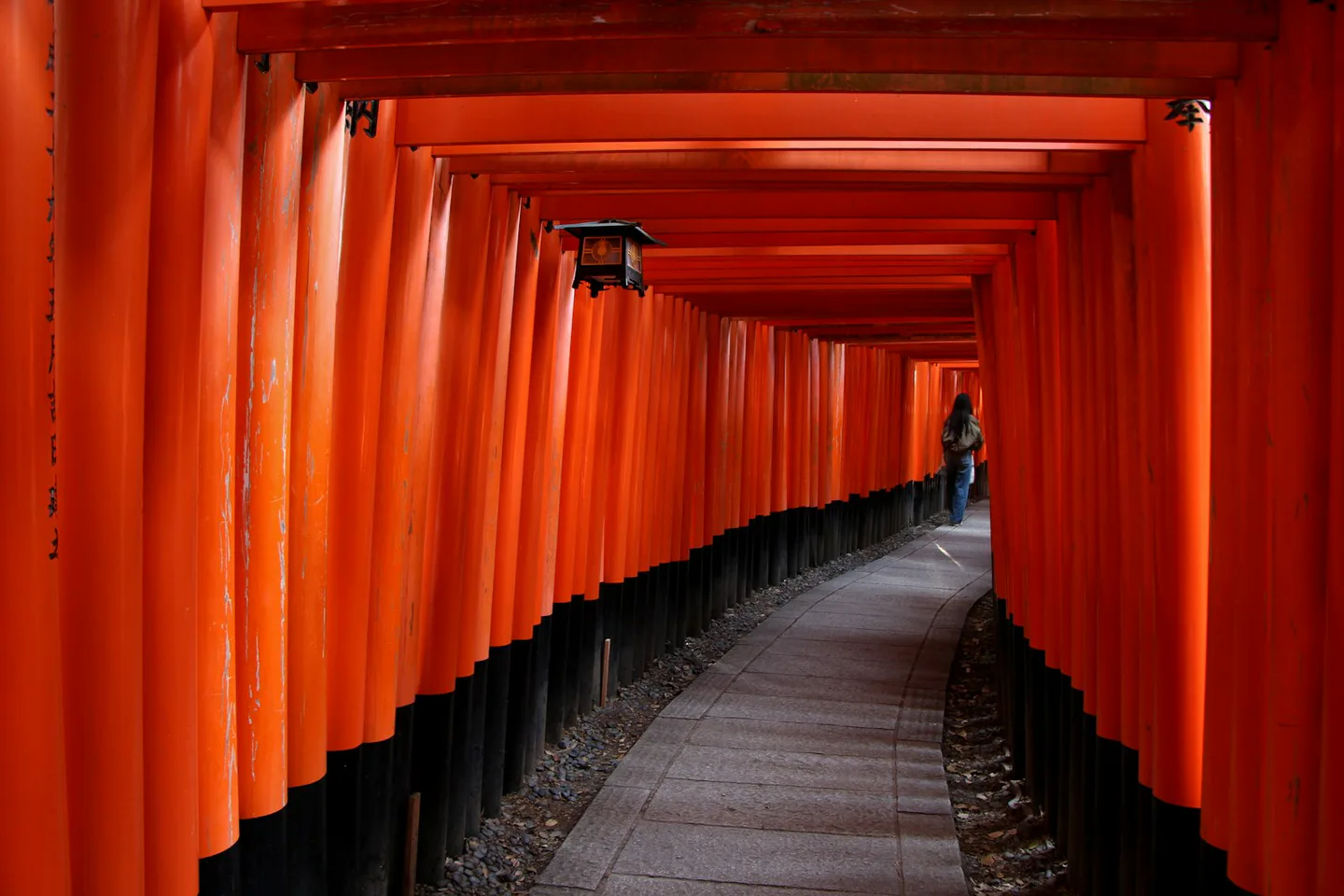
Kyoto’s September mean is 24.4°C, with a 29.2°C normal high, 20.7°C low and 178.5 mm of rain. JMA also records a normal of about 13.3 September days whose high reaches at least 30°C. That is enough to keep heat in the planning for Kiyomizu-dera, Higashiyama, Fushimi Inari and Arashiyama, especially early or midway through the month.
Put a long uphill approach near the start of the day while early-September heat remains plausible. Later in the month, the day’s forecast may allow a looser order; do not lock the whole route to a seasonal label. If Kyoto and Osaka are both in the trip, base the hotel choice on where the sightseeing days actually occur. Avoiding a repeated cross-city ride saves more effort than choosing a wardrobe to compensate for a poor base.
Kyoto’s change is gradual
A September arrival does not instantly turn a Kiyomizu-dera or Fushimi Inari walk into October conditions. The monthly 29.2°C normal high and 13.3 days at or above 30°C support morning starts, water breaks and lighter clothing through the first half. The later dates usually offer more relief, but a warm spell can still matter on stone steps or exposed streets.
Osaka: leave room to recover after arrival
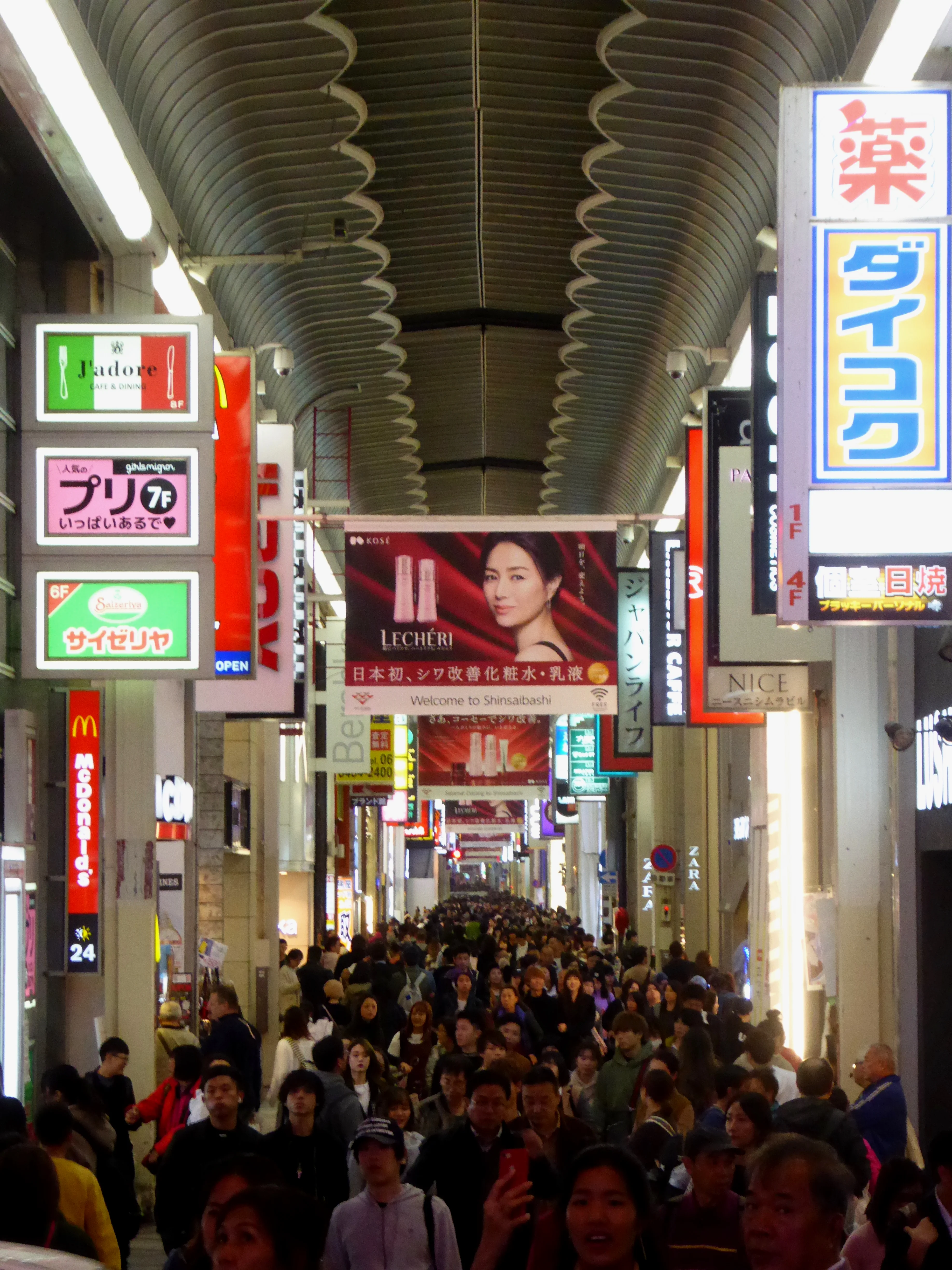
Osaka’s normal September mean is 25.2°C, with 29.5°C highs, 21.9°C lows and 152.8 mm of rain. Roughly fourteen days in the JMA normal reach 30°C or more. A traveller who lands at Kansai Airport, handles a large suitcase and immediately adds several hours outdoors can overestimate the energy available for the first afternoon.
Match the airport route to the actual hotel before scheduling an arrival-day attraction. For a full day out, keep Namba, Umeda, Tennoji and the bay in sensible groups rather than crossing the city repeatedly. The airport-to-Osaka guide and the attractions by neighbourhood plan help separate those two decisions. September is generally less hot than August, yet an inefficient route still costs time and energy. Airport-to-city rail and bus Osaka sights by district
Fukuoka: easing heat does not remove rain risk
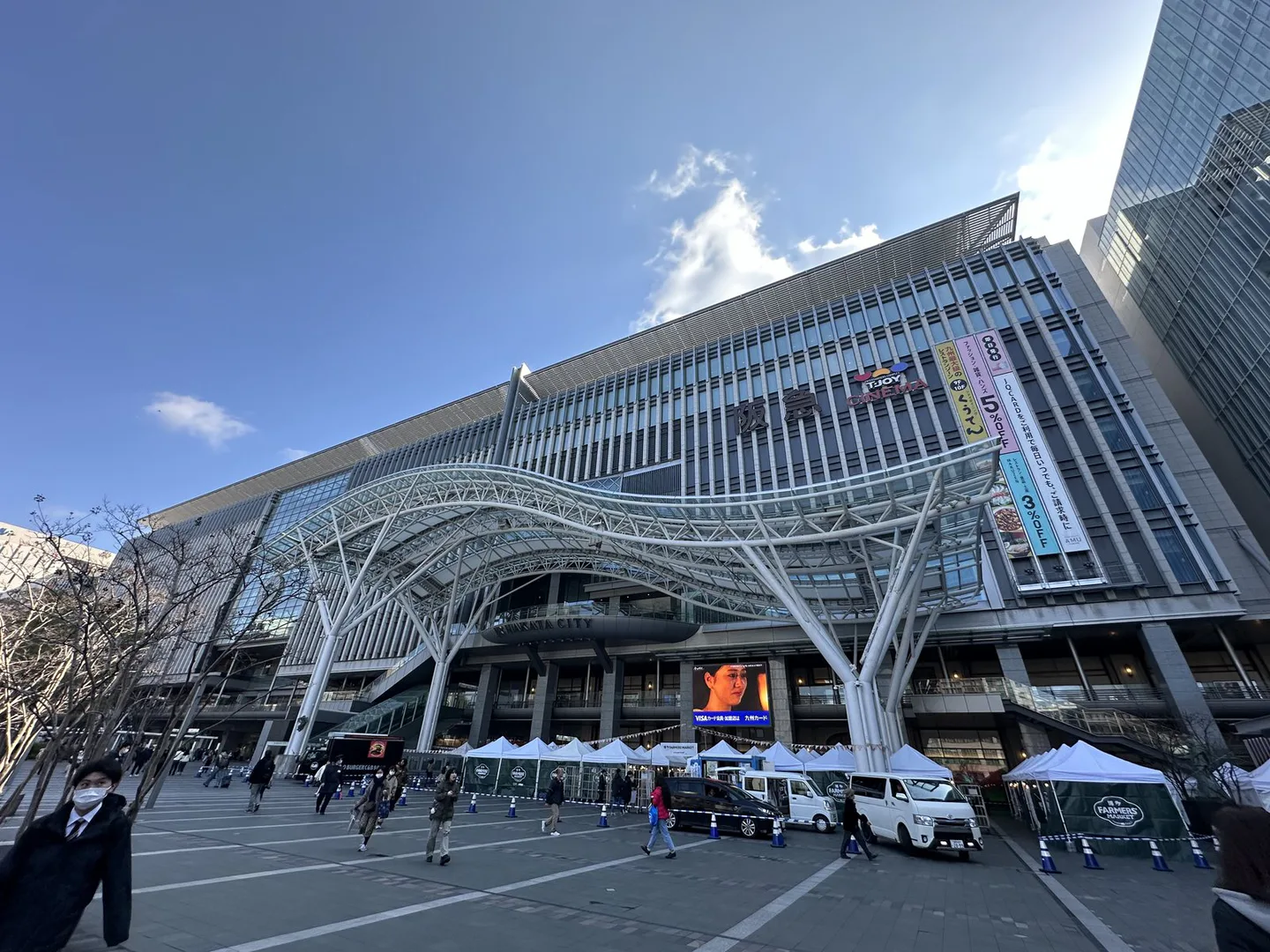
Fukuoka records a 24.7°C mean in September, a normal high of 28.6°C, a low of 21.6°C and 175.1 mm of rain. The drop from August may make walking easier, but a rain system or tropical cyclone can still interrupt an outdoor day, ferry, bus, train or longer excursion. “Cooler” should not be read as “weatherproof.”
A compact umbrella, shoes that tolerate water, spare dry socks and a waterproof pouch are practical additions. The rainy-day itinerary guide can help you decide which outdoor sections can be shortened and which reservations can move. Identify the transport link most exposed to weather before relying on a distant day trip; replacing one wet attraction is simpler than rescuing a missed last ferry. Wet-weather alternatives
Sapporo needs a separate layer
Sapporo’s 18.6°C September mean sits well below the Honshu cities here. Its normal high is 22.8°C, low 14.8°C and rainfall 142.2 mm. A T-shirt may still suit a bright afternoon, yet a morning near 15°C can feel cold in the same clothes you wore in Tokyo. Add a long-sleeve top or thin knit and a light wind-resistant jacket to the main pack.
For a route that reaches Otaru, Furano or Biei, distance and transport matter as much as the Sapporo thermometer. The Hokkaido route guide helps place those outings; the autumn leaves guide is more useful if colour is the reason to travel. High-elevation parts of Daisetsuzan can begin changing in September, which says little about foliage timing on Sapporo’s city streets. Hokkaido route planning Hokkaido foliage timing
A city jacket is different from mountain insulation
A 22.8°C average daytime high does not imply winter gear for an ordinary Sapporo city visit. Layers you can remove indoors or in the afternoon are enough for many travellers. Higher elevations, a pre-dawn outing, a long outdoor evening or a journey farther north can require warmer protection; decide that from the particular itinerary and forecast.
Okinawa: pack for summer and protect the sea days
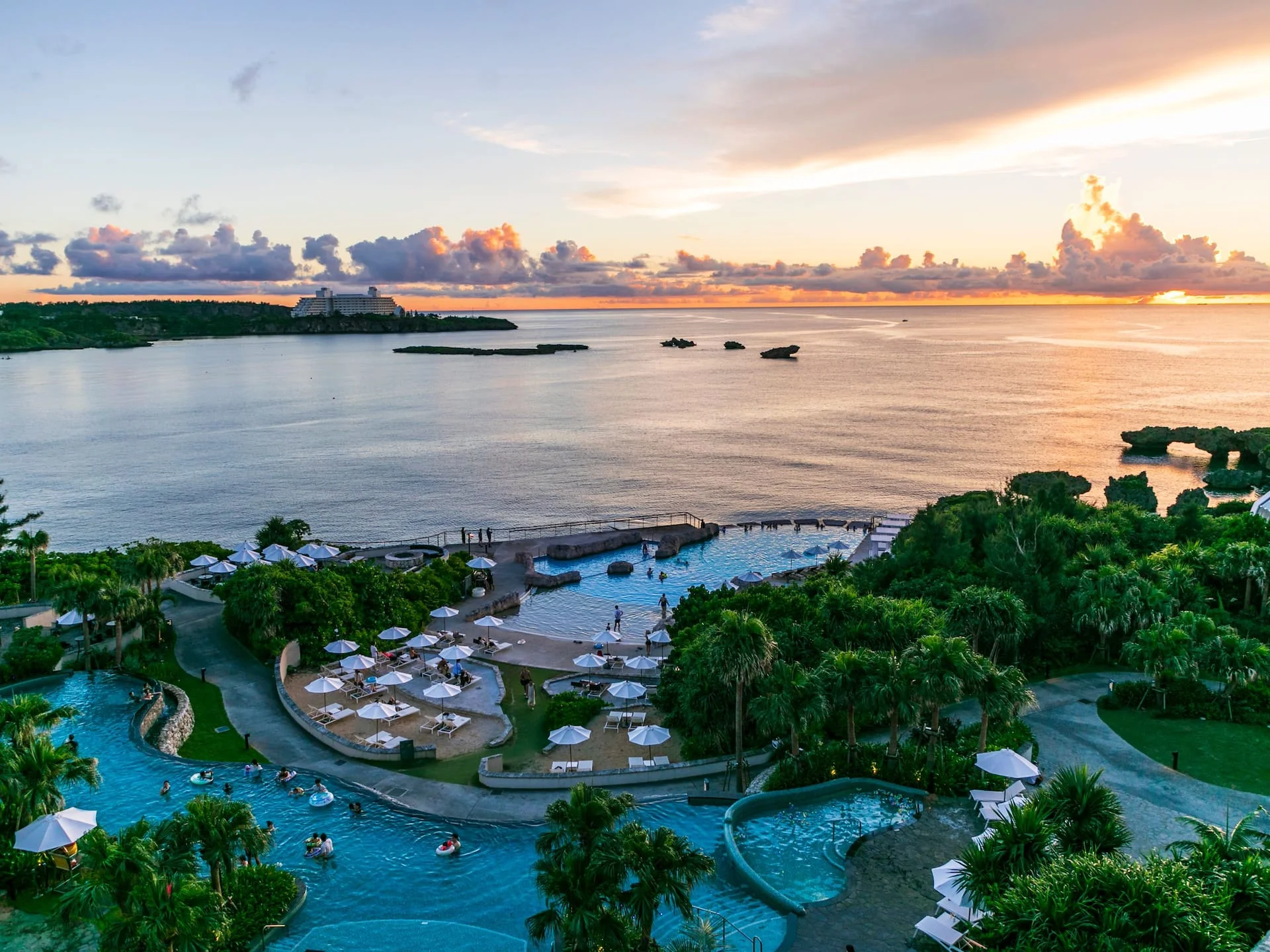
Naha’s September mean is 27.9°C, with a normal high of 30.6°C, low of 25.8°C and 275.2 mm of rain. Summer-weight, quick-drying clothing and sun protection remain the base. A second dry outfit and waterproof bag are more useful than a knit for a normal beach or city day.
A sunny icon alone cannot clear a ferry, snorkelling or diving booking. Wind, swell, thunderstorms and an operator’s safety decision can stop marine plans when the shoreline looks calm. The Okinawa weather-backup guide helps with alternative days; the first-time Okinawa planner helps place hotels and transport so one cancellation does not unravel every subsequent booking. Okinawa weather fallback Okinawa first-visit planning
Typhoon numbers describe a season, not your week
For 1991–2020, JMA’s September normals show 5.0 tropical cyclones forming, 3.3 approaching Japan and 1.0 making landfall in an average month. Approaches average 1.9 for the mainland and 2.0 for Okinawa and Amami. Those counts cover a broad area and long period. They are not the probability that a five-day visitor in any one city will personally encounter a storm.
The useful response is to avoid a chain of non-refundable commitments with no spare day. Leave room to move a ferry or island-hopping outing where possible, and read cancellation terms before paying. A mainland sightseeing day can often be rearranged around rain; an island transfer may be the only practical connection to a booked hotel. Put the least flexible segment where there is room to recover, and know which provider will issue the operating decision. When a cyclone develops, look at JMA’s current track information and the notices from the airline, railway, highway bus, ferry, attraction or activity operator that serves your exact route.
A live forecast decides the next move
September can deliver settled sightseeing weather as well as significant disruption. Historical counts justify having a fallback, while a current forecast and the relevant operator notice determine whether a specific train, crossing or marine trip will run. Recheck those when the trip approaches instead of treating the monthly normal as either an all-clear or a cancellation notice.
Two-region trips need two kinds of protection
Tokyo and Hokkaido share clothes, but not their coolest hours
An early-September Tokyo high near 30°C and a Sapporo normal low around 15°C should not be averaged into one imagined 22°C outfit. T-shirts and light trousers can work in both places; add a long sleeve and a compact jacket for Hokkaido. That adjustment takes less space than replacing an entire summer wardrobe with bulky autumn clothes.
Tokyo and Okinawa differ most when plans fail
Both can justify summer clothing early in the month. Tokyo’s main challenges are an overheated urban route and rain; Okinawa brings the extra uncertainty of ferries and marine activities. Have mobile data for weather, transport and operator messages before the travel day. The Japan eSIM guide covers setup so a change of plan is not dependent on finding public Wi-Fi. Mobile data setup
Common packing errors are really planning errors
Treating every region as autumn ignores Naha’s 30.6°C normal high. Packing from Tokyo’s monthly average misses the large shift between September 3 and September 28. An umbrella without dry socks or protected storage leaves the traveller wet anyway. A Tokyo-only clothing system is thin for Sapporo mornings. Reading ferry and activity cancellation terms only after a cyclone warning leaves too little room to change the itinerary. Each error has a practical fix before departure.
When to replace climate averages with a forecast
At roughly seven to ten days out, inspect the expected highs, lows and broad rainfall pattern and adjust the ratio of short sleeves, light layers and rain gear. About 48–72 hours before an outdoor-heavy day, pay closer attention to hourly rain, wind and thunder, and rearrange exposed stops if necessary. If a tropical cyclone forms, review JMA updates daily and then the operating notices for the services you actually booked.
The layer decisions most travellers ask about
Tokyo, Kansai and Fukuoka
A light long sleeve covers many cool interiors and later-September evenings in Tokyo, Osaka, Kyoto and Fukuoka. It need not be a heavy coat. For early dates, make sure there are enough breathable tops for days that still reach summer temperatures; late dates give the layer more use.
The first and last weeks in Tokyo
The daily normal shifts from a 30.0°C high and 22.5°C low on September 1 to 24.7°C and 17.6°C on September 30. The month-wide 23.3°C mean is accurate, but it cannot tell you which end of September you are packing for. Choose the date first, then the weight of the outer layer.
Kyoto’s outdoor days
The 29.2°C normal high and roughly 13.3 days reaching 30°C mean long temple and hillside walks can remain hot. Begin exposed routes early, especially in the first half of September. A forecasted cooler day is an opportunity to move a longer walk there, while a warm day favours a shorter morning route.
Naha and the coast
Naha’s 30.6°C normal high and 25.8°C low call for summer clothes. The contingency is not cold weather; it is rain, wind, waves or a marine operator cancelling for safety. Keep dry spares and a flexible day order if the water is central to the trip.
Pack by region, then revise by date
Early September in Tokyo, Kansai and Fukuoka often still rewards a summer schedule, while the latter part of the month makes a light layer and longer walks more attractive. Sapporo needs cool-morning coverage from the beginning, and Okinawa remains a summer-clothing destination. Check the actual travel dates, then protect the weather-sensitive ferry or outdoor day with a route that can change.
JMA’s 1991–2020 climate and typhoon normals provide the temperatures, rain totals and seasonal counts here. They cannot predict a particular departure. Revisit the dated forecast, sea conditions and operator notices close to travel; the risk for a specific train or activity depends on its own route and schedule. JMA monthly normals JMA typhoon normals
A September itinerary that includes Hokkaido needs a different packing plan from Tokyo. See rooms near Sapporo Station if you want an easy transfer before heading farther into the island.