One full Disney day inside a longer Tokyo visit rarely repays a hotel move. Keep the city room, make one outward journey and one return, then continue the rest of the itinerary without repacking. Two consecutive opening-to-close park days change the calculation: a resort-area room can remove a second long commute at exactly the moments when an early start and tired evening matter. The answer also depends on the next fixed event. A Kyoto-bound morning Shinkansen after the final park day can make a Tokyo Station base more useful than one last night near Maihama.
The hotel category, route to the actual park gate and any Disney Hotel benefit must be checked for the exact date. As of 24 October 2026, Happy Entry is still tied to eligible Disney Hotels, the chosen park and specific exclusion dates. A short shuttle ride, a resort-line ride and a walk are different products for a family with a stroller or a midday nap plan. Decide the number of full park days first; the one-day versus two-day Disney itinerary resolves the larger choice before hotel shopping begins.
For a single park day, choose Disneyland or DisneySea on its own merits through the park comparison. The hotel map cannot rescue an overstuffed schedule. If Tokyo has only four or five nights and Disney occupies one, compare the transfer cost with the rest of the city plan. The four-, five- and seven-day Tokyo itinerary shows how a park day displaces other neighbourhood time.
Count the commutes and the move
↔ Scroll table left or right
Park pattern | First lodging choice | Main advantage | Reason to reconsider |
One full Disney day in a wider Tokyo stay | Keep the city room | Avoid another check-in and baggage move | An arrival, nap or hotel experience gives the resort night another job |
Two consecutive full park days | Move near Maihama the night before | Shorten repeated late returns and early starts | Day two is only a brief visit |
Very early train after the final park | Consider a Tokyo Station night | Keep fixed rail departure close | Late train allows an unhurried resort morning |
Family expecting midday room rests | Check actual room-to-gate access | A nearby bed can be used in heat or rain | Scheduled shuttle or room layout may defeat the reset |
A one-day visit makes two park journeys: city to Maihama and back. Moving hotels adds packing, checkout, a baggage plan, transfer to the new property, check-in and another checkout. That sequence may use more energy than the train ride it saves. Staying with the same city room also protects the rest of a short Tokyo trip; a seven-day Tokyo route can make one Disney day a full day without turning it into a hotel itinerary.
This is especially true when the wider Japan trip continues to Kyoto, Osaka or Hiroshima. The family is already moving luggage between cities. Adding a one-night resort stop for a single Disney day creates a second move with little payoff unless it solves a distinct problem. A Tokyo Station versus Shinjuku base comparison may reveal that a Tokyo hotel near the next rail connection serves both the park day and the onward journey.
An international itinerary can contain more transitions than its calendar suggests. Tokyo hotel changes use daylight for repacking, collecting bags, waiting for room readiness and finding a new route with the family. Those costs are magnified when Kyoto, Osaka or Hiroshima already require intercity moves. If Disney occupies only one day, protect the Tokyo base that best supports the rest of the trip. The Tokyo itinerary length comparison gives the park a full day without adding a hotel change by default.
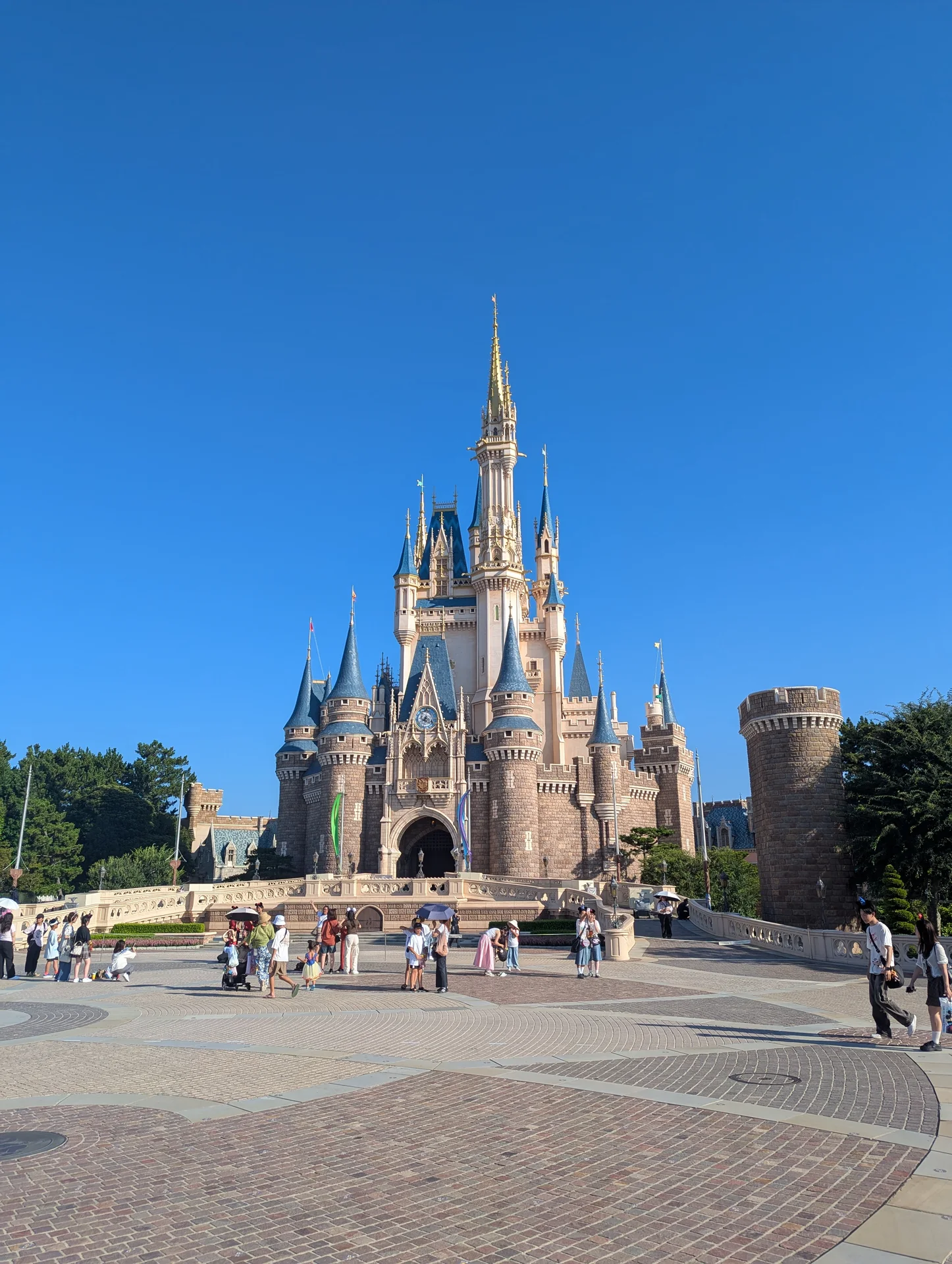
There are exceptions: a very late arrival before the park, a child whose day genuinely needs a nearby bedroom, or a Disney Hotel stay that is itself a major part of the trip. Spell out that second benefit. If the room will only be entered after park closing and vacated early next morning, its proximity has had little use. The Narita late-arrival decision can clarify whether the real issue is airport fatigue rather than Disney transport.
Two complete park days repeat the access problem
After a full Disneyland day, a return to central Tokyo costs time and attention when the group is least fresh. The next morning it repeats the journey before DisneySea. A nearby room removes or shortens both ends of that cycle, particularly if the group aims to arrive near opening and stay late. This is the strongest general reason for two resort-area nights. A Disney three-day package order is a separate choice if a package rather than room-only booking is being considered.
The gain is not a magic number of minutes. It is less dependence on the evening train with tired children, less early-morning transfer uncertainty, and a realistic place for a pause between two demanding days. A resort-side hotel can also keep park clothes and supplies close at hand. Compare the complete room-to-gate route, not only the distance from JR Maihama on a map. A hotel that requires a shuttle timetable may be less flexible for a quick midday return than one beside the gates.
A second “park day” that consists only of brunch, shopping or a short visit before a flight does not repeat the full commute in the same way. If Day 2 ends at lunchtime, moving hotels may still be unnecessary. Write actual entry and exit times for both parks before booking. The Disneyland versus DisneySea comparison helps allocate the longer day to the park that matters more to the group.
The resort area contains different hotel routes
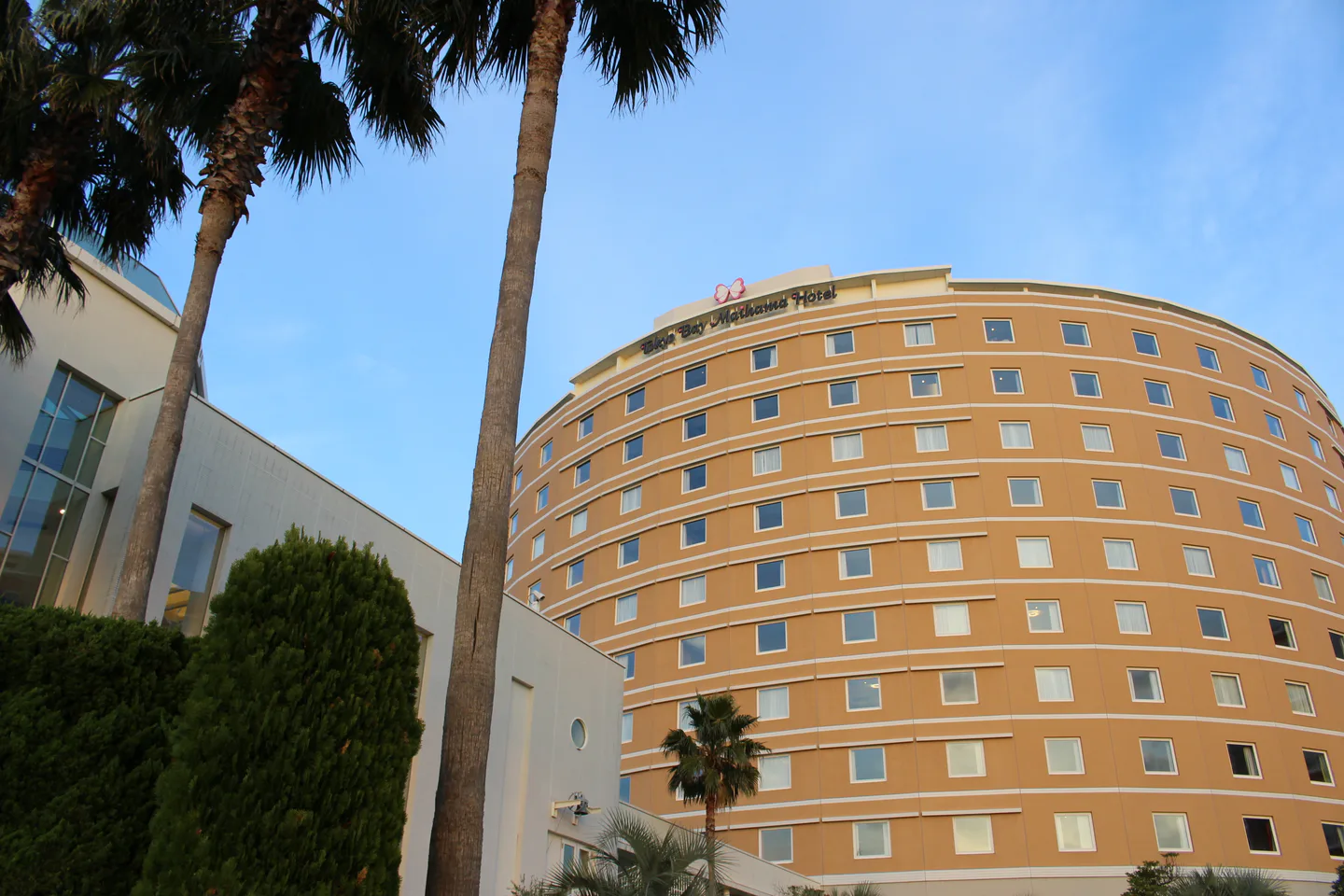
Disney Hotels, the Resort’s affiliated hotel tier, Partner Hotels and Good Neighbor Hotels occupy different positions in the transport system. A room described as “near Disney” may be steps from a park, a monorail trip away, a short local shuttle journey or a scheduled bus from another part of Tokyo. These distinctions matter when an adult wants a midday rest or a child needs to nap. The Disney Hotels and affiliated-hotel comparison lays out the hotel layers in detail.
↔ Scroll table left or right
Hotel layer | Typical journey | Useful when | Check before booking |
Disney Hotels | Varies by property; several have close park integration | Specific hotel experience or eligible Happy Entry | Hotel, park and date must qualify |
Resort-affiliated hotels | Maihama and resort-line or hotel shuttle access | Two complete park days at a range of prices | Door-to-gate time and baggage desk rules |
Partner and Good Neighbor Hotels | Shuttle or scheduled bus from a wider area | A workable room or one park day without another move | Bus frequency, return time and any reservation |
Ask how long it takes from the room door to the specific Disneyland or DisneySea entrance, including elevators, walking, resort-line or bus waits. Then ask whether the same route runs often enough for a midday return. A property can be physically close yet inconvenient for a quick reset. Conversely, a scheduled Good Neighbor bus may suit a once-out, once-back park day when no midday room use is planned. Room price alone will not answer this access question.
The hotel category matters for benefits too. A Partner Hotel is not simply a cheaper version of a Disney Hotel; its ticket, baggage and transport arrangements differ. Use the hotel-tier guide after deciding that resort proximity is worth paying for. If four people need beds, room configuration can overturn the preferred geographic tier.
Happy Entry should be priced as a specific entitlement
Happy Entry is available to guests of Disney Hotels on eligible stay dates, including checkout day but not check-in day. The applicable park depends on the hotel. For Tokyo Disneyland, the listed Disney Hotels generally enter 15 minutes before other guests. For DisneySea, the current eligible set is narrower and entry begins five to fifteen minutes early. Exclusion dates can be decided only around four months ahead and may change. A room premium should be justified against the exact hotel, park and morning you will use.
As of October 2026, DisneySea Happy Entry is listed for Fantasy Springs Hotel and Hotel MiraCosta. The temporary DisneySea eligibility for Tokyo Disneyland Hotel and Disney Ambassador Hotel ran from 1 July through 14 September 2026 and has ended. Tokyo Disneyland eligibility covers the Disney Hotels listed on the current benefit page, with exclusions for some hotels on named dates. Do not import a summer 2026 benefit into an autumn booking. The Happy Entry value test helps compare this small early-entry window with the hotel premium.
Before you assign money to early access, confirm:
- Is the exact Disney Hotel eligible for the named park?
- Does the benefit apply on the intended park morning, which cannot be check-in day?
- Is that date excluded or still awaiting an exclusion decision?
- Do the room premium and extra hotel move make sense for the small early-entry window?
Attractions begin operating after general park opening, so an early entrant should not assume fifteen minutes of ride operation. Earlier access can still help with position, selected services and the ability to make eligible app purchases or requests once inside. Congestion at the special entrance can reduce the practical head start, and the programme does not guarantee fifteen full minutes in the park. The exact Special Entrance Pass and date govern entry.
If early access is the deciding factor, read the Happy Entry decision guide before choosing a room rate. The benefit is neither universal across nearby hotels nor transferable to a check-in-day visit. A room-only versus package comparison may matter if the booking method changes when rooms become available.
A Tokyo Station base can serve both parks and the city
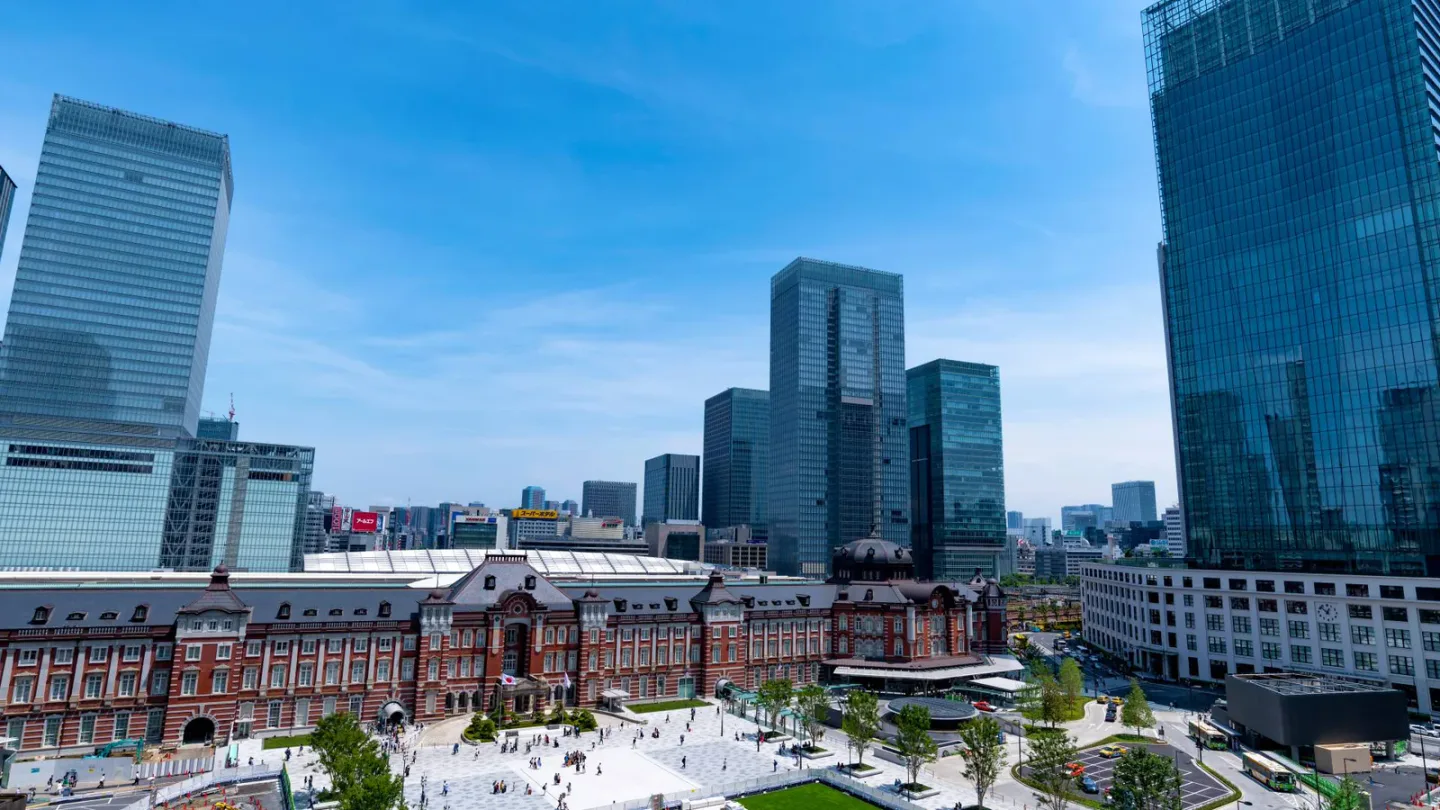
For a single city hotel, Tokyo Station is often a useful first candidate because Maihama lies on JR East’s Keiyo/Musashino service. The ride is direct when the train and time match, and the station also handles many onward rail journeys. This can reduce the case for a separate resort hotel. The real journey still includes the walk to the Keiyo platform, station exits at the other end and the route to the specific park gate. A Tokyo Station hotel comparison can make the city-base decision more concrete.
Tokyo Station’s Keiyo platforms are a meaningful walk within a large interchange. “Direct train” is not equivalent to stepping off an elevator onto the park train. Check your hotel entrance, underground route and the family’s walking pace with luggage or a stroller. The Tokyo luggage-storage guide is useful if the Disney day falls on a hotel transition, though keeping the same room is often simpler.
Someone who values Shinjuku evenings more than east-side rail access should not automatically relocate to Tokyo Station for one park day. Compare the whole Tokyo itinerary and the onward train or airport route through Tokyo Station versus Shinjuku. A west-side base can still work; the question is whether its single Disney commute is less costly than an extra hotel move and a less useful city location.
When to move for two park days
If the resort hotel is meant to protect an early start, checking out of central Tokyo on the first park morning defeats much of that benefit. Packing, the transfer and baggage drop happen at the very moment you hoped to reach the gate. The move usually works better on the evening before the first full park day. Then both park mornings begin from the resort side. The Disney split-stay timing guide explores other sequences when the first day has a late start.
A practical two-park pattern is to finish a Tokyo sightseeing day, move to the resort-area hotel that evening, sleep there, and use two full park days. Check whether the property accepts late arrival and how baggage will reach it. If moving the night before would take away a valuable Tokyo evening, compare that loss explicitly. The objective is not to make the hotel diagram symmetrical; it is to remove a commute from the most demanding morning.
Tokyo Disney Resort’s Welcome Center near JR Maihama offers baggage delivery for guests at participating affiliated hotels, including Resort Hotel counters. This can reduce the burden of a move from the station, but eligibility, desk hours, delivery timing and fees differ by hotel and service. It is not a universal free transfer for every nearby property. Check the exact hotel service before planning to leave cases there and enter a park immediately. The Disney hotel tiers help identify which counter is relevant.
The Disney split-stay timing guide is worth reading before buying a non-refundable room. Moving on the wrong morning can erase the early-start benefit that motivated the resort stay.
The next morning may be more important than the last park night
A central Tokyo to Disney hotel to Kyoto route looks orderly until the day after the final park. If an early Shinkansen leaves Tokyo Station, sleeping near Maihama leaves a fixed morning transfer between the room and the train. An exhausted family may have to choose between returning to Tokyo after park closing or making an early station journey next day. Neither is free. The Tokyo Station rail hotel comparison shows why that final city night can carry its own value.
- Return to a Tokyo hotel after the final park night, accepting one late journey.
- Sleep near Maihama and leave earlier for Tokyo Station before the fixed train.
The morning train has a departure time that cannot be pushed back casually. If the family can manage one return from Disney after the final park day, a city hotel may be safer before an early Shinkansen. If the departure is late, the nearby Disney night may remain pleasant and useful. The correct last hotel follows the next fixed commitment, not merely the location of the previous day’s attraction.
Four beds can outweigh the shorter route
A nearby room with an awkward fourth sleeping place or too little space for cases and a stroller may be a worse family choice than a slightly longer transfer to a workable room. Confirm whether the quoted category has four actual sleeping positions, a sofa bed, a rollaway or shared beds, and compare total occupancy rules. The Disney family-of-four hotel guide addresses this room issue in detail. A mid-afternoon nap is less helpful if the room itself cannot accommodate the group comfortably.
If four-person sleeping is the constraint, start with the Tokyo Disney family-room comparison. A hotel with a somewhat longer shuttle may still be the better base when its exact room category suits the family. Compare the full door-to-gate route and the sleeping arrangement together.
Bad weather matters when a room return is realistic
Summer heat, hard rain or a tired child can make a nearby room valuable, but only if the group will actually use it during the park day. A hotel that requires a bus on an infrequent timetable may be too slow for a short reset. A city hotel cannot serve as a practical midday nap room, even if it is a good overall trip base. Decide whether the plan includes a real break; otherwise proximity is only a theoretical insurance policy. A rainy-day itinerary adjustment can help when weather changes the whole day.
The stay should solve a repeated problem
For one park day in a longer Tokyo visit, retain the city hotel unless a resort night also solves arrival fatigue, a family reset or a Disney Hotel experience the group actively wants. For two consecutive full days, the nearby hotel earns its strongest case by reducing repeated early and late journeys. The one-versus-two-day park plan should be settled before any room premium.
Within the resort area, pick the layer by the work it must do. A Disney Hotel can provide specific guest benefits and close integration; an affiliated Resort Hotel can offer strong Maihama access without the same Happy Entry; Partner and Good Neighbor properties have their own transport patterns. Confirm the exact room-to-gate route and any shuttle timetable. The affiliated-hotel comparison prevents a broad “near Disney” label from hiding the practical difference.
Finally, test the night after Disney against the next commitment. An early Kyoto Shinkansen can make a central Tokyo return more rational than one more resort sleep; a late departure can favour staying near the park. Families should let a suitable four-person room overturn a small map advantage. A Tokyo vacation package versus hotel-only comparison adds a different booking decision after the location is settled.
For a two-day park plan, compare Maihama-area rooms against your city hotel for the same dates and family size.
Hotel, rail and guest-benefit details
Related guides: Narita late arrival · Tokyo honeymoon hotel choices · Disney room or package timing · Fukui rail-base choice · Seven days in Tokyo · Tokyo trip-length choices · Tokyo event-area hotels · Disney package value · Hotel Niwa room size · Disney package cancellation
Further Tokyo planning