
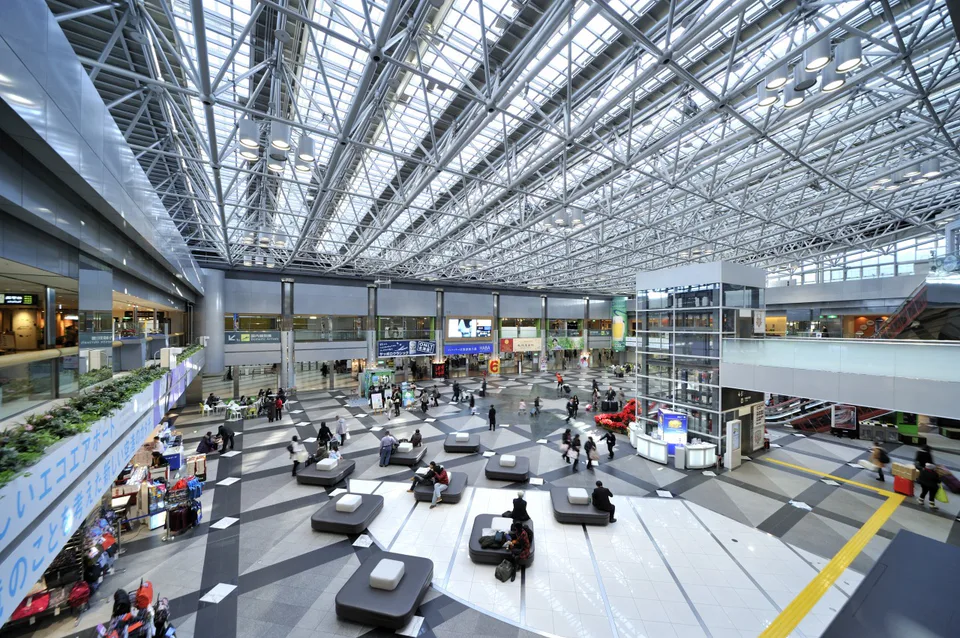
A late flight into New Chitose leaves you with three plausible first beds: inside the airport, in Chitose city, or in Sapporo. The right answer depends on when your group actually emerges with luggage, where the Sapporo room is, and the direction of the next morning. A scheduled landing at 22:35 is not a promise that you can board a train 46 minutes later. The public side of the terminal, with every suitcase collected, is the point at which the choice becomes real.
The current rail and bus windows are easy to confuse. The final published JR Special Rapid Airport departure is 23:21, while the central-Sapporo bus timetable lists its last International Terminal departure at 22:59. That bus may deliver you closer to a room near Odori or Susukino, but it cannot rescue a missed final train. A traveller headed straight for a multi-night Sapporo base should use whichever city option still has a comfortable margin; a traveller facing a final-service sprint should give serious weight to a terminal hotel.
The first-night choice after baggage claim
| Position at the airport | Likely first bed or mode | Reason to prefer it |
|---|---|---|
| Direct bus remains comfortable; hotel is near its city stop | Bus to Sapporo | One vehicle may remove a late subway or taxi connection |
| Bus has finished; 23:21 rail departure still has a sound margin | JR to Sapporo | Rail is the later scheduled public-transport choice |
| Reaching the 23:21 train needs every airport step to go perfectly | Terminal hotel | A flight delay or slow bag belt should not decide the whole first night |
| International arrival with an airport night | PORTOM | Its entrance is in the International Terminal |
| Domestic arrival with an airport night | Air Terminal Hotel | Entrances are beside domestic arrivals and departures |
| Terminal rooms are poor value or sold out | Chitose city | A shorter move than Sapporo when a suitable room and onward route exist |
| Resort bus, rental car or another flight starts from the airport tomorrow | Airport or nearby hotel | Avoid a northbound Sapporo trip followed by backtracking |
This table is a starting order, not a curfew. A bus stop beside the city hotel may make a slightly earlier bus more useful than a later train that ends with another transfer. Conversely, a room beside Sapporo Station makes the train unusually clean. The Sapporo Station, Odori and Susukino hotel-area comparison identifies the final-mile problem before you commit to a neighbourhood simply because one vehicle reaches it.
The same airport is used for quite different Hokkaido trips. An onward seven-day Hokkaido route without a car needs a different first night from a driver collecting a vehicle at the airport. If a rental car is involved, the New Chitose pickup versus Sapporo pickup decision is a separate calculation; a late arrival alone is a poor reason to pay for a car you will not use until morning.
Why the direct bus cannot be the last-train fallback
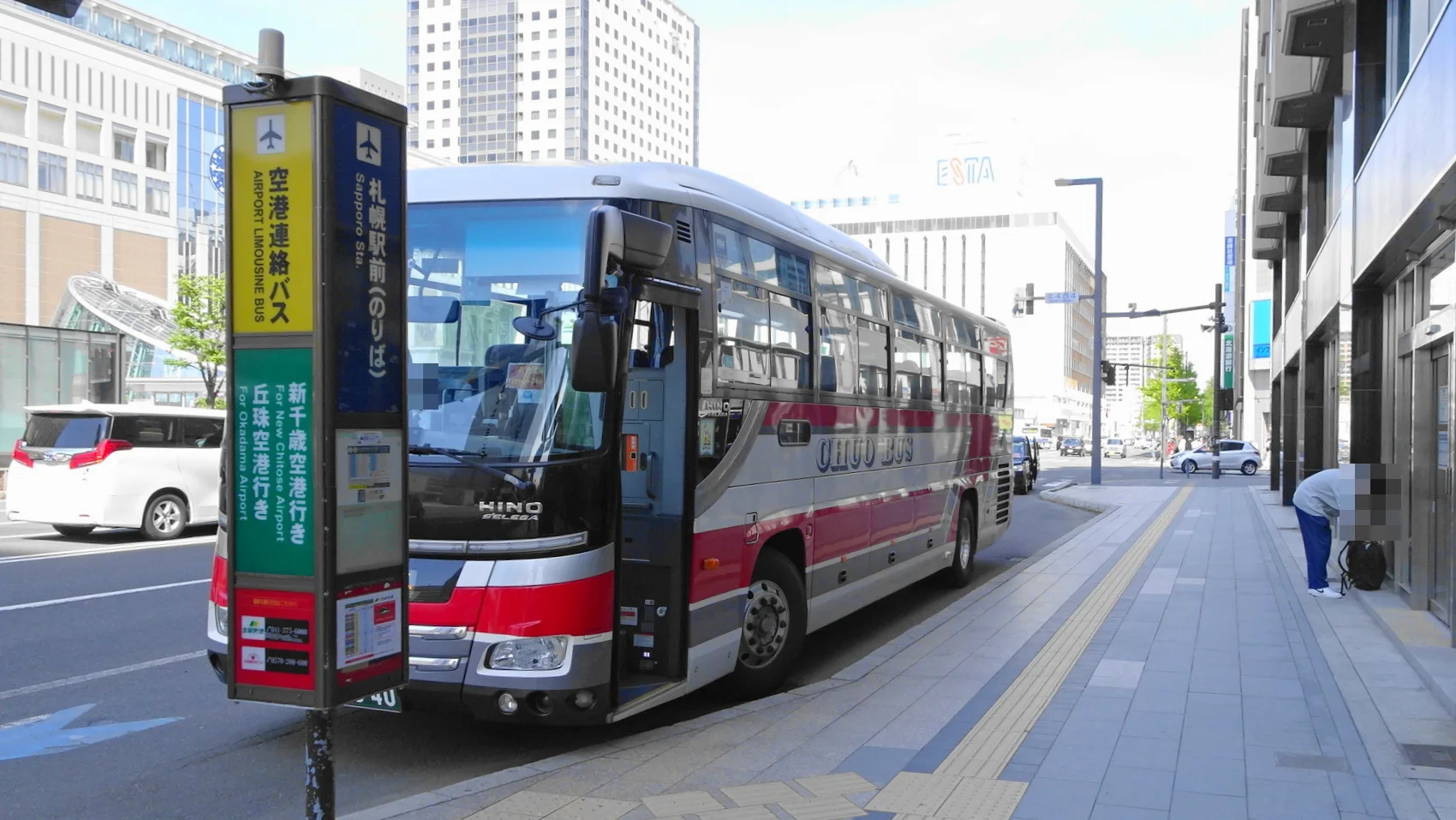
Hokkaido Chuo Bus and Hokuto Kotsu connect the airport with central Sapporo. On the current city-centre timetable the adult fare to Sapporo Station, Odori and Susukino is ¥1,500. These are useful hotel-door destinations rather than a single generic “Sapporo” stop. The final listed International Terminal departure is 22:59, while JR Hokkaido still advertises a 23:21 departure from the station under the airport. Check the relevant boarding point and travel date: the operators plan a central-route reorganisation on 11 December 2026, so a winter booking must not assume today’s exact bus pattern.
The bus can save effort even though it takes longer. A guest with two large cases for a Susukino hotel near its stop may prefer one ride to a faster train followed by the subway or a taxi. A guest beside Sapporo Station may gain little from the road journey. Hokuto describes its published travel times as estimates subject to traffic. The advantage is fewer handoffs, not a guarantee of punctuality on a snowy road.
The difference is especially important if you are choosing between a station-side room and nightlife access. The Sapporo Station versus Susukino comparison helps decide the whole stay; the bus only changes the first evening. For a shorter trip, how many Sapporo nights to reserve matters more than saving a small amount on one airport transfer.
Count the minutes you can actually use
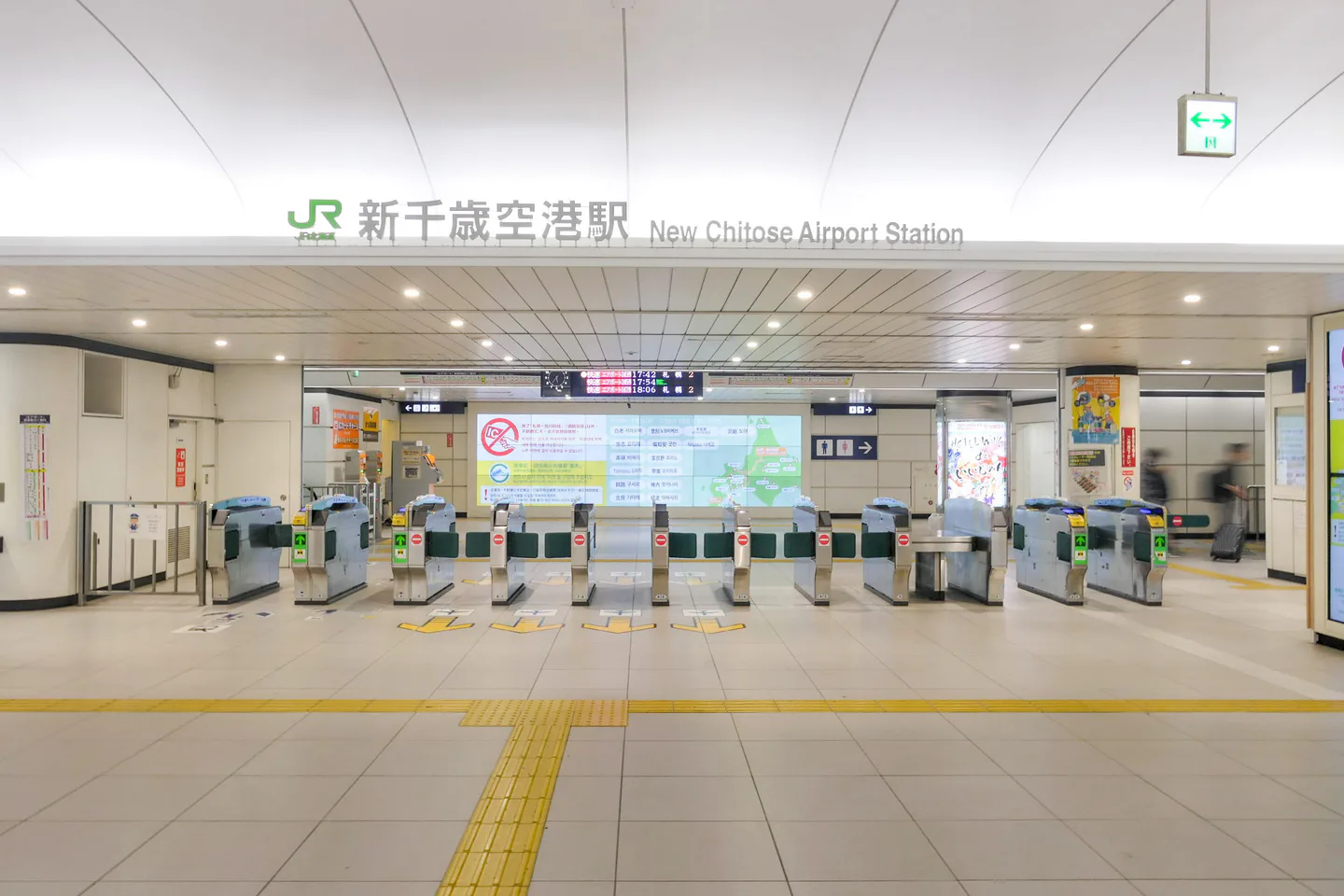
JR Hokkaido describes the final 23:21 Special Rapid Airport train as useful for late flights, but says it leaves as scheduled regardless of flight delay. The station is connected to the domestic terminal; international passengers still cross the airport after immigration. A flight arrival time omits taxiing, deplaning, passport control where relevant, baggage claim, and the walk down to the platform. Build a margin from the moment everyone is landside with their own bags.
A useful planning calculation is: final feasible departure minus landside-with-bags time minus the remaining walk and ticketing allowance. A margin above 30 minutes is more forgiving; 15–30 minutes calls for a simple route and attention to the next step; less than 15 minutes turns the departure into a wager. These are planning bands, not an airport rule or a claim that every passenger walks at the same speed. Families, mobility needs and ski bags can make the walk materially longer.
The same arithmetic appears in the Haneda late-arrival hotel decision and the Narita late-arrival airport-versus-city decision, although the final services and terminal layouts are different. At New Chitose, use the 23:21 rail departure and the earlier city bus as the actual local boundaries; an airport rule copied from Tokyo would conceal the bus-versus-rail difference.
The train is not the entire journey if the room is in Odori or Susukino. Sapporo Station is still another transfer, taxi or walk away. At a late hour, confirm that the proposed onward mode exists and that the group can make it with luggage. A “train still running” answer is incomplete when the only affordable way to the hotel has ended. The Sapporo solo-hotel guide treats the final streets and snow as part of the room location, not an afterthought.
The rail fare is currently ¥1,230 between New Chitose Airport and Sapporo in an unreserved car. A reserved U-seat normally adds ¥1,000, making ¥2,230 before any applicable ticketless discount. The price gap versus the ¥1,500 central bus is smaller than the cost of a hotel-side taxi or a lost final service. The quickest Airport services take roughly the mid-30-minute range in daylight; a bus near your hotel can still reduce total door-to-door effort.
| Decision factor | Airport hotel | Sapporo room | Chitose city room |
|---|---|---|---|
| Last-service exposure | None for the city leg tonight | Depends on landside time, bus/train and hotel-side transfer | Shorter first move, but local transport still needs a plan |
| Luggage moves | Terminal-to-room tonight; change hotels tomorrow if Sapporo is base | Airport-to-room tonight, then no move if staying | Room tonight; another checkout if Sapporo is tomorrow’s base |
| Best next morning | Flight, rental car, airport resort bus or south/east route | Several Sapporo or Otaru days | A useful Chitose rate or route and no needless city detour |
| Main compromise | Potentially higher room bill and later change | Sleep lost if arrival slips | Extra hotel transaction for many city-focused trips |
| Winter concern | Cross-terminal walking still matters | Rail, road and final city transfer each add dependence | How you reach the city or airport the next day |
There is no honest universal score for those rows. A terminal room can be the better buy on a late international arrival with a morning airport pickup and the worse buy for a long Sapporo stay after an early, punctual landing. Compare the whole journey, not a single train duration or a generic airport-hotel label.
Two terminal hotels solve different walks
Air Terminal Hotel is in the Domestic Terminal. It places entrances beside Arrival Gate 5 on the first floor and Departure Gate E on the second, with roughly five minutes on foot from JR New Chitose Airport Station. That arrangement favours a domestic passenger who only wants a room and a passenger using the station again tomorrow. It also means a person arriving internationally must still make the cross-terminal move.
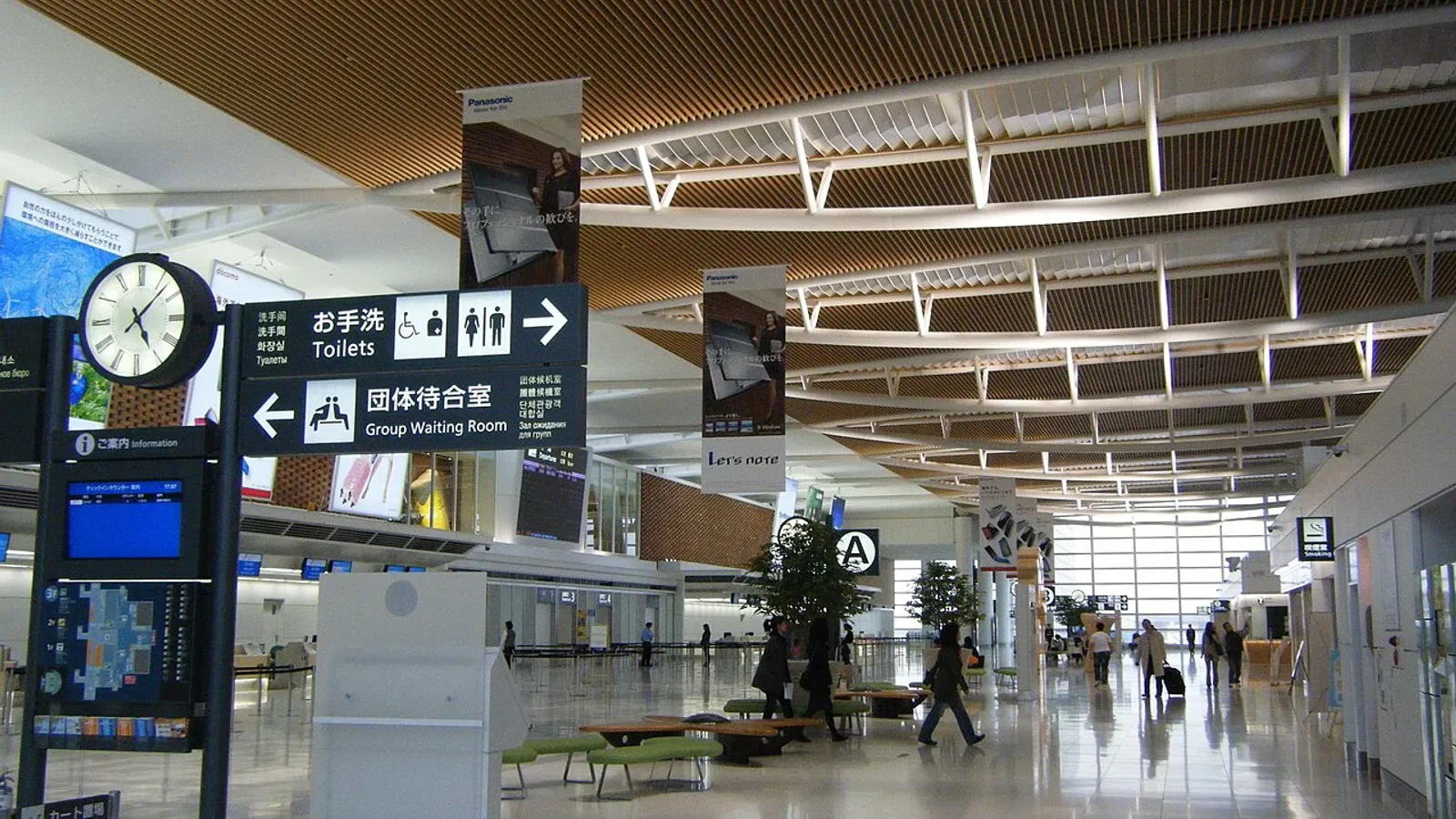
PORTOM International Hokkaido is in the International Terminal. Its published route from the JR station is roughly 700 metres or 10 minutes; from domestic arrivals it gives about 960 metres or 12 minutes. Those figures make an important distinction at the end of a long flight: directly connected does not mean beside every arrival gate. The room type, price, bath and dining facilities can decide the choice once the terminal walk is understood.
Do not use a Portom room photograph as evidence for the simpler Air Terminal Hotel, or vice versa. The Sapporo hotel-area guide deals with city bases if you decide the second night should already be in Sapporo. The Sapporo Grand versus other central hotels comparison shows how even a very short station walk can trade against room size; after midnight, both dimensions still matter.
Chitose works when price or direction pays for another checkout
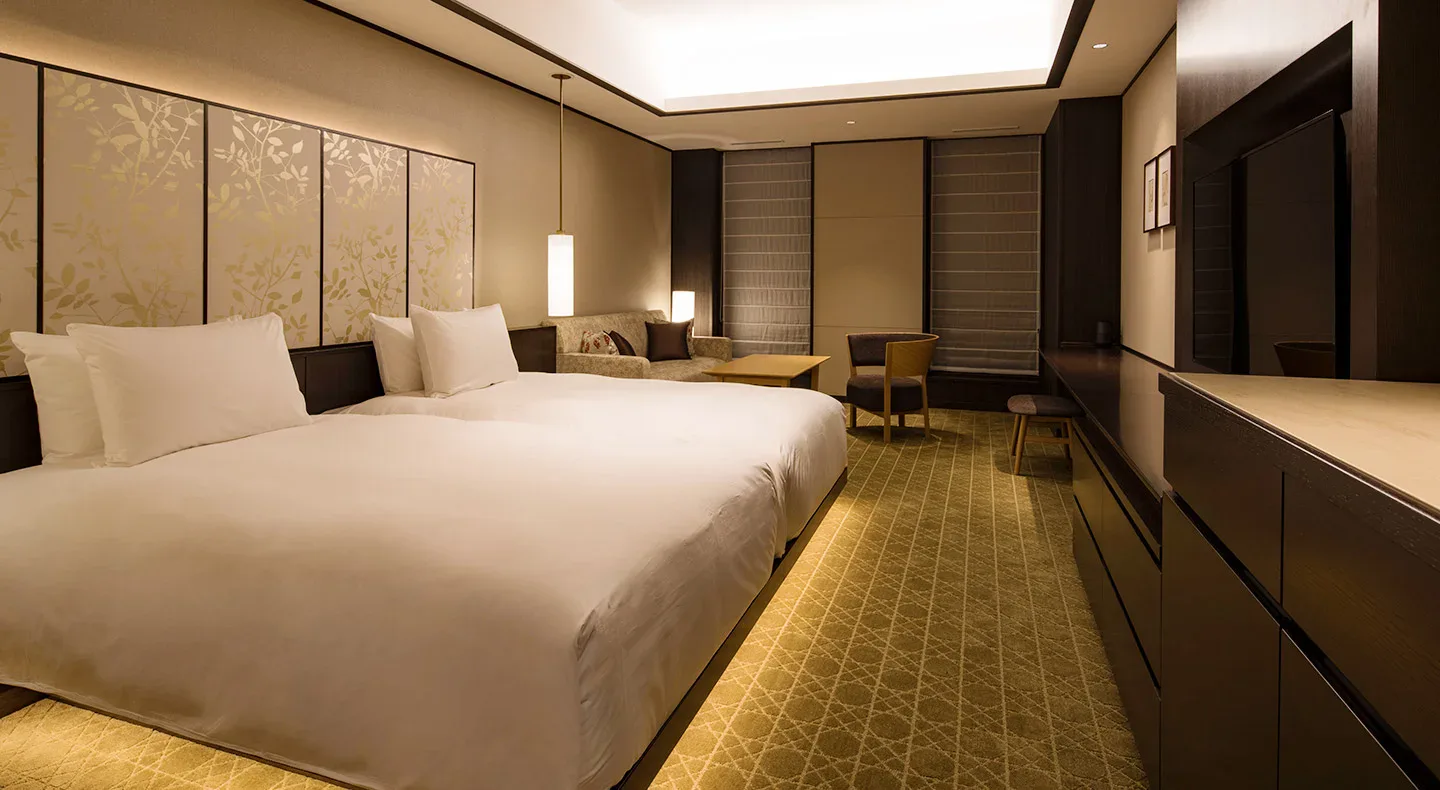
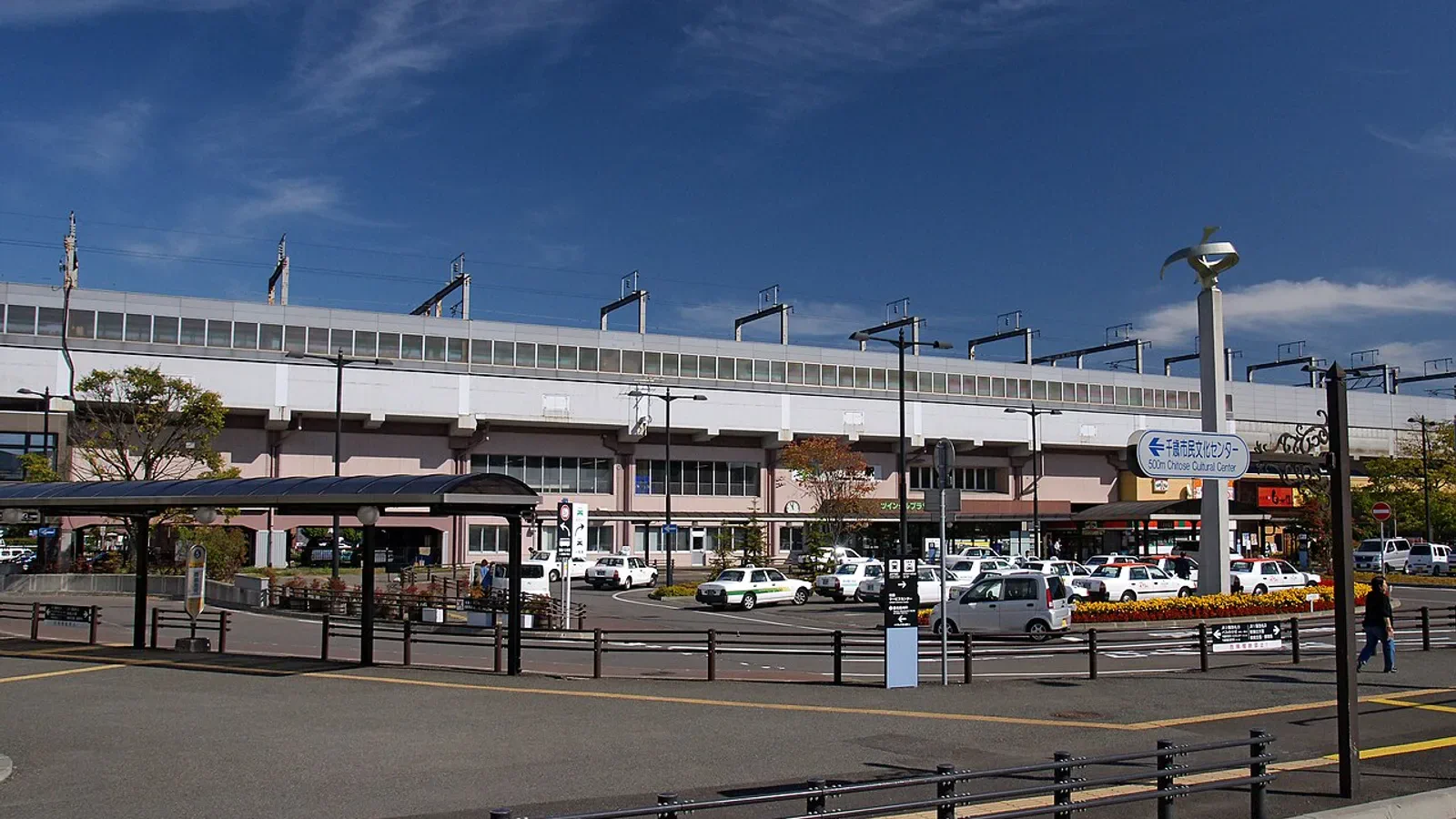
Chitose city lies between the airport and Sapporo on the rail corridor, so it can shorten the first-night ride without paying for a terminal hotel. A room by Chitose Station is useful when airport rooms are full, the available rate is meaningfully lower, or tomorrow heads back to the airport or south. It is less persuasive when the only next task is reaching a Sapporo hotel for four nights. In that case the stop creates another check-in and bag move without giving you a new experience.
Compare the full bill: first-night rate, local transfer, next-morning fare, luggage effort and time. “Cheaper than the airport” can cease to be cheap if you need a taxi at night. A station-adjacent room and an outlying property are not interchangeable. The Sapporo versus Chitose final-night comparison examines the reverse direction and can expose the same hidden hotel-change cost.
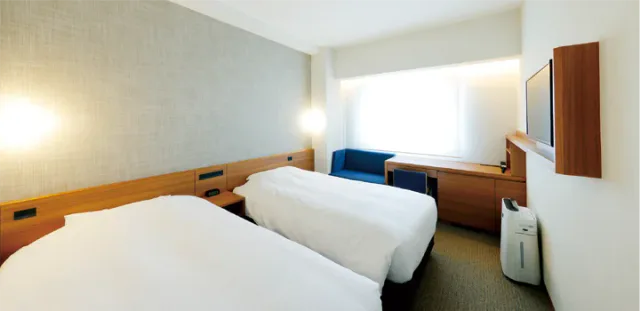
For a road trip, the Fairfield Eniwa and JR Inn Chitose comparison is more relevant than a blanket airport-versus-city rule. If the journey instead ends at New Chitose after arriving elsewhere, the Asahikawa-in, New Chitose-out route asks whether a split flight plan saves enough backtracking to affect the first bed.
Tomorrow’s direction can make Sapporo the wrong first move
For several days of Sapporo and Otaru, moving north tonight can save a checkout tomorrow if the journey is comfortable. For Noboribetsu, Tomamu or another south/east move, reaching Sapporo just to travel back through the airport corridor can waste a morning. The Noboribetsu versus Jozankei onsen choice makes that north-versus-south orientation concrete.
A Niseko booking needs its own transfer check. Winter buses, shared transfers, rail connections and rental cars have different calendars and luggage terms, which the New Chitose-to-Niseko route guide separates. If skiing is just a day or two of a broader city trip, Sapporo skiing versus a resort base may leave Sapporo as the better base. None of those resort options becomes sensible merely because a last airport train exists.
The following morning also has an energy budget. A planned 07:00 resort pickup after a midnight city arrival can turn a cheap city room into a poor purchase. Likewise, an airport room followed by a late morning train to a Sapporo hotel can consume half of a short city stay. If there are only two, three or four Sapporo nights, the lost morning has a different cost from a relaxed week.
A winter delay should change the plan, not only the mood
Snow can affect a flight, road journey or final walk, and a delayed aircraft can make a published connection irrelevant before you reach the terminal. The strongest plan has a clear fallback that is still available if arrival shifts. That may be a terminal room held on a flexible rate, a city booking that can tolerate a later check-in, or a known taxi cost the group has deliberately accepted. It should not be a chain that needs fast immigration, instant luggage and a precisely timed platform arrival.
Rail is usually the more predictable clock once the station is reached; the bus is attractive for a direct city stop. Their different risks matter more in winter than a small yen difference. If your hotel is a long icy walk from either stop, reconsider its location before trying to optimize the airport mode. The Sapporo solo-hotel winter access guide covers that last walk. A remote room can undo the apparent simplicity of an airport bus.
A late-night phone is also part of the transfer. Check whether your Japan eSIM begins on a natural day or a 24-hour cycle, and keep the hotel address and terminal route available offline. Communications will not extend a train departure, but it can prevent a missed hotel entrance from becoming the second avoidable delay of the evening.
Pick the room that protects the next full day
Go straight to Sapporo when the remaining bus or train has genuine slack and the city room is already the base for several nights. Use the bus if its stop materially shortens the luggage route to Odori or Susukino; use JR when its later departure, speed or Sapporo Station access matters more. Choose the airport when the city move has become a final-service bet or tomorrow begins near the terminal. In Chitose, demand a clear price or onward-route gain before accepting another checkout.
If the airport wins, match the hotel to your arrival terminal: Air Terminal Hotel naturally suits the domestic side; PORTOM naturally suits the international side. Both involve a real walk from some airport positions. If the city wins, test the route through to the hotel door rather than stopping the plan at Sapporo Station. You can compare New Chitose airport hotels, Chitose Station rooms and Sapporo Station hotels against the actual morning departure.
Related airport and Hokkaido decisions
Further reading: How Many Days in Sapporo?, Sapporo Station vs Susukino, 7-Day Hokkaido Without a Car, New Chitose Airport to Niseko, New Chitose Airport Car Rental: Rent on Arrival or Wait Until Sapporo?.
Further reading: Narita Late Arrival: Stay Near the Airport or Go Into Tokyo?, Late Arrival or Early Flight in Okinawa: Hotels Near Naha Airport, Haneda Late Arrival: Stay at the Airport or Go Into Tokyo?, Asahikawa In, New Chitose Out Itinerary: When Open-Jaw Hokkaido Works, Sapporo Solo Hotels: Late Returns, Snowy Walks and Laundry Matter More Than the Cheapest Room.
Further reading: Early Flight or Late Arrival at KIX: Should You Move Hotels for the Last Night in Osaka?, Fukuoka Late-Arrival Hotels: Make the First Night Easy Before You Chase Tenjin, Narita Capsule Hotel vs Shuttle Hotel: Which Is Better for a Late Arrival?, Yamagata Hanagasa Late Arrival: 6:30, 7:30 or 8:30 PM?, Japan eSIM Late Arrival: Natural Days, 24 Hours and the 11 PM Trap.
Further reading: Sapporo vs Chitose for the Last Night: Where to Stay in Hokkaido, Hotel Gracery Sapporo vs Solaria Nishitetsu: Winter Luggage or a 26 m² Twin?, Fukuoka Girls’ Trip Hotels: Twin Beds, Bathroom Queues, Shopping Bags and Late Nights.
Current service and access details: JR Hokkaido Airport trains, Hokkaido Chuo Bus airport routes, Hokuto Kotsu city bus timetable, Air Terminal Hotel access and PORTOM terminal access. The December 2026 bus route changes affect future winter dates; use the timetable for the day you travel.