
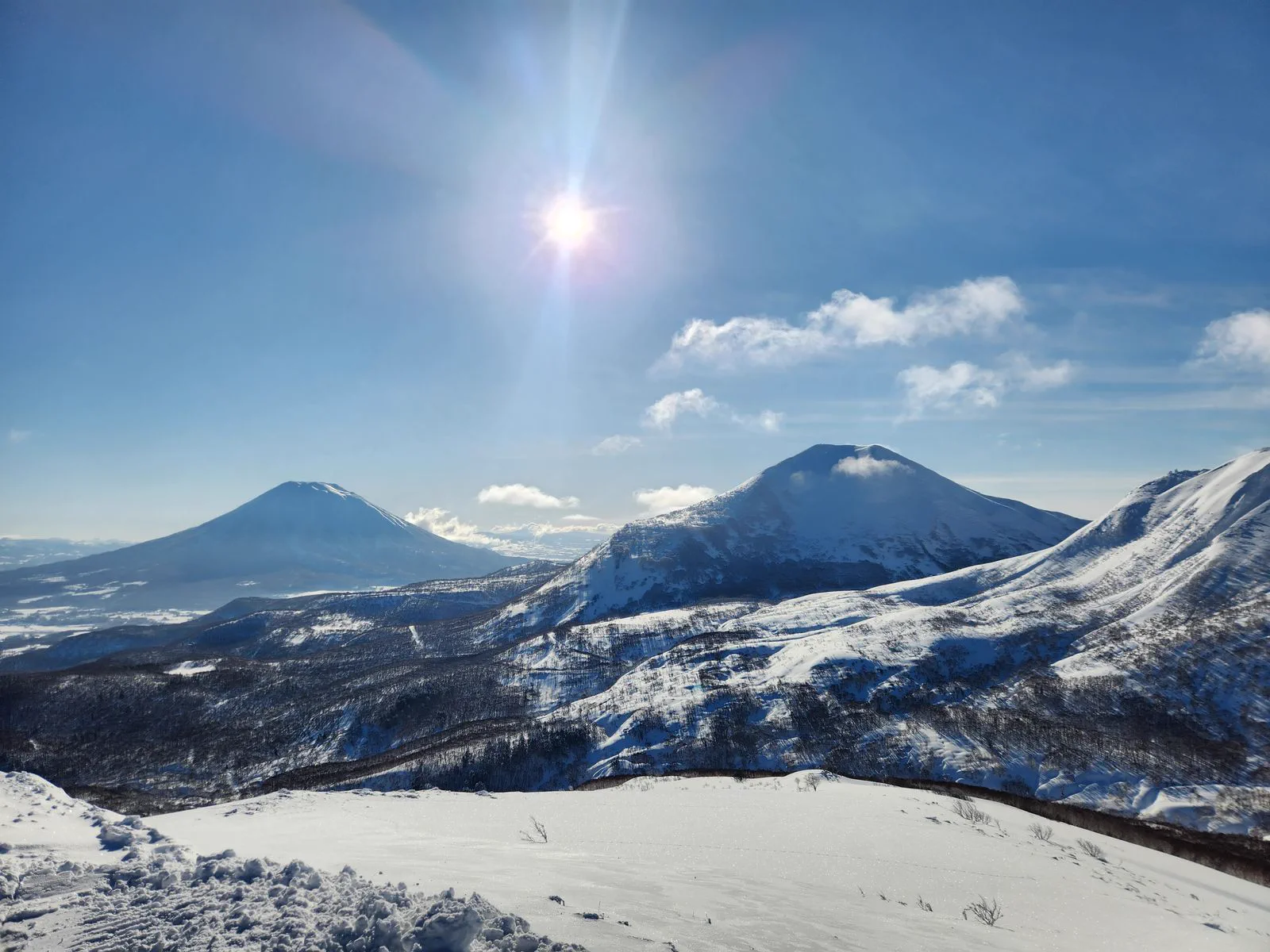
A March suitcase for Tokyo and Kyoto may fail on a snowy Sapporo pavement; a Hokkaido coat may spend an Okinawa holiday in the luggage. Start with the coldest or wettest stretch of your actual route. Most Tokyo–Kyoto–Osaka days can use the same base, removable warm layer and weatherproof outer layer. Hokkaido may change the shoes as well as the coat, while a high-altitude excursion or early temple visit can be colder than the city afternoon.
The climate difference is measurable: Japan Meteorological Agency normals for 1991–2020 give March means of 9.4°C in Tokyo, 1.1°C in Sapporo and 19.1°C in Naha. Those thirty-year averages help choose a wardrobe, not predict a particular departure. Make the final additions and deletions after checking the forecast about a week before leaving.
The forecast that matters most may cover only four hours
Instead of averaging every stop into one imaginary “Japan temperature”, find the exposed part of the trip where ordinary city clothes would leave you cold or unsafe. Common examples are:
Snow or slush on Hokkaido streets makes grip and water resistance more important than another city sweater.
Fuji, Hakone, Nikko and other higher excursions may need gloves, a hat or a warmer mid-layer despite a mild Tokyo forecast.
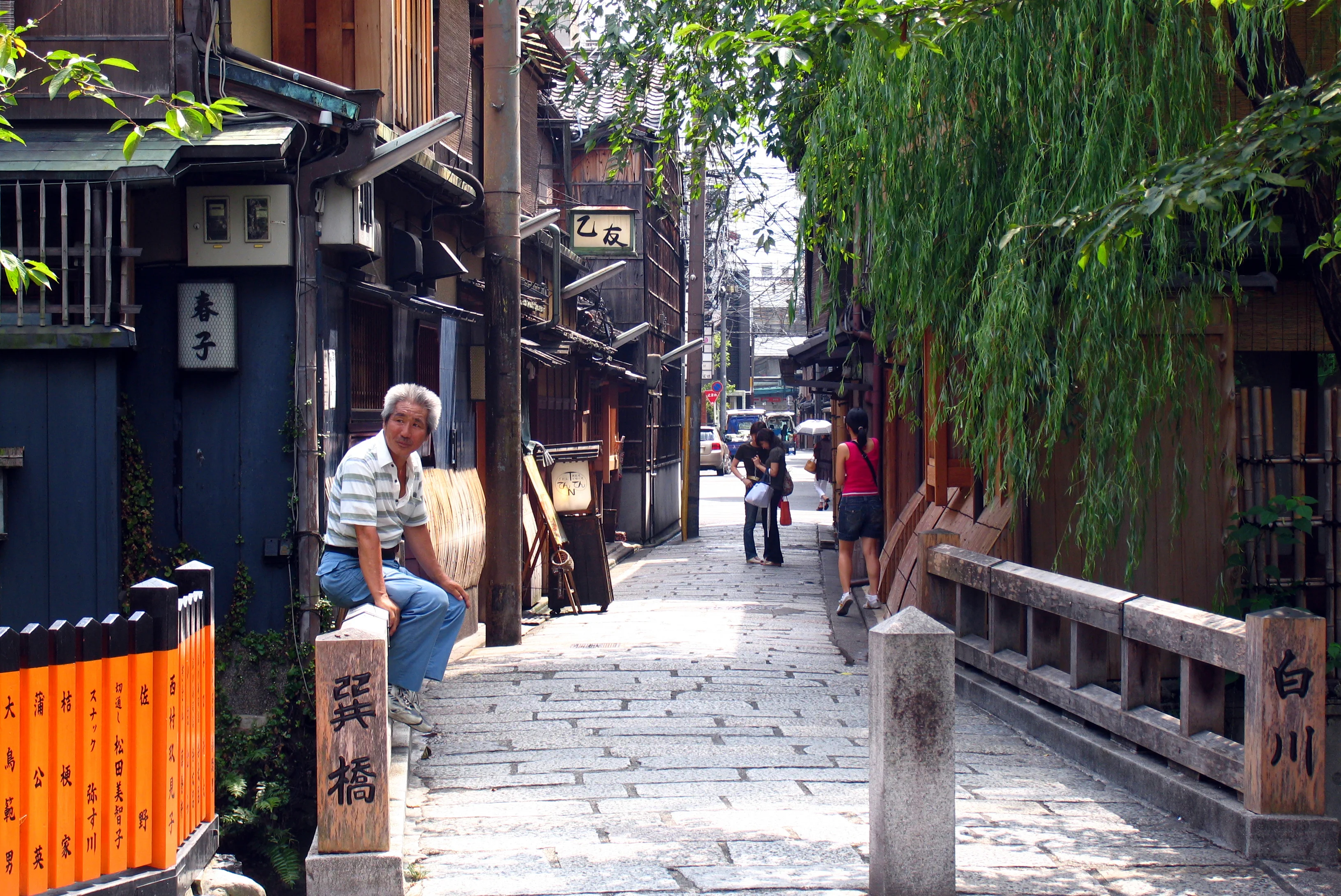
A Kyoto temple before breakfast or hanami late at night exposes you to the day’s low rather than its pleasant afternoon high.
An island-only Okinawa route is likelier to need protection from wind than a mainland winter coat.
Build for that one demanding stretch, then use fewer layers elsewhere. Packing three similar jackets under the names Tokyo, Kyoto and Okinawa consumes room without solving a different condition. A spare warm layer or better shoes should have a named job.
↔ Scroll table left or right
Itinerary | Pack for | Avoid carrying twice | What could change the answer |
Tokyo, Kyoto and Osaka for 7–10 days | Wind-resistant midweight jacket, removable knit or fleece, light rain protection | One coat for Tokyo and another for Kansai | A cold early-March spell or Fuji, Hakone or Nikko excursion |
Hokkaido plus Tokyo | Warm outer layer, gloves and shoes suited to Hokkaido streets; wear less in Tokyo | A second complete outerwear set for Tokyo | Thawed late-March streets and a mild forecast still need a surface check |
Tokyo or Kyoto plus Okinawa | Mainland jacket and thin removable layer; the jacket works alone as an island shell | An extra warm-weather jacket | Skip heavy insulation entirely if Okinawa is the only destination |
City stay with a mountain outing | City layers plus packable insulation and small warm accessories | A complete separate mountain wardrobe | Snow or ice may make specialist footwear essential |
Six cities, and one month that changes as it goes
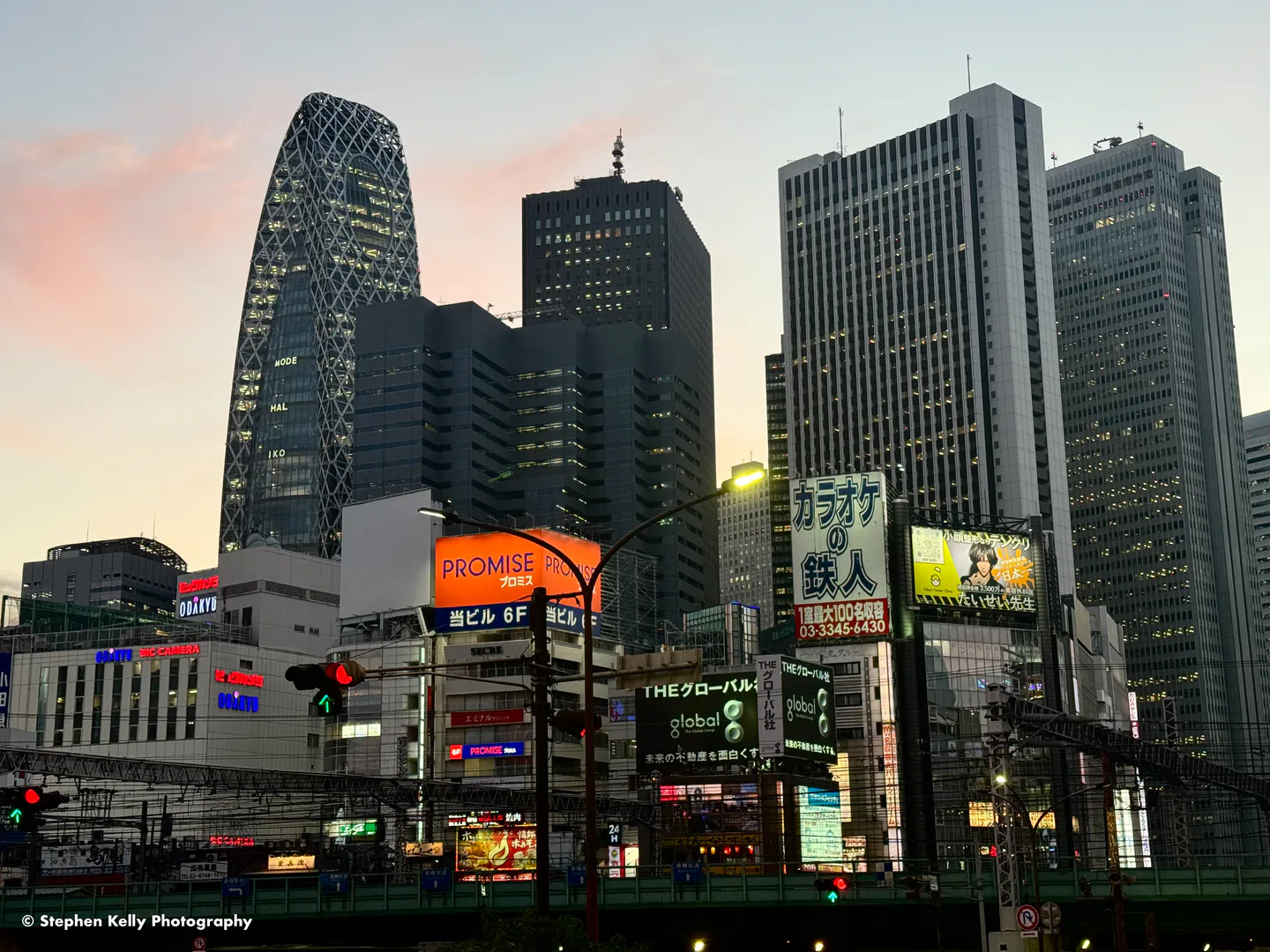
March means different things at opposite ends of Japan. The table uses long-term station normals as a baseline; Kyoto’s figures compare early and late ten-day periods because its month-end warmth is easy to miss in a single average.
↔ Scroll table left or right
Place | March mean | Normal low / high | Packing implication |
Tokyo | 9.4°C | 5.0 / 14.2°C | Add warmth that can come off between morning and afternoon |
Osaka | 9.9°C | 6.0 / 14.2°C | Reuse the Tokyo city layers |
Kyoto | 7.5 → 10.1°C* | 3.4/12.5 → 5.4/15.5°C* | Early-month mornings call for more warmth than late afternoons |
Fukuoka | 10.8°C | 7.2 / 15.0°C | Light city layers with a rain option |
Sapporo | 1.1°C | −2.4 / 4.5°C | Plan for slush, cold hands and winter footwear |
Naha | 19.1°C | 16.7 / 21.9°C | Use light layers with a wind-blocking shell |
Kyoto’s ranges are early-to-late March ten-day normals in the Japan Meteorological Agency climatological normals. These are historical averages, so a warm or cold spell can still override the pattern on your travel dates.
The mainland city wardrobe: Tokyo, Kyoto, Osaka and Fukuoka
A Tokyo March day normally reaches 14.2°C and falls to 5.0°C. A coat chosen only for the afternoon high can be unpleasant on a morning platform or beside the river after dark; a heavy winter coat can feel excessive after a long walk. A thin base, removable insulation and an outer layer let you respond to both ends of the day.
Osaka’s normal temperature is close enough to Tokyo’s that a second coat rarely earns suitcase space. Kyoto changes more within the month: the first ten days are cooler than the last ten, and an early start at Fushimi Inari or a temple courtyard can expose you to the low before the walking warms you. Fukuoka fits the same city system, with rain protection still useful.
For a first trip through Tokyo, Kyoto and Osaka, use a breathable base, a knit, fleece or light insulated mid-layer, and a wind-resistant outer jacket that can handle light rain. Leave room beneath the jacket for the mid-layer. On a mild day, take a layer off instead of switching to another packed coat.
A day trip can outrank the hotel city
The Tokyo forecast does not describe a Fuji viewpoint, a Hakone ridge, Lake Chuzenji near Nikko or a windy observation deck. Height, exposure and the number of hours spent outside can make one excursion the coldest part of an otherwise moderate city itinerary. Check the destination forecast separately from the hotel address.
A compact insulated layer, hat and gloves can wait in the day bag and be removed on the train home. A second full winter outfit is often unnecessary. Snow or ice on the actual walking route changes the decision: shoes with traction may matter more than extra insulation above the waist.
Give every specialist item a specific use. A Hakone walk at 8 a.m. with a near-freezing forecast and exposed paths is a reason to pack gloves; a vague fear that Japan might be chilly is not. The same test prevents both underpacking and duplicates.
Sapporo makes footwear a separate decision
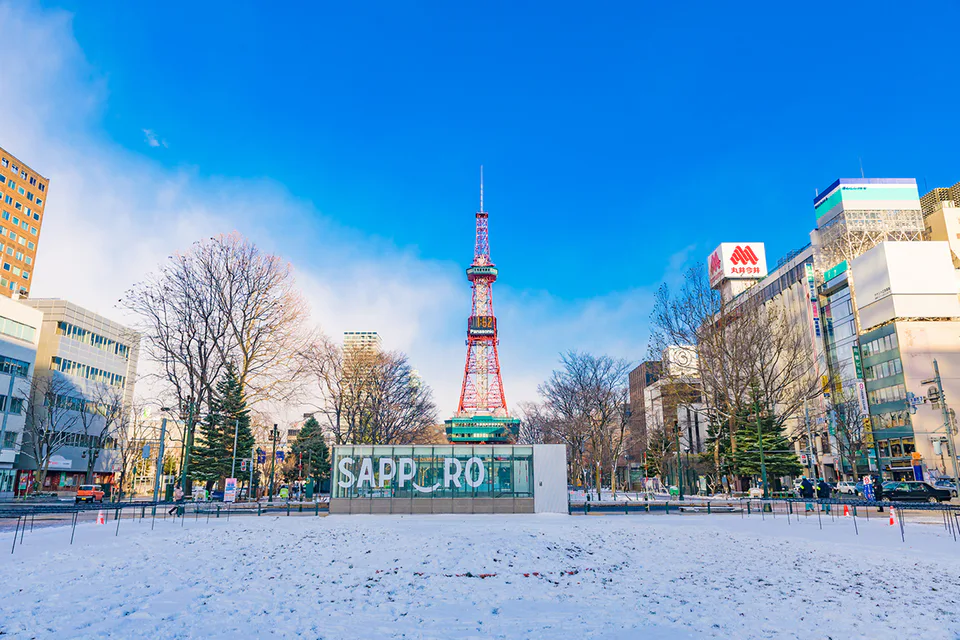
Sapporo’s March mean is 1.1°C, with a normal high of 4.5°C and low of −2.4°C. A thawing afternoon can leave wet snow and slush; a later freeze can make the next walk slippery. The conditions underfoot may therefore change faster than the coat you need.
Look at the current surface and forecast shortly before departure. Smooth city sneakers may suit dry Tokyo streets but offer little on ice. If Sapporo remains wintry, choose useful grip and water resistance, then add warm socks, gloves and a hat. The small accessories are easy to remove indoors and take little suitcase space.
On a Sapporo-plus-Tokyo trip, let Hokkaido set the warmest outfit and strip layers away in Tokyo. Packing another complete Tokyo coat simply to match the milder city usually duplicates an item already in the bag. Reassess the shoes only if late-March streets have thawed and the local forecast supports that change.
An Okinawa-only March trip needs a different outer layer
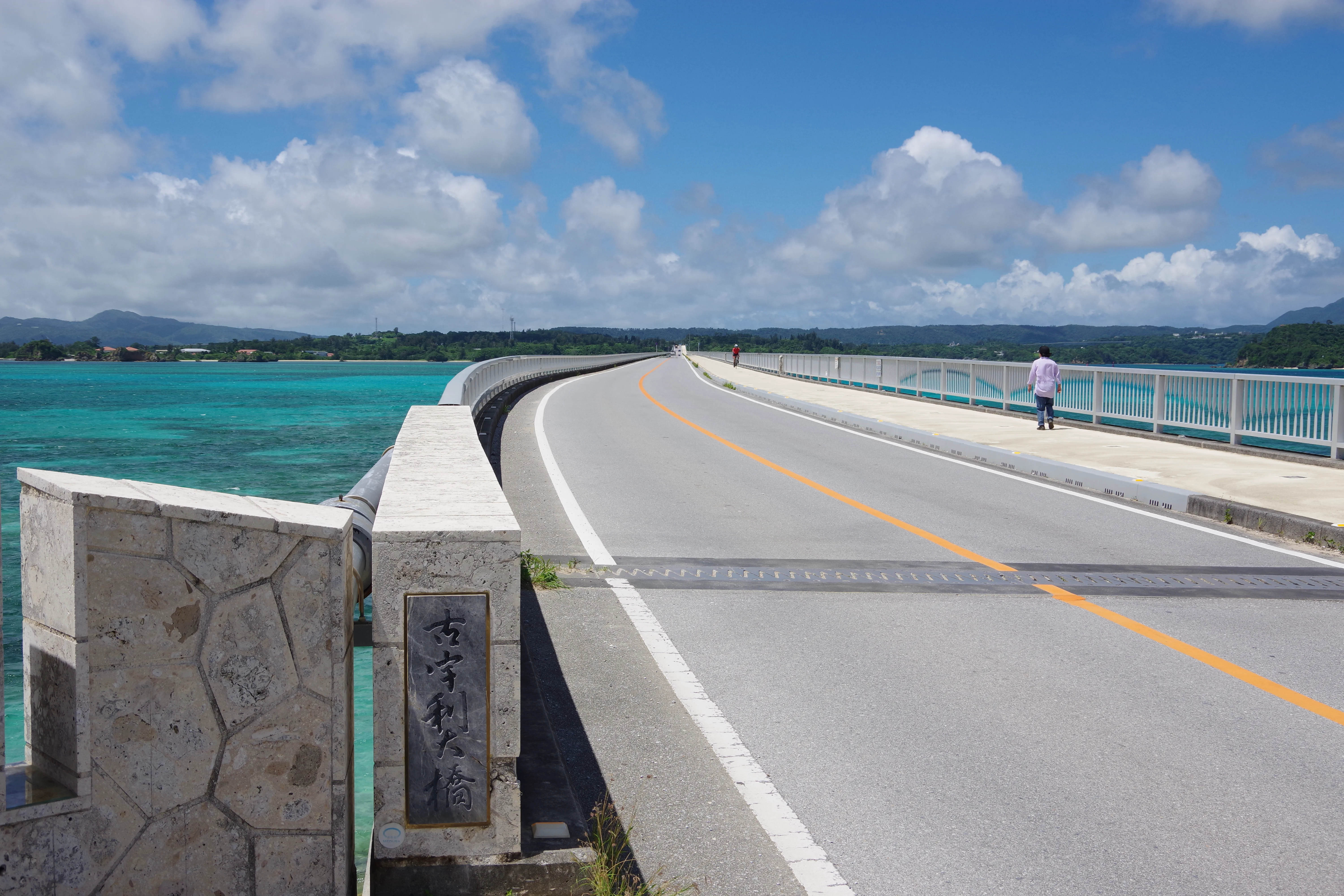
Naha’s March normal is 19.1°C; its mean high is 21.9°C and mean low 16.7°C. On an itinerary confined to Okinawa, a mainland winter coat is usually unnecessary. Light tops, one removable warmer piece and a shell that resists wind cover a wider range of island days.
A cloudy cape, bridge crossing, boat or open waterfront can feel cooler than a sheltered shopping street. A reading near 21°C also does not promise summer-beach comfort to everyone. Keep something that cuts wind, especially for exposed days, while leaving heavy insulation out unless the forecast gives you a reason for it.
If Okinawa follows Tokyo or Kyoto, try using the mainland outer layer as the island shell and leave its warm mid-layer in the suitcase. Two very different jackets become sensible only when the coldest mainland stop needs a winter coat too insulated to serve as a light Okinawa shell.
Wet feet can spoil a March day faster than missing an umbrella
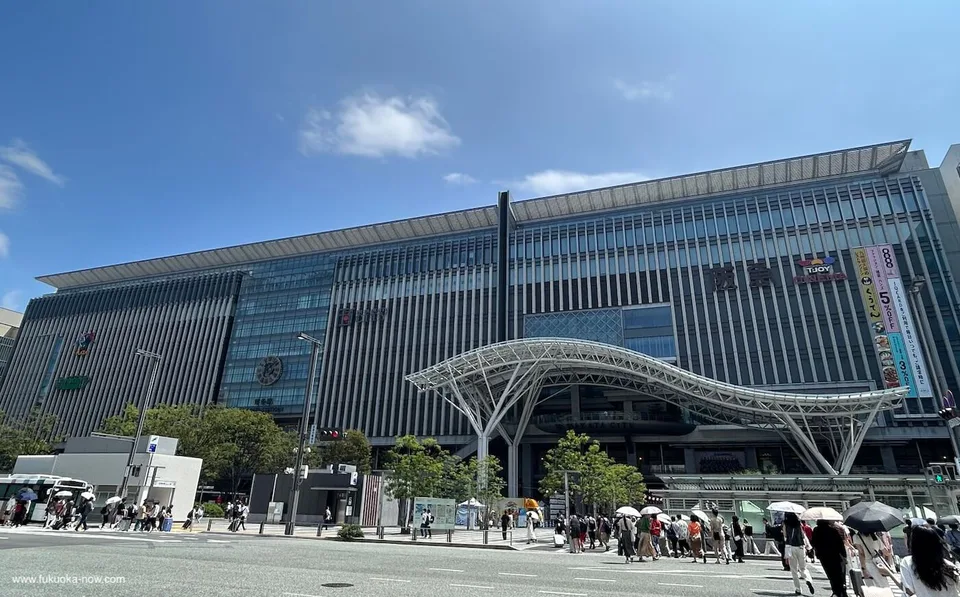
The February-to-March rainfall normals increase in several common destinations. Measured in millimetres, the monthly pairs are Naha 114.5 → 142.8, Fukuoka 69.8 → 103.7, Osaka 60.5 → 103.1 and Tokyo 56.5 → 116.0. A monthly total cannot tell you whether a particular Tuesday will be wet, but it gives a reason to make your walking shoes rain-tolerant.
Choose shoes you can wear for hours on damp pavement. An umbrella is easy to buy locally; drying soaked footwear overnight can be harder. A hooded, wind-resistant shell becomes more helpful when the wind turns an umbrella awkward or when luggage occupies your hands.
Hokkaido adds a second issue to wet-weather packing. Melting snow and refreezing can demand traction as well as water resistance, so the mainland-city rain plan cannot be copied there without checking the ground.
Laundry can replace half a second week of clothes
A ten-to-fourteen-day itinerary tempts travellers to multiply every outfit by trip length. Outerwear already takes considerable space in March, making that calculation especially costly.
If a hotel washer-dryer, coin laundry or planned wash stop fits the route, bring enough underwear and base layers to reach it comfortably and repeat those pieces afterward. A single mid-layer and outer jacket can cover many mainland city days because they do not need washing as often as the clothes next to skin.
The burden of spare outfits shows up at train transfers rather than while packing at home. The extra weight follows you through Tokyo Station, Shinkansen platforms and hotel changes. Laundry halfway through a rail itinerary can be a better trade than dragging a full second week of clothes.
What three common March itineraries change in the bag
Tokyo, Kyoto and Osaka in late March
Bring a city jacket with wind or light-rain protection, one knit or fleece, short- and long-sleeve bases, comfortable shoes that tolerate wet pavement, and either a compact umbrella or hooded shell. Osaka does not need its own coat. Add a packable warm piece if the forecast or a Fuji, Hakone or Nikko excursion warrants it.
Sapporo and Tokyo in early or mid March
Use Hokkaido to decide on a warm coat, gloves, hat, socks and grippy, water-resistant shoes if wintry surfaces remain. In Tokyo, take off the accessories or the mid-layer. A second full coat is unlikely to repay its space.
A mainland city followed by Okinawa
Choose a mainland jacket that can work alone as an Okinawa wind shell, plus a removable warm layer for Tokyo or Kyoto. That layer may stay in the hotel room on the island. A separate light jacket is useful only if the colder-region coat is genuinely too heavy to wear without its insulation.
Cherry blossoms do not tell you the evening temperature
A blossom photograph can look like settled spring weather. Flowering dates vary by place and year, however, and a comfortable late-March afternoon can turn into a cold riverside evening once the sun has gone.
Use current bloom reports to pick a viewing location, then check temperature, wind and rain for the clothes. A late outdoor hanami may need a warmer layer than a lunchtime temple walk on the same day. Treat those as separate planning decisions.
The final forecast should remove gear as well as add it
Review the route roughly seven to ten days before departure. For every stop, look at:
Overnight lows for early departures and late returns, alongside the daytime high;
Rain or snow that could change shoes and outerwear;
Wind on coasts, viewpoints and exposed mountain paths;
Elevation and the separate forecast for side trips;
Remaining snow, ice or slush in Hokkaido and other cold regions;
How much time will actually be outside: 10°C for six hours of temples feels different from 10°C on a train-and-shopping day.
Use that review to take unnecessary pieces out. Mild, dry forecasts across all stops may make a backup heavy layer redundant. Ice still on Sapporo streets keeps the footwear decision alive even if Tokyo warms into the mid-teens. A useful forecast changes the contents of the suitcase, not merely the order in which you wear them.
One adaptable outfit, with a clear exception where needed
Tokyo, Osaka, Kyoto and Fukuoka can usually share a base, removable mid-layer and outer jacket that blocks wind and some rain. Sapporo may require winter traction and small cold-weather accessories. Naha often calls for lighter pieces instead. A mountain excursion can raise the warmth needed for a single day without creating a second city wardrobe.
Before closing the suitcase, identify the coldest, wettest or most exposed part of the route and the item that solves it. Reuse the remaining layers on easier days. The actual forecast, especially for side trips and Hokkaido ground conditions, should settle the last uncertain items.