
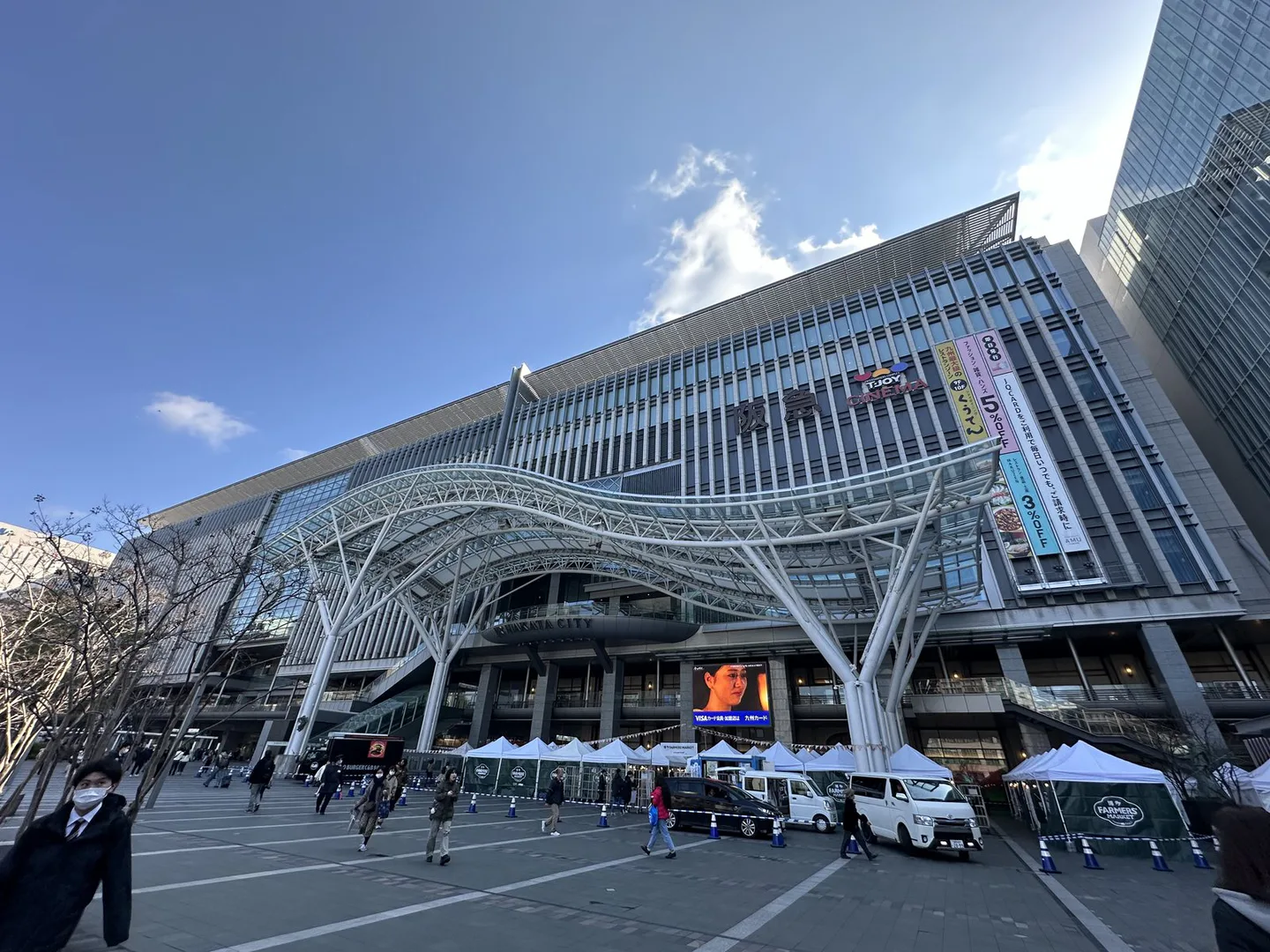
An October suitcase for Tokyo will not automatically work in Sapporo or Naha. The 1991–2020 climate normals put Tokyo at 18.0°C for the month, Sapporo at 12.1°C and Naha at 25.5°C. That spread is more useful for packing than a single national forecast. Choose clothes for the coldest morning on your itinerary, then use removable layers for warmer afternoons; keep Okinawa’s summer clothes in a separate part of the bag.
On a Tokyo–Kyoto–Osaka–Fukuoka route, a light long sleeve, a packable outer layer and comfortable shoes cover most ordinary sightseeing days. Sapporo calls for a warmer middle layer and wind protection, especially after dark. Naha still calls for breathable fabrics and sun protection. These are climate-based packing starting points; wind, rain and a late-month travel date can shift what you wear on a particular day.
October packing by destination
↔ Scroll table left or right
Area | 1991–2020 October normal | Useful clothing | Mistake to avoid |
Tokyo | 18.0°C mean; 22.0/14.8°C high/low; 234.8 mm rain | Long sleeve or T-shirt, with light outer layer | Using the first week’s mild evening for a late-month trip |
Kyoto | 18.4°C; 23.4/14.4°C; 143.2 mm | Light long sleeve and portable jacket | Assuming all city foliage peaks during October |
Osaka | 19.5°C; 23.7/16.0°C; 136.0 mm | Removable overshirt or thin jacket | Forgetting the cooler walk after dinner |
Fukuoka | 19.6°C; 23.7/16.0°C; 94.5 mm | Light layer with compact rain protection | Equating a drier month with no shower risk |
Sapporo | 12.1°C; 16.4/8.0°C; 109.9 mm | Warm mid-layer and wind-resistant jacket | Packing only a Tokyo-weight outer layer |
Naha | 25.5°C; 28.1/23.5°C; 179.2 mm | Breathable summer pieces plus thin shell | Using a mainland autumn wardrobe |
The temperature and rain amounts in the table are 1991–2020 monthly normals, not a prediction for a particular 2026 week. About a week before departure, look at each city’s high and low trend. In the final two or three days, use the hourly wind and rain forecast to decide which outer layer and shoes should be at the top of the bag.
Tokyo: the first and last week need different evenings
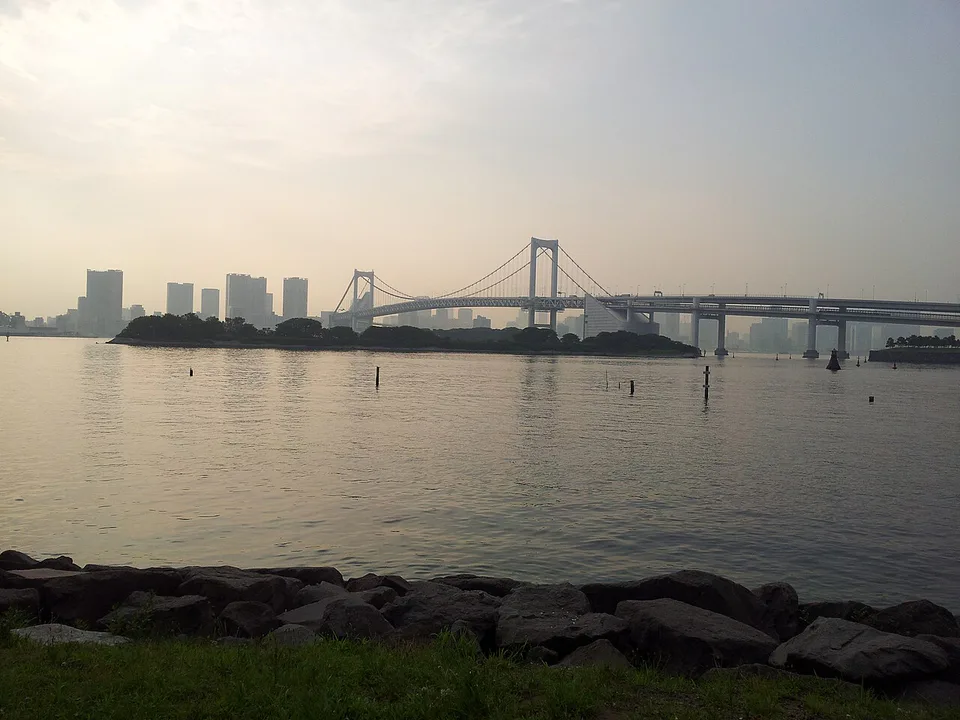
Tokyo’s October monthly mean is 18.0°C; normal highs and lows are 22.0°C and 14.8°C, with 234.8 mm of precipitation. The mean conceals a steady fall through the month. Daily normals are around 24.5°C by day and 17.4°C by night near October 1, but around 19°C and 11–12°C near October 31. A packing list based on the first afternoon will feel thin after a late-month dinner.
Early in the month, short sleeves can work while walking in the sun, with a light layer ready for the train and evening. By the final week, start with a long sleeve and carry a light jacket. If Tokyo is your main base, allow room in the day for weather changes rather than treating the monthly mean as a uniform temperature. A day trip or Disney day can leave you outside much longer than a museum-and-rail itinerary. See Tokyo itinerary built around whole areas. See Tokyo attractions planning guide.
Does a 12°C Tokyo morning require down?
Most city travellers can handle an 11–15°C spell with a light knit, sweatshirt or trench-style jacket over a base layer. A heavy down coat may be uncomfortable when the same day rises toward 20°C or when trains and shops are warm. Someone who feels the cold easily can add a thin insulated layer; the choice should follow the actual overnight low and hours outdoors, not the calendar month alone.
Kyoto: walking weather arrives before every temple turns red
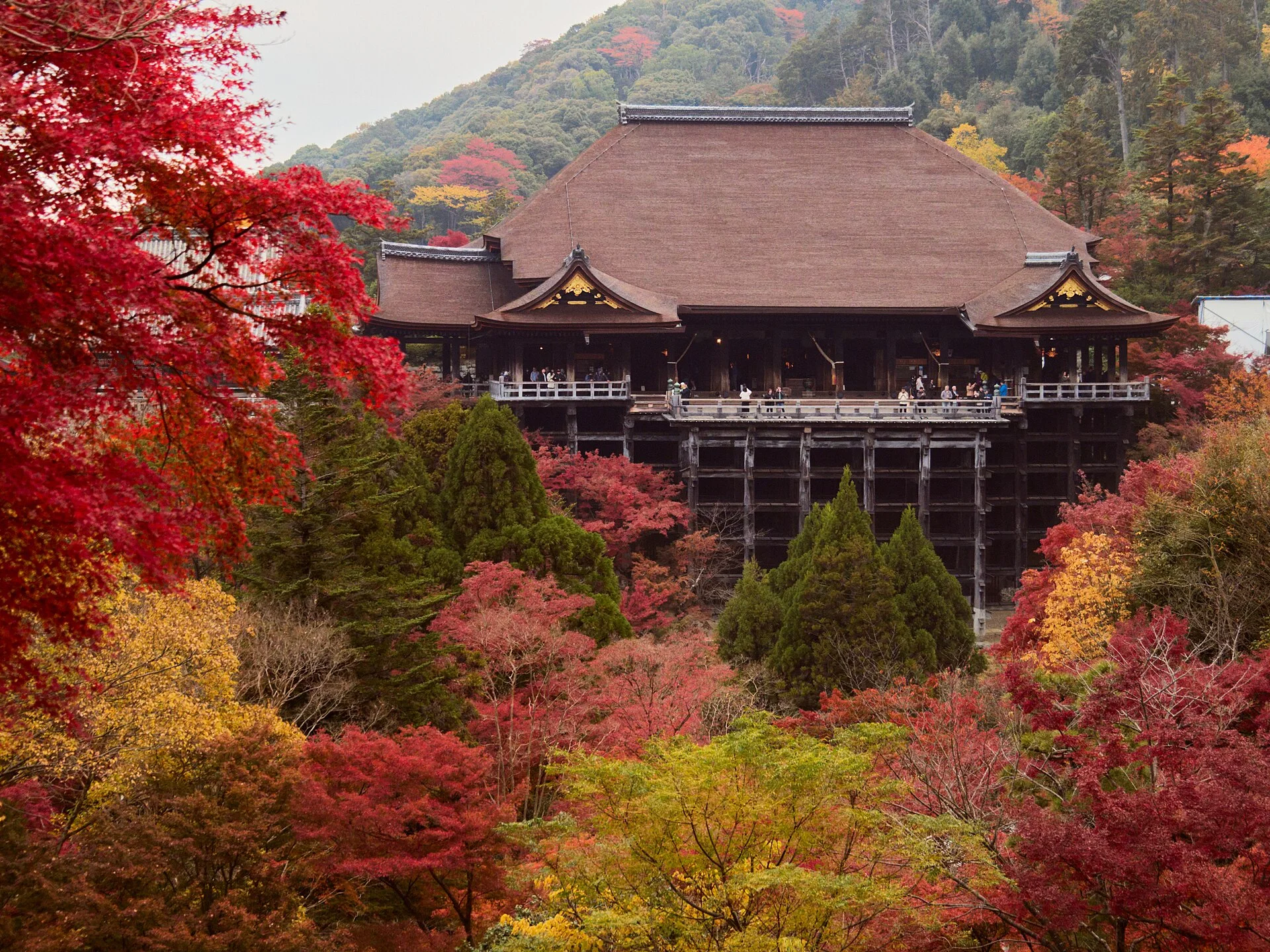
Kyoto’s October normal is 18.4°C, with a 23.4°C high, 14.4°C low and 143.2 mm of rain. Those figures favour long walking days compared with the humid height of summer, but exposed hillsides can feel cooler than the station area. A thin long sleeve and a jacket you can carry are more adaptable than a single thick coat, particularly if you move between temples and trains.
Autumn colour follows elevation and local conditions. An October arrival can catch some higher or earlier-turning trees without guaranteeing peak foliage at Kiyomizu-dera, Eikando or Arashiyama. Build the Kyoto route around places you want to visit even if the leaves are still green, then use current foliage reports to decide whether a mountain-side excursion merits the extra journey. See Kyoto foliage by elevation. See central Japan foliage by elevation.
For a temple trip, the date mainly changes the outer layer
If foliage is incidental, there is no need to force the trip into one supposedly perfect October week. Early-month afternoons may still favour short sleeves; later starts and evenings make a jacket more useful. A temple-and-hillside day puts more time outdoors than a city-shopping day, so pack for the route as well as the Kyoto average.
Osaka: carry the layer you can take off at lunch
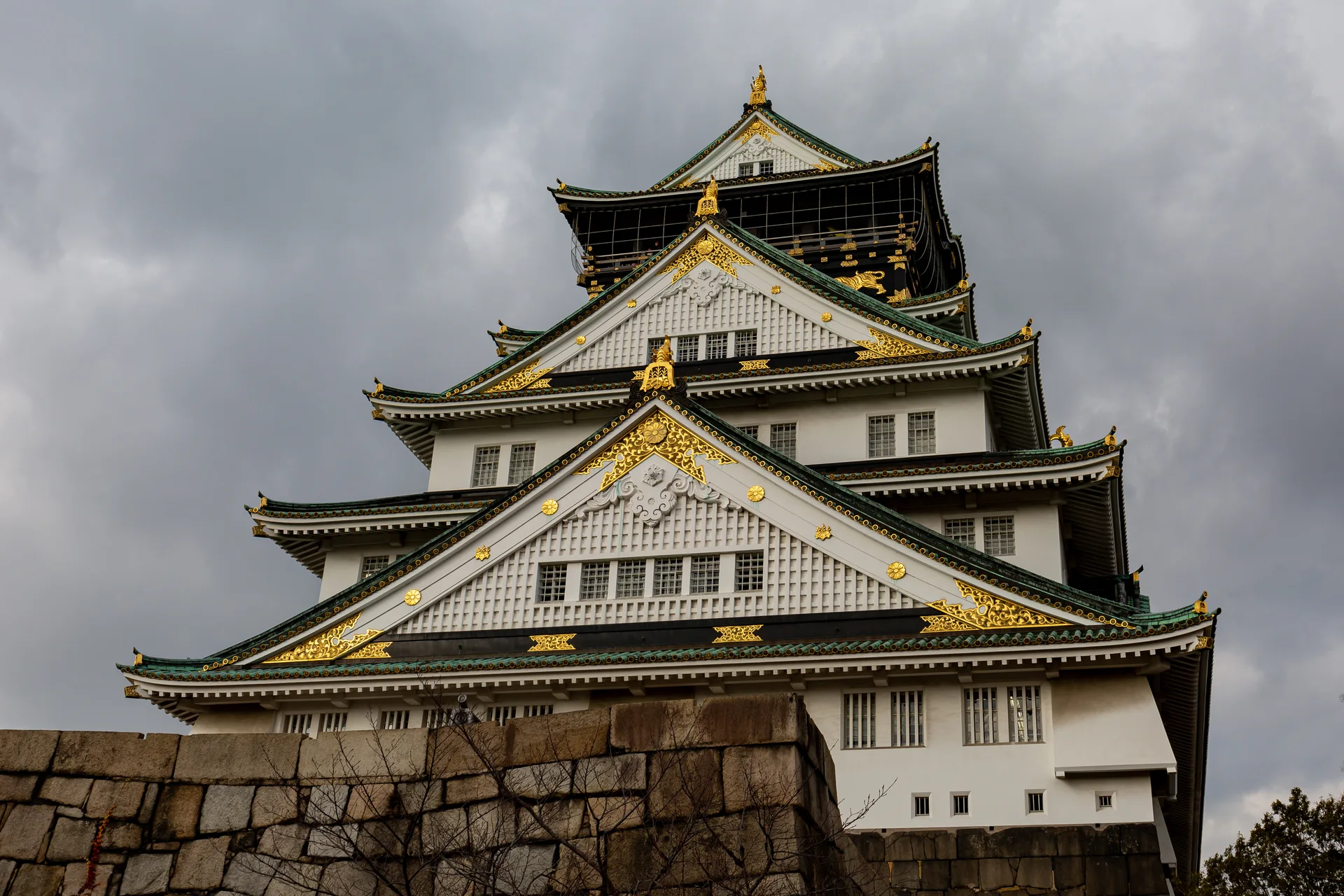
Osaka averages 19.5°C in October. Its 23.7°C normal high and 16.0°C low explain why a warm afternoon does not settle the evening clothing question; the monthly rain normal is 136.0 mm. If you cross neighbourhoods on foot and eat out late, use a light overshirt, cardigan or windbreaker that folds into a small bag when the sun is out.
A neighbourhood-based Osaka day can reduce unnecessary travel across the city and make a change of clothes less likely. For an arrival or departure day, match the layer to the walking distance between the airport train, hotel and station exit. The faster train on paper may still leave a longer outdoor walk than another route. See Osaka attractions by-neighborhood guide. See Kansai Airport to Osaka by hotel area.
Fukuoka: less rain than September still leaves wet-day choices
Fukuoka’s October normal is 19.6°C, with a high of 23.7°C, a low of 16.0°C and 94.5 mm of rain. September’s rainfall normal is 175.1 mm, so the monthly total falls markedly, but that does not promise a dry holiday. A compact umbrella or very light shell takes less space than packing as though every day will be wet.
When the forecast shows a short shower, keep a flexible walking plan; persistent rain may justify shortening an exposed route. Fukuoka’s easier October temperatures leave room for outdoor food and neighbourhood stops even if one morning changes shape. Check the actual forecast before replacing an entire day with indoor sights. See a broader rain-day keep-or-reschedule decision.
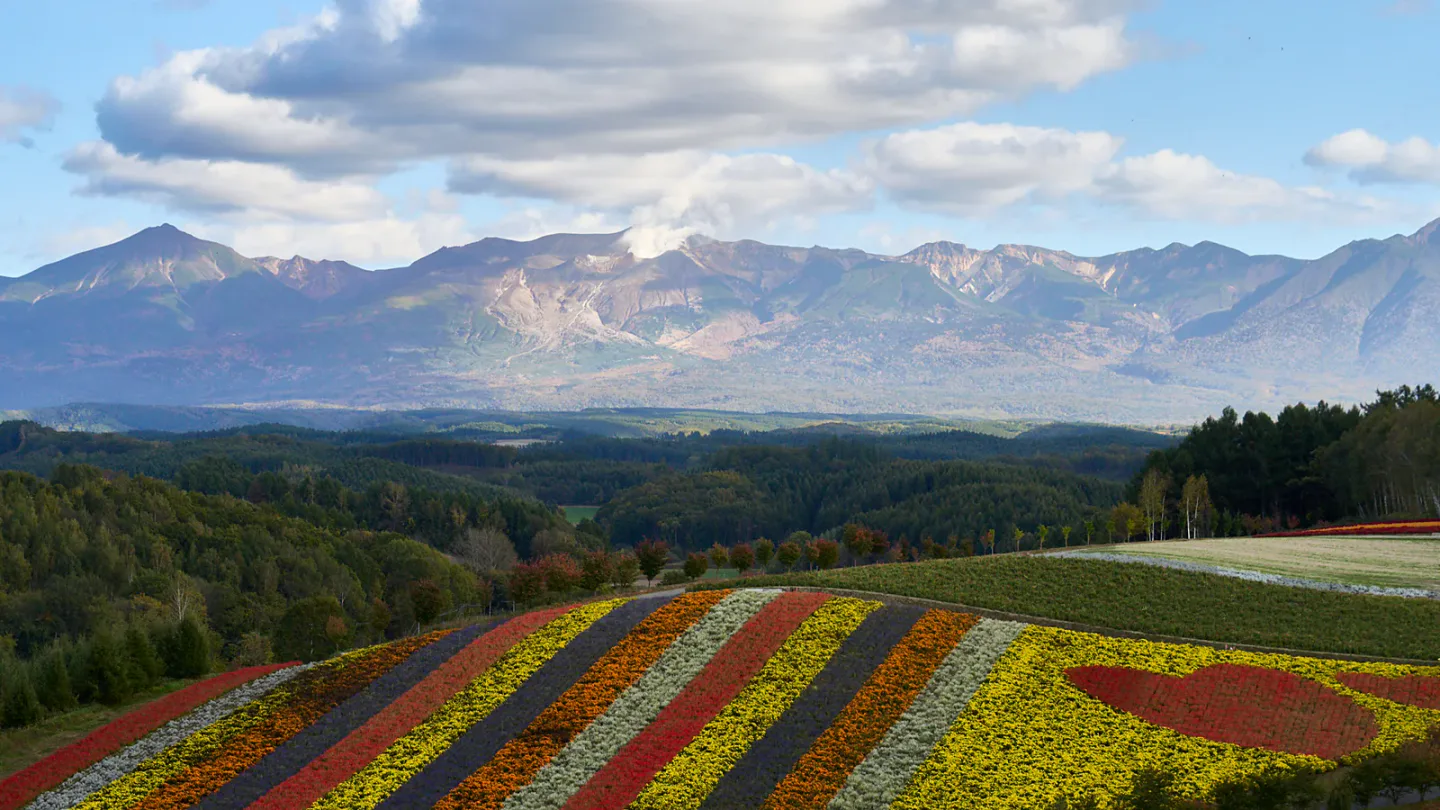
Sapporo: 8°C nights change the whole layering system
Sapporo’s October mean is 12.1°C, with a 16.4°C normal high, 8.0°C low and 109.9 mm of precipitation. A traveller arriving from Tokyo needs a warmer mid-layer and a jacket that blocks wind, especially for an early train or evening meal. The difference becomes larger on a high-elevation or rural Hokkaido outing, where a city normal is a poor upper limit for comfort.
Sapporo, Otaru, Furano and Biei do not share one autumn timetable. Foliage and temperature change with location and height, so sequence a Hokkaido route around the actual forecast and colour reports rather than borrowing a summer driving plan unchanged. The field and mountain scene pictured here is scenery, not evidence of October temperatures at the camera site. See Hokkaido autumn leaves route guide. See Hokkaido summer route framework.
A Sapporo city day still has warm indoor breaks
Central Sapporo does not automatically demand the heaviest winter coat on every October day. A long-sleeve base, warmer knit and wind-resistant outer layer often give more control when a 16°C afternoon follows an 8°C morning. Eastern Hokkaido, elevation, late October and long periods outside can all require stronger insulation; check those destinations separately.
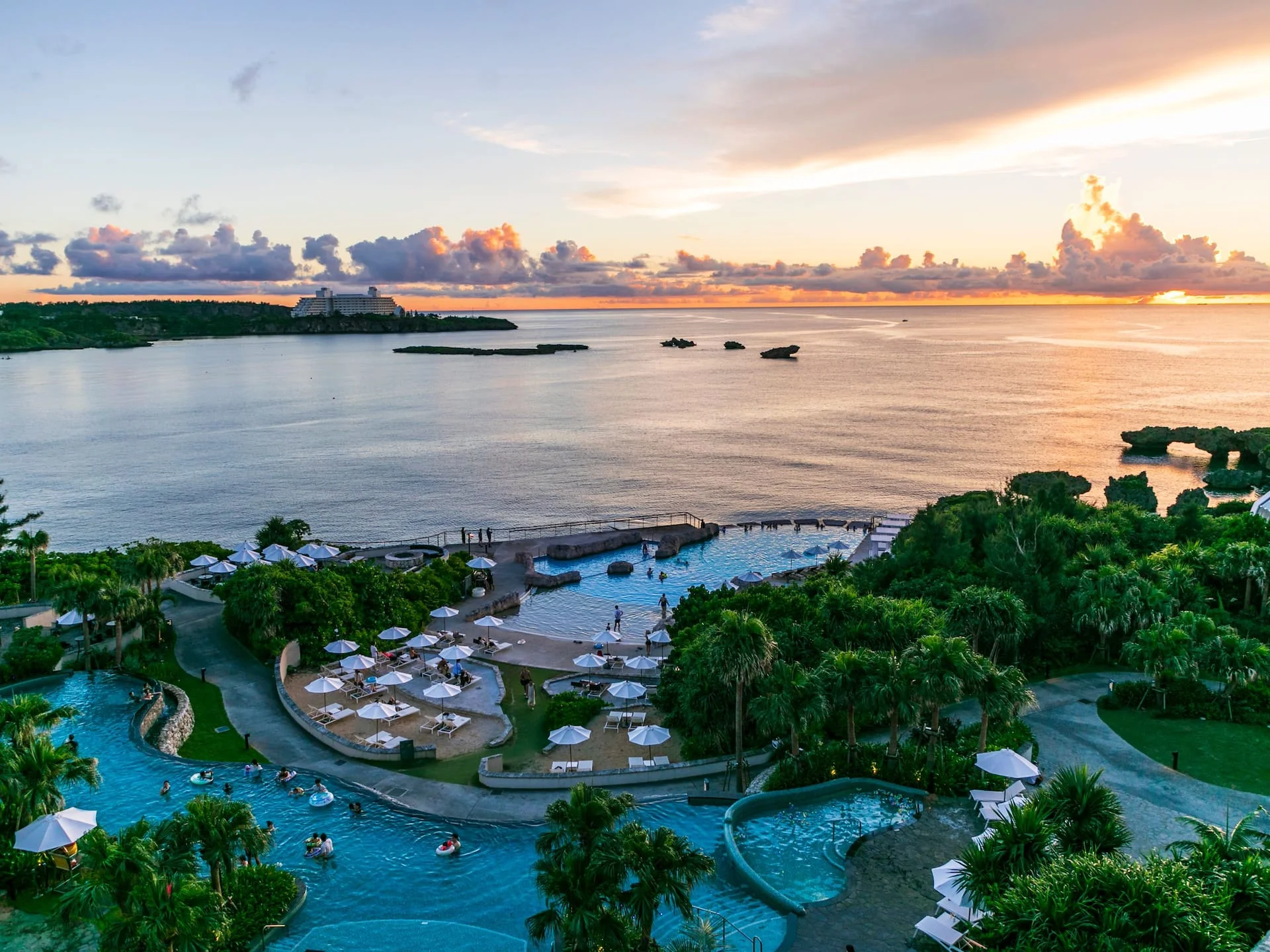
Naha keeps summer clothes in an October itinerary
Naha’s October mean reaches 25.5°C, with a 28.1°C high, 23.5°C low and 179.2 mm of rain. Quick-dry clothes, a hat and sun protection make more sense here than a Tokyo-style autumn jacket. A thin shell still earns space for wind or a shower. Whether to swim depends on the beach or hotel’s operating rules and the day’s sea conditions, not the air temperature alone.
Typhoon exposure eases after late summer, but October is not risk-free. Across Japan, the 1991–2020 October averages are 3.4 typhoons forming, 1.7 approaching and 0.3 making landfall on the main islands. Those monthly counts are not a forecast for your specific Okinawa dates. Watch advisories when travelling near a storm and give boat or flight days room to move. See Okinawa rainy-day and typhoon backup plan. See first-time Okinawa travel guide. See September’s different weather pattern.
Footwear and rain protection depend on the route
For Tokyo, Kyoto, Osaka and Fukuoka, a comfortable walking shoe with grip on wet paving is usually more useful than winter boots. Tokyo’s 234.8 mm October precipitation normal is substantial; Kyoto’s 143.2 mm and Osaka’s 136.0 mm also argue for a small rain layer. A waterproof shoe becomes more valuable on long outdoor days, while a brief shower does not justify carrying a heavy boot through warm city interiors.
Rain plans should respond to duration and wind. Keep an outdoor route for passing showers, trim the exposed portion when rain persists, and change the day when transport or safety is affected. If a storm approaches Okinawa, treat ferries and flights as the key constraint before deciding which beach activity to move. See Japan rainy-day keep, shorten or reschedule framework.
Mixed-region trips: pack for two climates without duplicating everything
Tokyo with Hokkaido
The normal daytime high drops from 22.0°C in Tokyo to 16.4°C in Sapporo, and Sapporo nights average just 8.0°C. Reuse long sleeves and shoes across both stops, then add one warmer mid-layer and a more protective jacket for the northern portion. Packing only for Tokyo leaves the coldest morning underdressed; packing only for Hokkaido makes city afternoons cumbersome.
Tokyo with Okinawa
Tokyo can approach 11–12°C overnight near the end of October while Naha’s monthly daytime high remains 28.1°C. Shared T-shirts and shoes are possible, but the outer pieces differ. Put swimwear, quick-dry tops and sun protection together for Okinawa, and keep the long sleeve and jacket reachable for Tokyo. If you change hotels across regions, decide whether forwarding the main case would leave the right climate layer in your overnight bag. See luggage forwarding choices.
Five packing errors that have a practical cost
Treating Naha as autumn leaves country leads to clothes that are too warm. Treating Tokyo’s 18.0°C mean as a daily forecast misses the month’s decline. Taking a Tokyo jacket into Sapporo underestimates an 8.0°C normal low. Booking Kyoto solely for an assumed October foliage peak can waste a day when the colour is elsewhere. Leaving rain shoes or an umbrella behind because one afternoon looks sunny ignores the rest of the forecast.
Use the overnight low to make the final call
Seven to ten days out, compare high–low trends in every destination. At 48–72 hours, check hourly rain, wind and evening temperatures for the longest outdoor block. That sequence decides whether the light jacket is enough, whether the Hokkaido mid-layer should be thicker and whether an Okinawa sea day needs a backup. Recheck the travel day itself if a typhoon or strong front develops. Set up a working data connection before moving between regions so a ferry, rail or activity change does not leave you dependent on public Wi-Fi. See Japan eSIM before departure.
Common October clothing questions
Is a jacket necessary?
A removable light jacket is useful for Tokyo, Kyoto, Osaka and Fukuoka, particularly at night. Sapporo generally needs a warmer and more wind-resistant combination. In Naha, a thin rain or wind shell is usually the more useful outer piece.
Will a T-shirt work in Tokyo?
Often during an early-October afternoon. Daily normals start near 24–25°C for the high, then late-month nights approach 12°C. Keep a long sleeve or jacket available instead of treating the T-shirt as the entire outfit.
Will Kyoto’s city temples be at peak colour?
An October date cannot guarantee it. Higher elevations and particular districts change at different times, while well-known city sites often colour later. Use current-year reports and keep a good walking itinerary for days when the trees have not turned.
Does Hokkaido demand down?
A central Sapporo city day may work with layers instead of a heavy down coat, despite an 8.0°C monthly normal low. Higher ground, eastern Hokkaido, late dates or a very early start can justify more insulation.
The destination list determines the suitcase
A Tokyo, Kansai and Fukuoka trip can usually use one light layered system. Add warmth for Sapporo and separate summer pieces for Naha. A light rain layer and shoes suitable for wet walking give the plan flexibility. The final forecast should decide which pieces travel, especially if the itinerary crosses regions. See November’s colder city pattern.
Climate normals describe a long-run average, while foliage colour, sea conditions, individual rain days and typhoon tracks change each year. Match the final clothing choice to the dates and activities you actually booked.