
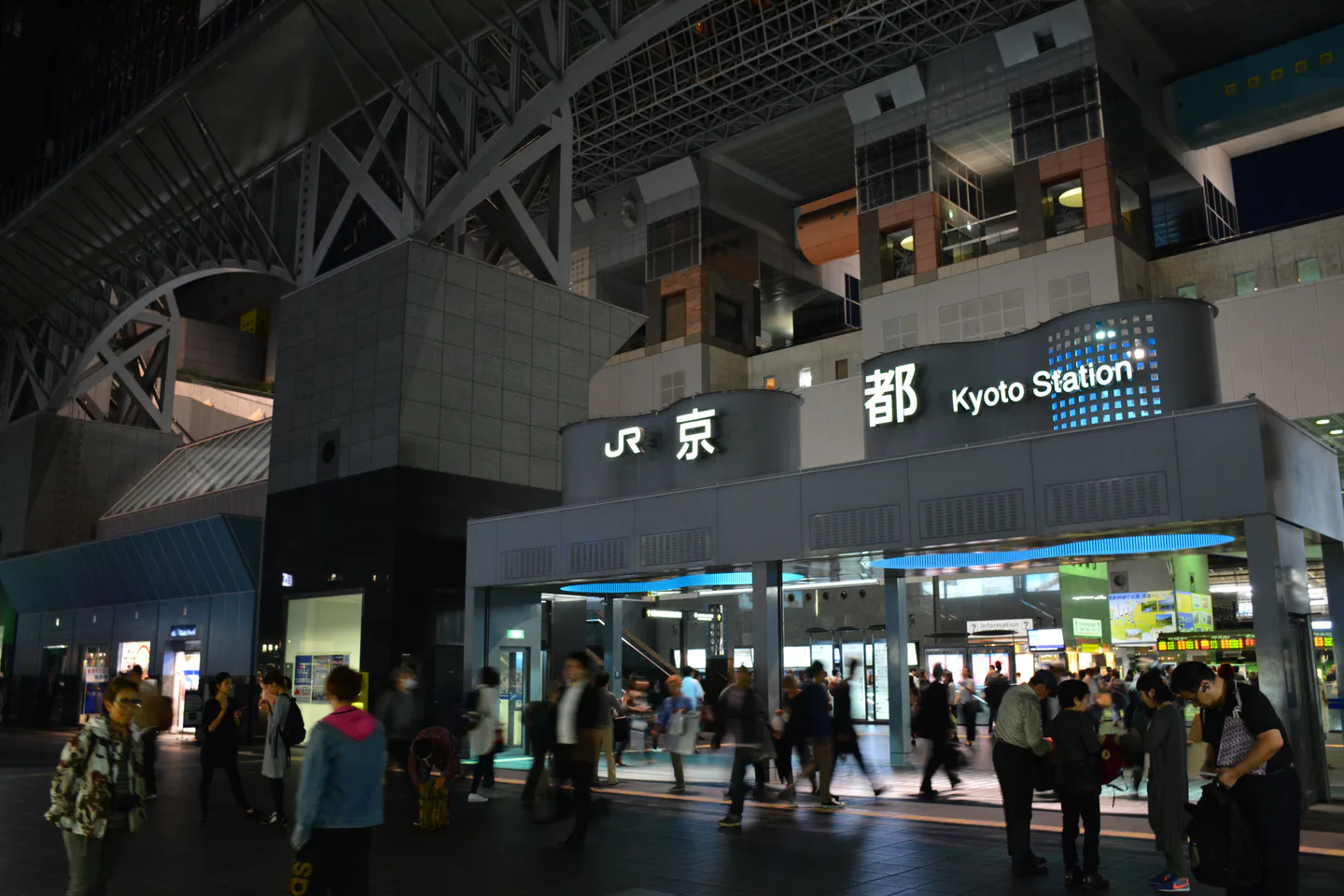
Six hotel nights give a seven-day Osaka and Kyoto trip two clean shapes. Keep one Osaka room if Kyoto is a single outing. If the Kyoto half includes two substantial days and you want to be there at dawn or after dinner, spend nights one to three in Osaka and nights four to six in Kyoto. That version asks for one hotel transfer, around the middle of the week, and lets the departure day begin in Kyoto.
The train between the cities is short enough that a one-day Kyoto list does not demand a second check-in. Fushimi Inari, Kiyomizu-dera and Gion can form an Osaka-based day trip; a second Kyoto morning or an unrushed evening changes the equation. USJ and Osaka nightlife can also make keeping one room sensible. The decision depends on the hours you want at each end of a Kyoto day, not the distance printed on a rail map.
This route allocates hotel nights before filling the attraction calendar. Work out the six-night total, luggage handling, Kyoto's accommodation tax and the real airport connection. Then use the day-by-day plan. If the choice between cities is still open, Kyoto or Osaka as the main base addresses that earlier decision.
How much Kyoto time earns a second hotel?
One Kyoto sightseeing day
Stay in Osaka for all six nights when Kyoto is one concentrated day of Fushimi Inari, Kiyomizu-dera and Gion. Leave early, come back after dinner and avoid a suitcase move for a single morning. This is especially practical when the same trip also gives a full day to USJ, Osaka evenings and a Nara or Kobe outing. Choose an Osaka station area that fits those actual rail lines.
Two Kyoto days with early and late hours
A Kyoto room starts to matter when the itinerary values the hours before 09:00 and after 18:00. Kyoto's visitor guidance singles out those windows, and Kiyomizu-dera lists a 06:00 opening in its 2026 schedule. Sleeping nearby removes the need to make an Osaka-to-Kyoto journey before the quiet morning. A second evening can continue after dinner without calculating the return train.
Three Kyoto days or a timed cultural booking
Three nights give two complete Kyoto mornings and two evenings between arrival and departure. They also leave room for a tea ceremony, sword activity or weather swap without forcing every booking into one day. A single Kyoto night carries almost the same unpacking and checkout burden while providing one evening and one dawn. Make that shorter stay only when its specific event or room is the point.
Avoiding an Osaka–Kyoto–Osaka loop
Returning to Osaka for the final night usually adds a second move to a six-night itinerary. It interrupts Kyoto's last day and creates another packing cycle. The exception is an exceptionally early KIX departure that genuinely cannot be reached from Kyoto at the required check-in time. Test the first usable airport connection before paying for an extra Osaka night; there is a direct Kyoto–KIX HARUKA service.
Six nights: the calendar that the 3+3 split actually uses
Arrival is Day 1 and departure is Day 7, so this model has six paid nights. Days 1, 2 and 3 end at the Osaka hotel. After checkout on Day 4, one transfer takes you to the Kyoto hotel for Days 4, 5 and 6. Day 7 starts there before the airport trip. A plan labelled 'seven days' sometimes quietly inserts a seventh hotel night; check the flight dates before copying a night allocation.
With seven nights and eight calendar days, add a fourth Osaka night if USJ or city time feels cramped. Four Osaka nights and three Kyoto nights retain the useful Kyoto mornings without introducing a third base. An extra hotel change does not create an extra sightseeing day.
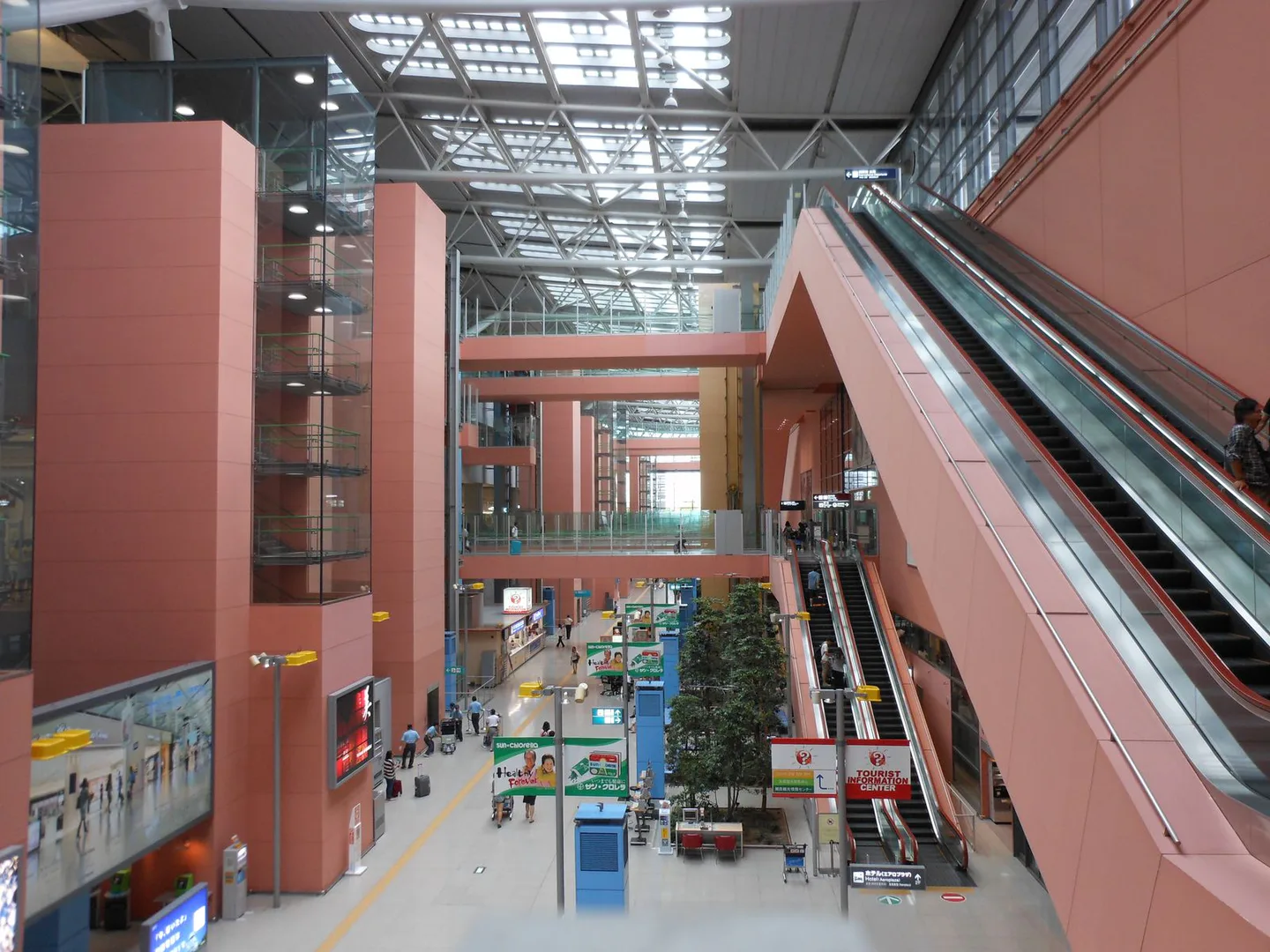
What the Kyoto nights buy beyond a short rail ride
Hankyu's 2026 weekend Kyo-train Garaku example departs Osaka-umeda at 09:32 and reaches Kyoto-kawaramachi at 10:15, a 43-minute scheduled ride with ordinary fare and no supplement. That figure is useful for scale, though the special train's calendar is not a universal daily timetable. Station access, the next bus or train and the walk to the first sight extend the actual journey.
A day trip that begins after an Osaka breakfast may arrive at a Kyoto temple after the calmest morning. Later, dinner can become a countdown to the intercity trip home. Kyoto accommodation changes those outer hours. If neither an early temple visit nor a late neighbourhood walk interests you, paying the lodging and transfer costs for that advantage makes little sense.
Kyoto's 2026 accommodation tax belongs in the hotel comparison
Kyoto City's revised accommodation tax began on 1 March 2026. Per person, per night, it is ¥200 when the room charge allocated to that person is below ¥6,000; ¥400 at ¥6,000–19,999; ¥1,000 at ¥20,000–49,999; ¥4,000 at ¥50,000–99,999; and ¥10,000 at ¥100,000 or more. Over three Kyoto nights and two guests, the applicable band can change the split-stay total materially. Use the per-person room charge rather than the whole-room headline to identify the band.
Add the tax to both cities' room totals before calling one arrangement cheaper. The one-hotel plan may spend more on repeat return trains but avoids a second check-in. The split pays for luggage handling and the Kyoto tax while reducing those round trips. Cancellation conditions and useful breakfast hours can move the comparison further; a single nightly price cannot settle it.
Day 1: arrive through KIX and sleep in Osaka
Arrival afternoon or evening
The Osaka half contains city time and USJ, so the first arrival should end at the first Osaka hotel. Sleeping in Kyoto immediately after KIX only to return west for the park multiplies travel and makes the first night harder. Choose the airport train by the Osaka hotel address, arrival hour and luggage, then leave Kyoto for the scheduled Day 4 transfer.
Namba places Dotonbori food and late shops close to the first night. Umeda can simplify the north Osaka day and the move to Kyoto. The right station is the one used repeatedly, as Namba versus Umeda explains. Check KIX access to Osaka hotels; the fastest airport train is not automatically the closest to the room you booked. Work backward from the hotel's door and the expected time of arrival, including the last local train and the final walk if the flight lands in the evening.
Day 2: leave Kyoto off the Osaka city day
Morning in the north, if that is your chosen route
Osaka Castle Park, Nakanoshima, Kitahama and Umeda can make one northward sequence. Pick the stops that fit the party's pace rather than trying to clear an Osaka attractions inventory. A compact route also leaves enough time for a city evening. If your first hotel is in Namba, the northern group can still work, but account for the return south at the end.
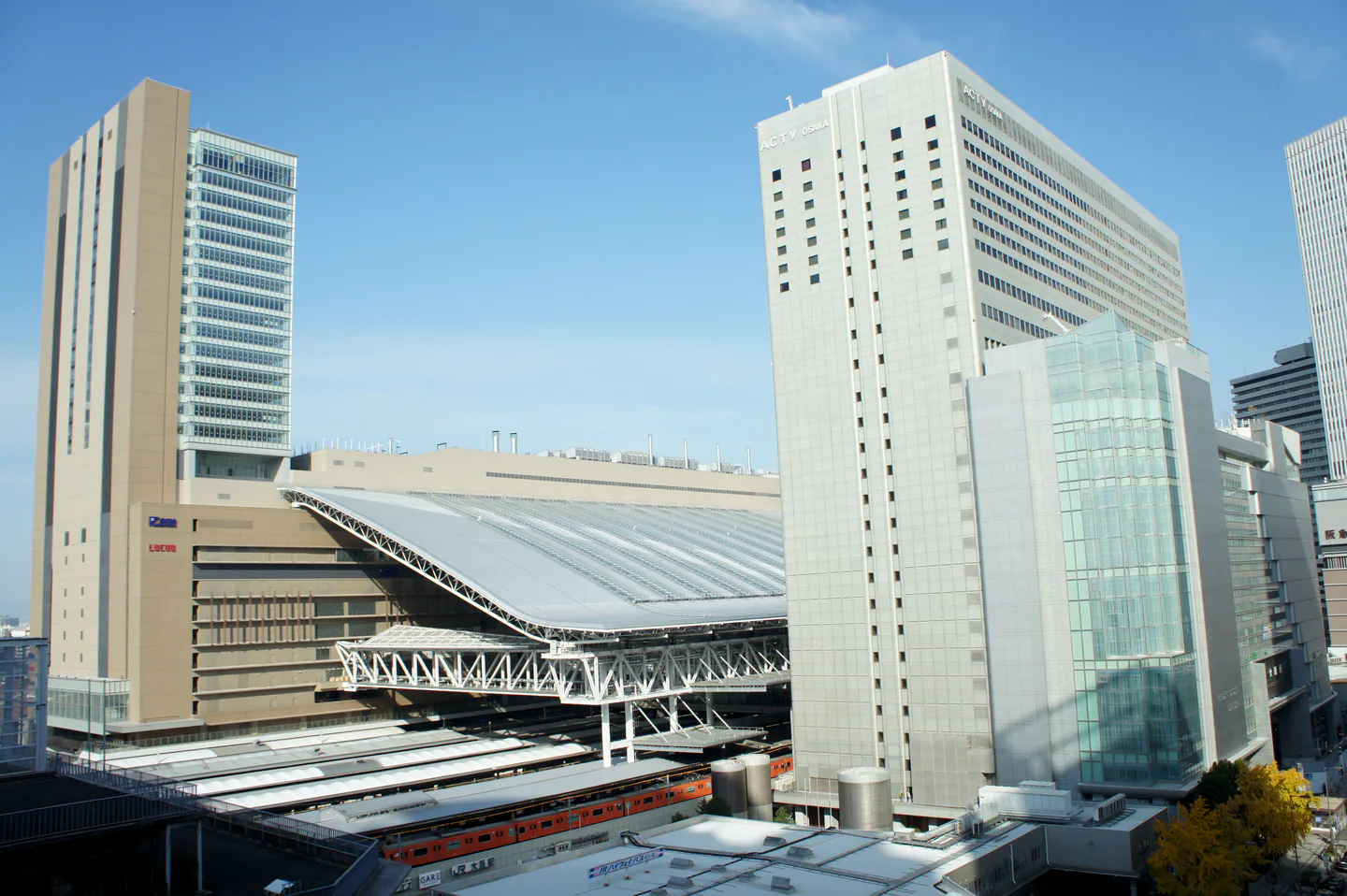
Afternoon near the first hotel's area
An Umeda base can keep the rest of this day around its shops and dinner streets. With a Namba room, Shinsaibashi and Dotonbori can form the later block. Do not force both shopping districts into a single afternoon for completeness. The Osaka lodging area guide is useful if these evening movements have not yet been decided.
Osaka after dark
Keep a night for Osaka's dense restaurant and street choices. You will have Kyoto's Kamo River, Gion and Higashiyama later in the week. Trying to fit a Kyoto detour into this Osaka evening turns the split into repeated intercity commuting, which removes the main reason to move hotels on Day 4.
Day 3: USJ without a suitcase transfer
Give the park its own full day
Put Universal Studios Japan before the move while the Osaka room is still yours. Park closing, queues and fatigue are uncertain; after a long day, a familiar room and shower are more useful than a new hotel check-in across the region. Keep Day 4 for the single intercity transfer and a lighter Kyoto start.
An Express Pass is a separate decision. Identify which two or three rides or timed experiences matter most, inspect the pass bundle for your actual park date and compare its cost with your willingness to queue. The USJ Express Pass decision is relevant here; the presence of one park day alone does not prove every visitor needs the paid add-on.
Stay in the Osaka room after the park
A late Osaka-to-Kyoto trip after USJ may look as though it saves the next morning. It actually bundles luggage, a crowded station, a second check-in and the week's most tiring day into one evening. Sleep in Osaka for night three, check out rested and make the transfer a clear Day 4 task.
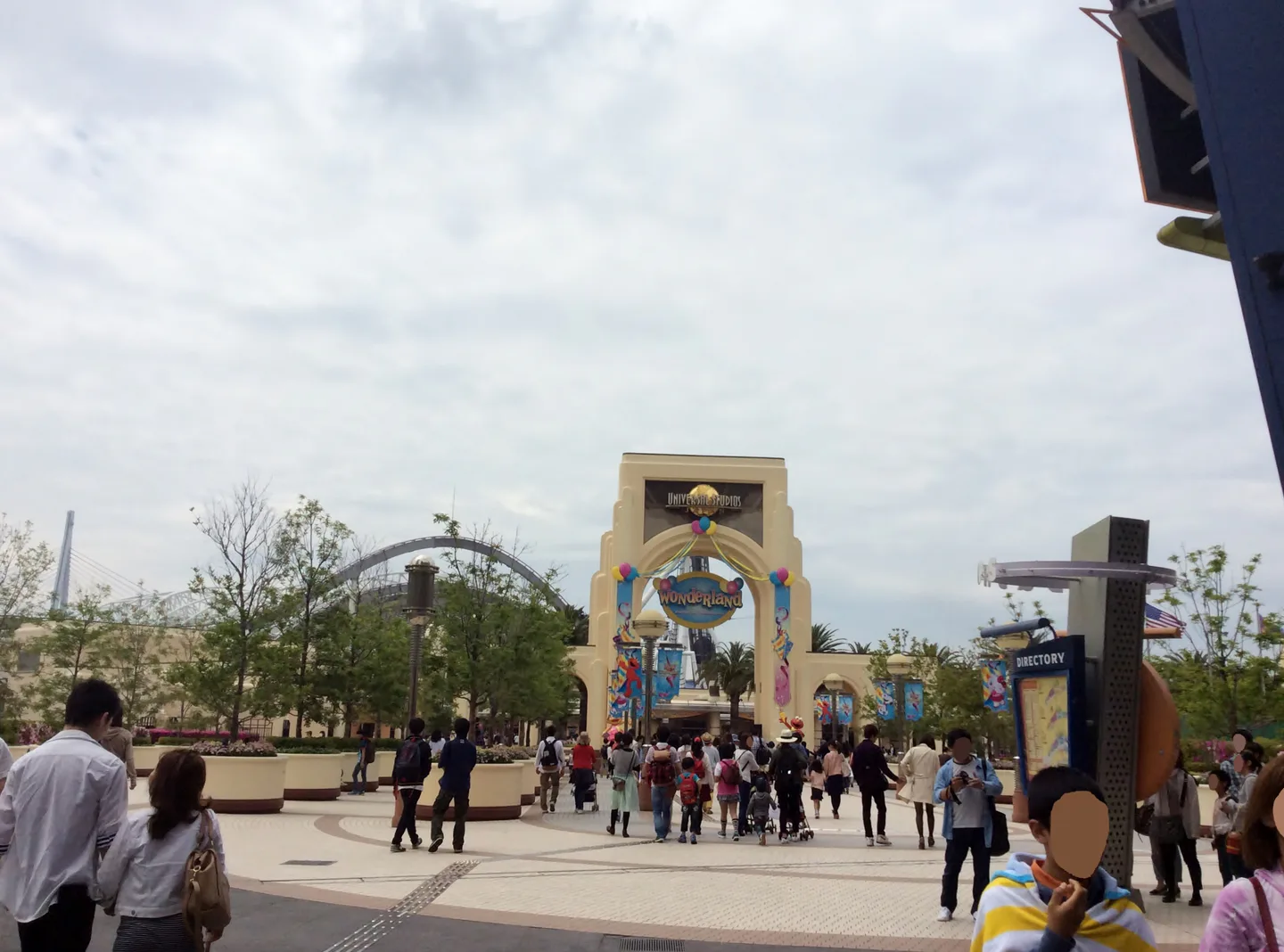
Day 4: one move, then a first Kyoto district
Morning checkout and transfer
Have breakfast, leave the Osaka room, travel to Kyoto by late morning or midday and hand over the bags if the second hotel accepts early luggage. Spending half the day shopping after checkout pushes the new city's first evening away. That matters because the evening is one of the benefits you paid to sleep in Kyoto.
An Umeda hotel offers straightforward onward choices toward Kyoto Station or Kawaramachi. From Namba, plan the Osaka-side connection rather than pretending the route begins at Umeda. A third temporary base at Shin-Osaka rarely justifies itself for a single suitcase transfer. Osaka hotel geography for regional day trips helps measure a station walk against repeated travel, though this itinerary changes city only once.
Afternoon around Higashiyama
After the luggage drop, use one connected part of Kyoto. Kiyomizu-dera, Ninenzaka, Sannenzaka, Yasaka and a gradual move toward Gion can fill the arrival afternoon without another cross-city rail trip. Fushimi Inari, Kinkaku-ji and Arashiyama do not belong in the same post-transfer block; keep them for a morning or a different day.
An evening without the Osaka return
Dinner followed by the Kamo River, Shirakawa or lower Higashiyama lanes is enough to show what the hotel change bought. Kyoto's after-18:00 visitor guidance does not require a ticketed illumination event. The benefit is being able to end the walk at a local room when tired, instead of leaving at a time dictated by the return journey.
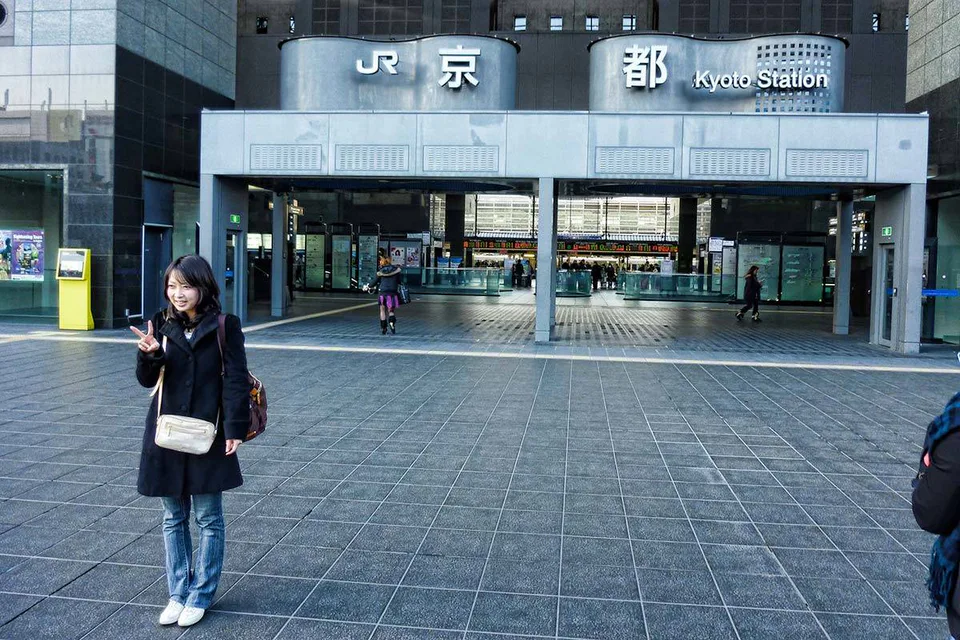
Compare complete six-night bookings, not two nightly rates
The all-Osaka version has one checkout and more intercity round trips. The 3+3 version avoids repeated Osaka–Kyoto returns but has two sets of hotel terms, a Day 4 bag journey and Kyoto lodging tax. Price both full itineraries with the same party and dates. Include airport access from the final hotel, because the different last-night location changes that journey too. Compare Kyoto Station hotel rooms for the three-night segment.
At minimum, write down the six-night room totals, the Kyoto tax, the number of Osaka–Kyoto return trips and the luggage cost if you use delivery or paid storage. Add breakfast only when its hours fit your early Kyoto plans; a prepaid meal you miss at 06:30 has no practical value. This calculation can justify a more expensive split, but the extra cost should buy time you will actually use.
Two non-refundable reservations increase the stakes
A flight change, USJ date adjustment or reshaped Kyoto plan can affect both hotels. Compare their cancellation deadlines as carefully as the totals. When prices are close, flexibility may be worth paying for on the split version. A cheap locked room in each city is not automatically a saving if one change makes the whole sequence unusable.
The suitcase plan for the single transfer
With one ordinary 20–28 inch suitcase, the simplest route is often checkout, rail to Kyoto, hotel luggage drop if permitted, then sightseeing without the case. This keeps the trip to one controlled transfer. Do not book a same-day forwarding service purely because a hotel change appears on the calendar; check the distance from Kyoto arrival station to the property first.
Several large bags, a stroller, mobility constraints or accommodation far from the station make forwarding more attractive. Ask both hotels about acceptance, pickup cutoff and whether arrival is same day or following day. If the bag will arrive after you do, the first Kyoto night needs essentials in a day bag. Avoid promising a delivery time from a generic service description.
Kyoto Station can shorten the luggage leg
A Kyoto Station room allows the case to be dropped soon after the train journey, then lets the party continue toward Higashiyama without it. The same location simplifies the final airport departure. Gion can bring early Higashiyama and late river walks closer, but may require a longer Day 4 bag transfer. The choice follows the activities and luggage you actually have.
Choosing the Kyoto hotel district
If Day 4 baggage and Day 7 airport access dominate, compare Kyoto Station and Gion. From Kyoto Station, Kyoto City's access guidance suggests the JR Nara Line to JR Inari Station in about nine minutes. That makes the first full Kyoto morning easy to organise without pretending every landmark is beside the station.
When the split is mainly for Higashiyama before 09:00 and Gion after dinner, Gion or Kawaramachi may repay their room premium. Kyoto City gives roughly 22 minutes by direct Keihan service from Gion-shijo to Fushimi Inari, so this base does not block Day 5. Compare the actual hotel walk to the railway platform and its room terms before treating a district name as a guarantee.
If neither district's early or late advantage is useful, the single-base choice remains valid. Kyoto versus Osaka for a first visit and Osaka's day-trip choices help keep the itinerary centred on one hotel when the extra move buys too little.
Day 5: use the first Kyoto morning at Fushimi Inari
Roughly 06:30–09:00 at the shrine
Kyoto Station to Inari is listed at about nine minutes on JR's Nara Line, while Gion-shijo to Fushimi Inari is around 22 minutes on Keihan in Kyoto City's visitor guidance. Either Kyoto base can support an early visit without a prior intercity trip. Allow the walk from your particular hotel and choose a start time that the whole party can comfortably sustain.
Walk the main Senbon Torii path early, then decide whether more of the mountain fits the group's energy and footwear. A complete summit climb is not required to benefit from the quiet opening window. Crowds still vary by weekend and season, so an early arrival improves the odds rather than guaranteeing an empty shrine.
Late morning back in central Kyoto
After Fushimi, return toward Kyoto Station, Shijo, Karasuma or Kawaramachi for food and a rest. Crossing immediately to Arashiyama because the shrine finished early can turn a coherent morning into a long transit chain. Reserve the west side for its own block if it is important enough to include.
One cultural activity in the afternoon
A Kyoto overnight allows a timed experience without squeezing it between two intercity trains. Tea ceremony choices and etiquette suit a slower afternoon; Kyoto sword and samurai activity differences suit someone seeking a more active session. Book one substantial activity, allowing for its location and duration, rather than stacking both simply because two spare slots appear on a calendar.
Dinner near Gion or Kiyamachi
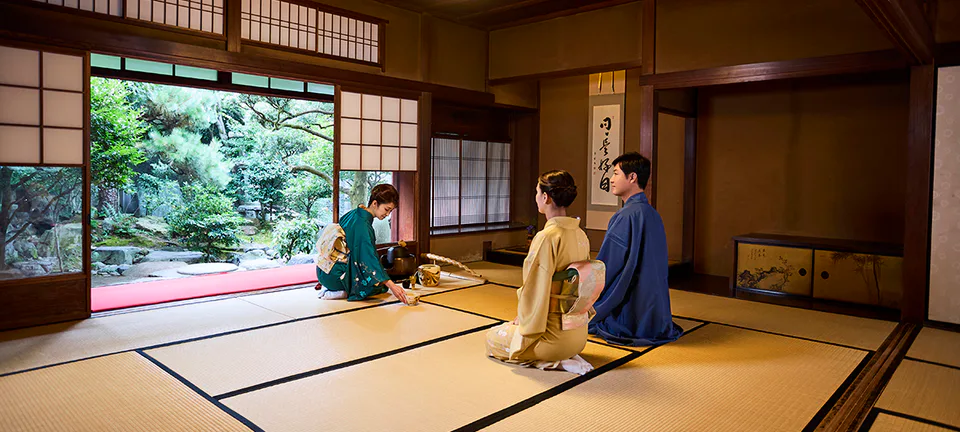
A 19:30 or 20:00 dinner no longer needs to end in a race to Osaka. The evening can include dessert, a short river walk or a direct return to the Kyoto room. It need not be an expensive meal to justify staying: the saved return journey and freedom to stop when tired are the relevant parts.
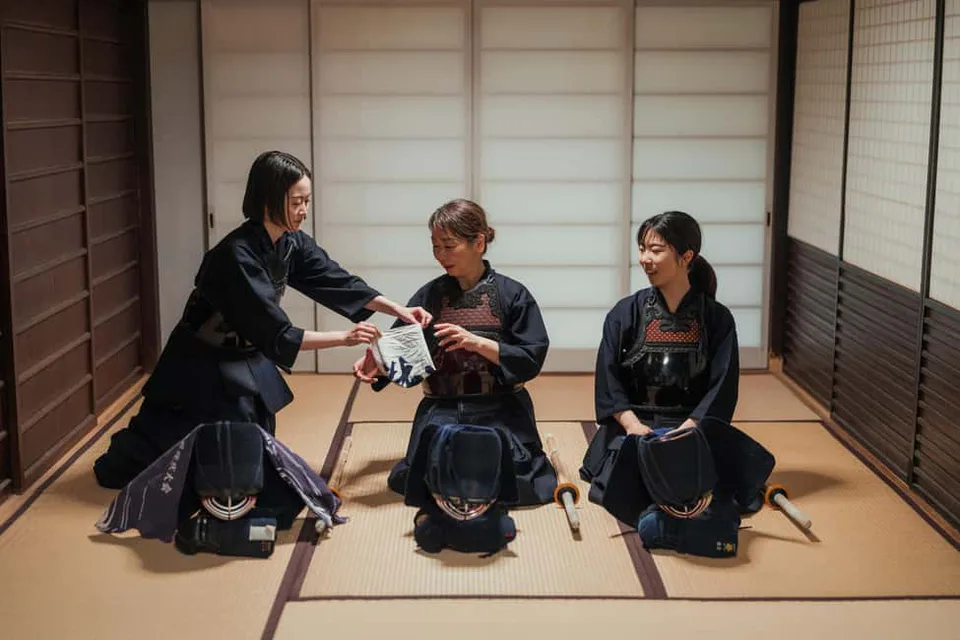
Day 6: one second morning, with a weather choice
Higashiyama at opening time
Kiyomizu-dera lists 06:00 opening on its regular 2026 calendar; the closing time changes by season and for certain special evening periods. An early visit followed by the Ninenzaka lanes before breakfast is a clear reason to have a Kyoto room. The value is in a calm sequence, not in racing from a temple gate to a second faraway district before 10:00.
Arashiyama as an alternative
If the bamboo area or western Kyoto is the principal image you came for, give that side the whole morning. Avoid adding a hurried Higashiyama stop immediately afterward just to say both were seen early. The lodging split provides two mornings, not two simultaneous starts; Day 5 already used one for Fushimi.
A rainy afternoon indoors
Wet weather can move an indoor activity into the affected afternoon. Kyoto International Manga Museum is a central option if it suits the party. Exchange one block rather than rebuilding all six hotel nights around a forecast. If Arashiyama is wet but Higashiyama had a dry Day 5, keep the earlier success and use this day more gently.
The last Kyoto evening and airport preparation
Confirm the Day 7 KIX train, first feasible departure, hotel checkout, luggage collection and flight check-in deadline. An extremely early flight is the main reason the tidy Kyoto-last pattern may fail. Test actual connections for the travel date before deciding whether two Kyoto nights and an Osaka last night would be safer.
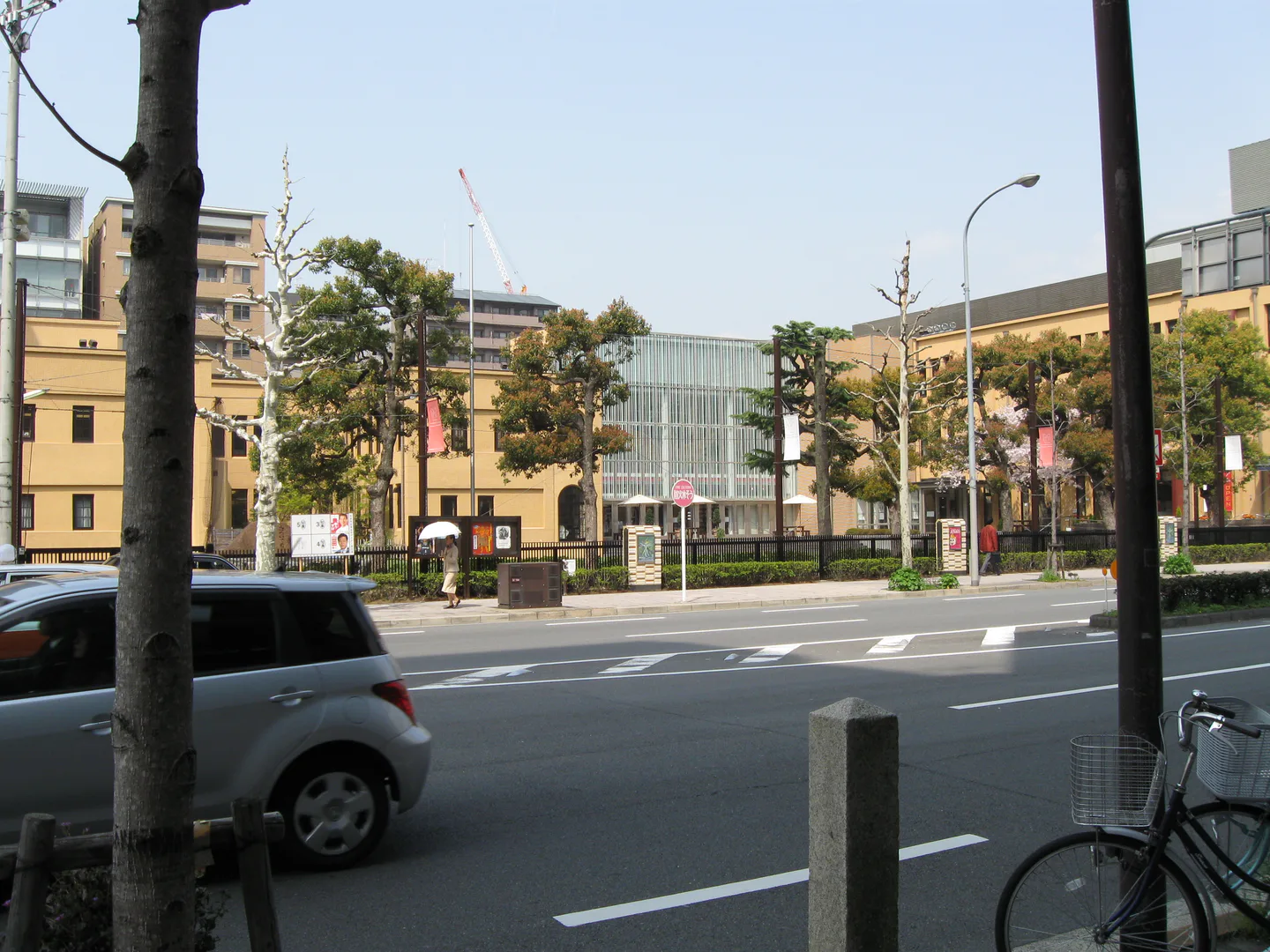
Day 7: Kyoto to KIX
JR-West lists direct HARUKA service between Kyoto and Kansai Airport. That connection lets many afternoon or evening departures begin from the Kyoto hotel without moving back to Osaka. It is not permission to assume every departure time works: the first usable train, journey duration, terminal transfer and airline check-in window must fit the booked flight.
With a later flight, keep the morning local: coffee, Higashi Hongan-ji or a short shop near Kyoto Station, then collect the bags and leave with a proper airport buffer. A famous extra attraction far across town can make the last day less pleasant and threaten the flight. Departure logistics, not another checklist item, decide the length of this morning.
Kyoto Station and Gion solve different parts of this plan
Kyoto Station for baggage and transport
Near-station accommodation is practical for Day 4 arrival, the Day 5 JR connection to Inari and Day 7 HARUKA access. It may have less immediate old-town atmosphere, but fewer bag-carrying steps can be decisive for a group or a short final morning. Compare exact hotel entrances and room rules, because 'near station' covers very different walking distances.
Gion or Kawaramachi for Kyoto's outer hours
A hotel on this side brings Higashiyama, Shirakawa, the Kamo River and dinner streets nearer the room. That geography is especially useful when a 06:00 temple start or a late walk motivated the split. Its cost is the transfer with bags after arriving from Osaka and a more involved Day 7 airport departure; both should be checked against the specific property.
For a third area or a broader room search, use Kyoto Station, Kawaramachi and Higashiyama base choices. Do not choose Gion solely for a name on the map when the hotel is a long walk from the evening route you intend to follow.
Nara would replace a Kyoto day
The core route leaves Nara out to let Kyoto function as a second base rather than a place reached for one photograph. Travellers who have already spent ample time in Osaka, or who value Nara more than a second Kyoto morning, can substitute Nara for Day 6. Adding it on top of every listed Kyoto and USJ block usually turns a useful six-night structure into a race.
Whether Nara is simpler from Osaka or Kyoto depends on the two hotel locations and the desired route; compare Nara departures from each city. Keep it away from Day 4. Carrying bags through Nara between checkout and Kyoto check-in consumes the transfer day without improving the shrine or old-town visit.
When a 3+3 hotel split adds more effort than value
Families with toddlers and daily gear
Bottles, laundry, a stroller, naps and bag repacking can absorb the time that Kyoto's early start was supposed to save. A toddler may gain little from a 06:00–09:00 temple window. One Osaka room with one planned Kyoto day can be the calmer choice if the family is already handling a full USJ day.
Travellers for whom station changes are physically costly
One transfer on a route diagram becomes checkout, cases, platforms, onward walking and another check-in. Older travellers or anyone with mobility limits should weigh that whole sequence against the specific morning hours gained. If Kyoto receives only one daytime circuit, avoiding the hotel move may be more valuable than an atmospheric second address.
A very early flight from KIX
If the last night's Kyoto hotel cannot connect to the airport in time for the actual airline check-in, the third Kyoto night is a poor risk. Consider two Kyoto nights then one Osaka night, or retain an Osaka base throughout. Make this exception from the flight schedule and first trains, not from a vague belief that Osaka is closer to the airport.
Travellers whose priority remains Osaka after dark
Someone who expects late Osaka dinners or bars on most nights may be unhappy losing three city evenings. In that case, sleep in Osaka, visit Kyoto once early and return afterward. An elegant split on paper does not repay itself if the visitor prefers the hours it relocates away from Osaka.
The expensive part of moving is the sequence around the train
Count four tasks in addition to the rail fare: packing before checkout, carrying luggage to the departure platform, bridging the Kyoto check-in gap, and paying the applicable Kyoto tax. None is individually dramatic, but together they use a part of Day 4. This explains why a short rail ride alone is a poor argument for making the split.
Do not assign USJ, Nara or Arashiyama to that same moving day. A manageable Higashiyama afternoon followed by Gion in the evening is enough. If the transfer day needs three headline sights to look attractive, the trip may be better served by one Osaka base and selected day trips.
Buy rail passes only after the actual train legs are listed
The route can involve JR, Osaka Metro, Hankyu, Keihan and airport services, each with different coverage. A pass called 'Kansai' may not pay for the particular combination. First mark the Day 1 airport transfer, USJ day, Day 4 move, Kyoto local trains and Day 7 KIX route. Then compare eligible fares with the pass price and its rules.
Because this plan changes city once, it uses fewer Osaka–Kyoto journeys than an all-Osaka itinerary with repeated Kyoto day trips. A pass calculation copied from the latter can be wrong here. The correct answer follows the travel legs, not the seven-day duration on the cover of a pass.
Why five Osaka nights plus one Kyoto night is often awkward
One Kyoto night still requires checkout, cases and a second room, but yields only one evening and one early morning. A special ryokan, booked event or deliberately early Kiyomizu visit can justify it. Without such a reason, the arrangement pays most of the transfer cost for little of the two-day flexibility that makes three Kyoto nights appealing.
For a six-night first trip, either six Osaka nights or a 3+3 division is often easier to run. Chopped patterns such as 4+1+1 create multiple hotel administration blocks without necessarily giving more useful hours in Kyoto. The night's purpose matters more than achieving a numerically balanced city count.
Why Osaka first pairs well with a USJ day
USJ's finishing time and energy cost are uncertain. Doing it during the Osaka stay means a direct return to that same room. Afterward, the transfer to Kyoto changes the pace toward walking and earlier temple mornings. The order is useful because of the park and luggage sequence, not because Osaka must always precede Kyoto.
Kyoto first can also work, but KIX arrival, USJ day and final shopping need a different arrangement. A first-time route that begins in Osaka and ends in Kyoto usually keeps the only hotel transfer away from the park day. Test the reverse order if a fixed Kyoto event or flight timing gives it a clearer purpose.
Weather flexibility within three Kyoto nights
The Osaka city day, Kyoto cultural booking and Kyoto outdoor morning respond differently to rain. Move the indoor block to the wet afternoon and preserve an outdoor morning when conditions improve. A dated USJ ticket or timed park plan is less easily shifted, so the Kyoto portion carries most of the weather adjustment.
Fushimi, Higashiyama and Arashiyama need not be forced into a single Kyoto day when there are two full days and the arrival afternoon. That extra weather window is a genuine return from the hotel split. It would be much smaller if Kyoto received only one compressed day.
Seven checks in the two days before leaving
Confirm the first Osaka hotel area; the booked USJ date, opening information and any Express timed entry; Osaka checkout bag storage; Kyoto pre-check-in bag acceptance; Day 4 Osaka-to-Kyoto route; the correct Kyoto lodging-tax band; and the first workable Day 7 KIX connection. These seven checks target the transfer and airport edges, where an otherwise sound 3+3 calendar tends to break. Ask the Osaka hotel specifically whether storage continues after checkout rather than assuming a front desk will hold bags indefinitely. Likewise, a Kyoto hotel's willingness to receive luggage before room check-in is a property rule, not a citywide service.
If the Kyoto hotel will not hold bags or the flight demands a departure before the viable train, redo the hotel allocation before committing to two inflexible rates. A scenic Day 5 cannot repair an impossible final airport morning. Resolve those structural issues while reservations can still be changed.
The booking test: would two Kyoto mornings change your trip?
Keep one Osaka hotel when Kyoto is a single day or when late Osaka evenings and a light luggage routine matter more. Use three nights in each city when at least two Kyoto days deserve the hours before 09:00 or after 18:00. That gives the hotel move a concrete return: early starts and relaxed evenings, not just a different address.
A solitary Kyoto night and an Osaka–Kyoto–Osaka loop tend to recover less value from the packing than a clean three-night stretch. Place USJ and Osaka dining before the move, use a restrained Kyoto arrival afternoon and end at Kyoto only if the KIX departure actually permits it.
Remove the two early Kyoto mornings from the plan as a test. If almost nothing you care about disappears, keep Osaka as the sole base. If Fushimi at first light, Higashiyama at opening and evenings without the return train are central to the trip, one Day 4 hotel transfer is easier to justify.
Further choices that affect the route
Still deciding the main city? Read Kyoto versus Osaka. For the first hotel, compare Namba and Umeda; for the second, compare Kyoto Station and Gion.
If Kyoto stays a day trip, review Osaka's nearby trips. Fixing the park day? Use USJ Express Pass choices. If Day 6 may become Nara, compare Nara access from both cities.
Kyoto transport and attraction details
Kyoto's morning and evening suggestions describe the early and late sightseeing windows. Kiyomizu-dera visitor hours give the 2026 06:00 opening and seasonal closings. Kyoto City's accommodation tax bands determine the per-person, per-night charge.
Kyoto's Fushimi Inari access routes distinguish the JR and Keihan approaches. Hankyu's Kyo-train Garaku timetable supports the weekend 43-minute example; JR-West's HARUKA page identifies the direct airport link. Use departure-specific timetables when fixing the booking.
Other ways to organise a Kansai week include an Osaka culture-led route with one Kyoto night, a single Osaka hotel for four Kansai destinations, a couple's route through Kyoto and Kobe, a flexible solo route and a budget itinerary that evaluates passes. For a different trip length or lodging problem, compare Osaka in three to five days, a ten-day Tokyo–Kyoto–Osaka route, Osaka hotels for five to seven nights, Osaka night views and Fukuoka Tower on a separate Kyushu trip.