
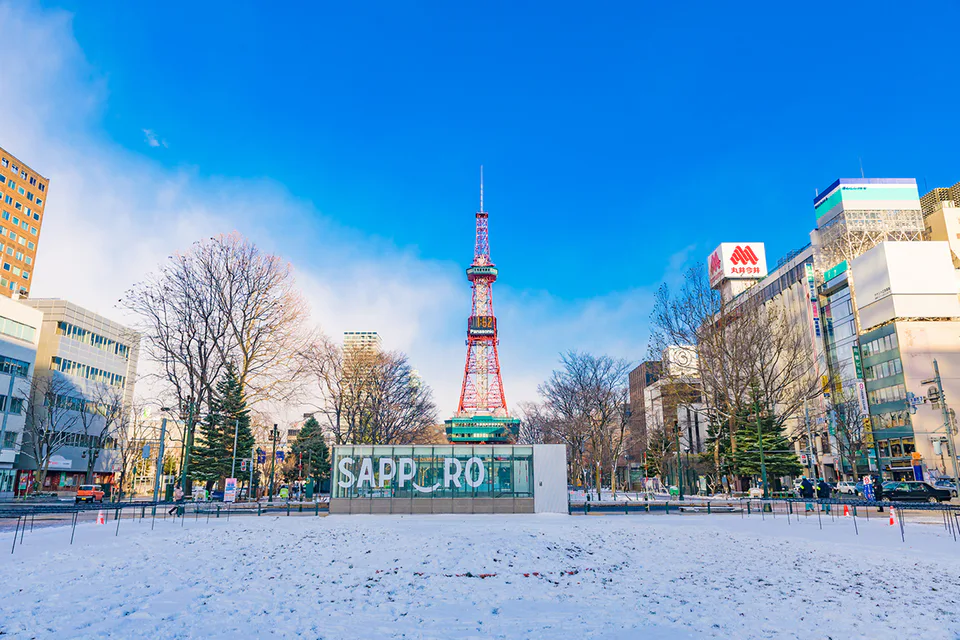
January clothing for Japan depends on which January you mean. The 1991–2020 climate normal is 5.4°C for Tokyo, −3.2°C for Sapporo and 17.3°C for Naha. Those monthly averages are useful for separating a city coat, snow-ready footwear and an Okinawa wind layer. They do not tell you what a particular travel week will feel like. A trip covering Hokkaido and Okinawa can cross a much larger temperature gap than a single national forecast suggests.
Pack a small set of clothes that can be recombined: a breathable base, one removable insulating layer and outerwear matched to the coldest or wettest part of the route. Tokyo, Osaka, Kyoto and Fukuoka can largely share a city-winter set. Sapporo asks first about grip and water protection underfoot. Naha needs a layer against coastal wind and changing cloud, usually without the bulk of a northern winter coat. If you are planning a move between regions, December weather shows how the divide begins before January, while February's pattern explains why it does not vanish immediately afterward.
↔ Scroll table left or right
| City | January mean | Normal high / low | First packing priority |
|---|---|---|---|
| Tokyo | 5.4°C | 9.8°C / 1.2°C | Coat with removable layer for heated indoor stops |
| Osaka | 6.2°C | 9.7°C / 3.0°C | City coat; add a compact layer for long Kyoto mornings |
| Fukuoka | 6.9°C | 10.2°C / 3.9°C | Medium coat and wind-aware evening layer |
| Sapporo | −3.2°C | −0.4°C / −6.4°C | Water-resistant footwear with dependable grip |
| Naha | 17.3°C | 19.8°C / 14.9°C | Light removable layers and windproof shell |
These are Japan Meteorological Agency long-term normals, not a promise for your future date. A low temperature, rain or snowfall, wind and time spent outside can change the practical outfit more than the monthly mean. Check a seven-to-ten-day forecast shortly before leaving, then adjust the few flexible pieces. The table is for choosing categories of clothing, not deciding exactly which coat to wear on a given Tuesday.
Tokyo: a cold morning and a heated train belong to the same day
The Tokyo normal is a 9.8°C daytime high and 1.2°C overnight or early-morning low. A winter coat is sensible, particularly for early departures and evening walks. The challenge is repeated moves into heated carriages, malls, museums and restaurants. A very heavy outfit that works on an exposed platform can become uncomfortable minutes later inside a train. Start with a normal or lightweight thermal base, one sweater or fleece that can come off and a wind-resistant coat. If you tend to get cold, choose a down outer layer that unzips easily rather than adding several thick sweaters underneath.
Gloves and a scarf cover a cold wait without taking the volume of a second coat. The outdoor exposure in a four-, five- or seven-day Tokyo route depends on whether the day is mostly neighbourhood stops or a Fuji excursion. A morning viewpoint or long outdoor queue needs more hand and head protection than a shopping day. Grouping Tokyo attractions into whole days also reduces unnecessary cross-city waits; extra clothing cannot repair an itinerary that sends you through several chilly transfers for little sightseeing time.
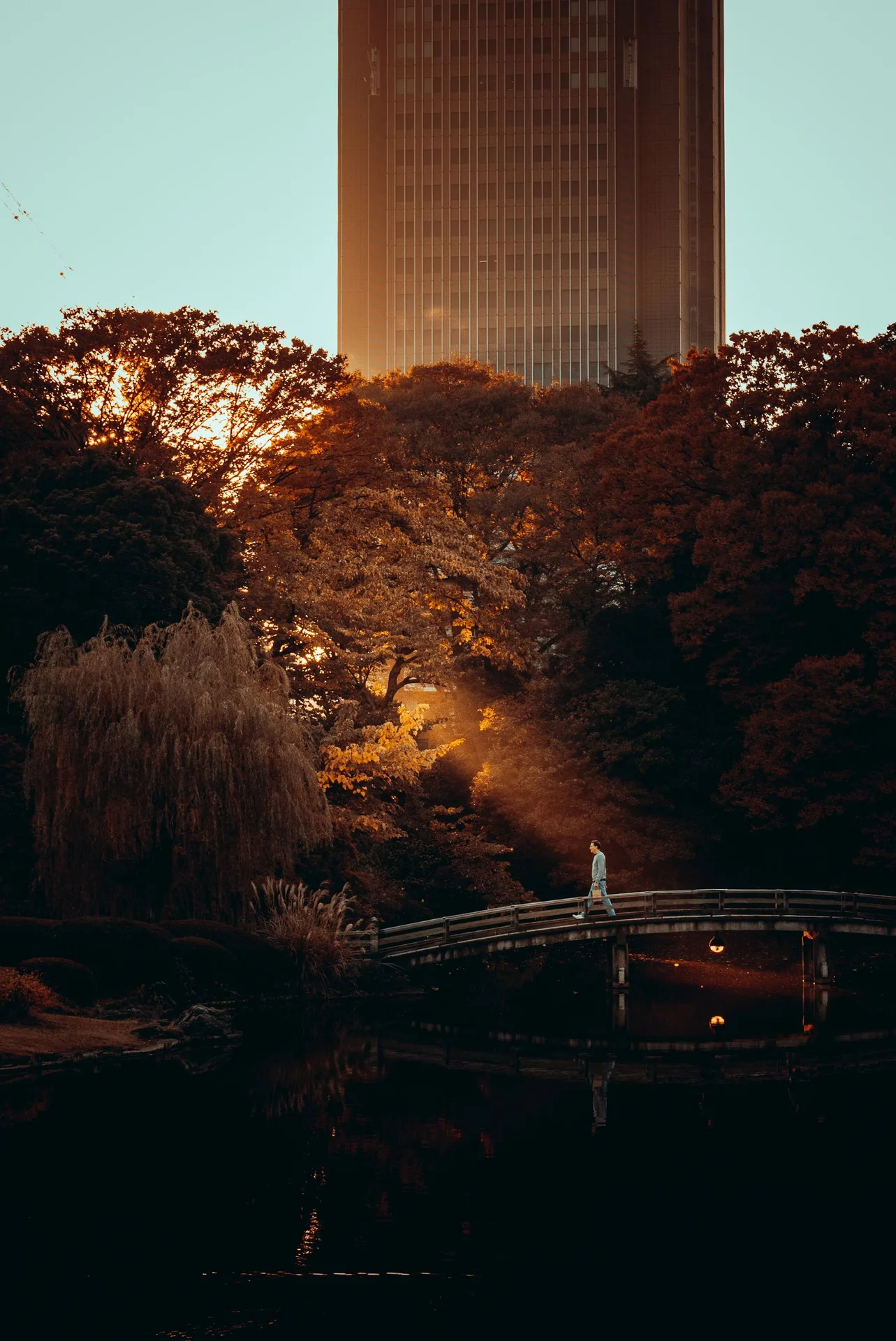
The Tokyo garden image below shows autumn-coloured foliage at sunset. It identifies a kind of outdoor city stop, but it is not a photograph of January conditions. Use the forecast and the JMA normals above to decide what to wear, rather than reading the season from a travel photograph.
Osaka and Kyoto share luggage; their day plans use it differently
Osaka's January normal high and low are 9.7°C and 3.0°C, close enough to Tokyo that most travellers can reuse the same coat and shoes. Namba, Shinsaibashi and Umeda days often move repeatedly indoors, so easily removed layers help. Grouping Osaka neighbourhoods reduces both transport waste and unnecessary outdoor waiting. A large suitcase on arrival may matter more than a minor temperature difference: the Kansai Airport route by hotel area can remove an awkward final transfer.
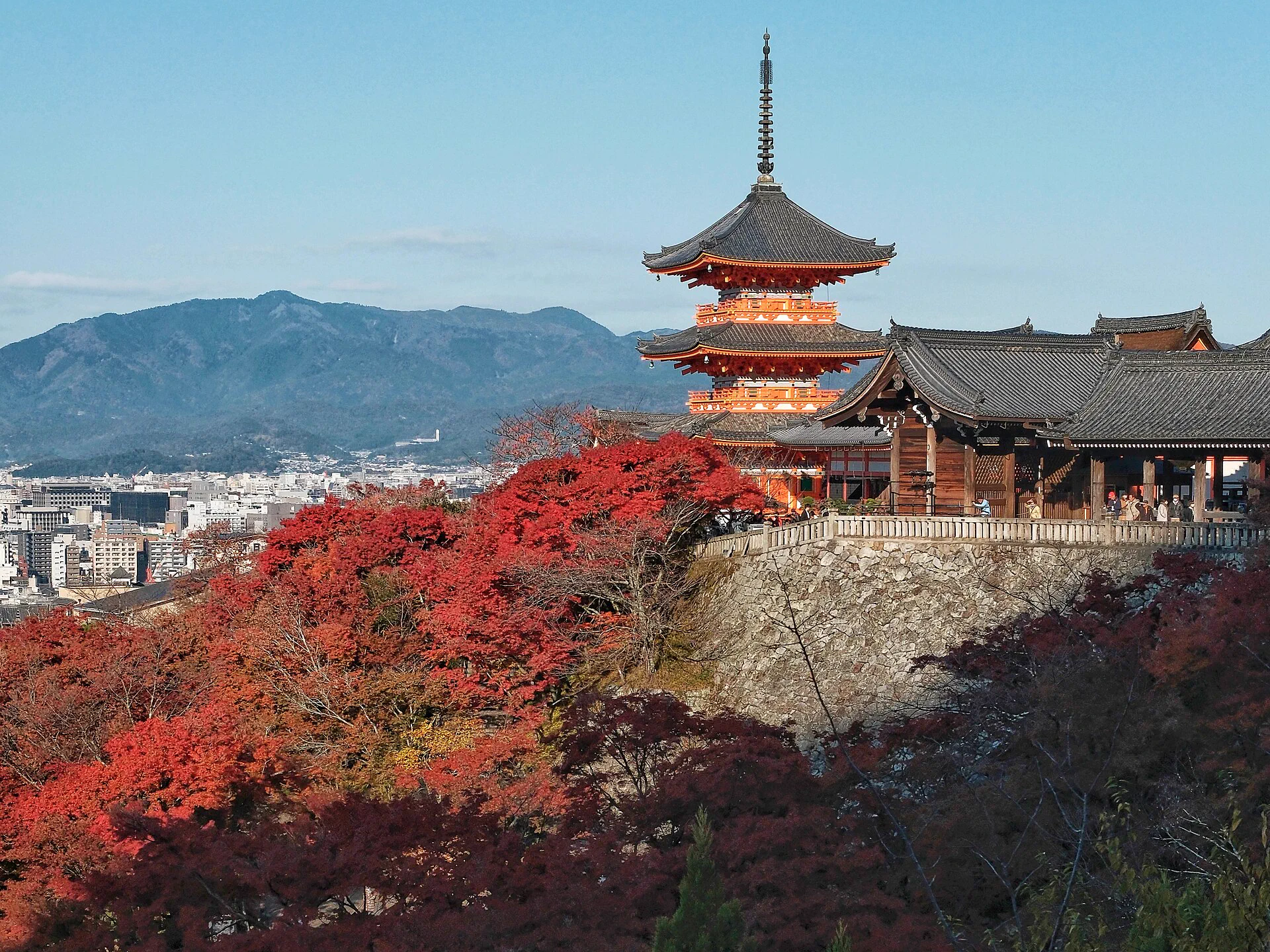
Kyoto often demands a longer continuous outdoor block than an Osaka shopping day, especially when temples and shrines are visited in the morning. Carry a compact mid-layer for those hours, then remove it at lunch or on the train. There is no need to pack a completely separate Kyoto coat. The pagoda photo here also shows red foliage from another season; the architecture is a useful example of a long outdoor visit, but the leaves are not evidence of January weather. If your Kyoto day centres on Fushimi Inari or Arashiyama, the time outside is the relevant packing variable.
Hokkaido: solve the ground beneath your feet
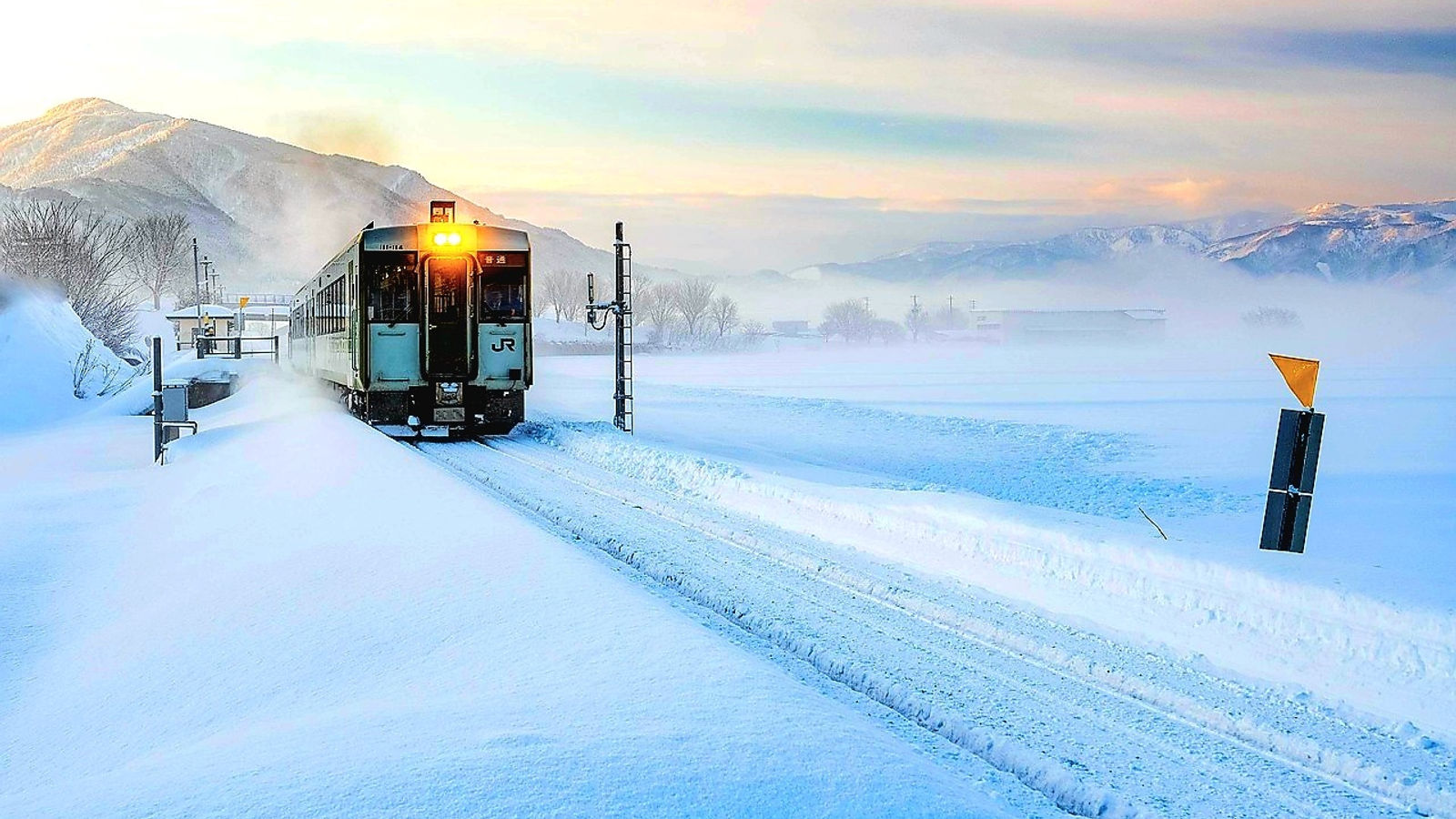
Sapporo's January normal high is −0.4°C and its low is −6.4°C, with a monthly mean of −3.2°C. Compared with Tokyo, this is a change in the walking surface as well as the air. Mesh running shoes can soak through and a smooth sole can slip on compacted snow or ice. Prioritise water-resistant uppers, practical traction, warm socks, gloves and a hat that covers your ears. Add a coat with suitable insulation and wind protection, but keep the base breathable because indoor rail and hotel spaces are heated.
A base in Sapporo, an Otaru day, a Noboribetsu stay and a Furano trip do not put the same hours outdoors. The five-, seven- or ten-day Hokkaido route can show where a snowfield, ski resort or long station approach changes your clothing needs. Choosing a Sapporo base also changes how often you walk icy streets with baggage. Winter driving adds another layer of planning; the Hokkaido rental-car guide covers road conditions and route constraints, while Hokkaido mobile coverage matters outside the city.
In the second Hokkaido image, snow covers Odori Park with Sapporo TV Tower in the background. It illustrates why traction and a warm outer layer matter even in the city. The photograph is a scene, not a forecast for your travel date; check current snow and pavement conditions before choosing footwear.
Fukuoka: milder, still a winter-coat city
Fukuoka has a 6.9°C January mean, with a normal high of 10.2°C and low of 3.9°C. That is slightly milder than Tokyo or Kyoto, yet an evening beside the river, at an outdoor yatai or an exposed transit stop can feel colder when wind is added. Reuse the city coat and mid-layer you already brought for Honshu. A second jacket labelled for Fukuoka itself usually adds baggage without solving a different climate problem.
How late you stay outdoors matters more than a decimal in the monthly mean. A Nakasu, Tenjin or Nagahama yatai evening calls for easy hand and neck warmth; a route dominated by indoor shopping does not. A three-day Fukuoka itinerary can help distinguish those nights from transport-heavy mornings.
Okinawa: keep a shell, leave the northern coat compressed
Naha's January normal is a 17.3°C mean, with a high of 19.8°C and low of 14.9°C. A heavy Hokkaido-style down jacket is usually more luggage than help there. A light long-sleeve or T-shirt, removable sweater or fleece and windproof shell adapt to a sunnier afternoon and a cloudier coast. Wind is the reason not to pack for a summer beach holiday from the temperature alone.
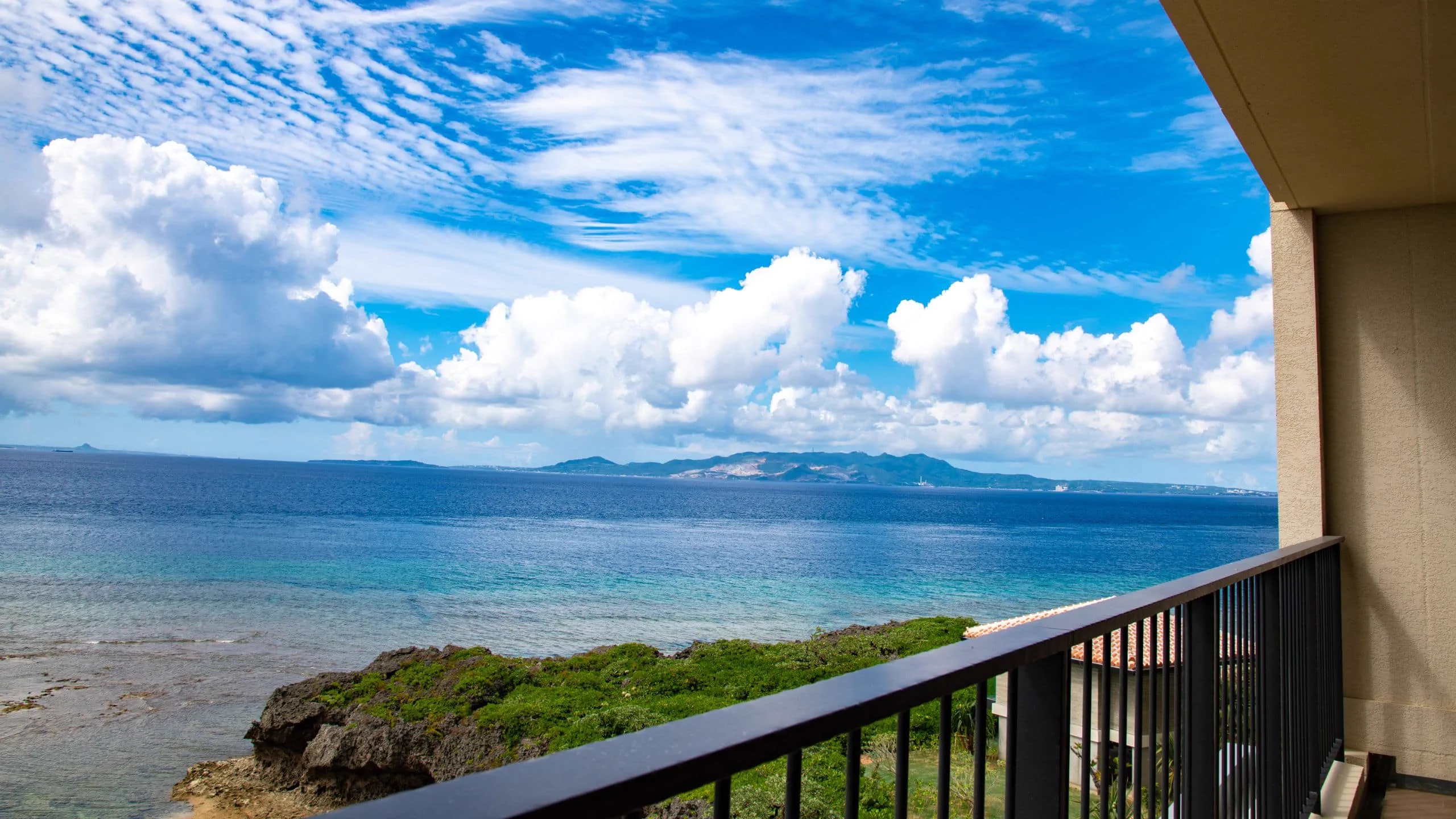
The first-time Okinawa route guide helps distinguish days spent in a car from time at viewpoints or after dark. If the itinerary drives north or goes to smaller islands, the Okinawa coverage comparison is more relevant than a headline Japan-wide data allowance. The sea photo below was taken from a hotel balcony; it shows an exposed coastal setting, not the weather on any particular January day.
A five-to-seven-day suitcase should repeat functions
For a city-led week, two or three quick-drying base tops can rotate beneath one sweater, fleece or thin down mid-layer. Add one wind-resistant outer coat for Tokyo, Osaka, Kyoto and Fukuoka, rather than a jacket for every stop. Gloves, scarf and a beanie take far less room than another heavy coat. Comfortable walking shoes cover ordinary city days; snow and ice require a separate footwear choice. Thermal leggings are useful for a traveller who runs cold or has long outdoor periods, not an automatic item for every heated urban itinerary.
Hokkaido changes the shoe and weatherproofing specification. Okinawa changes the outer layer to a lighter shell. The shared base and removable insulation can travel through both places, but forcing one pair of smooth-soled shoes across snow and a warm coast is false economy. Set up a Japan data plan before departure when you pack; the seven-day data-size comparison helps if navigation, social uploads or hotspot use vary across the route.
On a Tokyo–Hokkaido trip, keep the same base and add compact insulation, snow shoes and accessories for the north. On a Kansai–Okinawa trip, reuse the light base and mid-layer in Naha while the heavier coat stays packed. The city-versus-mountain clothing distinction also applies across seasons: the length and surface of an outdoor day matter more than the country's name on the suitcase tag.
The last forecast check should decide the extras
Look seven to ten days ahead at four variables for each destination: expected minimum, rain or snow, wind and the longest continuous outdoor block. The minimum tells you whether warm leggings or better gloves are needed. Precipitation changes shoe and shell choices. Wind matters near Okinawa's coast, Fukuoka's exposed evenings and winter viewpoints. Three hours at a shrine, ski area or open observation point needs more protection than ten minutes between stations.
If the forecast is poor, adjust the route before buying more gear. The rainy-day itinerary decision can move outdoor plans to a better day; Tokyo indoor alternatives can fill a wet city block. For Hokkaido, continue to read current transport and snow conditions. In Okinawa, a windy boat or viewpoint day may need changing even when the air temperature appears mild.
Tokyo may justify a down coat, but an expedition-weight one is rarely needed for a normal indoor-and-outdoor city day. Regular sneakers can be a poor Sapporo choice when their uppers absorb water or their soles lack grip. Okinawa is markedly warmer than the northern cities without becoming summer every day. A versatile suitcase follows these differences and leaves enough room to change a layer during the day.
More seasonal and route guides
Japan Meteorological Agency climate normals · Japan Meteorological Agency climate normals · Japan May Weather: Tokyo Warms Up, Kyoto Nears Summer, and Okinawa Turns Rainy · Japan November Weather: Tokyo Drops to 6°C by Month-End, Sapporo Turns Wintry, Okinawa Stays Warm · Japan October Weather: Tokyo Turns Cool, Sapporo Drops to 8°C Nights, Okinawa Still Feels Like Summer · Japan March Weather: Tokyo Warms Up, Sapporo Stays Snowy, Okinawa Feels Like Another Season · Japan April Weather Is Not One Spring: Kyoto Warms Fast, Sapporo Stays Cold, Okinawa Runs Warm · FUTURE OF LIFE+ at Takanawa: What Changed from Expo 2025 and How the 45-Minute Tokyo Experience Works · Japan September Weather: Tokyo Starts Near 30°C, Sapporo Is Already in Early Fall · Sapporo Odori Beer Garden 2026 Has Ended: Six-Zone Guide and What to Check Next · 1 or 2 Days at Tokyo Disney? How to Split Disneyland and DisneySea · Okinawa Hotel Breakfast: Don’t Add It Until You Know What Time You Leave · Tokyo Skydiving Guide: Skydive Nippon Booking, Transport and Cancellations · Six People in Okinawa? One Big Room Is Often the Wrong Goal — Split Beds, Bathrooms and Bedtimes First
When the January route includes Sapporo, look at rooms near the winter station or activity base alongside the cold-weather clothing plan.